
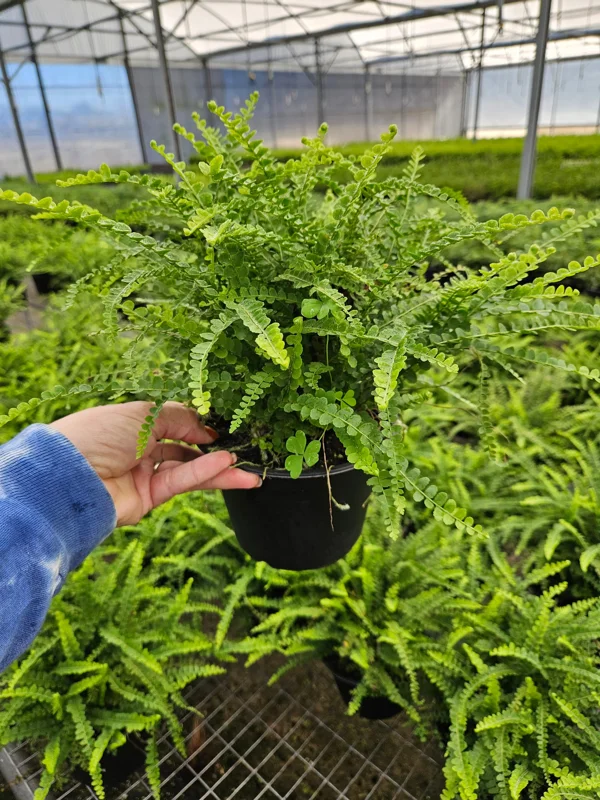
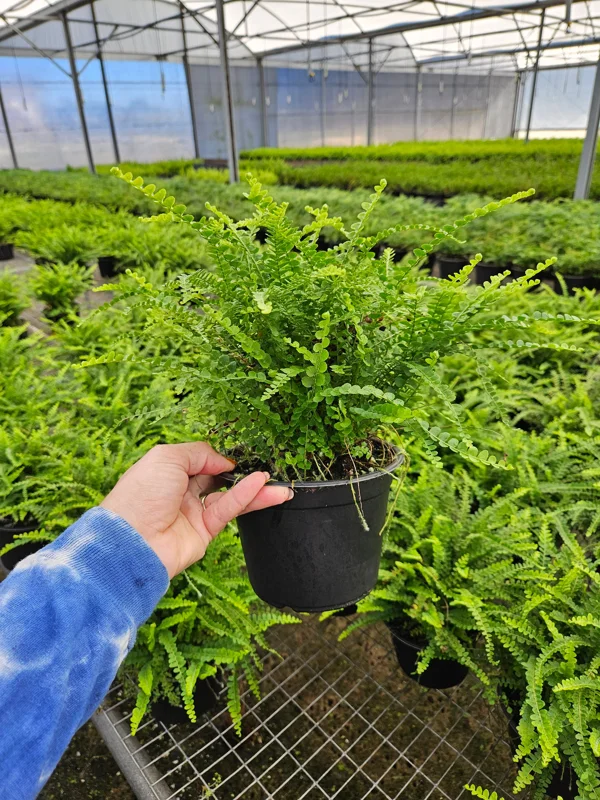
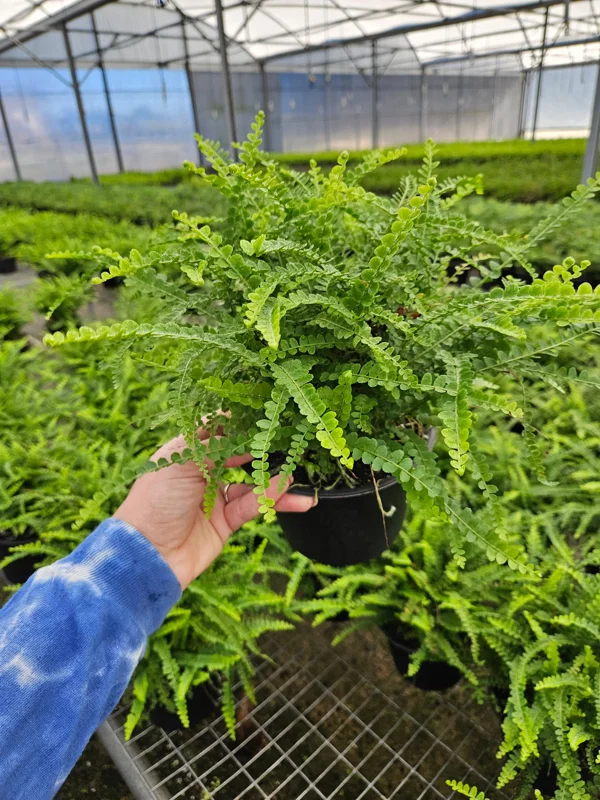
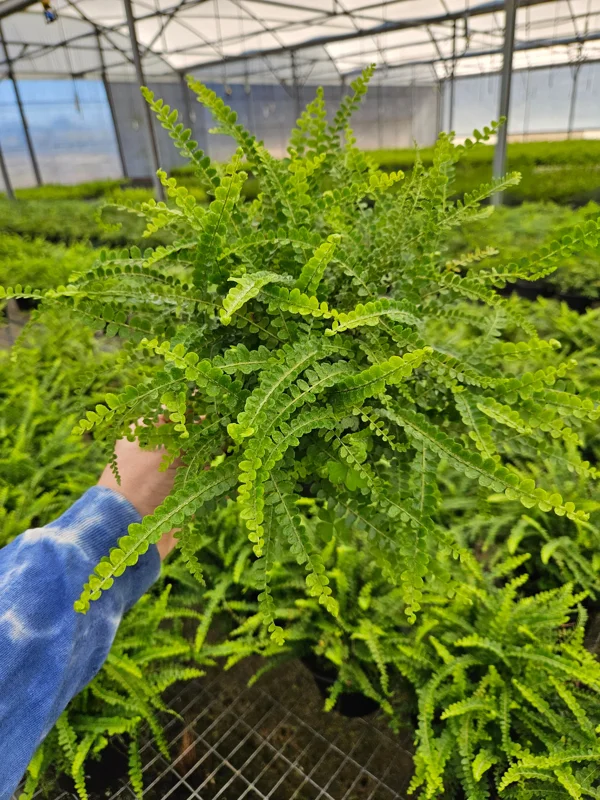


Lemon Button Fern Live Plant – Nephrolepis cordifolia ‘Duffii’ – Easy Indoor Fern – 4 or 6 Inch Pot
Price range: $28.40 through $49.99
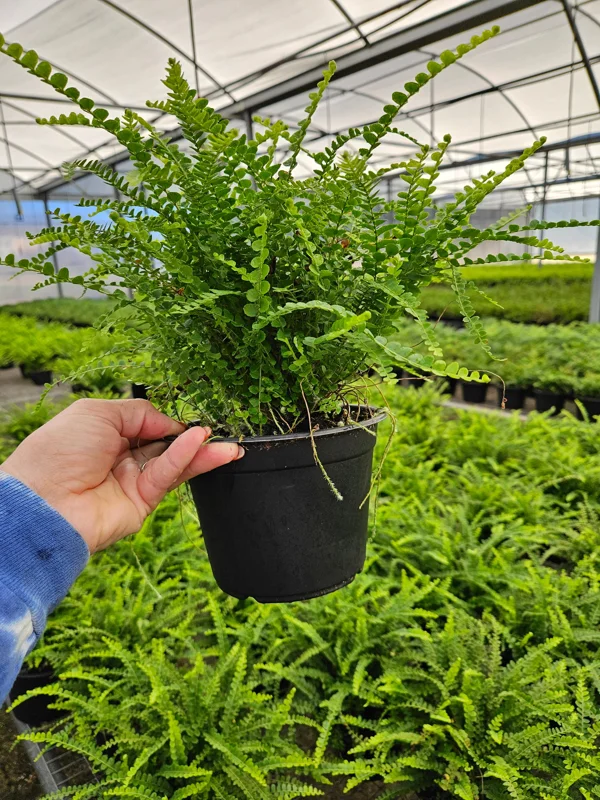
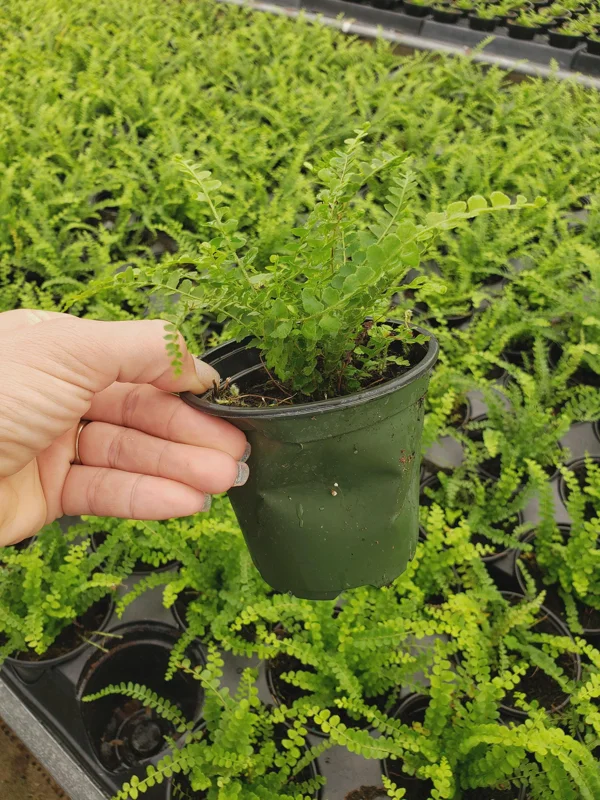
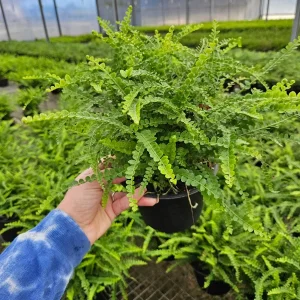
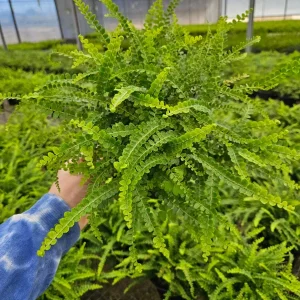
Bring home a delightful lemon button fern live plant for vibrant indoor greenery. This easy indoor fern, Nephrolepis cordifolia ‘Duffii’, features compact, arching fronds and a refreshing citrus scent. Perfect for adding a touch of natural beauty to any room, it’s a popular choice for both beginners and experienced plant enthusiasts.
Estimated arrival
Oct 22
Oct 27 - Oct 29
Nov 01 - Nov 05

Reasonable Price
We offer reasonable price

Support 24/7
Contact us 24 hrs a day

100% Money Back
You've 30 days to Return

Payment Secure
100% secure payment
Overview
The lemon button fern live plant (Nephrolepis cordifolia ‘Duffii’) is a charming and popular houseplant known for its distinctive small, round leaflets that emit a subtle lemon scent when brushed. This delightful fern is an excellent choice for adding lush, vibrant greenery to any indoor space, from bright living rooms to humid bathrooms. Its compact growth habit and gently arching fronds make it a versatile decorative element, perfect for shelves, desks, or hanging baskets. Often referred to as lemon button fern live plant, this variety of fern is appreciated for its relatively easy care requirements compared to some other fern species, making it an ideal plant for both novice and experienced plant parents. It thrives in conditions that mimic its natural tropical habitat, providing a refreshing touch of nature indoors.
Originating from tropical and subtropical regions, the lemon button fern live plant has become a staple in indoor gardening due to its attractive appearance and air-purifying qualities. Its botanical name, Nephrolepis cordifolia ‘Duffii’, distinguishes it from other fern varieties, emphasizing its unique ‘Duffii’ cultivar characteristics. This particular variant is celebrated for its dense foliage and resilience, offering a beautiful and long-lasting addition to your plant collection. If you’re searching for an attractive and manageable fern, the lemon button fern live plant is an outstanding option that promises to enhance your indoor environment with its natural charm.
Key Benefits
A lemon button fern live plant offers numerous advantages, making it a fantastic addition to any home. Its aesthetic appeal, coupled with its air-purifying properties, contributes positively to your living space. This easy indoor fern is not only beautiful but also beneficial for your well-being.
- Enhanced Indoor Air Quality: Like many ferns, the lemon button fern live plant helps to purify the air by removing common household toxins, contributing to a healthier indoor environment.
- Compact & Decorative: Its small, button-like fronds and compact growth make it ideal for smaller spaces, adding a touch of elegance to desks, shelves, or terrariums.
- Subtle Citrus Scent: When its fronds are gently touched, the fern releases a light, refreshing lemon scent, adding an unexpected sensory delight to your home.
- Relatively Easy Care: Compared to many other fern varieties, the nephrolepis cordifolia duffii is known for its resilience and more forgiving nature, making it suitable for beginner plant enthusiasts.
- Versatile Placement: Thrives in various indirect light conditions, making it adaptable to different rooms in your home, including bathrooms where it appreciates the humidity.
- Lush Greenery: Provides a continuous display of vibrant green foliage, bringing a natural and calming atmosphere to your interior decor.
- Pet-Friendly: Generally considered non-toxic to pets, offering peace of mind for households with furry friends, making it a wonderful small houseplant fern option.
Plant Care & Growing Tips
Caring for your lemon button fern live plant is straightforward, and with the right conditions, it will flourish and bring lush greenery to your home. This easy indoor fern thrives in consistent moisture and humidity, mimicking its native tropical environment. For optimal growth, provide bright, indirect light. Avoid direct sunlight, which can scorch its delicate fronds and lead to yellowing or browning. An east or north-facing window is often ideal, or a spot a few feet away from a south or west-facing window. If you notice the fronds looking pale, it might need slightly more light; if they appear burnt, reduce light exposure.
Watering is crucial for the health of your nephrolepis cordifolia duffii. Keep the soil consistently moist but never waterlogged. Allow the top inch of soil to dry out slightly between waterings, but do not let the soil dry out completely, as ferns are sensitive to drought. Proper drainage is essential to prevent root rot, so ensure your pot has drainage holes. Humidity is another key factor for a thriving lemon button fern live plant. These plants love high humidity, so consider placing it in a bathroom, using a pebble tray, or misting the foliage regularly. Average room temperatures between 65-75°F (18-24°C) are suitable, and it’s best to keep it away from cold drafts or sudden temperature fluctuations. Fertilize sparingly during the growing season (spring and summer) with a diluted liquid houseplant fertilizer, about once a month. Over-fertilization can harm the plant, so less is often more. Prune any yellow or brown fronds to encourage new growth and maintain its attractive shape, ensuring your small houseplant fern remains vibrant.
Size & Details
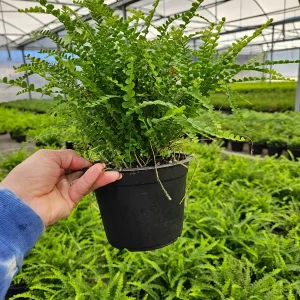
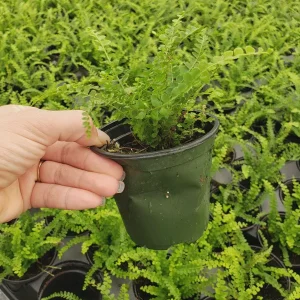
Each lemon button fern live plant is typically shipped as a well-rooted specimen, ready to thrive in its new home. Plants are available in either a 4-inch or 6-inch nursery pot, providing a choice suitable for various display needs. The compact growth habit means this fern usually reaches a mature height and spread of about 10-12 inches, making it an ideal small houseplant fern for shelves, desks, or terrariums. The fronds are gently arching and densely packed with small, round leaflets, giving the plant a full and appealing appearance. This fern is known for its moderate growth rate, gradually filling its pot with vibrant green foliage.
When you receive your lemon button fern live plant, it will be a healthy, established plant. The pot size indicates the diameter of the container the plant is growing in, providing ample space for initial growth. This plant does not produce showy flowers but is prized for its lush foliage. The ‘Duffii’ cultivar is particularly known for its resilience and ability to adapt well to indoor conditions, making lemon button fern care a manageable task for most plant enthusiasts. Expect your fern to arrive securely packaged, ensuring its delicate fronds are protected during transit and ready to be displayed immediately upon arrival.
Frequently Asked Questions
- Q: How big does a lemon button fern get? A: A lemon button fern live plant typically grows to a compact size, reaching about 10-12 inches in both height and spread, making it an excellent choice for smaller spaces and tabletops.
- Q: Is this an indoor or outdoor plant? A: The lemon button fern live plant is primarily grown as an indoor houseplant in most climates, though it can thrive outdoors in shady, humid environments within tropical USDA zones.
- Q: How much sunlight does a lemon button fern need? A: This easy indoor fern prefers bright, indirect light. Avoid direct sunlight, which can scorch its delicate fronds. An east or north-facing window is ideal.
- Q: Is this plant easy to care for? A: Yes, the lemon button fern live plant is considered relatively easy to care for, especially compared to other fern varieties. It requires consistent moisture and humidity but is quite forgiving.
- Q: What condition will it arrive in? A: Your nephrolepis cordifolia duffii will arrive as a healthy, well-established live plant in its nursery pot, securely packaged to protect its delicate fronds during shipping.
- Q: What size pot does the lemon button fern come in? A: The lemon button fern live plant is available in either a 4-inch or 6-inch nursery pot, offering options to suit your desired display size and space.
- Q: Is the lemon button fern pet-safe? A: Yes, the lemon button fern live plant is generally considered non-toxic to cats and dogs, making it a safe choice for households with pets.
- Q: How often should I water my lemon button fern? A: Keep the soil consistently moist but not waterlogged. Allow the top inch of soil to dry out slightly between waterings, ensuring you don’t let it dry out completely.
- Q: Does the lemon button fern smell like lemons? A: The lemon button fern live plant has a very subtle, refreshing lemon scent that is typically released when its fronds are gently brushed or disturbed.
- Q: What are the best conditions for lemon button fern care? A: The best conditions for lemon button fern care include bright, indirect light, consistently moist soil, and high humidity, ideally with temperatures between 65-75°F.
| Winter Shipping Option | Plant And Heat Pack, Plant Only |
|---|---|
| Plant Size | 4" Pot, 6" Pot |
Be the first to review “Lemon Button Fern Live Plant – Nephrolepis cordifolia ‘Duffii’ – Easy Indoor Fern – 4 or 6 Inch Pot”
-
USDA Hardiness Zone
unknown (typically grown indoors) -
Soil Type
well-draining potting mix -
Sunlight Exposure
bright indirect light -
Expected Planting Period
year-round indoors
People Also Viewd
Sold 134 products
Original price was: $3,536.00.$23.99Current price is: $23.99.
Sold 132 products
Original price was: $27.00.$24.00Current price is: $24.00.
Sold 132 products
Original price was: $89.99.$64.99Current price is: $64.99.

Sold 125 products
Original price was: $86.99.$66.99Current price is: $66.99.
Flower Bulbs
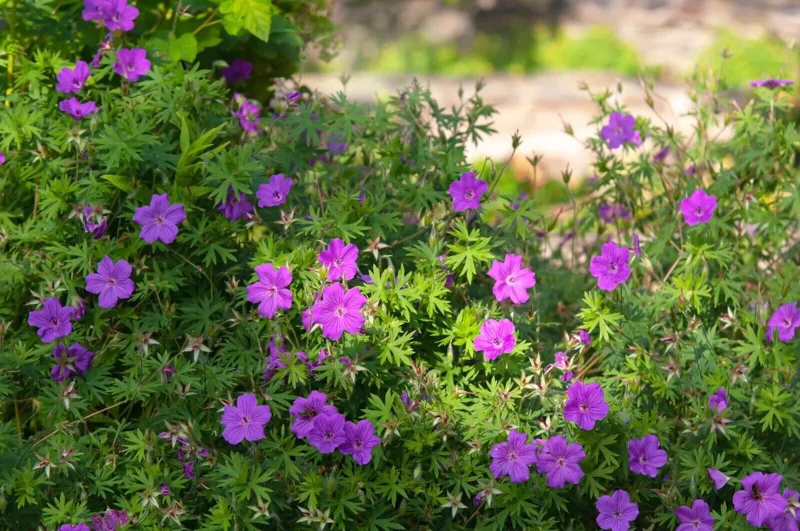
3 Cranesbill Wild Geranium Organic Maculatums Bare Roots | Wildflower for Outdoor Garden
Sold 116 products
Original price was: $21.99.$9.99Current price is: $9.99.
Sold 114 products
Original price was: $28.99.$17.99Current price is: $17.99.
Sold 110 products
Original price was: $63.99.$28.99Current price is: $28.99.
Sold 108 products
Original price was: $28.99.$17.99Current price is: $17.99.RELATED posts
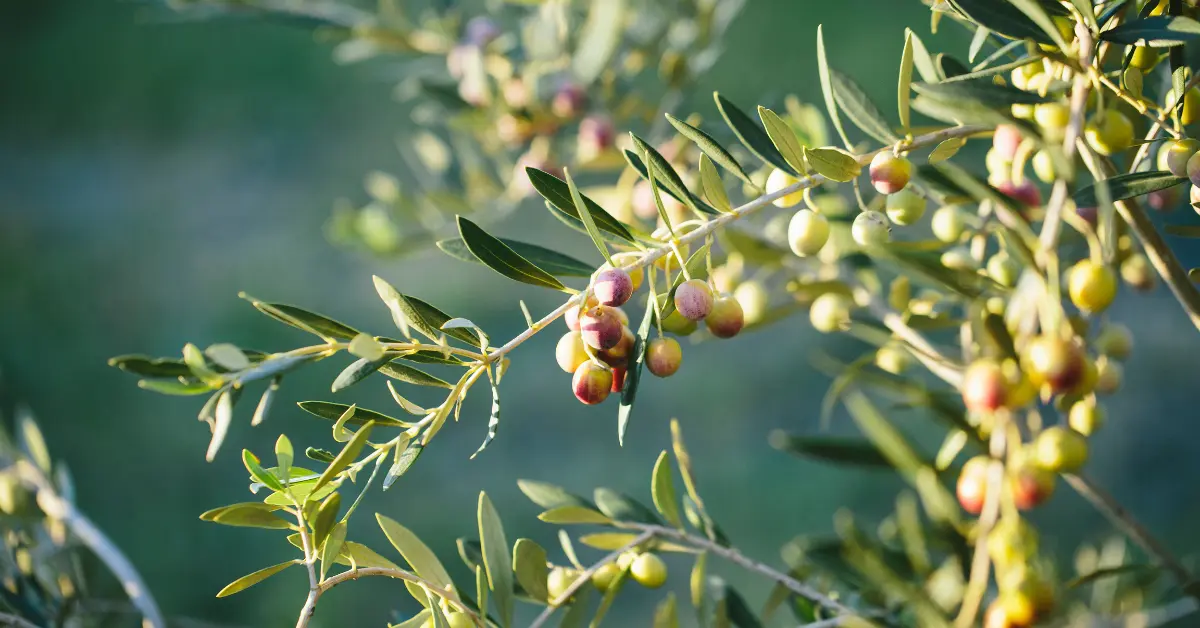
How to Grow Arbequina Olive Trees: The Ultimate Guide to Your Own Olive Grove
Arbequina Olive Tree (Olea europaea ‘Arbequina’) – the ultimate Mediterranean plant that brings a touch [...]
Oct
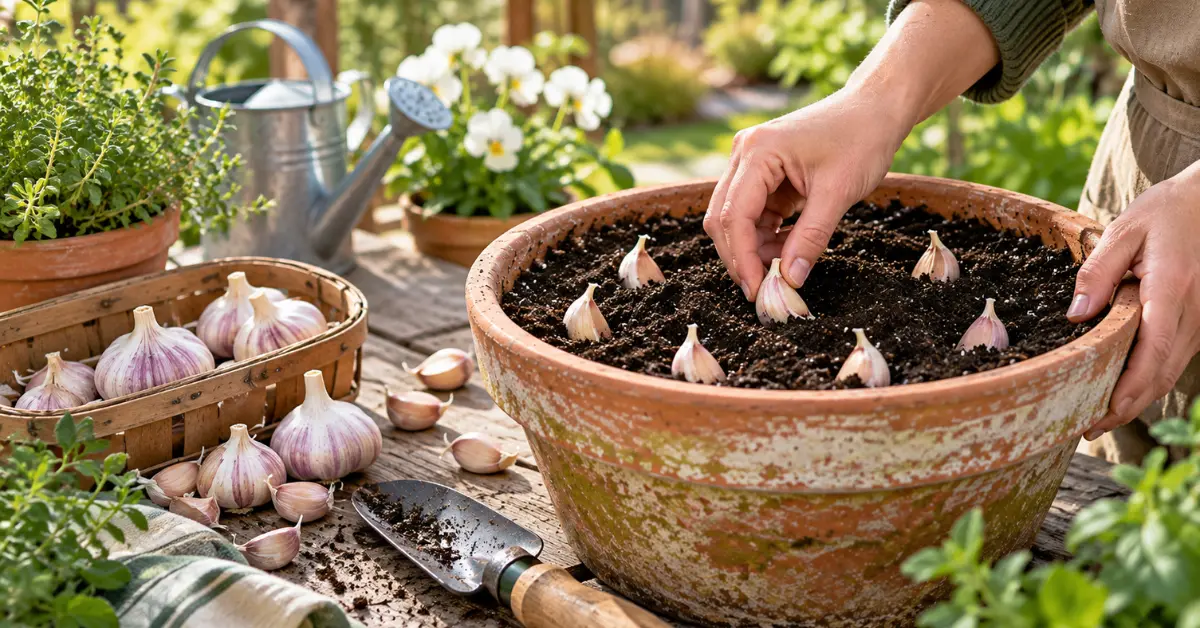
Growing Garlic in Containers This Fall: A Complete Guide for Beginners
If you’ve ever wanted to pop fresh, aromatic garlic cloves straight from your own patio [...]
Sep
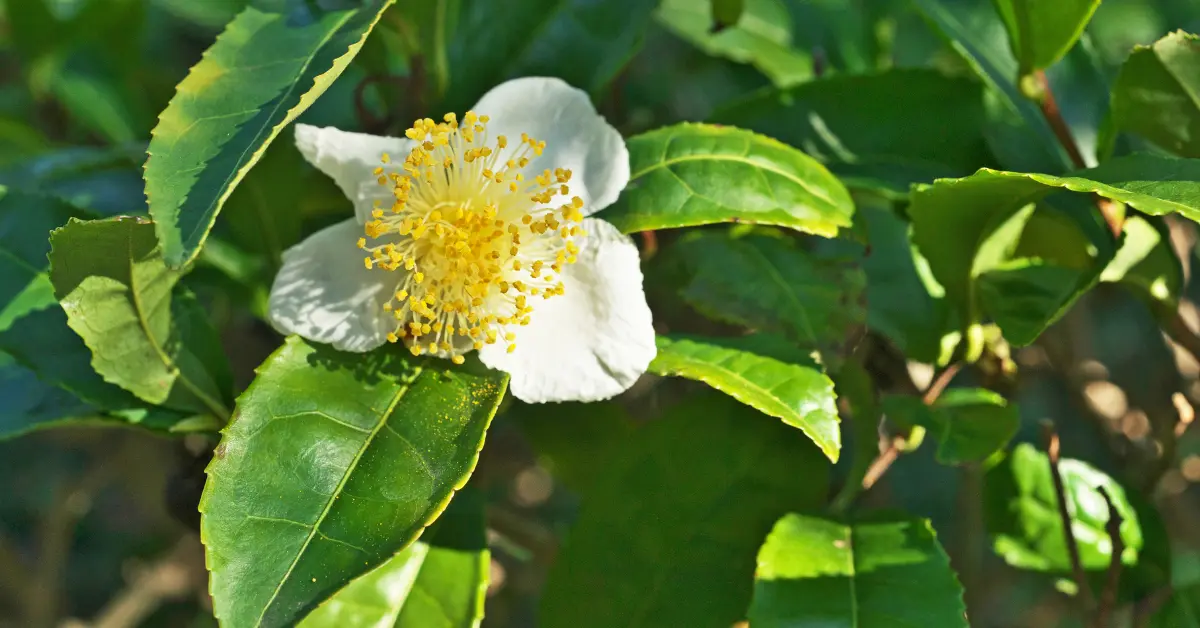
Growing Camellia Sinensis (Tea Plants) in Containers: A Complete Guide for Beginners
If you’ve ever wanted to sip a steaming, homegrown cup of fresh green, black, or [...]
Aug
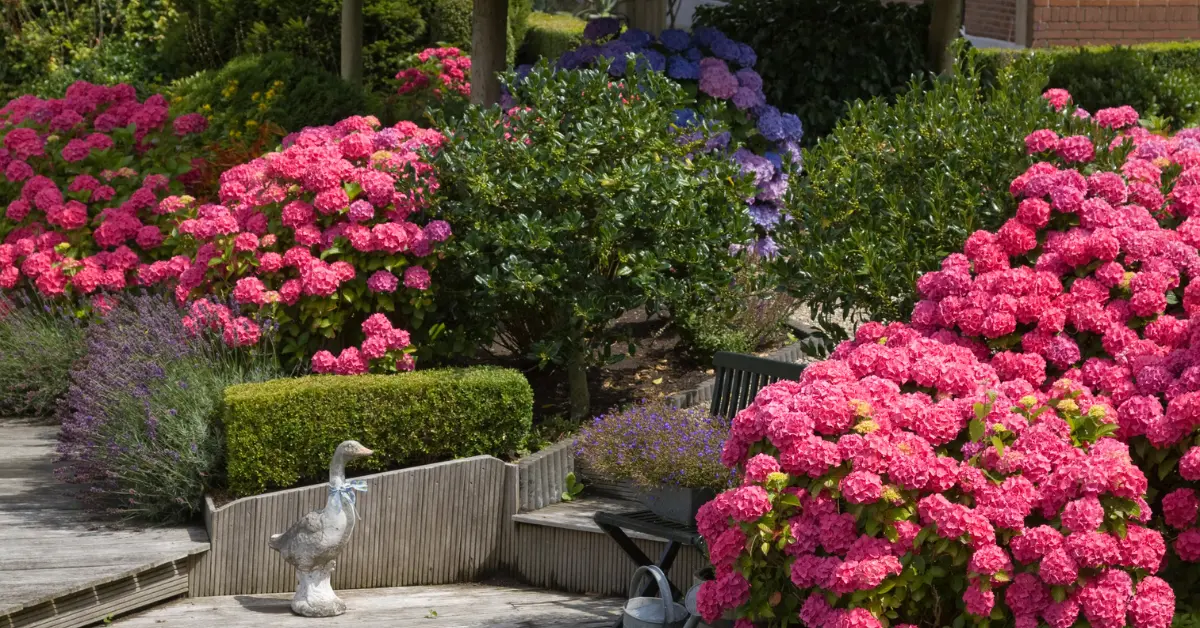
6 Best Shrubs to Plant in August You Must Try
Have you ever walked through a nursery late in the summer, admired the vibrant shrubs [...]
Aug
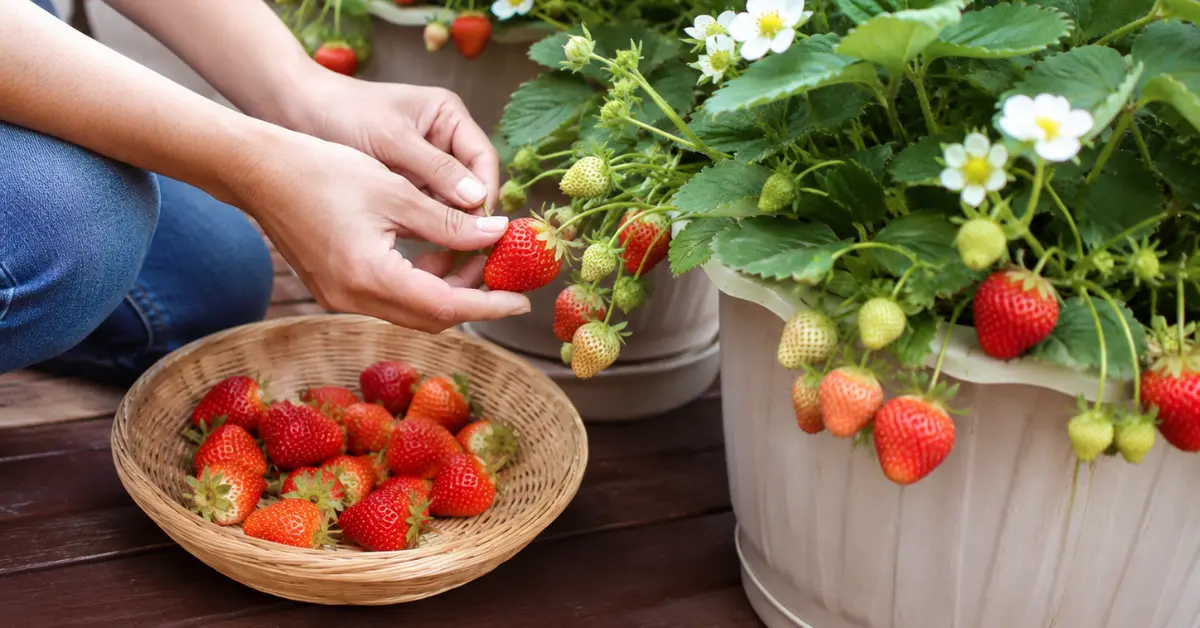
Growing Everbearing Strawberries in Containers: A Complete Guide for Beginners
Want to grow sweet, fresh strawberries but do not have a large garden? Everbearing strawberries [...]
Aug
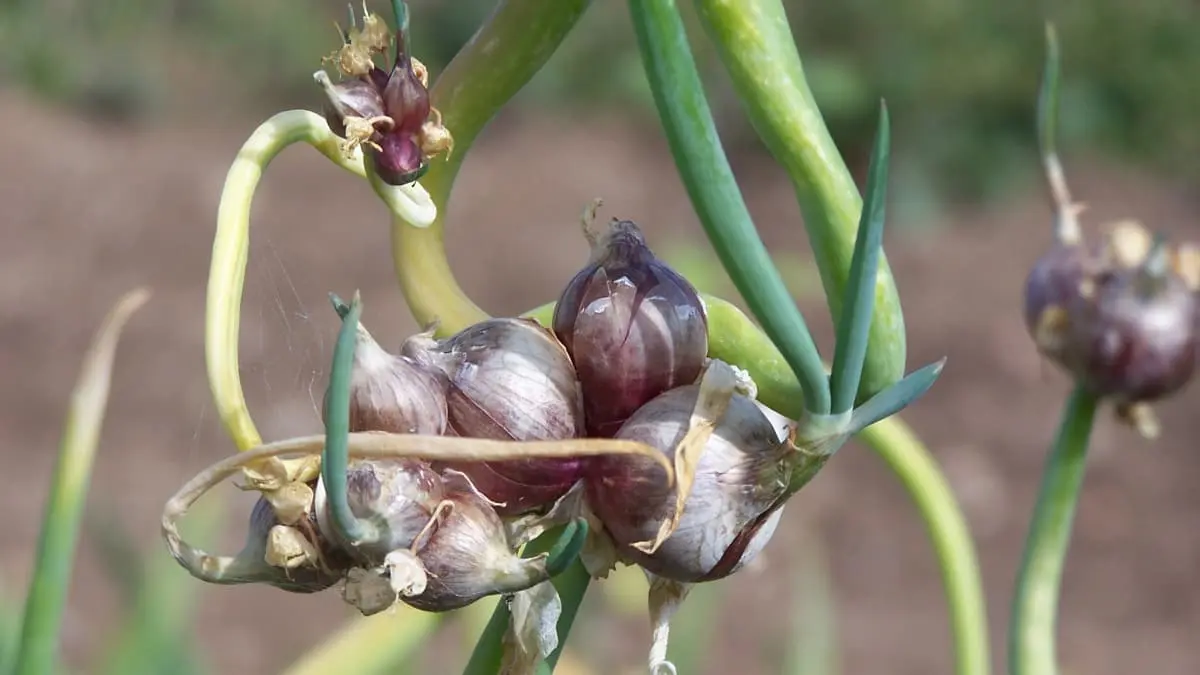
Growing Egyptian Walking Onions in Containers: A Complete Guide for Beginners
If you’re looking for a hardy, no-fuss perennial onion that keeps on giving year after [...]
Jul
Growing Carolina Reaper Peppers in Pots: A Complete Guide for Beginners
If you’ve ever wanted to add some serious, record-breaking heat to your home cooking, you’ve [...]
May
Growing Curry Leaf Plant in Pots: A Complete Guide for Beginners
If you’re a fan of authentic South Asian cuisine, you already know that nothing compares [...]
May

Reviews
There are no reviews yet.