
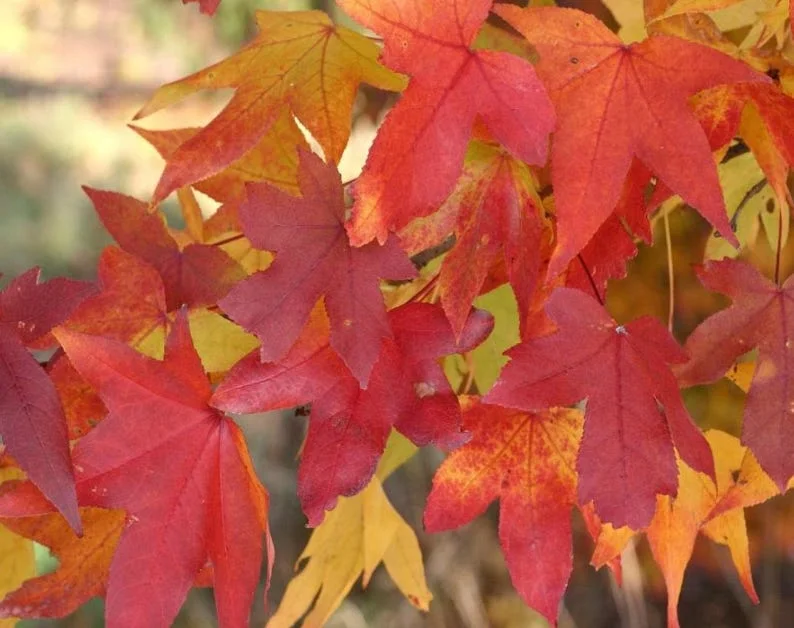
Live Sweet Gum Tree – Brilliant Fall Color, Unique Star-Shaped Leaves, Outdoor
Original price was: $39.98.$19.99Current price is: $19.99.
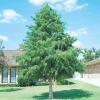
Bring vibrant seasonal beauty to your landscape with a sweet gum tree live plant. This deciduous tree features distinctive star-shaped leaves and offers breathtaking brilliant fall colors, making it a spectacular addition to any outdoor space.
Estimated arrival
Sep 18
Sep 23 - Sep 25
Sep 28 - Oct 02

Reasonable Price
We offer reasonable price

Support 24/7
Contact us 24 hrs a day

100% Money Back
You've 30 days to Return

Payment Secure
100% secure payment
Overview
Introduce a touch of spectacular seasonal beauty to your garden with a sweet gum tree live plant. This magnificent deciduous tree, scientifically known as Liquidambar styraciflua, is celebrated for its truly unique star-shaped leaves that transform into a dazzling display of brilliant fall colors, ranging from fiery reds and oranges to deep purples and yellows. A native to southeastern United States, the sweet gum tree is a robust and fast-growing specimen, making it an excellent choice for adding significant visual interest and shade to your property. Its distinctive foliage and vibrant autumn palette ensure it stands out in any landscape design, providing year-round appeal even after its leaves have fallen.
The sweet gum tree live plant is not just a showstopper in autumn; its pyramidal growth habit and attractive bark offer architectural interest throughout the year. It’s a versatile tree that can thrive in a variety of soil conditions, adapting well to different environments, which contributes to its popularity among gardeners and landscapers. Whether you’re looking to create a focal point, establish a shade canopy, or enhance the biodiversity of your yard, the sweet gum tree is a fantastic option that delivers both aesthetic grandeur and ecological benefits. Invest in this remarkable tree and watch your outdoor space come alive with color and character.
Key Benefits
The sweet gum tree live plant offers a multitude of advantages for any landscape, enhancing both its beauty and ecological value. Its striking features and easy maintenance make it a preferred choice for many:
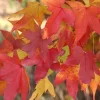
- Spectacular Fall Foliage: The most renowned feature of the sweet gum tree is its unparalleled autumn display. The unique star-shaped leaves burst into a kaleidoscope of brilliant reds, oranges, yellows, and purples, providing a breathtaking visual spectacle that can last for weeks, making your garden a focal point of seasonal beauty.
- Distinctive Star-Shaped Leaves: Beyond their color, the leaves themselves are a conversation starter. Each leaf has five to seven deeply lobed, star-like points, offering a unique textural element to the tree’s overall appearance throughout the growing season.
- Fast Growing and Robust: This tree is known for its relatively fast growth rate, quickly establishing itself and providing shade and structure to your landscape. Its resilience makes it a reliable choice for long-term enjoyment.
- Excellent Shade Tree: As it matures, the sweet gum tree live plant develops a broad, dense canopy, providing ample shade during hot summer months. This can help reduce cooling costs for your home and create comfortable outdoor living spaces.
- Wildlife Attraction: The tree’s fruits, though spiky, provide a food source for various birds and small mammals, contributing to the local ecosystem and attracting diverse wildlife to your garden.
- Low Maintenance: Once established, sweet gum trees are relatively low maintenance, requiring minimal intervention beyond occasional pruning for shape or health. This makes them a great option for gardeners seeking high impact with less effort.
- Adaptable to Various Soils: The liquidambar styraciflua is quite adaptable and can thrive in a range of soil types, from clay to sandy, as long as it has adequate moisture and drainage, demonstrating its versatility in different garden settings.
Plant Care & Growing Tips
Caring for your sweet gum tree live plant is straightforward, ensuring it thrives and provides years of beauty. Proper siting and consistent care in its early years will lead to a robust and impressive mature tree. Sweet gum trees prefer full sun exposure, meaning at least six hours of direct sunlight per day. While they can tolerate partial shade, their brilliant fall colors are most vibrant when they receive ample sunlight. Choose a location that offers plenty of space for the tree to grow, as it can reach considerable heights and widths.
When it comes to watering, the sweet gum tree prefers consistently moist soil, especially during its establishment phase. Water deeply and regularly, particularly during dry spells or hot weather. Once established, it becomes more drought-tolerant but will still benefit from occasional deep watering. The ideal soil for a sweet gum tree is well-draining, acidic to neutral, and rich in organic matter. While it can adapt to various soil types, avoid extremely alkaline soils, which can lead to chlorosis (yellowing leaves due to nutrient deficiency). Incorporating compost or other organic materials into the planting hole can significantly improve soil quality and drainage, giving your planting sweet gum tree the best start.
Sweet gum trees are hardy in USDA zones 5-9. They are quite resilient to cold temperatures within this range. Fertilization is not always necessary, especially if your soil is rich. However, if growth seems slow or leaves appear pale, a balanced, slow-release fertilizer applied in early spring can be beneficial. Avoid over-fertilizing, which can lead to excessive growth and weaker wood. Pruning should primarily focus on removing dead, damaged, or crossing branches. The best time for pruning is in late winter or early spring before new growth emerges. Be mindful of the tree’s susceptibility to sweet gum balls (spiky fruit capsules) which can be a nuisance; consider a fruitless cultivar if this is a concern for your landscape. Understanding sweet gum tree care ensures a healthy, beautiful specimen.
Size & Details
The sweet gum tree live plant is a deciduous tree known for its impressive stature at maturity. Typically, a sweet gum tree can grow to a height of 60 to 80 feet, with some specimens reaching over 100 feet in ideal conditions. Its spread can range from 30 to 50 feet, forming a broad, pyramidal canopy that provides substantial shade. This tree exhibits a medium to fast growth rate, often adding 1 to 2 feet in height per year, and sometimes more in its younger stages. Your plant will arrive as a young, healthy specimen, ready for transplanting into its permanent outdoor location. The exact size and form will vary based on the stock available at the time of purchase, but it will be well-rooted and prepared for successful establishment. Expect a beautiful transformation with this tree as it matures, showcasing its iconic star-shaped leaves and the brilliant fall color that makes it a garden favorite.
The sweet gum tree is a long-lived species, often gracing landscapes for over 150 years. It’s important to consider its mature size when selecting a planting site to ensure it has ample room to flourish without interfering with structures or power lines. This robust tree is typically shipped in a nursery pot, ensuring its root system is protected and hydrated during transit, providing a strong foundation for future growth. The distinctive spiky fruit, while characteristic of liquidambar styraciflua, is something to consider for placement, as some prefer to plant it away from high-traffic areas. However, this feature is also part of its unique charm and ecological contribution.
Frequently Asked Questions
- Q: How big does a sweet gum tree get? A: A sweet gum tree can typically reach heights of 60 to 80 feet and a spread of 30 to 50 feet at maturity. Some exceptionally old or well-cared-for specimens can even exceed 100 feet in height.
- Q: Is this an indoor or outdoor plant? A: The sweet gum tree live plant is an outdoor deciduous tree. It requires ample space, full sun, and seasonal changes to thrive and display its characteristic fall colors. It is not suitable for indoor cultivation.
- Q: How much sunlight does a sweet gum tree need? A: Sweet gum trees prefer full sun, meaning they need at least six hours of direct sunlight per day to achieve optimal growth and the most vibrant fall foliage. They can tolerate partial shade, but color intensity may be reduced.
- Q: Is this plant easy to care for? A: Once established, the sweet gum tree live plant is relatively low maintenance. It requires consistent watering in its early years but becomes more self-sufficient as it matures. Pruning is mainly for shaping or removing dead branches.
- Q: What condition will it arrive in? A: Your sweet gum tree will arrive as a healthy, well-rooted young specimen, typically shipped in a nursery pot to protect its root system during transit. It will be ready for immediate planting upon arrival.
- Q: When is the best time to plant a sweet gum tree? A: The best time for planting sweet gum tree is in early spring or fall. This allows the tree to establish its root system before the stress of summer heat or winter cold.
- Q: What kind of soil does it prefer? A: Sweet gum trees prefer well-draining, acidic to neutral soil that is rich in organic matter. While adaptable, they perform best in consistently moist conditions.
- Q: Will it survive winter in my zone? A: Sweet gum trees are hardy in USDA Zones 5-9, meaning they are well-suited to withstand winter temperatures within these zones. If you are outside this range, winter protection might be necessary in colder climates.
- Q: What is the main appeal of the sweet gum tree? A: The primary appeal of the sweet gum tree is its breathtaking sweet gum tree fall color, where its unique star-shaped leaves transform into brilliant shades of red, orange, yellow, and purple.
- Q: Are there any common issues with sweet gum trees? A: One common characteristic is the production of spiky seed pods, often called “sweet gum balls,” which can be a nuisance in high-traffic areas. Some people also find the liquidambar styraciflua susceptible to iron chlorosis in highly alkaline soils.
Be the first to review “Live Sweet Gum Tree – Brilliant Fall Color, Unique Star-Shaped Leaves, Outdoor”
-
USDA Hardiness Zone
USDA zones 5-9 -
Soil Type
Well-draining, acidic to neutral soil -
Sunlight Exposure
Full sun -
Expected Planting Period
Spring to fall
People Also Viewd


Sold 134 products
Original price was: $3,536.00.$23.99Current price is: $23.99.

Sold 131 products
Original price was: $89.99.$64.99Current price is: $64.99.

Sold 131 products
Original price was: $27.00.$24.00Current price is: $24.00.

Sold 125 products
Original price was: $86.99.$66.99Current price is: $66.99.

Flower Bulbs
3 Cranesbill Wild Geranium Organic Maculatums Bare Roots | Wildflower for Outdoor Garden
Sold 116 products
Original price was: $21.99.$9.99Current price is: $9.99.

Sold 114 products
Original price was: $28.99.$17.99Current price is: $17.99.

Sold 110 products
Original price was: $63.99.$28.99Current price is: $28.99.
Sold 108 products
Original price was: $28.99.$17.99Current price is: $17.99.RELATED posts
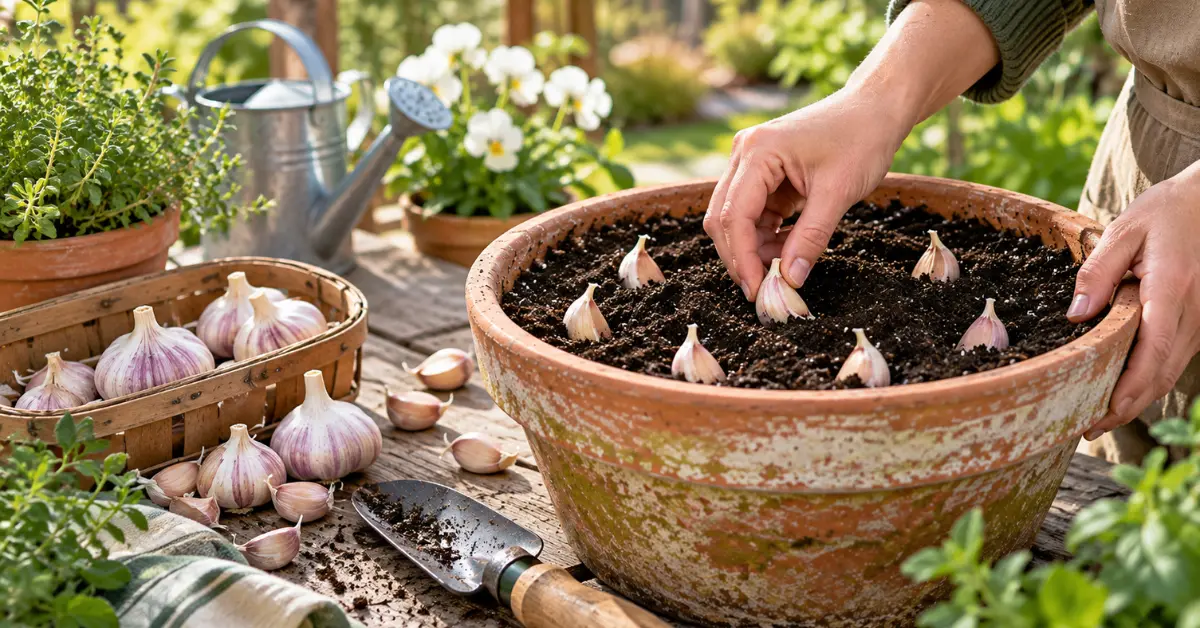
Growing Garlic in Containers This Fall: A Complete Guide for Beginners
If you’ve ever wanted to pop fresh, aromatic garlic cloves straight from your own patio [...]
Sep
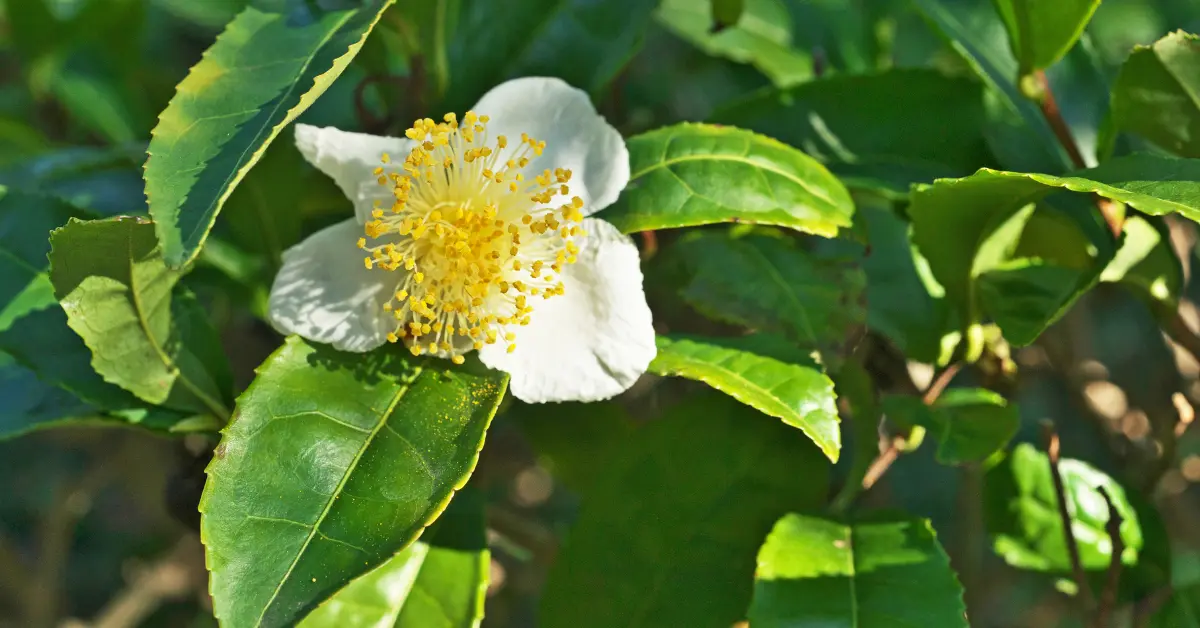
Growing Camellia Sinensis (Tea Plants) in Containers: A Complete Guide for Beginners
If you’ve ever wanted to sip a steaming, homegrown cup of fresh green, black, or [...]
Aug
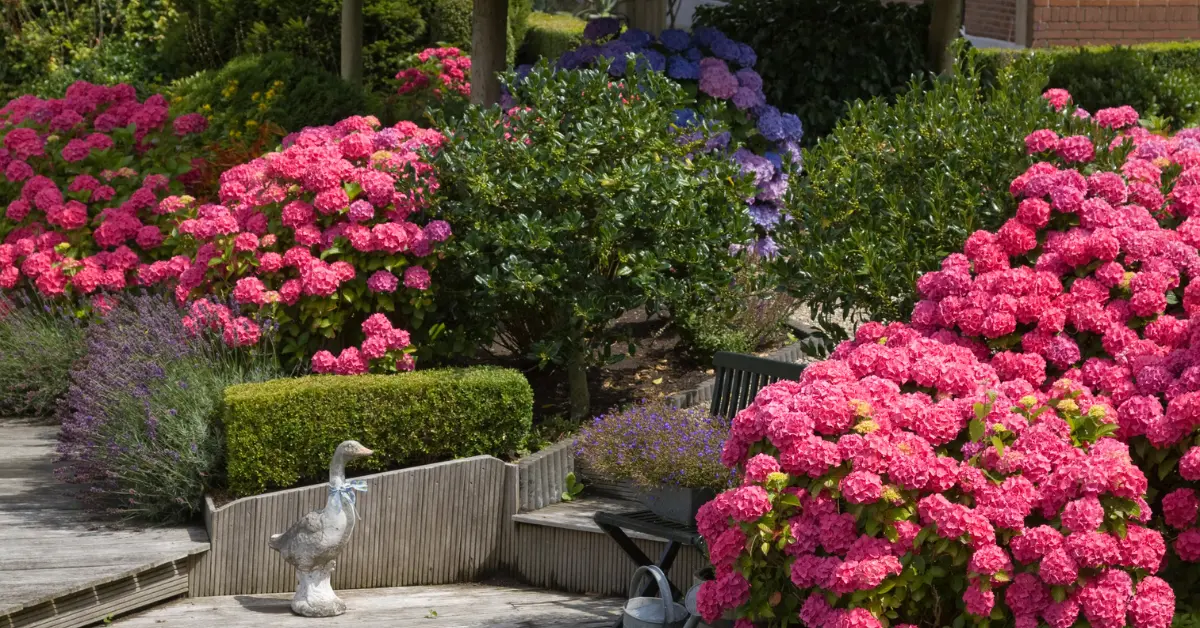
6 Best Shrubs to Plant in August You Must Try
Have you ever walked through a nursery late in the summer, admired the vibrant shrubs [...]
Aug
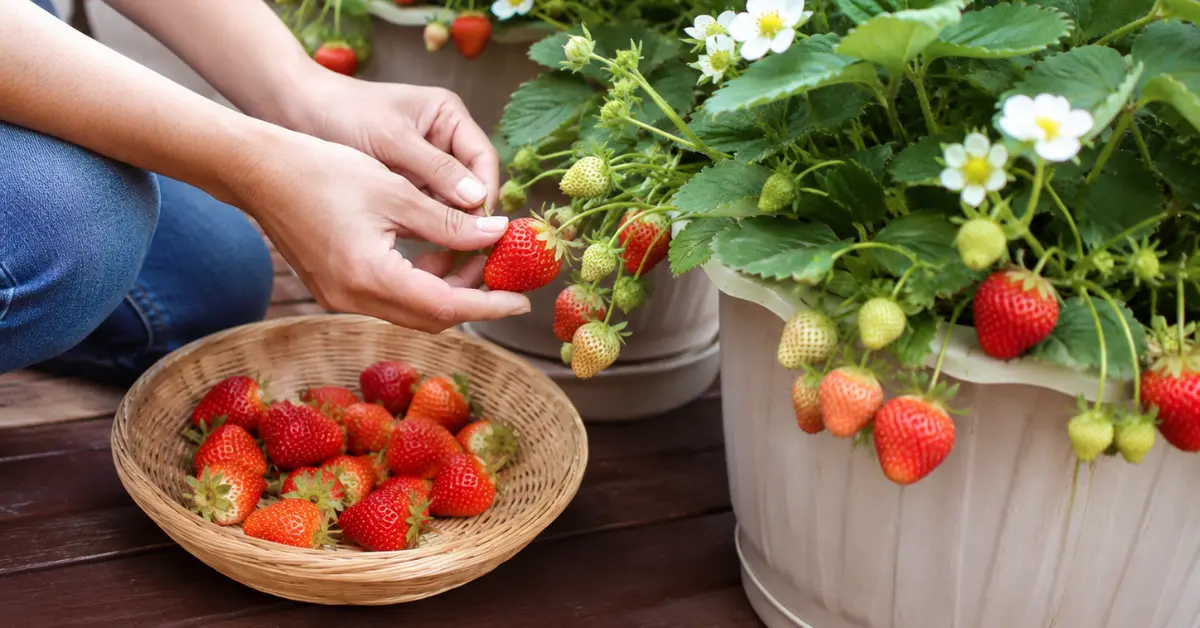
Growing Everbearing Strawberries in Containers: A Complete Guide for Beginners
Want to grow sweet, fresh strawberries but do not have a large garden? Everbearing strawberries [...]
Aug
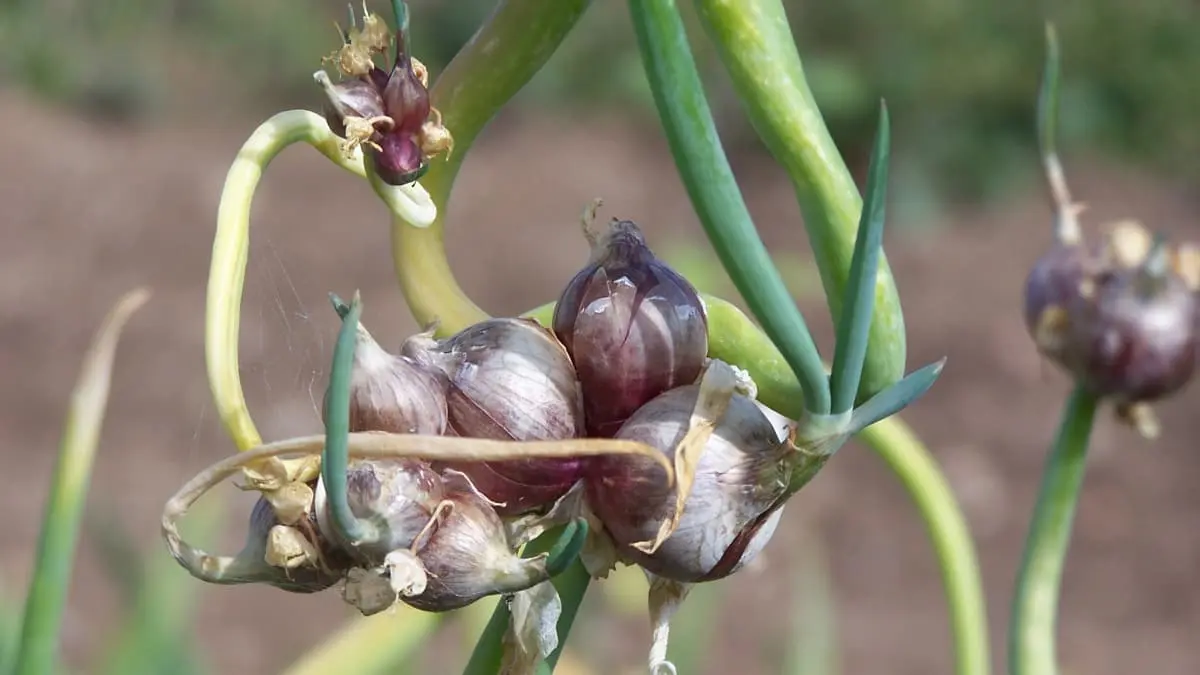
Growing Egyptian Walking Onions in Containers: A Complete Guide for Beginners
If you’re looking for a hardy, no-fuss perennial onion that keeps on giving year after [...]
Jul
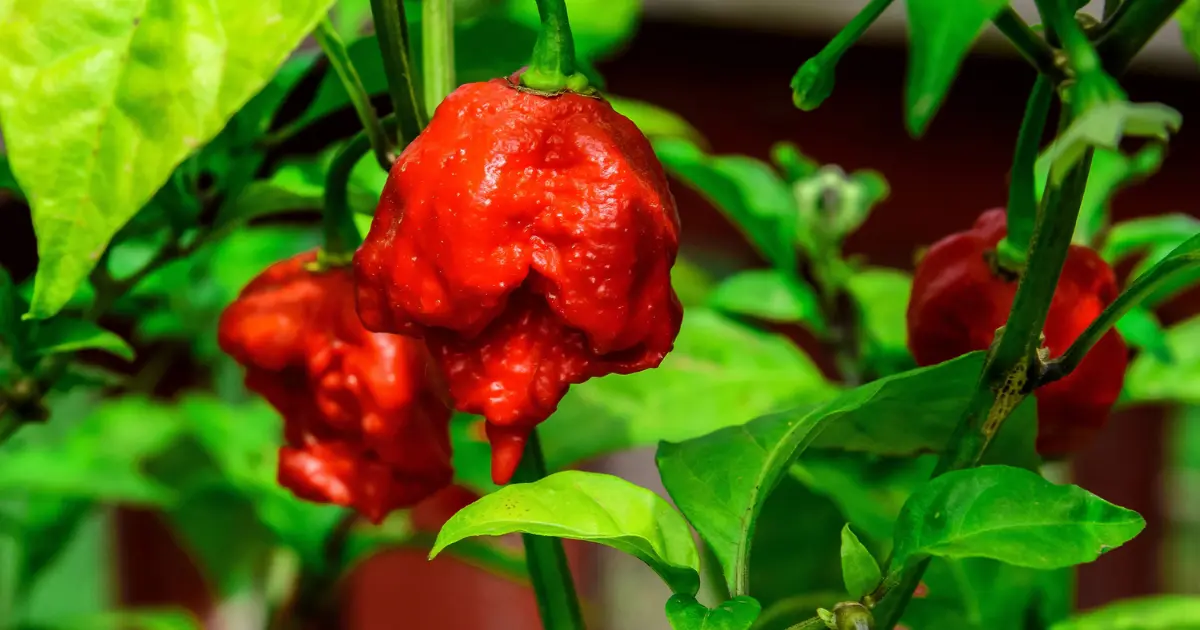
Growing Carolina Reaper Peppers in Pots: A Complete Guide for Beginners
If you’ve ever wanted to add some serious, record-breaking heat to your home cooking, you’ve [...]
May
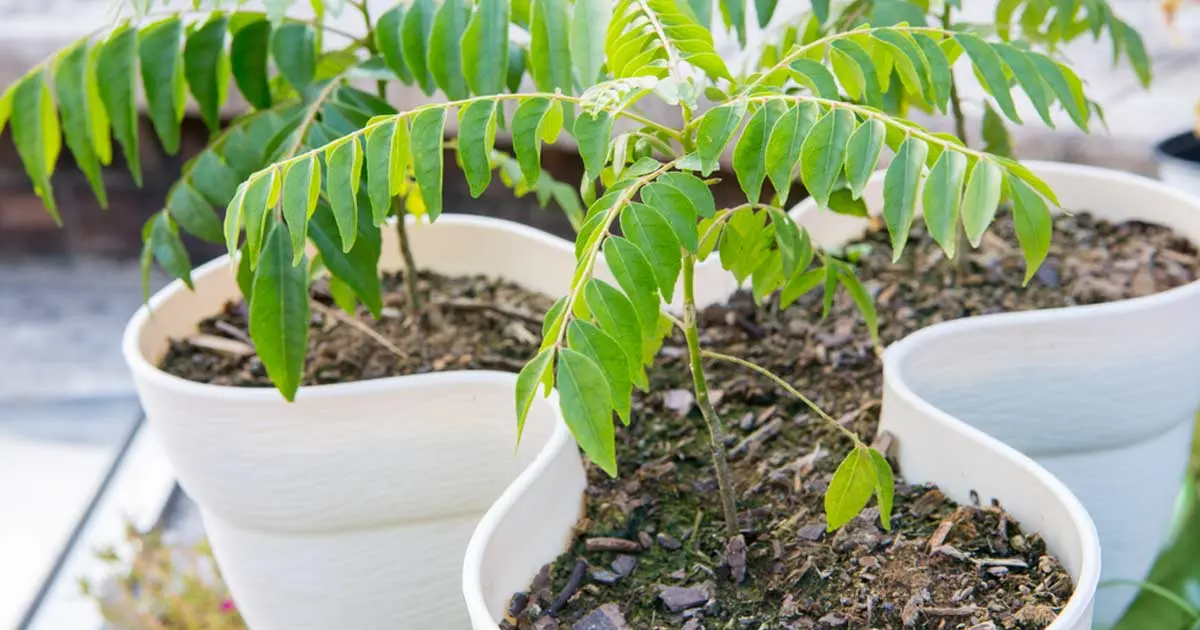
Growing Curry Leaf Plant in Pots: A Complete Guide for Beginners
If you’re a fan of authentic South Asian cuisine, you already know that nothing compares [...]
May
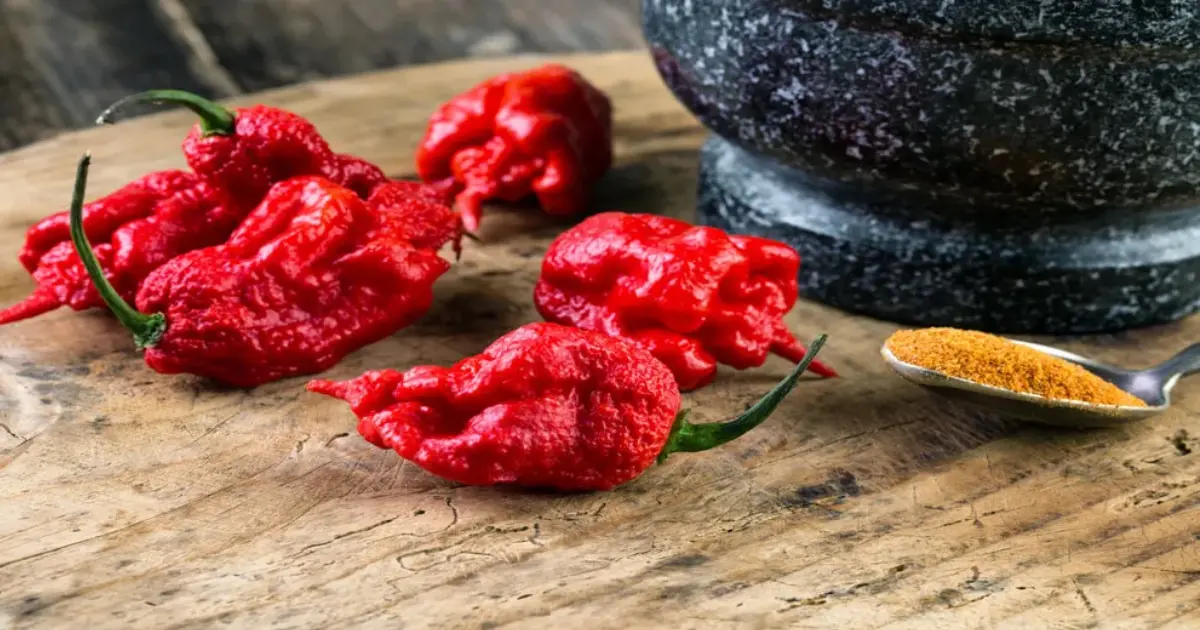
5 Tips for Growing Carolina Reaper Peppers to Get the Spiciest Harvest Ever
Holding the record for one of the world’s hottest peppers, the Reaper isn’t just a [...]
May
Reviews
There are no reviews yet.