
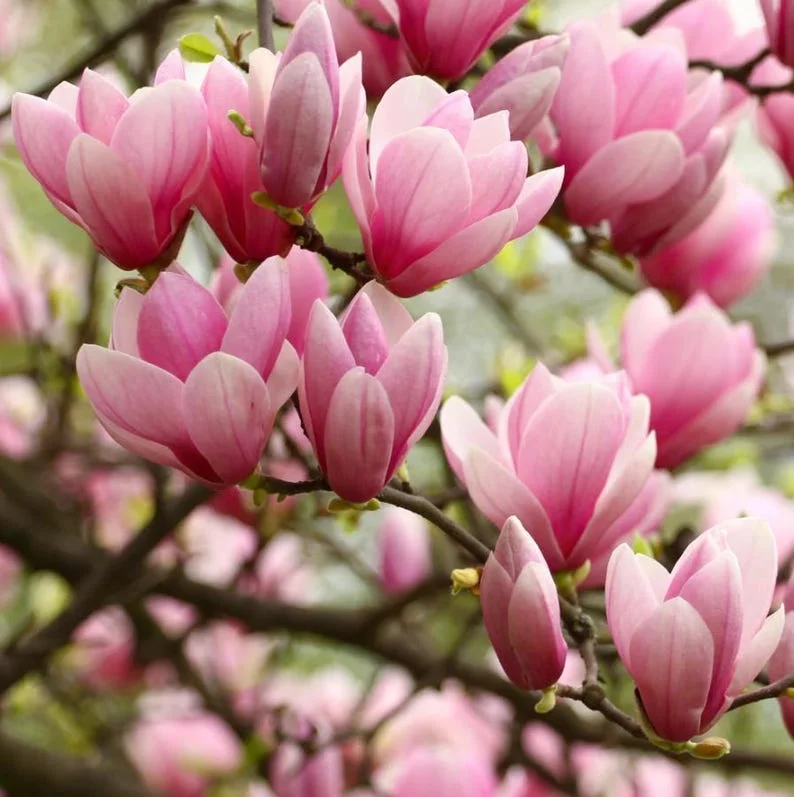
Jane Magnolia Tree – Live Plant, Purple-Pink Blooms, Deciduous Shrub
Original price was: $39.98.$19.99Current price is: $19.99.
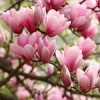
Bring vibrant spring color to your garden with the jane magnolia tree live plant. This deciduous shrub produces beautiful purple-pink, goblet-shaped flowers, perfect for borders or as an ornamental specimen. Enjoy its compact size and stunning early season display.
Estimated arrival
Sep 17
Sep 22 - Sep 24
Sep 27 - Oct 01

Reasonable Price
We offer reasonable price

Support 24/7
Contact us 24 hrs a day

100% Money Back
You've 30 days to Return

Payment Secure
100% secure payment
Overview
Introducing the magnificent jane magnolia tree live plant, a stunning addition to any garden or landscape. This particular variety of magnolia is celebrated for its breathtaking purple-pink, goblet-shaped blooms that emerge in early spring, often before the leaves unfurl. As a deciduous shrub or small tree, the Jane Magnolia offers a spectacular floral display that heralds the arrival of warmer weather. Its compact and upright growth habit makes it an excellent choice for smaller gardens, urban landscapes, or as a vibrant accent plant. Known for its hardiness and reliable performance, the jane magnolia tree live plant is a favorite among gardeners seeking both beauty and ease of care. Its scientific name, Magnolia soulangiana ‘Jane’, signifies its heritage as part of the ‘Little Girl’ series, bred for their later blooming times to avoid late spring frosts.
This exquisite plant is delivered as a healthy, thriving specimen, ready to be planted and admired. With its striking floral presence and manageable size, the Jane Magnolia provides consistent visual interest throughout the seasons, from its vibrant spring blooms to its lush green foliage in summer. It’s an ideal choice for creating a focal point or adding a splash of dramatic color to mixed borders. Embrace the elegance and charm of this beloved flowering tree, and transform your outdoor space into a spring paradise with the spectacular purple-pink hues of the Jane Magnolia.
Key Benefits
The jane magnolia tree live plant offers a multitude of benefits that make it a highly desirable choice for various garden settings. Its unique characteristics contribute significantly to its appeal and value:
- Spectacular Spring Blooms: The most prominent feature of the Jane Magnolia is its abundance of stunning purple-pink, goblet-shaped flowers that appear in early spring. These blooms provide an unparalleled burst of color, making it a garden showstopper and a true harbinger of spring. The vibrant hues create a dramatic visual impact before most other plants have even begun to leaf out.
- Compact and Manageable Size: Unlike some larger magnolia varieties, the Jane Magnolia typically grows to a height of 10-15 feet with a similar spread. This makes it an ideal choice for smaller gardens, urban landscapes, or as a specimen plant where space is a consideration. Its compact nature allows it to fit beautifully into various garden designs without overwhelming the area.
- Later Blooming Period: As part of the ‘Little Girl’ series, the Jane Magnolia is known for its later blooming time compared to many other magnolias. This characteristic is a significant advantage as it helps the plant avoid damage from late spring frosts, ensuring a more reliable and consistent floral display each year. Enjoy its beauty without the worry of sudden cold snaps.
- Versatile Landscape Use: The jane magnolia tree live plant is incredibly versatile, suitable for use as a striking specimen tree, a component in mixed borders, or even as an informal hedge. Its upright, rounded form and attractive foliage make it a valuable asset in many different garden styles, from formal to cottage gardens.
- Low Maintenance and Hardy: Once established, the Jane Magnolia is remarkably low maintenance and resilient. It tolerates a range of soil conditions and is generally pest and disease resistant. Its hardiness across various USDA zones ensures that it will thrive with minimal fuss, providing years of beauty.
Plant Care & Growing Tips
Caring for your jane magnolia tree live plant is relatively straightforward, ensuring years of beautiful blooms. This deciduous shrub thrives when planted in the right conditions and given proper attention. For optimal growth and flowering, select a site that receives full sun to partial shade. Full sun (at least 6 hours of direct sunlight daily) will encourage the most prolific blooming, while partial shade can be beneficial in hotter climates, protecting the delicate blooms from scorching afternoon sun. Ensure the soil is well-draining, rich in organic matter, and slightly acidic (pH 5.5-6.5). Heavy clay soils should be amended with compost or other organic material to improve drainage and aeration. Good drainage is crucial, as magnolias do not tolerate wet feet.
Watering should be consistent, especially during the first few years after planting to help the plant establish a strong root system. Aim for deep watering sessions whenever the top few inches of soil feel dry to the touch. Once established, the magnolia shrub is moderately drought-tolerant but will benefit from supplemental watering during prolonged dry periods. Mulching around the base of the tree with 2-4 inches of organic material like wood chips or pine bark will help retain soil moisture, regulate soil temperature, and suppress weeds. Fertilize in early spring with a balanced, slow-release granular fertilizer formulated for acid-loving plants. Avoid over-fertilizing, as this can lead to excessive foliage growth at the expense of flowers. Pruning is generally minimal, focusing on removing dead, damaged, or crossing branches after flowering. Shaping can also be done at this time to maintain its desired form. This plant is known for its resilience and its spectacular purple pink magnolia flowers.
The Jane Magnolia is hardy in USDA zones 4-8. In colder zones, ensure adequate winter protection, especially for young plants, by providing a thick layer of mulch around the base and possibly wrapping the trunk. In warmer zones, ensure it receives enough moisture during hot, dry spells. Keep an eye out for common pests like scale insects or magnolia scale, though they are generally not a severe issue. Address any infestations promptly with appropriate horticultural oils or insecticidal soaps. By following these care guidelines, your jane magnolia care routine will ensure a healthy and vibrant display for many seasons to come.
Size & Details
The jane magnolia tree live plant is typically a compact, deciduous shrub or small tree, reaching an average height of 10 to 15 feet with a similar spread when mature. Its growth rate is moderate, usually adding 12 to 24 inches per year, allowing it to establish itself effectively without becoming unruly. This particular specimen is shipped as a healthy, actively growing plant, ready for immediate planting upon arrival. It is delivered in a nursery pot, with its root ball intact and protected, ensuring a smooth transition to your garden. The goblet-shaped flowers, which are the hallmark of the deciduous magnolia, typically measure 4-6 inches across, showcasing their stunning purple-pink coloration.
Expect the first significant bloom display within 1-2 years of planting, with the plant reaching its full flowering potential as it matures. The Jane Magnolia is a multi-stemmed shrub that can be trained into a small tree form with careful pruning. Its attractive dark green foliage provides a lovely backdrop throughout the summer, turning to a yellow-bronze in the fall before dropping. This plant offers a relatively long season of interest, from its early spring bloom to its summer foliage, making it a valuable addition to diverse garden designs. The ultimate size and overall health are influenced by local growing conditions, including soil quality, sunlight exposure, and consistent watering.
Frequently Asked Questions
- Q: How big does this plant get? A: The jane magnolia tree live plant typically grows to a mature height of 10-15 feet with a similar spread. Its compact nature makes it suitable for various garden sizes, including smaller urban spaces.
- Q: Is this an indoor or outdoor plant? A: The Jane Magnolia is primarily an outdoor plant, thriving in garden settings where it can receive adequate sunlight and space to grow. It is not suited for long-term indoor cultivation.
- Q: How much sunlight does it need? A: For the best blooming performance, the Jane Magnolia requires full sun to partial shade. Aim for at least 6 hours of direct sunlight daily for the most abundant purple-pink blooms.
- Q: Is this plant easy to care for? A: Yes, once established, the Jane Magnolia is considered a low-maintenance plant. Its care involves regular watering during establishment, annual fertilization, and minimal pruning, making jane magnolia care relatively simple for gardeners of all experience levels.
- Q: What condition will it arrive in? A: Your Jane Magnolia will arrive as a healthy, live plant in a nursery pot, with its root system carefully protected. It will be ready for planting and designed to withstand the rigors of shipping.
- Q: When is the best time to plant? A: The best time to plant your magnolia shrub is in the spring or early fall. This allows the plant sufficient time to establish its root system before the extreme temperatures of summer or winter.
- Q: Will it survive winter in my zone? A: The Jane Magnolia is hardy in USDA Zones 4-8. If you are in zone 4 or 5, providing winter protection, especially for young plants, such as a thick layer of mulch around the base, is recommended to ensure its survival.
- Q: Does this tree produce fruit? A: While magnolias do produce seed pods, the Jane Magnolia is primarily grown for its ornamental flowers. The seed pods are generally not considered a significant ornamental feature or edible fruit.
- Q: How long until it blooms? A: You can expect your Jane Magnolia to start producing its beautiful purple-pink blooms within 1-2 years after planting, with more abundant flowering as the plant matures and establishes itself.
- Q: What type of soil does it prefer? A: The Jane Magnolia prefers well-draining, rich, and slightly acidic soil. Amending heavy clay soils with organic matter will improve drainage and create an ideal environment for this deciduous magnolia to thrive.
Be the first to review “Jane Magnolia Tree – Live Plant, Purple-Pink Blooms, Deciduous Shrub”
-
USDA Hardiness Zone
USDA zones 4-8 -
Soil Type
Well-draining, rich, slightly acidic soil -
Sunlight Exposure
Full sun to partial shade -
Expected Planting Period
Spring or early fall
People Also Viewd
Sold 134 products
Original price was: $3,536.00.$23.99Current price is: $23.99.
Sold 131 products
Original price was: $89.99.$64.99Current price is: $64.99.
Sold 131 products
Original price was: $27.00.$24.00Current price is: $24.00.

Sold 125 products
Original price was: $86.99.$66.99Current price is: $66.99.
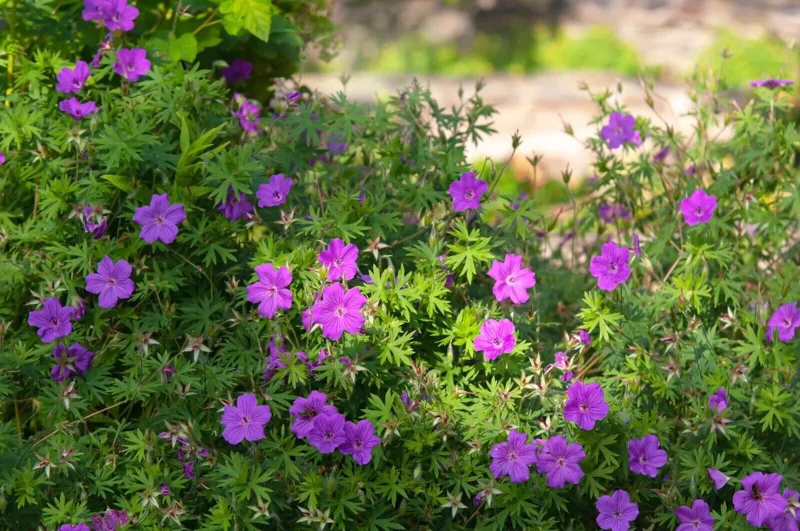
Flower Bulbs
3 Cranesbill Wild Geranium Organic Maculatums Bare Roots | Wildflower for Outdoor Garden
Sold 116 products
Original price was: $21.99.$9.99Current price is: $9.99.
Sold 114 products
Original price was: $28.99.$17.99Current price is: $17.99.
Sold 110 products
Original price was: $63.99.$28.99Current price is: $28.99.
Sold 108 products
Original price was: $28.99.$17.99Current price is: $17.99.RELATED posts
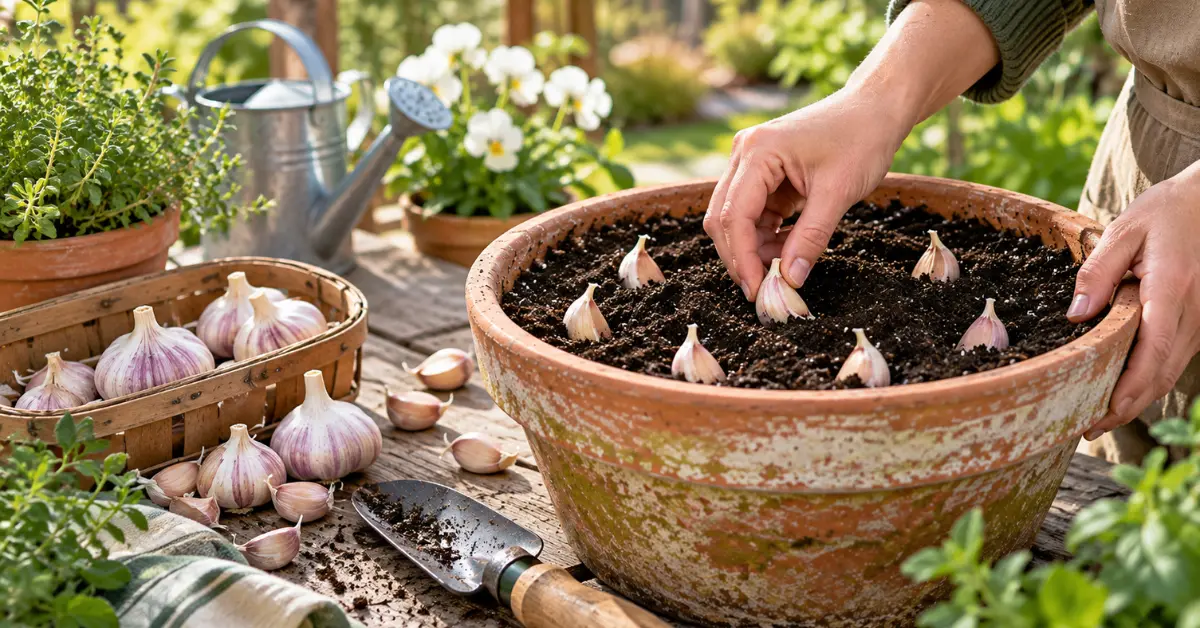
Growing Garlic in Containers This Fall: A Complete Guide for Beginners
If you’ve ever wanted to pop fresh, aromatic garlic cloves straight from your own patio [...]
Sep
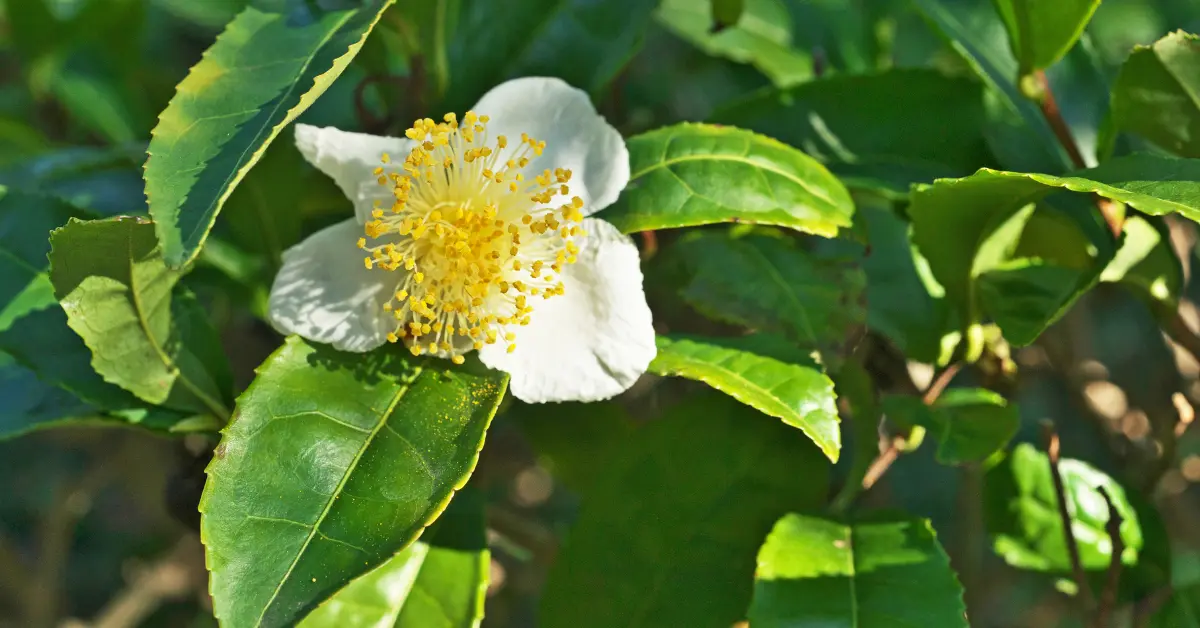
Growing Camellia Sinensis (Tea Plants) in Containers: A Complete Guide for Beginners
If you’ve ever wanted to sip a steaming, homegrown cup of fresh green, black, or [...]
Aug
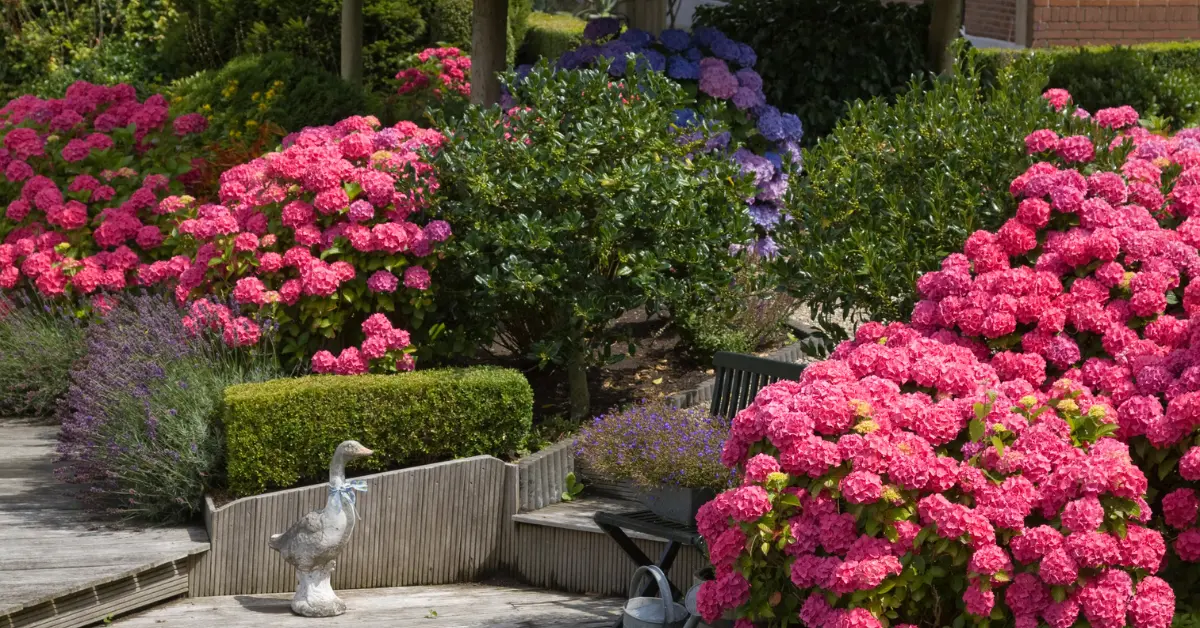
6 Best Shrubs to Plant in August You Must Try
Have you ever walked through a nursery late in the summer, admired the vibrant shrubs [...]
Aug
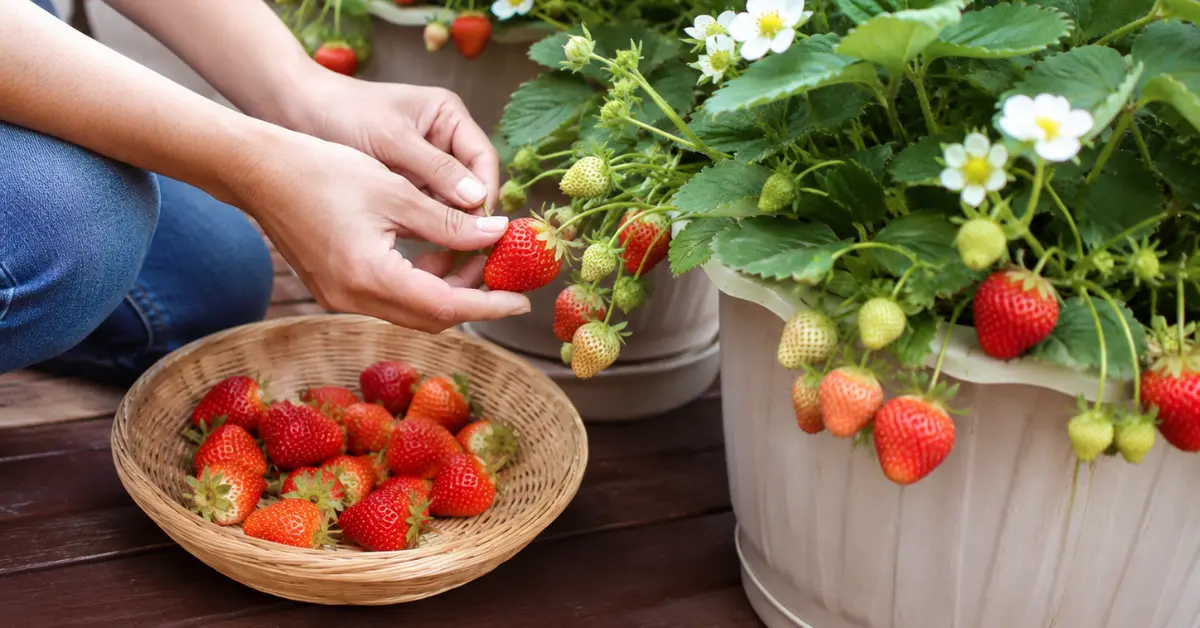
Growing Everbearing Strawberries in Containers: A Complete Guide for Beginners
Want to grow sweet, fresh strawberries but do not have a large garden? Everbearing strawberries [...]
Aug
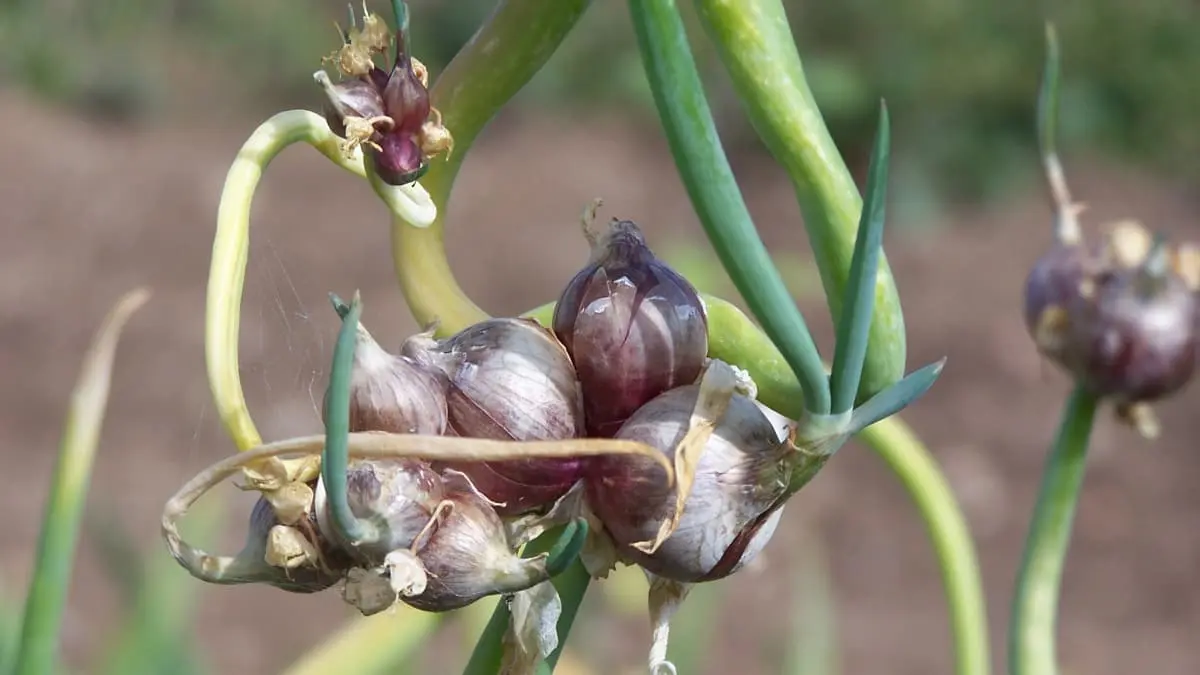
Growing Egyptian Walking Onions in Containers: A Complete Guide for Beginners
If you’re looking for a hardy, no-fuss perennial onion that keeps on giving year after [...]
Jul
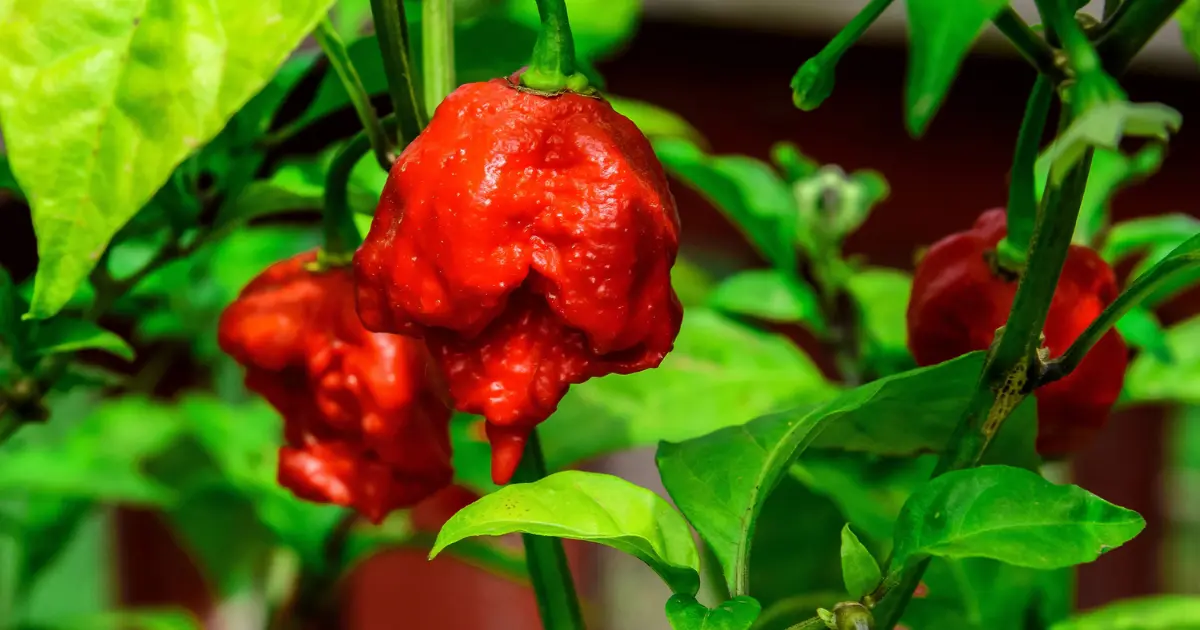
Growing Carolina Reaper Peppers in Pots: A Complete Guide for Beginners
If you’ve ever wanted to add some serious, record-breaking heat to your home cooking, you’ve [...]
May
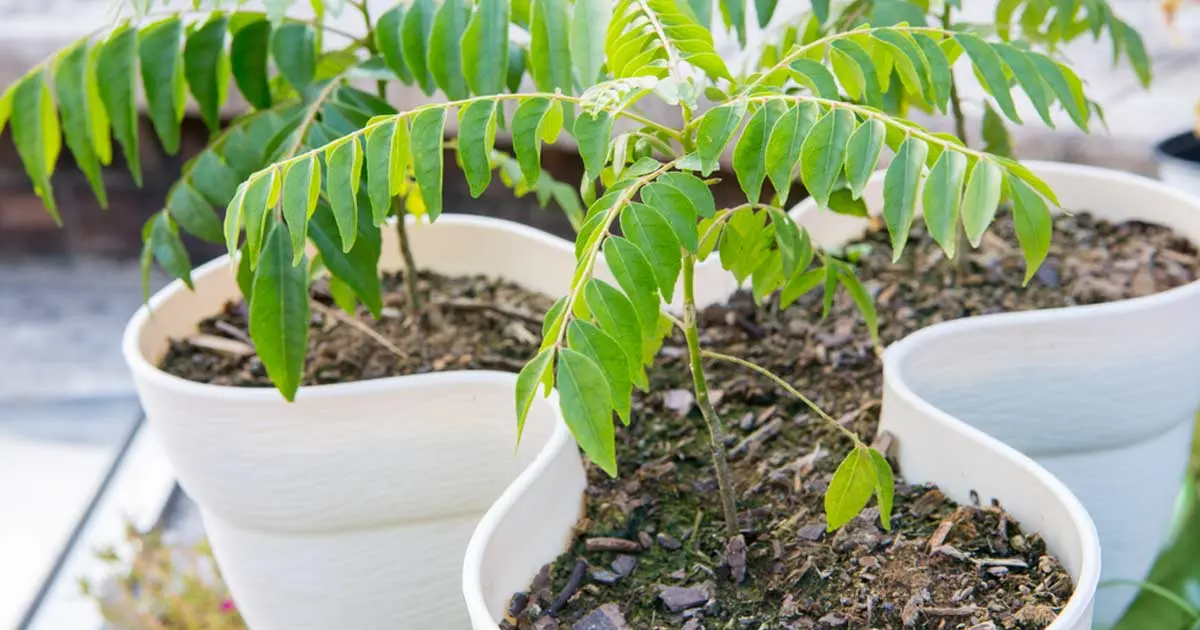
Growing Curry Leaf Plant in Pots: A Complete Guide for Beginners
If you’re a fan of authentic South Asian cuisine, you already know that nothing compares [...]
May
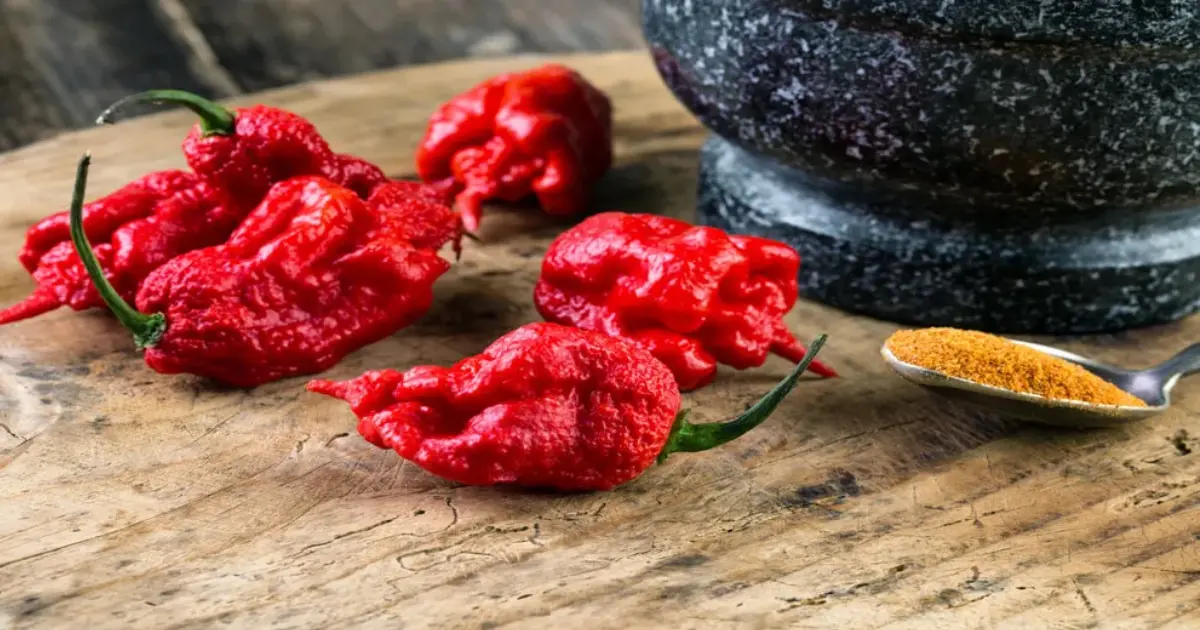
5 Tips for Growing Carolina Reaper Peppers to Get the Spiciest Harvest Ever
Holding the record for one of the world’s hottest peppers, the Reaper isn’t just a [...]
May
Reviews
There are no reviews yet.