
Golden Arborvitae Live Plant – Evergreen Tree – 8-14 inch Tall – 1 Quart Pot – Outdoor
Original price was: $39.98.$19.99Current price is: $19.99.
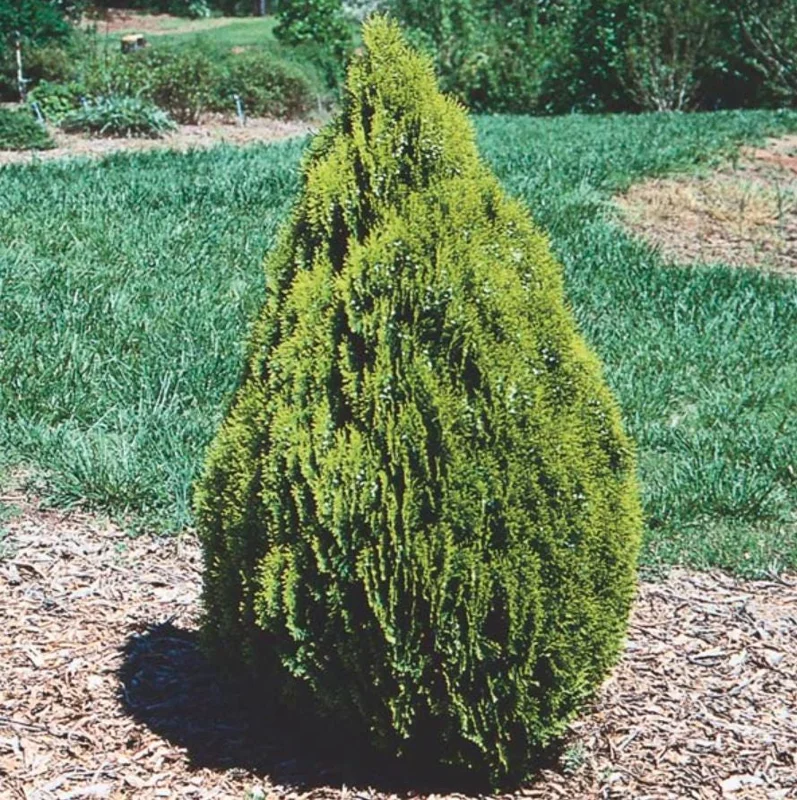
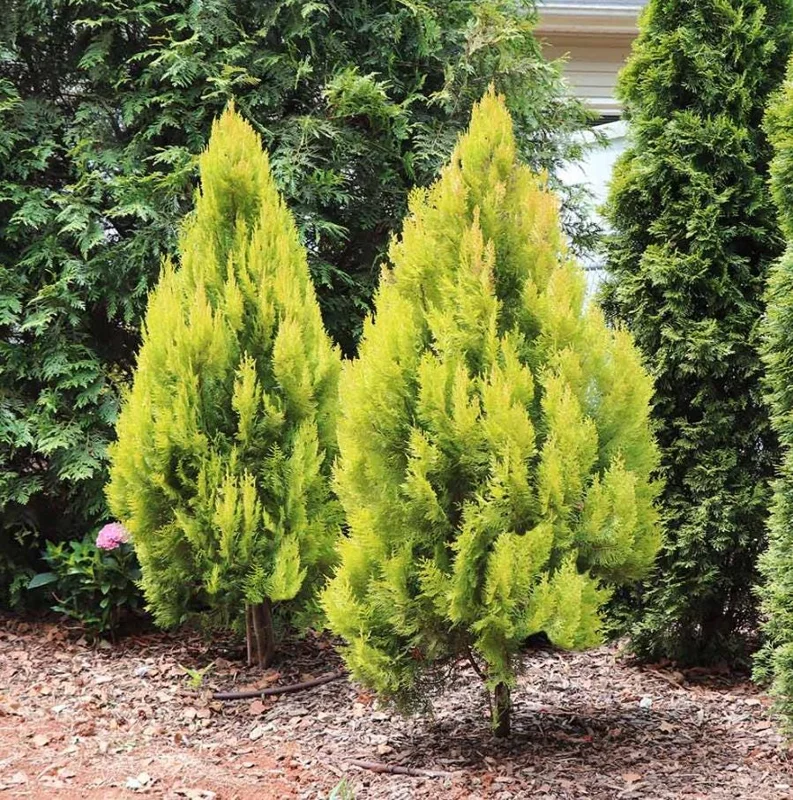
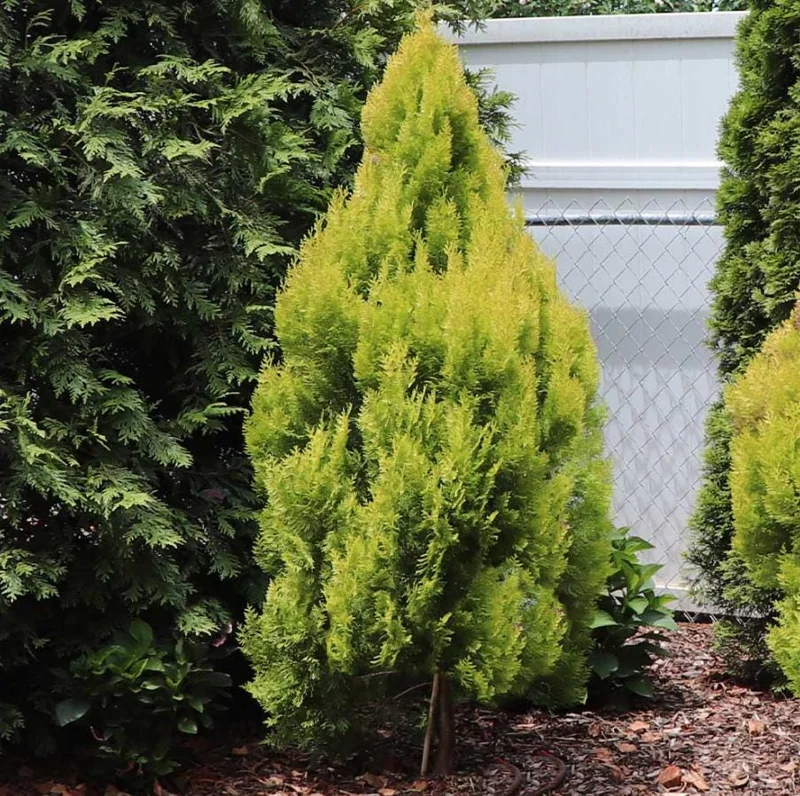
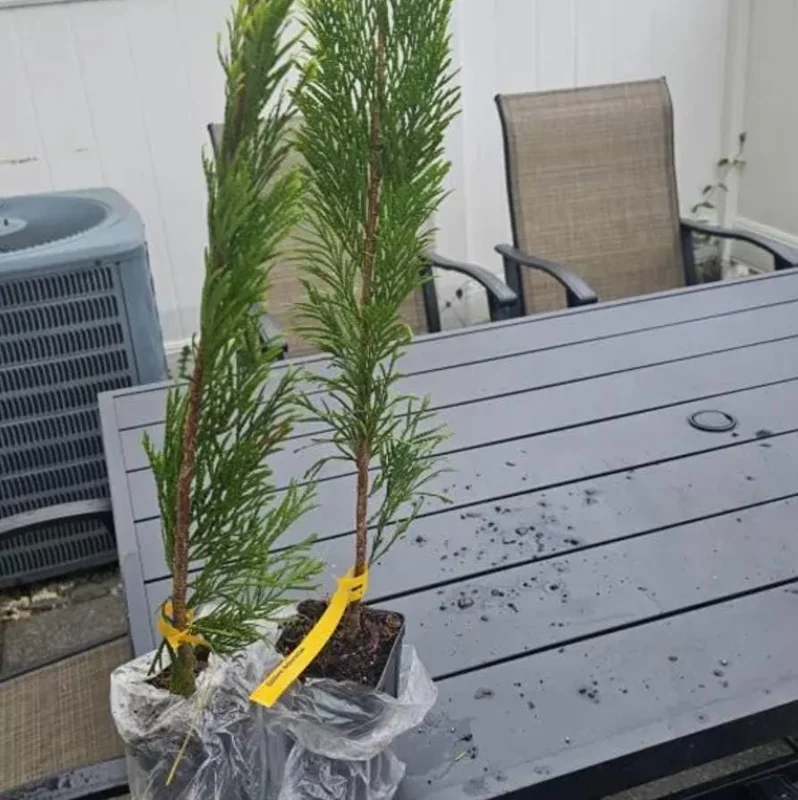
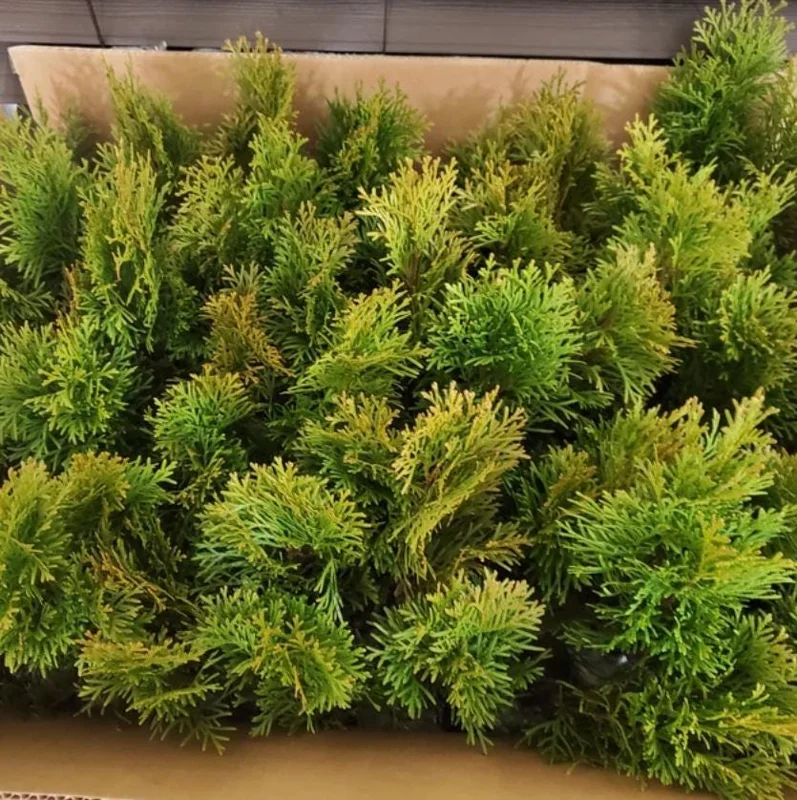
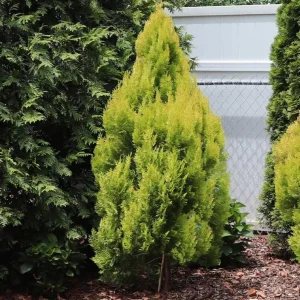
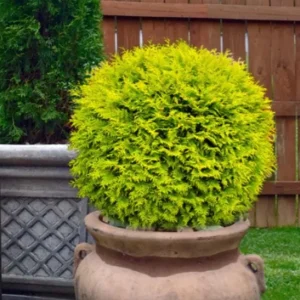
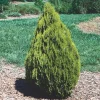
Enhance your landscape with a beautiful golden arborvitae live plant, approximately 8-14 inches tall in a 1 quart pot. This stunning evergreen tree features buttery golden-yellow foliage year-round, ideal for creating vibrant privacy hedges or as a striking specimen plant. Enjoy its narrow, upright form and low-maintenance nature.
Estimated arrival
Sep 17
Sep 22 - Sep 24
Sep 27 - Oct 01

Reasonable Price
We offer reasonable price

Support 24/7
Contact us 24 hrs a day

100% Money Back
You've 30 days to Return

Payment Secure
100% secure payment
Overview
Transform your garden with a magnificent golden arborvitae live plant. This beautiful evergreen, scientifically known as Thuja plicata, arrives in a 1 quart pot and stands approximately 8–14 inches tall, ready to bring vibrant, year-round color to your outdoor space. Prized for its buttery golden-yellow foliage, this selection maintains its rich hue even through the winter months, ensuring a consistent display of color. The golden arborvitae live plant is a perfect choice for gardeners seeking a distinctive, low-maintenance tree that offers both aesthetic appeal and practical benefits, such as creating effective privacy screens.
Originating from the Pacific Northwest, Thuja plicata, commonly known as Western Red Cedar or Giant Arborvitae, has cultivated varieties like this stunning golden form. Its narrow, upright growth habit makes it an excellent candidate for various landscaping applications, from formal hedges to standalone specimen plantings. This particular selection is celebrated for its consistent color retention and robust growth, quickly becoming a favorite for its ease of care and striking appearance.
Key Benefits
The golden arborvitae live plant offers a multitude of advantages that make it a standout choice for any garden. Its unique characteristics contribute to a beautiful, functional, and easy-to-maintain landscape.
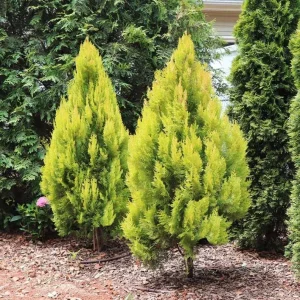
- Year-Round Golden Foliage: This arborvitae maintains its brilliant golden-yellow color throughout all seasons, providing continuous visual interest even in the depths of winter. Unlike many deciduous plants, its evergreen nature ensures your landscape remains vibrant year-round.
- Excellent Privacy Hedge: With its dense, upright, and narrow growth habit, the golden arborvitae hedge forms an effective and attractive privacy screen or windbreak. Planted in rows, it quickly creates a living wall that enhances seclusion and reduces noise.
- Low Maintenance and Drought Tolerant: Once established, this plant is remarkably resilient. It requires minimal care, tolerating periods of drought and thriving without constant attention, making it perfect for busy gardeners.
- Thrives in Full Sun: The rich golden tones of its foliage are most vibrant when planted in full sun exposure. This tree is well-suited for sunny locations where other plants might struggle, showcasing its best color.
- Heat and Humidity Tolerant: Adaptable to various climates, this arborvitae handles both heat and humidity well, proving its versatility and hardiness in a range of growing conditions.
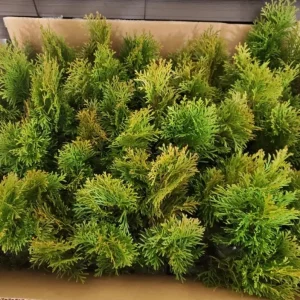
- Soft, Textured Appearance: The foliage grows in flat sprays with scale-like needles, creating a delicate, soft texture that is appealing both visually and to the touch, adding a unique dimension to your garden.
- Versatile Landscape Use: Whether used as a formal hedge, a natural windbreak, or a striking specimen plant, the golden arborvitae live plant seamlessly integrates into diverse landscape designs, offering flexibility in its application.
Plant Care & Growing Tips
Caring for your golden arborvitae live plant is straightforward, ensuring its vibrant golden foliage and healthy growth. This resilient evergreen thrives with proper attention to its basic needs, primarily focusing on sunlight, soil, and watering. For optimal color and form, full sun exposure is crucial; aim for at least 6 hours of direct sunlight daily to intensify its golden hues. While tolerant of various conditions, consistent sunlight will yield the most impressive results. In hotter climates, some afternoon shade can be beneficial to prevent scorching, though this variety generally handles heat well.
The ideal soil for a thuja plicata is moist, well-drained, and rich in organic matter. Avoid heavy, waterlogged soils that can lead to root rot. When planting, amend the soil with compost to improve drainage and fertility. During the first growing season, regular watering is essential to help establish a strong root system. Once established, the arborvitae becomes quite drought tolerant, requiring less frequent watering. However, during prolonged dry spells, occasional deep watering will support its health and vigor. Mulching around the base of the plant helps retain soil moisture, regulate temperature, and suppress weeds, contributing to a healthier plant environment. This plant is hardy in USDA zones 4–7, making it suitable for a wide range of climates, and can withstand winter temperatures well within this range.
Fertilize in early spring with a balanced, slow-release granular fertilizer formulated for evergreens to encourage robust growth and vibrant foliage. Pruning is generally minimal, focusing on maintaining its desired shape and removing any dead or damaged branches. Light shaping can be done in late winter or early spring before new growth emerges. Watch out for common pests like spider mites or bagworms, and address them promptly with appropriate organic or chemical treatments. Proper spacing is also key; allow enough room for the plant to reach its mature spread of 3–4 feet to ensure good air circulation and prevent overcrowding, which can lead to fungal issues. Following these care guidelines will ensure your arborvitae care routine promotes a thriving and beautiful addition to your landscape.
Size & Details
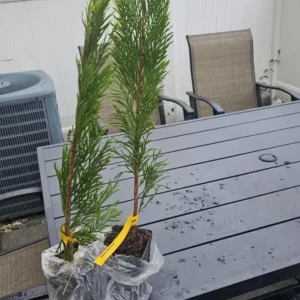
You are purchasing one golden arborvitae live plant, which comes in a 1 quart pot. Each plant stands approximately 8–14 inches tall upon arrival, providing a substantial start for your landscaping projects. This evergreen tree is characterized by its bright golden-yellow foliage, which retains its color year-round. It is an outdoor plant, ideally suited for full sun exposure to achieve its most vibrant coloration. The plant prefers moist, well-drained soil and has moderate moisture needs, becoming drought tolerant once established. It is hardy in USDA zones 4–7, indicating its resilience to a broad range of temperatures.
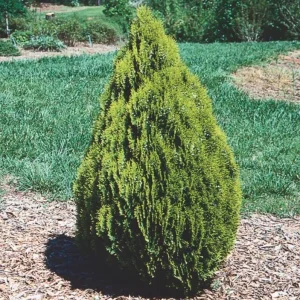
This variety of thuja plicata is known for its upright, narrow form, making it an excellent choice for creating dense privacy hedges or windbreaks. It typically grows to a mature height of 10–12 feet with a spread of 3–4 feet, reaching its full size over several years with a moderate growth rate. The plant is shipped as a live, potted specimen, ensuring its roots are protected and ready for successful transplanting into your garden. Expect to see significant growth and establishment within the first 1-2 growing seasons, especially with proper care and planting conditions.
Frequently Asked Questions
- Q: How big does this golden arborvitae get? A: This golden arborvitae live plant typically grows to a mature height of 10–12 feet with a spread of 3–4 feet, making it an ideal size for hedges and screens while remaining manageable in most landscapes.
- Q: What size pot does it come in? A: The plant you are purchasing comes in a 1 quart pot, and is approximately 8–14 inches tall at the time of shipment, providing a well-rooted starter plant.
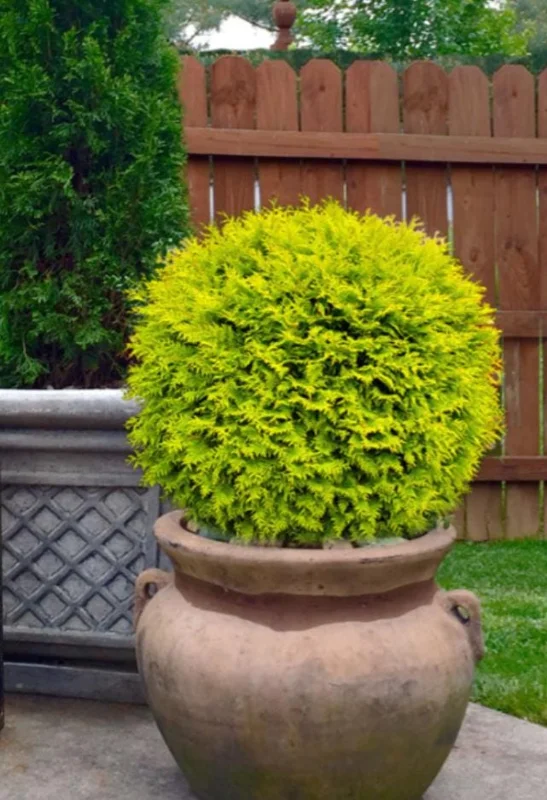
- Q: Is this an indoor or outdoor plant? A: This golden arborvitae live plant is an outdoor plant, best suited for garden beds, hedges, or large outdoor containers where it can receive ample sunlight.
- Q: How much sunlight does it need? A: For the most vibrant golden foliage, this arborvitae requires full sun exposure, meaning at least 6 hours of direct sunlight per day. It can tolerate some partial shade, but its color may be less intense.
- Q: Is this plant easy to care for? A: Yes, once established, this golden evergreen tree is considered low-maintenance. It is drought-tolerant and generally robust, requiring consistent watering only during its initial establishment period.
- Q: What condition will it arrive in? A: Your golden arborvitae live plant will arrive as a healthy, potted specimen. During colder months (October-March), it may show signs of dormancy like muted foliage, which is normal and indicates a healthy, resting plant.
- Q: When is the best time to plant golden arborvitae? A: The best time to plant is in spring or early fall, allowing the plant to establish its root system before extreme summer heat or winter cold. However, potted plants can be planted throughout the growing season.
- Q: Will it survive winter in my zone? A: This thuja plicata is hardy in USDA zones 4–7, meaning it is well-equipped to survive winters within these temperature ranges. Ensure it is well-watered going into winter, especially in drier climates.
- Q: What type of soil does it prefer? A: It thrives in moist, well-drained soil. Amending heavy clay soils with organic matter will improve drainage, while sandy soils will benefit from compost to retain moisture.
- Q: Why is it called a golden arborvitae hedge? A: It’s called a golden arborvitae hedge because its primary use is often for creating privacy hedges due to its dense, upright growth and distinctive golden foliage, which makes for a striking and effective barrier.
Be the first to review “Golden Arborvitae Live Plant – Evergreen Tree – 8-14 inch Tall – 1 Quart Pot – Outdoor”
-
USDA Hardiness Zone
4–7 -
Soil Type
Moist, well-drained -
Sunlight Exposure
Full sun -
Expected Planting Period
Spring to early fall
People Also Viewd


Sold 134 products
Original price was: $3,536.00.$23.99Current price is: $23.99.

Sold 131 products
Original price was: $27.00.$24.00Current price is: $24.00.

Sold 131 products
Original price was: $89.99.$64.99Current price is: $64.99.

Sold 125 products
Original price was: $86.99.$66.99Current price is: $66.99.

Flower Bulbs
3 Cranesbill Wild Geranium Organic Maculatums Bare Roots | Wildflower for Outdoor Garden
Sold 116 products
Original price was: $21.99.$9.99Current price is: $9.99.

Sold 114 products
Original price was: $28.99.$17.99Current price is: $17.99.

Sold 110 products
Original price was: $63.99.$28.99Current price is: $28.99.
Sold 108 products
Original price was: $28.99.$17.99Current price is: $17.99.RELATED posts
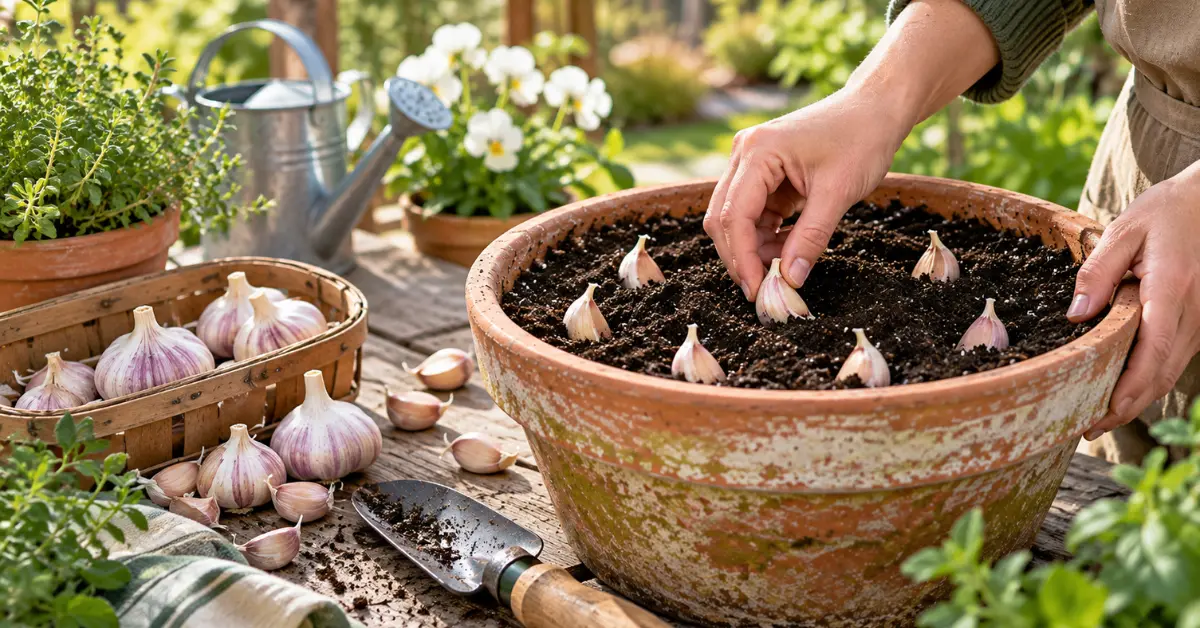
Growing Garlic in Containers This Fall: A Complete Guide for Beginners
If you’ve ever wanted to pop fresh, aromatic garlic cloves straight from your own patio [...]
Sep
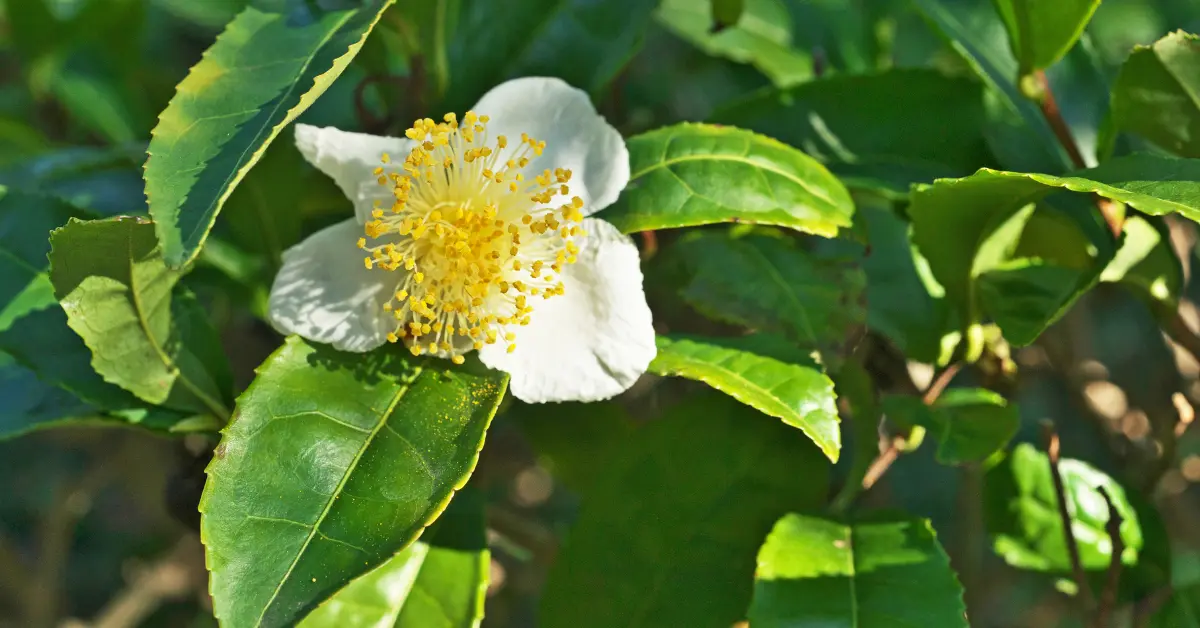
Growing Camellia Sinensis (Tea Plants) in Containers: A Complete Guide for Beginners
If you’ve ever wanted to sip a steaming, homegrown cup of fresh green, black, or [...]
Aug
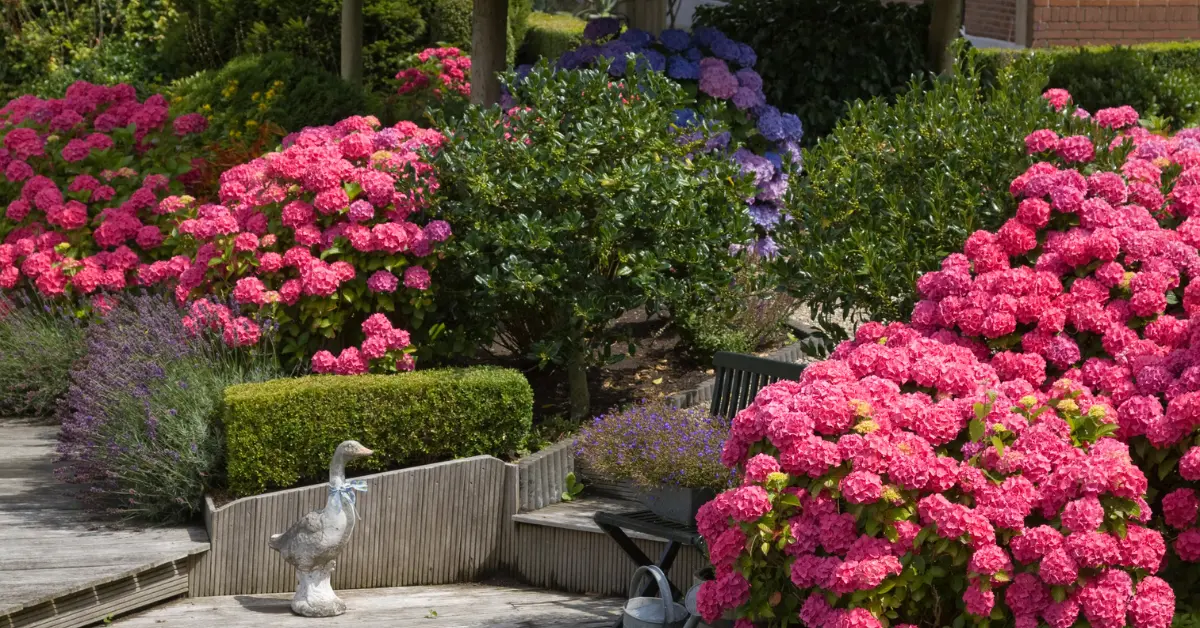
6 Best Shrubs to Plant in August You Must Try
Have you ever walked through a nursery late in the summer, admired the vibrant shrubs [...]
Aug
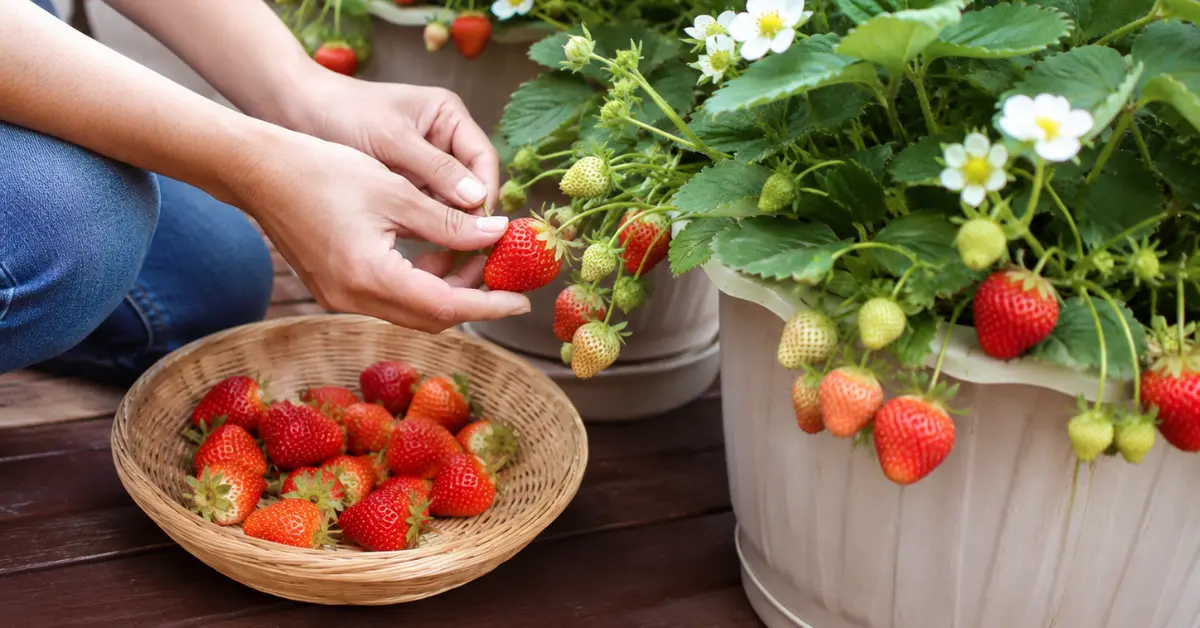
Growing Everbearing Strawberries in Containers: A Complete Guide for Beginners
Want to grow sweet, fresh strawberries but do not have a large garden? Everbearing strawberries [...]
Aug
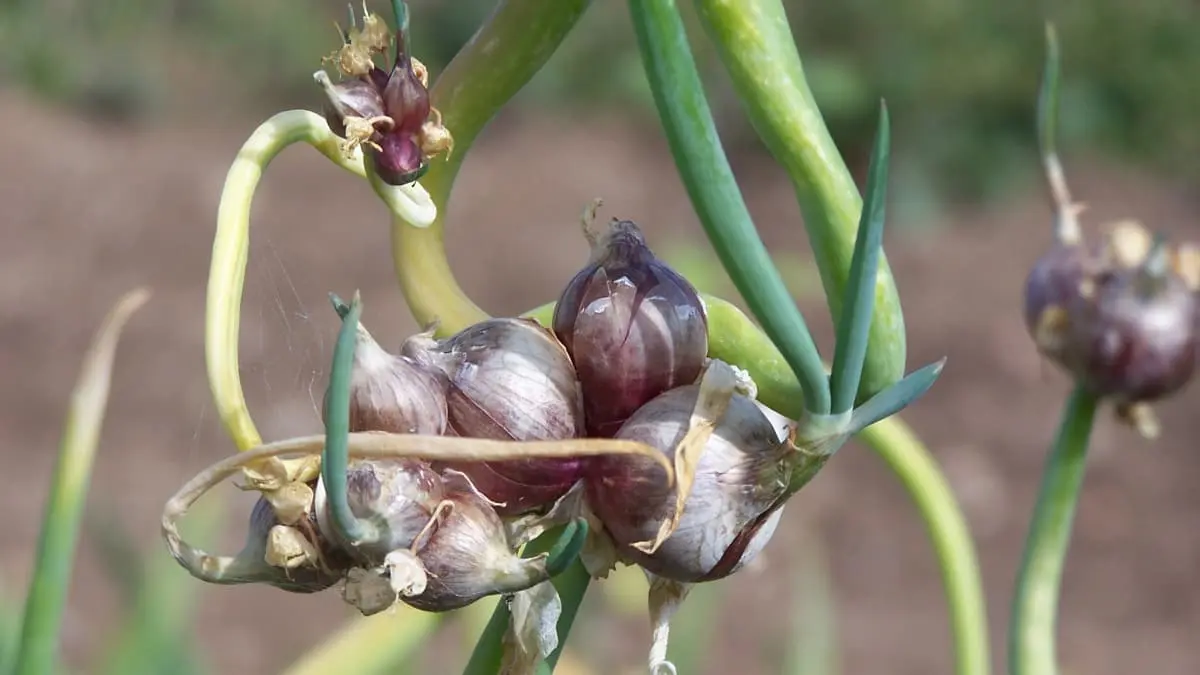
Growing Egyptian Walking Onions in Containers: A Complete Guide for Beginners
If you’re looking for a hardy, no-fuss perennial onion that keeps on giving year after [...]
Jul
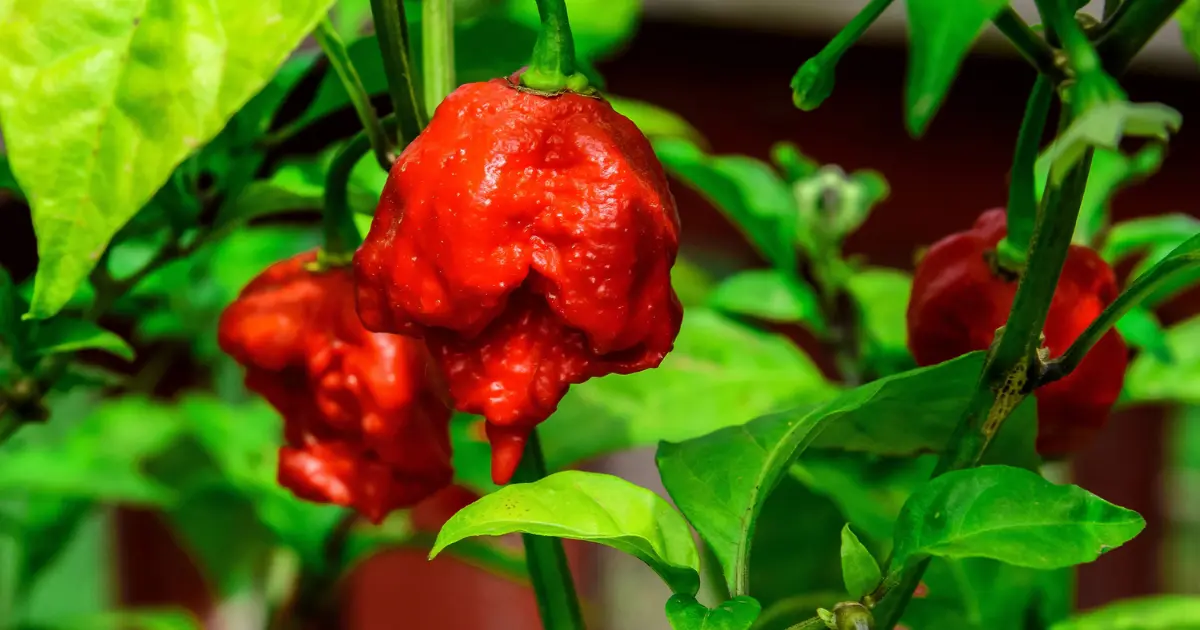
Growing Carolina Reaper Peppers in Pots: A Complete Guide for Beginners
If you’ve ever wanted to add some serious, record-breaking heat to your home cooking, you’ve [...]
May
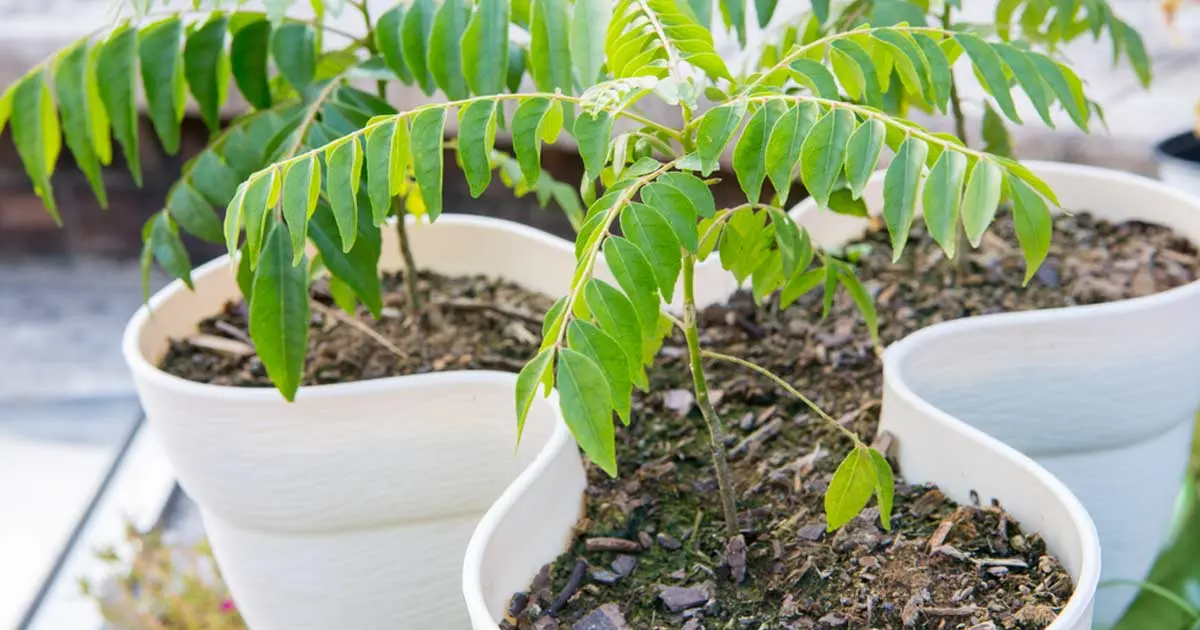
Growing Curry Leaf Plant in Pots: A Complete Guide for Beginners
If you’re a fan of authentic South Asian cuisine, you already know that nothing compares [...]
May
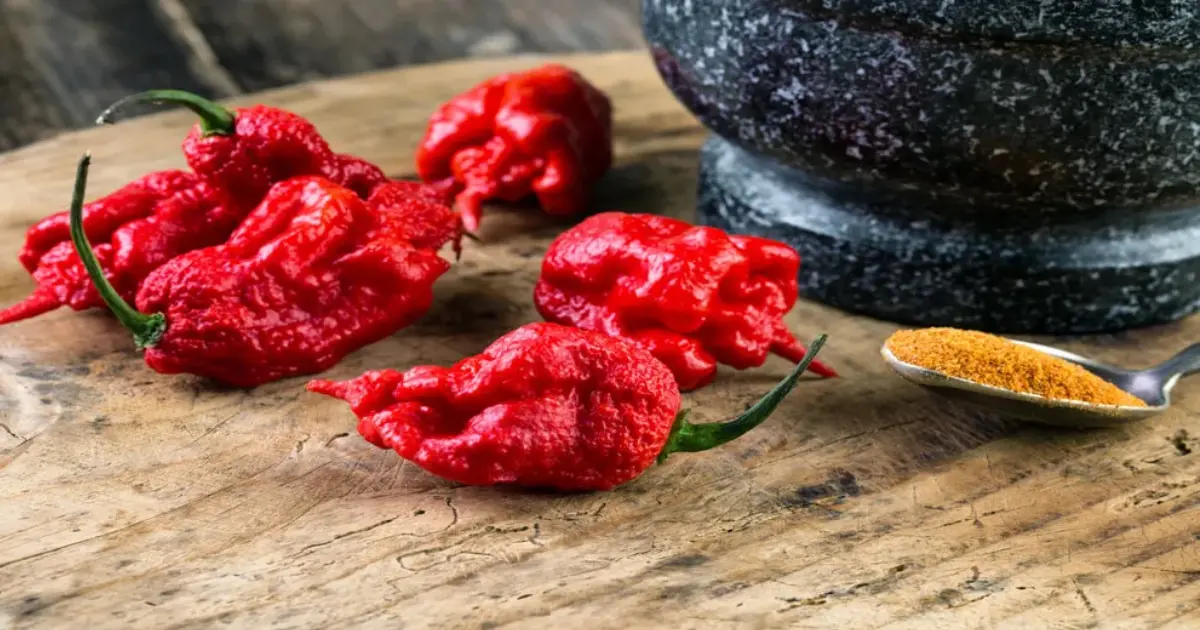
5 Tips for Growing Carolina Reaper Peppers to Get the Spiciest Harvest Ever
Holding the record for one of the world’s hottest peppers, the Reaper isn’t just a [...]
May
Reviews
There are no reviews yet.