
Majidea Zanguebarica Live Tree Plant – Black Pearl Tree 1 Ft Tall
Original price was: $134.60.$84.60Current price is: $84.60.
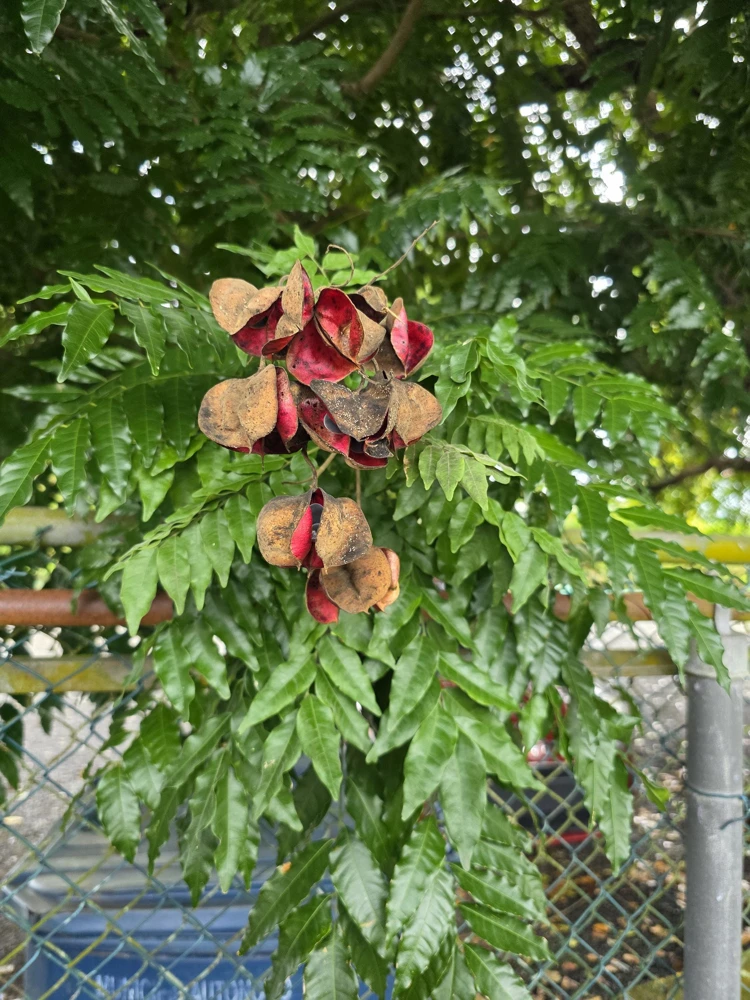
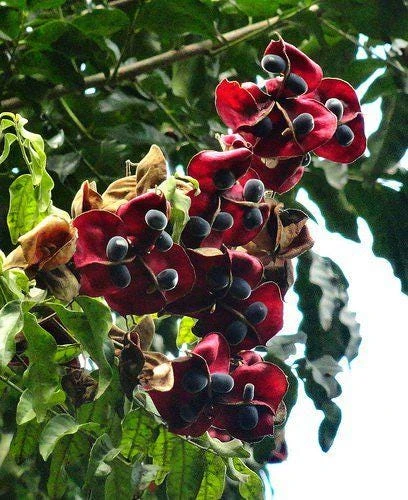
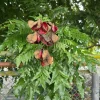
Bring exotic beauty to your home or garden with the Majidea Zanguebarica Tree, a stunning 1 ft live plant. Known as the black pearl tree plant, it features glossy foliage, a rounded canopy, and highly ornamental seeds, making it a unique indoor or outdoor specimen.
Estimated arrival
Sep 14
Sep 19 - Sep 21
Sep 24 - Sep 28

Reasonable Price
We offer reasonable price

Support 24/7
Contact us 24 hrs a day

100% Money Back
You've 30 days to Return

Payment Secure
100% secure payment
Overview
Introduce a touch of tropical elegance to your botanical collection with the captivating Majidea Zanguebarica Tree. This exquisite 1 ft live plant, often referred to as the black pearl tree plant or velvet-seed tree, is celebrated for its exceptional ornamental qualities. With its lustrous foliage and attractive rounded canopy, it makes a magnificent addition to small tropical gardens or as a distinctive container plant in cooler climates. Hardy in frost-free zones, it can also thrive as a rare and unique houseplant when grown in a pot, maintaining a more compact size. The leaves are compound, featuring up to 10 pairs of elliptic leaflets, each measuring approximately 5–7 centimetres (2.0–2.8 in) long and 2–3 cm (0.79–1.18 in) wide. Its striking seeds are a true highlight, inspiring its charming common names.
The Majidea Zanguebarica is a conversation starter, perfect for plant enthusiasts seeking something out of the ordinary. Its adaptability as both an outdoor specimen in warm regions and an indoor container plant makes it a versatile choice for various growing environments. Experience the allure of this unique tree and elevate your plant display with its natural splendor.
Key Benefits
The Majidea Zanguebarica Tree offers a multitude of benefits, making it a prized addition to any plant collection. Its ornamental features and ease of care contribute to its growing popularity among gardeners and indoor plant enthusiasts alike:
- Exceptional Ornamental Value: This tree boasts glossy, vibrant foliage and a naturally rounded canopy, providing year-round visual appeal. Its unique form and texture add a sophisticated touch to any setting, whether indoors or out.
- Striking Seed Pods: Perhaps its most distinctive feature, the fruit splits open to reveal a bright red interior contrasting beautifully with three spherical, velvety blue-black seeds. These highly ornamental ‘black pearls’ are a visual delight and give the tree its evocative common name.
- Fragrant Blooms: The tree produces dense clusters of small, green-red, fragrant flowers at the end of panicles. While subtle, these blooms add another layer of sensory pleasure to the plant’s profile.
- Versatile Growth Habit: Suitable for small tropical gardens where it can reach its full potential, the Majidea Zanguebarica Tree also thrives as a container plant. This makes it an ideal choice for those in cooler climates who wish to enjoy its beauty as a rare houseplant.
- Unique Houseplant Option: For those living outside frost-free zones, this tree can be cultivated indoors, offering a distinctive alternative to more common houseplants. Its manageable size when container-grown makes it perfect for bright indoor spaces.
- Attractive Foliage: The compound leaves with their elliptic leaflets contribute to the tree’s lush and full appearance, enhancing its overall aesthetic appeal.
Plant Care & Growing Tips
Caring for your Majidea Zanguebarica Tree is straightforward, ensuring it thrives and displays its full ornamental glory. Understanding its specific needs for sunlight, water, and soil will help you cultivate a healthy and vibrant specimen. This tropical beauty appreciates conditions that mimic its native habitat, whether grown outdoors in suitable climates or as a cherished rare houseplant.
For sunlight, the Majidea Zanguebarica prefers full sun to partial shade when grown outdoors. If cultivating indoors, place it in a location that receives bright, indirect light for most of the day, such as near a south or west-facing window. Avoid prolonged periods of intense, direct afternoon sun, which can scorch its leaves. Adequate light is crucial for healthy growth and the development of its ornamental seeds. When it comes to watering, this tree prefers consistently moist but not waterlogged soil. Allow the top inch or two of soil to dry out slightly between waterings, especially for container-grown plants. Overwatering can lead to root rot, so ensure excellent drainage. During cooler months, reduce watering frequency.
The ideal soil for the velvet seed tree is a rich, well-draining potting mix. A blend formulated for tropical plants or a mix of good quality potting soil with added perlite or coarse sand for drainage works well. It thrives in warm temperatures, typically above 60°F (15°C), and is hardy only in frost-free zones (USDA zones 10-11). If temperatures drop below 50°F (10°C), bring container plants indoors. Fertilize your Majidea Zanguebarica every 2-4 weeks during the growing season (spring and summer) with a balanced liquid fertilizer diluted to half strength. Reduce or cease fertilization during fall and winter. Pests are generally not a major issue, but keep an eye out for common houseplant pests like spider mites or mealybugs, and treat promptly if observed. Pruning can be done to maintain its attractive rounded canopy and desired size, especially for container specimens.
Size & Details
This offering is for a Majidea Zanguebarica Tree live plant, approximately 1 ft (12 inches) in height upon arrival. This size makes it ideal for immediate display in a decorative pot or for planting in a garden where conditions are suitable. The tree is known for its moderate growth rate, eventually forming a small, attractive tree with a rounded canopy. When grown in containers, its size can be managed through pruning, making it a perfect tropical ornamental tree for indoor settings or patios. The plant is shipped in a nursery pot, ensuring its roots are protected and ready for transplanting.
Expect to see the development of its distinctive fruits and seeds as the plant matures, typically within a few years under optimal growing conditions. The compound leaves contribute to a lush, full appearance, providing excellent visual interest throughout the year. This 1 ft specimen is a fantastic starting point for cultivating a rare and beautiful addition to your home or garden, offering a unique opportunity to grow a magnificent Majidea Zanguebarica Tree.
Frequently Asked Questions
- Q: How big does this plant get? A: This Majidea Zanguebarica Tree is approximately 1 ft tall upon arrival. When grown outdoors in ideal tropical conditions, it can become a small tree. As a container plant or rare houseplant, its size can be maintained through pruning, typically staying more compact, around 3-6 feet tall.
- Q: Is this an indoor or outdoor plant? A: It can be both! It thrives outdoors in frost-free tropical zones (USDA zones 10-11). In cooler climates, it makes an excellent container plant that can be brought indoors during colder months, or grown permanently as a houseplant.
- Q: How much sunlight does it need? A: The black pearl tree plant prefers full sun to partial shade outdoors. Indoors, it requires bright, indirect light for optimal growth. Avoid direct, harsh afternoon sun, especially for indoor plants.
- Q: Is this plant easy to care for? A: While it has specific requirements for warmth and consistent moisture, it is considered moderately easy to care for once its needs are met. Consistent watering and proper light are key to its success.
- Q: What condition will it arrive in? A: Your tropical ornamental tree will arrive as a healthy, live plant in a nursery pot, carefully packaged to ensure its safe journey. We recommend unpacking and watering it upon arrival.
- Q: How long until it blooms and produces seeds? A: The Majidea Zanguebarica typically blooms and produces its ornamental seeds once it reaches a certain level of maturity, which can take a few years. Optimal growing conditions will encourage earlier flowering and fruiting.
- Q: Will it survive winter in my zone? A: This tree is only hardy in frost-free zones (USDA zones 10-11). If you live in a colder climate, you must protect it from frost by bringing it indoors or providing adequate winter protection.
- Q: What type of soil is best for the velvet seed tree? A: A rich, well-draining potting mix is ideal. You can use a high-quality tropical plant mix or amend regular potting soil with perlite or coarse sand to improve drainage.
- Q: Does the Majidea Zanguebarica have fragrant flowers? A: Yes, it produces dense clusters of small, green-red flowers that are subtly fragrant. The fragrance is generally mild but adds to the plant’s overall appeal.
- Q: Can I prune this tree to keep it smaller? A: Absolutely. Pruning is recommended, especially for container-grown specimens, to maintain its desired size and shape. This helps encourage a fuller, more attractive canopy.
Be the first to review “Majidea Zanguebarica Live Tree Plant – Black Pearl Tree 1 Ft Tall”
-
USDA Hardiness Zone
USDA zones 10-11 (frost-free) -
Soil Type
Rich, well-draining potting mix -
Sunlight Exposure
Full sun to partial shade (outdoors), Bright indirect light (indoors) -
Expected Planting Period
Year-round indoors, Spring to summer outdoors in suitable zones
People Also Viewd
Sold 134 products
Original price was: $3,536.00.$23.99Current price is: $23.99.
Sold 131 products
Original price was: $27.00.$24.00Current price is: $24.00.
Sold 130 products
Original price was: $89.99.$64.99Current price is: $64.99.

Sold 125 products
Original price was: $86.99.$66.99Current price is: $66.99.
Flower Bulbs
3 Cranesbill Wild Geranium Organic Maculatums Bare Roots | Wildflower for Outdoor Garden
Sold 116 products
Original price was: $21.99.$9.99Current price is: $9.99.
Sold 114 products
Original price was: $28.99.$17.99Current price is: $17.99.
Sold 110 products
Original price was: $63.99.$28.99Current price is: $28.99.
Sold 108 products
Original price was: $28.99.$17.99Current price is: $17.99.RELATED posts
Growing Camellia Sinensis (Tea Plants) in Containers: A Complete Guide for Beginners
If you’ve ever wanted to sip a steaming, homegrown cup of fresh green, black, or [...]
Aug
6 Best Shrubs to Plant in August You Must Try
Have you ever walked through a nursery late in the summer, admired the vibrant shrubs [...]
Aug
Growing Everbearing Strawberries in Containers: A Complete Guide for Beginners
Want to grow sweet, fresh strawberries but do not have a large garden? Everbearing strawberries [...]
Aug
Growing Egyptian Walking Onions in Containers: A Complete Guide for Beginners
If you’re looking for a hardy, no-fuss perennial onion that keeps on giving year after [...]
Jul
Growing Carolina Reaper Peppers in Pots: A Complete Guide for Beginners
If you’ve ever wanted to add some serious, record-breaking heat to your home cooking, you’ve [...]
May
Growing Curry Leaf Plant in Pots: A Complete Guide for Beginners
If you’re a fan of authentic South Asian cuisine, you already know that nothing compares [...]
May
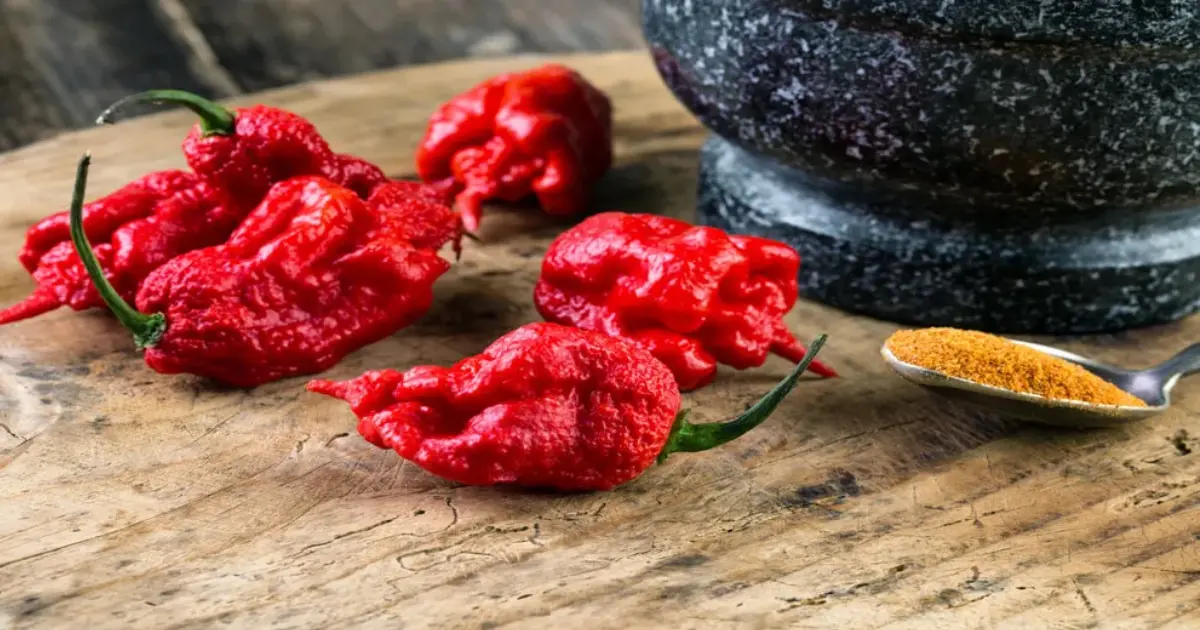
5 Tips for Growing Carolina Reaper Peppers to Get the Spiciest Harvest Ever
Holding the record for one of the world’s hottest peppers, the Reaper isn’t just a [...]
May
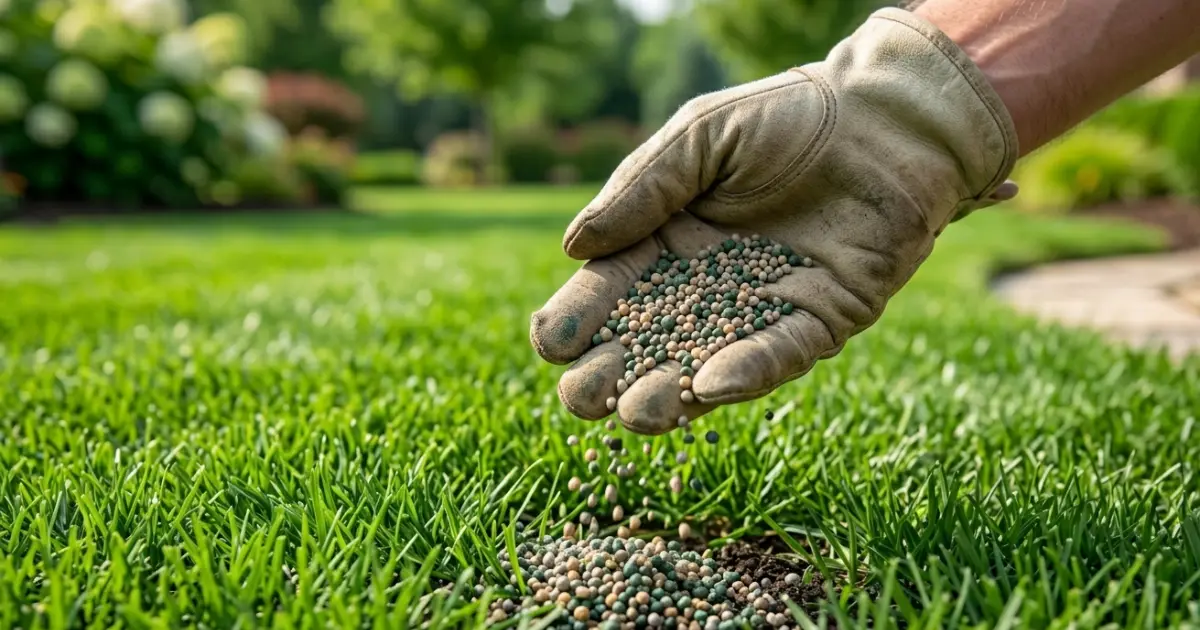
Best Fertilizers for Zoysia Grass in 2026: Get a Lush Lawn
As we enter the new year, the time has come to think about how we [...]
Apr
Reviews
There are no reviews yet.