
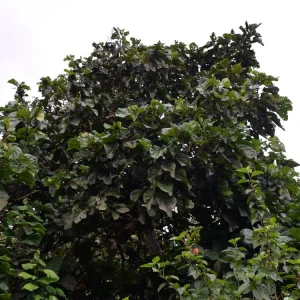
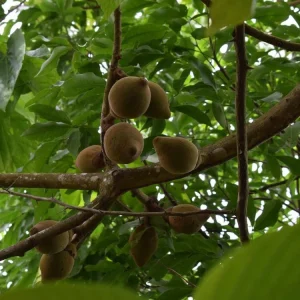
Matisia Cordata Live Tree – Zapote Sudamericano Tropical Fruit Plant 1FT
Original price was: $185.00.$135.00Current price is: $135.00.
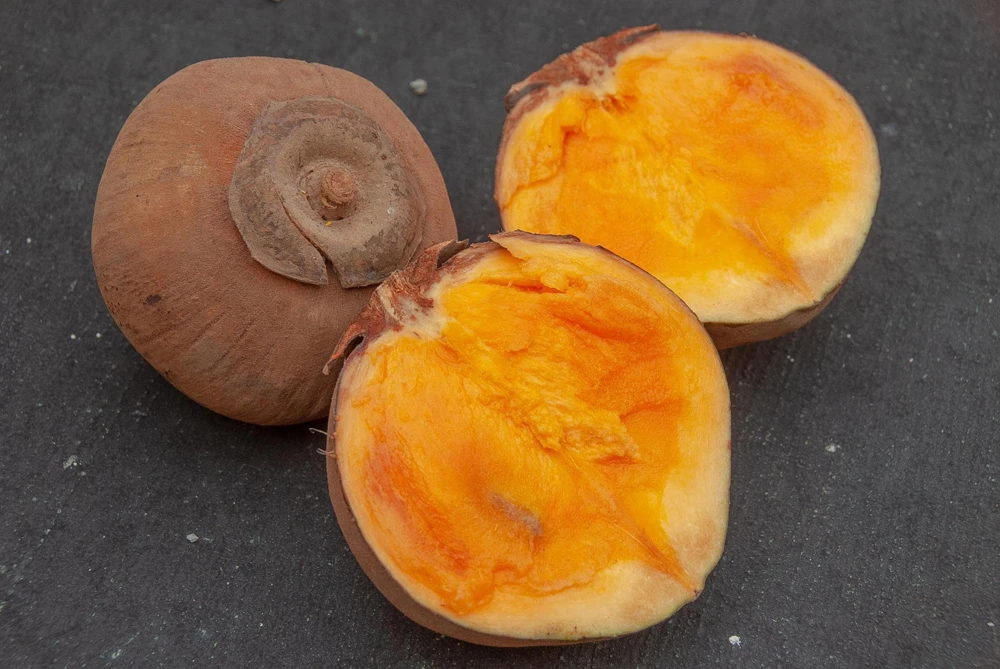
Bring the tropics to your garden with this Matisia cordata live tree, also known as zapote sudamericano plant or chupa-chupa. This 1FT tall specimen is ready to grow into a beautiful, fruit-bearing tree, offering a unique blend of pumpkin, mango, and apricot flavors.
Estimated arrival
Sep 15
Sep 20 - Sep 22
Sep 25 - Sep 29

Reasonable Price
We offer reasonable price

Support 24/7
Contact us 24 hrs a day

100% Money Back
You've 30 days to Return

Payment Secure
100% secure payment
Overview
Introduce an exotic flair to your landscape with the remarkable Matisia cordata live tree. This tropical wonder, often referred to as Zapote Sudamericano or Chupa-Chupa, is a fast-growing, evergreen species renowned for its unique and delicious fruit. Originating from South America, this plant is a true gem for enthusiasts looking to cultivate rare and flavorful produce. Our 1FT tall specimen provides a head start, allowing you to establish a thriving fruit tree that will become a focal point in your garden. The Matisia cordata is not just a fruit producer; its impressive stature and attractive foliage make it a striking ornamental tree as well, adding lush greenery and a touch of the rainforest to your outdoor space.
The fruit of the Matisia cordata live tree is highly prized for its distinctive taste, often described as a delightful mix of pumpkin, mango, and apricot, or even similar to papaya. This sweet and succulent pulp is commonly enjoyed fresh or used in juices, making it a versatile addition to your culinary adventures. Growing your own chupa-chupa fruit tree ensures a fresh supply of this exotic delicacy, offering a unique taste experience not easily found in conventional markets. Embrace the joy of nurturing a tropical plant and harvesting its bountiful rewards, enhancing both your garden’s biodiversity and your palate.
Key Benefits
The Matisia cordata live tree offers a multitude of benefits, from its ornamental beauty to its delicious fruit production. Cultivating this tropical tree can enrich your garden and provide a unique horticultural experience. The zapote sudamericano plant is a rewarding choice for those seeking something truly special.
- Exotic Fruit Production: Enjoy the unique, sweet, and juicy chupa-chupa fruit, described as a blend of pumpkin, mango, and apricot, perfect for fresh eating or juices.
- Fast-Growing Evergreen: This tree quickly establishes itself, providing a lush, green canopy and adding significant visual appeal to your garden year-round.
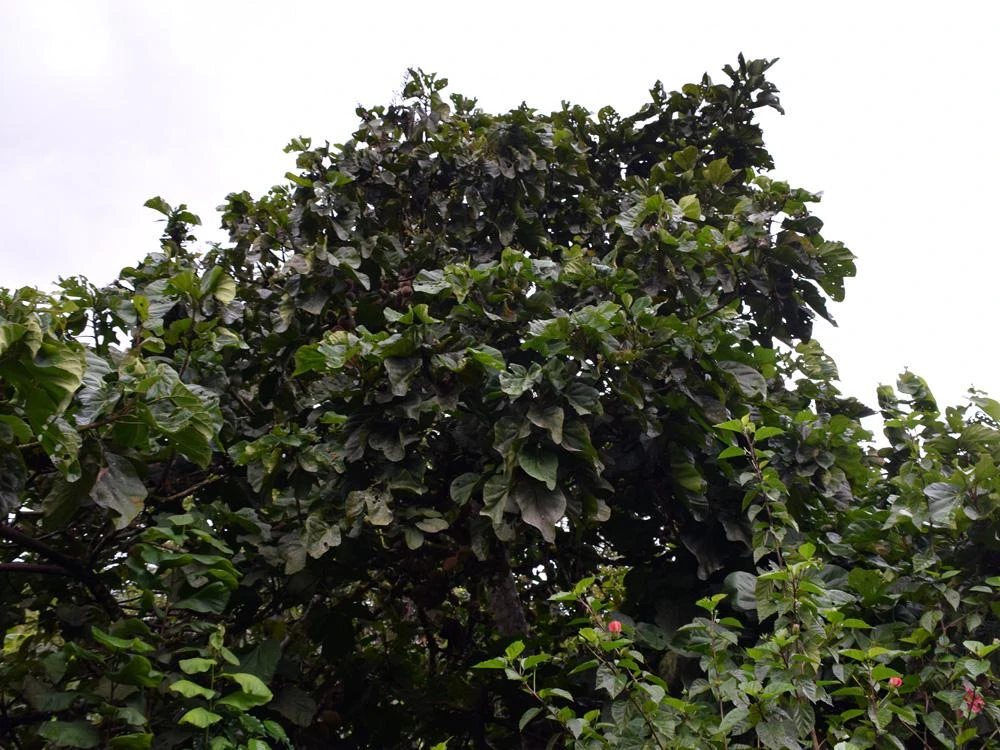
- Striking Ornamental Value: With its straight trunk, tiered branches, and large, heart-shaped leaves, the Matisia cordata makes a dramatic and beautiful landscape specimen.
- Biodiversity Enhancement: Attract local wildlife, including pollinators and birds, to your garden, contributing to a healthier ecosystem.
- Unique Culinary Experience: Grow a fruit that is uncommon in most markets, allowing you to experiment with new flavors and recipes directly from your backyard.
- Shade Provider: As it matures, the tree offers ample shade, creating a comfortable and cool environment in your garden during warmer months.
- Durable and Resilient: Once established, this tropical fruit tree can be relatively low-maintenance, adapting well to suitable growing conditions.
Plant Care & Growing Tips
Caring for your Matisia cordata live tree is a rewarding endeavor that ensures a healthy and productive plant. This tropical species thrives in specific conditions that mimic its natural habitat. Provide ample space for growth, as this tree can become quite large. The chupa-chupa fruit tree requires consistent attention, especially during its establishment phase, to develop a strong root system and robust growth.
Sunlight Requirements: The Matisia cordata prefers full sun to partial shade. Aim for at least 6-8 hours of direct sunlight per day for optimal growth and fruit production. In extremely hot climates, some afternoon shade can be beneficial to prevent leaf scorch. Watering Schedule: Keep the soil consistently moist but not waterlogged. Water deeply and regularly, especially during dry periods and when the tree is young. Once established, it can tolerate brief periods of drought, but consistent moisture is key for fruit development. Soil Type: This tree thrives in rich, well-draining soil with a slightly acidic to neutral pH. Amend heavy clay soils with organic matter to improve drainage. Good drainage is crucial to prevent root rot. Temperature Range & USDA Hardiness Zone: As a tropical plant, the Matisia cordata is sensitive to cold. It is best suited for USDA Hardiness Zones 10-11, where temperatures rarely drop below freezing. In cooler zones, it can be grown in a large container and brought indoors during winter. Fertilization: Fertilize regularly during the growing season (spring and summer) with a balanced, slow-release fertilizer or a fertilizer formulated for tropical fruit trees. Reduce fertilization in fall and winter. Common Problems: Watch out for common tropical plant pests like aphids or mealybugs, and treat with organic insecticidal soap if necessary. Ensure good air circulation to prevent fungal issues. Consistent care helps prevent many common problems for your matisia cordata care.
Size & Details
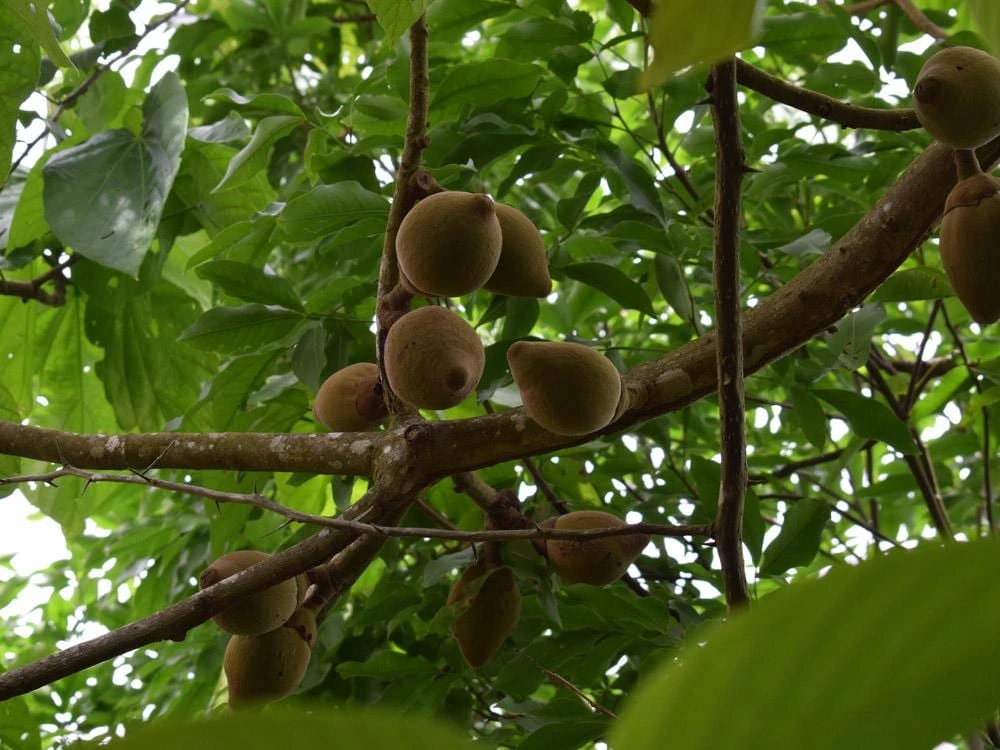
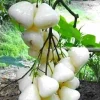
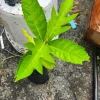
This offering is for one Matisia cordata live tree, approximately 1 foot (1FT) tall at the time of shipment. This vigorous grower will quickly mature, eventually reaching heights of about 12 meters (39 feet) in cultivation, though it can grow taller in its native wild environment. The tree develops a straight, erect trunk, sometimes buttressed at the base, and features stiff, horizontal branches arranged in tiered whorls. Its large, heart-shaped leaves measure 18 to 30 cm long, providing a dense, dark green canopy. The fruit is round to ovoid, typically 6 to 14 cm in diameter, with a thick, leathery, brown-green rind, and contains 2 to 5 large seeds. Expect fruit production to begin within a few years under ideal growing conditions.
Frequently Asked Questions
- Q: How big does this Matisia cordata live tree get? A: In cultivation, the tree typically reaches about 12 meters (39 feet) tall, though it can be pruned to maintain a smaller size. In the wild, it can grow much taller.
- Q: Is this an indoor or outdoor plant? A: The zapote sudamericano plant is a tropical outdoor tree best suited for USDA Zones 10-11. In cooler climates, it can be grown in a large pot and moved indoors during colder months.
- Q: How much sunlight does the chupa-chupa fruit tree need? A: It prefers full sun to partial shade, ideally receiving 6-8 hours of direct sunlight per day for the best growth and fruit yield.
- Q: What condition will the tree arrive in? A: Your 1FT Matisia Cordata will arrive as a healthy, live plant, typically shipped in a nursery pot with soil, ready for planting or transplanting.
- Q: How long until it starts producing fruit? A: With proper care, a Matisia Cordata live tree can begin to produce fruit within 3-5 years from planting, though this can vary based on growing conditions.
- Q: What is the best soil for matisia cordata care? A: This tree thrives in rich, well-draining soil that is slightly acidic to neutral. Good drainage is essential to prevent root issues.
- Q: Is this plant easy to care for? A: While it has specific tropical requirements, once established in the correct climate, it is relatively straightforward to care for. Consistent watering and fertilization are key.
- Q: Can the fruit be used in cooking? A: Yes, the sweet, flavorful pulp of the chupa-chupa fruit is excellent eaten fresh, and it’s also commonly used to make juices and other tropical beverages.
- Q: What is the minimum temperature this tree can tolerate? A: As a tropical species, it is sensitive to cold and generally cannot tolerate temperatures below freezing (32°F or 0°C).
- Q: What makes the fruit unique? A: The chupa-chupa fruit is known for its vibrant orange-yellow, succulent pulp with a unique flavor profile often compared to a mix of pumpkin, mango, and apricot.
Be the first to review “Matisia Cordata Live Tree – Zapote Sudamericano Tropical Fruit Plant 1FT”
-
USDA Hardiness Zone
USDA Zones 10-11 -
Soil Type
Rich, well-draining soil -
Sunlight Exposure
Full sun to partial shade -
Expected Planting Period
Year-round in tropical climates; spring in subtropical zones
People Also Viewd
Sold 134 products
Original price was: $3,536.00.$23.99Current price is: $23.99.
Sold 131 products
Original price was: $27.00.$24.00Current price is: $24.00.
Sold 130 products
Original price was: $89.99.$64.99Current price is: $64.99.

Sold 125 products
Original price was: $86.99.$66.99Current price is: $66.99.
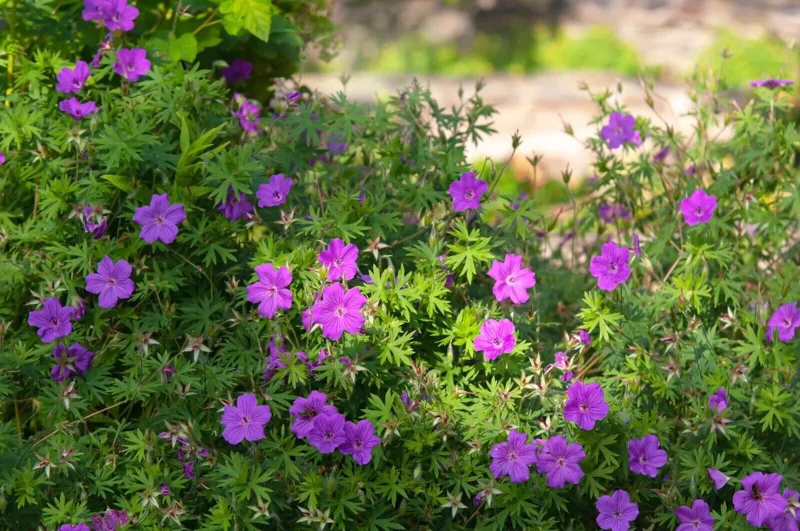
Flower Bulbs
3 Cranesbill Wild Geranium Organic Maculatums Bare Roots | Wildflower for Outdoor Garden
Sold 116 products
Original price was: $21.99.$9.99Current price is: $9.99.
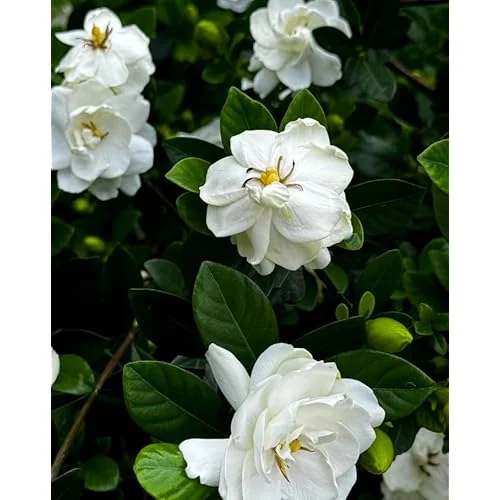
Sold 114 products
Original price was: $28.99.$17.99Current price is: $17.99.
Sold 110 products
Original price was: $63.99.$28.99Current price is: $28.99.
Sold 108 products
Original price was: $28.99.$17.99Current price is: $17.99.RELATED posts
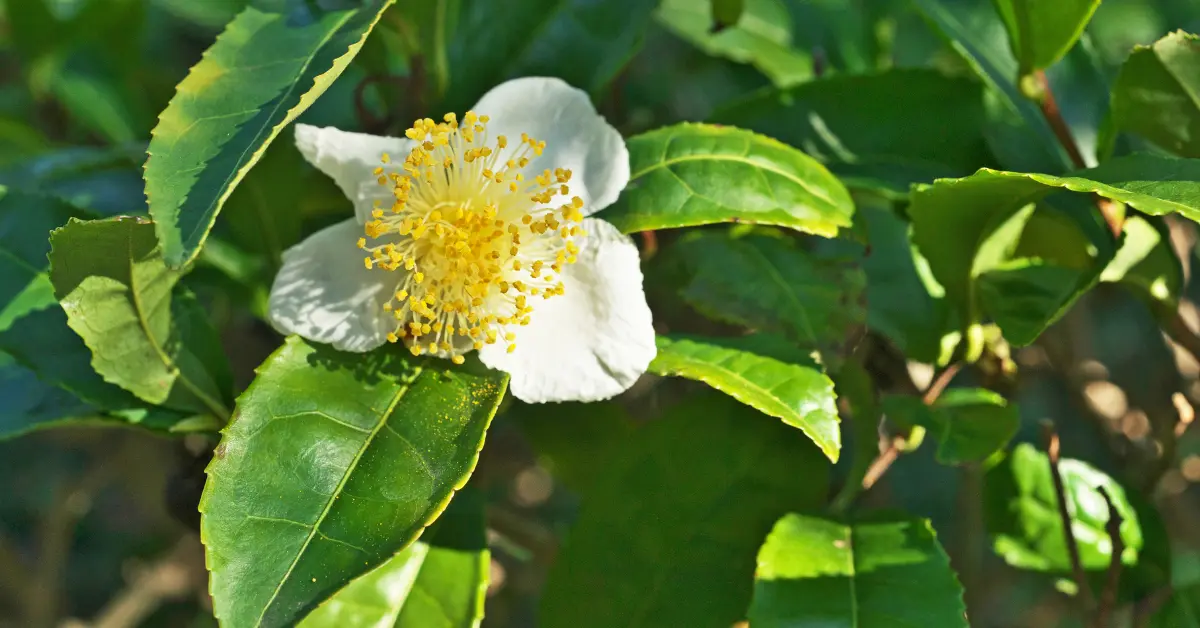
Growing Camellia Sinensis (Tea Plants) in Containers: A Complete Guide for Beginners
If you’ve ever wanted to sip a steaming, homegrown cup of fresh green, black, or [...]
Aug
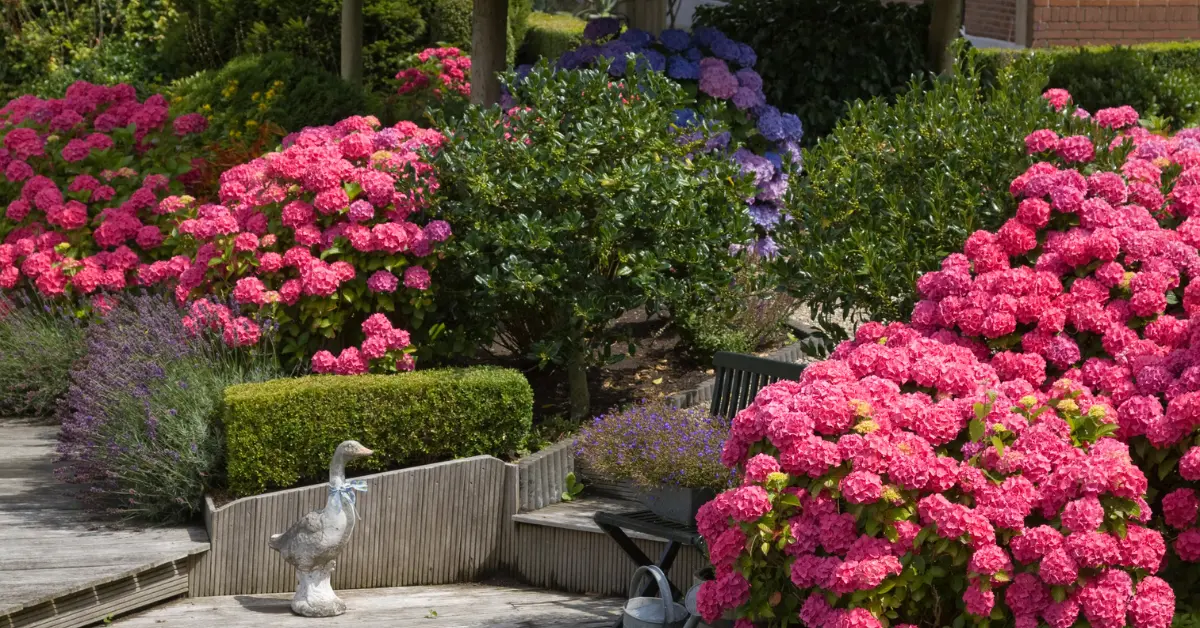
6 Best Shrubs to Plant in August You Must Try
Have you ever walked through a nursery late in the summer, admired the vibrant shrubs [...]
Aug
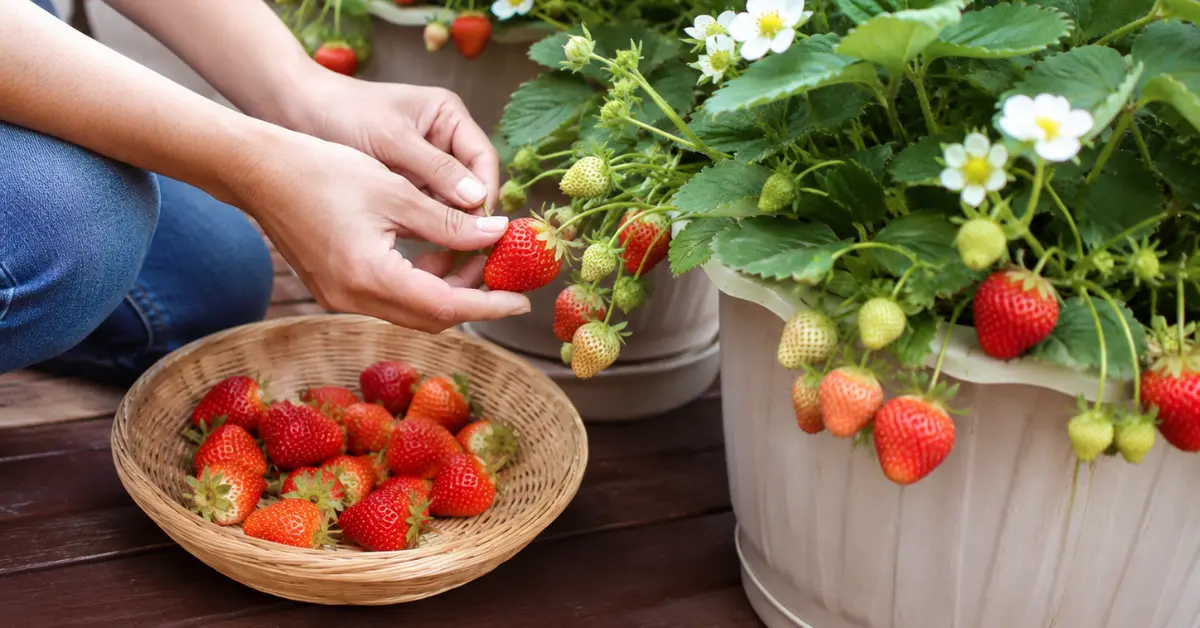
Growing Everbearing Strawberries in Containers: A Complete Guide for Beginners
Want to grow sweet, fresh strawberries but do not have a large garden? Everbearing strawberries [...]
Aug
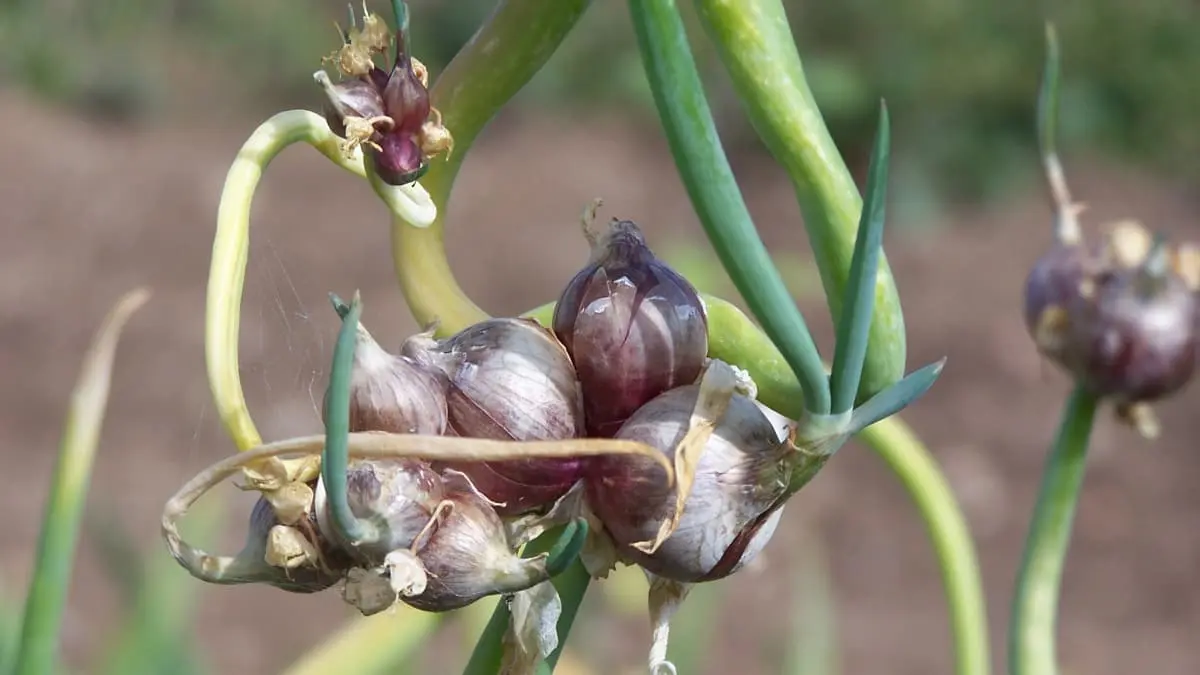
Growing Egyptian Walking Onions in Containers: A Complete Guide for Beginners
If you’re looking for a hardy, no-fuss perennial onion that keeps on giving year after [...]
Jul
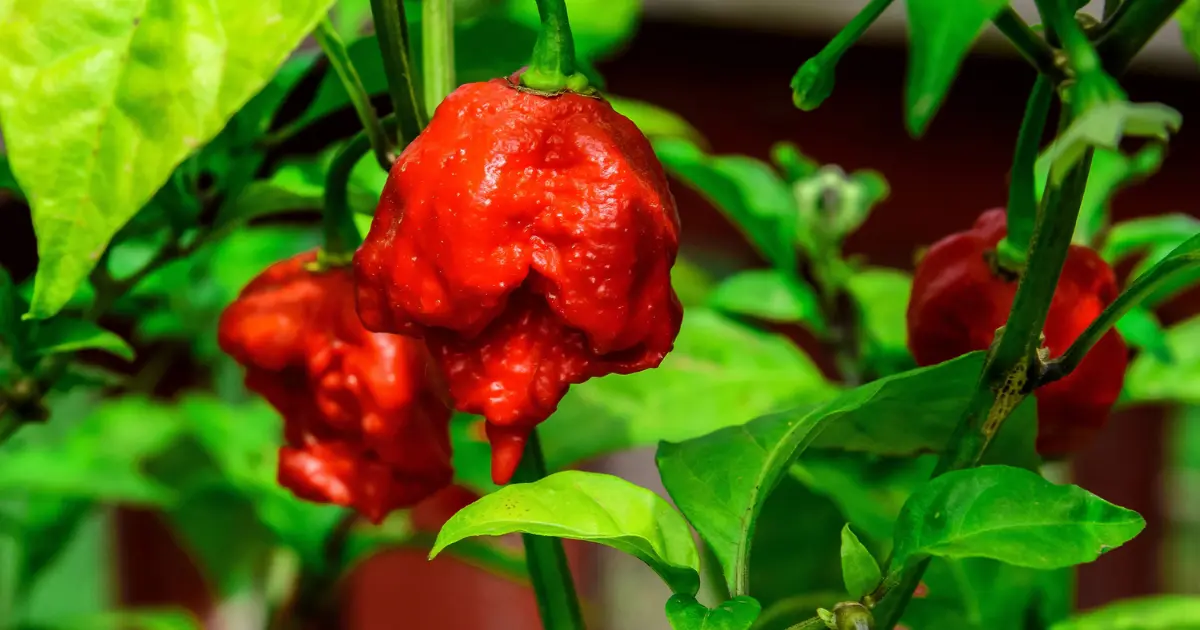
Growing Carolina Reaper Peppers in Pots: A Complete Guide for Beginners
If you’ve ever wanted to add some serious, record-breaking heat to your home cooking, you’ve [...]
May
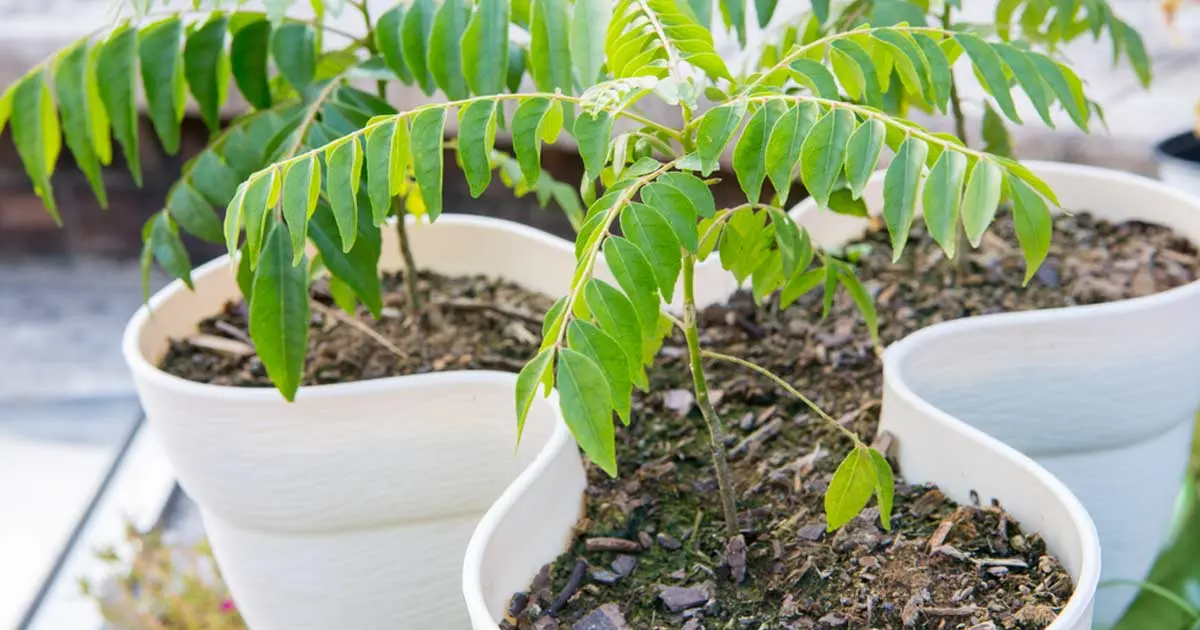
Growing Curry Leaf Plant in Pots: A Complete Guide for Beginners
If you’re a fan of authentic South Asian cuisine, you already know that nothing compares [...]
May
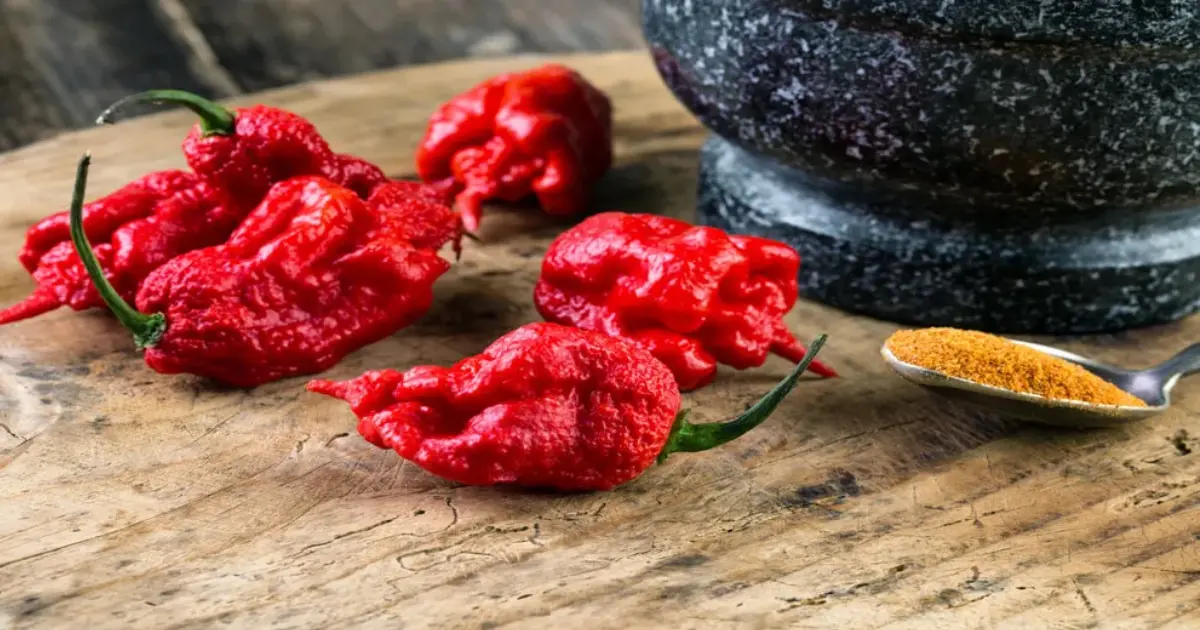
5 Tips for Growing Carolina Reaper Peppers to Get the Spiciest Harvest Ever
Holding the record for one of the world’s hottest peppers, the Reaper isn’t just a [...]
May
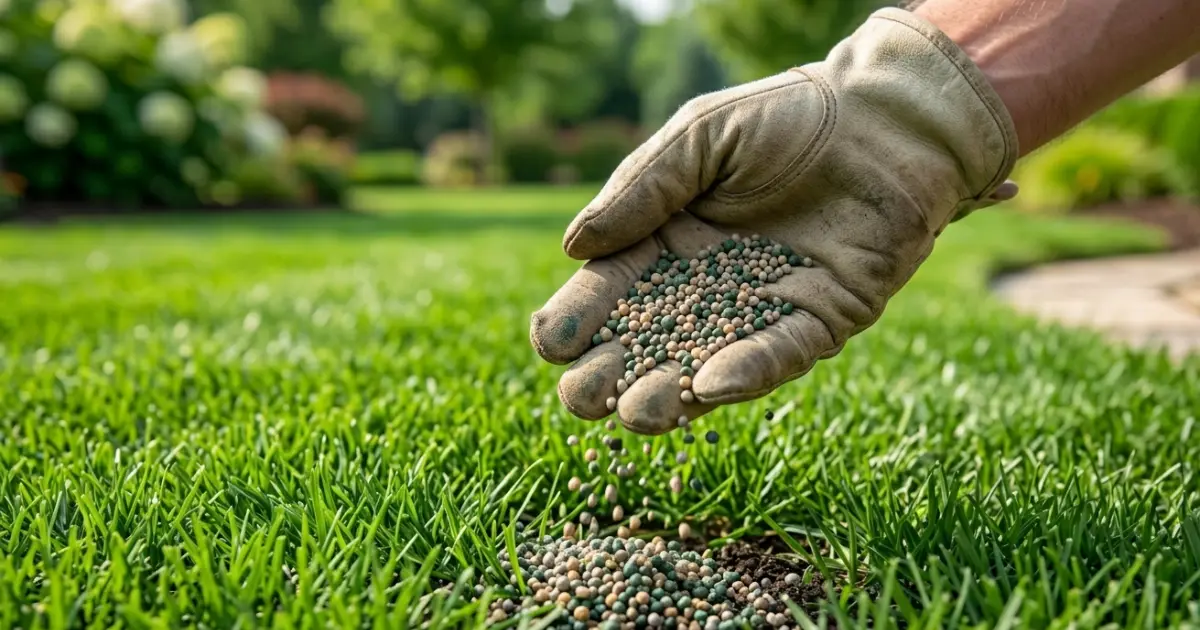
Best Fertilizers for Zoysia Grass in 2026: Get a Lush Lawn
As we enter the new year, the time has come to think about how we [...]
Apr

Reviews
There are no reviews yet.