
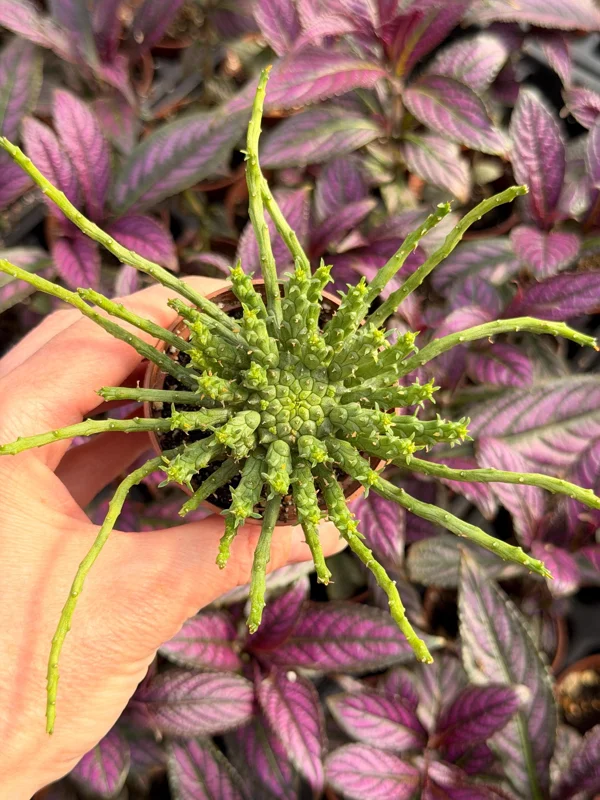
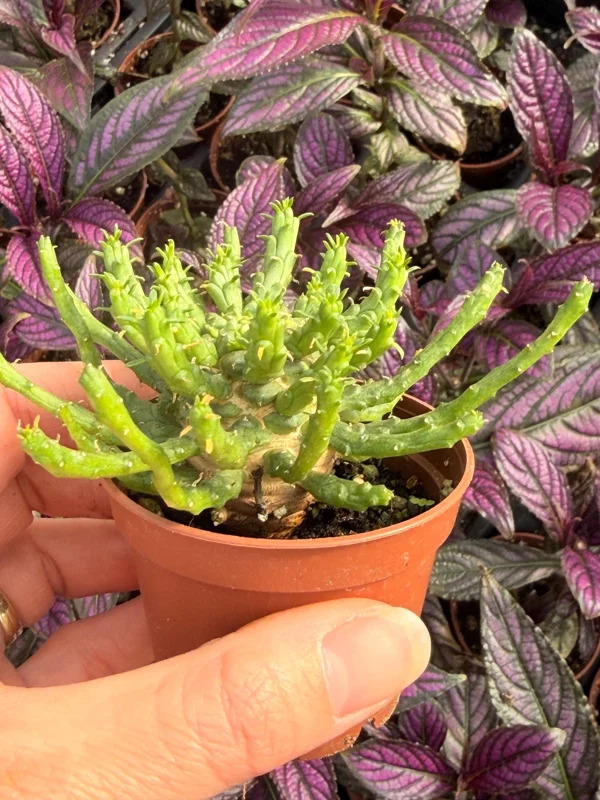
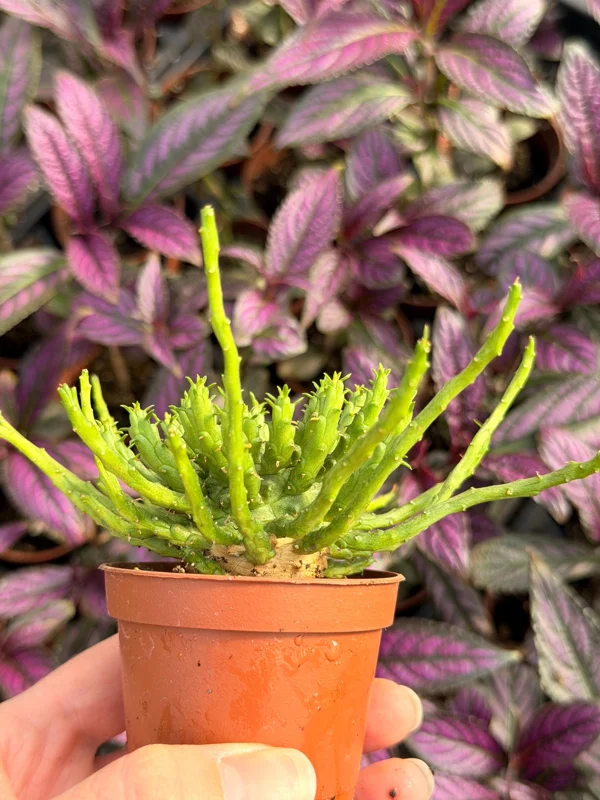
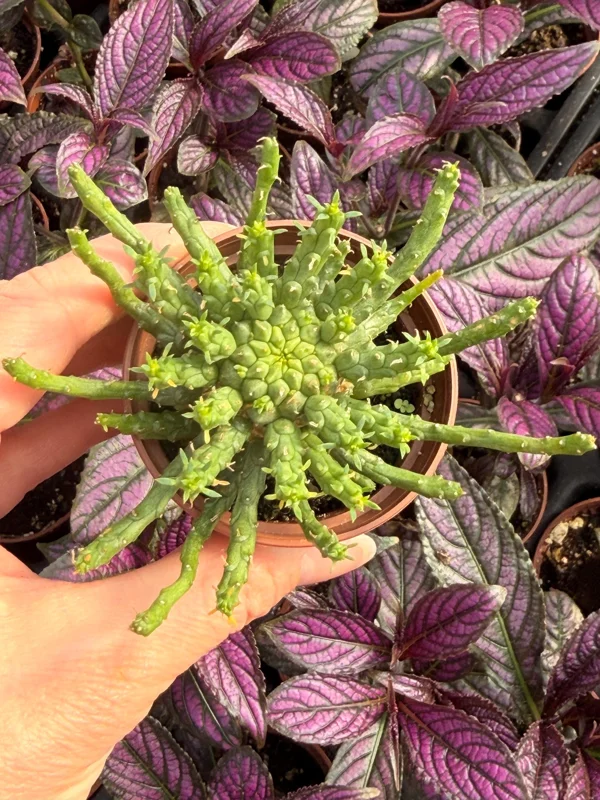
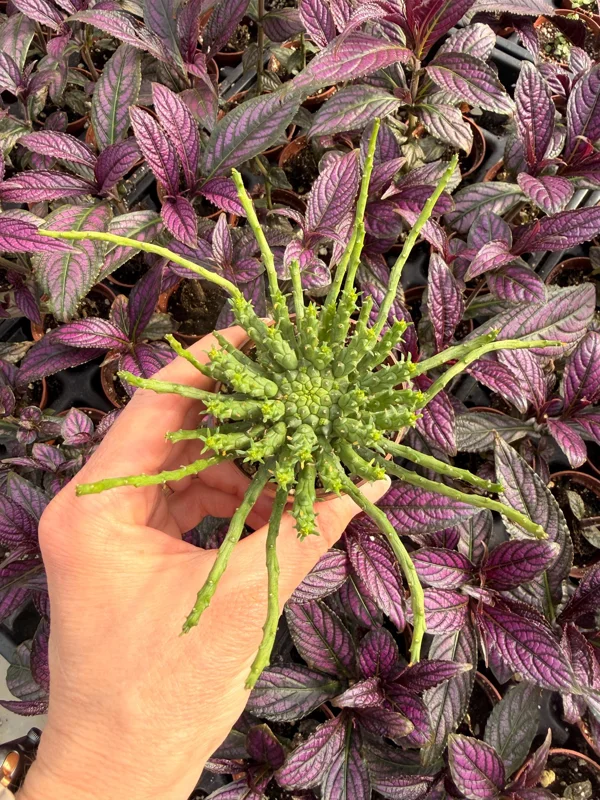
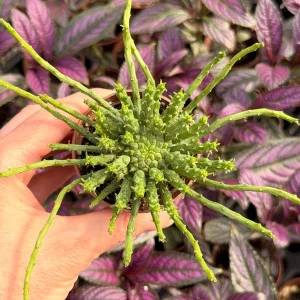
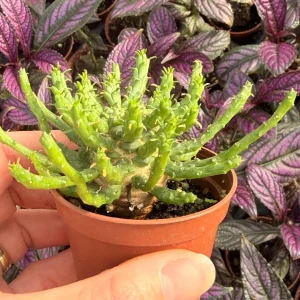
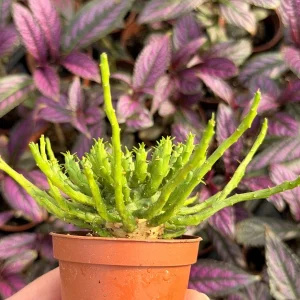
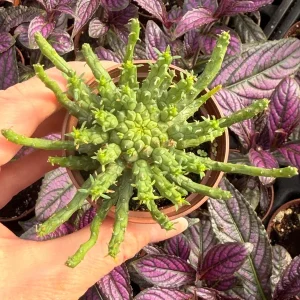
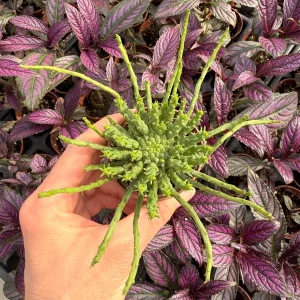
Medusa Head Euphorbia (Euphorbia Flanaganii) Live Plant – Unique Succulent
Original price was: $59.98.$29.99Current price is: $29.99.
Bring a unique, low-maintenance succulent into your home with the Medusa Head Euphorbia live plant. This captivating Euphorbia Flanaganii features snake-like arms, creating a striking conversation piece. Perfect for bright indoor spaces, it’s an ideal choice for succulent enthusiasts and beginners alike.
Estimated arrival
Oct 12
Oct 17 - Oct 19
Oct 22 - Oct 26

Reasonable Price
We offer reasonable price

Support 24/7
Contact us 24 hrs a day

100% Money Back
You've 30 days to Return

Payment Secure
100% secure payment
Overview
Introduce an extraordinary botanical specimen to your collection with the Medusa Head Euphorbia live plant. Also known by its scientific name, Euphorbia Flanaganii, this remarkable succulent is celebrated for its distinctive appearance, resembling the mythological Medusa’s head with its crown of snake-like stems. Originating from South Africa, this plant is a fascinating addition to any indoor garden, rock garden, or xeriscape landscape. Its unique form and sculptural quality make it a standout, offering visual intrigue without demanding extensive care. This particular Medusa Head Euphorbia live plant is a testament to nature’s artistry, providing a captivating focal point in any setting. It’s an ideal choice for both seasoned succulent collectors and those new to the world of arid plants, promising beauty and ease of maintenance.
The Medusa Head Euphorbia live plant thrives on neglect, making it a perfect choice for busy individuals or those looking for a low-maintenance plant that still delivers high visual impact. Its architectural structure and intriguing growth habit ensure it will draw attention and spark conversation. Whether displayed on a sunny windowsill, as part of a succulent arrangement, or in a well-drained outdoor bed in warmer climates, the Euphorbia Flanaganii brings an exotic touch that is hard to match. Embrace the unique charm of this succulent and transform your space with its captivating presence.
Key Benefits
The Medusa Head Euphorbia live plant offers a multitude of benefits, making it a highly desirable addition to any plant collection. Its unique aesthetics and hardy nature contribute to its widespread appeal:
- Striking Visual Appeal: The intricate, snake-like stems radiating from a central caudex create a truly mesmerizing and sculptural form, guaranteeing it will be a focal point wherever it’s placed.
- Low Maintenance: This succulent is incredibly forgiving and requires minimal watering and care, making it perfect for beginners or those with busy schedules. Its resilience contributes to its popularity as an easy-care plant.
- Drought Tolerant: As a succulent, the Medusa Head Euphorbia live plant is highly adapted to arid conditions, storing water in its stems. This means it can withstand periods of drought, reducing the need for frequent watering.
- Unique Conversation Starter: Its unusual appearance, reminiscent of Medusa, makes it an instant talking point and a unique addition that stands out from typical houseplants.
- Versatile Placement: Ideal for indoor display in bright locations, it can also thrive outdoors in frost-free climates, making it suitable for rock gardens, containers, or xeriscapes.
- Air Purification: Like many plants, it contributes to a healthier indoor environment by naturally filtering airborne toxins, albeit to a lesser extent than some larger plants.
- Resilient Growth: The Euphorbia Flanaganii care is straightforward, and the plant is generally pest-resistant, ensuring a robust and long-lasting specimen with proper conditions.
Plant Care & Growing Tips
Proper Euphorbia Flanaganii care ensures your Medusa Head Euphorbia live plant thrives and maintains its unique beauty. This succulent prefers bright light and well-draining soil to prevent root rot. Place it in a location where it can receive at least 6 hours of bright, direct sunlight daily, such as a south-facing window. If growing outdoors, ensure it is in a spot with full sun exposure. In extremely hot climates, some afternoon shade can be beneficial to prevent scorching, but generally, more light leads to more compact and robust growth.
Watering is perhaps the most crucial aspect of Medusa Head Euphorbia care. Allow the soil to dry out completely between waterings. When you do water, do so thoroughly until water drains from the bottom of the pot. During the dormant winter months, reduce watering significantly, perhaps once a month or even less, depending on humidity and temperature. Overwatering is the most common cause of problems for this succulent. Use a well-draining succulent or cactus potting mix, ideally amended with perlite or coarse sand to enhance drainage. The ideal temperature range for this plant is between 60-85°F (15-29°C). It is not frost-tolerant and should be protected from temperatures below 40°F (4°C), making it an excellent indoor succulent plants option in most regions. Fertilize sparingly during the growing season (spring and summer) with a diluted, balanced liquid fertilizer formulated for succulents.
Repotting should only be done when the plant outgrows its container, typically every 2-3 years. Choose a pot only slightly larger than the current one to allow for growth. Be cautious of the milky white sap when handling the plant, as it can be a skin irritant. Always wear gloves when pruning or repotting. Propagation can be done from stem cuttings, allowing the cut ends to callus for several days before planting in dry succulent soil. This unique euphorbia plant is generally resistant to pests, but occasional checks for mealybugs or spider mites are advisable.
Size & Details
The Medusa Head Euphorbia live plant, or Euphorbia Flanaganii, is typically supplied as a well-rooted, established plant, ready for immediate enjoyment. Its size can vary, but most specimens are shipped in a compact form, often in a 2-4 inch nursery pot, allowing for easy transplanting into your preferred decorative container. As it matures, this succulent can spread to create a captivating cluster of stems, often reaching a diameter of 6-12 inches, with individual stems extending up to 6 inches or more in length. It exhibits a moderate growth rate, gradually expanding its unique crown over time.
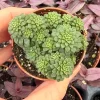
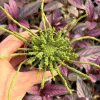
This unique euphorbia plant is known for its distinctive central caudex, from which numerous green, snake-like arms emerge, sometimes adorned with small, yellowish-green cyathia (flower-like structures) during its blooming season. It is shipped as a live, healthy specimen, carefully packaged to ensure its safe arrival. Expect a robust plant with a well-developed root system, ensuring a strong start in its new home. The mature size and spread will depend on growing conditions, including pot size, light, and watering regimen, but it generally remains a manageable size for indoor display or container gardening.
Frequently Asked Questions
- Q: How big does this plant get? A: The Medusa Head Euphorbia live plant typically spreads 6-12 inches in diameter, with individual stems growing up to 6 inches long. Its size is influenced by pot size and growing conditions.
- Q: Is this an indoor or outdoor plant? A: It thrives as an indoor succulent plants option in most climates, especially in bright, sunny windows. It can also be grown outdoors in USDA zones 9-11 where there is no frost.
- Q: How much sunlight does it need? A: This plant requires abundant bright light, ideally 6 or more hours of direct sunlight daily. A south-facing window is often perfect for indoor cultivation.
- Q: Is this plant easy to care for? A: Yes, Euphorbia Flanaganii care is considered easy. It’s a low-maintenance succulent that tolerates neglect, making it suitable for beginners and busy plant owners.
- Q: What condition will it arrive in? A: Your Medusa Head Euphorbia live plant will arrive as a healthy, well-rooted specimen, carefully packaged to minimize stress during transit. It will be ready for unboxing and placement.
- Q: What size pot does it come in? A: Most Medusa Head Euphorbia live plant specimens are shipped in a 2-4 inch nursery pot, providing a good starting point for growth and allowing you to choose your preferred decorative planter.
- Q: How often should I water my Medusa Head Euphorbia? A: Water only when the soil has completely dried out. During the growing season (spring/summer), this might be every 2-4 weeks, reducing to once a month or less in winter.
- Q: Is the sap of this plant toxic? A: Yes, the milky white sap of the unique euphorbia plant can be a skin and eye irritant. It’s advisable to wear gloves when handling or pruning the plant to avoid contact.
- Q: What kind of soil does this succulent need? A: It requires a very well-draining soil mix, such as a specialized cactus or succulent potting mix, often amended with extra perlite or pumice to ensure proper drainage.
- Q: Will it bloom? A: Yes, the Medusa Head Euphorbia live plant can produce small, yellowish-green flower-like structures called cyathia, typically in spring or summer, adding to its unique charm.
Be the first to review “Medusa Head Euphorbia (Euphorbia Flanaganii) Live Plant – Unique Succulent”
-
USDA Hardiness Zone
USDA zones 9-11 (outdoors), suitable for all zones indoors -
Soil Type
Well-draining succulent or cactus mix -
Sunlight Exposure
Full sun to bright indirect light -
Expected Planting Period
Year-round indoors, spring to summer outdoors in suitable climates
People Also Viewd
Sold 134 products
Original price was: $3,536.00.$23.99Current price is: $23.99.
Sold 132 products
Original price was: $89.99.$64.99Current price is: $64.99.
Sold 132 products
Original price was: $27.00.$24.00Current price is: $24.00.

Sold 125 products
Original price was: $86.99.$66.99Current price is: $66.99.
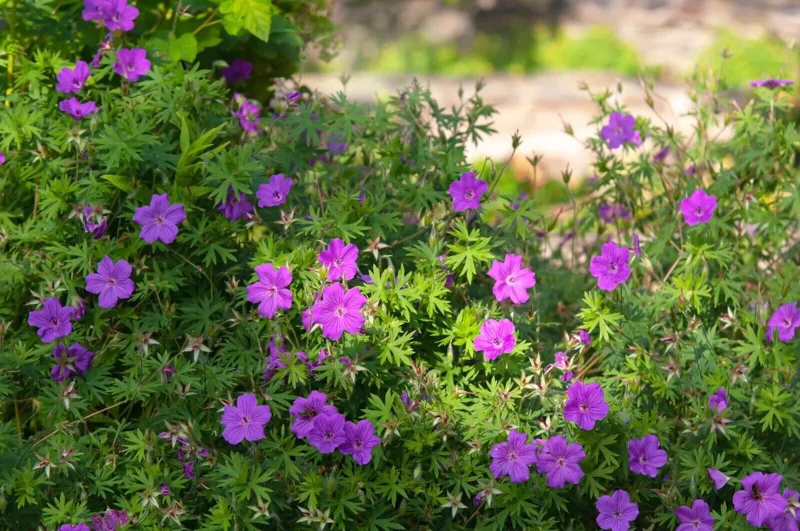
Flower Bulbs
3 Cranesbill Wild Geranium Organic Maculatums Bare Roots | Wildflower for Outdoor Garden
Sold 116 products
Original price was: $21.99.$9.99Current price is: $9.99.
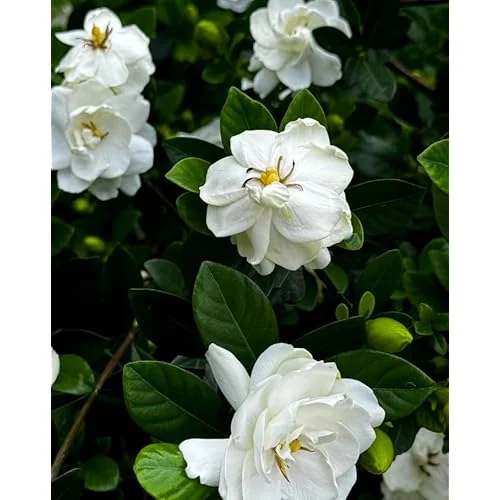
Sold 114 products
Original price was: $28.99.$17.99Current price is: $17.99.
Sold 110 products
Original price was: $63.99.$28.99Current price is: $28.99.
Sold 108 products
Original price was: $28.99.$17.99Current price is: $17.99.RELATED posts
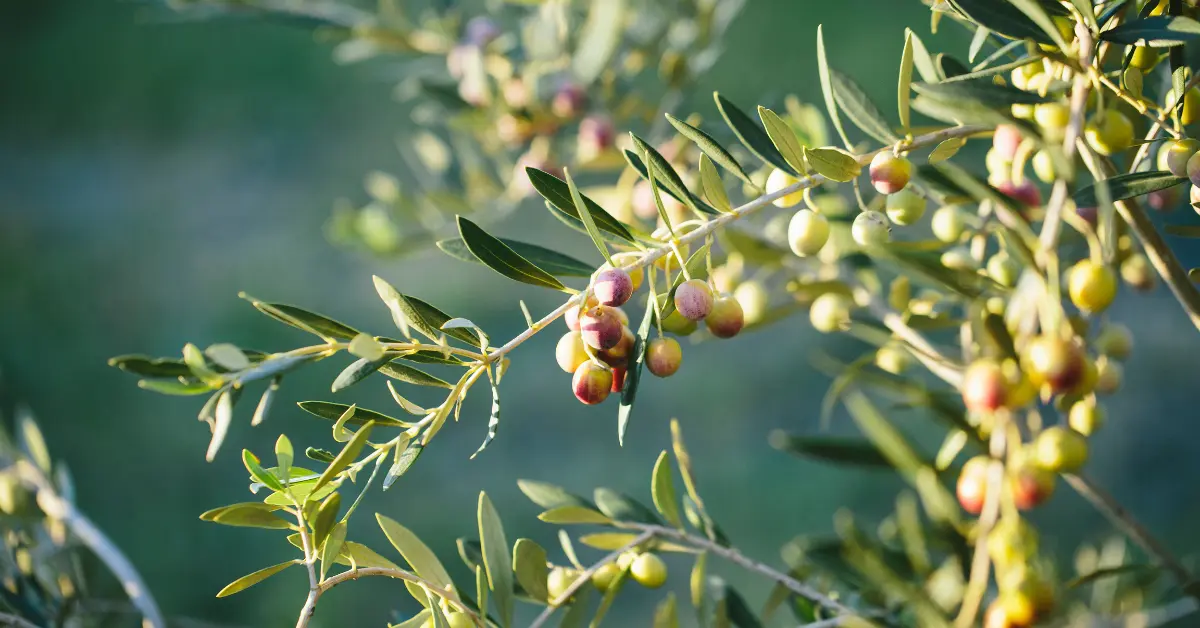
How to Grow Arbequina Olive Trees: The Ultimate Guide to Your Own Olive Grove
Arbequina Olive Tree (Olea europaea ‘Arbequina’) – the ultimate Mediterranean plant that brings a touch [...]
Oct
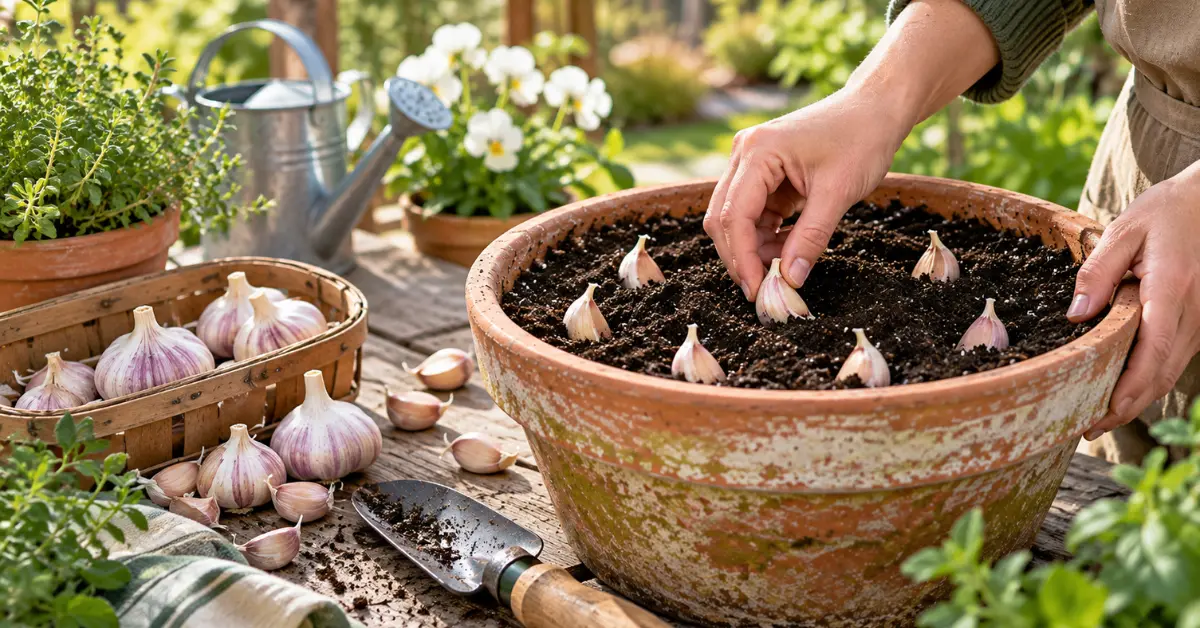
Growing Garlic in Containers This Fall: A Complete Guide for Beginners
If you’ve ever wanted to pop fresh, aromatic garlic cloves straight from your own patio [...]
Sep
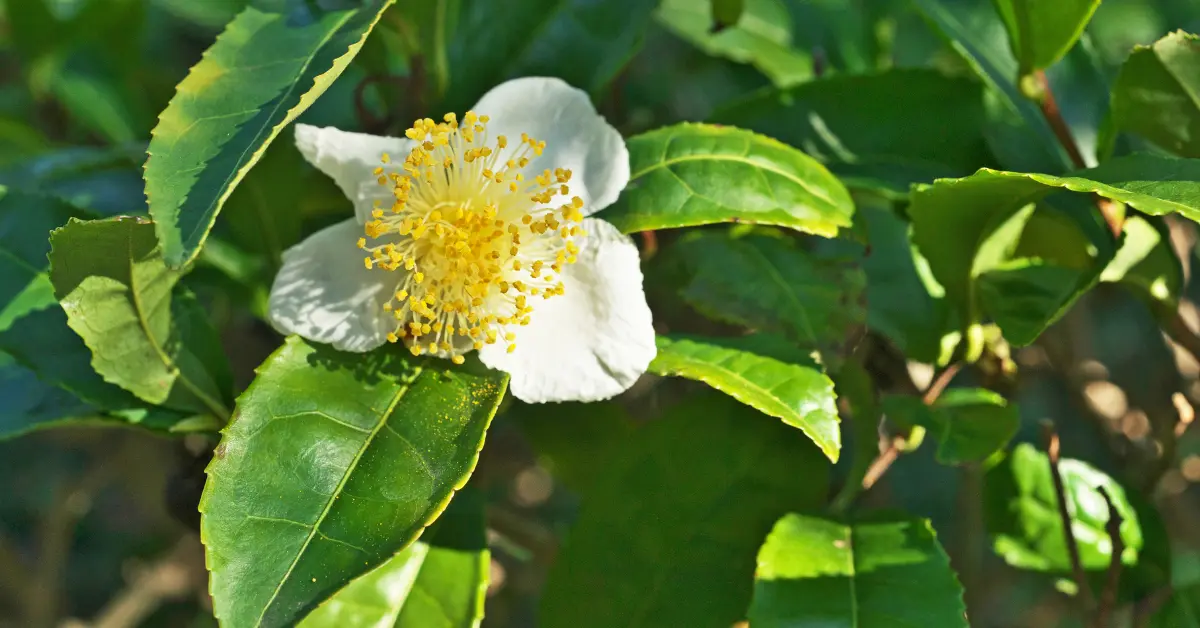
Growing Camellia Sinensis (Tea Plants) in Containers: A Complete Guide for Beginners
If you’ve ever wanted to sip a steaming, homegrown cup of fresh green, black, or [...]
Aug
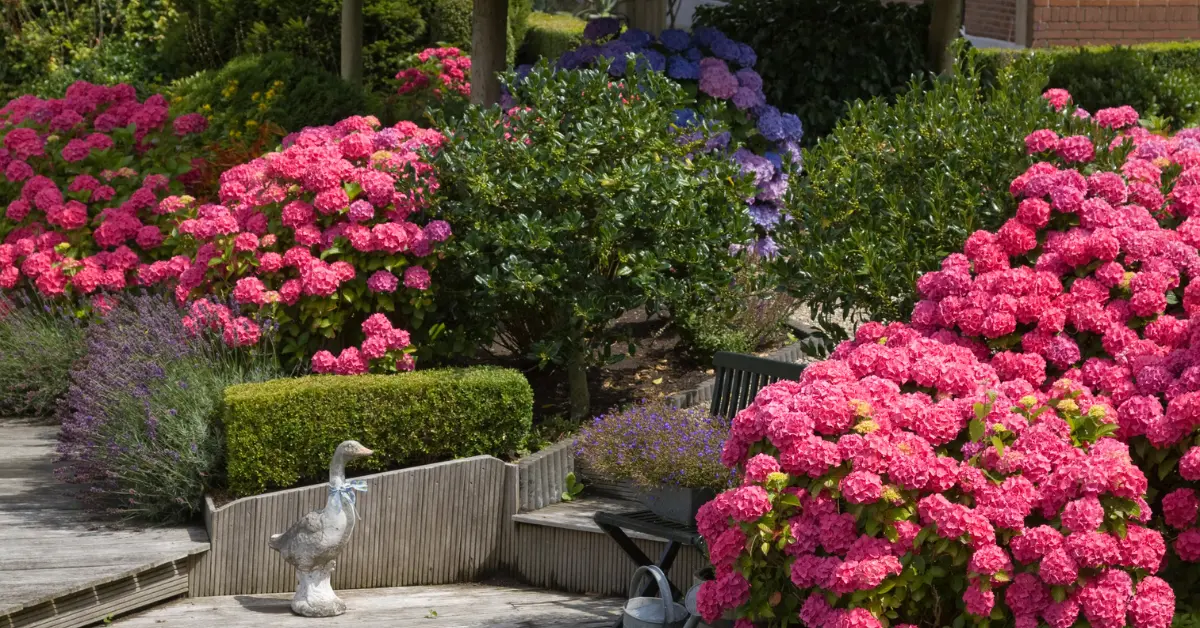
6 Best Shrubs to Plant in August You Must Try
Have you ever walked through a nursery late in the summer, admired the vibrant shrubs [...]
Aug
Growing Everbearing Strawberries in Containers: A Complete Guide for Beginners
Want to grow sweet, fresh strawberries but do not have a large garden? Everbearing strawberries [...]
Aug
Growing Egyptian Walking Onions in Containers: A Complete Guide for Beginners
If you’re looking for a hardy, no-fuss perennial onion that keeps on giving year after [...]
Jul
Growing Carolina Reaper Peppers in Pots: A Complete Guide for Beginners
If you’ve ever wanted to add some serious, record-breaking heat to your home cooking, you’ve [...]
May
Growing Curry Leaf Plant in Pots: A Complete Guide for Beginners
If you’re a fan of authentic South Asian cuisine, you already know that nothing compares [...]
May
Reviews
There are no reviews yet.