
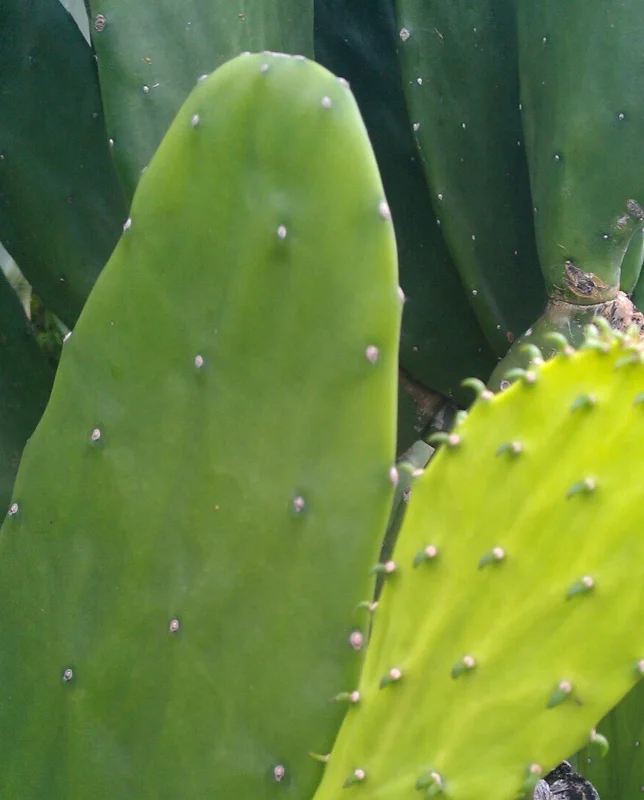
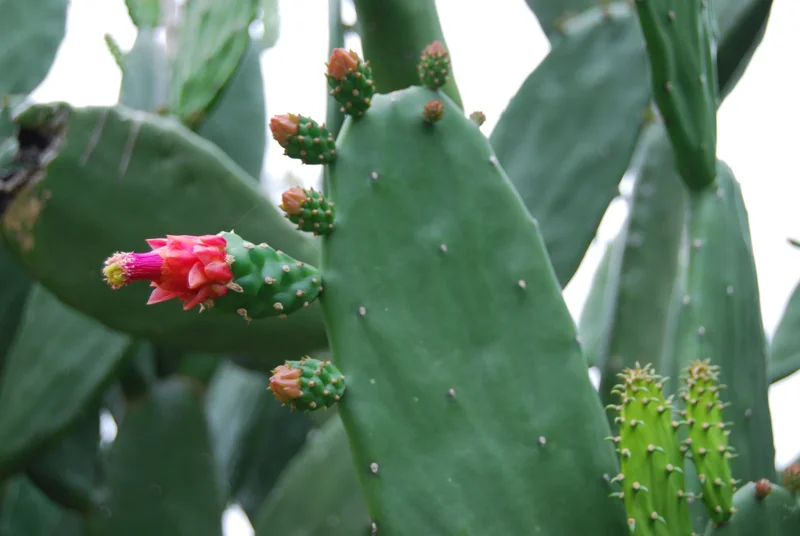
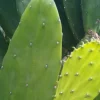
Miniature Prickly Pear Cactus – Opuntia Succulent Live Plant – Rooted
Original price was: $29.98.$14.99Current price is: $14.99.
Bring desert beauty into your home with this charming miniature prickly pear cactus. This opuntia succulent care is straightforward, making it an ideal choice for both novice and experienced plant enthusiasts. Enjoy a unique, low-maintenance addition to your plant collection.
Estimated arrival
Oct 12
Oct 17 - Oct 19
Oct 22 - Oct 26

Reasonable Price
We offer reasonable price

Support 24/7
Contact us 24 hrs a day

100% Money Back
You've 30 days to Return

Payment Secure
100% secure payment
Overview
Introduce a touch of the arid landscape to your indoor or outdoor space with the captivating miniature prickly pear cactus. This delightful Opuntia succulent, often recognized by its paddle-like segments, brings unique texture and form to any plant collection. As a rooted plant, it arrives ready to thrive, offering immediate visual appeal and the satisfaction of nurturing a fascinating desert dweller. Perfect for windowsills, desks, or rock gardens, this particular variety is selected for its compact size, making it an excellent choice for smaller spaces or as a charming accent.
The Opuntia genus is renowned for its resilience and distinctive appearance, and this miniature version captures all the charm in a manageable form. Its striking silhouette and potential for vibrant seasonal blooms (though not guaranteed on young plants) make it a conversation starter. Whether you’re a seasoned succulent collector or just beginning your green journey, this miniature prickly pear cactus promises to be a rewarding and visually stimulating addition to your botanical family. It represents an authentic piece of nature’s artistry, distilled into a small, powerful package.
Key Benefits
The miniature prickly pear cactus offers a host of benefits that make it a highly desirable plant for various settings. Its unique characteristics contribute to both aesthetic appeal and ease of care, ensuring a rewarding experience for its owner.
- Unique Aesthetic Appeal: The distinctive paddle-shaped segments and often vibrant coloration of this opuntia succulent care make it a standout plant. It adds an architectural element to any decor, contrasting beautifully with softer foliage plants and bringing a modern, minimalist vibe.
- Exceptional Drought Tolerance: Hailing from arid regions, the prickly pear cactus is incredibly efficient at storing water. This means it can endure periods of neglect, making it an ideal choice for busy individuals or those who travel frequently. Its low water requirements contribute to its reputation as an easy care cactus.
- Low Maintenance: Beyond its minimal watering needs, this succulent requires very little attention. It doesn’t demand frequent repotting, pruning, or special humidity conditions, allowing you to enjoy its beauty without extensive effort.
- Air Purification: Like many plants, the miniature prickly pear cactus contributes to a healthier indoor environment by absorbing airborne toxins and releasing oxygen, subtly improving the air quality around it.
- Versatile Placement: Due to its compact size, this rooted succulent plant can thrive in a variety of locations, from sunny windowsills and office desks to outdoor rockeries in warmer climates. Its adaptability makes it suitable for diverse design schemes.
- Beginner-Friendly: Its robust nature and forgiving care requirements make it an excellent starter plant for those new to gardening. Successfully growing an easy care cactus can build confidence and foster a deeper appreciation for plant care.
- Long Lifespan: With proper care, a miniature prickly pear cactus can live for many years, becoming a long-term companion and a testament to your green thumb.
Plant Care & Growing Tips
Caring for your miniature prickly pear cactus is wonderfully straightforward, aligning with its reputation as an easy care cactus. This resilient plant thrives on neglect rather than over-attention, making it perfect for both beginners and seasoned succulent enthusiasts. The key to its success lies in understanding its natural desert habitat and replicating those conditions as closely as possible.
Sunlight Requirements: Opuntia succulents are sun-worshippers. They require abundant light to maintain their compact form and vibrant color. Aim for at least 6-8 hours of direct sunlight per day. Indoors, place your miniature prickly pear cactus in your brightest window, preferably south or west-facing. If natural light is insufficient, consider supplementing with a grow light. Outdoors, full sun is ideal, but be aware of extreme, scorching afternoon sun in very hot climates which might necessitate a little afternoon shade. Insufficient light will lead to etiolation, where the plant stretches and becomes leggy.
Watering Schedule: This is perhaps the most critical aspect of opuntia succulent care. Cacti store water in their pads, making them highly drought-tolerant. Overwatering is the biggest killer of cacti. Water thoroughly only when the soil is completely dry to the touch, usually every 2-4 weeks during the growing season (spring and summer) and even less frequently in fall and winter (monthly or bi-monthly). When you do water, soak the soil until water drains from the bottom, then allow it to dry out completely before the next watering. Never let the pot sit in standing water.
Soil Type and Drainage: Excellent drainage is paramount. Use a specialized cactus or succulent potting mix, or create your own by mixing regular potting soil with perlite, pumice, or coarse sand in a 1:1 ratio. This ensures that excess water can escape quickly, preventing root rot. A terracotta pot is often recommended as it allows the soil to breathe and dry out faster.
Temperature Range and USDA Hardiness Zone: The miniature prickly pear cactus prefers warm temperatures, ideally between 65-85°F (18-29°C). Most Opuntia varieties are quite tolerant to heat. While some species can withstand light frosts, it’s generally best to protect them from freezing temperatures. If growing outdoors in a region with cold winters, consider bringing your indoor cactus plants indoors or providing winter protection if possible. Many Opuntias are hardy in USDA zones 9-11, but this can vary by specific species.
Fertilization: Cacti are not heavy feeders. Fertilize sparingly, if at all. During the growing season (spring and summer), you can apply a balanced, diluted liquid fertilizer formulated for cacti and succulents once every 2-3 months. Avoid fertilizing in fall and winter when the plant is dormant.
Common Problems: The most common issue is root rot due to overwatering. Watch for mushy pads or a soft base. Pests like mealybugs or spider mites can occasionally appear; treat with insecticidal soap or neem oil. Ensure good air circulation to prevent fungal issues.
Size & Details
This miniature prickly pear cactus is typically shipped as a well-rooted plant, ready for immediate potting or placement in your desired display. The plant usually arrives in a nursery pot, often ranging from 2 to 4 inches in diameter, depending on the specific specimen and its stage of growth. At maturity, these compact varieties of Opuntia generally reach a height of 6 to 12 inches and a spread of 4 to 8 inches, making them ideal for windowsills, desk planters, or small garden spaces. The growth rate is moderate, allowing you to observe its development over time without it quickly outgrowing its space. Each paddle can grow to be several inches long, and new pads will emerge from existing ones, creating an interesting, branching structure. This rooted succulent plant provides an instant upgrade to your collection, offering a robust foundation for continued growth and enjoyment. Expect it to establish quickly in its new environment.
Frequently Asked Questions
- Q: How big does this plant get? A: This miniature prickly pear cactus typically grows to be about 6 to 12 inches tall and 4 to 8 inches wide, making it a very compact and manageable succulent perfect for various indoor settings or small outdoor spaces.
- Q: What size pot does it come in? A: The plant usually arrives in a 2 to 4-inch nursery pot, depending on its specific size and growth stage. We recommend repotting it into a slightly larger pot with good drainage shortly after arrival.
- Q: Is this an indoor or outdoor plant? A: The miniature prickly pear cactus can thrive both indoors and outdoors. Indoors, it requires a very bright, sunny spot. Outdoors, it prefers full sun and is suitable for USDA zones 9-11, needing protection from frost in colder climates.
- Q: How much sunlight does it need? A: This easy care cactus requires at least 6-8 hours of direct, bright sunlight daily to grow optimally and maintain its healthy, vibrant appearance. Insufficient light can lead to stretching and weakness.
- Q: Is this plant easy to care for? A: Yes, this opuntia succulent care is considered very easy. It is drought-tolerant and requires minimal attention, making it an excellent choice for beginners or those seeking low-maintenance greenery.
- Q: What condition will it arrive in? A: Your rooted succulent plant will arrive well-packaged and healthy, with its roots established in a nursery pot, ready for you to transplant and enjoy. We take great care in ensuring safe delivery.
- Q: Is it pet-safe? A: While the plant itself isn’t toxic, the spines (glochids) can be irritating if ingested or touched. It’s best to keep this indoor cactus plants out of reach of curious pets and children.
- Q: How often should I water my miniature prickly pear cactus? A: Water only when the soil is completely dry to the touch, typically every 2-4 weeks during warmer months and even less frequently in winter. Overwatering is the most common mistake.
- Q: What kind of soil is best for this cactus? A: A well-draining cactus or succulent potting mix is essential. You can also create your own by mixing regular potting soil with perlite or coarse sand to improve drainage.
- Q: Will it bloom? A: Mature prickly pear cacti can produce beautiful flowers, often followed by edible fruits. While not guaranteed on young or newly acquired plants, with proper care and sufficient light, your miniature prickly pear cactus may eventually bloom.
Be the first to review “Miniature Prickly Pear Cactus – Opuntia Succulent Live Plant – Rooted”
-
USDA Hardiness Zone
USDA zones 9-11 -
Soil Type
Well-draining cactus or succulent potting mix -
Sunlight Exposure
Full sun to bright direct light -
Expected Planting Period
Year-round indoors; spring to summer outdoors
People Also Viewd


Sold 134 products
Original price was: $3,536.00.$23.99Current price is: $23.99.

Sold 132 products
Original price was: $27.00.$24.00Current price is: $24.00.

Sold 132 products
Original price was: $89.99.$64.99Current price is: $64.99.

Sold 125 products
Original price was: $86.99.$66.99Current price is: $66.99.

Flower Bulbs
3 Cranesbill Wild Geranium Organic Maculatums Bare Roots | Wildflower for Outdoor Garden
Sold 116 products
Original price was: $21.99.$9.99Current price is: $9.99.

Sold 114 products
Original price was: $28.99.$17.99Current price is: $17.99.

Sold 110 products
Original price was: $63.99.$28.99Current price is: $28.99.
Sold 108 products
Original price was: $28.99.$17.99Current price is: $17.99.RELATED posts
How to Grow Arbequina Olive Trees: The Ultimate Guide to Your Own Olive Grove
Arbequina Olive Tree (Olea europaea ‘Arbequina’) – the ultimate Mediterranean plant that brings a touch [...]
Oct
Growing Garlic in Containers This Fall: A Complete Guide for Beginners
If you’ve ever wanted to pop fresh, aromatic garlic cloves straight from your own patio [...]
Sep
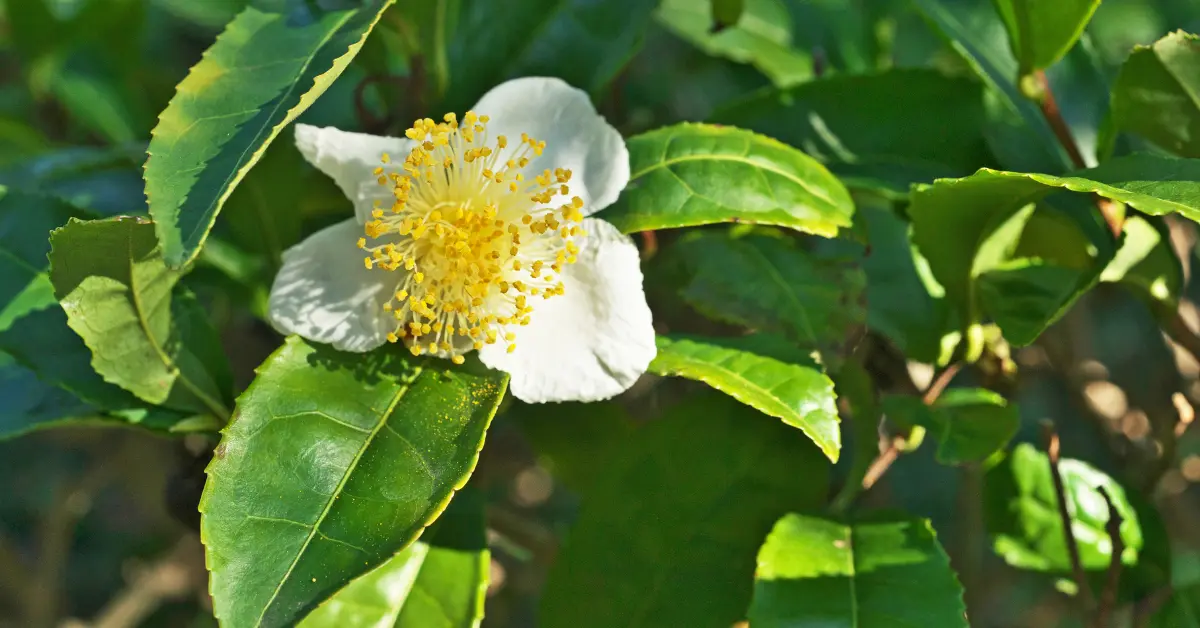
Growing Camellia Sinensis (Tea Plants) in Containers: A Complete Guide for Beginners
If you’ve ever wanted to sip a steaming, homegrown cup of fresh green, black, or [...]
Aug
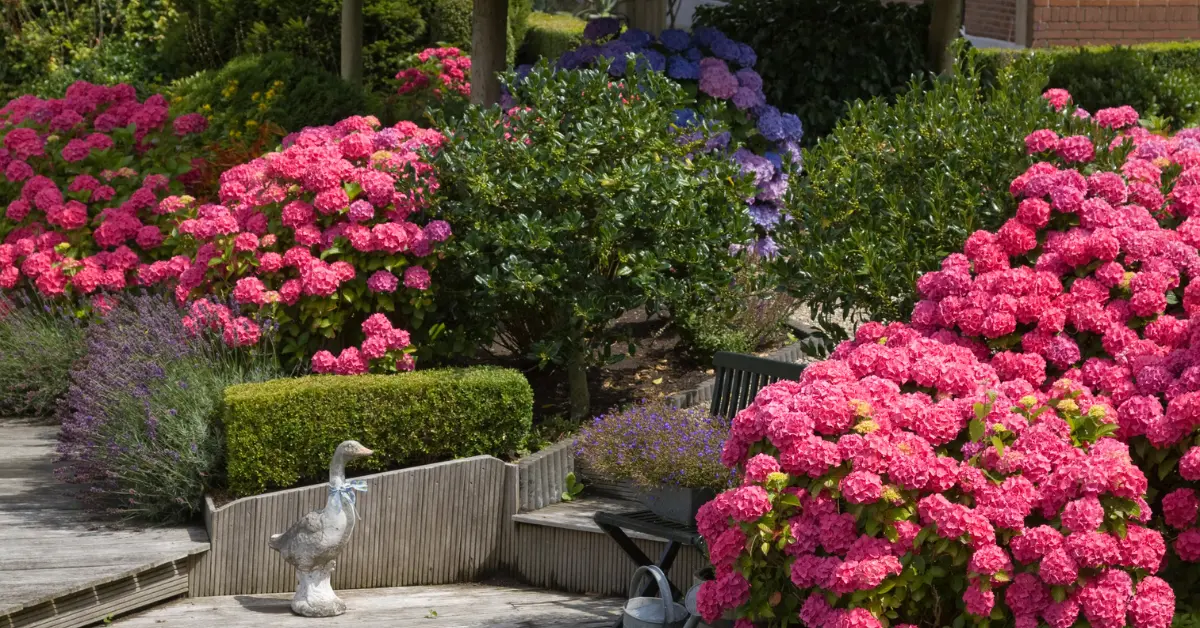
6 Best Shrubs to Plant in August You Must Try
Have you ever walked through a nursery late in the summer, admired the vibrant shrubs [...]
Aug
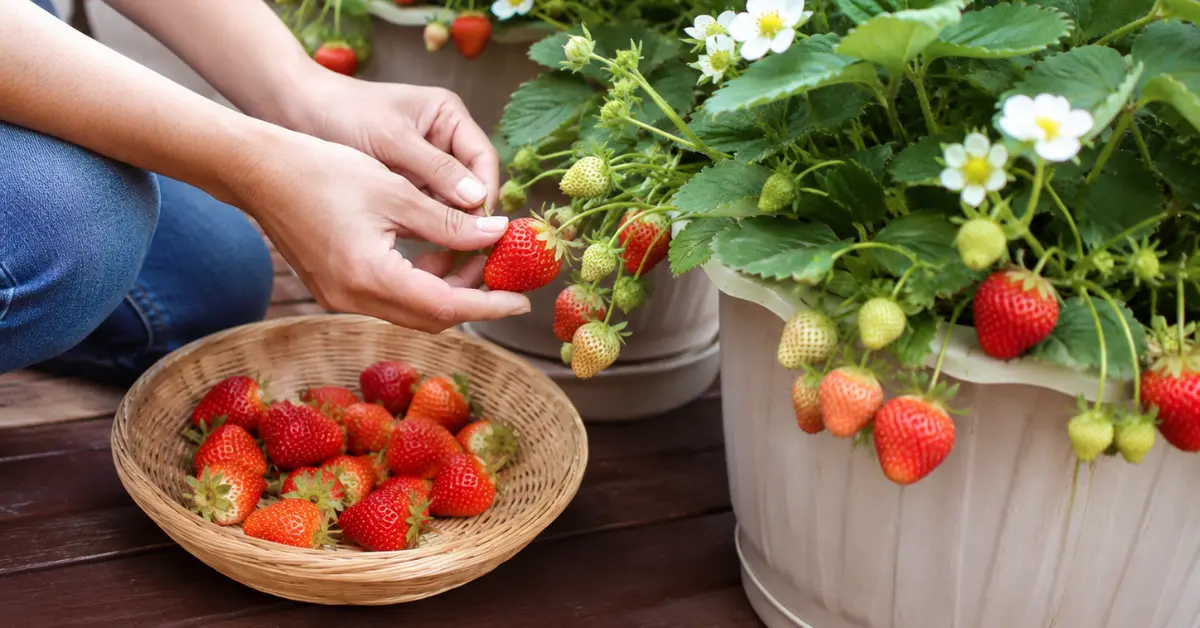
Growing Everbearing Strawberries in Containers: A Complete Guide for Beginners
Want to grow sweet, fresh strawberries but do not have a large garden? Everbearing strawberries [...]
Aug
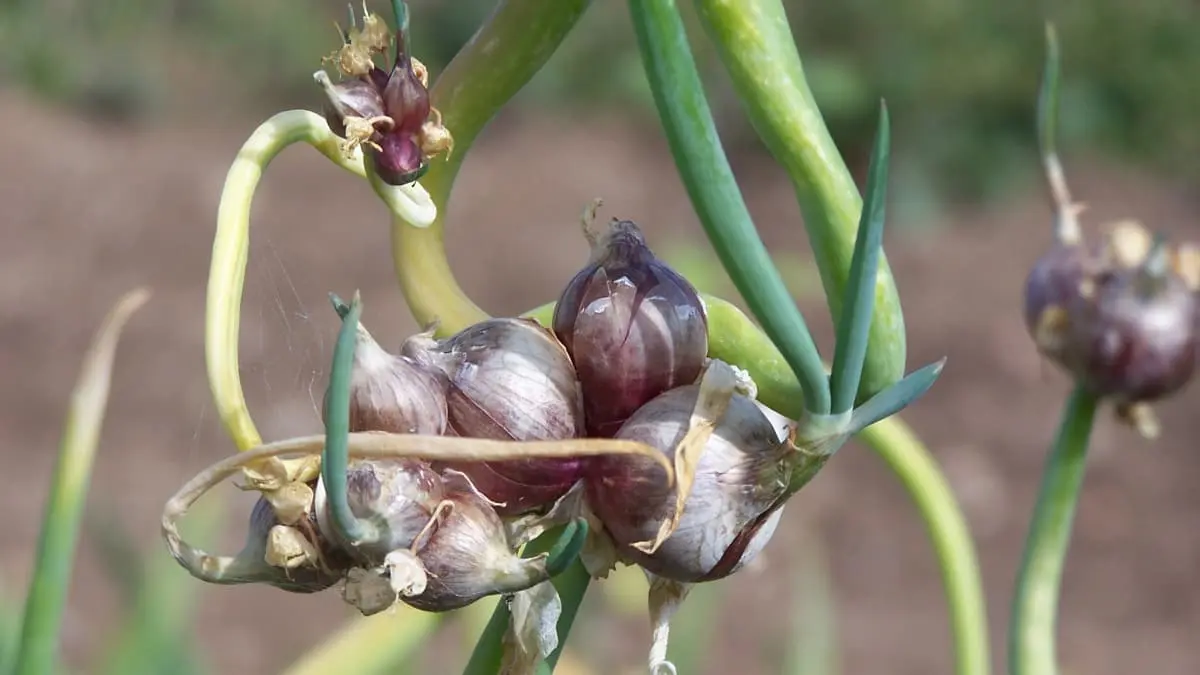
Growing Egyptian Walking Onions in Containers: A Complete Guide for Beginners
If you’re looking for a hardy, no-fuss perennial onion that keeps on giving year after [...]
Jul
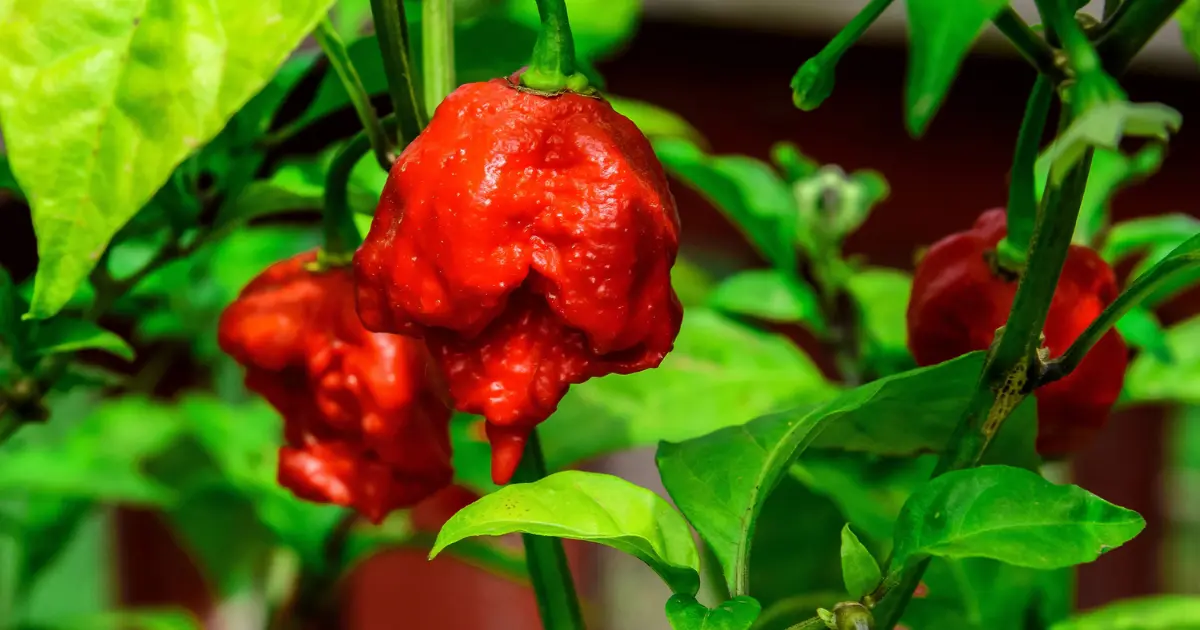
Growing Carolina Reaper Peppers in Pots: A Complete Guide for Beginners
If you’ve ever wanted to add some serious, record-breaking heat to your home cooking, you’ve [...]
May
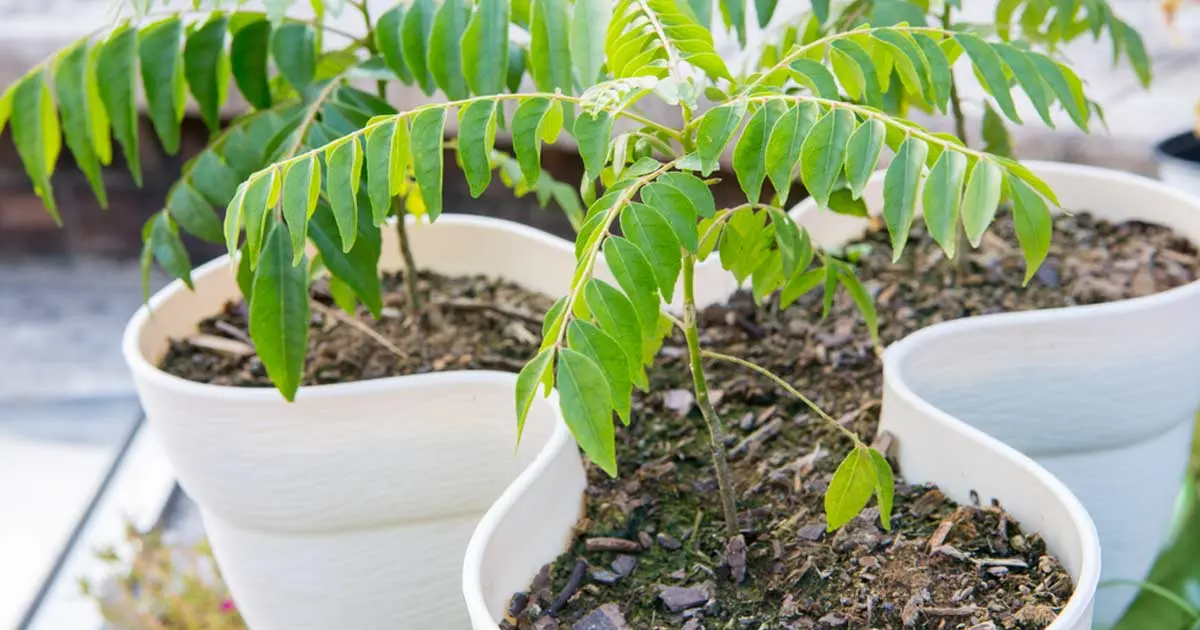
Growing Curry Leaf Plant in Pots: A Complete Guide for Beginners
If you’re a fan of authentic South Asian cuisine, you already know that nothing compares [...]
May
Reviews
There are no reviews yet.