
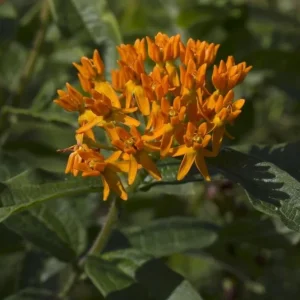
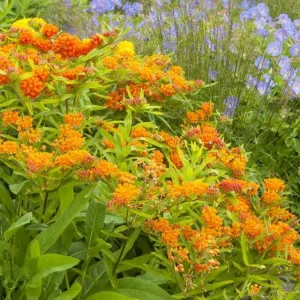
Orange Butterfly Milkweed Live Plants – 2 Pack, 4-7 Inch, Perennial
Original price was: $47.99.$22.99Current price is: $22.99.
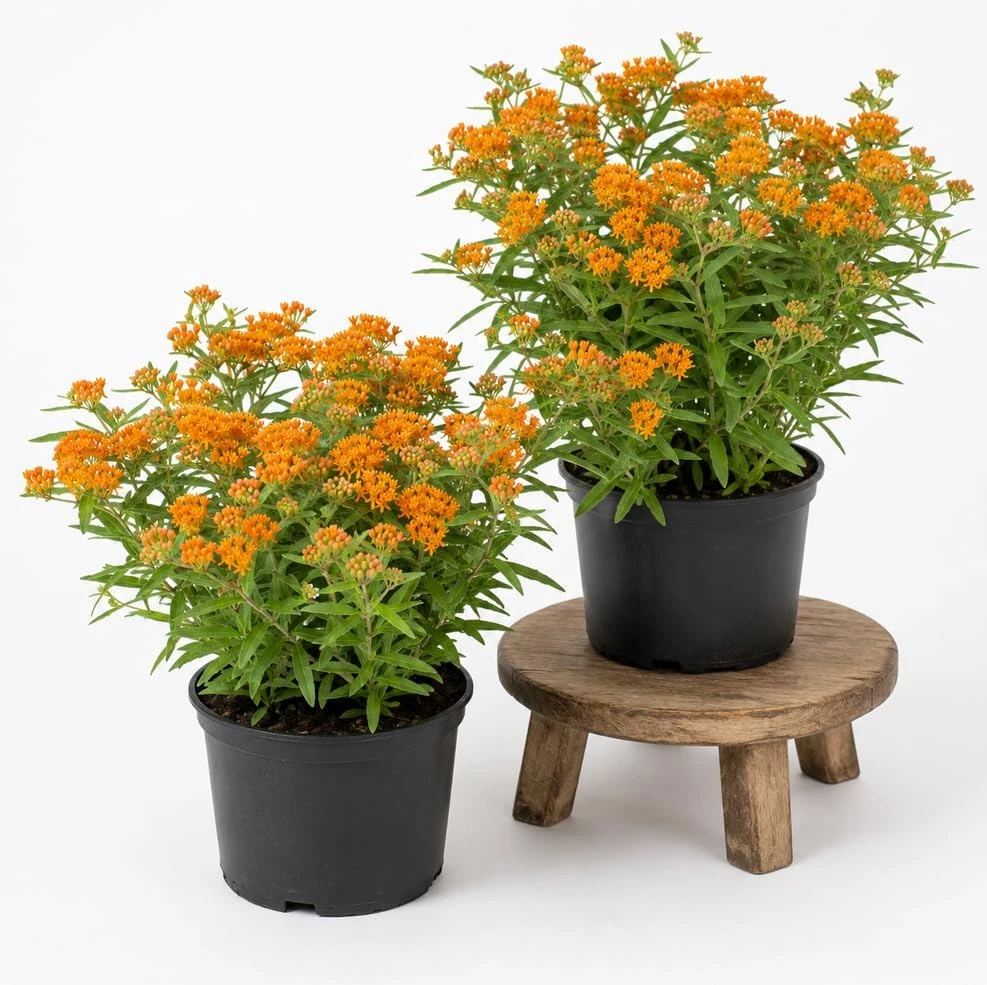
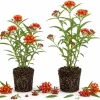
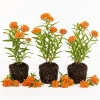
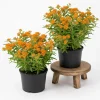
Bring vibrant color and essential pollinator support to your garden with this orange butterfly milkweed live plant 2-pack. Each asclepias tuberosa plants starter is 4-7 inches tall, perfect for containers or outdoor garden beds.
- Attracts butterflies and other pollinators
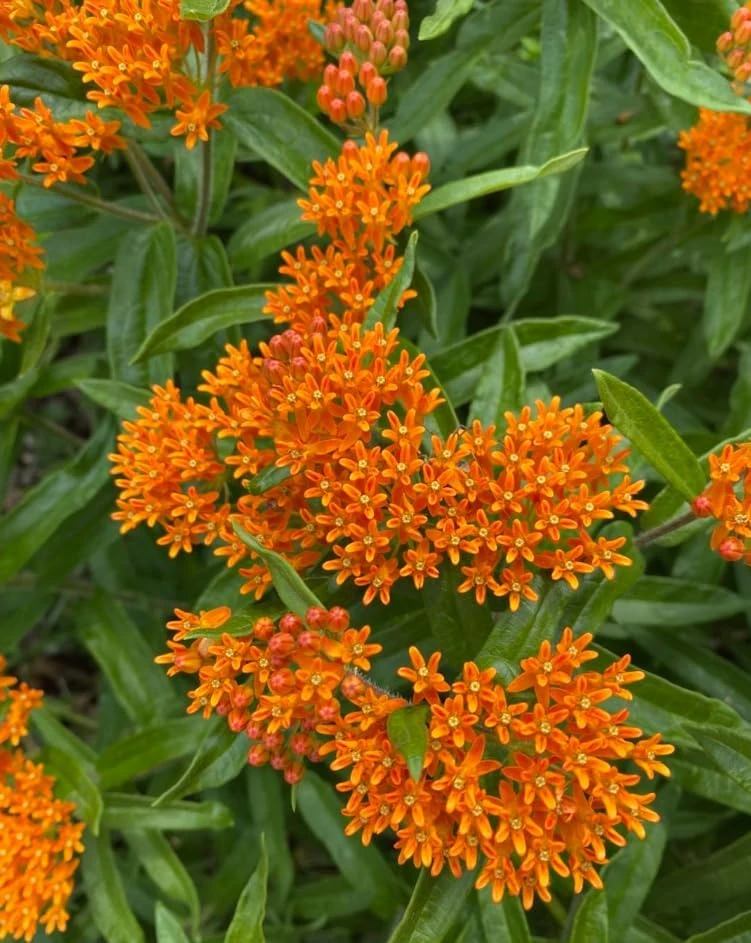
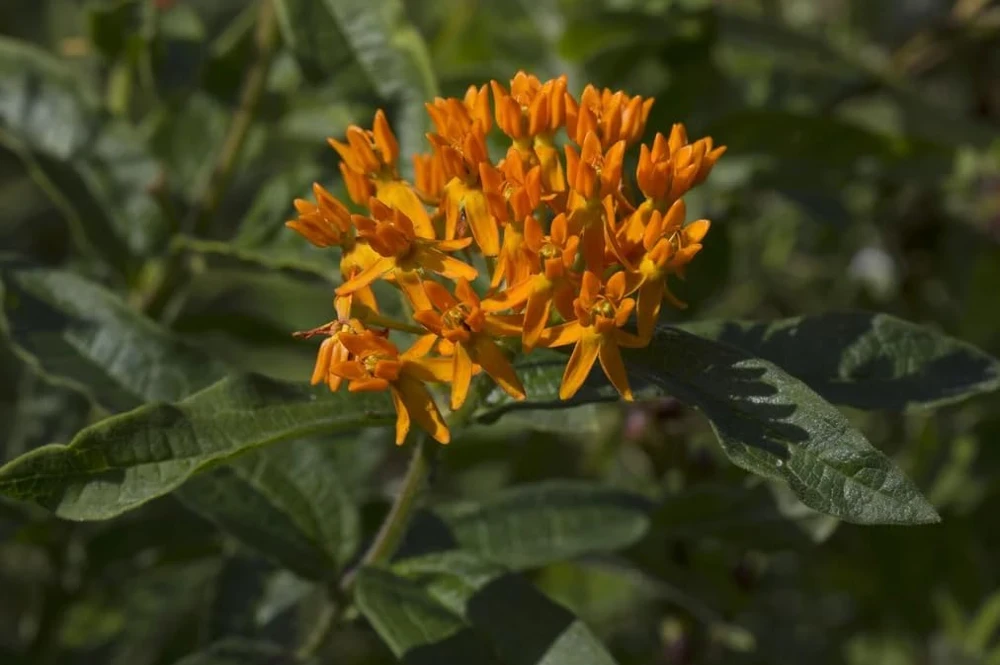
- Fragrant, showy orange flowers
- Easy-to-grow perennial for sun-filled spots
Estimated arrival
Sep 17
Sep 22 - Sep 24
Sep 27 - Oct 01

Reasonable Price
We offer reasonable price

Support 24/7
Contact us 24 hrs a day

100% Money Back
You've 30 days to Return

Payment Secure
100% secure payment
Overview
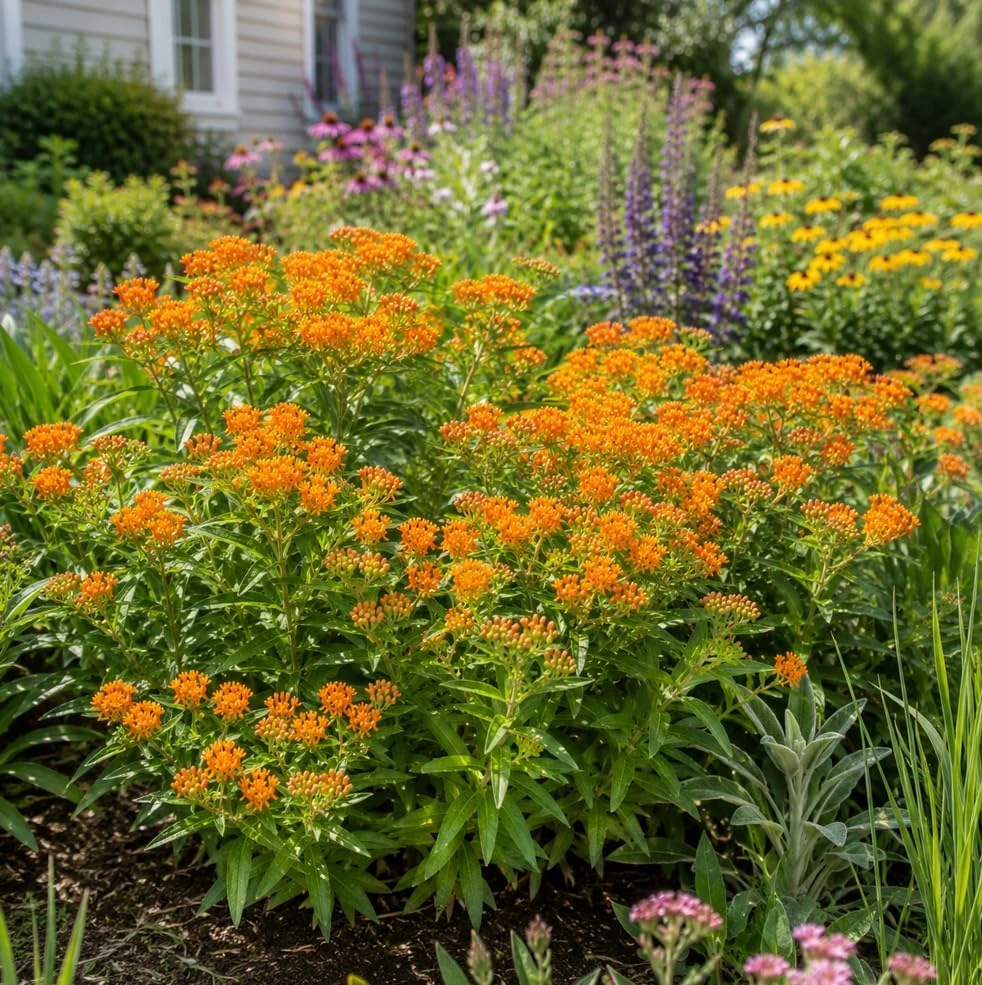
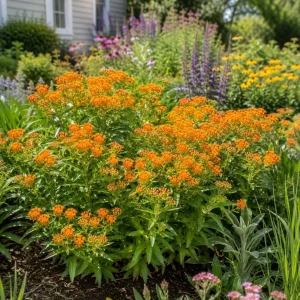
Transform your garden into a pollinator paradise with this orange butterfly milkweed live plant 2-pack. Each starter plant, scientifically known as Asclepias tuberosa, arrives ready to thrive, standing between 4-7 inches tall. This vibrant perennial is not only a stunning addition to any landscape with its brilliant orange blooms, but it also serves as a crucial host plant for monarch butterfly caterpillars and a nectar source for a variety of pollinators. Easy to grow and incredibly rewarding, these plants will bring life and color to your outdoor spaces, whether in garden beds or containers.
Orange butterfly milkweed live plant is renowned for its hardiness and ability to flourish in various conditions, making it an excellent choice for both experienced gardeners and beginners. Its bright flowers are a beacon for butterflies, bees, and other beneficial insects, contributing significantly to local ecosystems. Plant these beautiful specimens and watch your garden come alive with activity.
Key Benefits
Adding orange butterfly milkweed live plant to your garden offers a multitude of advantages, creating a beautiful and ecologically friendly environment:
- Pollinator Attraction: These plants are a magnet for butterflies, especially monarch butterflies, providing vital food sources for both caterpillars and adult butterflies. Planting milkweed for pollinators helps support declining insect populations.
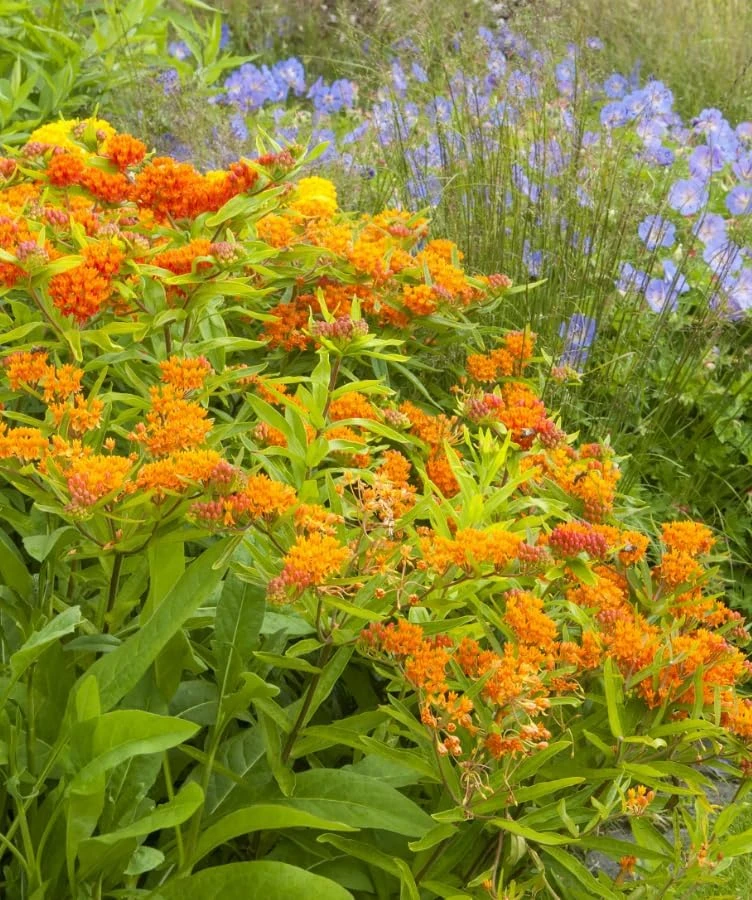
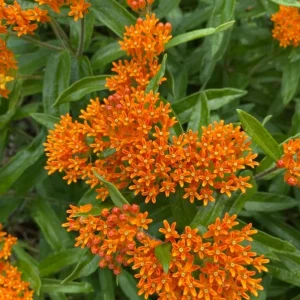
- Vibrant Garden Color: The striking orange flower clusters provide a brilliant splash of color from late spring through midsummer, enhancing the aesthetic appeal of your garden.
- Low Maintenance: Once established, asclepias tuberosa plants are relatively drought-tolerant and require minimal care, making them perfect for busy gardeners.
- Perennial Growth: Enjoy these beautiful plants year after year as they return each season, growing stronger and more abundant with time.
- Versatile Planting: Ideal for garden beds, borders, rock gardens, or large containers, offering flexibility in your landscaping design.
- Deer Resistant: Typically, deer tend to avoid milkweed, making it a good choice for areas where deer browsing is a concern.
- Fragrant Blooms: The flower clusters produce a pleasant, subtle fragrance that adds another sensory dimension to your outdoor space.
Plant Care & Growing Tips
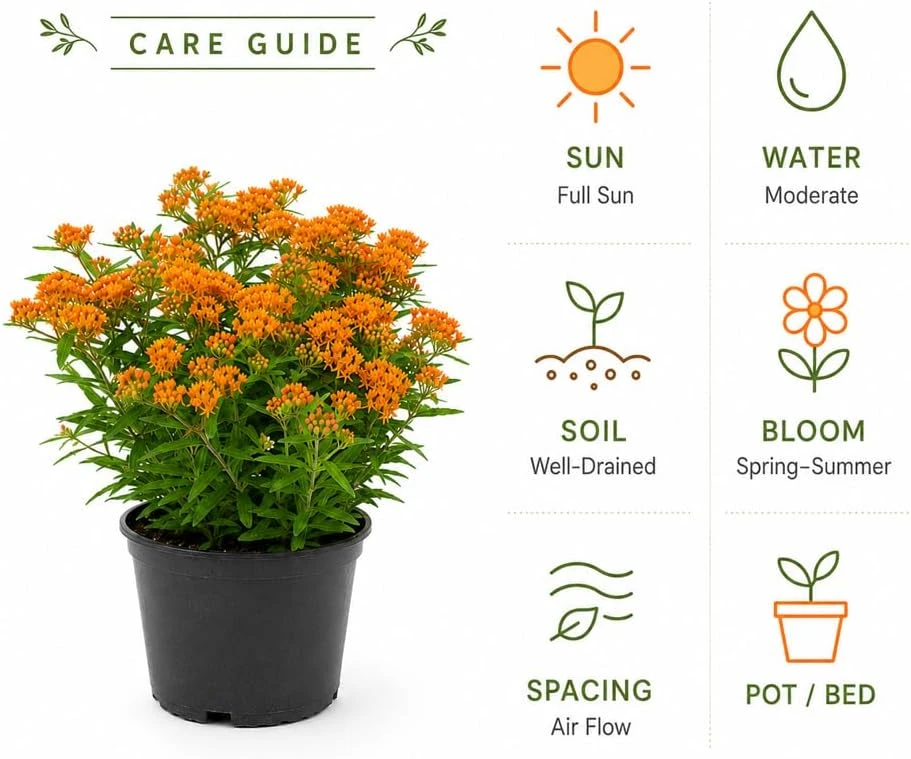
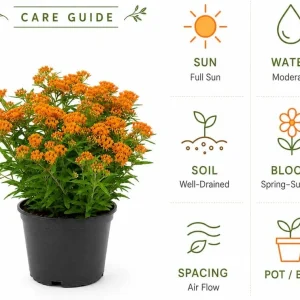
Caring for your orange butterfly milkweed live plant is straightforward, ensuring a thriving display of flowers and a bustling pollinator haven. These plants prefer a location that receives ample sunlight. They grow best with 6-8 hours of direct sunlight daily, making them ideal for sunny garden spots or south-facing container placements. Well-draining soil is crucial for their health; avoid heavy, waterlogged soils. A sandy or loamy soil mix works best. When planting, ensure the crown of the plant is at soil level.
Watering should be consistent during the establishment phase, usually the first few weeks after planting. Once established, butterfly milkweed care involves minimal watering as they are quite drought-tolerant. Water deeply when the top inch or two of soil feels dry to the touch, allowing the soil to dry out between waterings. Fertilization is generally not necessary in rich garden soil, but if your soil is poor, a balanced, slow-release granular fertilizer can be applied in early spring. These plants are hardy in USDA zones 3-9, tolerating a wide range of temperatures. They can reach approximately 2-4 feet tall under suitable growing conditions, forming dense clumps over time. Deadhead spent blooms to encourage more flowering, and consider leaving some seed pods on the plant for self-seeding and to provide food for birds.
Size & Details
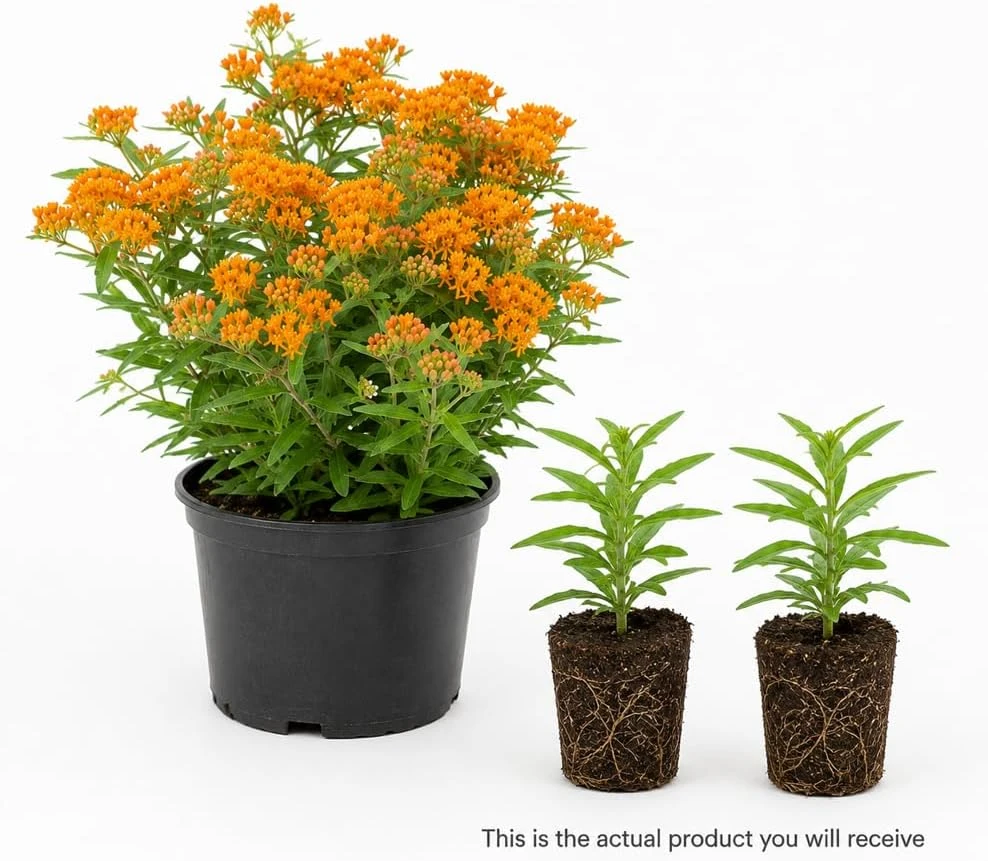
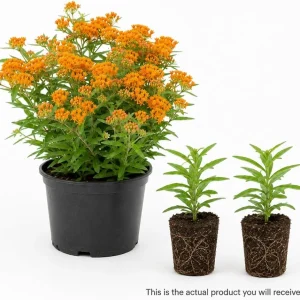
This offering includes two perennial milkweed starter plants. Each live plant stands 4-7 inches tall upon arrival, providing a robust beginning for your garden. These plants are shipped without pots to ensure safe transit and reduce waste, ready for immediate planting in your preferred location. While the listing images display mature plants for illustrative purposes, the appearance of your young plants may vary seasonally. With proper care and growing conditions, these plants will mature to an impressive height of 2-4 feet. They will produce their characteristic fragrant orange flower clusters from late spring through midsummer, attracting a variety of beneficial insects to your yard for many years.
Frequently Asked Questions
- Q: How big will these orange butterfly milkweed live plants get? A: Under optimal growing conditions, these plants can reach a mature height of approximately 2-4 feet tall, forming a robust and colorful clump in your garden.
- Q: Are these plants good for attracting monarch butterflies? A: Yes, asclepias tuberosa plants are specifically known as host plants for monarch butterfly caterpillars and provide essential nectar for adult monarchs and other pollinators.
- Q: What kind of sunlight do these plants need? A: These milkweed plants thrive in full sun, requiring at least 6-8 hours of direct sunlight daily to produce the best blooms and strongest growth.
- Q: What condition will the plants arrive in? A: Your orange butterfly milkweed live plant starters will arrive healthy and ready for planting, typically 4-7 inches tall. They are shipped without pots to ensure safe delivery.
- Q: Is this a perennial plant? A: Yes, this is a perennial milkweed, meaning it will return year after year, growing larger and more established with each season.
- Q: When is the best time to plant this milkweed? A: The best time to plant these milkweed starters is in spring or early summer, after the last frost, to allow them ample time to establish before winter.
- Q: What type of soil is best for butterfly milkweed care? A: Well-draining soil is crucial. Sandy or loamy soil is ideal, but avoid heavy clay or constantly waterlogged conditions.
- Q: Can I grow these plants in containers? A: Yes, these milkweed plants can be successfully grown in large containers, provided they have good drainage and receive sufficient sunlight.
- Q: Do these plants require a lot of water? A: Once established, perennial milkweed is quite drought-tolerant. Water regularly during dry periods, but allow the soil to dry out between waterings.
- Q: Will these plants attract other beneficial insects besides butterflies? A: Absolutely! Beyond monarchs, these plants attract a wide range of beneficial insects, including other butterflies, bees, and hoverflies, contributing to a healthy garden ecosystem.
Be the first to review “Orange Butterfly Milkweed Live Plants – 2 Pack, 4-7 Inch, Perennial”
-
USDA Hardiness Zone
USDA zones 3-9 -
Soil Type
Well-draining, sandy or loamy soil -
Sunlight Exposure
Full sun (6-8 hours direct sunlight daily) -
Expected Planting Period
Spring to early summer
People Also Viewd
Sold 134 products
Original price was: $3,536.00.$23.99Current price is: $23.99.
Sold 131 products
Original price was: $27.00.$24.00Current price is: $24.00.
Sold 131 products
Original price was: $89.99.$64.99Current price is: $64.99.

Sold 125 products
Original price was: $86.99.$66.99Current price is: $66.99.
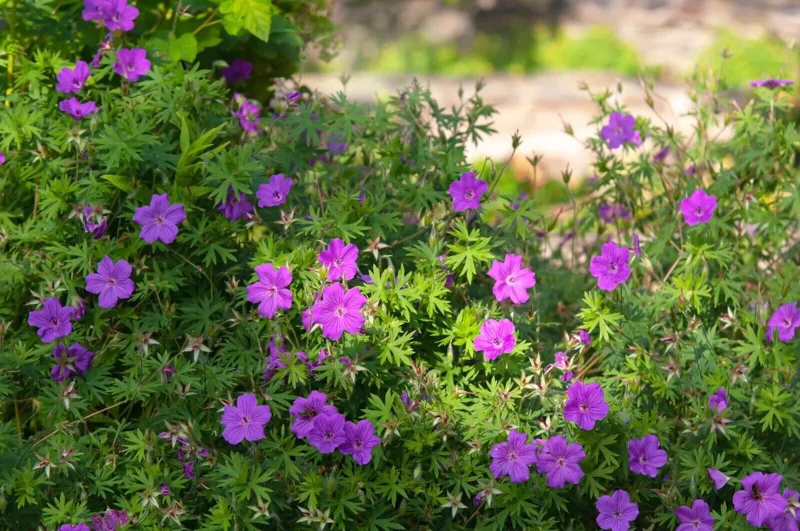
Flower Bulbs
3 Cranesbill Wild Geranium Organic Maculatums Bare Roots | Wildflower for Outdoor Garden
Sold 116 products
Original price was: $21.99.$9.99Current price is: $9.99.
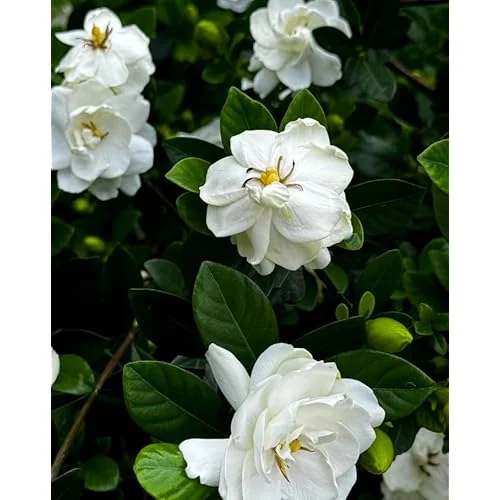
Sold 114 products
Original price was: $28.99.$17.99Current price is: $17.99.
Sold 110 products
Original price was: $63.99.$28.99Current price is: $28.99.
Sold 108 products
Original price was: $28.99.$17.99Current price is: $17.99.RELATED posts
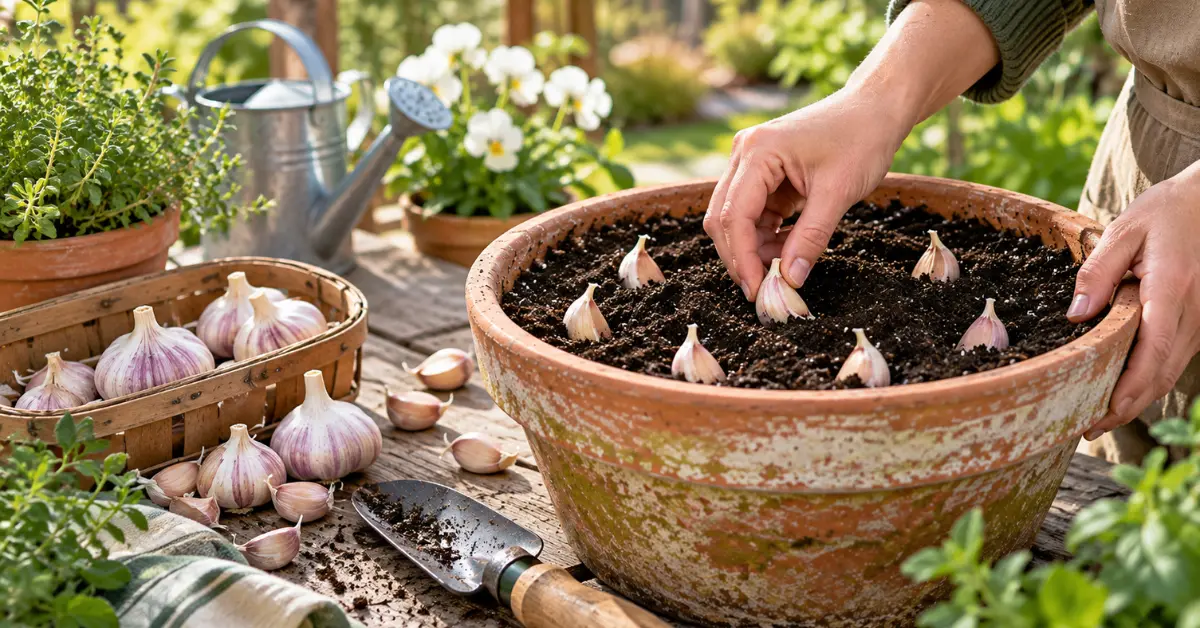
Growing Garlic in Containers This Fall: A Complete Guide for Beginners
If you’ve ever wanted to pop fresh, aromatic garlic cloves straight from your own patio [...]
Sep
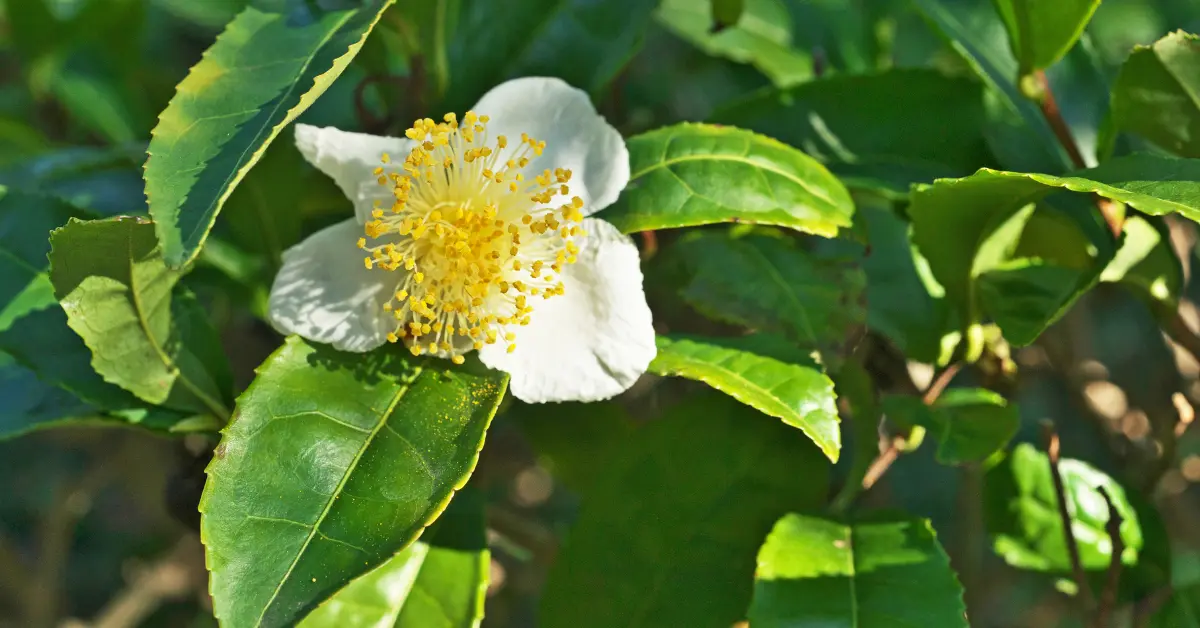
Growing Camellia Sinensis (Tea Plants) in Containers: A Complete Guide for Beginners
If you’ve ever wanted to sip a steaming, homegrown cup of fresh green, black, or [...]
Aug
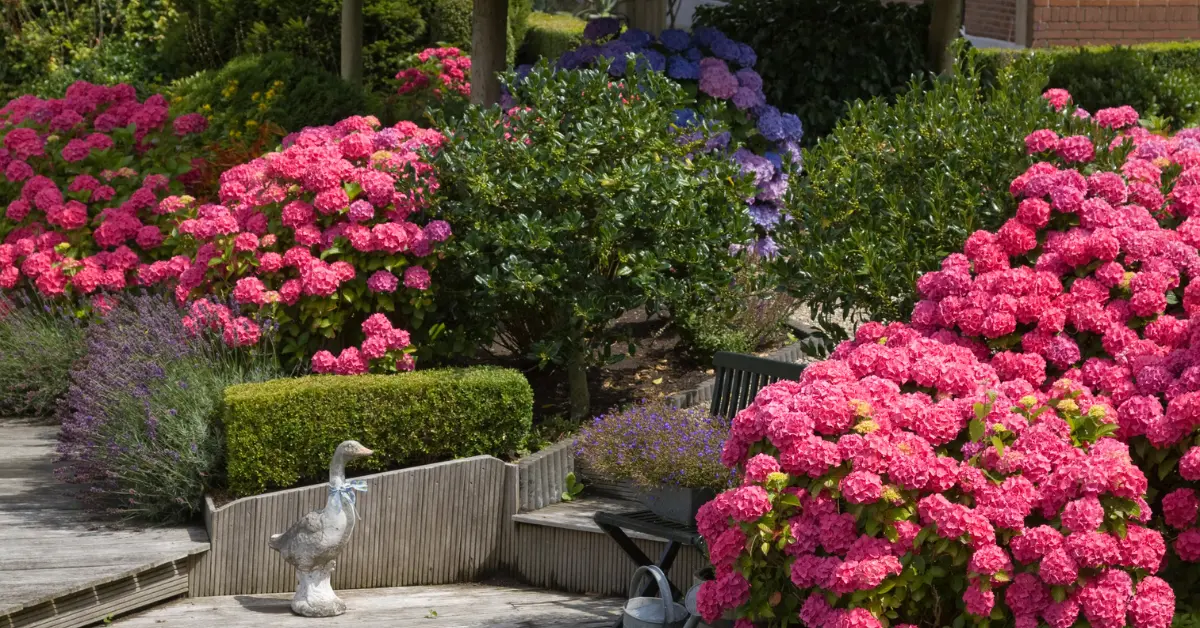
6 Best Shrubs to Plant in August You Must Try
Have you ever walked through a nursery late in the summer, admired the vibrant shrubs [...]
Aug

Growing Everbearing Strawberries in Containers: A Complete Guide for Beginners
Want to grow sweet, fresh strawberries but do not have a large garden? Everbearing strawberries [...]
Aug
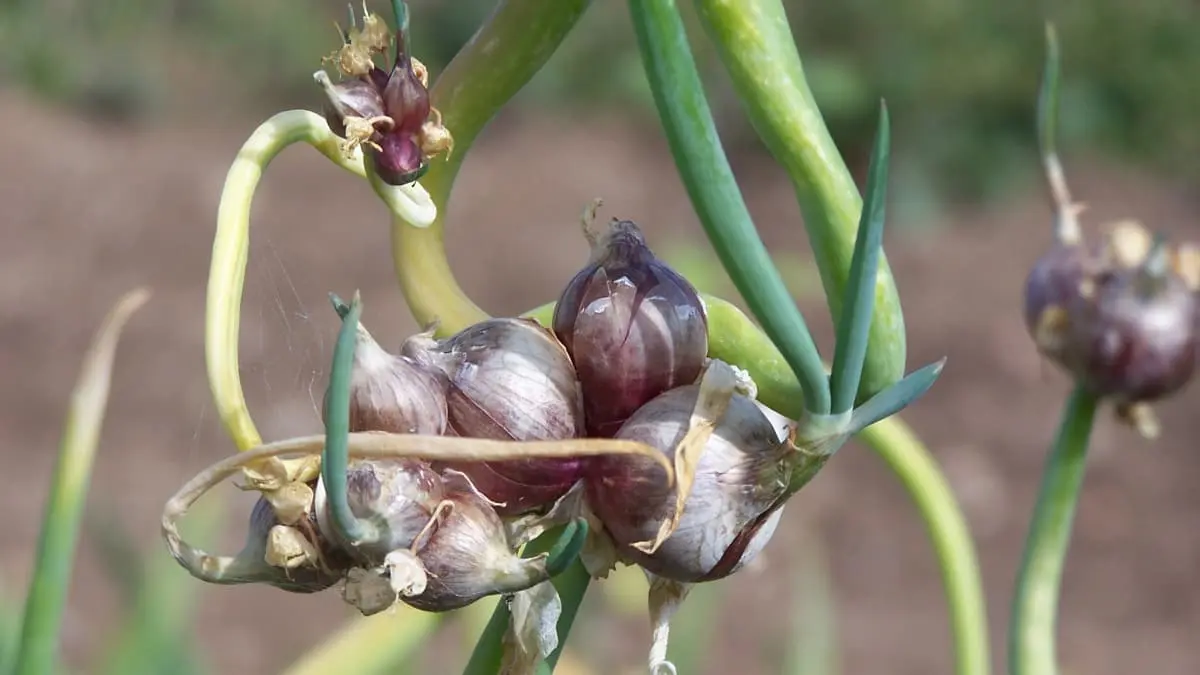
Growing Egyptian Walking Onions in Containers: A Complete Guide for Beginners
If you’re looking for a hardy, no-fuss perennial onion that keeps on giving year after [...]
Jul
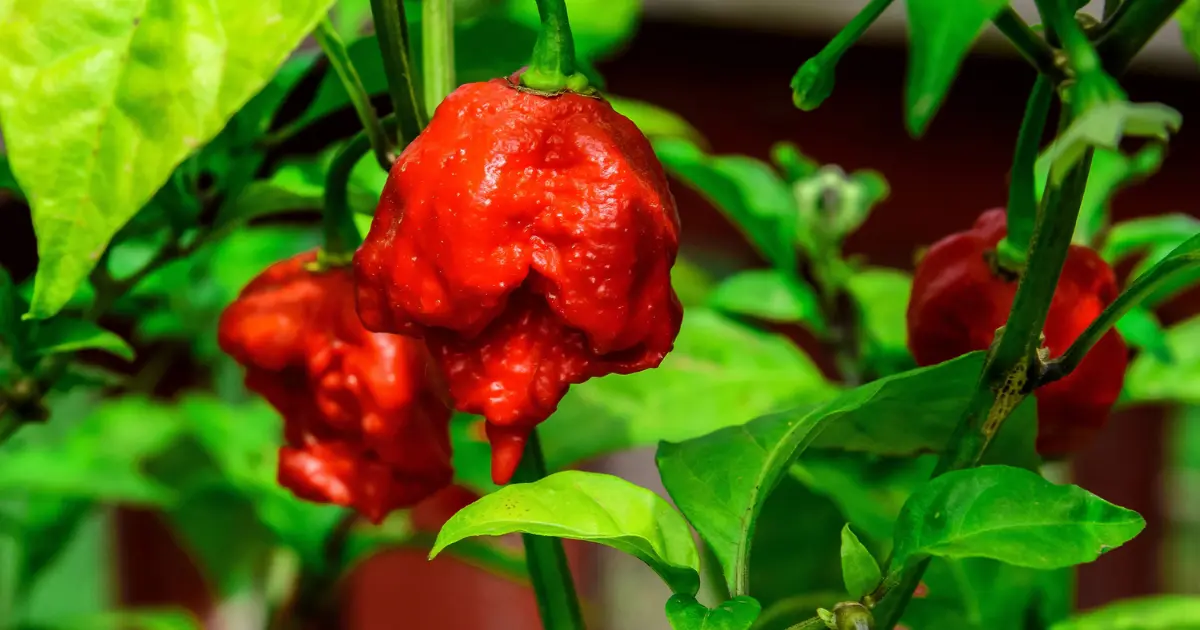
Growing Carolina Reaper Peppers in Pots: A Complete Guide for Beginners
If you’ve ever wanted to add some serious, record-breaking heat to your home cooking, you’ve [...]
May
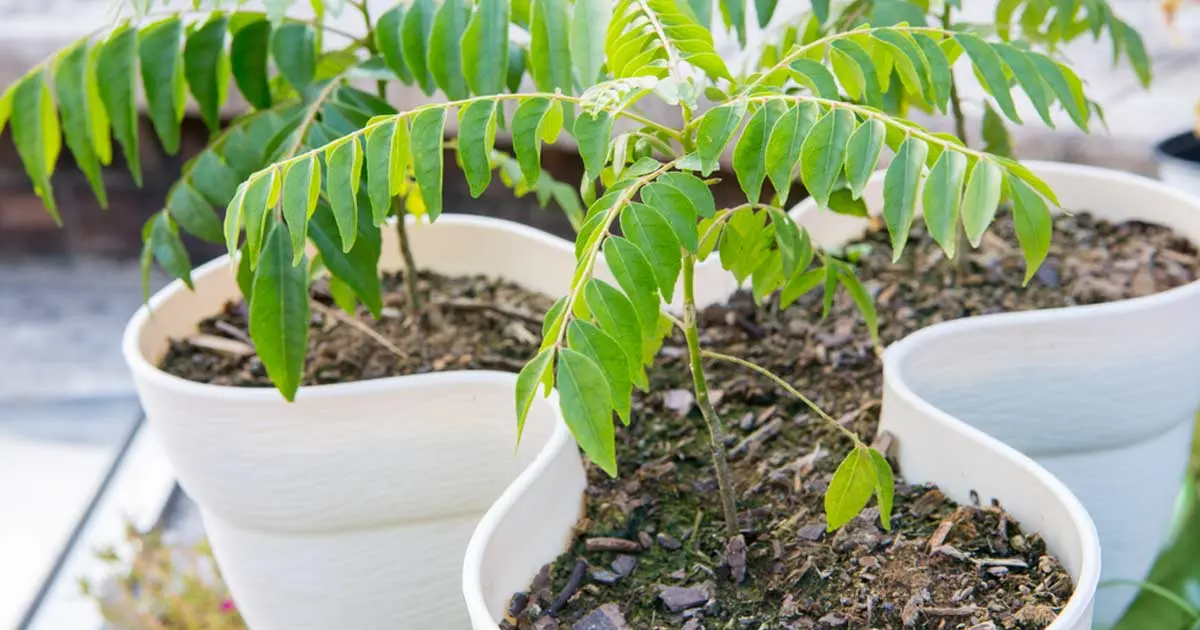
Growing Curry Leaf Plant in Pots: A Complete Guide for Beginners
If you’re a fan of authentic South Asian cuisine, you already know that nothing compares [...]
May

5 Tips for Growing Carolina Reaper Peppers to Get the Spiciest Harvest Ever
Holding the record for one of the world’s hottest peppers, the Reaper isn’t just a [...]
May
Reviews
There are no reviews yet.