
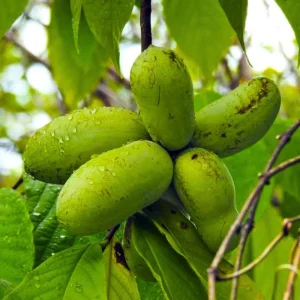
Paw Paw Indian Banana Tree Live Plant – Asimina Triloba – 1 Quart Pot
Original price was: $66.04.$31.04Current price is: $31.04.
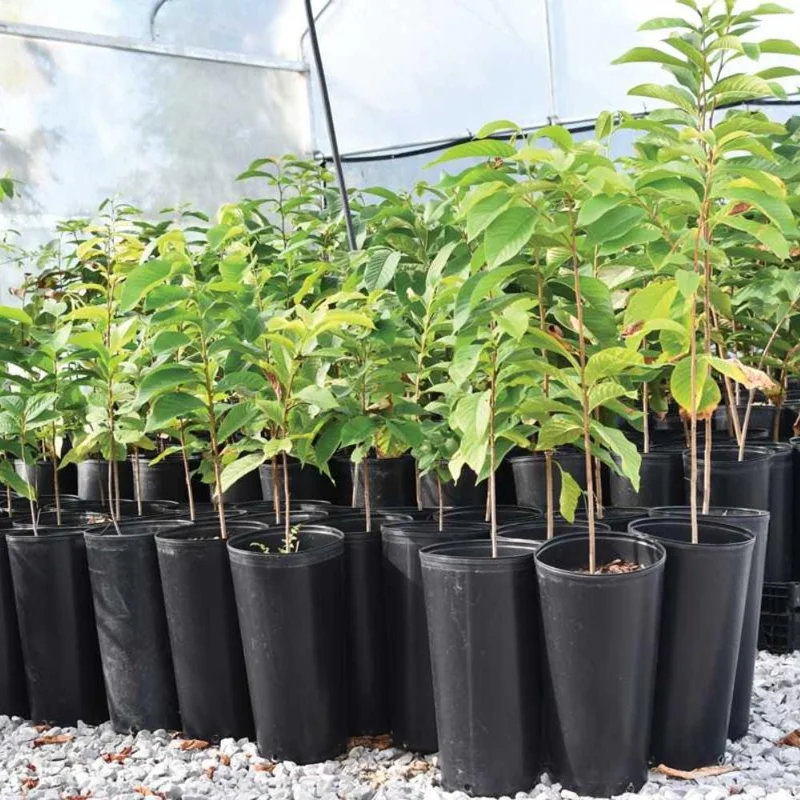
Grow your own unique fruit with this paw paw indian banana tree. This asimina triloba live plant is a 1-year-old seedling in a quart pot, ready for outdoor planting. Enjoy delicious banana-mango flavored fruit from this cold-hardy native tree.
Estimated arrival
Sep 17
Sep 22 - Sep 24
Sep 27 - Oct 01

Reasonable Price
We offer reasonable price

Support 24/7
Contact us 24 hrs a day

100% Money Back
You've 30 days to Return

Payment Secure
100% secure payment
Overview
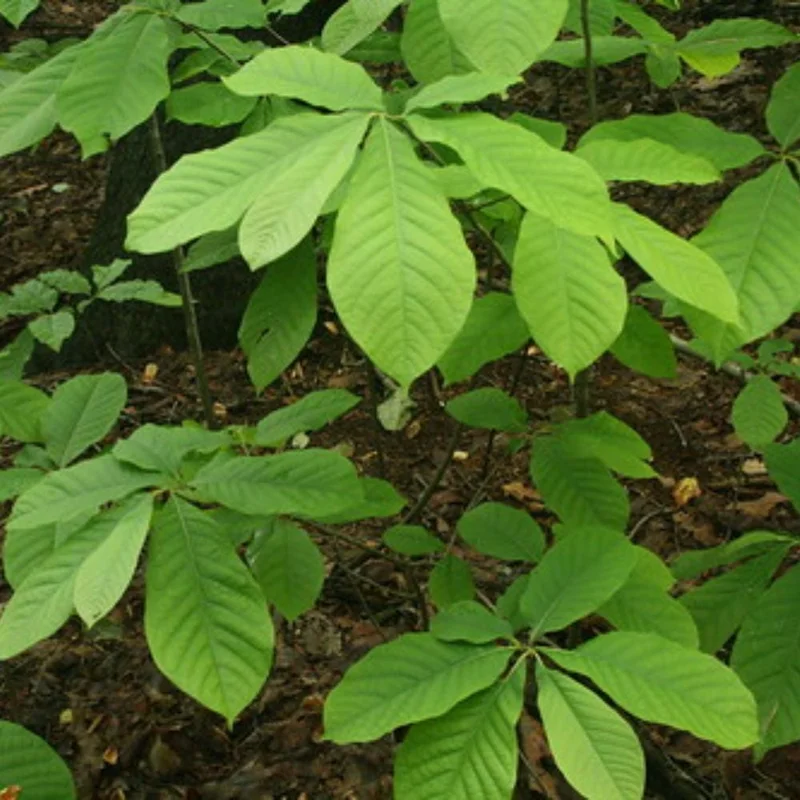
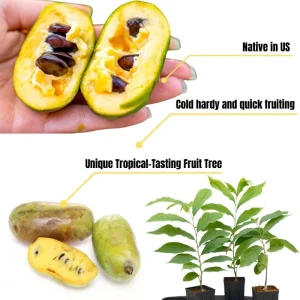
Introduce a truly unique and historical fruit tree to your garden with the paw paw indian banana tree. Also known as asimina triloba live plant or the common American Pawpaw, this fascinating specimen is a native North American fruit tree renowned for its incredibly flavorful, tropical-tasting fruit. Our healthy 1-year-old seedlings are well-rooted and grown in quart pots, ensuring they are ready to thrive in your outdoor landscape. This rare fruit tree not only offers an unusual culinary delight but also adds a touch of native beauty to any garden setting. The pawpaw is a conversation starter, a delicious treat, and a valuable addition to biodiversity.
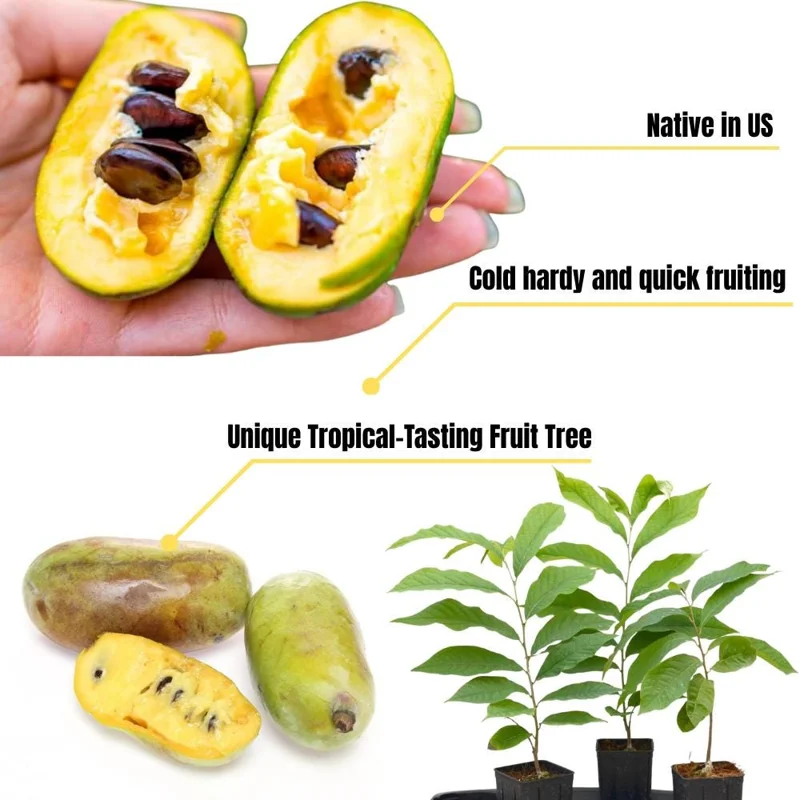
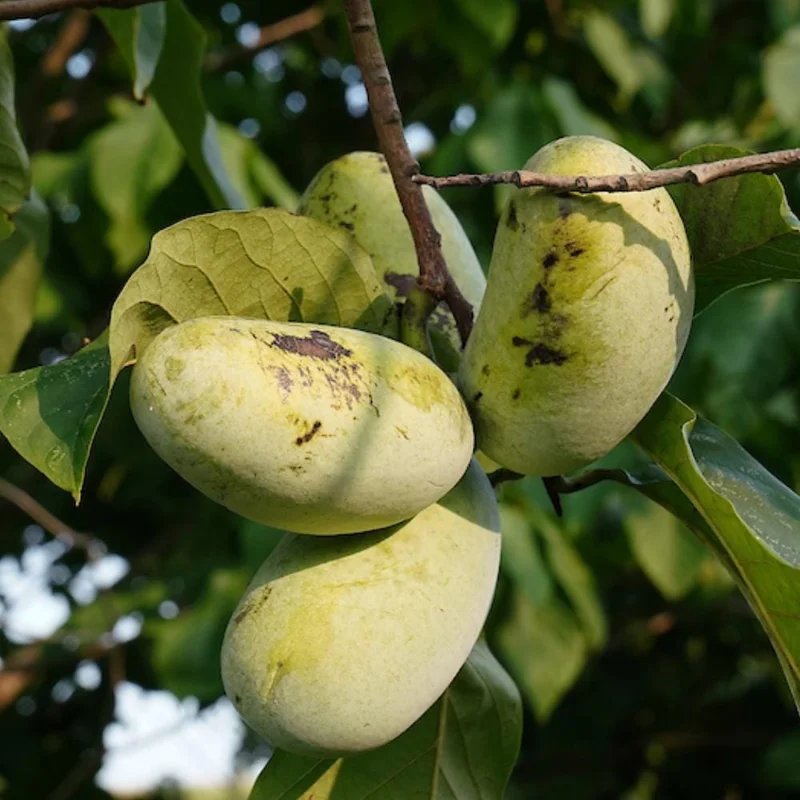
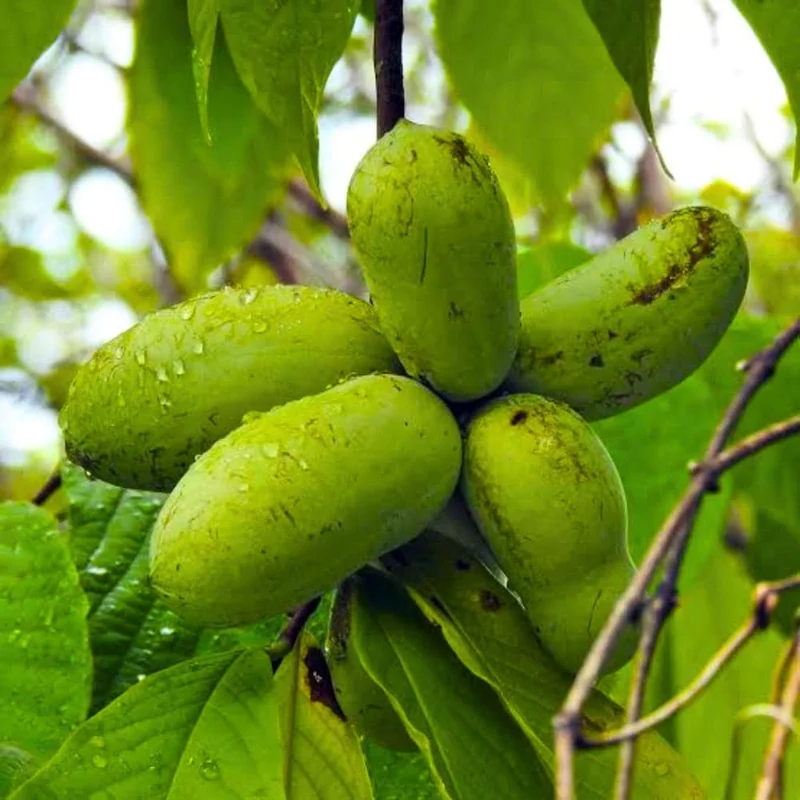
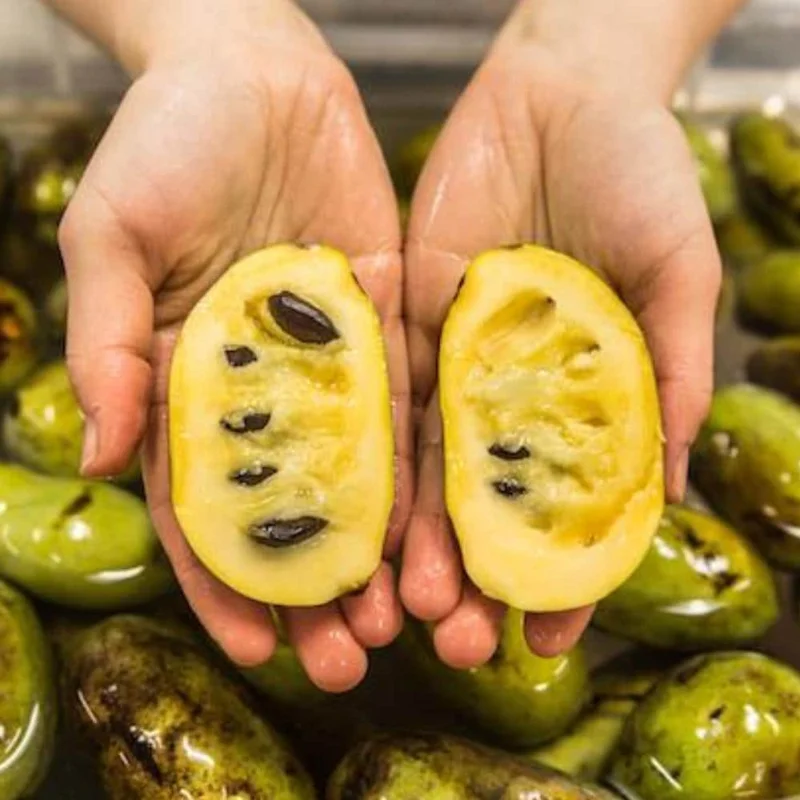
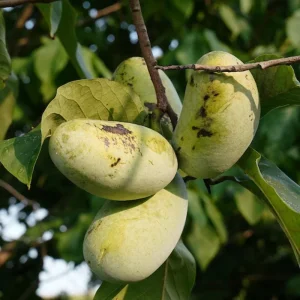
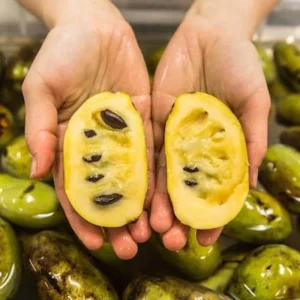
The paw paw indian banana tree is a deciduous tree that produces the largest edible fruit native to the United States. Its creamy, custard-like flesh boasts a unique blend of banana, mango, and sometimes pineapple flavors. These trees are incredibly resilient, cold-hardy, and remarkably easy to grow, making them an excellent choice for both experienced gardeners and enthusiastic beginners looking to cultivate something extraordinary.
Key Benefits
Owning a paw paw indian banana tree brings a multitude of benefits, from its unique fruit to its ease of care and ecological value. This distinctive tree is an exceptional choice for anyone looking to diversify their home orchard or native landscape.
- Unique Tropical Fruit: Enjoy delicious, creamy fruit with a flavor profile often described as a blend of banana and mango. This rare native fruit offers a taste of the tropics right in your backyard.
- Cold Hardy & Resilient: Unlike many tropical-tasting fruits, the pawpaw is remarkably cold-hardy, thriving in a wide range of climates and enduring winter temperatures. It’s a robust and forgiving tree.
- Easy to Grow: These trees are known for being low-maintenance once established, requiring minimal intervention. They are an excellent choice for gardeners seeking rewarding plants without constant fuss.
- Native American Heritage: As a native fruit tree, planting the american pawpaw tree supports local ecosystems and provides food for native wildlife, contributing to biodiversity.
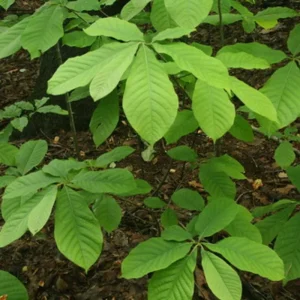
- Ornamental Value: Beyond its fruit, the pawpaw tree features attractive foliage and unique, bell-shaped maroon flowers in spring, adding aesthetic appeal to your garden.
- Disease & Pest Resistant: Pawpaws are generally resistant to most common diseases and pests, reducing the need for chemical treatments and making them a healthier choice for your garden.
- Perfect for Home Gardens: Its manageable size and delicious yield make the paw paw indian banana tree an ideal addition to any home garden or native landscape project.
Plant Care & Growing Tips
Caring for your paw paw indian banana tree is relatively straightforward, especially once it’s established. Pawpaws prefer a location with full sun to partial shade. While they can tolerate some shade, particularly when young, they will produce more fruit in full sun. Ensure the planting site has well-draining soil, rich in organic matter. A slightly acidic to neutral pH (5.5-7.0) is ideal. When planting, dig a hole twice as wide as the root ball and just as deep. Gently loosen any circling roots before placing the tree.
Water regularly during the first year to help the tree establish a strong root system. Once established, the asimina triloba live plant is fairly drought-tolerant but will benefit from consistent moisture, especially during dry spells and fruit development. Fertilize in early spring with a balanced, slow-release fertilizer or a compost top-dressing. Young pawpaws can be sensitive to too much nitrogen, so a balanced approach is best. Protect young trees from strong winds and intense afternoon sun during their first few years, which can be achieved with a temporary shade structure or by planting them in a location that receives afternoon shade. Ensure good air circulation to prevent fungal issues.
Pawpaws are generally self-incompatible, meaning you’ll need at least two genetically distinct trees for successful pollination and fruit production. It’s best to plant them within 20-30 feet of each other. Pruning is minimal, mainly focusing on removing dead, damaged, or crossing branches to maintain a healthy structure. Monitor for common issues like leaf spot, though pawpaws are known for their general hardiness against pests and diseases. This cold hardy fruit tree is a resilient and rewarding addition to your garden.
Size & Details
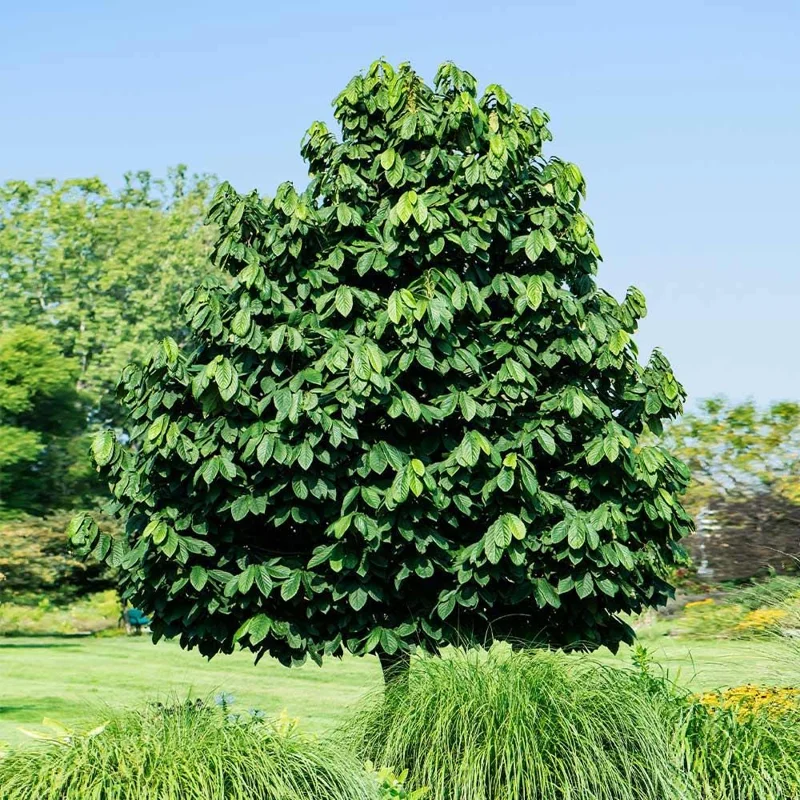
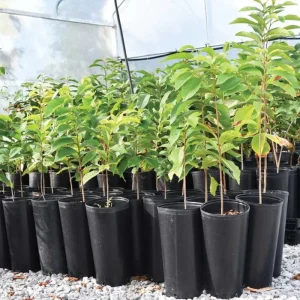
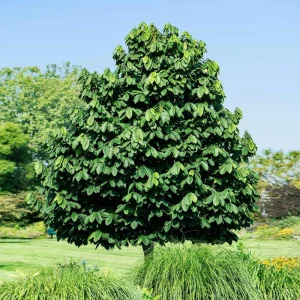
This paw paw indian banana tree is shipped as a healthy 1-year-old seedling, robustly rooted in a quart-sized nursery pot. At this stage, the plant typically stands approximately 8-18 inches tall, ready for immediate planting in your garden. Pawpaw trees are known for their moderate growth rate, eventually reaching heights of 15-20 feet with a similar spread, forming an attractive, pyramidal shape. Expect the first fruits to appear within 3-5 years after planting, with full production achieved as the tree matures. The fruit ripens in late summer to early fall, offering a delightful harvest. This rare fruit tree will be a treasured part of your landscape for years to come.
Frequently Asked Questions
- Q: How big does this paw paw indian banana tree get? A: This paw paw indian banana tree typically grows to a height of 15-20 feet with a similar spread at maturity. Our current offering is a 1-year-old seedling, usually 8-18 inches tall, ready for planting.
- Q: Is this an indoor or outdoor plant? A: The asimina triloba live plant is an outdoor tree. It requires a significant amount of space to grow and produce fruit, making it unsuitable for long-term indoor cultivation. It thrives in USDA Zones 5-9.
- Q: How much sunlight does it need? A: Pawpaw trees prefer full sun to partial shade. While young trees benefit from some afternoon shade, mature trees will produce more fruit when exposed to at least 6-8 hours of direct sunlight daily.
- Q: Is this tree easy to care for? A: Yes, the american pawpaw tree is considered relatively easy to care for once established. It’s known for its hardiness, disease resistance, and minimal pruning requirements, making it a great choice for various gardeners.
- Q: What condition will it arrive in? A: Your paw paw indian banana tree will arrive as a healthy, well-rooted 1-year-old seedling in a quart pot, carefully packaged to ensure its safe journey. It will be ready for planting upon arrival.
- Q: When is the best time to plant a paw paw tree? A: The ideal time to plant a pawpaw tree is in the spring after the last frost, or in early fall. This allows the tree to establish its root system before the stress of extreme summer heat or winter cold.
- Q: Will it survive winter in my zone? A: Yes, the pawpaw is a cold hardy fruit tree, generally hardy in USDA Zones 5-9. It can tolerate winter temperatures well below freezing, making it suitable for many regions across the United States. Ensure adequate protection for very young trees in extreme conditions.
- Q: How long until it produces fruit? A: A paw paw indian banana tree typically begins to produce fruit within 3-5 years after planting, with increasing yields as the tree matures. Remember, you’ll need at least two different varieties for cross-pollination.
- Q: What kind of soil does it need? A: Pawpaw trees prefer deep, fertile, moist, and well-draining soil with a slightly acidic to neutral pH (5.5-7.0). They benefit from soil rich in organic matter.
- Q: Are pawpaw trees affected by many pests or diseases? A: Pawpaws are generally quite resistant to most common pests and diseases, which is another reason they are considered an easy-to-grow fruit tree. Occasional issues like leaf spot can occur but are usually not severe.
Be the first to review “Paw Paw Indian Banana Tree Live Plant – Asimina Triloba – 1 Quart Pot”
-
USDA Hardiness Zone
USDA Zones 5-9 -
Soil Type
Well-draining, fertile, slightly acidic to neutral soil -
Sunlight Exposure
Full sun to partial shade -
Expected Planting Period
Spring to early fall
People Also Viewd


Sold 134 products
Original price was: $3,536.00.$23.99Current price is: $23.99.

Sold 131 products
Original price was: $27.00.$24.00Current price is: $24.00.

Sold 131 products
Original price was: $89.99.$64.99Current price is: $64.99.

Sold 125 products
Original price was: $86.99.$66.99Current price is: $66.99.

Flower Bulbs
3 Cranesbill Wild Geranium Organic Maculatums Bare Roots | Wildflower for Outdoor Garden
Sold 116 products
Original price was: $21.99.$9.99Current price is: $9.99.

Sold 114 products
Original price was: $28.99.$17.99Current price is: $17.99.

Sold 110 products
Original price was: $63.99.$28.99Current price is: $28.99.
Sold 108 products
Original price was: $28.99.$17.99Current price is: $17.99.RELATED posts
Growing Camellia Sinensis (Tea Plants) in Containers: A Complete Guide for Beginners
If you’ve ever wanted to sip a steaming, homegrown cup of fresh green, black, or [...]
Aug
6 Best Shrubs to Plant in August You Must Try
Have you ever walked through a nursery late in the summer, admired the vibrant shrubs [...]
Aug
Growing Everbearing Strawberries in Containers: A Complete Guide for Beginners
Want to grow sweet, fresh strawberries but do not have a large garden? Everbearing strawberries [...]
Aug
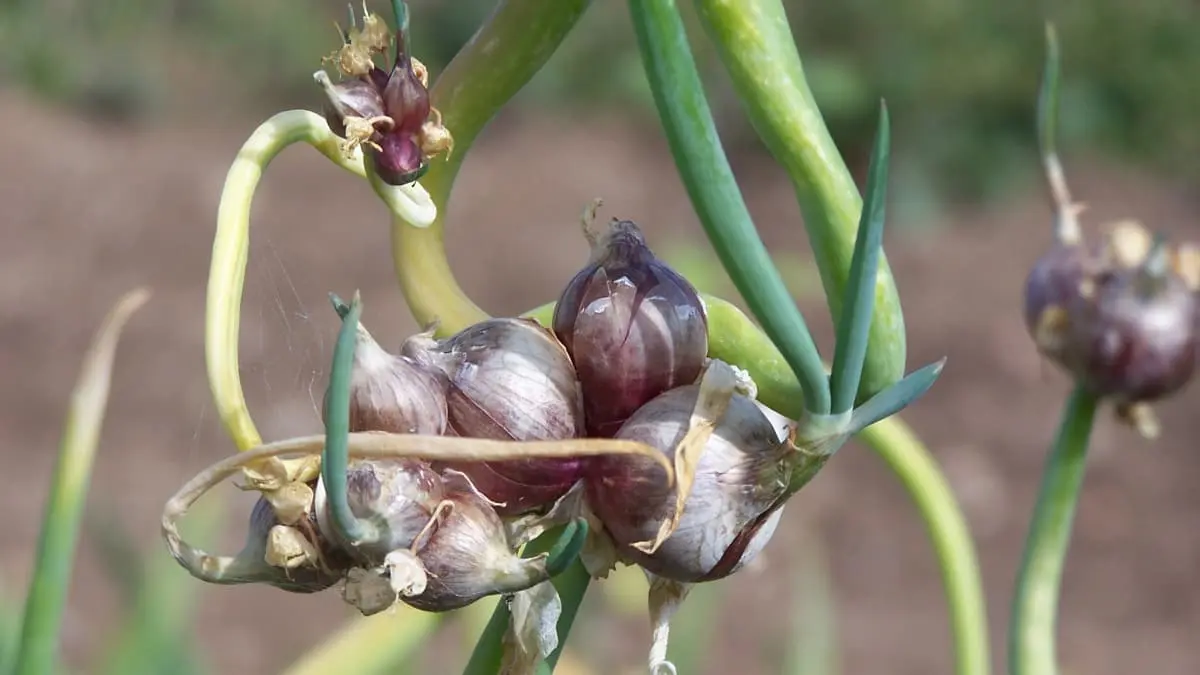
Growing Egyptian Walking Onions in Containers: A Complete Guide for Beginners
If you’re looking for a hardy, no-fuss perennial onion that keeps on giving year after [...]
Jul
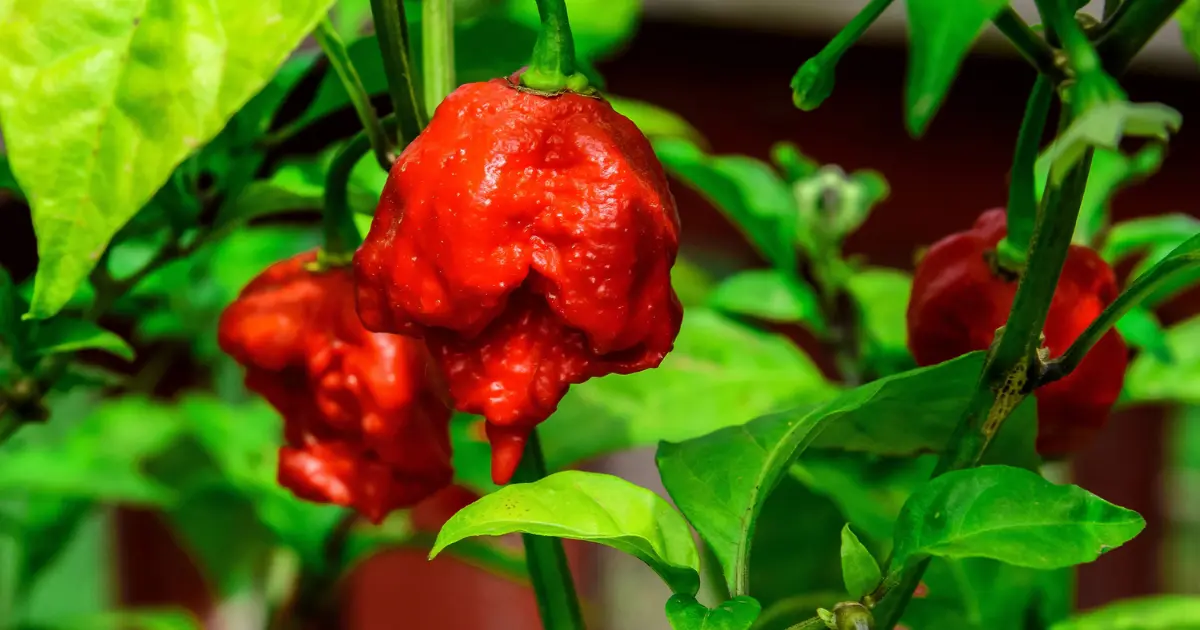
Growing Carolina Reaper Peppers in Pots: A Complete Guide for Beginners
If you’ve ever wanted to add some serious, record-breaking heat to your home cooking, you’ve [...]
May
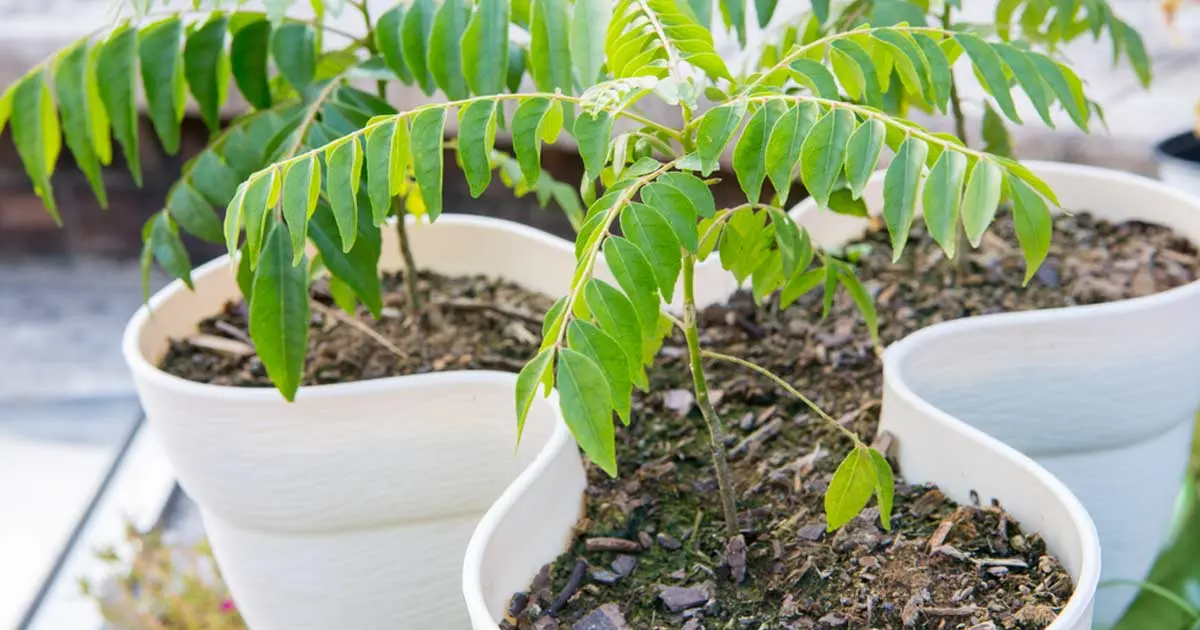
Growing Curry Leaf Plant in Pots: A Complete Guide for Beginners
If you’re a fan of authentic South Asian cuisine, you already know that nothing compares [...]
May
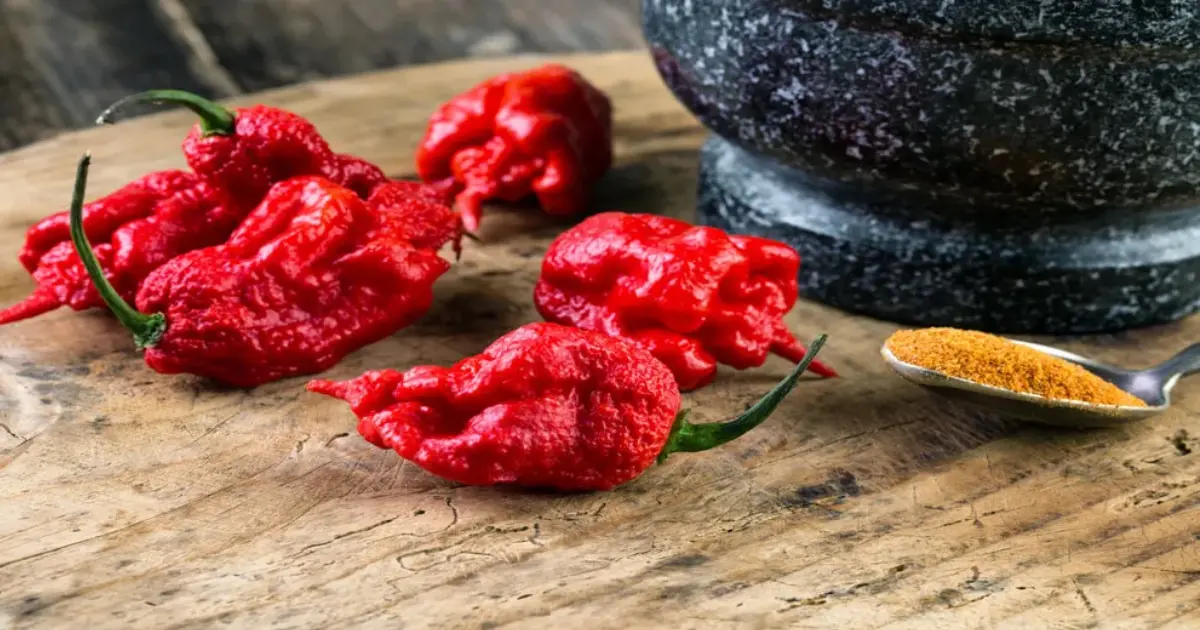
5 Tips for Growing Carolina Reaper Peppers to Get the Spiciest Harvest Ever
Holding the record for one of the world’s hottest peppers, the Reaper isn’t just a [...]
May
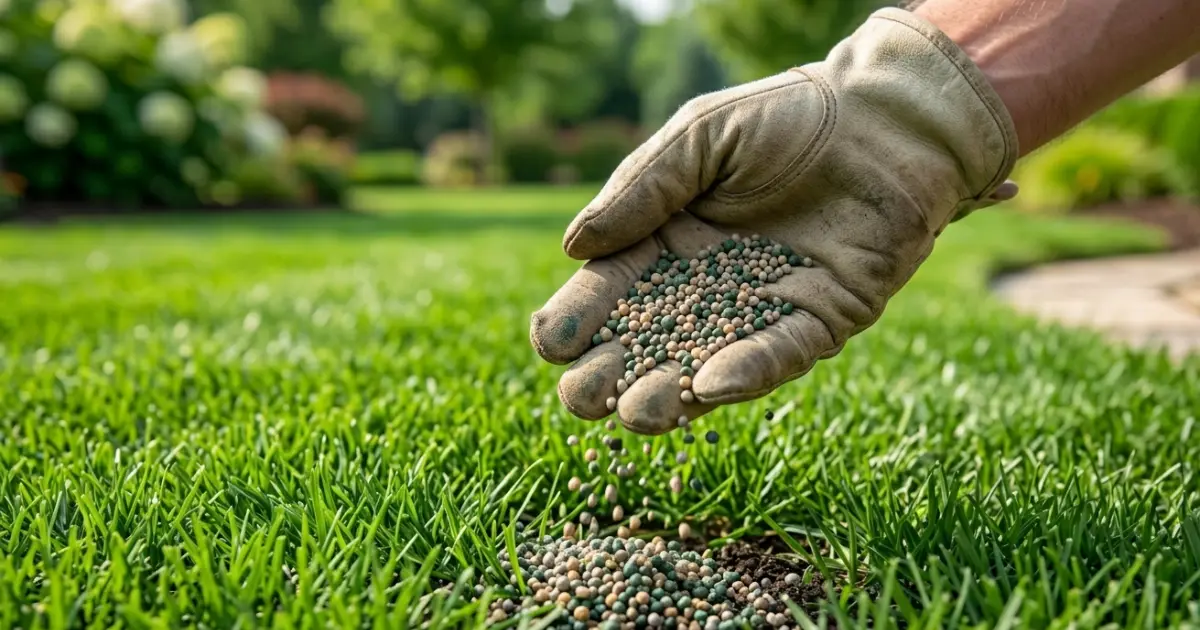
Best Fertilizers for Zoysia Grass in 2026: Get a Lush Lawn
As we enter the new year, the time has come to think about how we [...]
Apr


Reviews
There are no reviews yet.