
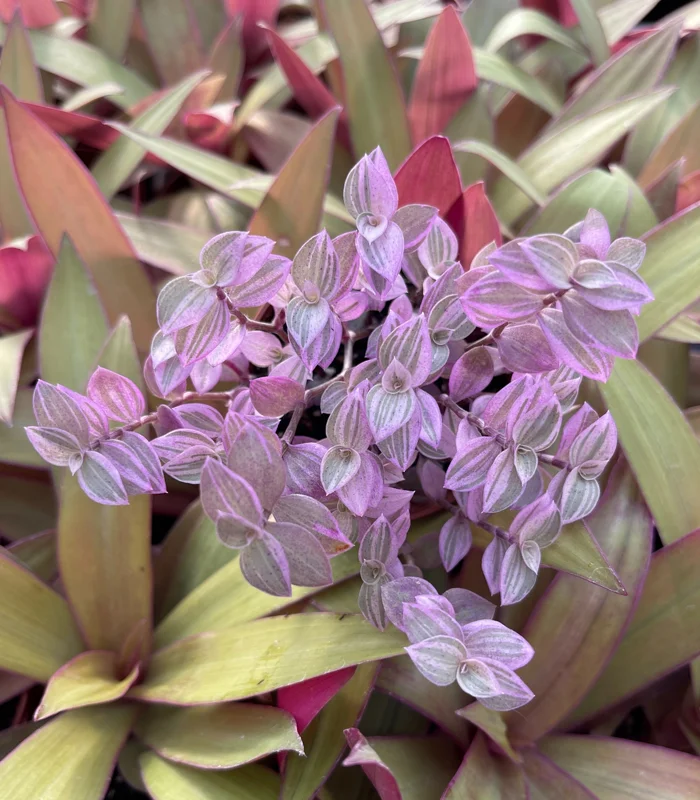
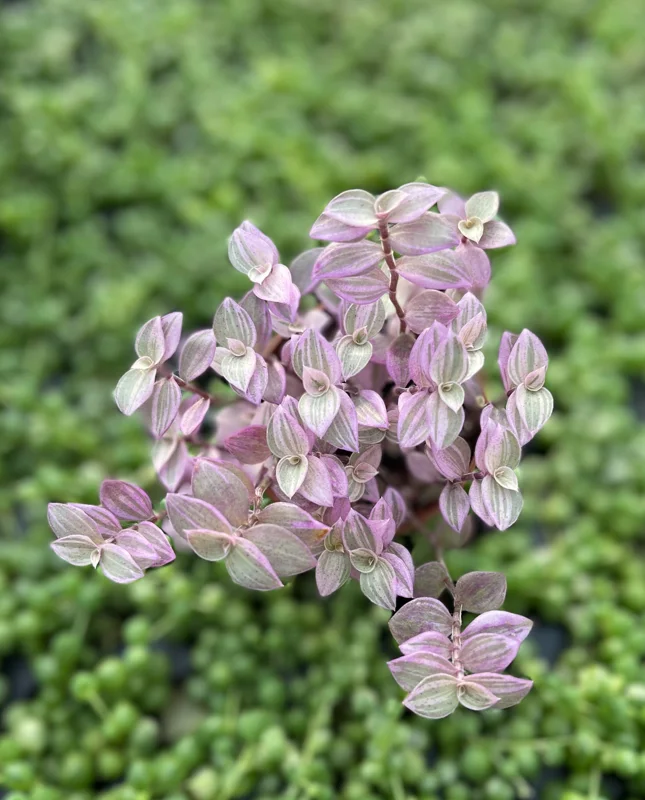
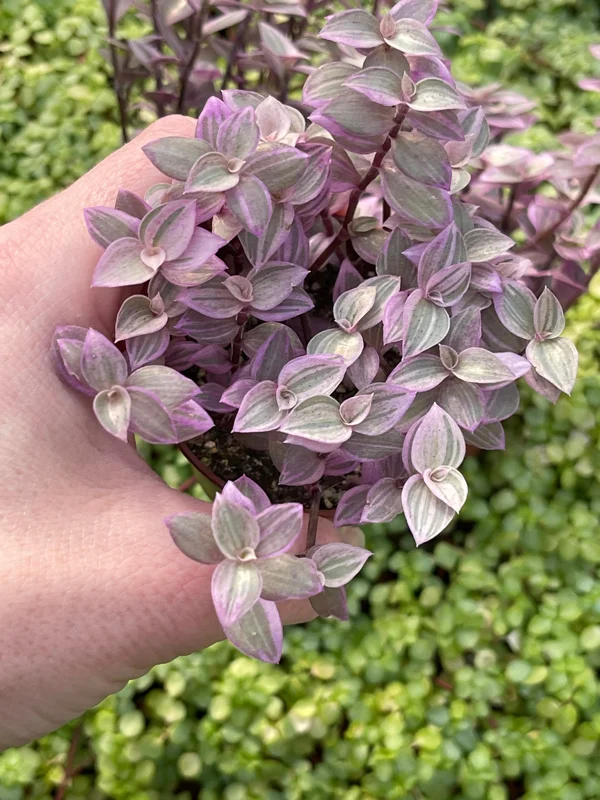
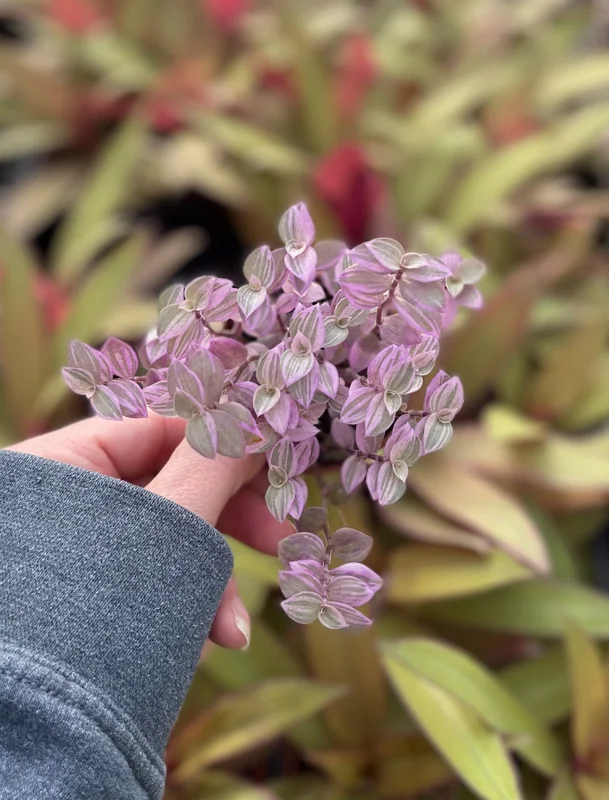
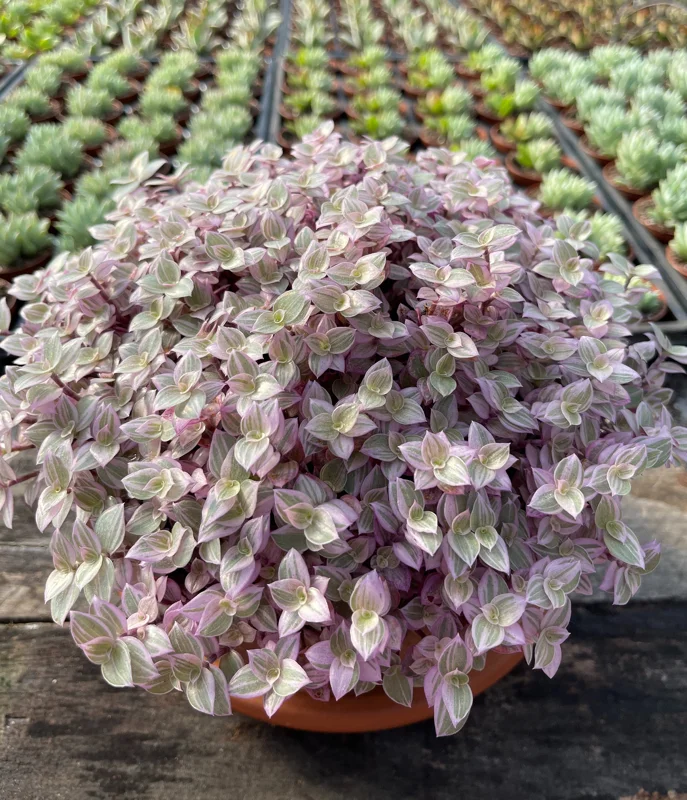
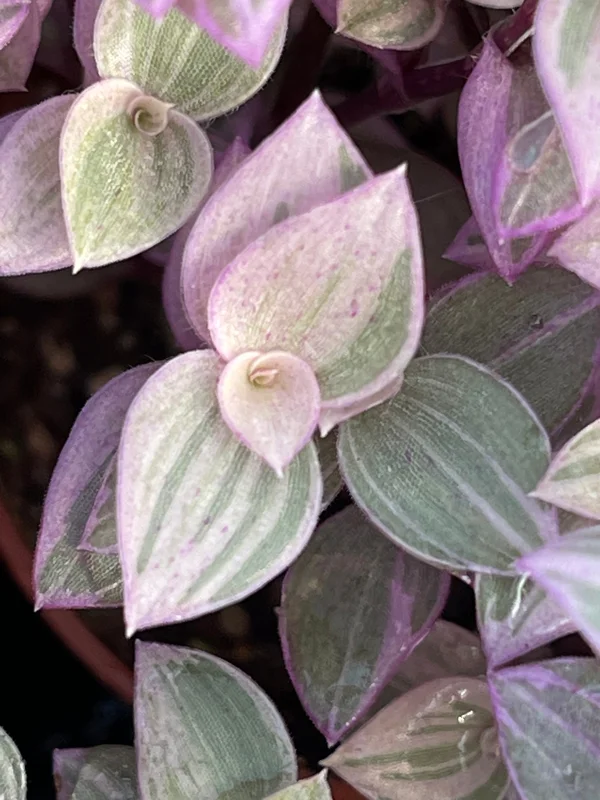
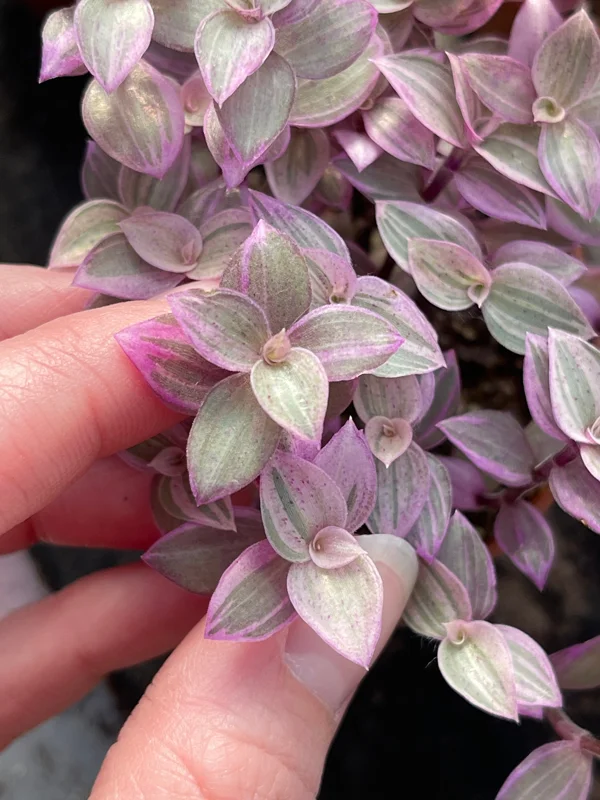
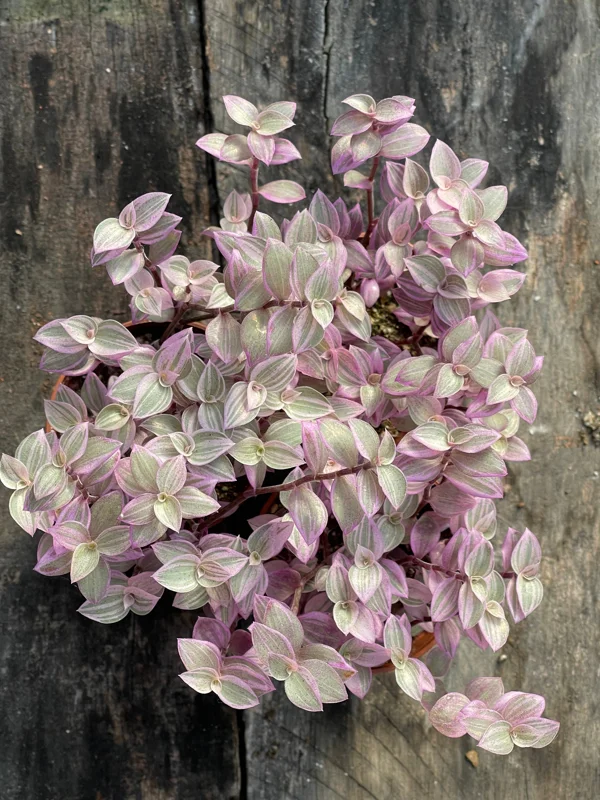
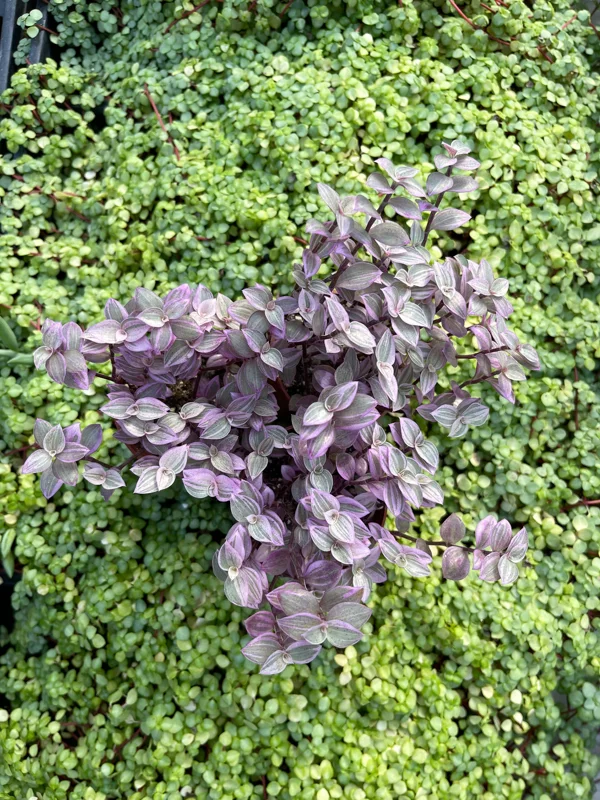
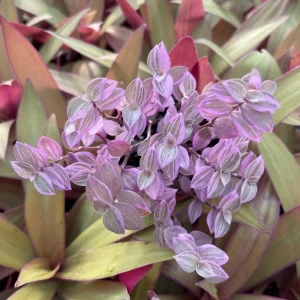
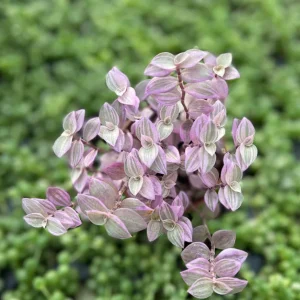
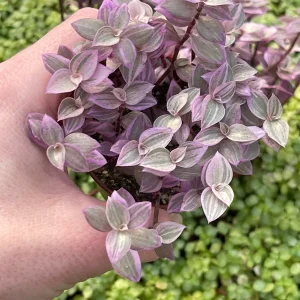
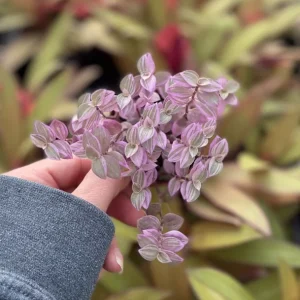
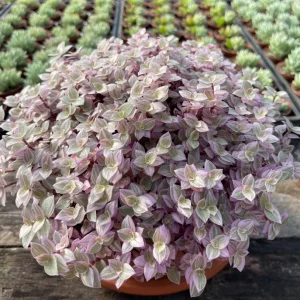
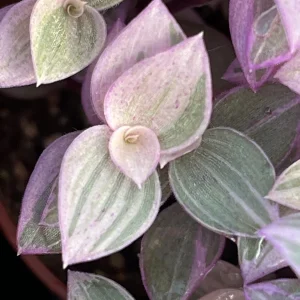
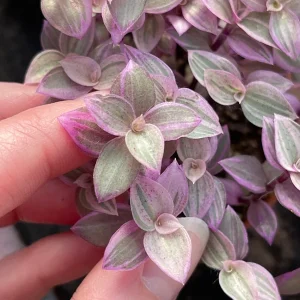
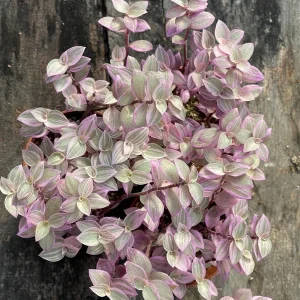
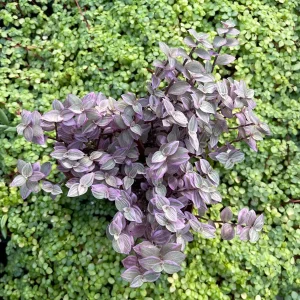
Pink Panther Callisia Repens Variegated Turtle Vine Live Plant – Indoor Houseplant
Original price was: $43.98.$21.99Current price is: $21.99.
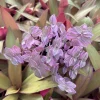
Introduce vibrant color to your home with the callisia repens variegated, also known as variegated turtle vine. This stunning trailing plant features delicate green, pink, and cream foliage, perfect for hanging baskets or shelves. An easy-to-care-for houseplant that thrives indoors.
Estimated arrival
Oct 12
Oct 17 - Oct 19
Oct 22 - Oct 26

Reasonable Price
We offer reasonable price

Support 24/7
Contact us 24 hrs a day

100% Money Back
You've 30 days to Return

Payment Secure
100% secure payment
Overview
Bring a splash of vibrant color and unique texture into your home with the exquisite callisia repens variegated, often affectionately known as the Pink Panther plant or variegated turtle vine. This charming live plant is celebrated for its small, succulent-like leaves that display a beautiful mosaic of green, pink, and cream variegation. Native to Central and South America, this fast-growing trailing plant is a member of the Commelinaceae family, making it a cousin to other popular houseplants like Tradescantia. Its delicate appearance belies its robust and easy-care nature, making it an ideal choice for both novice and experienced plant enthusiasts. Whether draped elegantly from a hanging basket, crawling across a shelf, or serving as a vibrant groundcover in a terrarium, the callisia repens variegated is sure to captivate and enhance any indoor space with its cheerful disposition and striking foliage.
The ‘Pink Panther’ cultivar is particularly prized for its intensified pink hues, which become more prominent with adequate light exposure. As a live plant, it arrives ready to thrive in your home, providing immediate aesthetic appeal and a touch of natural beauty. Its compact growth habit and relatively low maintenance requirements make it a perfect addition to small apartments, offices, or larger homes looking for a touch of botanical charm. Embrace the joy of living greenery with this delightful and visually stunning plant.
Key Benefits
The callisia repens variegated offers numerous advantages, making it a highly desirable houseplant. Its stunning appearance and straightforward care routine contribute to a rewarding ownership experience. Here are some of the key benefits:
- Stunning Variegated Foliage: The primary draw of this plant is its incredibly attractive leaves, featuring a captivating blend of green, pink, and cream. This striking variegation adds dynamic visual interest and a pop of color that can brighten any room. The ‘Pink Panther’ variety is especially known for its vivid pinks.
- Easy to Care For: Known for its resilience, the variegated turtle vine is forgiving and relatively low-maintenance. It’s an excellent choice for beginners or those with busy lifestyles, requiring only basic attention to thrive.
- Versatile Display Options: Its trailing growth habit makes it perfect for a variety of display settings. It looks magnificent in hanging baskets, allowing its colorful stems to cascade downwards, or as a vibrant spiller in mixed arrangements and terrariums.
- Fast-Growing: This plant grows quickly, rewarding you with lush, full foliage in a relatively short amount of time. This rapid growth makes it satisfying to care for and allows for easy propagation to share with friends.
- Compact Size: The small leaves and delicate stems maintain a compact overall appearance, making it suitable for smaller spaces such as desks, windowsills, or shelves where larger plants might be overwhelming.
- Air Purification: Like many houseplants, the indoor callisia plant contributes to a healthier indoor environment by helping to filter common air toxins, improving air quality in your home or office.
- Pet-Friendly (with caution): While generally considered non-toxic to pets, some animals may experience mild irritation if ingested. Always monitor pets around new plants.
Plant Care & Growing Tips
Caring for your callisia repens variegated is a straightforward and rewarding experience, especially when you understand its basic needs. This resilient plant thrives with consistent, but not overly complicated, attention. For optimal growth and vibrant coloration, particularly for the ‘Pink Panther’ variety, providing the right light conditions is crucial. Place your variegated turtle vine in a location where it receives bright, indirect light. A spot near an east or west-facing window is often ideal. Too much direct, harsh sunlight can scorch its delicate leaves, while insufficient light will cause the variegation to fade, resulting in less pink and more green foliage. If you notice the colors aren’t as vivid, try moving it to a brighter spot.
Watering should be done thoroughly but only when the top inch or two of the soil feels dry to the touch. This plant prefers consistently moist soil but is highly susceptible to root rot if left in standing water. Ensure your pot has drainage holes. During the growing season (spring and summer), you might need to water more frequently, while in winter, reduce watering as the plant’s growth slows. The ideal soil type for an indoor callisia plant is a well-draining potting mix that retains some moisture. A standard houseplant mix amended with perlite or orchid bark can provide the aeration and drainage it needs. Aim for a slightly acidic to neutral pH between 6.0 and 7.0.
The callisia repens variegated thrives in average household temperatures, typically between 65-75°F (18-24°C), and appreciates moderate to high humidity. If your home is particularly dry, especially during winter with heating systems, consider placing the plant near a humidifier or on a pebble tray with water. Fertilize sparingly during the active growing season (spring and summer) with a balanced liquid fertilizer diluted to half strength, approximately once a month. Avoid fertilizing in fall and winter. Common problems include leggy growth if light is too low (prune to encourage bushiness) and yellowing leaves from overwatering. This plant is generally pest-resistant, but occasionally check for common houseplant pests like spider mites or mealybugs, especially on the undersides of leaves.
Size & Details
The callisia repens variegated ‘Pink Panther’ live plant typically arrives in a grower’s pot, often a 2-inch or 4-inch nursery container, ready to be placed in your chosen decorative pot or hanging basket. At maturity, its trailing stems can reach lengths of 12 to 24 inches or more, creating a beautiful cascading effect. The individual leaves are small, usually less than an inch long, contributing to its delicate and intricate appearance. This is a relatively fast-growing plant, and with proper care, you can expect to see significant new growth throughout the warmer months. It does not typically flower indoors, but its foliage is the main attraction. The plant will be shipped as a healthy, rooted specimen, carefully packaged to ensure its safe arrival. Expect a compact, bushy start that will quickly fill out and trail as it matures.
Frequently Asked Questions
- Q: How big does this plant get? A: The callisia repens variegated is a trailing plant whose stems can grow up to 12-24 inches long, creating a beautiful cascading effect. Its small leaves keep the overall plant compact.
- Q: What size pot does it come in? A: This live plant typically arrives in a standard nursery pot, often a 2-inch or 4-inch size, suitable for immediate placement or repotting into your decorative container.
- Q: Is this an indoor or outdoor plant? A: The variegated turtle vine is primarily grown as an indoor houseplant in most climates. It can be moved outdoors in warm, shaded areas during summer but should be brought inside before temperatures drop.
- Q: How much sunlight does it need? A: It thrives in bright, indirect light. Direct sun can scorch its leaves, while too little light will diminish the vibrant pink variegation, making it look more green.
- Q: Is this plant easy to care for? A: Yes, the Pink Panther plant care is considered relatively easy, making it an excellent choice for beginners. It’s forgiving of minor neglect but flourishes with consistent attention to light and watering.
- Q: Is it good for beginners? A: Absolutely! Its resilience and straightforward care requirements make the creeping inch plant pink a fantastic option for those new to houseplants, offering a rewarding growing experience.
- Q: What condition will it arrive in? A: Your plant will arrive as a healthy, rooted live specimen, carefully packaged to minimize stress during transit and ensure it reaches you in excellent condition.
- Q: Is it shipped in soil? A: Yes, the plant is typically shipped in its nursery pot with soil, ensuring it stays hydrated and stable during its journey to your home.
- Q: Is the callisia repens variegated pet-safe? A: While generally considered mildly toxic if ingested in large quantities, causing potential stomach upset or skin irritation, it’s best to keep pets from chewing on the plant.
- Q: What’s the best way to propagate this plant? A: The callisia repens variegated is very easy to propagate from stem cuttings. Simply snip a healthy stem, remove a few lower leaves, and place it in water or moist soil; roots will typically form quickly.
Be the first to review “Pink Panther Callisia Repens Variegated Turtle Vine Live Plant – Indoor Houseplant”
-
USDA Hardiness Zone
unknown (primarily indoor plant) -
Soil Type
well-draining potting mix -
Sunlight Exposure
bright indirect light -
Expected Planting Period
year-round indoors
People Also Viewd


Sold 134 products
Original price was: $3,536.00.$23.99Current price is: $23.99.

Sold 132 products
Original price was: $27.00.$24.00Current price is: $24.00.

Sold 132 products
Original price was: $89.99.$64.99Current price is: $64.99.

Sold 125 products
Original price was: $86.99.$66.99Current price is: $66.99.

Flower Bulbs
3 Cranesbill Wild Geranium Organic Maculatums Bare Roots | Wildflower for Outdoor Garden
Sold 116 products
Original price was: $21.99.$9.99Current price is: $9.99.

Sold 114 products
Original price was: $28.99.$17.99Current price is: $17.99.

Sold 110 products
Original price was: $63.99.$28.99Current price is: $28.99.
Sold 108 products
Original price was: $28.99.$17.99Current price is: $17.99.RELATED posts
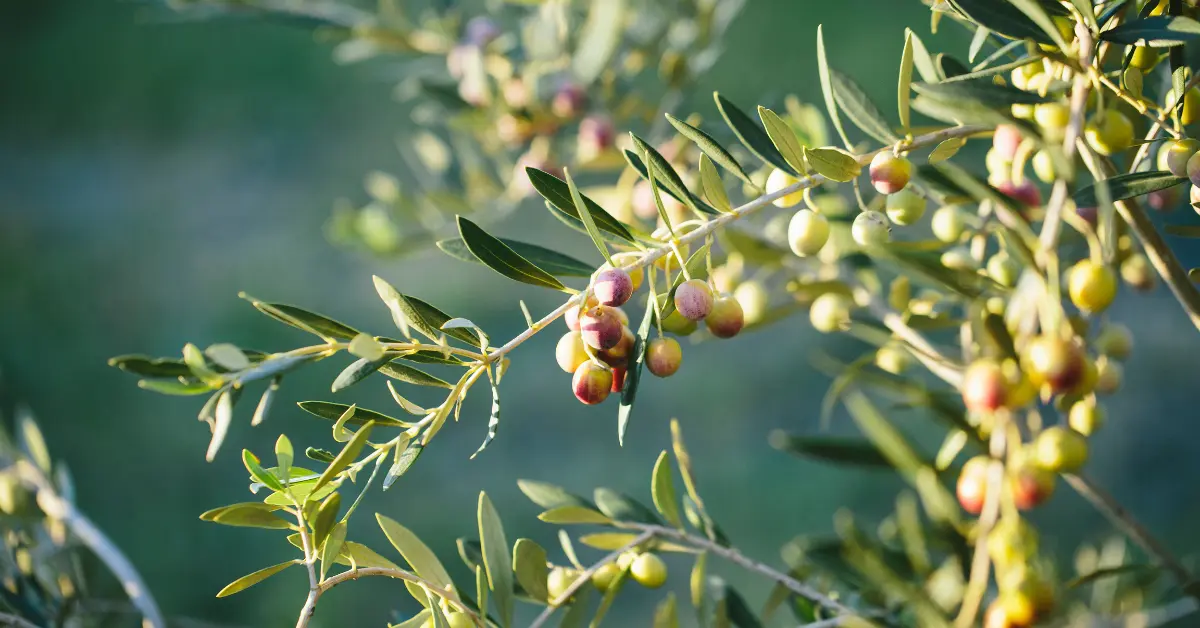
How to Grow Arbequina Olive Trees: The Ultimate Guide to Your Own Olive Grove
Arbequina Olive Tree (Olea europaea ‘Arbequina’) – the ultimate Mediterranean plant that brings a touch [...]
Oct
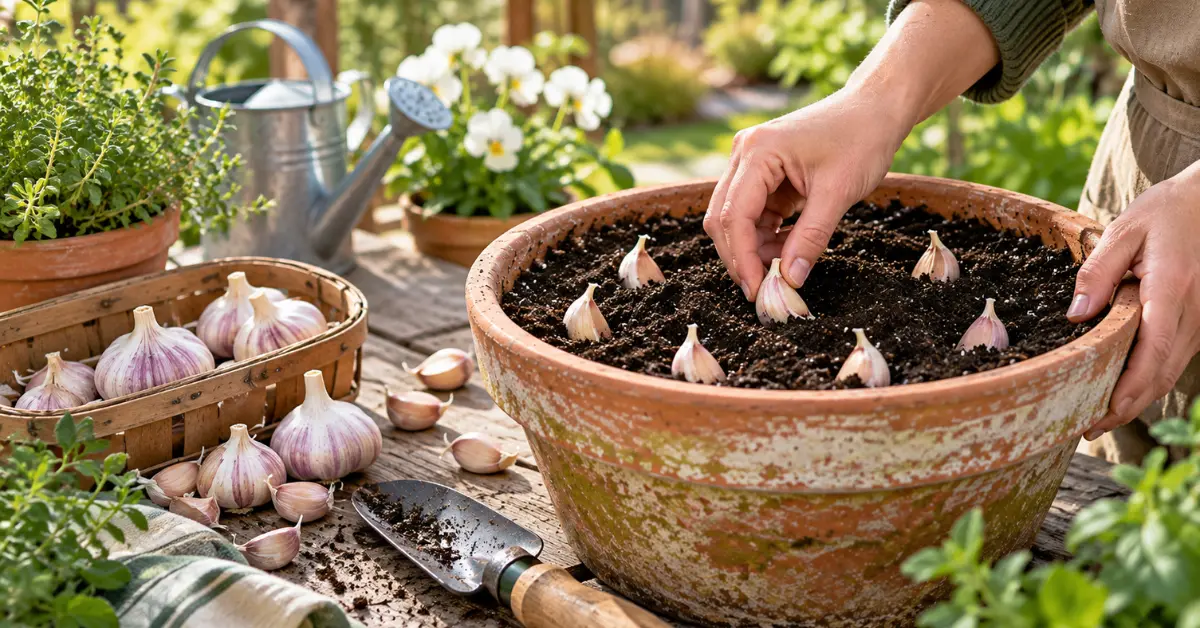
Growing Garlic in Containers This Fall: A Complete Guide for Beginners
If you’ve ever wanted to pop fresh, aromatic garlic cloves straight from your own patio [...]
Sep
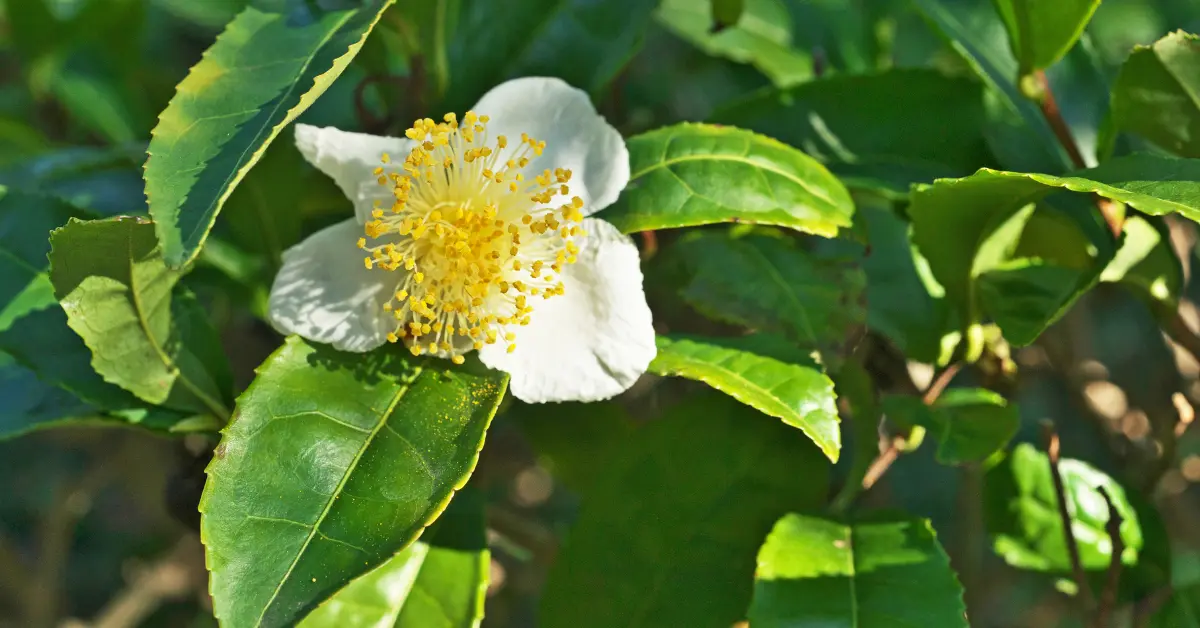
Growing Camellia Sinensis (Tea Plants) in Containers: A Complete Guide for Beginners
If you’ve ever wanted to sip a steaming, homegrown cup of fresh green, black, or [...]
Aug

6 Best Shrubs to Plant in August You Must Try
Have you ever walked through a nursery late in the summer, admired the vibrant shrubs [...]
Aug
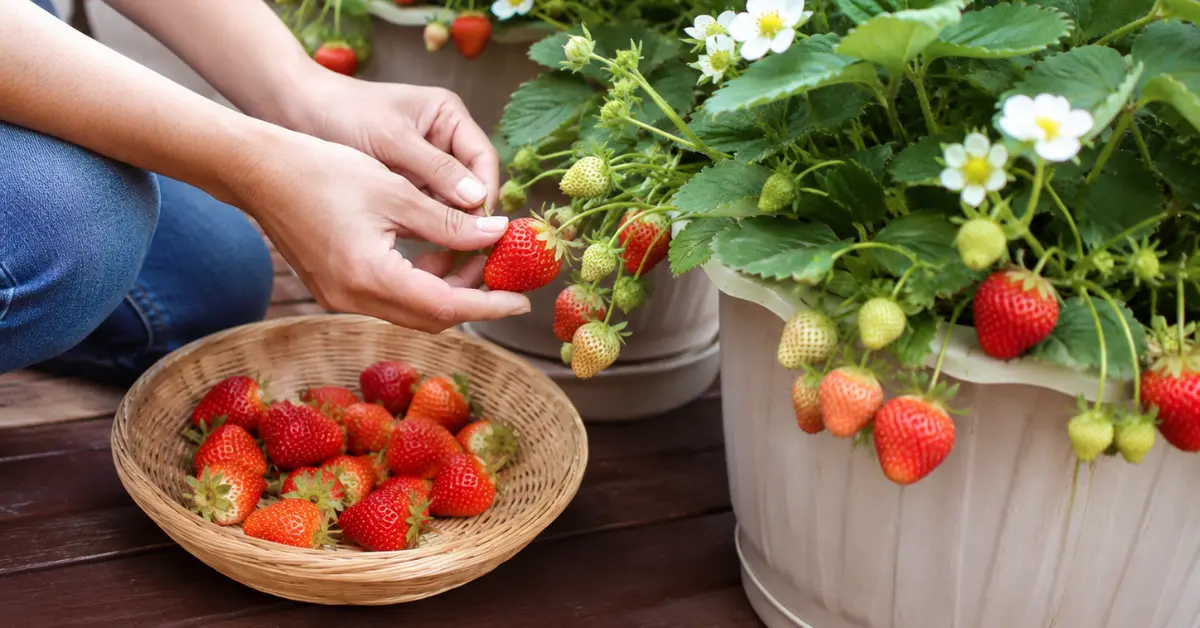
Growing Everbearing Strawberries in Containers: A Complete Guide for Beginners
Want to grow sweet, fresh strawberries but do not have a large garden? Everbearing strawberries [...]
Aug
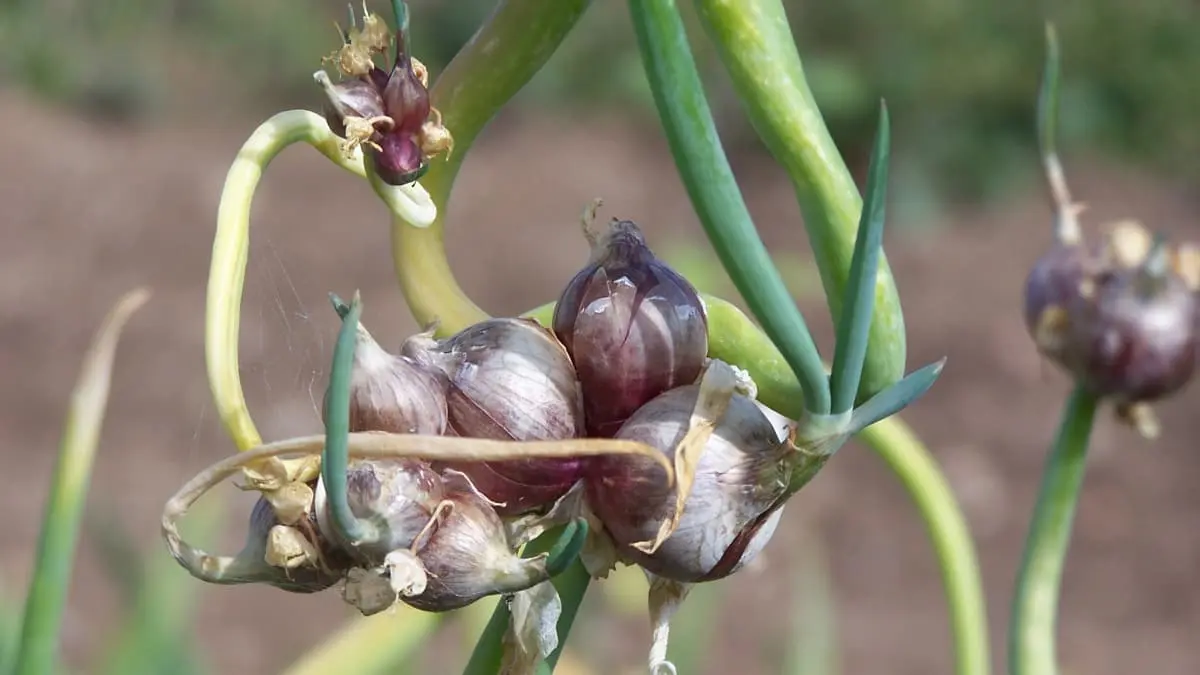
Growing Egyptian Walking Onions in Containers: A Complete Guide for Beginners
If you’re looking for a hardy, no-fuss perennial onion that keeps on giving year after [...]
Jul
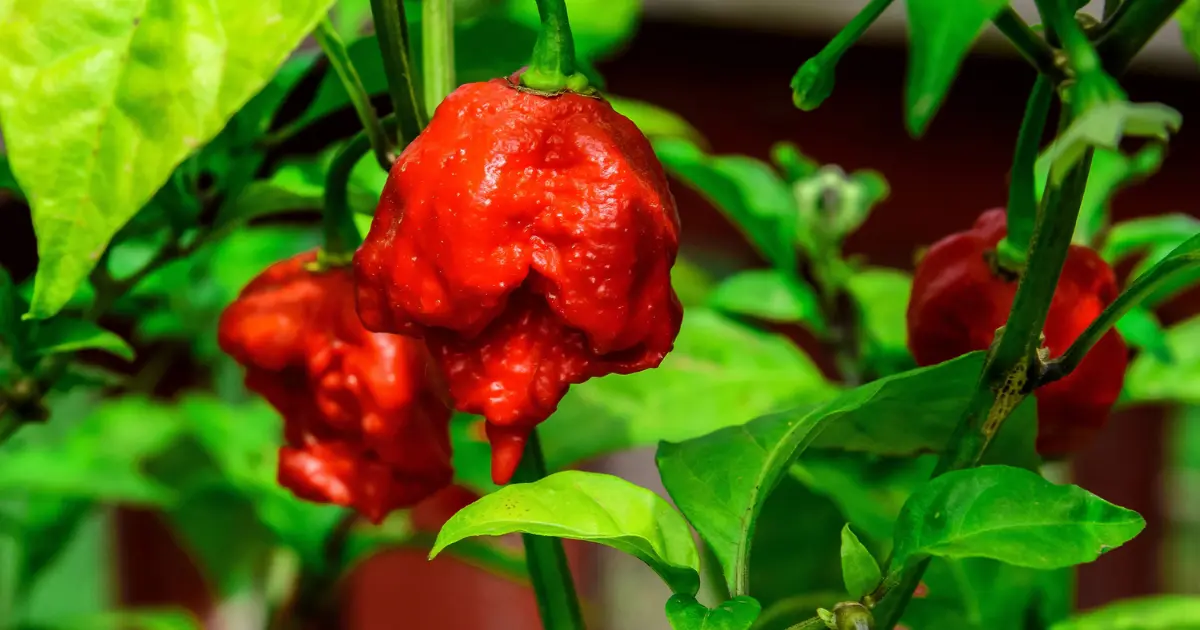
Growing Carolina Reaper Peppers in Pots: A Complete Guide for Beginners
If you’ve ever wanted to add some serious, record-breaking heat to your home cooking, you’ve [...]
May
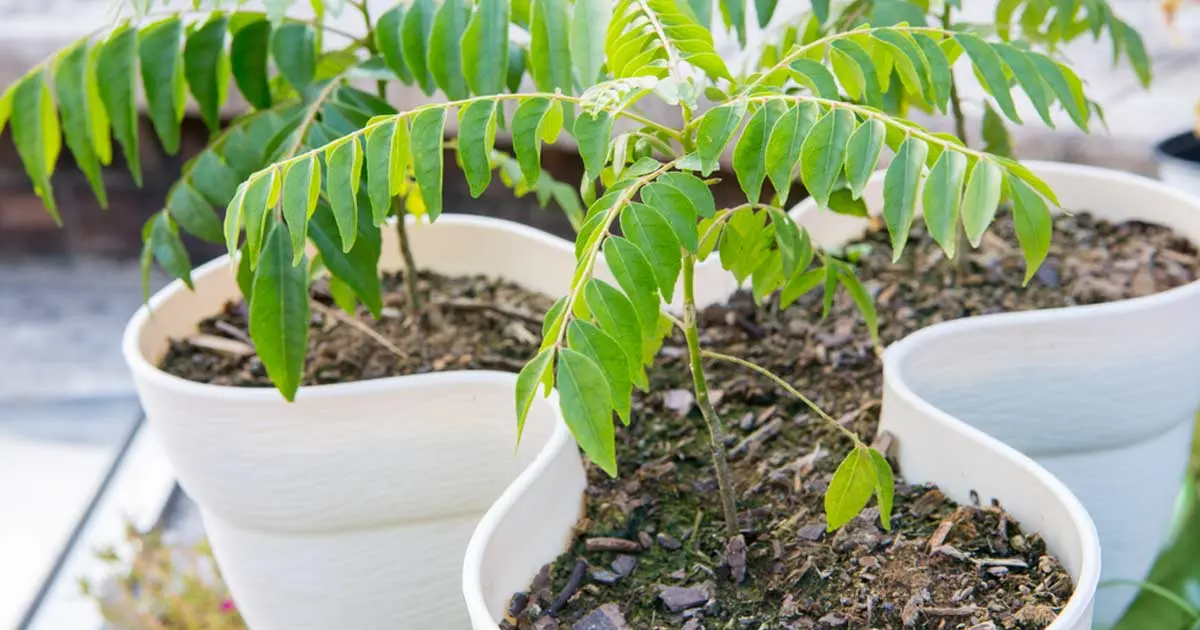
Growing Curry Leaf Plant in Pots: A Complete Guide for Beginners
If you’re a fan of authentic South Asian cuisine, you already know that nothing compares [...]
May

Reviews
There are no reviews yet.