
Pomegranate Afganski Live Plant – Punica Granatum in 3″ Pot
Original price was: $51.80.$25.99Current price is: $25.99.
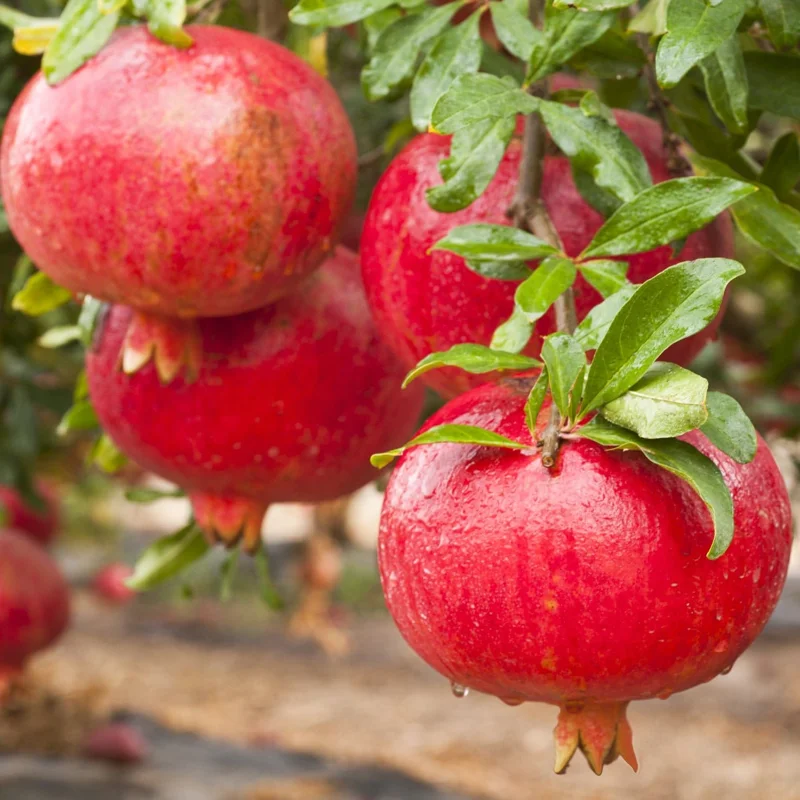
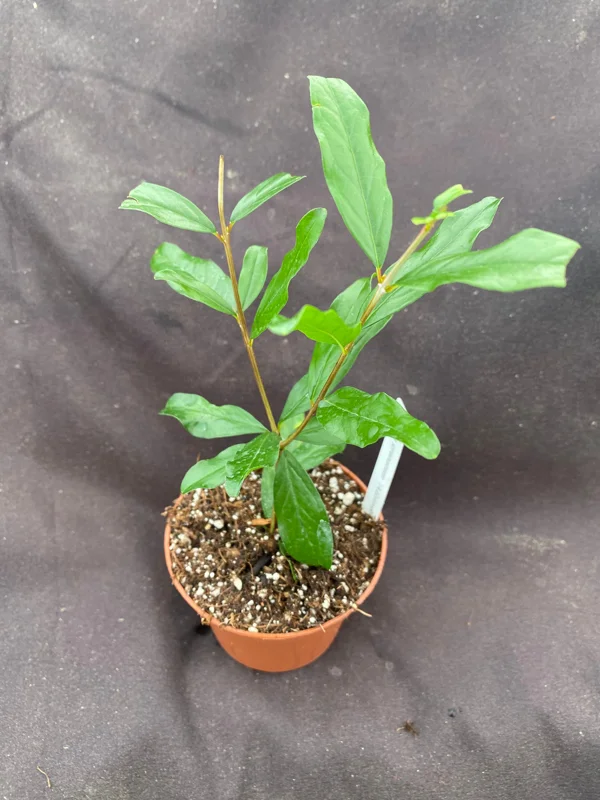
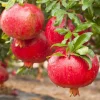
Cultivate your own flavorful fruit with this pomegranate afganski live plant. This Punica granatum Afganski arrives rooted in a 3-inch pot, ready for planting. Known for its delicious fruit and ornamental appeal, it’s a fantastic addition to any garden or patio.
Estimated arrival
Oct 22
Oct 27 - Oct 29
Nov 01 - Nov 05

Reasonable Price
We offer reasonable price

Support 24/7
Contact us 24 hrs a day

100% Money Back
You've 30 days to Return

Payment Secure
100% secure payment
Overview
Embark on a delightful gardening journey with the pomegranate afganski live plant. This robust and beautiful Punica granatum Afganski variety is celebrated for its delectable, sweet-tart fruits and attractive, glossy foliage. Originating from Afghanistan, this particular pomegranate cultivar is renowned for its hardiness and reliable fruit production, making it a favorite among home gardeners and fruit enthusiasts alike. Your new plant arrives as a healthy, rooted specimen in a 3-inch pot, carefully prepared for transplanting into your garden or a larger container. Whether you’re looking to add an exotic touch to your landscape, enjoy fresh pomegranates straight from your yard, or explore the benefits of growing your own food, this pomegranate afganski live plant offers a rewarding experience. It’s a fantastic choice for those who appreciate both ornamental beauty and edible yields.
The Pomegranate ‘Afganski’ is a deciduous shrub or small tree, offering year-round interest with its vibrant flowers in spring and summer, followed by the striking, jewel-toned fruits in fall. This variety is known for producing large, juicy pomegranates with a balanced flavor profile, perfect for eating fresh, juicing, or culinary applications. Its adaptability to various climates and relatively low maintenance requirements make it an excellent choice for a wide range of gardeners, from beginners to seasoned cultivators. Invest in a pomegranate afganski live plant today and look forward to bountiful harvests and a stunning addition to your outdoor space.
Key Benefits
Adding a pomegranate afganski live plant to your garden offers a multitude of benefits, combining aesthetic appeal with practical advantages:
- Delicious Edible Fruit: Enjoy the rich, sweet-tart flavor of fresh pomegranates directly from your own garden. The ‘Afganski’ variety is particularly prized for its large, flavorful arils, perfect for snacks, salads, juices, and desserts. Growing your own ensures the freshest, most natural fruit.
- Ornamental Value: Beyond its fruit, the pomegranate afganski live plant is a beautiful addition to any landscape. It features attractive, glossy green leaves, vibrant orange-red flowers that bloom throughout the summer, and striking red fruits that ripen in the fall, providing visual interest across multiple seasons.
- Hardy and Adaptable: This particular cultivar is known for its resilience and ability to thrive in a range of climates, making it a reliable choice for many gardeners. It tolerates various soil conditions and can withstand periods of drought once established, requiring less intensive care than some other fruit trees.
- Health Benefits: Pomegranates are celebrated for their high antioxidant content and numerous health benefits. Growing your own allows you to harvest fruit at peak ripeness, maximizing its nutritional value and ensuring a fresh supply of this superfood.
- Versatile Growing Options: While it can grow into a small tree, the pomegranate afganski live plant can also be maintained as a shrub or even grown in large containers, making it suitable for both spacious gardens and smaller patios or balconies. This versatility allows more people to enjoy this wonderful plant.
- Attracts Pollinators: The bright, showy flowers of the pomegranate attract beneficial pollinators like bees and hummingbirds to your garden, contributing to a healthier ecosystem and improving fruit set for other plants.
- Relatively Low Maintenance: Once established, the afganski pomegranate requires minimal care. With proper watering and occasional fertilization, it will reward you with years of beautiful foliage and abundant fruit. This makes afganski pomegranate care straightforward for gardeners of all levels.
Plant Care & Growing Tips
Proper afganski pomegranate care is crucial for a thriving plant and abundant fruit production. This hardy plant is relatively forgiving, but understanding its specific needs will ensure the best results. Upon arrival, gently acclimate your pomegranate afganski live plant to its new environment before transplanting. Choose a location that receives full sun, ideally 6-8 hours of direct sunlight per day. Pomegranates love warmth and sunlight, which are essential for fruit development and ripening. If growing in a container, select a large pot (at least 15-20 gallons for mature plants) with excellent drainage.
For soil, pomegranates are adaptable but prefer well-draining loam. They can tolerate a range of soil types, including sandy or clay soils, as long as drainage is adequate. Amend heavy clay soils with organic matter like compost to improve drainage, and sandy soils to enhance water retention. Water your punica granatum afganski regularly during its first year to establish a strong root system. Once established, it becomes quite drought-tolerant, but consistent watering, especially during flowering and fruiting, will lead to larger, juicier fruits. Avoid overwatering, as this can lead to root rot. Fertilize in early spring with a balanced slow-release fertilizer, and again in mid-summer if desired. Pruning should be done in late winter or early spring to remove dead or crossing branches, shape the plant, and encourage new growth and fruit production. For those interested in growing pomegranate trees, understanding these essential care steps will lead to a successful harvest.
Pomegranates are generally resilient to pests and diseases, but keep an eye out for common garden issues. Ensure good air circulation to prevent fungal problems. The punica granatum afganski is a deciduous plant, meaning it will lose its leaves in the fall and go dormant during winter. Protect young plants from severe frost in colder regions by covering them or moving container plants indoors. Consistent care and attention to its environmental needs will ensure your dwarf pomegranate plant (if container-grown) or full-sized tree flourishes and provides delicious fruit for many years.
Size & Details
This offering is for one pomegranate afganski live plant, shipped rooted in a 3-inch nursery pot. At the time of shipment, the plant typically stands approximately 6-12 inches tall, depending on seasonal growth. Pomegranates are moderate growers, and with proper care, this plant will establish quickly. When mature, the Punica granatum Afganski can reach heights of 10-15 feet and a similar spread if grown as a tree, or can be maintained as a smaller shrub through pruning. For those interested in growing pomegranate trees, expect fruit production to begin within 2-3 years, with peak yields achieved after 5-7 years. The plant will typically start to flower in late spring to early summer, with fruits ripening in late summer to early fall, depending on your climate. It is shipped ready for transplanting into a larger pot or directly into your garden, providing a head start on cultivating this rewarding fruit-bearing plant.
Frequently Asked Questions
- Q: How big does this pomegranate afganski live plant get? A: This plant is shipped in a 3-inch pot, typically 6-12 inches tall. When mature, the pomegranate afganski live plant can reach 10-15 feet tall and wide if grown as a tree, but can be kept smaller with regular pruning or by growing it as a dwarf pomegranate plant in a large container.
- Q: Is this an indoor or outdoor plant? How much sunlight does it need? A: The punica granatum afganski is primarily an outdoor plant in suitable climates. It thrives in full sun, requiring at least 6-8 hours of direct sunlight daily for optimal growth and fruit production. In colder zones, it can be grown in containers and moved indoors during winter.
- Q: Is this plant easy to care for? Is it good for beginners? A: Yes, the pomegranate afganski live plant is considered relatively easy to care for, especially once established. It’s drought-tolerant and adaptable, making it a good choice for beginner gardeners interested in growing pomegranate trees. Consistent watering and proper sun exposure are the main requirements.
- Q: What condition will it arrive in? Is it shipped in soil? A: Your pomegranate afganski live plant will arrive as a healthy, rooted specimen in its 3-inch nursery pot, complete with soil. It is carefully packaged to ensure it arrives in the best possible condition, ready for transplanting.
- Q: When is the best time to plant this pomegranate? A: The best time to plant your punica granatum afganski is in spring after the last frost, or in early fall. This allows the plant ample time to establish its root system before extreme summer heat or winter cold.
- Q: What USDA hardiness zones is this pomegranate suitable for? A: The pomegranate afganski live plant is generally suitable for USDA hardiness zones 7-10. In zone 6, it may require winter protection, and in zones 5 or colder, it’s best grown in a container and overwintered indoors.
- Q: How long until this plant produces fruit? A: You can typically expect your pomegranate afganski live plant to begin producing fruit within 2-3 years after planting. Fruit production will increase as the plant matures, reaching peak yields after 5-7 years.
Be the first to review “Pomegranate Afganski Live Plant – Punica Granatum in 3″ Pot”
-
USDA Hardiness Zone
USDA zones 7-10 -
Soil Type
Well-draining loam -
Sunlight Exposure
Full sun -
Expected Planting Period
Spring to early summer
People Also Viewd
Sold 134 products
Original price was: $3,536.00.$23.99Current price is: $23.99.
Sold 132 products
Original price was: $27.00.$24.00Current price is: $24.00.
Sold 132 products
Original price was: $89.99.$64.99Current price is: $64.99.

Sold 125 products
Original price was: $86.99.$66.99Current price is: $66.99.
Flower Bulbs
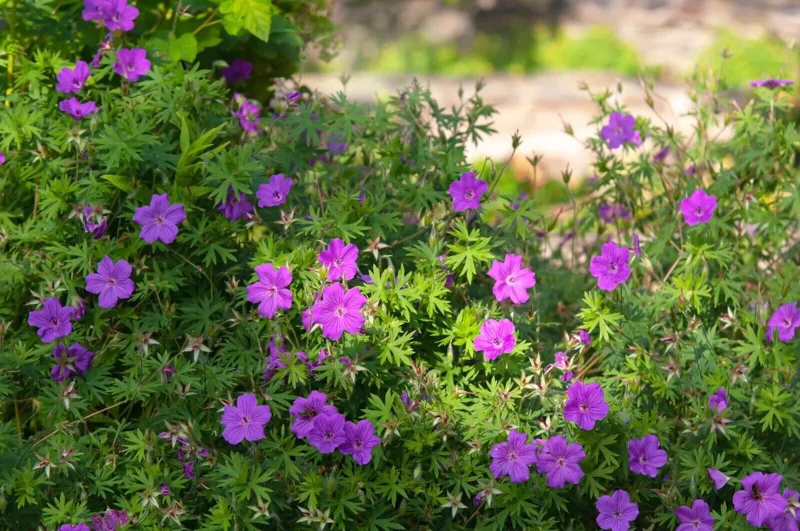
3 Cranesbill Wild Geranium Organic Maculatums Bare Roots | Wildflower for Outdoor Garden
Sold 116 products
Original price was: $21.99.$9.99Current price is: $9.99.
Sold 114 products
Original price was: $28.99.$17.99Current price is: $17.99.
Sold 110 products
Original price was: $63.99.$28.99Current price is: $28.99.
Sold 108 products
Original price was: $28.99.$17.99Current price is: $17.99.RELATED posts
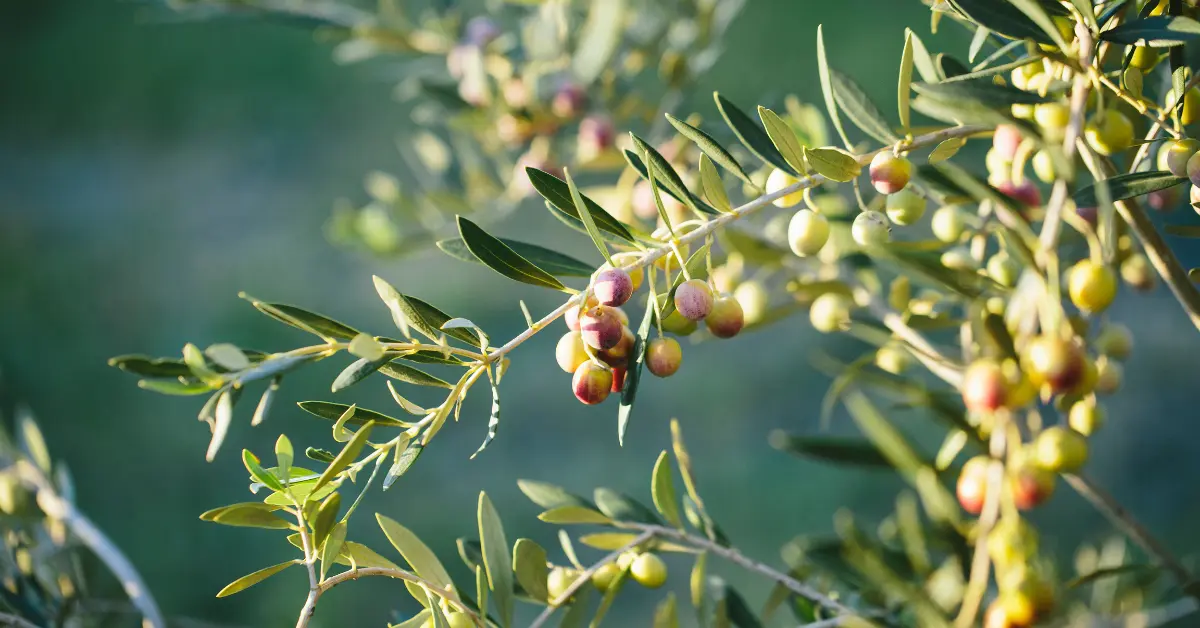
How to Grow Arbequina Olive Trees: The Ultimate Guide to Your Own Olive Grove
Arbequina Olive Tree (Olea europaea ‘Arbequina’) – the ultimate Mediterranean plant that brings a touch [...]
Oct
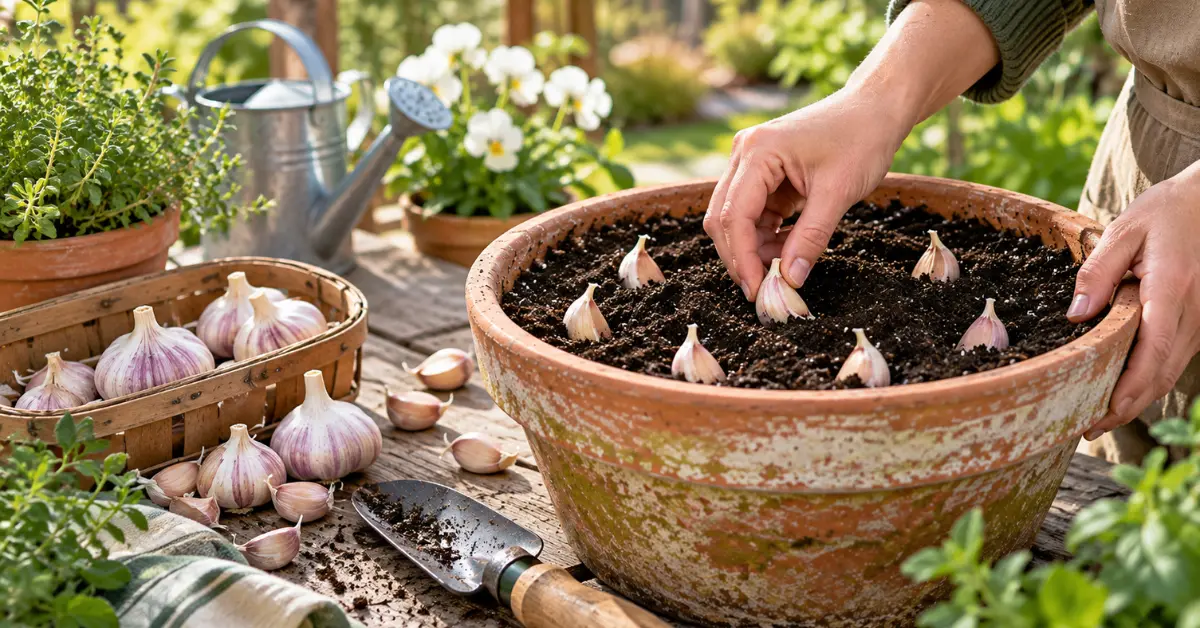
Growing Garlic in Containers This Fall: A Complete Guide for Beginners
If you’ve ever wanted to pop fresh, aromatic garlic cloves straight from your own patio [...]
Sep
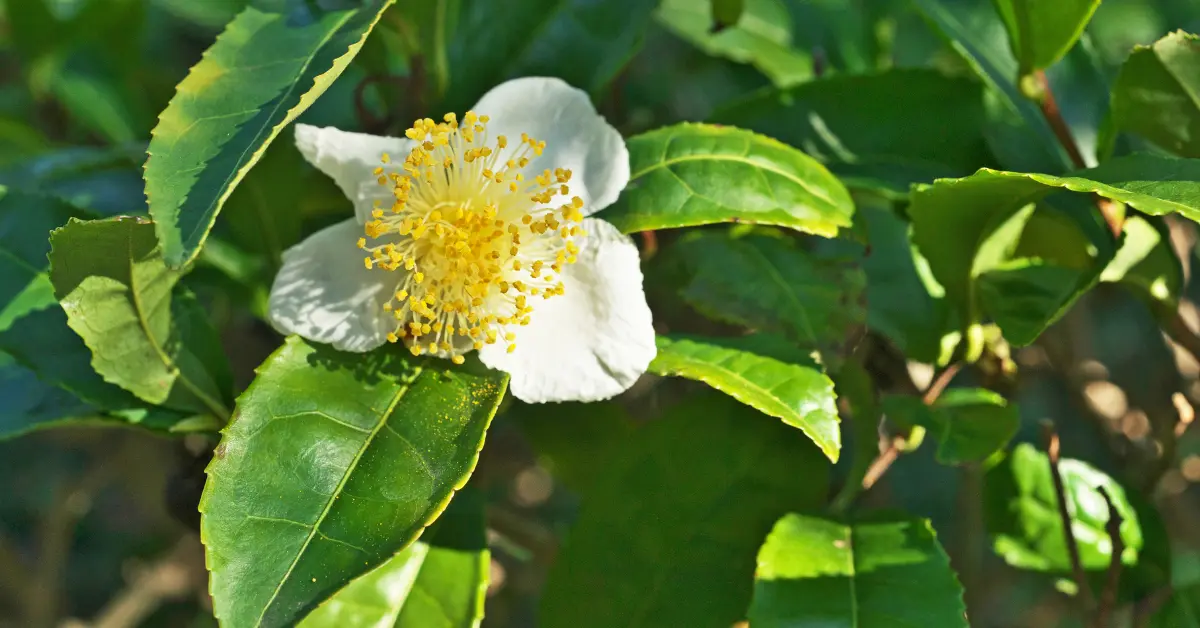
Growing Camellia Sinensis (Tea Plants) in Containers: A Complete Guide for Beginners
If you’ve ever wanted to sip a steaming, homegrown cup of fresh green, black, or [...]
Aug
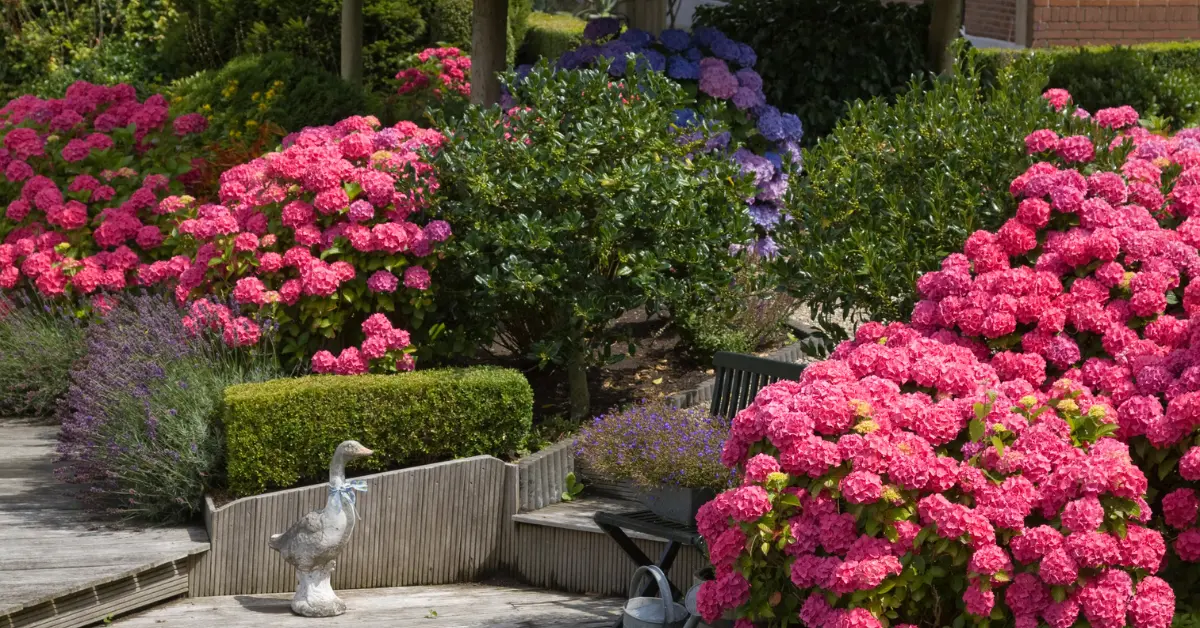
6 Best Shrubs to Plant in August You Must Try
Have you ever walked through a nursery late in the summer, admired the vibrant shrubs [...]
Aug
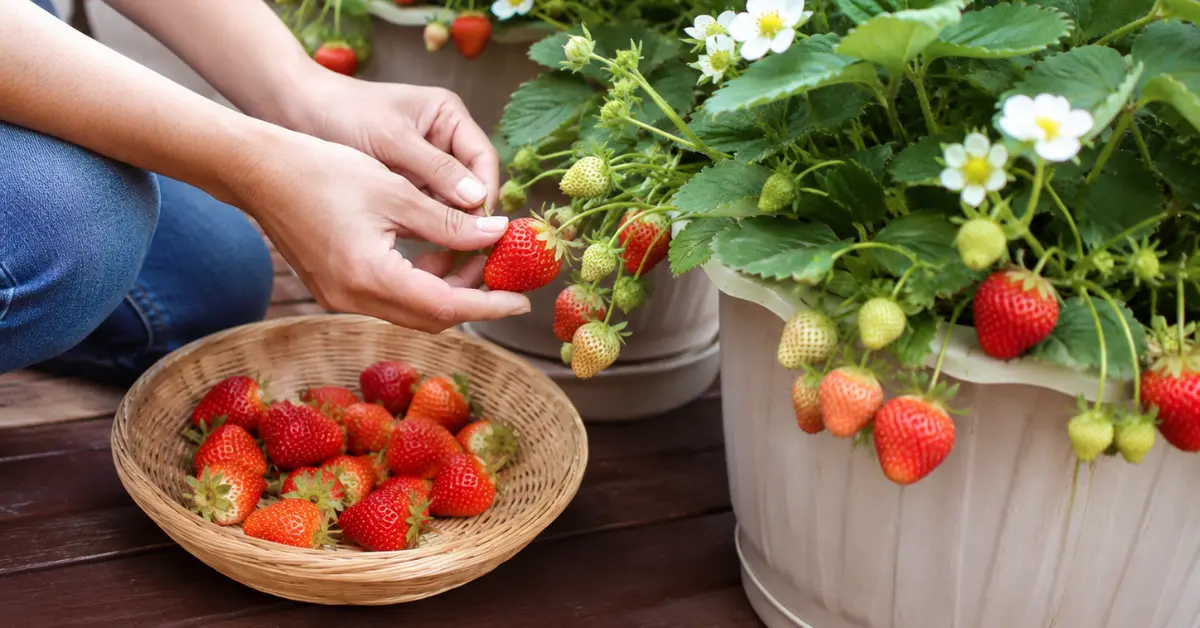
Growing Everbearing Strawberries in Containers: A Complete Guide for Beginners
Want to grow sweet, fresh strawberries but do not have a large garden? Everbearing strawberries [...]
Aug
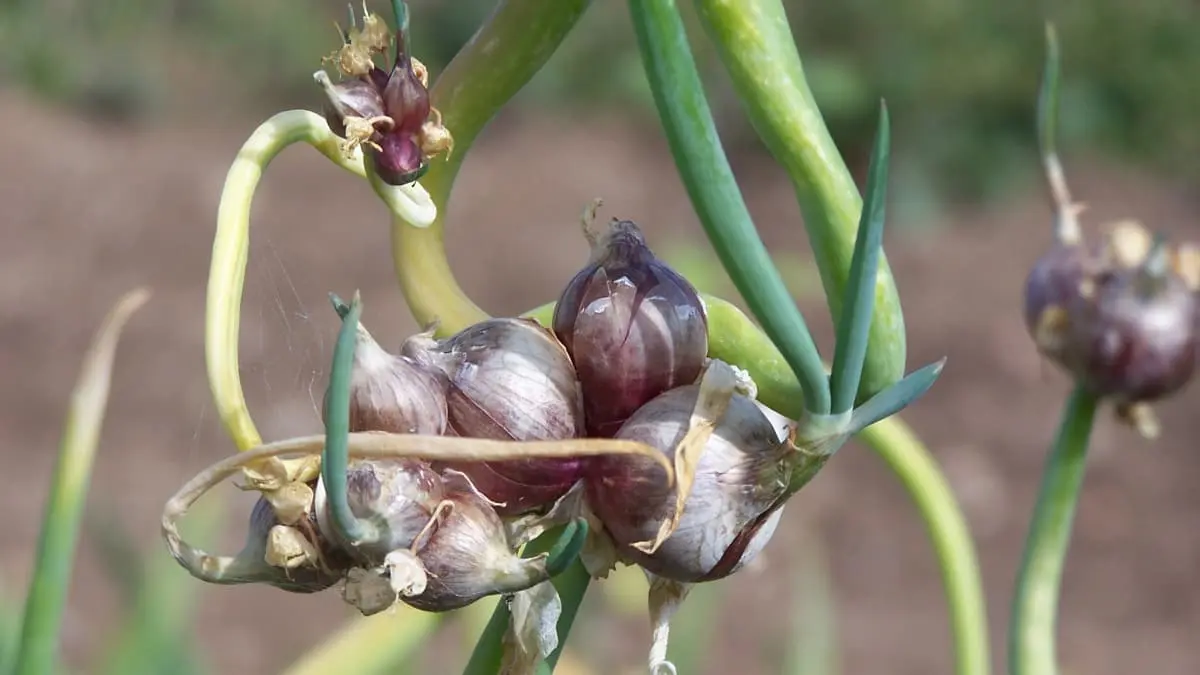
Growing Egyptian Walking Onions in Containers: A Complete Guide for Beginners
If you’re looking for a hardy, no-fuss perennial onion that keeps on giving year after [...]
Jul
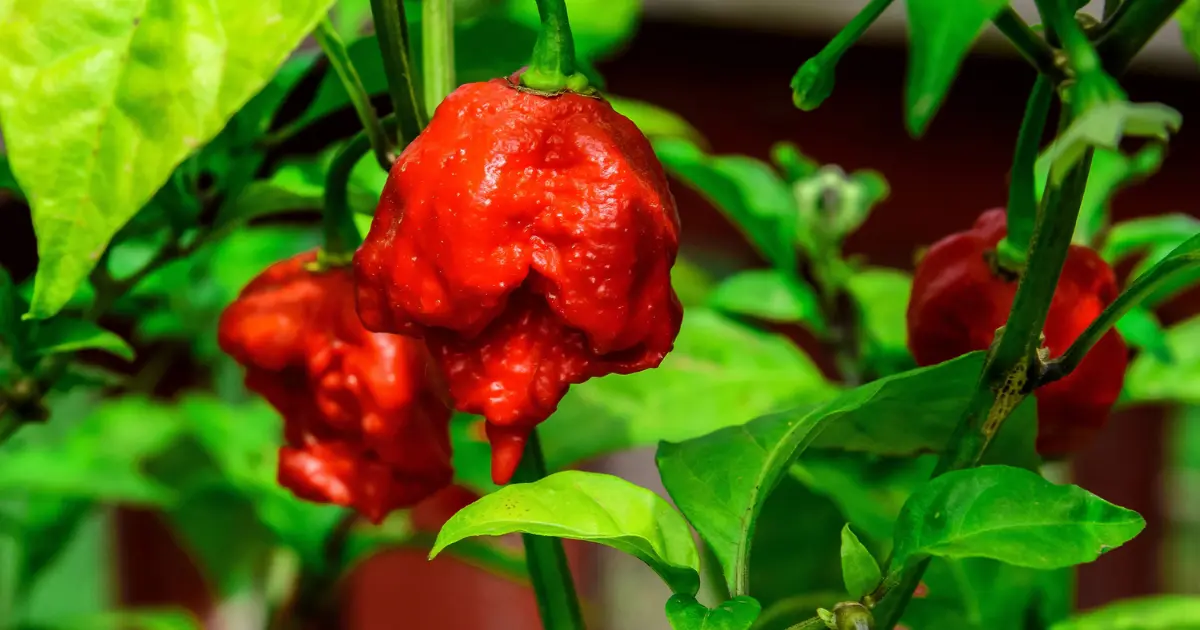
Growing Carolina Reaper Peppers in Pots: A Complete Guide for Beginners
If you’ve ever wanted to add some serious, record-breaking heat to your home cooking, you’ve [...]
May
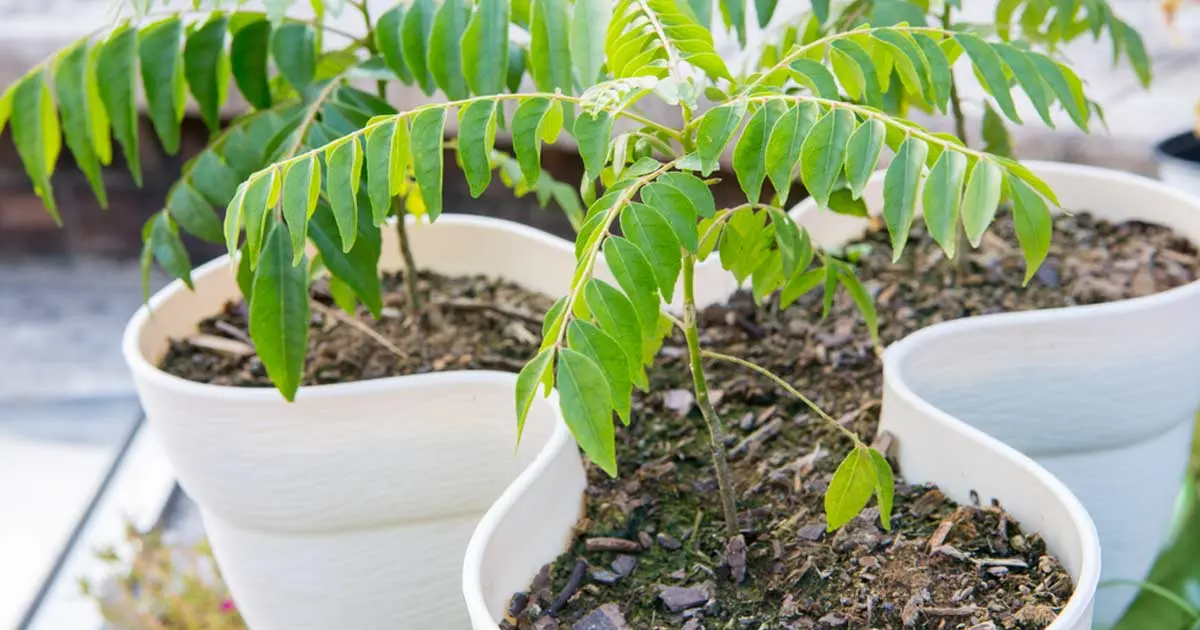
Growing Curry Leaf Plant in Pots: A Complete Guide for Beginners
If you’re a fan of authentic South Asian cuisine, you already know that nothing compares [...]
May
Reviews
There are no reviews yet.