
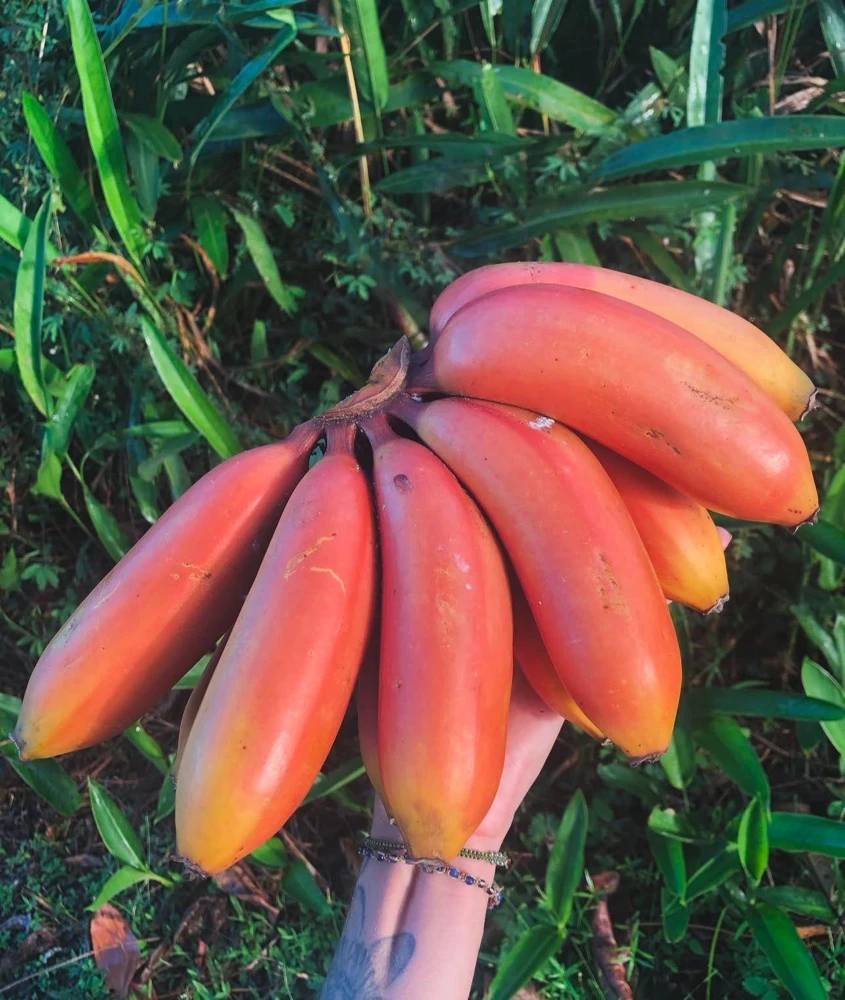
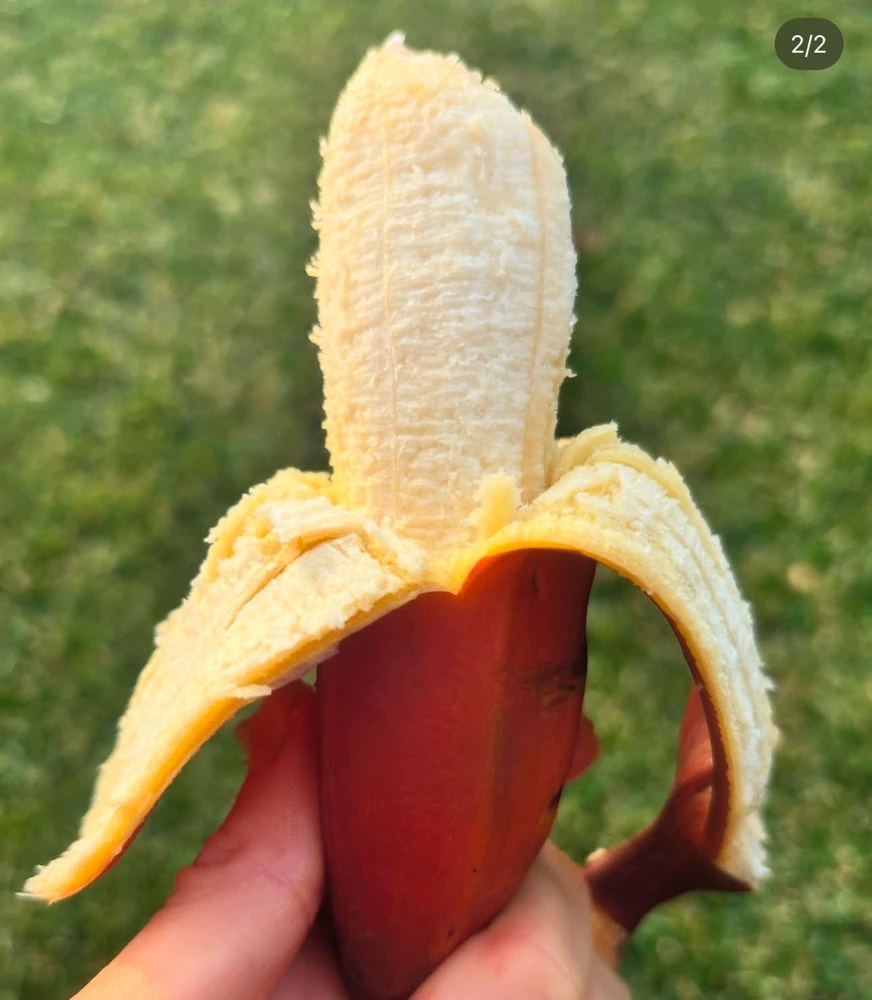
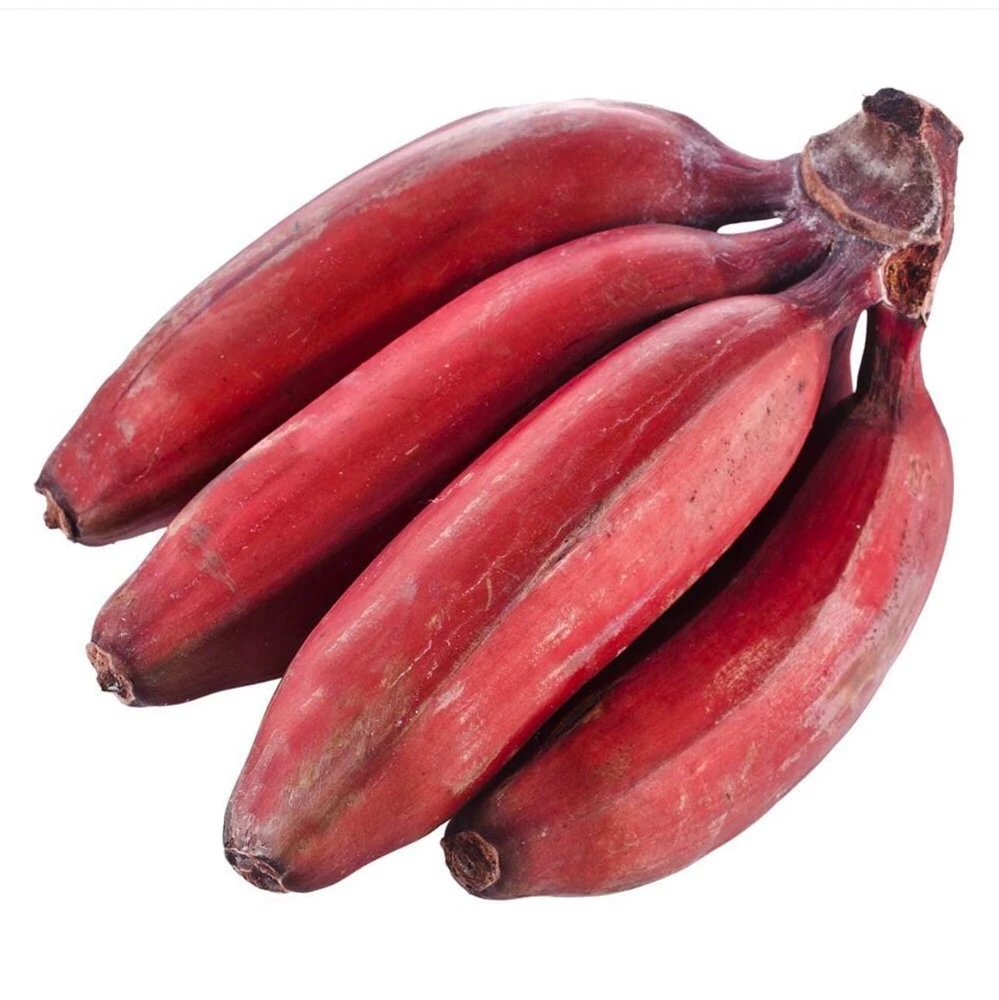
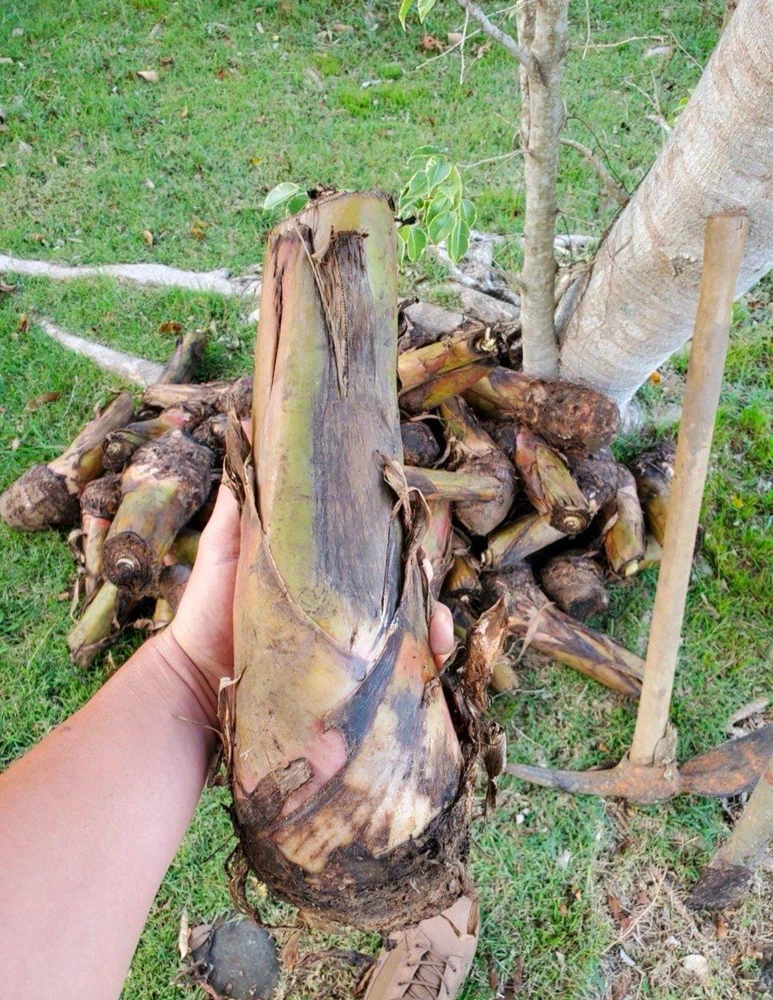
Red Banana Live Plant (Musa Acuminata) – Red Dacca Guineo Tree 10 inch – 1 foot Tall
Original price was: $125.60.$75.60Current price is: $75.60.
Cultivate your own delicious red banana live plant, also known as Musa Acuminata plant or Red Dacca banana tree. This vibrant fruit tree arrives 10 inches to 1 foot tall, ready for planting in your home garden or larger farm. Enjoy fresh, homegrown bananas with ease.
Estimated arrival
Sep 16
Sep 21 - Sep 23
Sep 26 - Sep 30

Reasonable Price
We offer reasonable price

Support 24/7
Contact us 24 hrs a day

100% Money Back
You've 30 days to Return

Payment Secure
100% secure payment
Overview
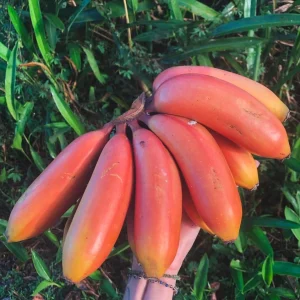
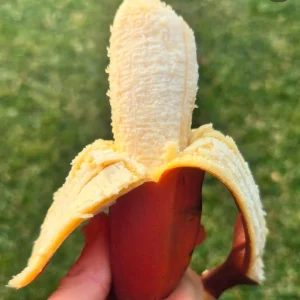
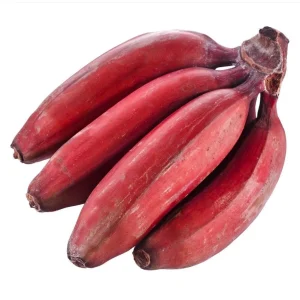
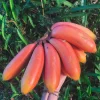
Bring the exotic taste of the tropics to your home with the red banana live plant. Also known as Musa Acuminata plant or Red Dacca banana tree, this unique and visually striking fruit tree is a fantastic addition to any garden or landscape. Renowned for its sweet, creamy fruit with a distinctive reddish-purple skin, this variety offers a delightful culinary experience. Our healthy and robust seedlings are carefully cultivated to ensure they thrive in various climates, allowing you to enjoy fresh, homegrown red bananas. This live plant is perfect for enthusiasts looking to grow their own produce and add a touch of the extraordinary to their outdoor or indoor spaces.
The red banana live plant is not just a source of delicious fruit; it’s also an attractive ornamental plant with large, lush green leaves that can create a tropical ambiance. Whether you’re an experienced gardener or just starting your journey into fruit cultivation, this Red Dacca variety provides a rewarding growing experience. It’s an excellent choice for those who appreciate organic produce and want to reduce their carbon footprint by growing their own food. Prepare to be amazed by the beauty and bounty of your very own Musa Acuminata plant.
Key Benefits
Growing your own red banana live plant offers a multitude of advantages, from the joy of fresh produce to enhancing your garden’s aesthetic appeal. This plant is a true gem for any fruit lover or gardening enthusiast:
- Delicious Homegrown Fruit: Enjoy the rich, sweet flavor and creamy texture of fresh red bananas directly from your garden. Homegrown produce often tastes superior to store-bought, and you control the growing conditions.
- High Nutritional Value: Red bananas are packed with essential vitamins and minerals, including Vitamin C, Vitamin B6, and potassium, contributing to a healthy diet.
- Exotic Garden Addition: The striking reddish-purple fruit and large, vibrant green leaves create a stunning tropical focal point in any garden or patio setting, enhancing curb appeal.
- Organic and Sustainable: By growing your own Musa Acuminata plant, you ensure that your fruit is free from pesticides and harmful chemicals, promoting a healthier lifestyle and sustainable practices.
- Relatively Easy to Grow: With proper care and attention to its needs, the Red Dacca banana tree is a resilient plant that can thrive in suitable climates, making it accessible for gardeners of various skill levels.
- Versatile Use: Beyond eating fresh, red bananas can be used in smoothies, desserts, baking, or as a healthy snack, offering a wide range of culinary possibilities.
- Conversation Starter: Owning a unique red banana live plant is sure to spark interest and admiration from friends and family, making your garden stand out.
Plant Care & Growing Tips
Caring for your red banana live plant involves providing the right environment and consistent attention to ensure optimal growth and fruit production. These plants thrive in warm, humid conditions, mimicking their tropical origins. They require ample sunlight; aim for at least 6-8 hours of direct sun per day. If growing indoors or in a greenhouse, place them in a south-facing window or use supplemental grow lights to meet their light requirements. Consistent warmth is crucial, so protect your plant from cold drafts and temperatures below 50°F (10°C).
Watering is key for the Musa Acuminata plant. Keep the soil consistently moist but not waterlogged. During hot, dry periods, you may need to water daily. Reduce watering in cooler months or if the plant is dormant. Good drainage is essential to prevent root rot, so ensure your pot or garden bed has adequate drainage holes. A rich, well-draining soil mix is ideal, preferably one high in organic matter. Fertilize regularly during the growing season (spring through fall) with a balanced, slow-release fertilizer or a liquid feed rich in potassium. Watch out for common pests like spider mites and aphids, and treat them promptly with organic insecticidal soap if detected. Proper guineo plant care will lead to a bountiful harvest.
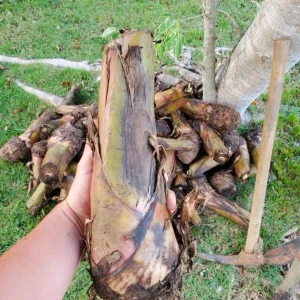
Pruning is generally minimal, focusing on removing dead or damaged leaves. As the plant matures, suckers (new shoots) will emerge from the base. You can allow a few to grow to replace the main stem after it fruits, or remove them to encourage the main plant’s energy. Protecting your Red Dacca banana tree from strong winds is also important, as their large leaves can be easily torn. If you’re wondering about growing red bananas, these tips will set you on the right path.
Size & Details
This offering is for a healthy red banana live plant, specifically a Musa Acuminata plant, that measures approximately 10 inches to 1 foot (10in-1ft) in height upon arrival. These young plants are vigorous growers and are shipped as live seedlings, carefully packaged to ensure their safe journey to your home. They are ready to be planted directly into your garden or a larger container upon receipt. The growth rate of the Red Dacca banana tree is relatively fast under ideal conditions, meaning you can expect significant development within a single growing season.
With proper guineo plant care, this plant will mature into a full-sized banana tree, typically reaching heights of 10-15 feet, though container-grown plants may remain smaller. The fruit production generally begins 18-24 months after planting, depending on growing conditions and climate. Each plant is a robust specimen, providing a strong foundation for future fruit yields. This size is ideal for establishing a new plant and observing its growth from a young stage.
Frequently Asked Questions
- Q: How big does this plant get? A: This red banana live plant arrives approximately 10 inches to 1 foot tall. When mature, it can reach heights of 10-15 feet in the ground, though container growth may result in a smaller stature.
- Q: What size pot does it come in? A: The plant is shipped as a live seedling, typically in a small nursery pot or with its root ball carefully wrapped, ready for transplanting into a larger container or directly into the garden.
- Q: Is this an indoor or outdoor plant? A: The Musa Acuminata plant can be grown outdoors in USDA Zones 9-11 or in warm, frost-free climates. In cooler regions, it can be grown in containers and brought indoors during winter, or cultivated in a greenhouse.
- Q: How much sunlight does it need? A: This Red Dacca banana tree thrives in full sun, requiring at least 6-8 hours of direct sunlight per day for optimal growth and fruit production.
- Q: Is this plant easy to care for? A: While it requires consistent watering and warmth, the red banana live plant is considered moderately easy to care for, especially for those familiar with tropical plants. Following proper guineo plant care guidelines will ensure success.
- Q: What condition will it arrive in? A: Your red banana live plant will arrive as a healthy, robust seedling, carefully packaged to minimize stress during transit. Some minor leaf yellowing may occur due to shipping but is normal.
- Q: How long until it blooms and produces fruit? A: Typically, the Musa Acuminata plant will begin to flower and produce fruit within 18-24 months after planting, given ideal growing conditions.
- Q: Can I use red bananas in cooking? A: Absolutely! Red bananas are delicious eaten fresh, but they also make excellent additions to smoothies, desserts, baked goods, and can even be cooked like plantains when unripe.
- Q: What’s the best soil for growing red bananas? A: A rich, well-draining soil mix high in organic matter is ideal for growing red bananas. Ensure good drainage to prevent waterlogging.
- Q: Will it survive winter in my zone? A: The red banana live plant is tropical and sensitive to cold. It will survive winters outdoors only in USDA Zones 9-11. In colder zones, it must be protected or brought indoors.
Be the first to review “Red Banana Live Plant (Musa Acuminata) – Red Dacca Guineo Tree 10 inch – 1 foot Tall”
-
USDA Hardiness Zone
USDA zones 9-11 (outdoors) or indoors -
Soil Type
Rich, well-draining soil high in organic matter -
Sunlight Exposure
Full sun (6-8 hours direct light daily) -
Expected Planting Period
Year-round indoors; spring to summer outdoors in suitable zones
People Also Viewd


Sold 134 products
Original price was: $3,536.00.$23.99Current price is: $23.99.

Sold 131 products
Original price was: $27.00.$24.00Current price is: $24.00.

Sold 130 products
Original price was: $89.99.$64.99Current price is: $64.99.

Sold 125 products
Original price was: $86.99.$66.99Current price is: $66.99.

Flower Bulbs
3 Cranesbill Wild Geranium Organic Maculatums Bare Roots | Wildflower for Outdoor Garden
Sold 116 products
Original price was: $21.99.$9.99Current price is: $9.99.

Sold 114 products
Original price was: $28.99.$17.99Current price is: $17.99.
Sold 110 products
Original price was: $63.99.$28.99Current price is: $28.99.
Sold 108 products
Original price was: $28.99.$17.99Current price is: $17.99.RELATED posts
Growing Camellia Sinensis (Tea Plants) in Containers: A Complete Guide for Beginners
If you’ve ever wanted to sip a steaming, homegrown cup of fresh green, black, or [...]
Aug
6 Best Shrubs to Plant in August You Must Try
Have you ever walked through a nursery late in the summer, admired the vibrant shrubs [...]
Aug
Growing Everbearing Strawberries in Containers: A Complete Guide for Beginners
Want to grow sweet, fresh strawberries but do not have a large garden? Everbearing strawberries [...]
Aug
Growing Egyptian Walking Onions in Containers: A Complete Guide for Beginners
If you’re looking for a hardy, no-fuss perennial onion that keeps on giving year after [...]
Jul
Growing Carolina Reaper Peppers in Pots: A Complete Guide for Beginners
If you’ve ever wanted to add some serious, record-breaking heat to your home cooking, you’ve [...]
May
Growing Curry Leaf Plant in Pots: A Complete Guide for Beginners
If you’re a fan of authentic South Asian cuisine, you already know that nothing compares [...]
May
5 Tips for Growing Carolina Reaper Peppers to Get the Spiciest Harvest Ever
Holding the record for one of the world’s hottest peppers, the Reaper isn’t just a [...]
May
Best Fertilizers for Zoysia Grass in 2026: Get a Lush Lawn
As we enter the new year, the time has come to think about how we [...]
Apr
Reviews
There are no reviews yet.