
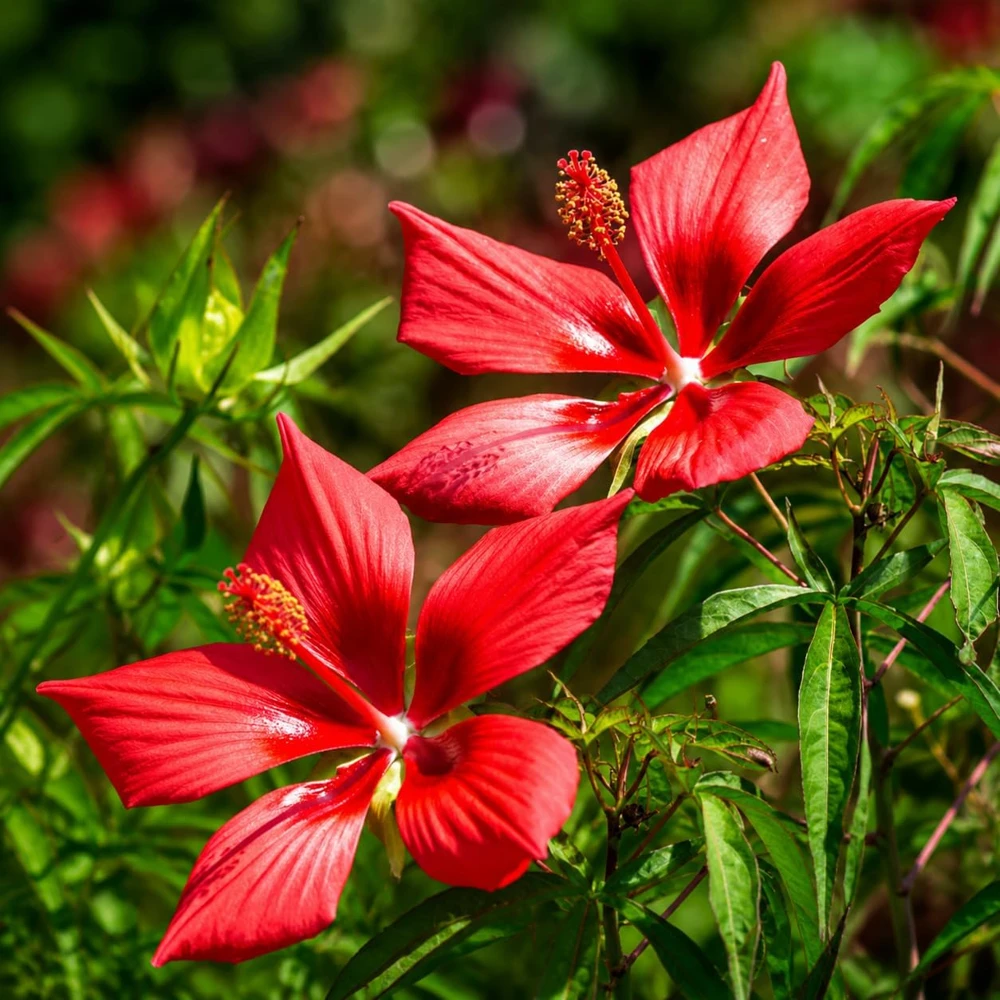
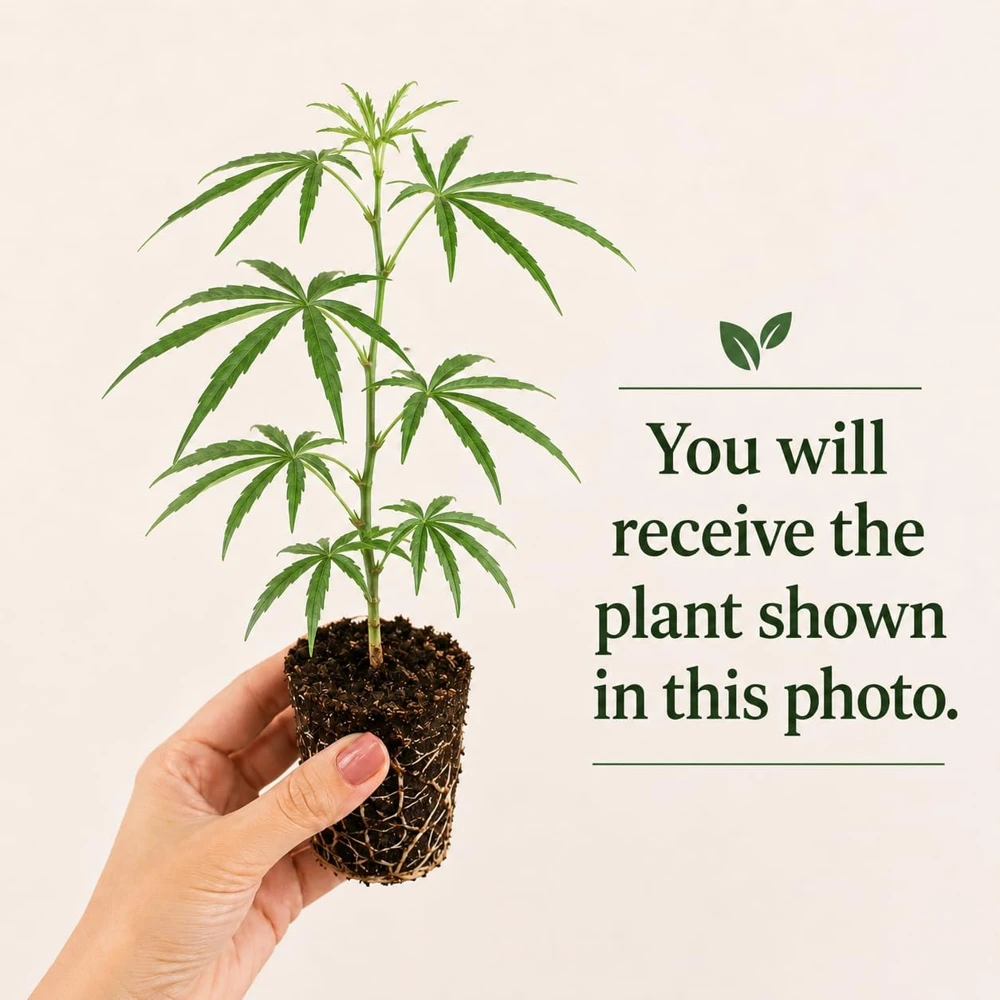
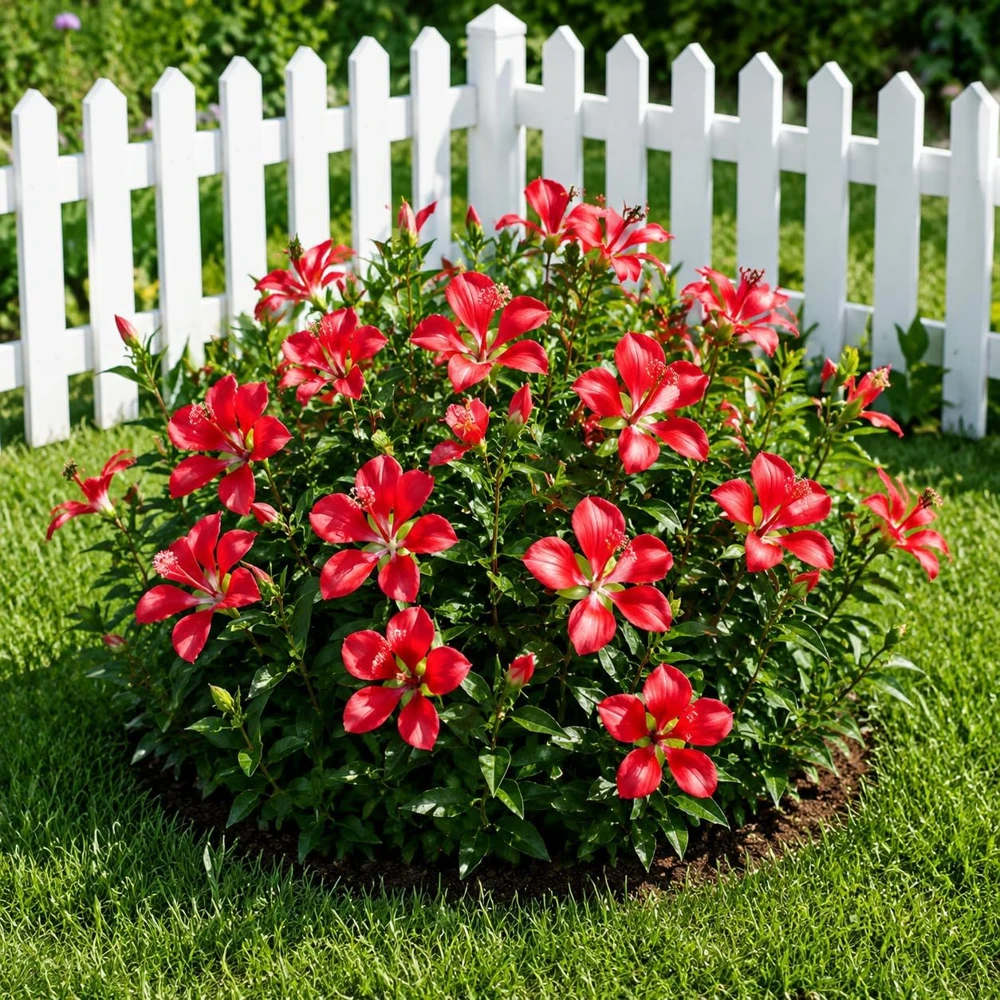
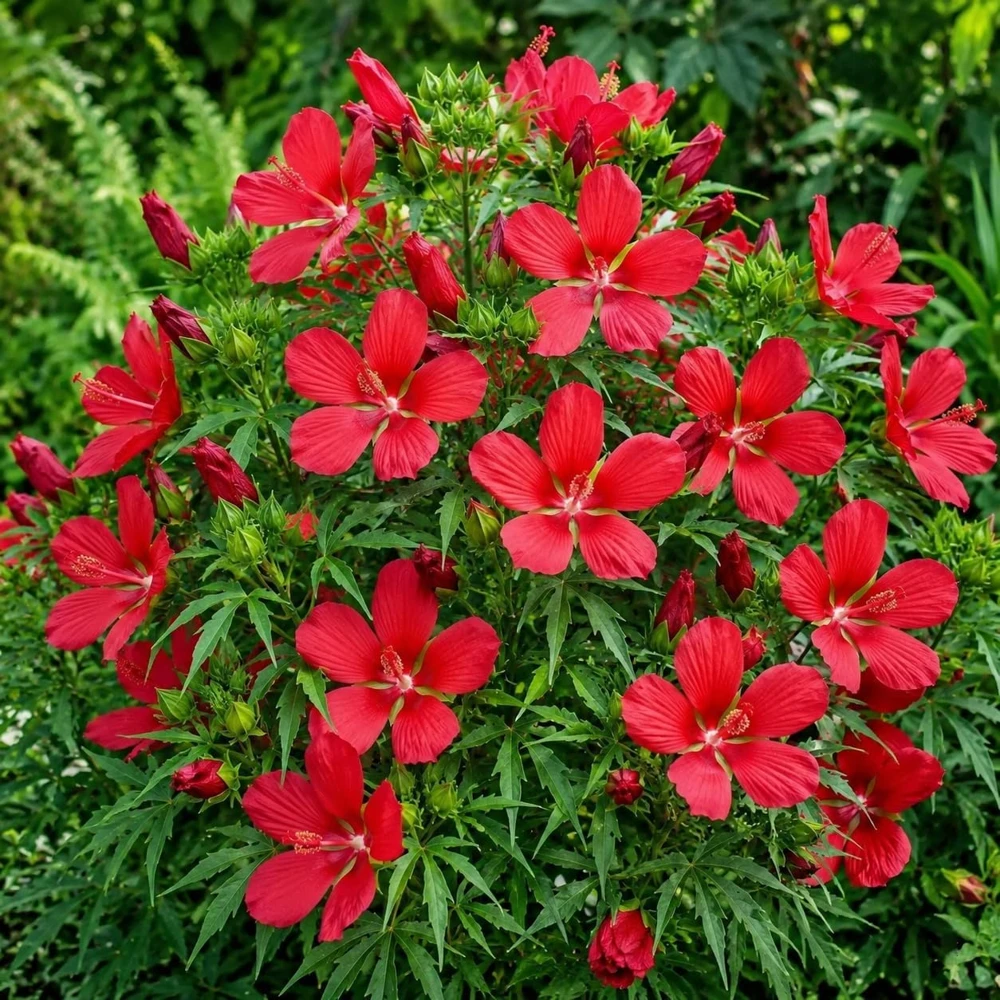
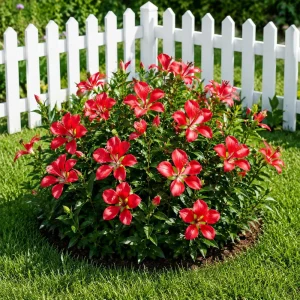
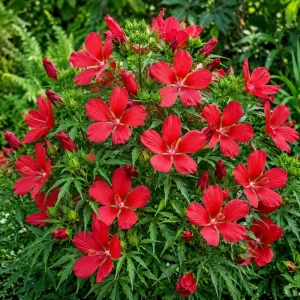
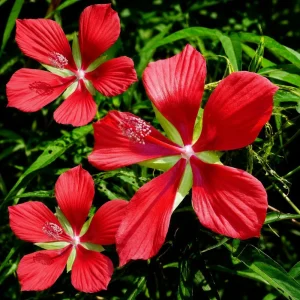
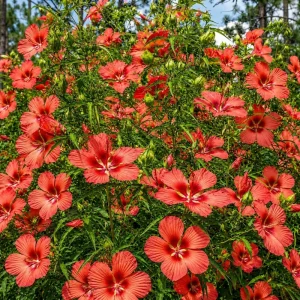
Red Hibiscus Live Plant, Tropical Flowering Shrub, 4-8 Inch Tall, Outdoor
Original price was: $41.99.$16.99Current price is: $16.99.
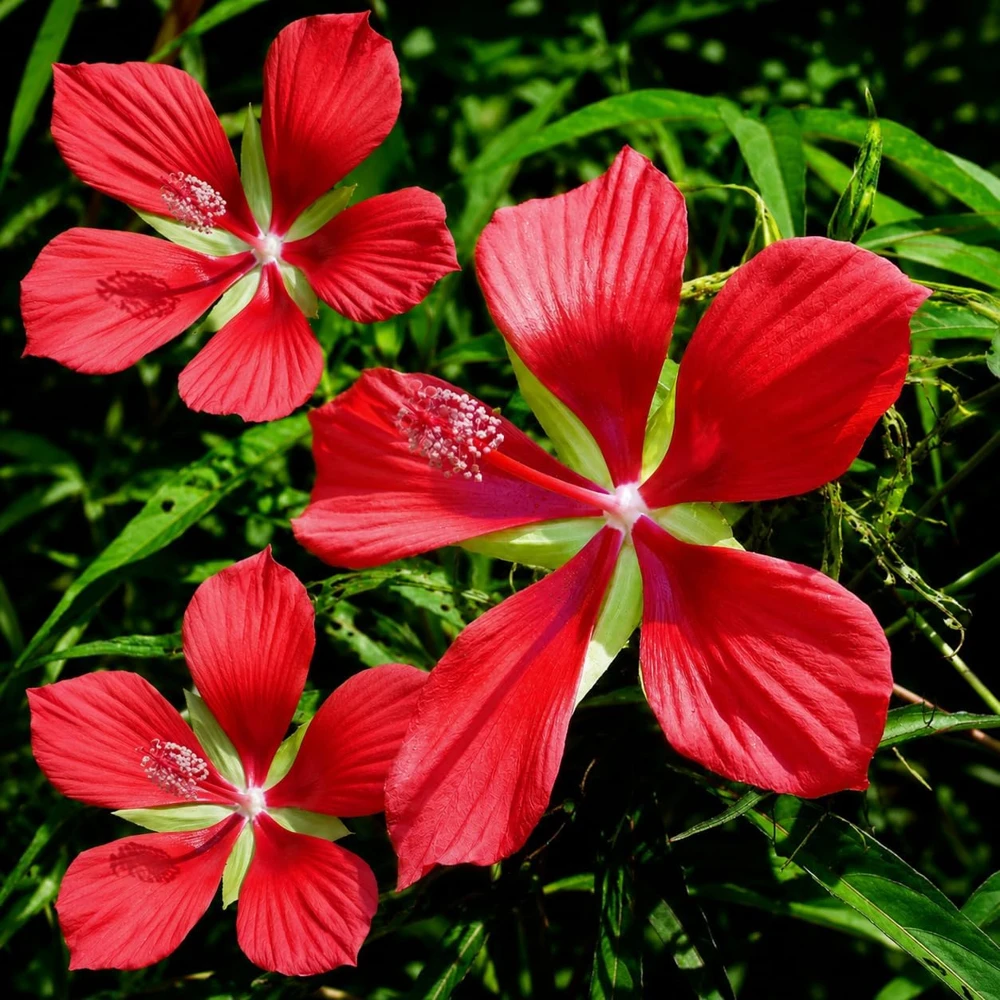
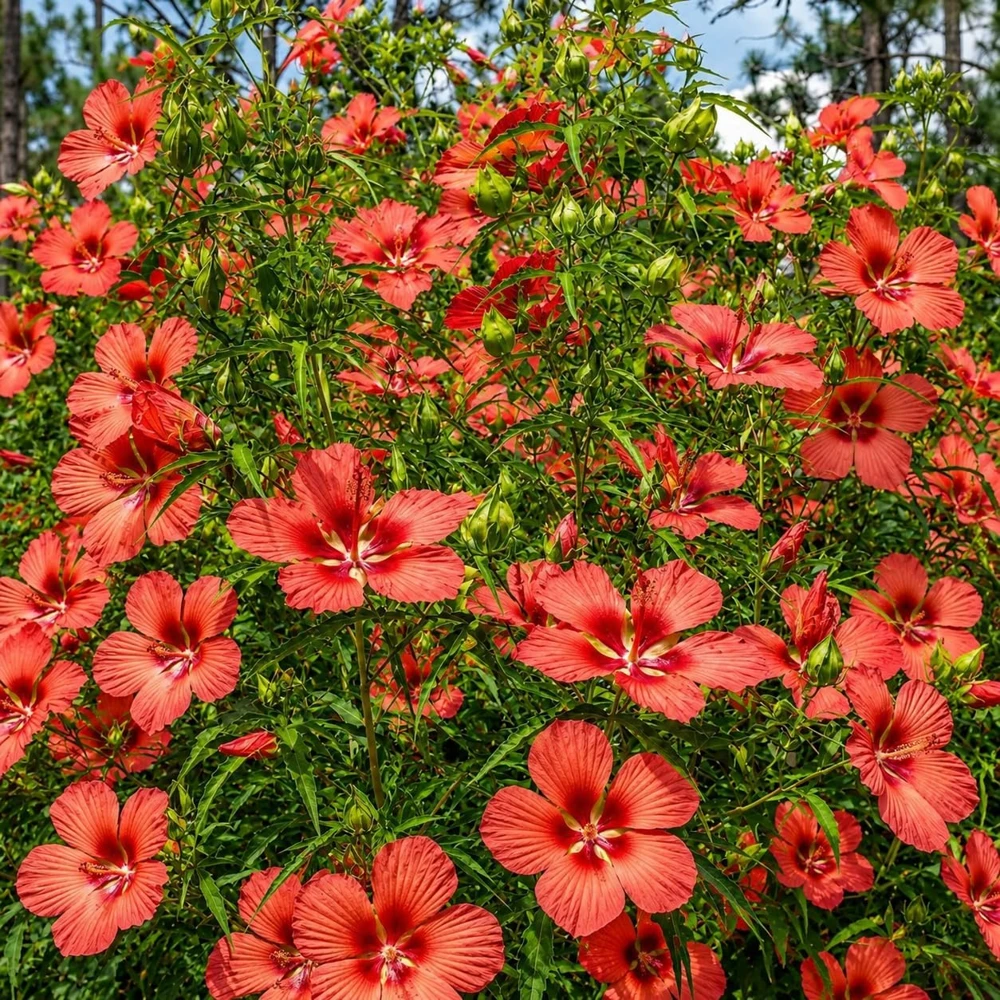
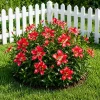
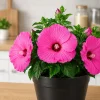
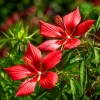
Bring vibrant color to your garden with this beautiful red hibiscus live plant. Perfect for outdoor landscapes, this 4-8 inch tall tropical flowering shrub produces stunning red blooms throughout summer and early fall, attracting pollinators and adding exotic appeal.
Estimated arrival
Sep 17
Sep 22 - Sep 24
Sep 27 - Oct 01

Reasonable Price
We offer reasonable price

Support 24/7
Contact us 24 hrs a day

100% Money Back
You've 30 days to Return

Payment Secure
100% secure payment
Overview
Introduce a splash of vibrant color and tropical elegance to your garden with a stunning red hibiscus live plant. This beautiful specimen, often known for its large, showy flowers, is a fantastic addition to any outdoor landscape. Standing approximately 4-8 inches tall, this young plant is ready to be established in your garden, promising a spectacular display of crimson blooms. The hibiscus is a popular choice for gardeners seeking to create an exotic and inviting atmosphere, and its robust nature makes it a rewarding plant to cultivate. Known for its resilience and ability to thrive in warm climates, this tropical hibiscus plant will transform your outdoor space into a vibrant sanctuary, attracting hummingbirds and butterflies with its striking blossoms.
Our red hibiscus live plant is carefully cultivated to ensure a healthy start in your garden. This particular variety is celebrated for its brilliant red flowers, which stand out against its lush green foliage. Ideal for USDA Zones 6-9, it’s a versatile plant that can be grown in various settings, from garden beds to large containers. Prepare to enjoy a continuous show of blooms from summer through early fall, adding consistent beauty and life to your outdoor living areas. Whether you’re an experienced gardener or just starting, growing a hibiscus can be a truly fulfilling experience, offering visual delight and a connection to nature.
Key Benefits
Adding a red hibiscus live plant to your garden offers numerous advantages, enhancing both the aesthetic and ecological value of your outdoor space. These plants are not only visually appealing but also contribute positively to the local environment.
- Stunning Visual Appeal: The primary benefit is the breathtaking beauty of its large, trumpet-shaped red flowers. These vibrant blooms create a dramatic focal point in any garden, drawing the eye and uplifting the spirit. The intense color provides a striking contrast against green foliage.
- Extended Blooming Season: Enjoy continuous flowering from summer to early fall. This prolonged period of bloom ensures your garden remains colorful and lively for many months, making it a valuable asset for seasonal interest.
- Attracts Pollinators: The bright flowers are a magnet for hummingbirds, butterflies, and bees, contributing to the biodiversity of your garden. This natural pollination helps support the ecosystem and can benefit other plants in your yard.
- Versatile Landscaping Plant: This red flowering shrub can be used in various garden designs, including hedges, borders, or as a standalone specimen. It also thrives in large pots, making it suitable for patios, balconies, or smaller gardens where space is limited.
- Relatively Low Maintenance: Once established, hibiscus plants are quite resilient and require moderate care. With proper watering and sunlight, they will flourish, making them a good choice for gardeners looking for impactful yet manageable plants.
- Tropical Ambiance: The exotic appearance of the hibiscus instantly evokes a tropical paradise feel, transforming your garden into a serene and inviting retreat. This adds a unique character and charm to your outdoor living space.
- Symbolic Meaning: In many cultures, hibiscus flowers symbolize beauty, glory, and passion, adding a layer of cultural significance to your garden. This can make your garden not just beautiful, but also meaningful.
Plant Care & Growing Tips
Caring for your red hibiscus live plant is straightforward, and with the right conditions, it will reward you with an abundance of beautiful blooms. Understanding its needs for light, water, and soil is crucial for healthy growth and prolific flowering. This tropical hibiscus plant thrives in warm environments and benefits from consistent attention, especially during its growing season.
Sunlight Requirements: Hibiscus plants, especially this red flowering shrub, demand full sun exposure to produce the most blooms. This means they need at least 6-8 hours of direct sunlight per day. In extremely hot climates, some afternoon shade can prevent leaf scorch, but generally, more sun equals more flowers. Position your plant in a south-facing location or an area of your garden that receives ample, unobstructed sunlight throughout the day for best results. Insufficient light can lead to leggy growth and fewer flowers, so ensuring adequate light is key for a thriving plant.
Watering Schedule and Soil Moisture: These plants prefer consistently moist, but not waterlogged, soil. Water regularly, especially during hot weather and dry spells. The soil should feel moist to the touch about an inch down. Reduce watering slightly in cooler months or during the plant’s dormant period. Good drainage is paramount; soggy soil can lead to root rot. If growing in a pot, ensure it has drainage holes. Overwatering is a common mistake, so always check the soil moisture before watering again. Proper hydration is vital for the health and blooming of your hibiscus care regimen.
Soil Type and Drainage: A well-draining soil is essential for hibiscus. A rich, loamy soil with a slightly acidic to neutral pH (6.0-7.0) is ideal. You can amend heavy clay soils with organic matter like compost or peat moss to improve drainage and fertility. For potted plants, a high-quality potting mix designed for flowering plants or tropicals works best. Ensure the soil allows water to pass through freely, as standing water can be detrimental to the plant’s root system. The right soil environment is fundamental for the longevity and vitality of your plant.
Temperature Range and USDA Hardiness Zone: The red hibiscus live plant thrives in temperatures between 65°F and 90°F. It is best suited for USDA Zones 6-9, meaning it can tolerate winter temperatures down to around 0°F to -10°F with proper protection in the lower end of that range. In colder zones, it can be grown as an annual or brought indoors during winter. Frost can severely damage or kill the plant, so protect it if temperatures are expected to drop below freezing. Understanding the ideal temperature range is critical for successful outdoor hibiscus cultivation.
Fertilization Schedule and Type: Feed your hibiscus regularly during its active growing season (spring through fall) with a balanced fertilizer, or one slightly higher in potassium and phosphorus to encourage blooming. A slow-release granular fertilizer or a liquid feed applied every 2-4 weeks works well. Avoid fertilizers high in phosphorus, as this can be detrimental to hibiscus. Always follow the product instructions for application rates. Reduce or stop fertilizing during the winter months when the plant’s growth slows down.
Common Problems and Solutions: Watch out for common pests like aphids, spider mites, and whiteflies. These can usually be managed with insecticidal soap or neem oil. Yellowing leaves can indicate overwatering, nutrient deficiency, or pest issues. Lack of blooms might be due to insufficient sunlight, improper fertilization, or stress. Regular inspection and prompt action can keep your hibiscus healthy and free from major problems. Addressing these issues proactively is part of good hibiscus care.
Size & Details
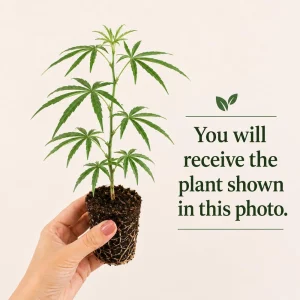
This offering is for a red hibiscus live plant, typically measuring 4-8 inches tall upon arrival. It is shipped as a bare-root plant, meaning it will not come in a pot, which is a common and efficient method for shipping plants to minimize stress and ensure healthy transit. The plant is a young, vigorous specimen, ready for immediate planting in your garden bed or a suitable container. While its initial size is modest, with proper care, this red flowering shrub will grow into a robust and beautiful plant, reaching mature heights and widths that can vary based on growing conditions and specific variety, generally ranging from 3 to 6 feet tall and wide.
The growth rate of the tropical hibiscus plant is considered moderate to fast, meaning you can expect to see significant development and flowering within its first year, especially during the warm growing season. Blooming typically begins in summer and continues through early fall, providing months of vibrant color. This plant is a long-lived perennial in its favored USDA Zones 6-9, capable of providing years of beauty with appropriate hibiscus care. Once established, its lush foliage and striking red flowers will become a prominent feature in your landscape, adding an exotic flair to your outdoor living space. Prepare for a continuous display of vivid blooms that will attract and delight.
Frequently Asked Questions
- Q: How big does this plant get? A: This red hibiscus live plant arrives 4-8 inches tall. With proper care and optimal growing conditions, it can mature into a shrub typically reaching 3 to 6 feet in height and width, though mature size can vary depending on the specific variety and climate.
- Q: Is this an indoor or outdoor plant? A: This is primarily an outdoor hibiscus plant, thriving in garden beds or large containers in USDA Zones 6-9. In colder climates (below Zone 6), it can be grown as an annual or brought indoors during the winter months to protect it from frost.
- Q: How much sunlight does it need? A: For the best blooming performance, your red hibiscus live plant requires full sun, meaning at least 6-8 hours of direct sunlight per day. Adequate sunlight is crucial for producing its vibrant red flowers.
- Q: Is this plant easy to care for? A: Yes, once established, hibiscus plants are considered relatively easy to care for. They require consistent watering, plenty of sunlight, and occasional fertilization. Following basic hibiscus care guidelines will ensure a healthy and productive plant.
- Q: What condition will it arrive in? A: The plant will arrive as a bare-root specimen, meaning it will be shipped without a pot and with minimal soil around its roots. This method helps reduce shipping stress and is standard practice for many live plant shipments.
- Q: How long until it blooms? A: Given its current size, your tropical hibiscus plant should begin to produce its beautiful red flowers during its first growing season, typically starting in summer and continuing into early fall, provided it receives adequate light and care.
- Q: When is the best time to plant? A: The best time to plant your red hibiscus live plant is in spring after the last frost, allowing it ample time to establish its root system before the heat of summer and the onset of winter.
- Q: Will it survive winter in my zone? A: This hibiscus is hardy in USDA Zones 6-9. If you are in Zone 6 or higher, it should survive winter outdoors. In colder zones, it will need to be protected from freezing temperatures or brought indoors.
- Q: What kind of soil does it prefer? A: It prefers well-draining, rich, loamy soil with a slightly acidic to neutral pH. Good drainage is critical to prevent root rot, ensuring the health of your red flowering shrub.
- Q: Does this plant attract pests? A: Like many outdoor plants, hibiscus can occasionally attract pests such as aphids, spider mites, or whiteflies. Regular inspection and prompt treatment with organic solutions like insecticidal soap can keep your plant healthy.
Be the first to review “Red Hibiscus Live Plant, Tropical Flowering Shrub, 4-8 Inch Tall, Outdoor”
-
USDA Hardiness Zone
6-9 -
Soil Type
Well-draining, rich, loamy soil -
Sunlight Exposure
Full sun -
Expected Planting Period
Spring to early summer
People Also Viewd


Sold 134 products
Original price was: $3,536.00.$23.99Current price is: $23.99.

Sold 131 products
Original price was: $89.99.$64.99Current price is: $64.99.

Sold 131 products
Original price was: $27.00.$24.00Current price is: $24.00.

Sold 125 products
Original price was: $86.99.$66.99Current price is: $66.99.

Flower Bulbs
3 Cranesbill Wild Geranium Organic Maculatums Bare Roots | Wildflower for Outdoor Garden
Sold 116 products
Original price was: $21.99.$9.99Current price is: $9.99.

Sold 114 products
Original price was: $28.99.$17.99Current price is: $17.99.
Sold 110 products
Original price was: $63.99.$28.99Current price is: $28.99.
Sold 108 products
Original price was: $28.99.$17.99Current price is: $17.99.RELATED posts
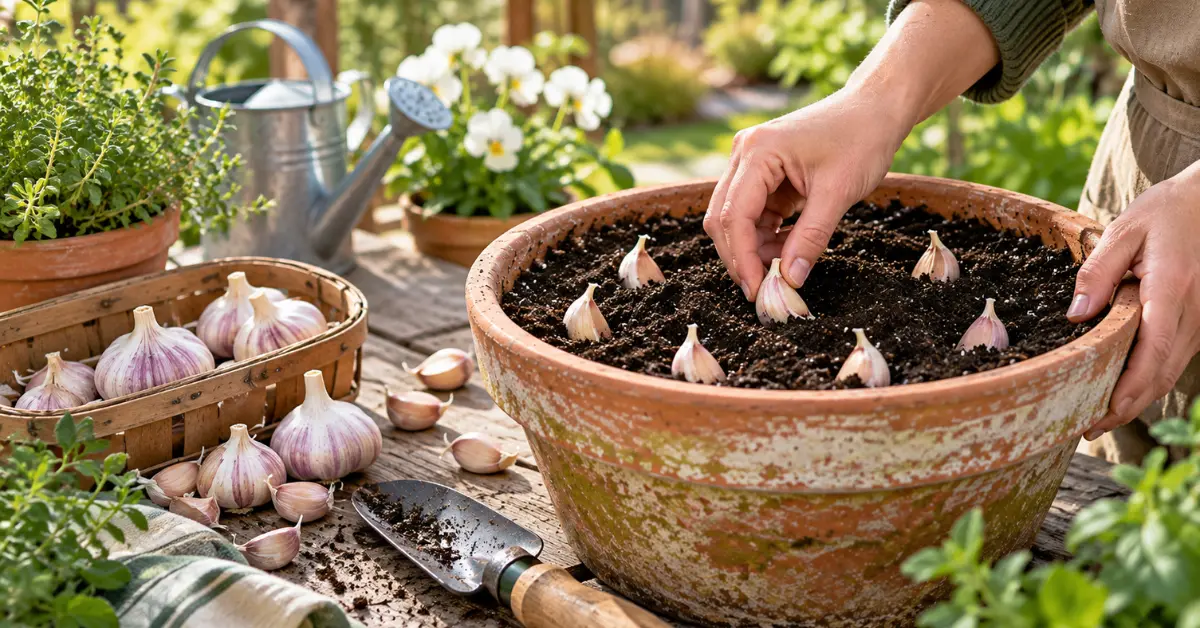
Growing Garlic in Containers This Fall: A Complete Guide for Beginners
If you’ve ever wanted to pop fresh, aromatic garlic cloves straight from your own patio [...]
Sep
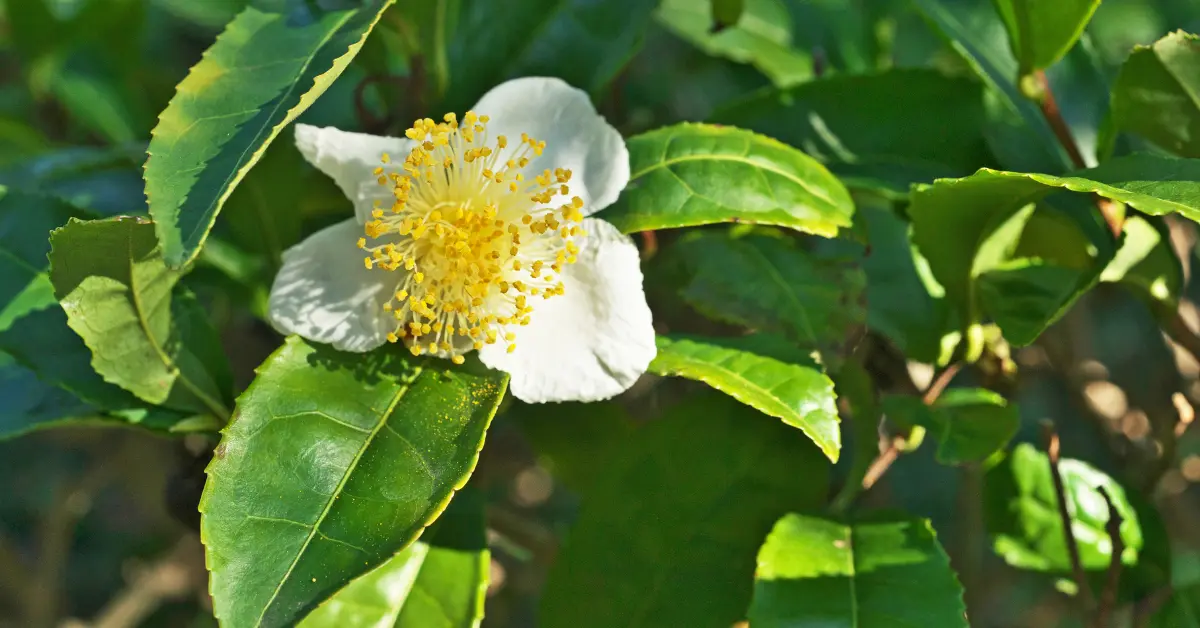
Growing Camellia Sinensis (Tea Plants) in Containers: A Complete Guide for Beginners
If you’ve ever wanted to sip a steaming, homegrown cup of fresh green, black, or [...]
Aug
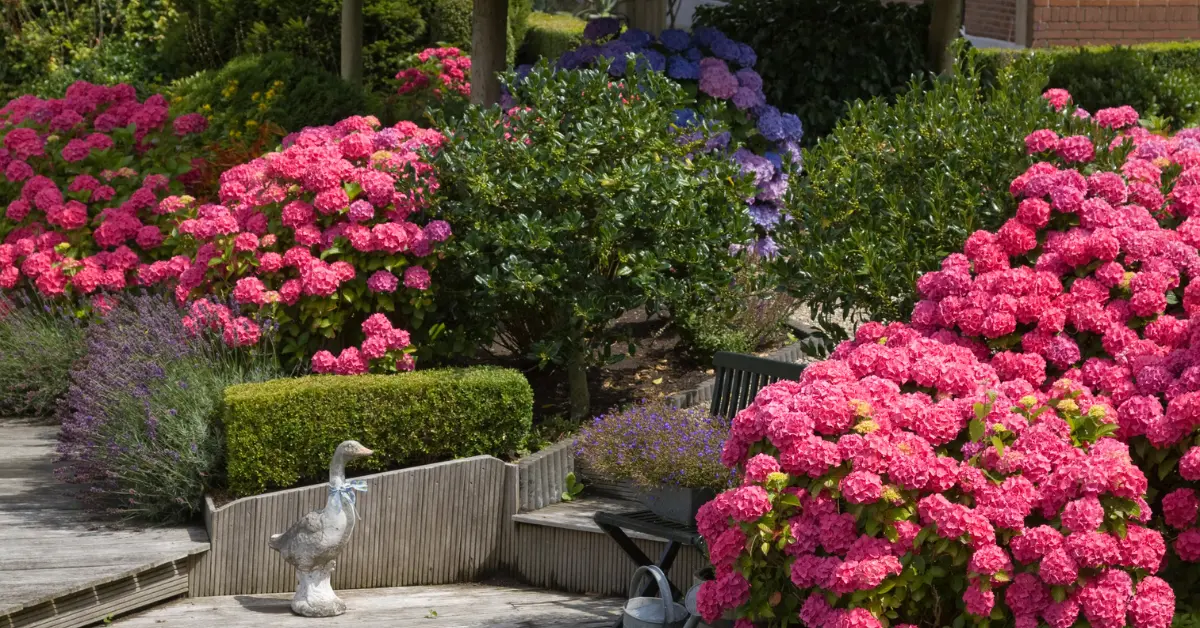
6 Best Shrubs to Plant in August You Must Try
Have you ever walked through a nursery late in the summer, admired the vibrant shrubs [...]
Aug
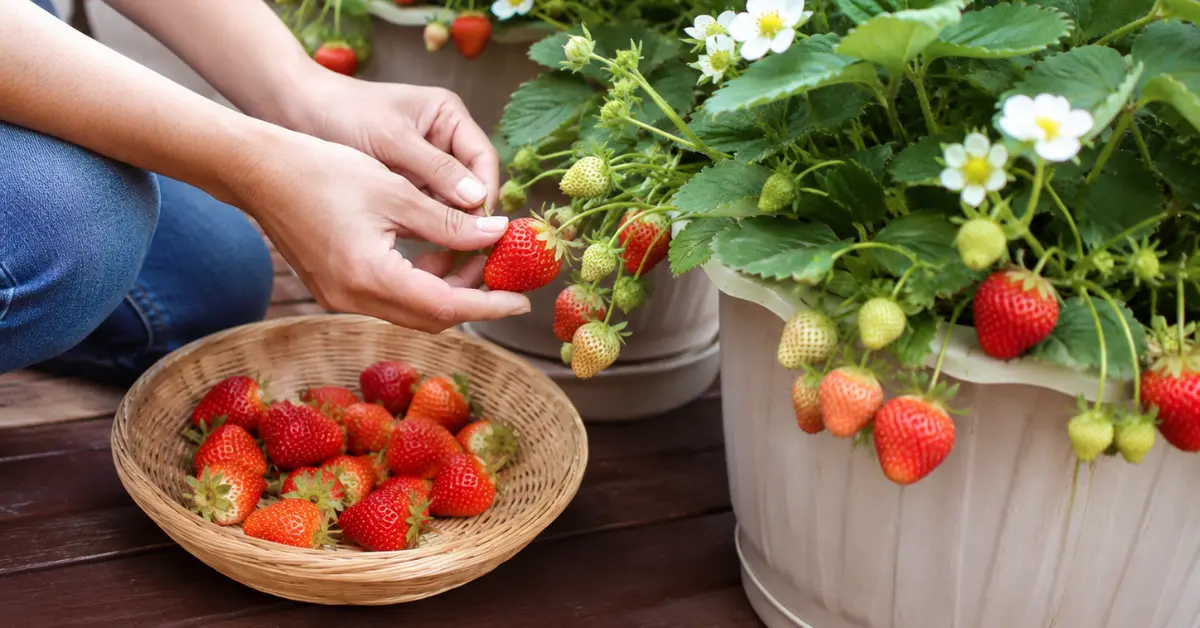
Growing Everbearing Strawberries in Containers: A Complete Guide for Beginners
Want to grow sweet, fresh strawberries but do not have a large garden? Everbearing strawberries [...]
Aug
Growing Egyptian Walking Onions in Containers: A Complete Guide for Beginners
If you’re looking for a hardy, no-fuss perennial onion that keeps on giving year after [...]
Jul
Growing Carolina Reaper Peppers in Pots: A Complete Guide for Beginners
If you’ve ever wanted to add some serious, record-breaking heat to your home cooking, you’ve [...]
May
Growing Curry Leaf Plant in Pots: A Complete Guide for Beginners
If you’re a fan of authentic South Asian cuisine, you already know that nothing compares [...]
May
5 Tips for Growing Carolina Reaper Peppers to Get the Spiciest Harvest Ever
Holding the record for one of the world’s hottest peppers, the Reaper isn’t just a [...]
May
Reviews
There are no reviews yet.