
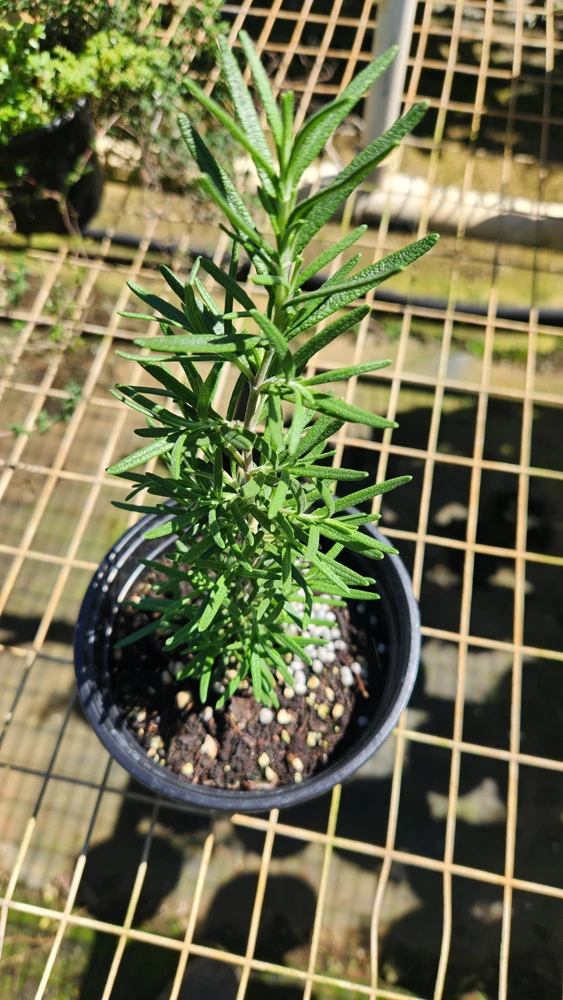
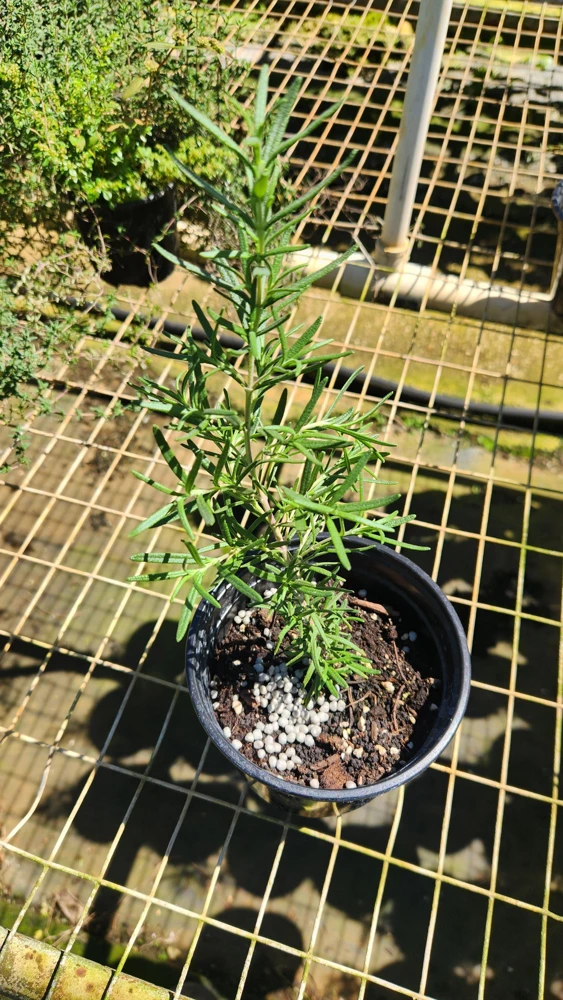
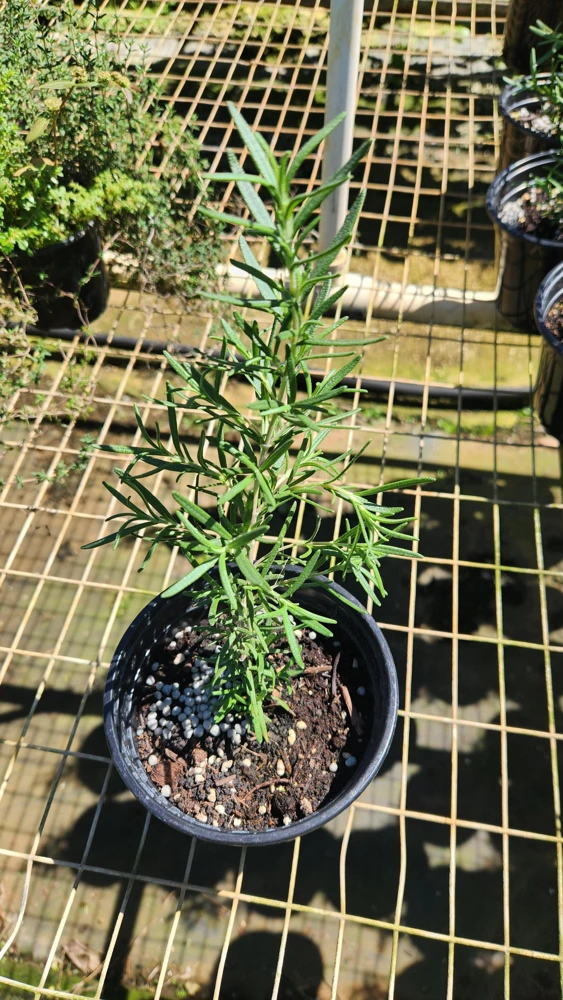
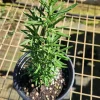
Rosemary Live Plant – Rosmarinus officinalis (10″ to 20″) – Culinary Herb
Original price was: $120.65.$70.65Current price is: $70.65.
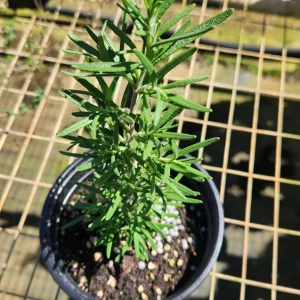
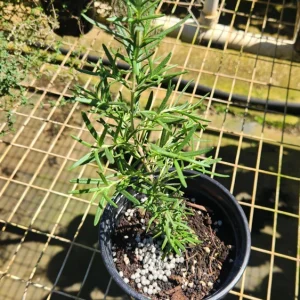
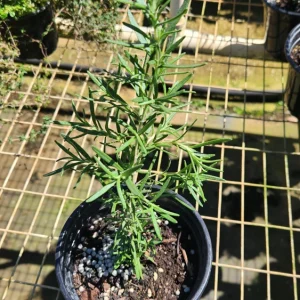
Bring the delightful aroma and flavor of the Mediterranean to your home with this healthy rosemary live plant. Standing 10-20 inches tall, this Rosmarinus officinalis plant is perfect for culinary gardens, ornamental landscaping, or as an attractive potted herb.
Estimated arrival
Sep 17
Sep 22 - Sep 24
Sep 27 - Oct 01

Reasonable Price
We offer reasonable price

Support 24/7
Contact us 24 hrs a day

100% Money Back
You've 30 days to Return

Payment Secure
100% secure payment
Overview
Transform your garden or kitchen with a beautiful rosemary live plant, Rosmarinus officinalis. This aromatic perennial herb, also known as Salvia rosmarinus, is cherished worldwide for its distinctive fragrance, culinary versatility, and ornamental beauty. Native to the sun-drenched Mediterranean region, this rosemary live plant brings a touch of classic elegance and functionality to any space. Whether you’re an experienced gardener or just starting, growing rosemary is a rewarding experience, offering both visual appeal and a constant supply of fresh herbs for your cooking.
Our rosemary live plant is carefully cultivated to ensure a robust and healthy specimen, ready to thrive in its new environment. Known for its narrow, dark green leaves and often silvery underside, rosemary offers a unique texture and color contrast in garden beds or containers. It’s a fantastic choice for those looking to add a resilient and beneficial plant to their collection.
Key Benefits
A rosemary live plant offers a multitude of benefits, making it an indispensable addition to any home or garden. Its strong, resinous aroma and flavor are just the beginning of what this remarkable herb provides:
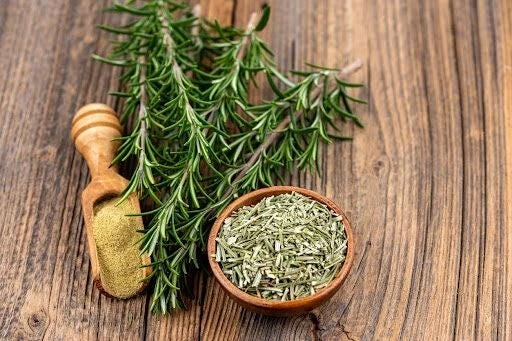
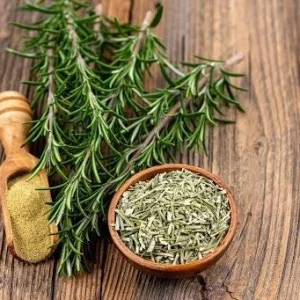
- Culinary Excellence: Fresh rosemary is a staple in Mediterranean cuisine, perfect for seasoning meats, fish, vegetables, stews, and bread. Elevate your dishes with the intense, fragrant notes of freshly picked leaves from your own culinary rosemary plant.
- Aromatic Appeal: The distinctive scent of rosemary is known for its invigorating and calming properties. Use sprigs to freshen your home or create aromatic sachets.
- Ornamental Beauty: With its upright growth habit and attractive foliage, a Rosmarinus officinalis plant serves as an excellent ornamental shrub, hedge, or container plant, adding structure and year-round greenery.
- Pollinator Magnet: The small, delicate blue, purple, or white flowers that typically appear in spring and summer are a magnet for bees and other beneficial pollinators, supporting local ecosystems.
- Drought Tolerance: Thanks to its deep root system, drought tolerant rosemary is an ideal choice for xeriscaping or gardens in arid climates, requiring less water once established.
- Low Maintenance: This hardy herb is relatively easy to care for, thriving with minimal intervention once established, making it suitable for both novice and experienced gardeners.
- Medicinal Properties: Historically, rosemary has been valued for its traditional medicinal uses, including supporting memory and digestion.
Plant Care & Growing Tips
Caring for your rosemary live plant is straightforward, ensuring a long-lasting and productive herb. Rosemary thrives in conditions similar to its native Mediterranean habitat, preferring plenty of sunlight and well-draining soil. Understanding these basic needs is key to successfully growing rosemary.
Sunlight Requirements: Provide your rosemary live plant with at least 6-8 hours of direct sunlight per day. It performs best in full sun, so choose a south-facing location outdoors or a bright, sunny window indoors. Insufficient light can lead to leggy growth and reduced aromatic intensity. For indoor plants, consider supplemental grow lights during darker winter months.
Watering: Rosemary is a drought tolerant rosemary variety once established. Water thoroughly when the top 1-2 inches of soil feel dry to the touch, then allow the soil to dry out almost completely before watering again. Overwatering is a common cause of rosemary decline, as it can lead to root rot. Ensure good drainage to prevent waterlogging. During cooler months or when grown indoors, reduce watering frequency.
Soil Type and Drainage: The ideal soil for growing rosemary is well-draining, sandy, or loamy soil with a slightly acidic to neutral pH (6.0-7.0). If planting in a container, use a good quality potting mix amended with perlite or sand to improve drainage. Good air circulation around the roots is crucial for a healthy Rosmarinus officinalis plant.
Temperature and Hardiness: Rosemary prefers warm temperatures but can tolerate light frost. Most varieties are hardy in USDA Zones 8-10, though some can survive in Zone 7 with winter protection. If you live in a colder climate, it’s best to grow your culinary rosemary plant in a container that can be moved indoors during winter. Protect from harsh winds and extreme cold.
Fertilization: Rosemary is not a heavy feeder. A light application of a balanced, slow-release fertilizer in spring is usually sufficient. Avoid over-fertilizing, as this can promote lush foliage at the expense of aromatic oil production. For potted plants, a diluted liquid fertilizer every 4-6 weeks during the growing season can be beneficial.
Pruning: Prune your rosemary live plant regularly to maintain its shape, promote bushier growth, and encourage new foliage. You can harvest sprigs as needed for culinary use. Avoid cutting back more than one-third of the plant at a time. Pruning also helps improve air circulation, reducing the risk of fungal diseases.
Size & Details
This rosemary live plant is typically shipped at a height of 10 to 20 inches, providing a substantial and well-established plant ready to thrive in your garden or container. Rosemary can ultimately reach heights of up to 1.5 meters (approximately 5 feet) in ideal outdoor conditions, though it is often pruned to maintain a more manageable size in gardens and pots. It develops a deep root system, contributing to its resilience and drought tolerance. This Rosmarinus officinalis plant is provided as a healthy, rooted specimen, carefully packaged to ensure its safe arrival. Expect steady growth with proper care, providing you with fresh herbs for years to come.
Frequently Asked Questions
- Q: How big does this rosemary live plant get? A: This plant typically arrives between 10 to 20 inches tall. With proper care, it can grow up to 5 feet tall, though it can be easily maintained at a smaller size through regular pruning.
- Q: Is this an indoor or outdoor plant? A: This rosemary live plant can thrive both indoors and outdoors. Outdoors, it prefers full sun. Indoors, place it in a bright, sunny window where it receives at least 6-8 hours of direct light daily.
- Q: How much sunlight does it need? A: Rosemary requires a minimum of 6 hours of direct sunlight per day to grow optimally and develop its strong aroma and flavor. More sun is generally better for this culinary rosemary plant.
- Q: Is this plant easy to care for? A: Yes, rosemary is considered a relatively easy plant to care for, especially once established. Its drought tolerant rosemary nature makes it forgiving of occasional neglect, but consistent care promotes the best growth.
- Q: What condition will it arrive in? A: Your rosemary live plant will arrive as a healthy, rooted specimen, carefully packaged to minimize stress during transit. It will be ready for planting in your garden or a larger pot upon arrival.
- Q: Can I use this rosemary in cooking? A: Absolutely! This Rosmarinus officinalis plant is a culinary delight. Its leaves are perfect for seasoning a wide variety of dishes, from roasted meats to vegetables and breads.
- Q: When is the best time to plant rosemary? A: The best time for growing rosemary outdoors is in spring after the last frost. If growing indoors, it can be planted any time of year.
- Q: Will it survive winter in my zone? A: Rosemary is generally hardy in USDA Zones 8-10. In colder zones (7 and below), it’s recommended to grow it in a container and bring it indoors for winter protection.
- Q: What’s the minimum temperature this plant can tolerate? A: Established rosemary plants can tolerate light frosts, but prolonged freezing temperatures below 20°F (-6°C) can be damaging. Move potted plants indoors if temperatures are expected to drop significantly.
- Q: Is this rosemary live plant drought tolerant? A: Yes, rosemary is highly drought tolerant once its root system is established, making it an excellent choice for water-wise gardens.
Be the first to review “Rosemary Live Plant – Rosmarinus officinalis (10″ to 20″) – Culinary Herb”
-
USDA Hardiness Zone
USDA Zones 8-10 (can be grown as annual or indoors in colder zones) -
Soil Type
Well-draining, sandy, or loamy soil -
Sunlight Exposure
Full sun (6-8+ hours direct sunlight) -
Expected Planting Period
Spring to early summer (outdoors), year-round (indoors)
People Also Viewd
Sold 134 products
Original price was: $3,536.00.$23.99Current price is: $23.99.
Sold 131 products
Original price was: $27.00.$24.00Current price is: $24.00.
Sold 131 products
Original price was: $89.99.$64.99Current price is: $64.99.

Sold 125 products
Original price was: $86.99.$66.99Current price is: $66.99.
Flower Bulbs
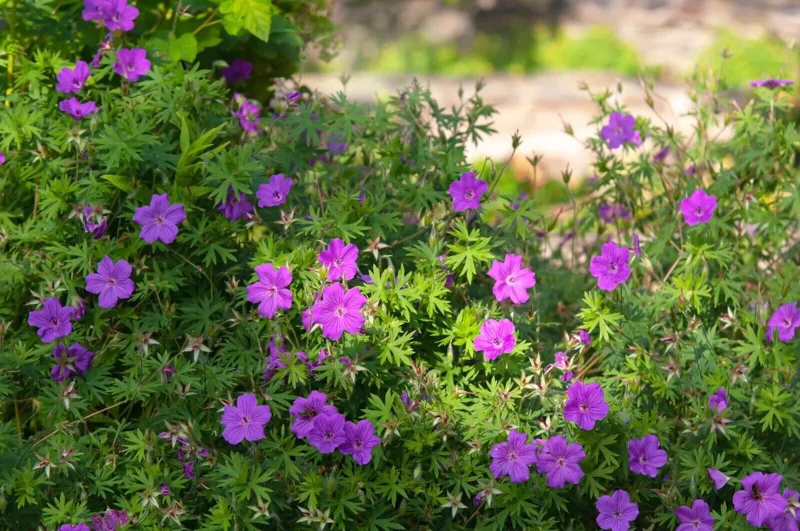
3 Cranesbill Wild Geranium Organic Maculatums Bare Roots | Wildflower for Outdoor Garden
Sold 116 products
Original price was: $21.99.$9.99Current price is: $9.99.
Sold 114 products
Original price was: $28.99.$17.99Current price is: $17.99.
Sold 110 products
Original price was: $63.99.$28.99Current price is: $28.99.
Sold 108 products
Original price was: $28.99.$17.99Current price is: $17.99.RELATED posts
Growing Garlic in Containers This Fall: A Complete Guide for Beginners
If you’ve ever wanted to pop fresh, aromatic garlic cloves straight from your own patio [...]
Sep
Growing Camellia Sinensis (Tea Plants) in Containers: A Complete Guide for Beginners
If you’ve ever wanted to sip a steaming, homegrown cup of fresh green, black, or [...]
Aug
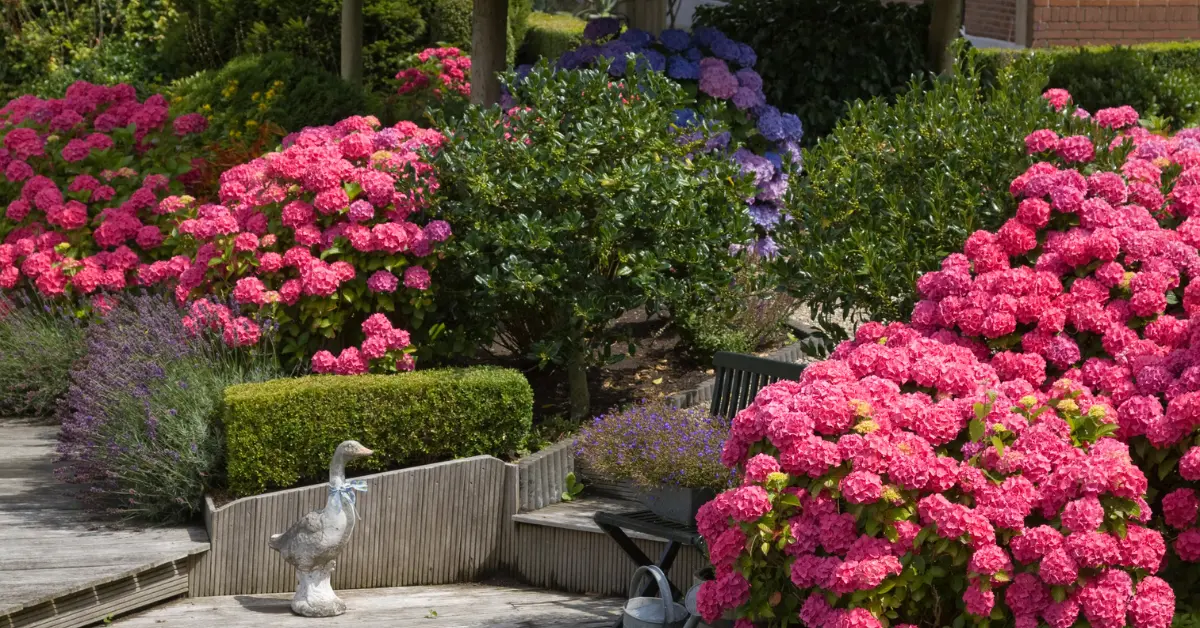
6 Best Shrubs to Plant in August You Must Try
Have you ever walked through a nursery late in the summer, admired the vibrant shrubs [...]
Aug
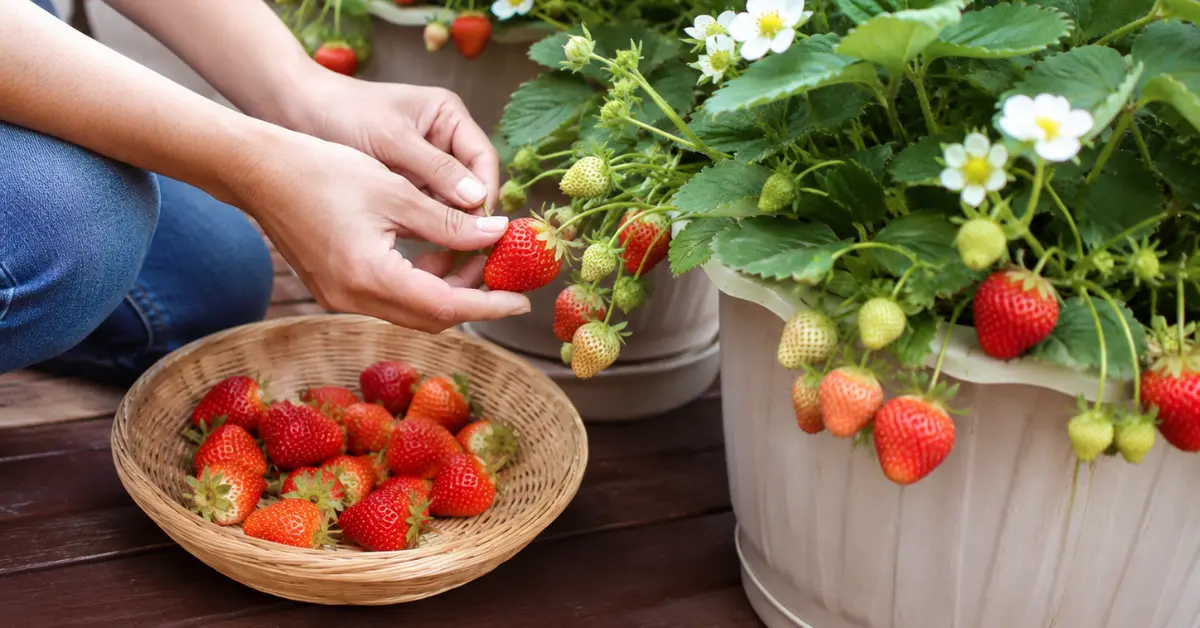
Growing Everbearing Strawberries in Containers: A Complete Guide for Beginners
Want to grow sweet, fresh strawberries but do not have a large garden? Everbearing strawberries [...]
Aug
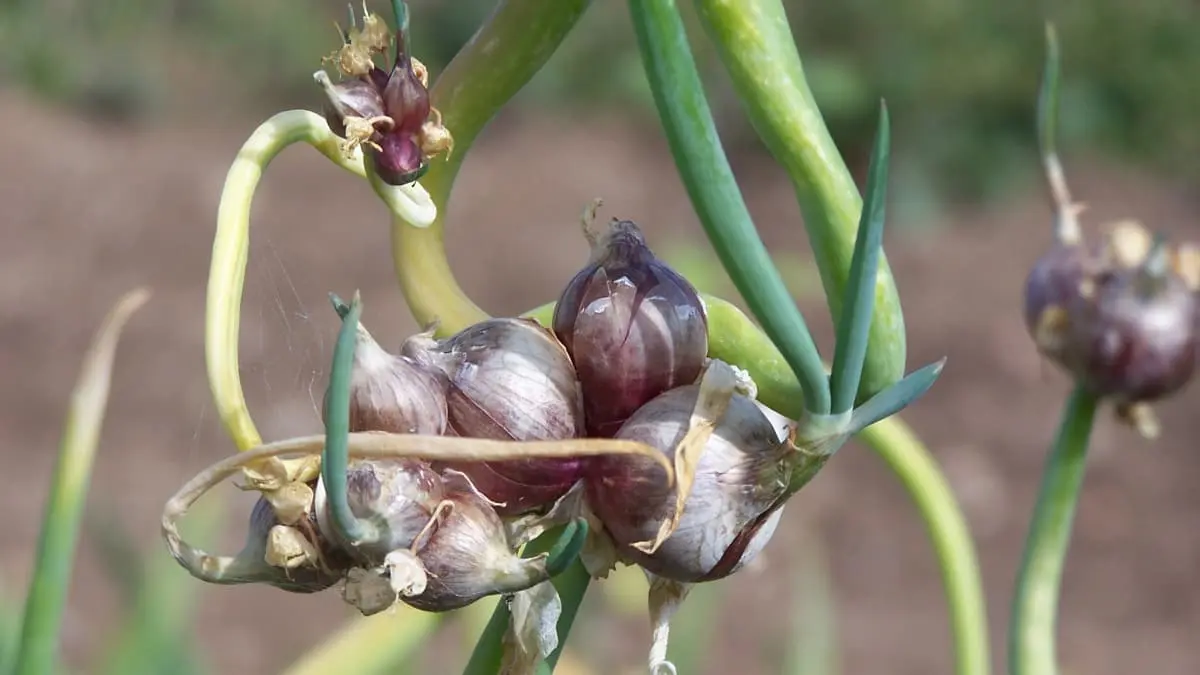
Growing Egyptian Walking Onions in Containers: A Complete Guide for Beginners
If you’re looking for a hardy, no-fuss perennial onion that keeps on giving year after [...]
Jul
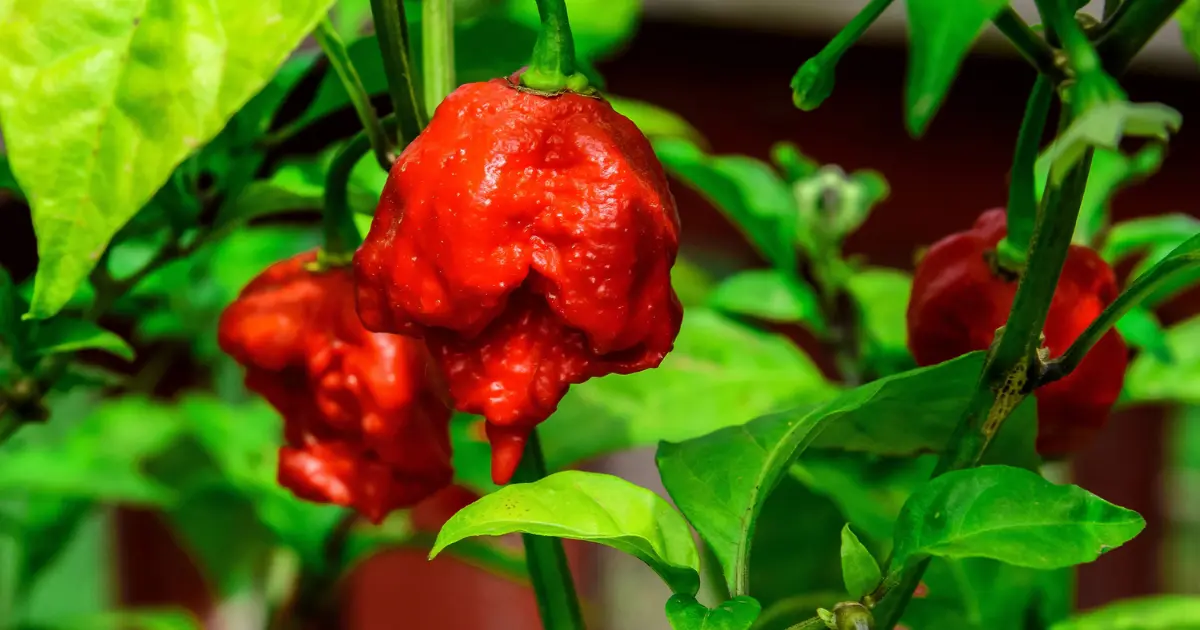
Growing Carolina Reaper Peppers in Pots: A Complete Guide for Beginners
If you’ve ever wanted to add some serious, record-breaking heat to your home cooking, you’ve [...]
May
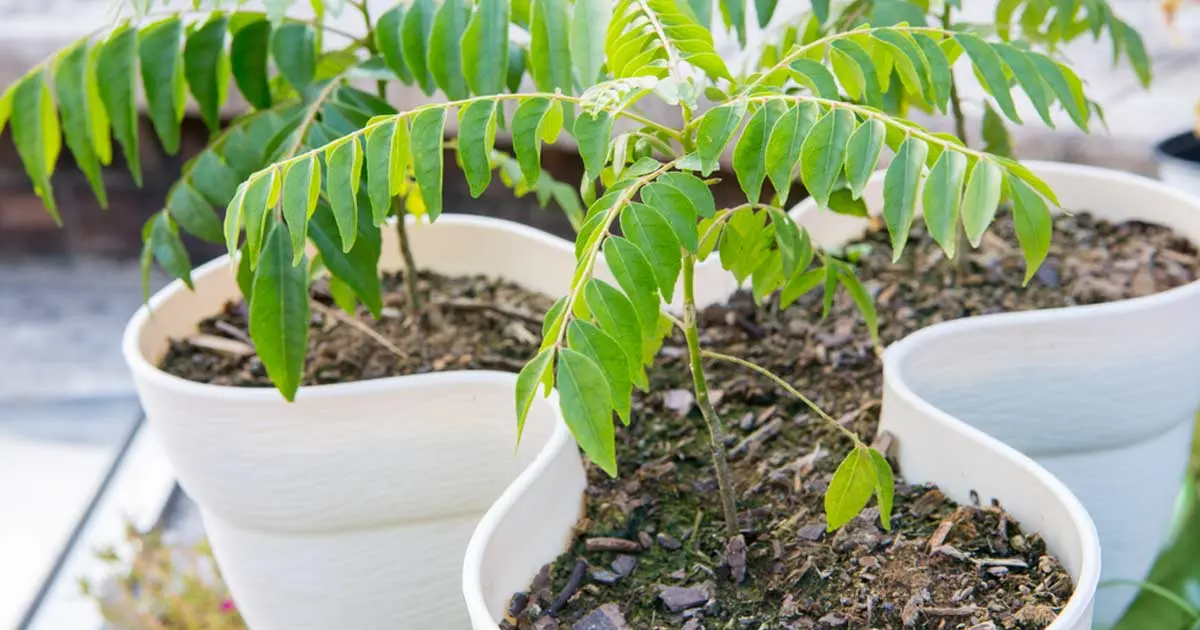
Growing Curry Leaf Plant in Pots: A Complete Guide for Beginners
If you’re a fan of authentic South Asian cuisine, you already know that nothing compares [...]
May
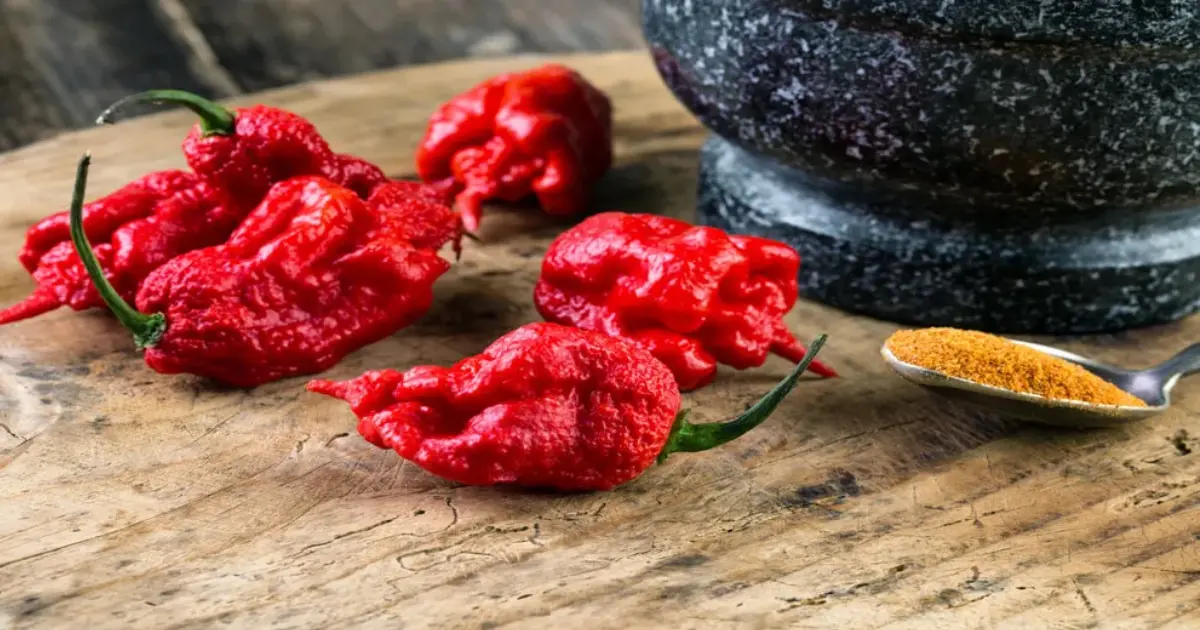
5 Tips for Growing Carolina Reaper Peppers to Get the Spiciest Harvest Ever
Holding the record for one of the world’s hottest peppers, the Reaper isn’t just a [...]
May
Reviews
There are no reviews yet.