
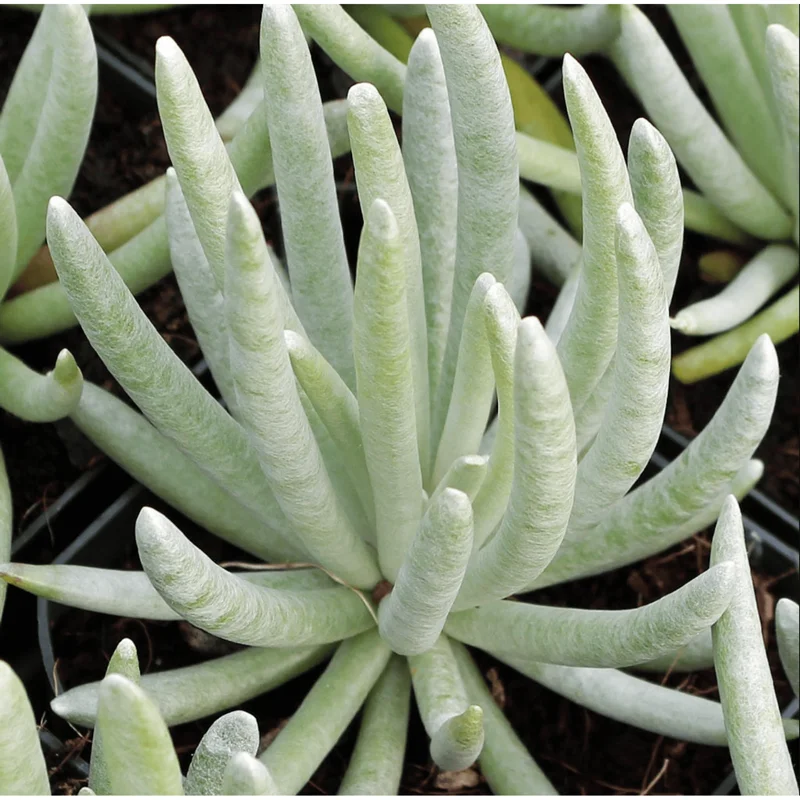
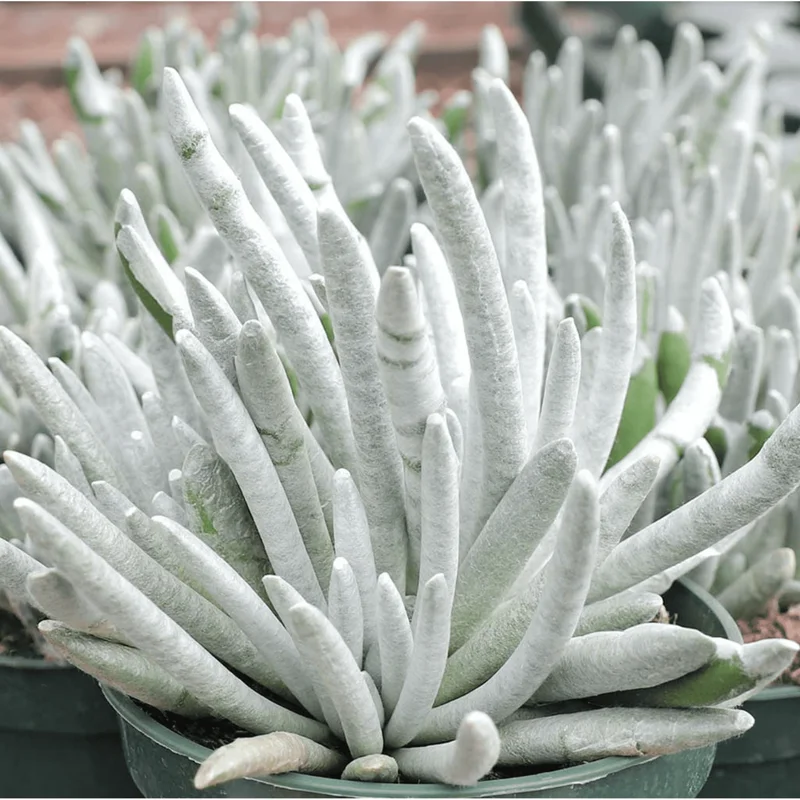
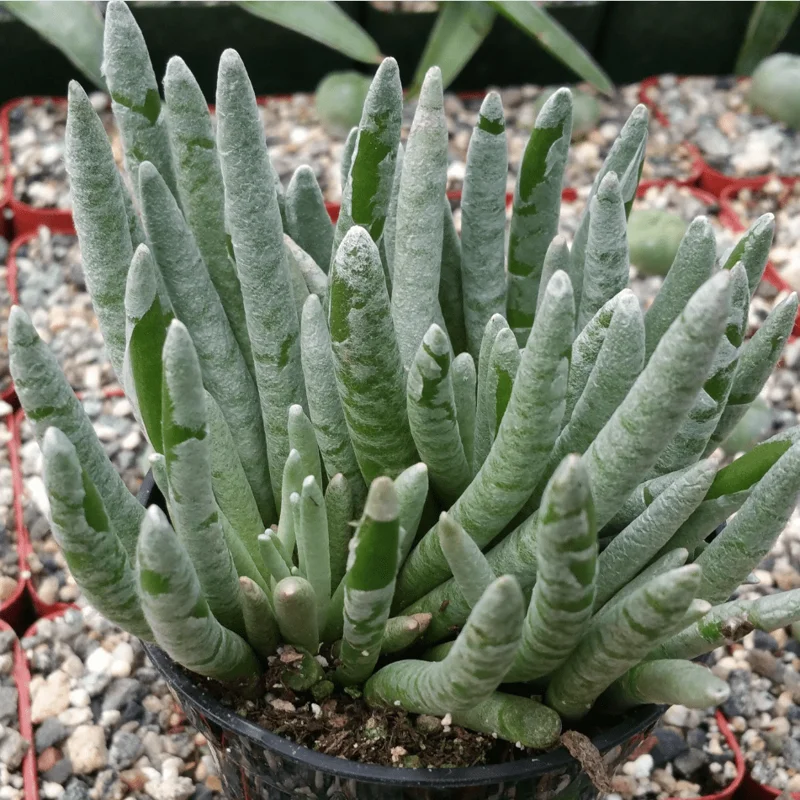
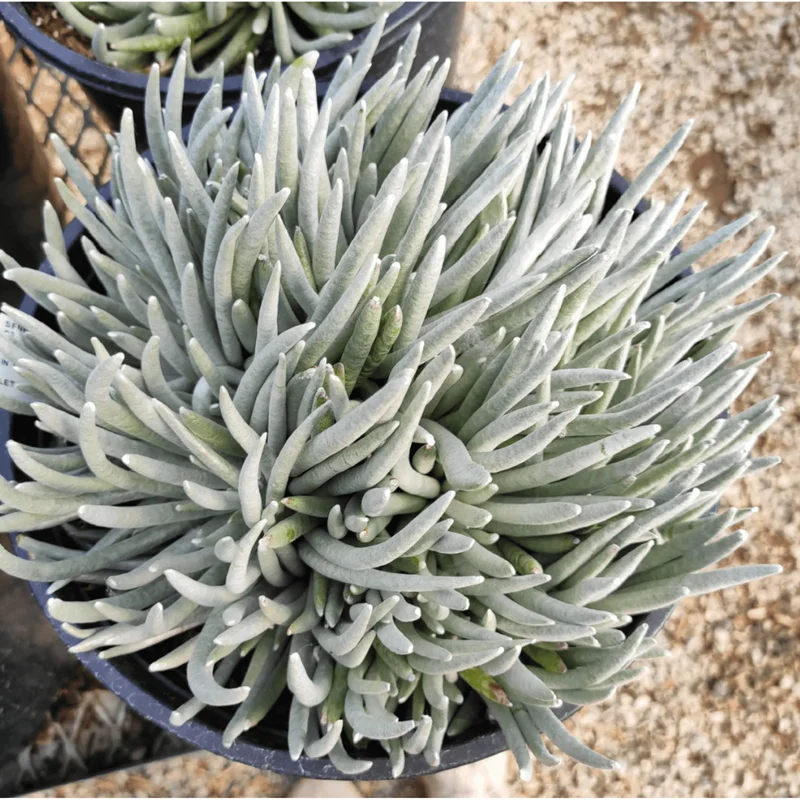
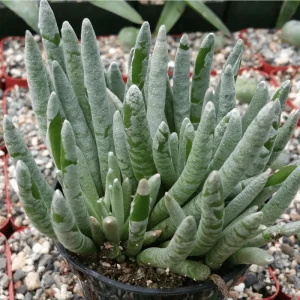
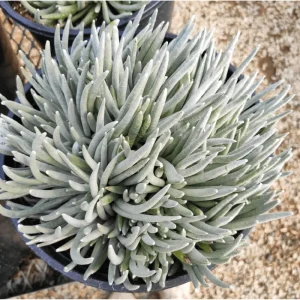
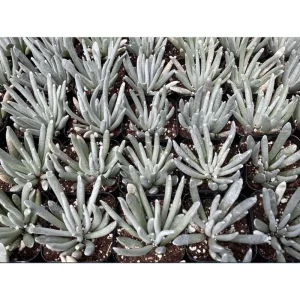
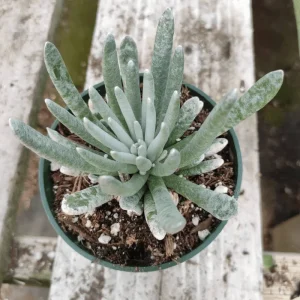
Senecio Scaposus Succulent Live Plant 4″ Bare Root for Home Decor
Original price was: $43.99.$23.99Current price is: $23.99.
Add a unique touch to your home with the Senecio Scaposus live plant. This 4″ bare root succulent is known for its distinctive silver-white foliage and ease of care, making it a perfect choice for both beginners and experienced plant enthusiasts. Enjoy a low-maintenance, drought-tolerant plant that thrives in sunny conditions.
Estimated arrival
Oct 11
Oct 16 - Oct 18
Oct 21 - Oct 25

Reasonable Price
We offer reasonable price

Support 24/7
Contact us 24 hrs a day

100% Money Back
You've 30 days to Return

Payment Secure
100% secure payment
Overview
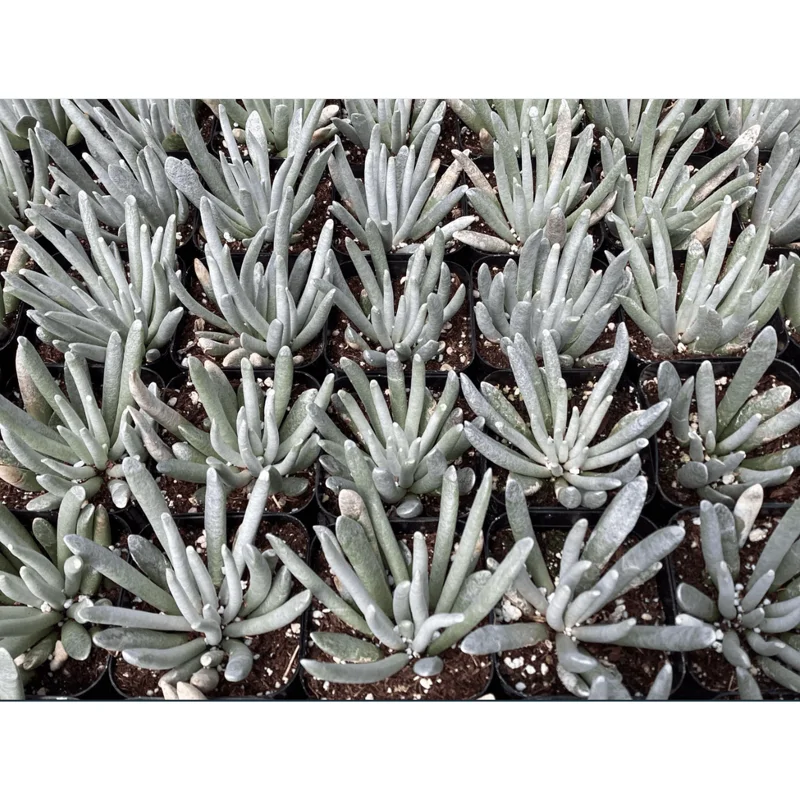
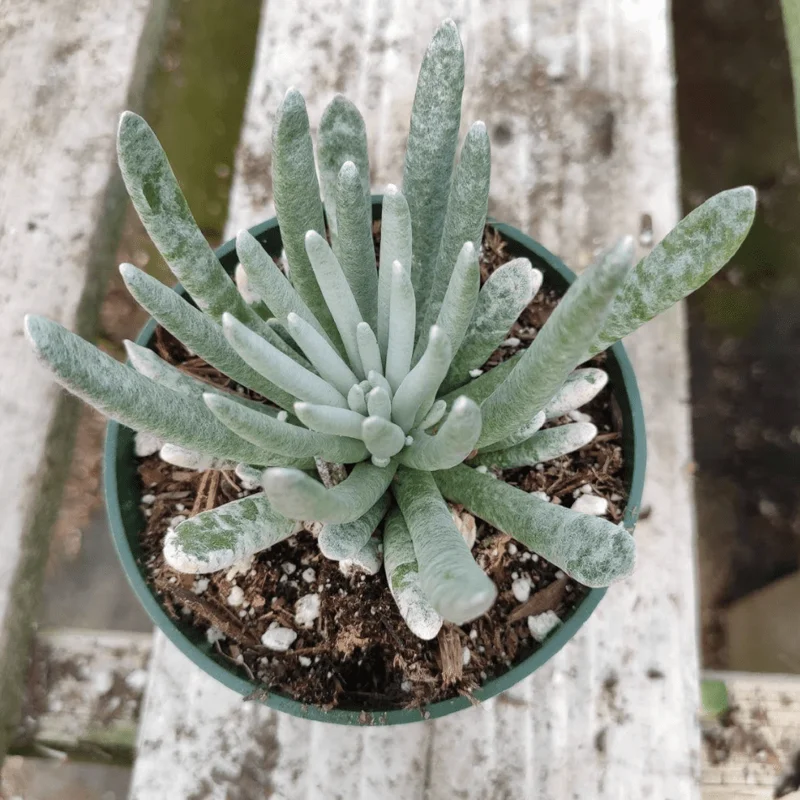
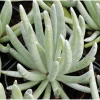
Introduce a fascinating and resilient addition to your plant collection with the Senecio Scaposus live plant. This unique succulent, often referred to as ‘Woolly Senecio’ or ‘Silver Coral’, is celebrated for its striking silver-white, cylindrical leaves that are covered in fine, felt-like hairs. These hairs not only give the plant its distinctive appearance but also help it retain moisture, making it exceptionally drought-tolerant. Originating from South Africa, this succulent is a fantastic choice for xeriscaping, rock gardens, or as an intriguing potted specimen indoors. Its compact size and unusual texture make it a conversation starter and a rewarding plant to cultivate. As a succulent bare root plant, it arrives ready for planting in your preferred container or garden spot, offering a fresh start for robust growth. This 4-inch specimen is ideal for immediate display or for growing into a larger, more established plant.
The Senecio Scaposus live plant is a testament to nature’s artistry, combining aesthetic appeal with remarkable hardiness. Its ability to thrive in arid conditions makes it a sustainable choice for modern gardening. Whether you’re a seasoned collector of unique succulent plants or just beginning your green journey, this plant offers an effortless way to enhance your living space with natural beauty. Its ease of propagation and minimal care requirements are just a few reasons why it’s a popular choice among plant enthusiasts.
Key Benefits
The Senecio Scaposus live plant offers a multitude of advantages for any plant lover, combining visual appeal with practical benefits. Its unique characteristics make it a standout choice for various settings and skill levels.
- Striking Visual Appeal: The distinctive silver-white, woolly leaves create a unique texture and color contrast, adding an artistic touch to any plant arrangement or garden. It’s truly a unique succulent plant that captures attention.
- Drought-Tolerant: This succulent is incredibly resilient to dry conditions, requiring infrequent watering once established. This makes it an excellent choice for water-wise gardening and busy individuals.
- Low Maintenance: Known for its ease of care, the Senecio Scaposus thrives with minimal intervention, making it perfect for beginners or those seeking a fuss-free plant.
- Versatile Placement: Suitable for both indoor and outdoor environments (in appropriate climates), it can be used in rock gardens, containers, xeriscapes, or as an interesting houseplant.
- Compact Size: Its moderate growth habit and compact form make it ideal for small spaces, windowsills, desks, or as part of a succulent arrangement.
- Air Purification: Like many plants, it contributes to improved indoor air quality by absorbing toxins and releasing oxygen, creating a healthier living environment.
- Easy Propagation: With proper care, the Senecio Scaposus care also includes the potential for easy propagation, allowing you to expand your collection or share with friends.
Plant Care & Growing Tips
Proper Senecio Scaposus care is straightforward, largely due to its natural resilience and preference for dry conditions. This plant thrives on neglect, making it an ideal choice for those new to succulents or with a busy schedule. When it comes to sunlight, the Senecio Scaposus prefers bright, direct sunlight for at least 6 hours a day. An south-facing window is ideal for indoor placement, while outdoors, ensure it receives full sun exposure. Too little light can lead to leggy growth and a loss of its characteristic silver color.
Watering is perhaps the most crucial aspect of caring for this drought tolerant succulent. Allow the soil to completely dry out between waterings. When you do water, do so thoroughly until water drains from the bottom of the pot, then wait until the soil is bone dry again before the next watering. Overwatering is the most common cause of succulent demise, leading to root rot. For soil, a well-draining succulent or cactus mix is essential. You can enhance drainage by adding perlite, pumice, or coarse sand to a standard potting mix. The ideal temperature range for Senecio Scaposus is between 60-80°F (15-27°C), and it is generally hardy in USDA zones 9-11. Protect it from frost, as temperatures below 40°F (4°C) can cause damage.
Fertilization is rarely necessary for this robust plant. If you choose to fertilize, do so sparingly during the growing season (spring and summer) with a diluted, balanced liquid fertilizer formulated for succulents. Repotting should only be done when the plant outgrows its container, typically every 2-3 years. Ensure the new pot has drainage holes. Keep an eye out for common succulent pests like mealybugs or aphids, though they are not frequently bothered. Good air circulation and proper watering practices are the best preventative measures for maintaining a healthy Senecio Scaposus live plant.
Size & Details
This offering is for a Senecio Scaposus live plant, provided as a 4-inch bare root specimen. Bare root plants are shipped without soil or a pot, allowing for safer transport and giving you the flexibility to choose your preferred growing medium and container upon arrival. The plant typically grows to an overall height of 6-12 inches and can spread up to 8 inches wide, forming a compact, clumping growth habit. Its growth rate is moderate, gradually expanding its unique silver foliage over time. Expect the plant to establish well within a few weeks of planting, developing a robust root system. While not known for showy flowers, it may produce small, inconspicuous yellow blooms on stalks in ideal conditions. This succulent bare root plant is ready for immediate planting and will quickly become a cherished part of your collection.
Frequently Asked Questions
- Q: What size will my Senecio Scaposus arrive as? A: Your Senecio Scaposus live plant will arrive as a 4-inch bare root specimen, meaning it is shipped without soil or a pot. This ensures the plant’s health during transit and allows you to plant it in your preferred medium and container.
- Q: Is this an indoor or outdoor plant? A: The Senecio Scaposus is versatile. It can thrive as an indoor houseplant in a bright, sunny location, or as an outdoor plant in climates with mild winters (USDA zones 9-11). It’s a great unique succulent plant for both settings.
- Q: How much sunlight does it need? A: This succulent requires bright, direct sunlight for at least 6 hours daily to maintain its vibrant silver color and compact form. A south-facing window is ideal indoors, and full sun is best outdoors.
- Q: Is this plant easy to care for? A: Yes, the Senecio Scaposus is considered very easy to care for, making it an excellent choice for beginners. Its drought-tolerant nature and minimal needs contribute to its low-maintenance appeal.
- Q: What condition will it arrive in? A: Your succulent bare root plant will arrive carefully packaged, with its roots protected, ready for planting. While it may experience some minor stress from travel, it will quickly recover once potted and watered appropriately.
- Q: When is the best time to plant a bare root succulent? A: Bare root succulents can generally be planted any time of year, but spring and summer are ideal as they allow the plant to establish strong roots during its active growing season.
- Q: What type of soil is best for Senecio Scaposus? A: A well-draining cactus or succulent potting mix is essential. You can improve drainage further by adding perlite, pumice, or coarse sand to prevent water retention and root rot, which is vital for good Senecio Scaposus care.
- Q: How often should I water my Senecio Scaposus? A: Water only when the soil has completely dried out. This drought tolerant succulent prefers periods of dryness between thorough waterings. Overwatering is the biggest threat to its health.
- Q: Will it survive winter in my zone? A: Senecio Scaposus is hardy in USDA zones 9-11. If you live in a colder climate, it should be brought indoors or protected from frost when temperatures drop below 40°F (4°C).
- Q: Does this plant flower? A: While primarily grown for its unique foliage, the Senecio Scaposus can produce small, yellow, daisy-like flowers on slender stalks, typically in late spring or summer, under optimal growing conditions.
Be the first to review “Senecio Scaposus Succulent Live Plant 4″ Bare Root for Home Decor”
-
USDA Hardiness Zone
USDA zones 9-11 -
Soil Type
Well-draining succulent/cactus mix -
Sunlight Exposure
Full sun to bright direct light -
Expected Planting Period
Year-round indoors, spring to summer outdoors
People Also Viewd


Sold 134 products
Original price was: $3,536.00.$23.99Current price is: $23.99.

Sold 132 products
Original price was: $27.00.$24.00Current price is: $24.00.

Sold 132 products
Original price was: $89.99.$64.99Current price is: $64.99.

Sold 125 products
Original price was: $86.99.$66.99Current price is: $66.99.

Flower Bulbs
3 Cranesbill Wild Geranium Organic Maculatums Bare Roots | Wildflower for Outdoor Garden
Sold 116 products
Original price was: $21.99.$9.99Current price is: $9.99.

Sold 114 products
Original price was: $28.99.$17.99Current price is: $17.99.
Sold 110 products
Original price was: $63.99.$28.99Current price is: $28.99.
Sold 108 products
Original price was: $28.99.$17.99Current price is: $17.99.RELATED posts
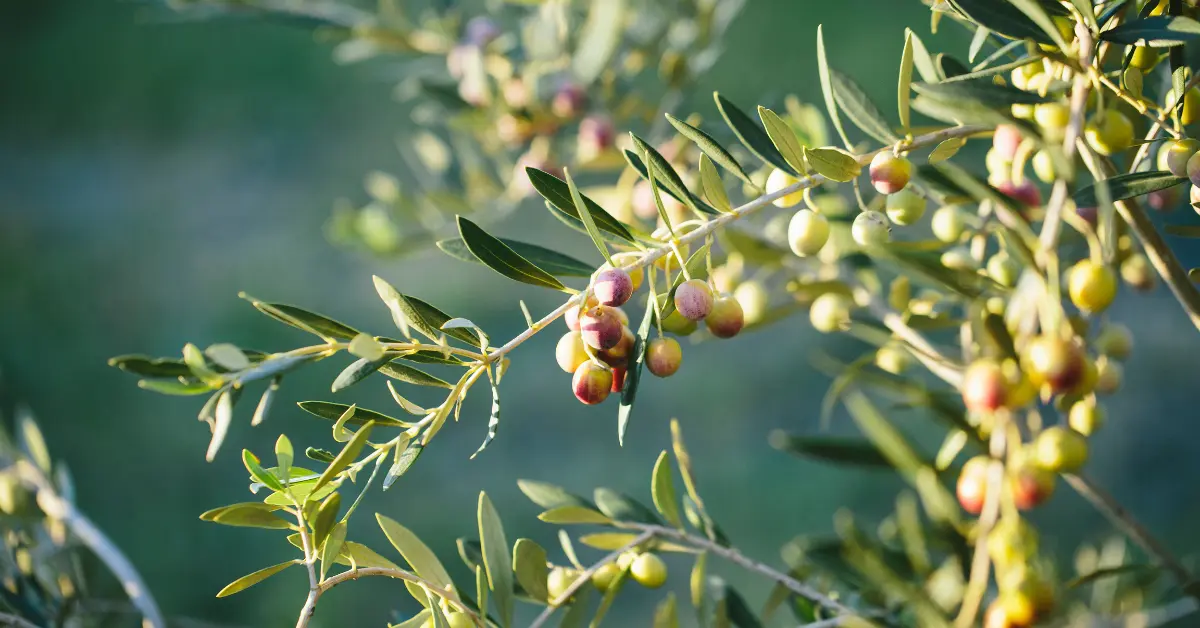
How to Grow Arbequina Olive Trees: The Ultimate Guide to Your Own Olive Grove
Arbequina Olive Tree (Olea europaea ‘Arbequina’) – the ultimate Mediterranean plant that brings a touch [...]
Oct
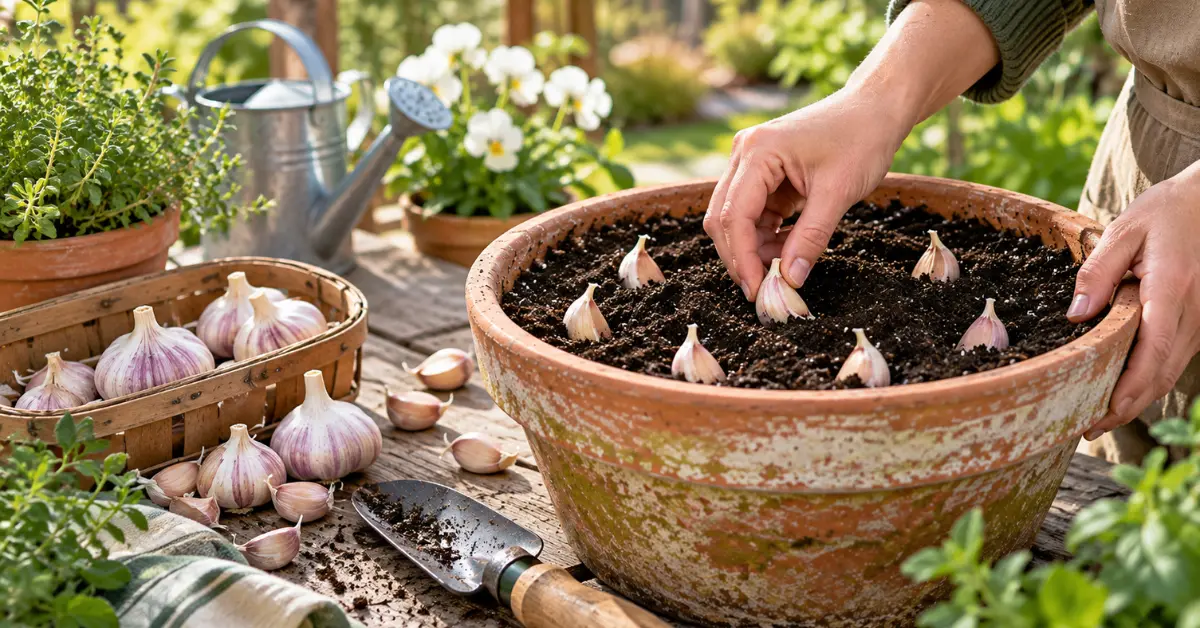
Growing Garlic in Containers This Fall: A Complete Guide for Beginners
If you’ve ever wanted to pop fresh, aromatic garlic cloves straight from your own patio [...]
Sep
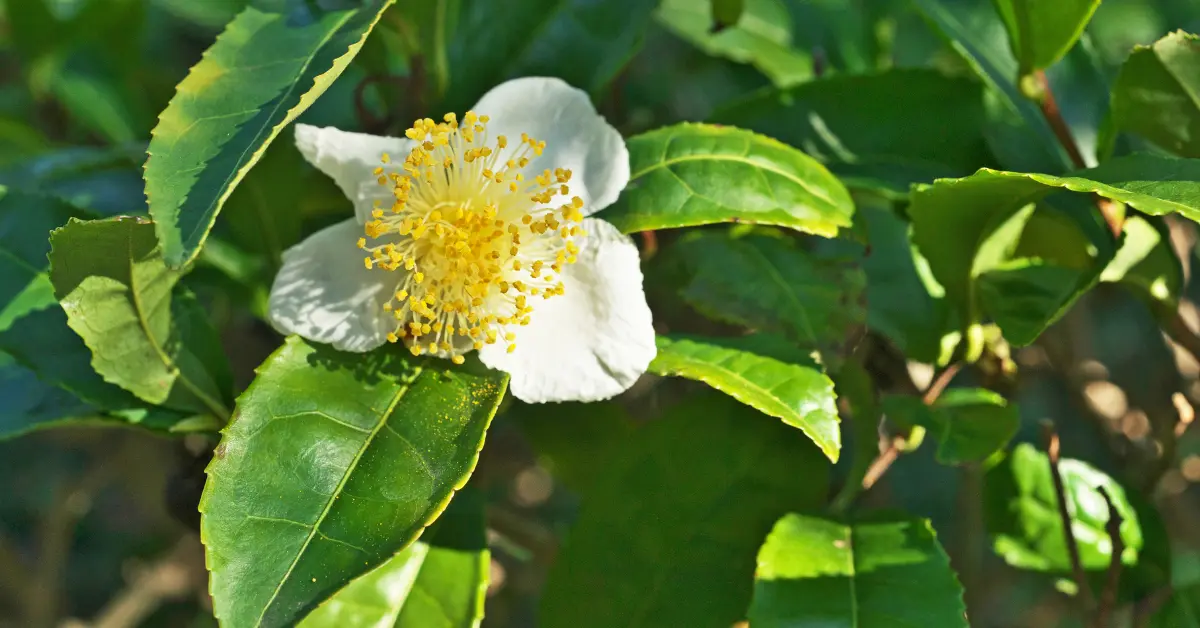
Growing Camellia Sinensis (Tea Plants) in Containers: A Complete Guide for Beginners
If you’ve ever wanted to sip a steaming, homegrown cup of fresh green, black, or [...]
Aug
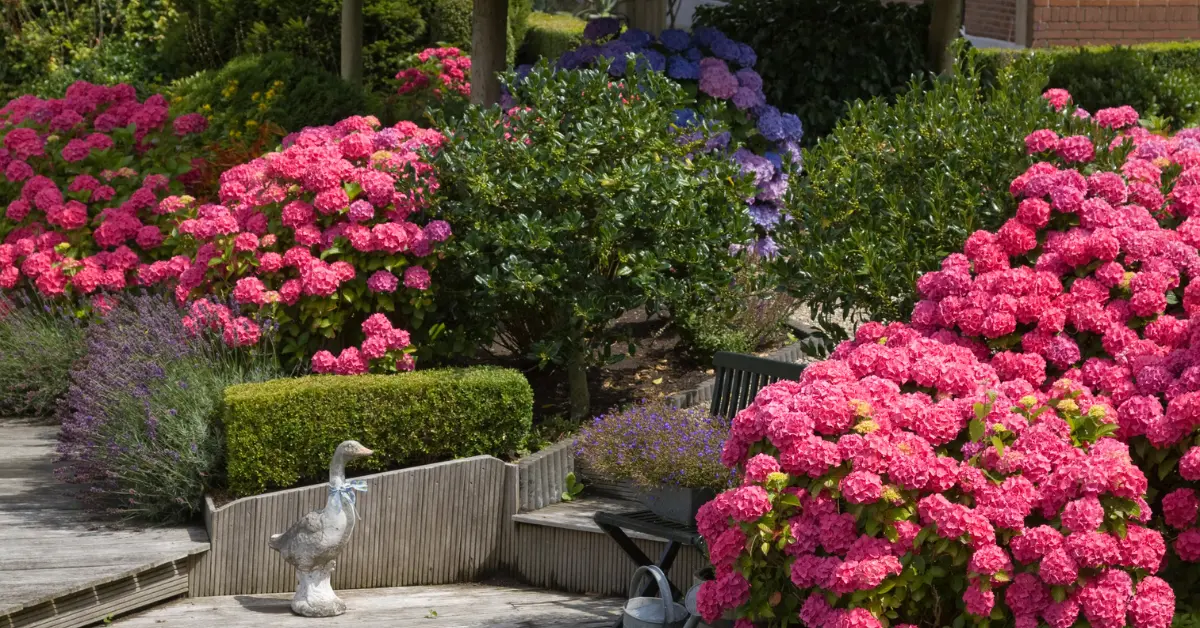
6 Best Shrubs to Plant in August You Must Try
Have you ever walked through a nursery late in the summer, admired the vibrant shrubs [...]
Aug
Growing Everbearing Strawberries in Containers: A Complete Guide for Beginners
Want to grow sweet, fresh strawberries but do not have a large garden? Everbearing strawberries [...]
Aug
Growing Egyptian Walking Onions in Containers: A Complete Guide for Beginners
If you’re looking for a hardy, no-fuss perennial onion that keeps on giving year after [...]
Jul
Growing Carolina Reaper Peppers in Pots: A Complete Guide for Beginners
If you’ve ever wanted to add some serious, record-breaking heat to your home cooking, you’ve [...]
May
Growing Curry Leaf Plant in Pots: A Complete Guide for Beginners
If you’re a fan of authentic South Asian cuisine, you already know that nothing compares [...]
May
Reviews
There are no reviews yet.