
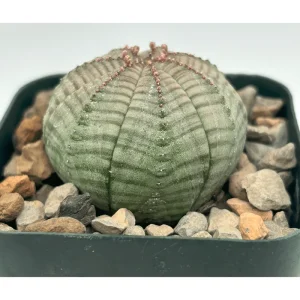
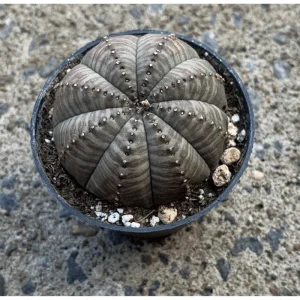
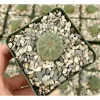
Live Euphorbia Obesa Hybrid Plant – Rare Baseball Cactus – 3 inch Pot – Indoor Succulent
Original price was: $57.97.$37.97Current price is: $37.97.
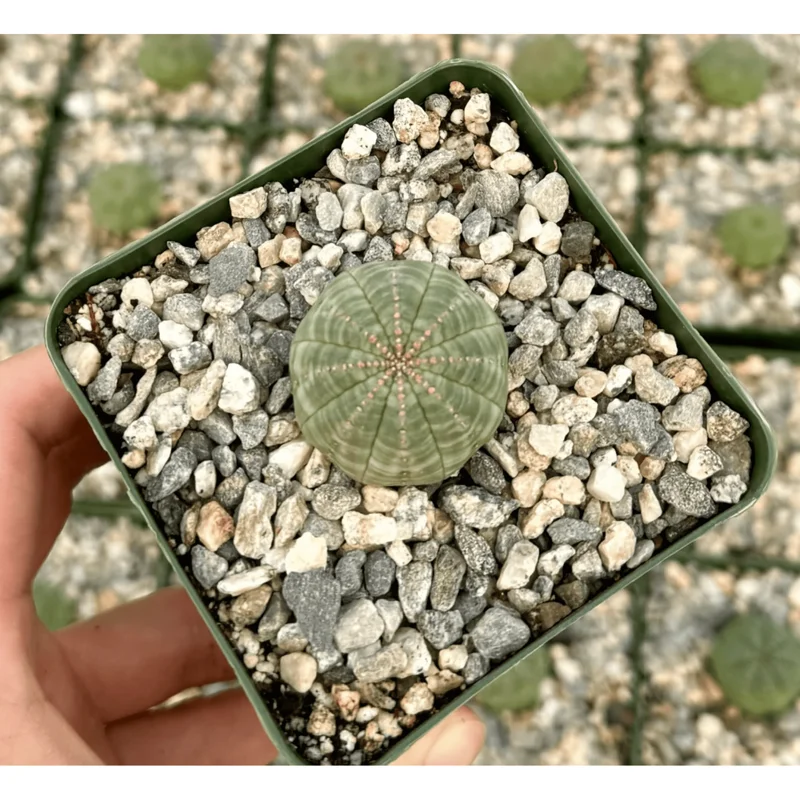
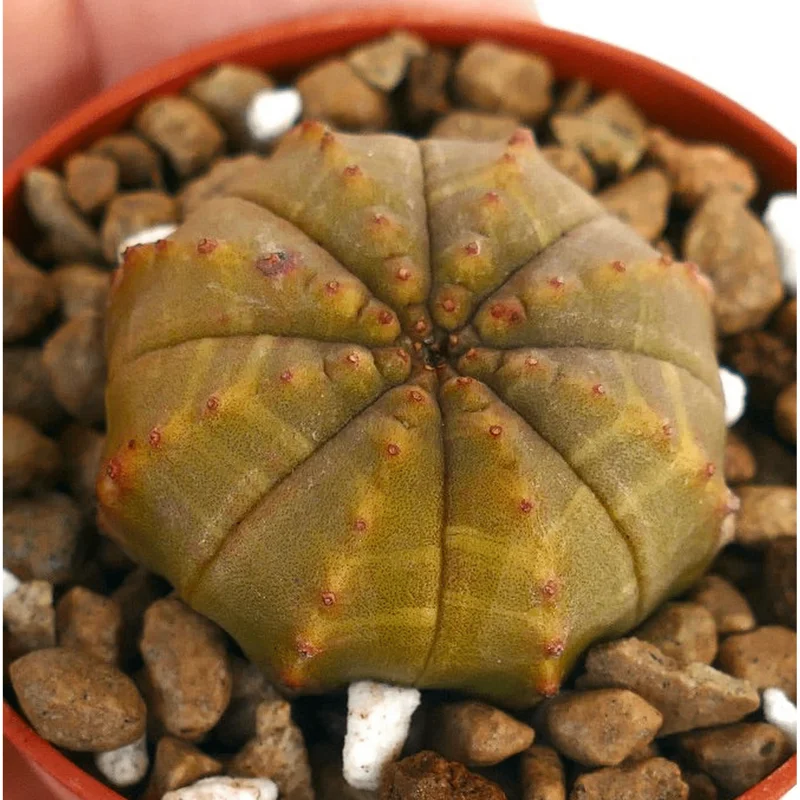
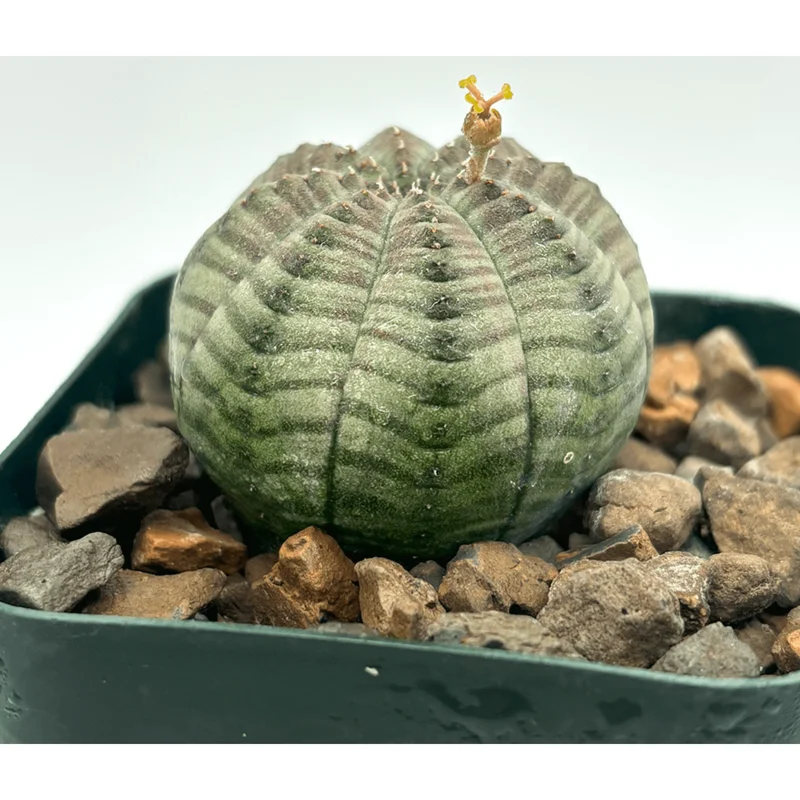
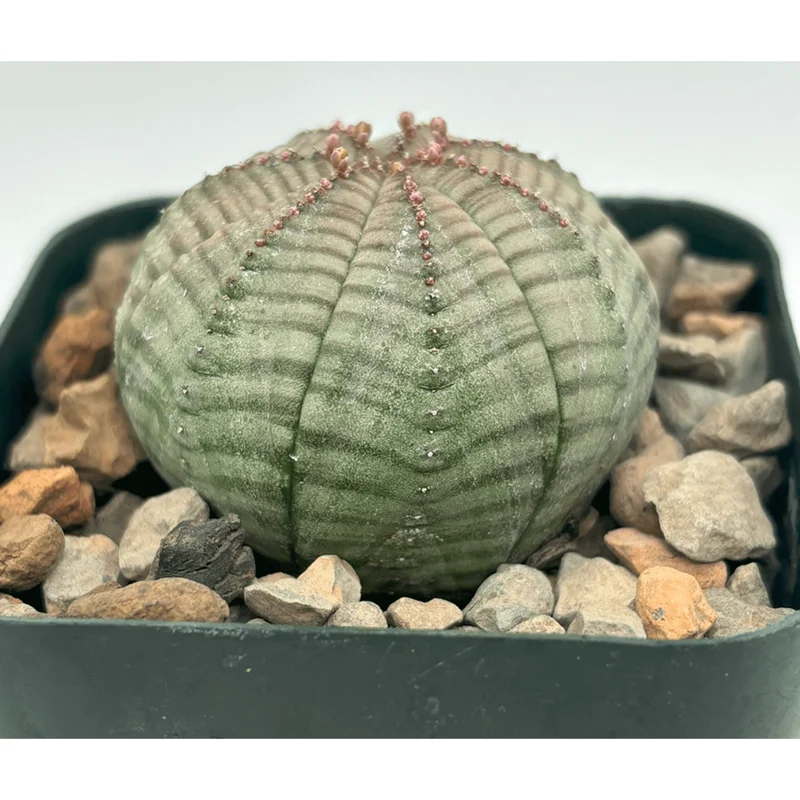
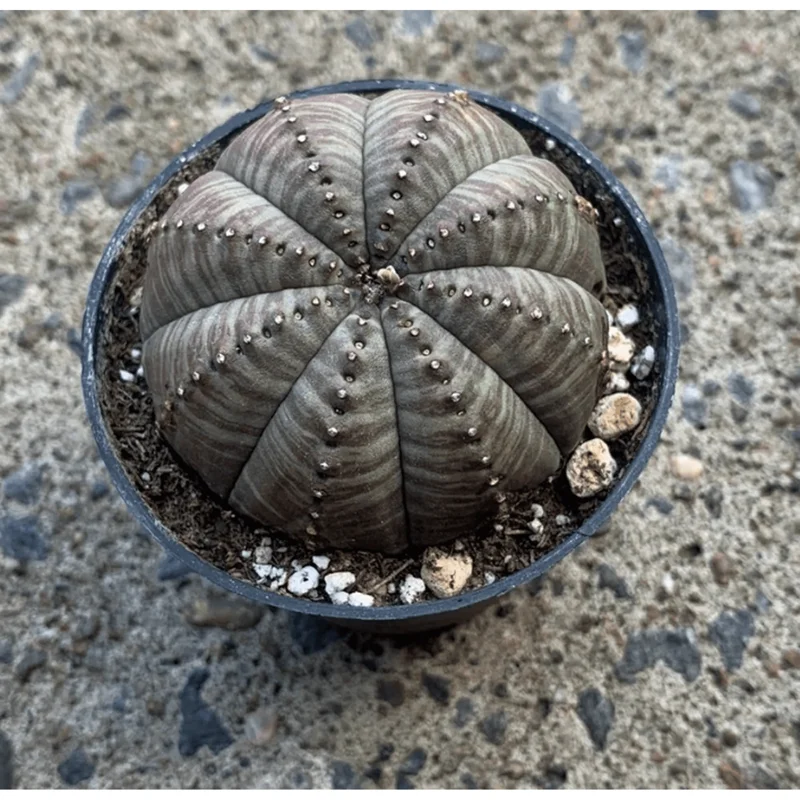
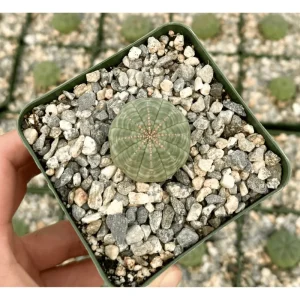
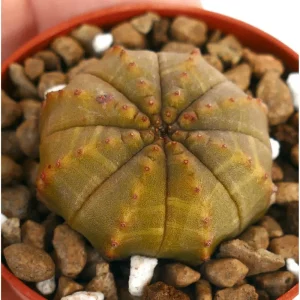
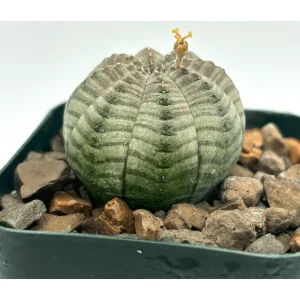
Bring home a unique and captivating addition to your plant collection with the Euphorbia Obesa hybrid plant, also known as the Baseball Cactus care. This rare, slow-growing succulent is perfect for adding architectural interest to any indoor space.
Estimated arrival
Oct 11
Oct 16 - Oct 18
Oct 21 - Oct 25

Reasonable Price
We offer reasonable price

Support 24/7
Contact us 24 hrs a day

100% Money Back
You've 30 days to Return

Payment Secure
100% secure payment
Overview
Introduce a truly unique botanical specimen to your home with the Euphorbia Obesa hybrid plant. Often affectionately known as the Baseball Cactus care due to its distinctive spherical shape and segmented appearance, this rare succulent plant is a collector’s dream. Although it shares a common name with cacti, Euphorbia Obesa is actually a succulent from the spurge family (Euphorbiaceae), native to South Africa. Its unique form, resembling a stitched baseball, makes it a fascinating focal point in any indoor garden or on a sunny windowsill. This particular offering is a hybrid, showcasing robust growth and unique characteristics derived from its parentage. It’s a slow growing succulent, making it an excellent choice for those who appreciate the subtle, gradual changes in their plant companions.
This live succulent plant arrives ready to thrive in its new home, providing immediate aesthetic appeal. Its compact size and intriguing texture make it an ideal choice for desks, shelves, or as part of a succulent arrangement. The Euphorbia Obesa hybrid plant is not just a plant; it’s a living sculpture that brings a touch of the arid landscape indoors, perfect for modern minimalist decor or a diverse plant collection. Its resilience and unique beauty ensure it stands out among other houseplants.
Key Benefits
The Euphorbia Obesa hybrid plant offers numerous benefits beyond its captivating appearance, making it a highly desirable addition for both novice and experienced plant enthusiasts:
- Unique Aesthetic Appeal: Its distinctive spherical shape and patterned skin, reminiscent of a baseball, provide a truly unique visual element. It’s a conversation starter and a living piece of art that enhances any indoor setting.
- Low Maintenance: As a succulent, the Baseball Cactus care requires minimal watering and attention, making it perfect for busy individuals or those new to plant care. Its forgiving nature allows you to enjoy its beauty without constant worry.
- Drought Tolerant: Adapted to arid environments, this plant can withstand periods of dryness, reducing the frequency of watering. This characteristic makes it a resilient choice for various indoor climates.
- Slow Growing Succulent: Its slow growth rate means it will maintain its compact and manageable size for a long time, making it ideal for small spaces or desktop display without quickly outgrowing its pot.
- Air Purifying Qualities: Like many houseplants, the rare succulent plant contributes to improved indoor air quality by absorbing toxins and releasing oxygen, promoting a healthier living environment.
- Collector’s Item: Due to its unique hybrid nature and distinctive appearance, this plant is often sought after by succulent collectors, adding significant value and rarity to your collection.
- Versatile Decor: Its striking form complements a wide range of interior design styles, from modern and minimalist to bohemian and eclectic, adding a touch of natural elegance.
Plant Care & Growing Tips
Caring for your Euphorbia Obesa hybrid plant is relatively straightforward, making it an excellent choice for those seeking a low-maintenance yet exotic plant. The key to its success lies in mimicking its natural arid habitat. This indoor cactus plant thrives in bright, indirect light. Place it near a south or west-facing window where it can receive several hours of bright light daily, but avoid harsh, direct midday sun which can scorch its delicate skin. If light is insufficient, the plant may stretch or lose its characteristic spherical shape, which is a common concern for any slow growing succulent.
When it comes to watering, less is definitely more for the rare succulent plant. Allow the soil to dry out completely between waterings. During the growing season (spring and summer), water thoroughly until water drains from the bottom of the pot, then wait until the soil is bone dry before watering again. In winter, reduce watering significantly, perhaps once a month or even less, as the plant enters a period of dormancy. Overwatering is the most common cause of rot and can quickly lead to the demise of your Baseball Cactus care. Use a well-draining cactus or succulent potting mix; a mix of potting soil, perlite, and coarse sand in equal parts works well to ensure excellent drainage and prevent root rot.
The ideal temperature range for the Euphorbia Obesa hybrid plant is between 60-85°F (15-29°C). Protect it from temperatures below 50°F (10°C) and avoid sudden temperature fluctuations. Fertilize sparingly, if at all. A diluted, balanced liquid fertilizer (half strength) can be applied once or twice during the active growing season. Repotting is rarely needed due to its slow growth, but when necessary, choose a pot only slightly larger than the current one to prevent excess moisture retention. Always handle with care, as the sap can be irritating to skin and eyes. With proper care, your Euphorbia Obesa hybrid plant will flourish and continue to be a captivating feature in your home for many years.
Size & Details
This offering is for a live Euphorbia Obesa hybrid plant, carefully cultivated and ready for its new home. It is shipped nestled in a 3-inch nursery pot, providing a stable environment for its journey and allowing you to observe its unique form immediately upon arrival. Typically, these plants are approximately 2-3 inches in diameter at the time of shipment, showcasing their characteristic spherical shape. As a slow growing succulent, it will gradually increase in size, eventually reaching up to 6-8 inches in diameter over several years, making it a long-term companion. Its compact nature ensures it remains an ideal choice for windowsills, desk spaces, or as part of a mixed succulent display. The plant arrives well-rooted in its nursery pot, ensuring a smooth transition to your preferred decorative container.
Frequently Asked Questions
- Q: How big does this plant get? A: The Euphorbia Obesa hybrid plant is a slow-growing succulent. While it arrives in a 3-inch pot, it can eventually reach a diameter of 6-8 inches over several years, maintaining a compact and appealing size.
- Q: Is this an indoor or outdoor plant? A: This is primarily an indoor cactus plant, especially in regions with cold winters. It thrives in bright, indirect indoor light but can be placed outdoors in a protected spot during warm summer months in appropriate climates.
- Q: How much sunlight does it need? A: The Baseball Cactus care prefers bright, indirect sunlight for several hours a day. Avoid direct, intense midday sun, which can cause sunburn, but ensure it gets ample light to maintain its compact shape.
- Q: Is this plant easy to care for? A: Yes, the rare succulent plant is considered relatively easy to care for, especially for those familiar with succulent care. Its main requirements are bright light and infrequent watering, making it beginner-friendly.
- Q: What condition will it arrive in? A: Your Euphorbia Obesa hybrid plant will arrive as a healthy, live plant, securely packaged in its 3-inch nursery pot, ready for you to enjoy. We take great care in preparing our plants for shipment to ensure their safe arrival.
- Q: Is it shipped in soil? A: Yes, the plant is shipped in its nursery pot with well-draining soil, providing a stable and familiar environment for the plant during transit and upon arrival.
- Q: Can I use this plant in a terrarium? A: While its unique shape is appealing, terrariums can often retain too much humidity, which is not ideal for the slow growing succulent. If used, ensure excellent ventilation and very infrequent watering.
- Q: What’s the best type of soil for this plant? A: The best soil for the Euphorbia Obesa hybrid plant is a well-draining cactus or succulent mix. This typically includes a blend of potting soil, perlite, and coarse sand to prevent water retention and root rot.
- Q: Is the sap of the Euphorbia Obesa toxic? A: Like many Euphorbia species, the sap of the Baseball Cactus care can be irritating to skin and eyes. It’s advisable to wear gloves when handling and avoid contact with open wounds or sensitive areas.
- Q: How often should I fertilize my Euphorbia Obesa? A: Fertilization is generally not critical for this indoor cactus plant. If you choose to fertilize, do so sparingly with a diluted, balanced liquid fertilizer once or twice during the spring and summer growing season.
Be the first to review “Live Euphorbia Obesa Hybrid Plant – Rare Baseball Cactus – 3 inch Pot – Indoor Succulent”
-
USDA Hardiness Zone
USDA zones 9-11 (when grown outdoors, otherwise year-round indoors) -
Soil Type
Well-draining cactus or succulent potting mix -
Sunlight Exposure
Bright, indirect light -
Expected Planting Period
Year-round indoors
People Also Viewd


Sold 134 products
Original price was: $3,536.00.$23.99Current price is: $23.99.

Sold 132 products
Original price was: $27.00.$24.00Current price is: $24.00.

Sold 132 products
Original price was: $89.99.$64.99Current price is: $64.99.

Sold 125 products
Original price was: $86.99.$66.99Current price is: $66.99.

Flower Bulbs
3 Cranesbill Wild Geranium Organic Maculatums Bare Roots | Wildflower for Outdoor Garden
Sold 116 products
Original price was: $21.99.$9.99Current price is: $9.99.

Sold 114 products
Original price was: $28.99.$17.99Current price is: $17.99.
Sold 110 products
Original price was: $63.99.$28.99Current price is: $28.99.
Sold 108 products
Original price was: $28.99.$17.99Current price is: $17.99.RELATED posts
How to Grow Arbequina Olive Trees: The Ultimate Guide to Your Own Olive Grove
Arbequina Olive Tree (Olea europaea ‘Arbequina’) – the ultimate Mediterranean plant that brings a touch [...]
Oct
Growing Garlic in Containers This Fall: A Complete Guide for Beginners
If you’ve ever wanted to pop fresh, aromatic garlic cloves straight from your own patio [...]
Sep
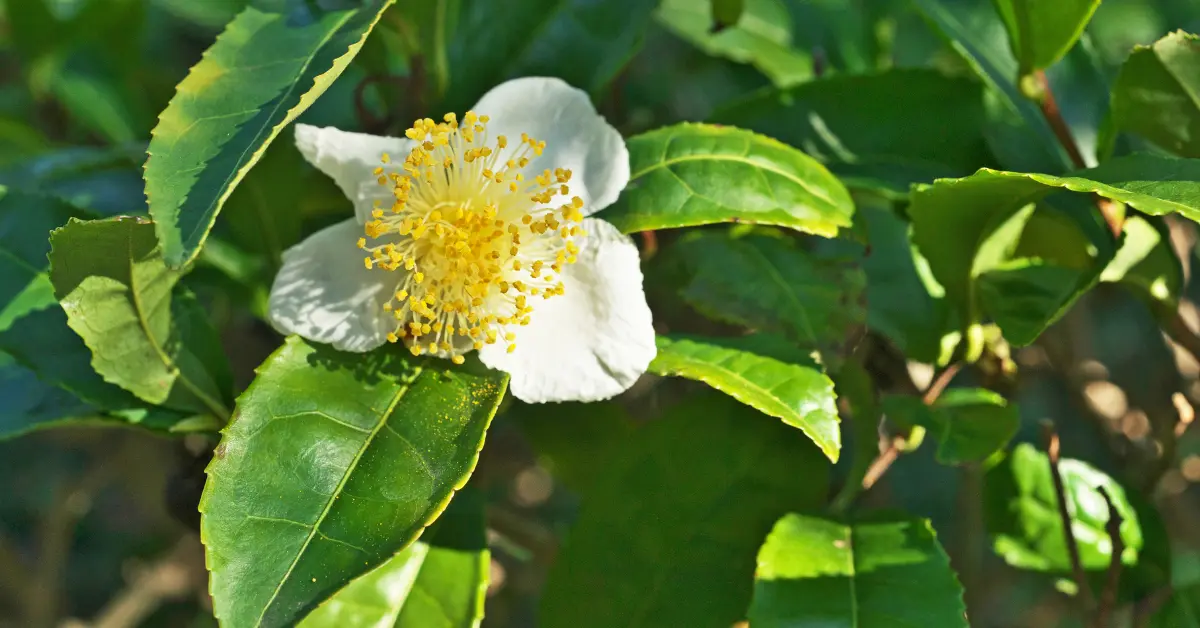
Growing Camellia Sinensis (Tea Plants) in Containers: A Complete Guide for Beginners
If you’ve ever wanted to sip a steaming, homegrown cup of fresh green, black, or [...]
Aug
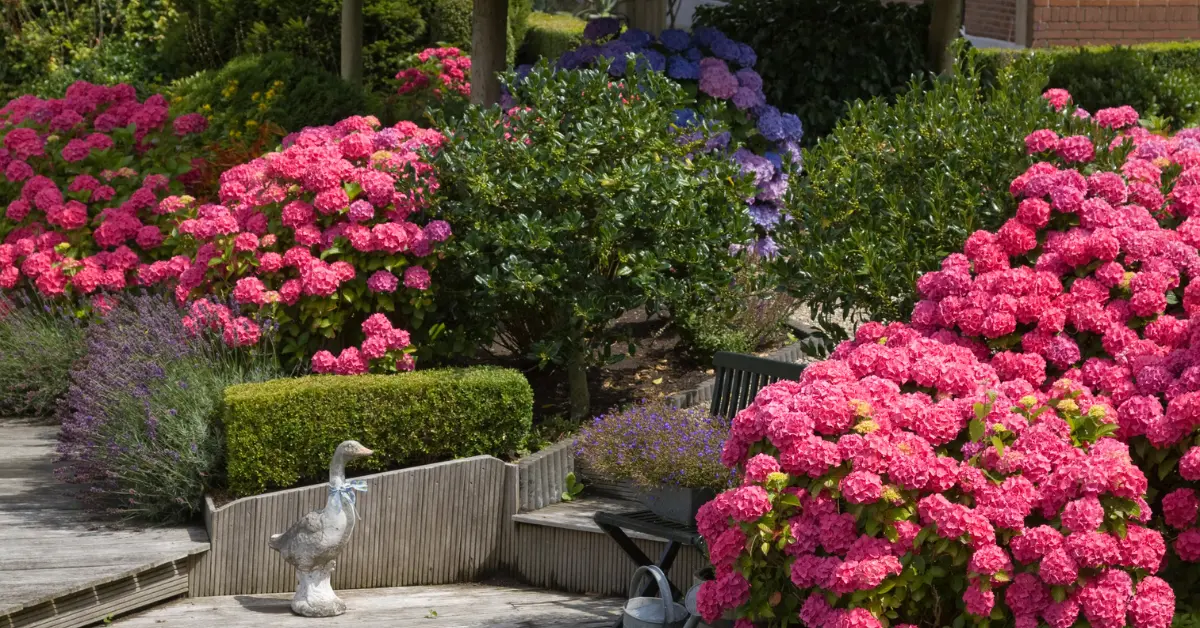
6 Best Shrubs to Plant in August You Must Try
Have you ever walked through a nursery late in the summer, admired the vibrant shrubs [...]
Aug
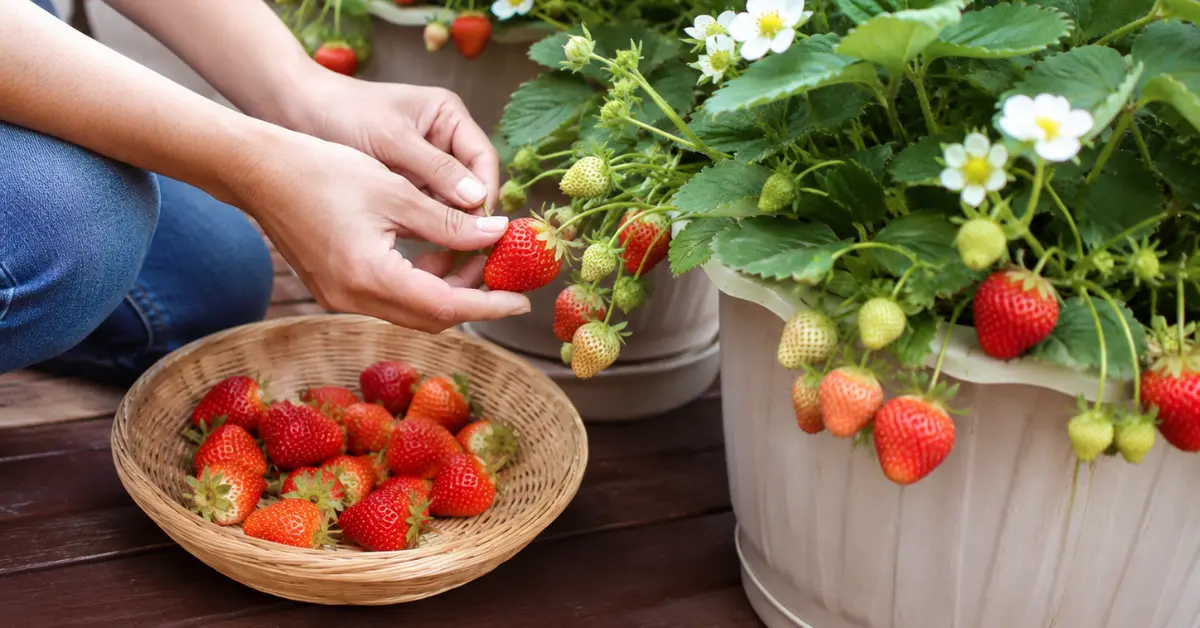
Growing Everbearing Strawberries in Containers: A Complete Guide for Beginners
Want to grow sweet, fresh strawberries but do not have a large garden? Everbearing strawberries [...]
Aug
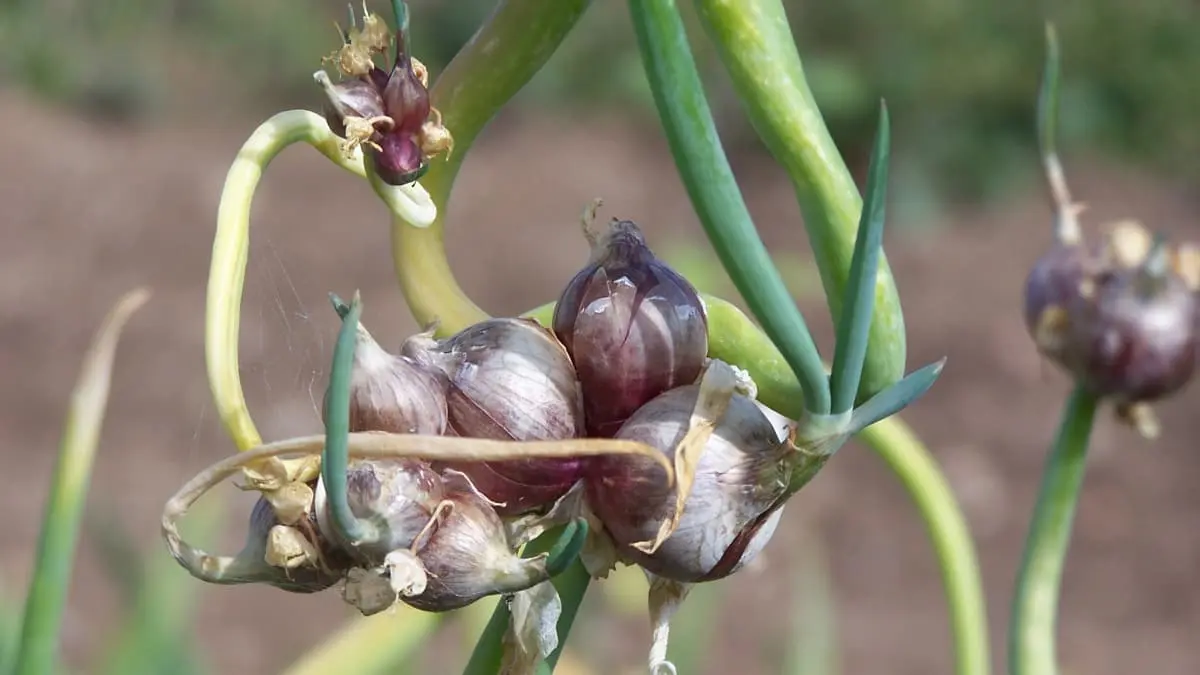
Growing Egyptian Walking Onions in Containers: A Complete Guide for Beginners
If you’re looking for a hardy, no-fuss perennial onion that keeps on giving year after [...]
Jul
Growing Carolina Reaper Peppers in Pots: A Complete Guide for Beginners
If you’ve ever wanted to add some serious, record-breaking heat to your home cooking, you’ve [...]
May
Growing Curry Leaf Plant in Pots: A Complete Guide for Beginners
If you’re a fan of authentic South Asian cuisine, you already know that nothing compares [...]
May
Reviews
There are no reviews yet.