
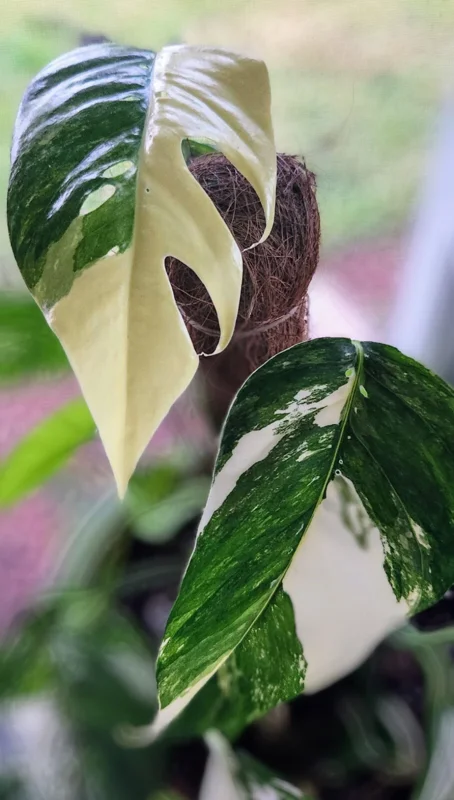
Pothos Epipremnum Pinnatum Albo Variegata Live Plant – White & Green Indoor
Original price was: $59.98.$29.99Current price is: $29.99.
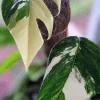
Elevate your indoor plant collection with the magnificent pothos epipremnum pinnatum albo. This live plant features stunning white and green variegation, making it a captivating focal point in any room. Easy to care for and adaptable, it’s perfect for both beginners and experienced plant enthusiasts.
Estimated arrival
Oct 16
Oct 21 - Oct 23
Oct 26 - Oct 30

Reasonable Price
We offer reasonable price

Support 24/7
Contact us 24 hrs a day

100% Money Back
You've 30 days to Return

Payment Secure
100% secure payment
Overview
Introducing the exquisite pothos epipremnum pinnatum albo, a highly sought-after live plant renowned for its dramatic foliage. This particular variety, Epipremnum pinnatum ‘Albo Variegata’, showcases a breathtaking display of white and green patterns across its leaves, with some areas appearing almost pure white. As a member of the Pothos family, it shares the characteristic easy-care nature while offering a more unique and striking aesthetic. Originating from tropical regions, this plant thrives in warm, humid environments and is a fantastic choice for adding a touch of exotic elegance to your indoor spaces. Its vining growth habit allows it to be displayed in hanging baskets, on shelves, or trained to climb, providing versatile decorating options. The stunning contrast of its variegation makes each leaf a work of art, ensuring this plant will be a conversation starter and a cherished addition to your collection.
The epipremnum pinnatum albo variegated is celebrated not just for its beauty but also for its resilience. It’s a plant that can forgive occasional neglect, making it ideal for those with busy lifestyles. Whether you’re a seasoned plant parent or just starting your green journey, this Pothos variety offers visual appeal without demanding constant attention. Its ability to adapt to various light conditions further enhances its appeal as a versatile indoor companion. Prepare to be captivated by the ever-evolving patterns on its leaves, as each new growth unfurls with a unique blend of white and green.
Key Benefits
The pothos epipremnum pinnatum albo offers numerous advantages beyond its undeniable beauty, making it a fantastic choice for any plant lover.
- Stunning Visual Appeal: The dramatic white and green variegation creates a striking contrast that instantly brightens any room. Each leaf is a unique masterpiece, ensuring your plant stands out.
- Air Purification: Like many Pothos varieties, the epipremnum pinnatum albo variegated is known to help purify indoor air by filtering out common toxins, contributing to a healthier home environment.
- Easy Care & Low Maintenance: This plant is remarkably forgiving, making it an excellent choice for beginners or those with busy schedules. It tolerates a range of conditions and doesn’t demand constant attention.
- Versatile Display Options: Its vining nature allows for diverse display methods. Grow it in a hanging basket, let it trail from a shelf, or provide a moss pole for it to climb, adding vertical interest to your decor.
- Adaptable to Light Conditions: While it prefers bright, indirect light, it can tolerate lower light conditions, although variegation may become less pronounced. This flexibility makes it suitable for various spots in your home.
- Tropical Aesthetic: Brings a lush, tropical feel to your indoor space, enhancing relaxation and creating a vibrant atmosphere.
Plant Care & Growing Tips
Caring for your pothos epipremnum pinnatum albo is straightforward, ensuring it remains a vibrant and healthy addition to your home. This plant thrives in bright, indirect light. Avoid direct sunlight, especially harsh afternoon sun, as it can scorch the delicate white parts of the leaves, leading to browning. An east-facing window or a few feet back from a south or west-facing window with sheer curtains is ideal. While it can tolerate lower light, the variegation may not be as pronounced, and growth might slow down. Consistent light is key to maintaining its stunning coloring.
Watering should be done thoroughly when the top 1-2 inches of soil feel dry to the touch. It’s better to underwater slightly than to overwater, as Pothos are susceptible to root rot. Ensure your pot has drainage holes to prevent waterlogging. During winter months, reduce watering frequency. This epipremnum pinnatum albo variegated prefers a well-draining potting mix that retains some moisture but doesn’t stay soggy. A mix designed for aroids or a general houseplant mix amended with perlite and orchid bark works well. Maintain average room temperatures between 65-80°F (18-27°C) and provide moderate to high humidity. You can increase humidity by misting, using a pebble tray, or placing it near a humidifier. This plant is generally suited for indoor environments and is not frost-hardy, typically thriving in USDA zones 10-12 if grown outdoors in a protected, tropical climate.
Feed your plant with a balanced liquid fertilizer diluted to half strength every 2-4 weeks during the growing season (spring and summer). Reduce or cease fertilization during fall and winter when growth slows. Pruning can be done to maintain shape, encourage bushier growth, or propagate new plants from cuttings. Keep an eye out for common pests like spider mites or mealybugs, and address them promptly with insecticidal soap if necessary. Proper care will ensure your albo variegated pothos care routine leads to a thriving, beautiful plant that enhances your living space for years to come.
Size & Details
Your pothos epipremnum pinnatum albo will arrive as a healthy, established live plant, carefully packaged to ensure its safe journey to your home. While exact dimensions vary, it typically comes in a nursery pot, ready for you to enjoy. As a vining plant, its growth habit allows it to reach lengths of several feet when mature, with individual leaves growing quite large in optimal conditions, often developing fenestrations (splits) as they age. The size of the leaves and the overall length will depend on growing conditions and how often it is pruned. This plant is known for its moderate growth rate, and with proper support, it can grow quite vigorously.
The plant is shipped in its nursery container, which helps to minimize transplant shock upon arrival. You can choose to repot it into a decorative container of your choice within a few weeks, once it has acclimated to its new environment. Expect to see new growth unfurl with stunning white and green variegation, which can vary in intensity from leaf to leaf, making each one unique. This plant is a long-lived perennial when given appropriate indoor care, providing continuous beauty and growth for many years. It’s an excellent choice for adding a vibrant, living element to your home decor.
Frequently Asked Questions
- Q: How big does this plant get? A: The epipremnum pinnatum albo variegated is a vining plant that can grow several feet long when mature. Its size largely depends on growing conditions and whether it’s allowed to trail or climb.
- Q: Is this an indoor or outdoor plant? A: While it can thrive outdoors in tropical climates (USDA zones 10-12), it is primarily grown as an indoor houseplant in most regions due to its sensitivity to cold temperatures.
- Q: How much sunlight does it need? A: This pothos epipremnum pinnatum albo prefers bright, indirect light. Direct sunlight, especially afternoon sun, can scorch the leaves and reduce the vibrancy of its variegation.
- Q: Is this plant easy to care for? A: Yes, Pothos varieties, including this one, are known for being relatively easy to care for, making them suitable for both beginners and experienced plant enthusiasts. Consistent albo variegated pothos care involves proper watering and light.
- Q: What condition will it arrive in? A: Your plant will arrive as a healthy, well-established live plant in its nursery pot, carefully packaged to minimize stress during transit.
- Q: Can I propagate this plant? A: Yes, Pothos are very easy to propagate from stem cuttings. Simply take a cutting with a few nodes and place it in water or moist soil until roots develop.
- Q: Is this plant pet-safe? A: No, like many Pothos varieties, Epipremnum pinnatum ‘Albo Variegata’ is toxic if ingested by pets or humans, due to calcium oxalate crystals. Keep it out of reach of children and pets.
- Q: Why is my white green pothos plant losing its variegation? A: Loss of variegation can often be attributed to insufficient light. Ensure your plant is receiving bright, indirect light to maintain its striking white and green patterns.
- Q: What’s the best soil for this plant? A: A well-draining potting mix that retains some moisture is ideal. Consider a mix formulated for aroids or a standard houseplant mix amended with perlite and orchid bark.
- Q: How often should I fertilize? A: During the growing season (spring and summer), fertilize every 2-4 weeks with a balanced liquid fertilizer diluted to half strength. Reduce or stop fertilizing in fall and winter.
Be the first to review “Pothos Epipremnum Pinnatum Albo Variegata Live Plant – White & Green Indoor”
-
USDA Hardiness Zone
USDA zones 10-12 (indoors elsewhere) -
Soil Type
Well-draining potting mix -
Sunlight Exposure
Bright indirect light -
Expected Planting Period
Year-round indoors
People Also Viewd
Sold 134 products
Original price was: $3,536.00.$23.99Current price is: $23.99.
Sold 132 products
Original price was: $27.00.$24.00Current price is: $24.00.
Sold 132 products
Original price was: $89.99.$64.99Current price is: $64.99.

Sold 125 products
Original price was: $86.99.$66.99Current price is: $66.99.
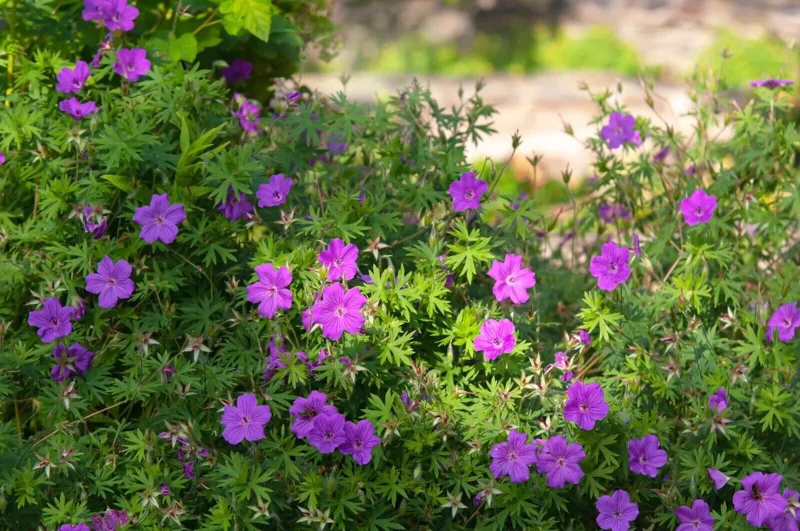
Flower Bulbs
3 Cranesbill Wild Geranium Organic Maculatums Bare Roots | Wildflower for Outdoor Garden
Sold 116 products
Original price was: $21.99.$9.99Current price is: $9.99.
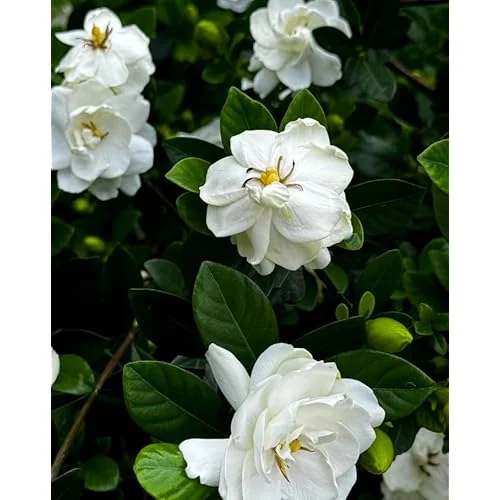
Sold 114 products
Original price was: $28.99.$17.99Current price is: $17.99.
Sold 110 products
Original price was: $63.99.$28.99Current price is: $28.99.
Sold 108 products
Original price was: $28.99.$17.99Current price is: $17.99.RELATED posts
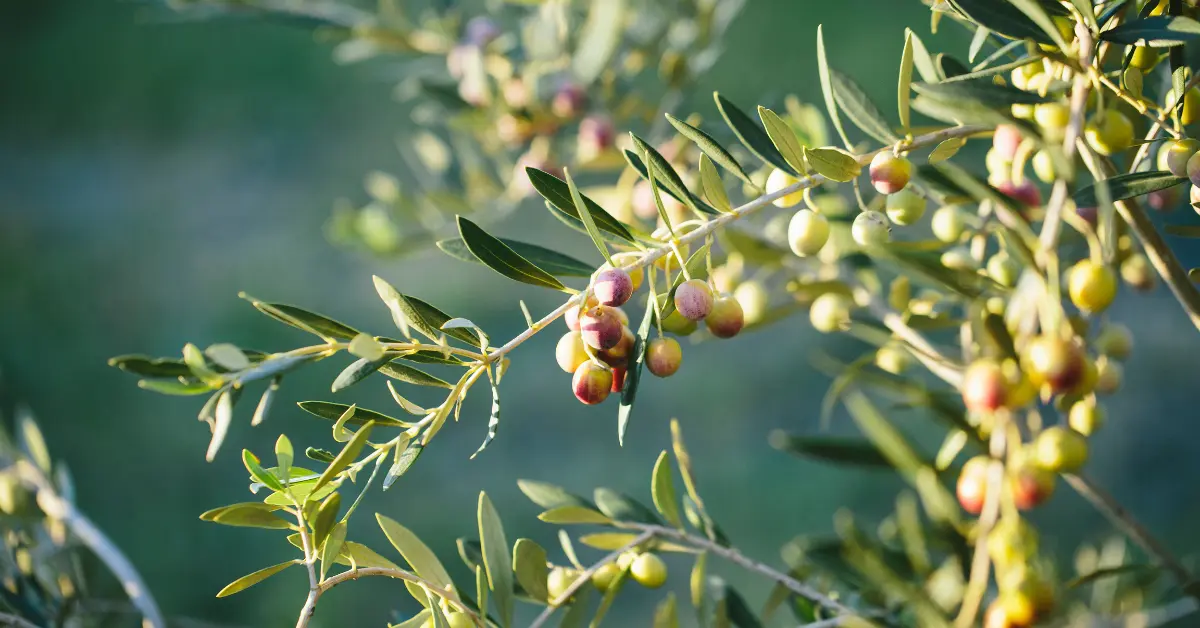
How to Grow Arbequina Olive Trees: The Ultimate Guide to Your Own Olive Grove
Arbequina Olive Tree (Olea europaea ‘Arbequina’) – the ultimate Mediterranean plant that brings a touch [...]
Oct
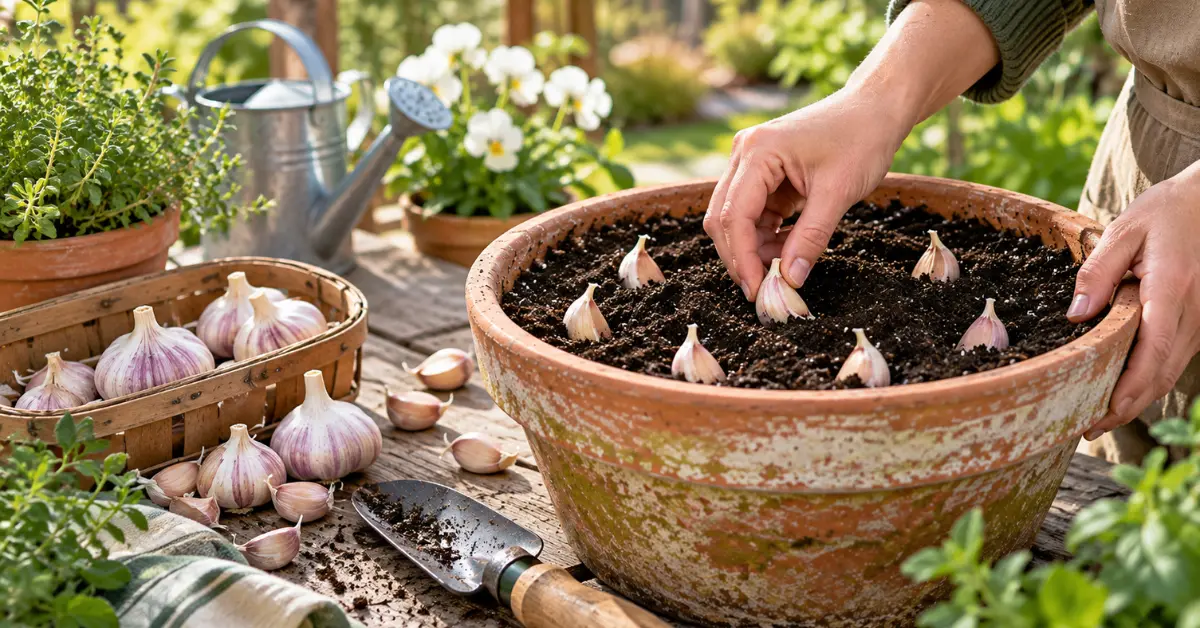
Growing Garlic in Containers This Fall: A Complete Guide for Beginners
If you’ve ever wanted to pop fresh, aromatic garlic cloves straight from your own patio [...]
Sep
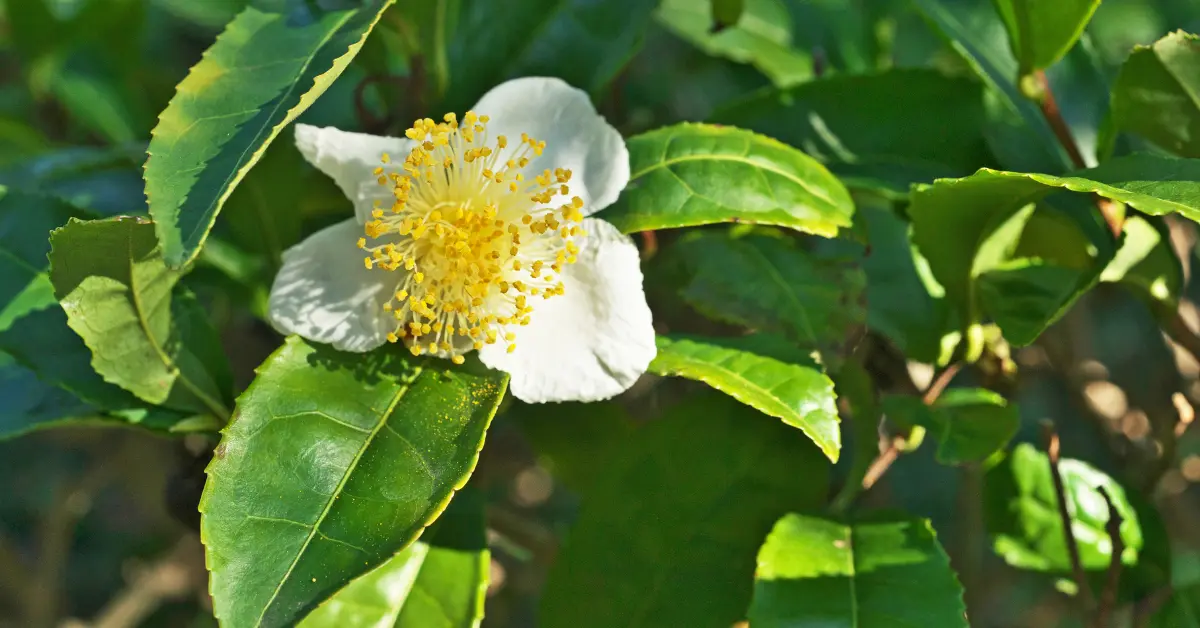
Growing Camellia Sinensis (Tea Plants) in Containers: A Complete Guide for Beginners
If you’ve ever wanted to sip a steaming, homegrown cup of fresh green, black, or [...]
Aug
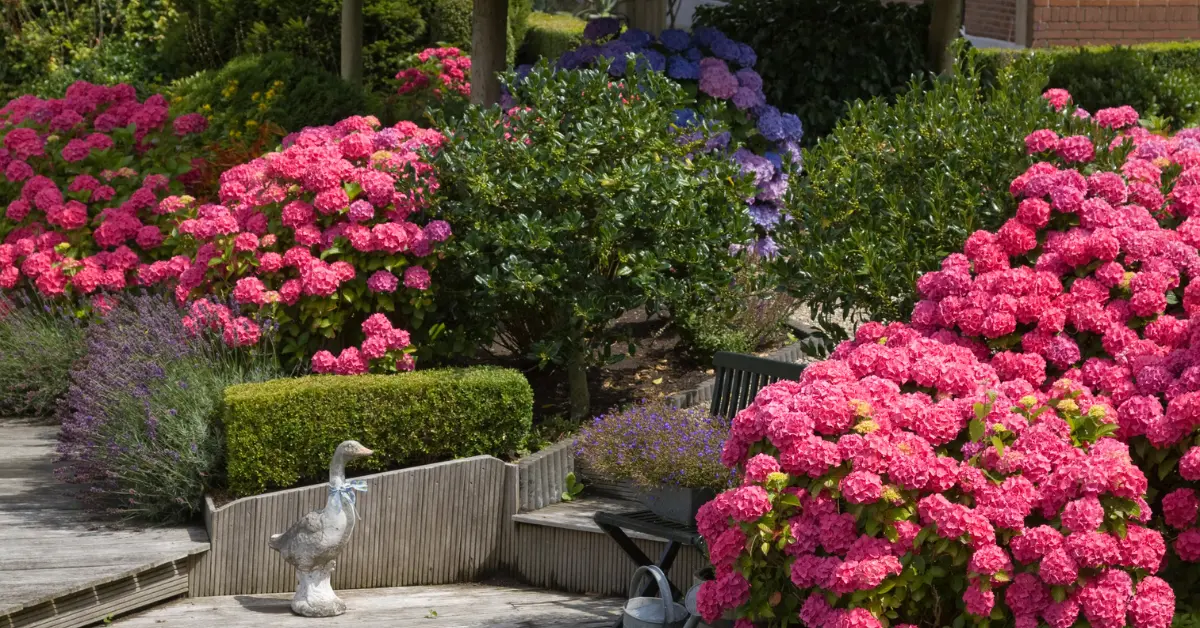
6 Best Shrubs to Plant in August You Must Try
Have you ever walked through a nursery late in the summer, admired the vibrant shrubs [...]
Aug
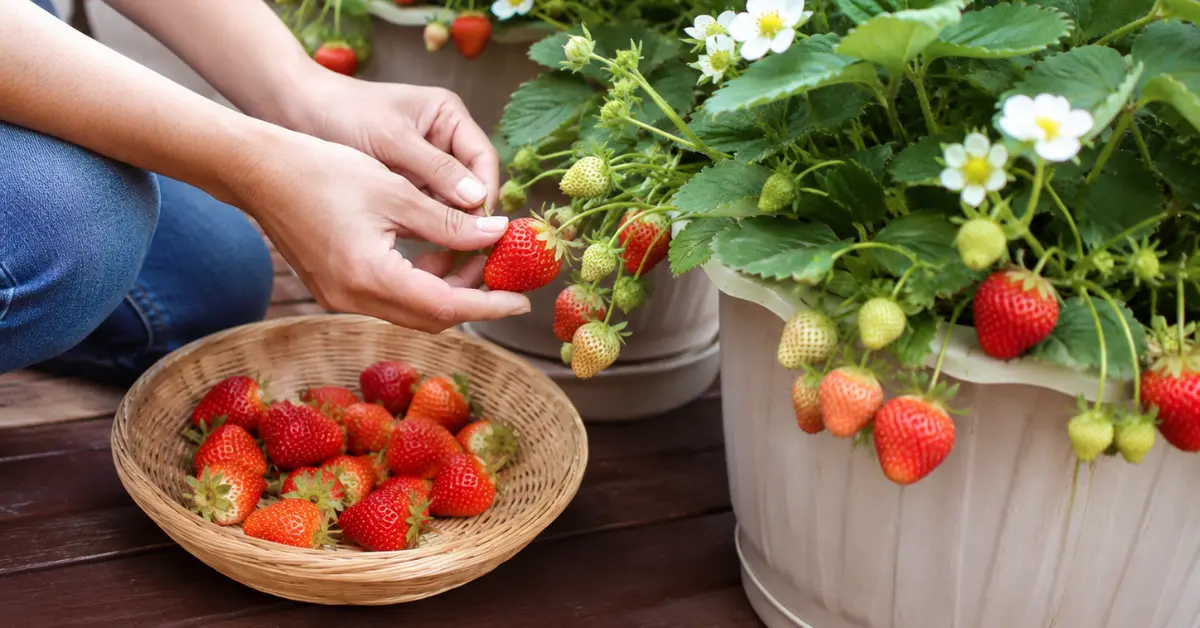
Growing Everbearing Strawberries in Containers: A Complete Guide for Beginners
Want to grow sweet, fresh strawberries but do not have a large garden? Everbearing strawberries [...]
Aug
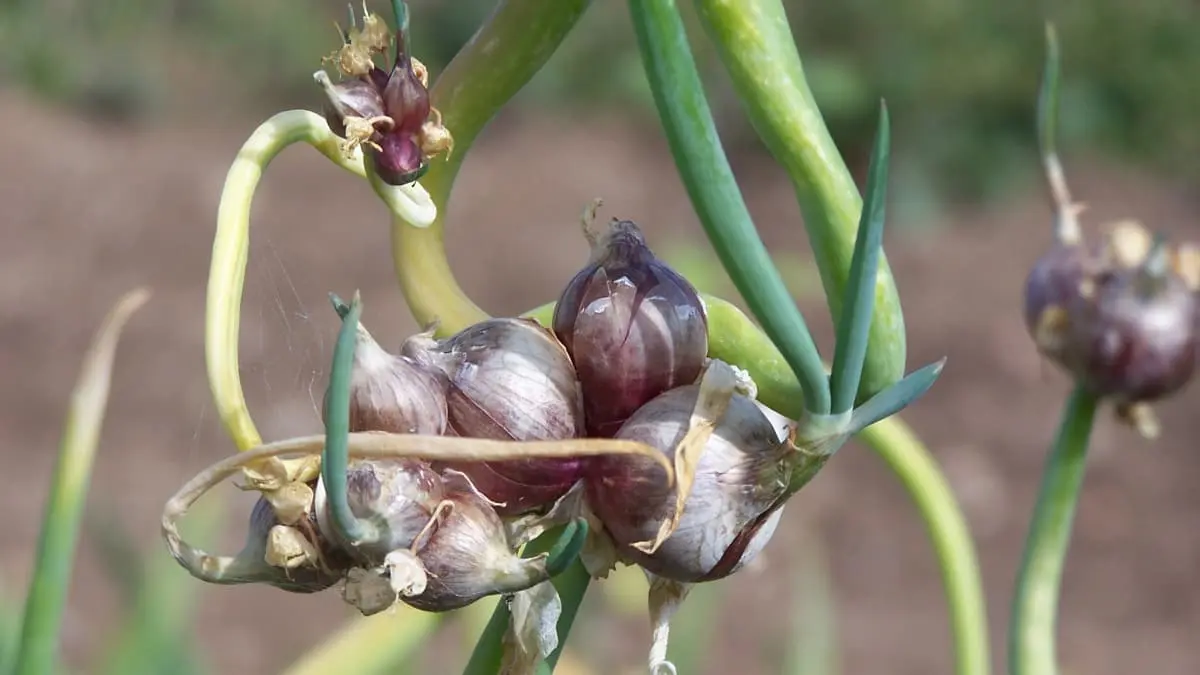
Growing Egyptian Walking Onions in Containers: A Complete Guide for Beginners
If you’re looking for a hardy, no-fuss perennial onion that keeps on giving year after [...]
Jul
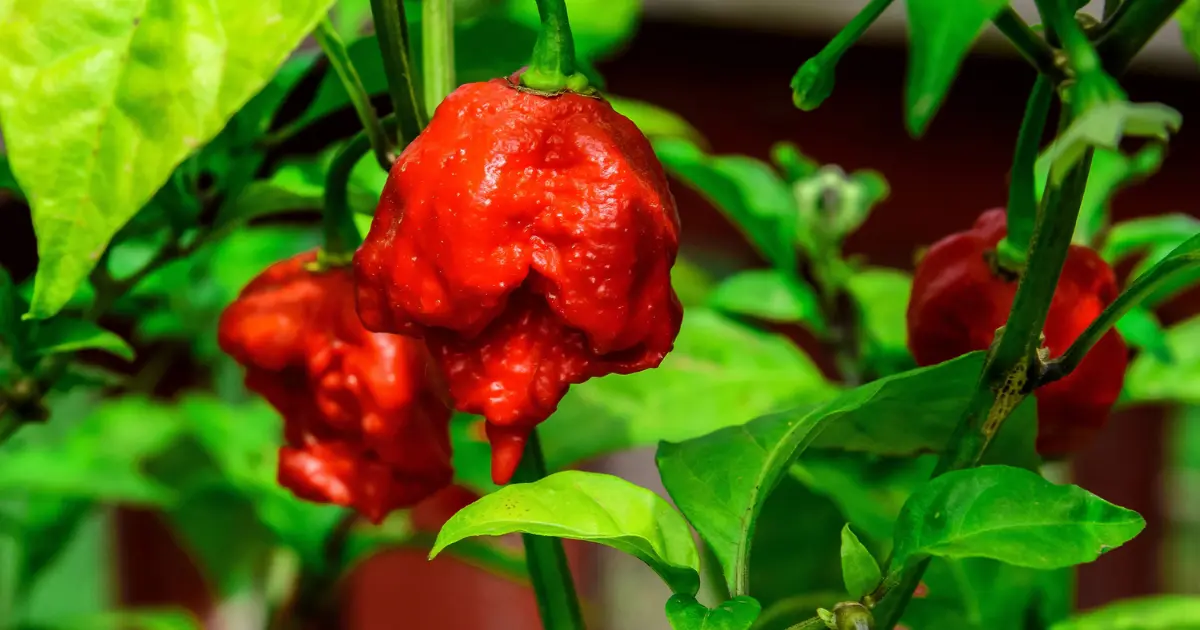
Growing Carolina Reaper Peppers in Pots: A Complete Guide for Beginners
If you’ve ever wanted to add some serious, record-breaking heat to your home cooking, you’ve [...]
May
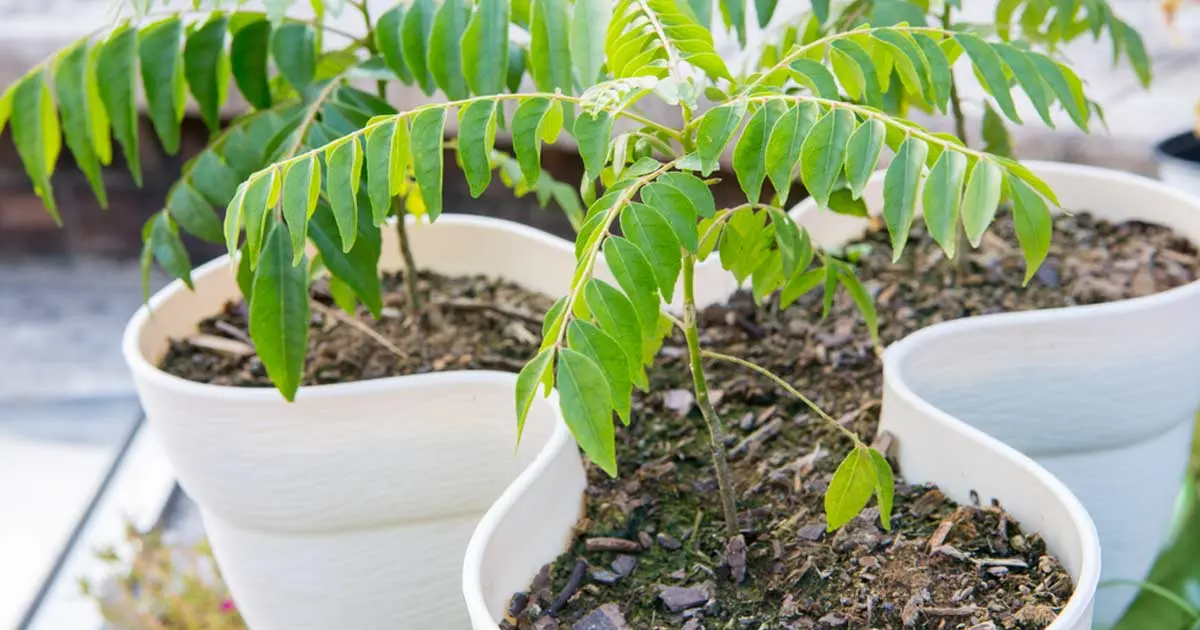
Growing Curry Leaf Plant in Pots: A Complete Guide for Beginners
If you’re a fan of authentic South Asian cuisine, you already know that nothing compares [...]
May

Reviews
There are no reviews yet.