
Tillandsia aeranthos Live Air Plant – Cold Hardy & Easy Care
Original price was: $39.80.$19.99Current price is: $19.99.
Enhance your home with the beautiful Tillandsia aeranthos, a truly unique and cold hardy air plant. This captivating epiphytic plant requires no soil, making it incredibly versatile for creative displays. Known for its ease of care, it’s perfect for both novice and experienced plant enthusiasts looking to add a touch of natural elegance to their indoor or outdoor spaces.
Estimated arrival
Oct 05
Oct 10 - Oct 12
Oct 15 - Oct 19

Reasonable Price
We offer reasonable price

Support 24/7
Contact us 24 hrs a day

100% Money Back
You've 30 days to Return

Payment Secure
100% secure payment
Overview
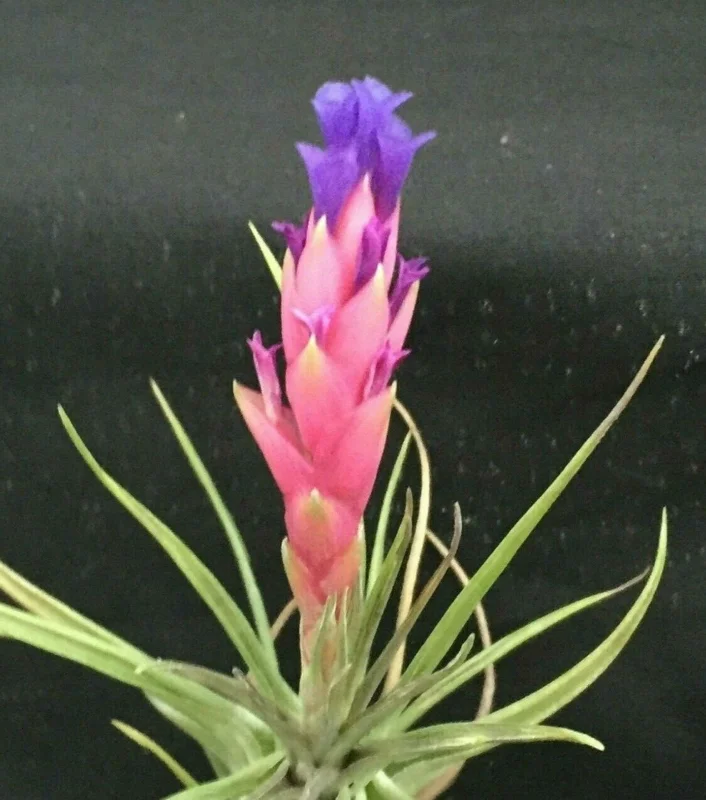
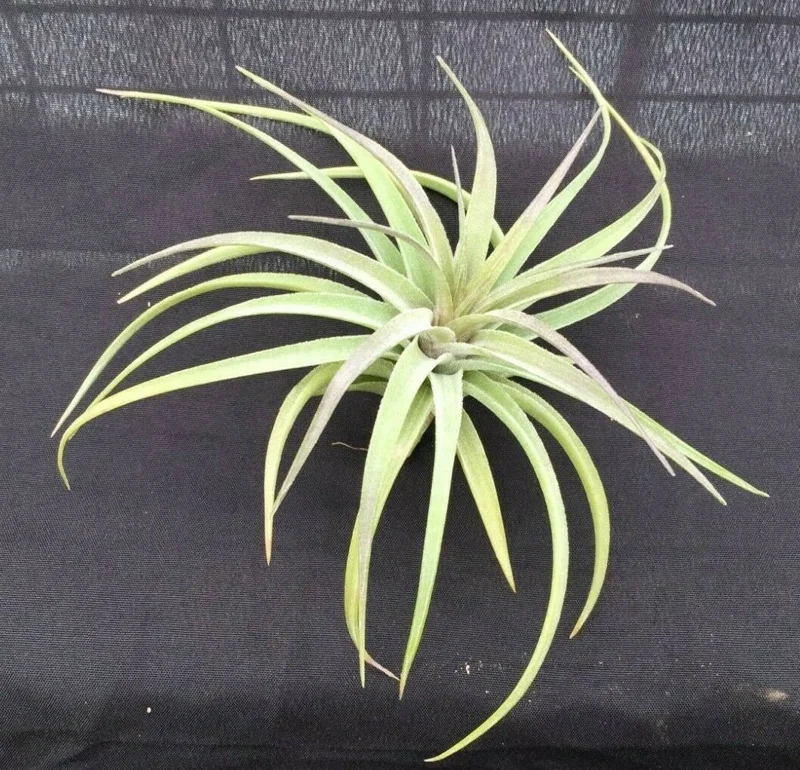
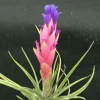
Introduce a touch of natural artistry into your living space with the exquisite Tillandsia aeranthos. This fascinating member of the Tillandsia genus is a true air plant, meaning it absorbs all the nutrients and moisture it needs directly from the air through specialized scales on its leaves. Unlike most plants, it requires no soil, making it incredibly versatile for creative displays – from terrariums and vivariums to mounted arrangements on driftwood or decorative rocks. The Tillandsia aeranthos is particularly prized for its striking appearance, featuring stiff, silvery-green leaves that form a dense rosette. When it blooms, it produces a vibrant, long-lasting inflorescence with beautiful pink bracts and violet-blue flowers, adding a splash of color and exotic charm to any environment. This cold hardy air plant is also known for its resilience and adaptability, thriving in a variety of conditions and making it an excellent choice for both beginners and seasoned plant collectors. Its ease of care and unique growth habit make it a captivating focal point in any home or office.
Key Benefits
The Tillandsia aeranthos offers numerous advantages for plant enthusiasts, combining aesthetic appeal with practical benefits:
-
Low Maintenance: This cold hardy air plant is incredibly easy to care for, requiring minimal attention compared to traditional potted plants. It thrives on occasional misting or soaking, making it ideal for busy individuals or those new to plant ownership. No soil means no repotting and less mess.
-
Versatile Decor: Its unique epiphytic nature allows for endless creative display options. Hang it, mount it, place it in bowls, or incorporate it into terrariums. The possibilities are only limited by your imagination, allowing you to easily refresh your home decor.
-
Air Purification: Like many plants, Tillandsias contribute to a healthier indoor environment by absorbing airborne pollutants and releasing oxygen, helping to improve the air quality in your home.
-
Unique Bloom: Enjoy the breathtaking display of its vibrant pink and violet flowers when it blooms. The striking inflorescence is a true spectacle and can last for several weeks, adding a dynamic element to your plant collection.
-
Space-Saving: Perfect for small apartments, offices, or any area where space is limited. Since it doesn’t need soil, it can be placed in unconventional spots, utilizing vertical space or tucked into small nooks.
-
Pet-Friendly: Generally considered non-toxic to pets, making it a safer option for households with curious cats or dogs, allowing you to enjoy greenery without worry.
-
Educational Value: Provides a fascinating opportunity to learn about epiphytic plants and their unique adaptations, making it a great conversation starter and an intriguing addition to any collection of exotic flora. Understanding air plant care is simpler than you think.
Plant Care & Growing Tips
Caring for your Tillandsia aeranthos is straightforward, making it one of the easiest Tillandsia species to maintain. For optimal growth, provide bright, indirect light. A spot near a window that receives filtered sunlight for several hours a day is ideal. Avoid direct, intense sunlight, especially during the hottest parts of the day, as this can scorch the leaves. If kept outdoors, ensure it’s in a shaded or partially shaded location. Good air circulation is crucial for the health of your air plant; stagnant air can lead to rot, so avoid placing it in enclosed, poorly ventilated areas.
Watering is the most critical aspect of air plant care. The frequency depends on your environment’s humidity, temperature, and light levels. A good rule of thumb is to soak your air plant in room-temperature water for 20-30 minutes once a week. After soaking, gently shake off excess water and place the plant upside down on a towel to dry completely within 2-4 hours. This prevents water from sitting in the base of the plant, which can cause rot. In drier climates or during warmer months, you might need to water more frequently, possibly twice a week. Misting can supplement watering but should not replace full soaks.
Regarding temperature, the Tillandsia aeranthos is a cold hardy air plant, tolerating temperatures down to around 40°F (4°C) for short periods, but it thrives best in typical indoor temperatures between 60-80°F (15-27°C). It does not require soil, but if you wish to fertilize, use a specialized air plant fertilizer diluted to quarter strength once a month during the growing season (spring and summer). Ensure proper drying after fertilization. Keep an eye out for common problems like brown, crispy leaf tips (underwatering) or mushy bases (overwatering/poor drying). With these simple guidelines, your Tillandsia aeranthos will flourish.
Size & Details
The Tillandsia aeranthos typically forms a compact rosette, reaching an average size of 3 to 6 inches in height and width. Its growth rate is moderate, gradually expanding its clump over time and producing offsets (pups) that can be separated and grown into new plants. This live air plant ships as a healthy, mature specimen, ready to be displayed immediately upon arrival. While it does not come with a pot, it can be easily mounted or placed in various decorative containers. Expect the plant to bloom annually, usually in late winter to early spring, with its vibrant inflorescence lasting for several weeks. This hardy species is known for its robust nature and ability to adapt to diverse settings, making it a long-lasting and rewarding addition to your plant collection. It’s an ideal choice for those seeking easy air plants that offer significant visual impact.
Frequently Asked Questions
-
Q: How big does this Tillandsia aeranthos get? A: The Tillandsia aeranthos typically grows to about 3 to 6 inches in height and width, forming a charming, compact rosette. Its size makes it versatile for a variety of display options, from small terrariums to larger mounted arrangements.
-
Q: Is this an indoor or outdoor plant? A: This cold hardy air plant can thrive both indoors and outdoors. If kept outdoors, ensure it’s in a shaded area and protected from frost. Indoors, it prefers bright, indirect light and good air circulation.
-
Q: How much sunlight does it need? A: The Tillandsia aeranthos requires bright, indirect sunlight. Avoid direct, harsh sun, which can scorch its leaves. A north or east-facing window is often ideal, or a few feet away from a south or west-facing window.
-
Q: Is this plant easy to care for? A: Yes, the Tillandsia aeranthos is considered one of the easier Tillandsia species to care for, making it perfect for beginners. Its minimal requirements for watering and no need for soil simplify its maintenance significantly.
-
Q: What condition will it arrive in? A: Your air plant will arrive as a healthy, live specimen, carefully packaged to ensure it reaches you in excellent condition. It will be ready to display and begin its new life in your home.
-
Q: How often should I water my Tillandsia aeranthos? A: A good watering routine involves soaking the plant in room-temperature water for 20-30 minutes once a week. In drier environments, you may need to increase this to twice a week. Always shake off excess water and allow it to dry completely after soaking.
-
Q: Does this air plant bloom? A: Yes, the Tillandsia aeranthos produces a beautiful and vibrant bloom, typically in shades of pink and violet-blue. The inflorescence can last for several weeks, adding stunning color to your collection.
-
Q: What’s the minimum temperature this cold hardy air plant can tolerate? A: While it prefers warmer temperatures, the Tillandsia aeranthos is known to be relatively cold hardy and can tolerate temperatures down to approximately 40°F (4°C) for short durations. However, consistent cold should be avoided.
-
Q: Can I use tap water for watering? A: It’s best to use filtered water, rainwater, or dechlorinated tap water. Hard water or water with high mineral content can leave residue on the leaves, potentially blocking the plant’s ability to absorb moisture and nutrients.
-
Q: Is this air plant safe for pets? A: Generally, Tillandsias, including the Tillandsia aeranthos, are considered non-toxic to pets, making them a safe choice for households with cats and dogs.
Be the first to review “Tillandsia aeranthos Live Air Plant – Cold Hardy & Easy Care”
-
USDA Hardiness Zone
USDA zones 9-11 (for outdoor, otherwise indoor) -
Soil Type
No soil required (epiphytic) -
Sunlight Exposure
Bright indirect light -
Expected Planting Period
Year-round indoors
People Also Viewd


Sold 134 products
Original price was: $3,536.00.$23.99Current price is: $23.99.

Sold 132 products
Original price was: $89.99.$64.99Current price is: $64.99.

Sold 132 products
Original price was: $27.00.$24.00Current price is: $24.00.

Sold 125 products
Original price was: $86.99.$66.99Current price is: $66.99.

Flower Bulbs
3 Cranesbill Wild Geranium Organic Maculatums Bare Roots | Wildflower for Outdoor Garden
Sold 116 products
Original price was: $21.99.$9.99Current price is: $9.99.

Sold 114 products
Original price was: $28.99.$17.99Current price is: $17.99.
Sold 110 products
Original price was: $63.99.$28.99Current price is: $28.99.
Sold 108 products
Original price was: $28.99.$17.99Current price is: $17.99.RELATED posts
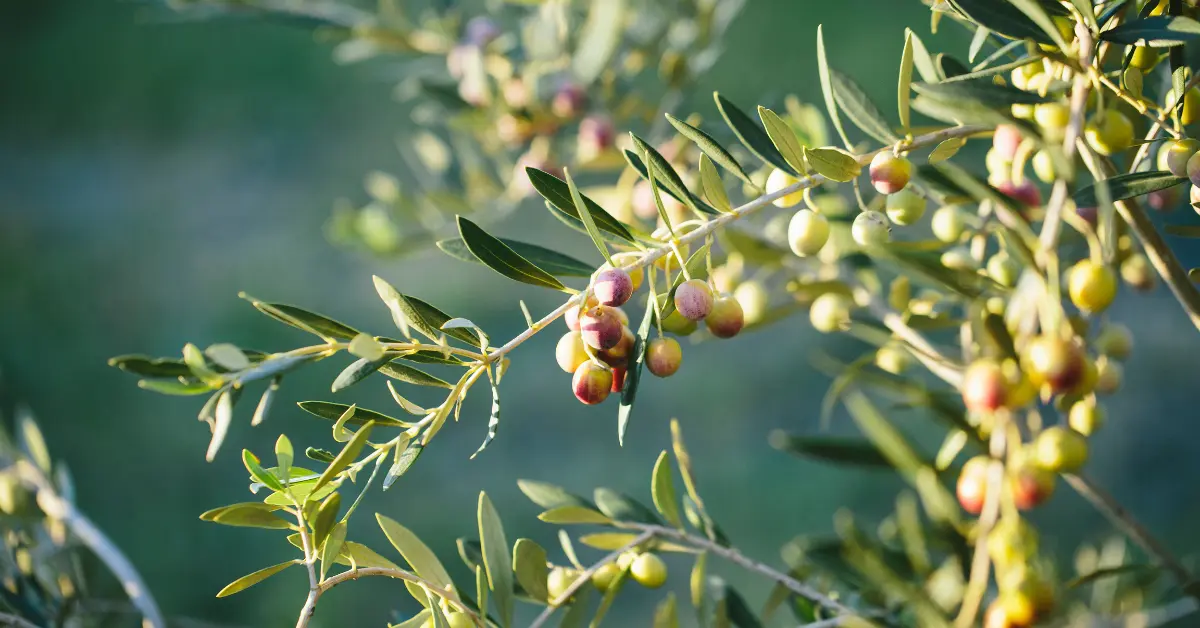
How to Grow Arbequina Olive Trees: The Ultimate Guide to Your Own Olive Grove
Arbequina Olive Tree (Olea europaea ‘Arbequina’) – the ultimate Mediterranean plant that brings a touch [...]
Oct
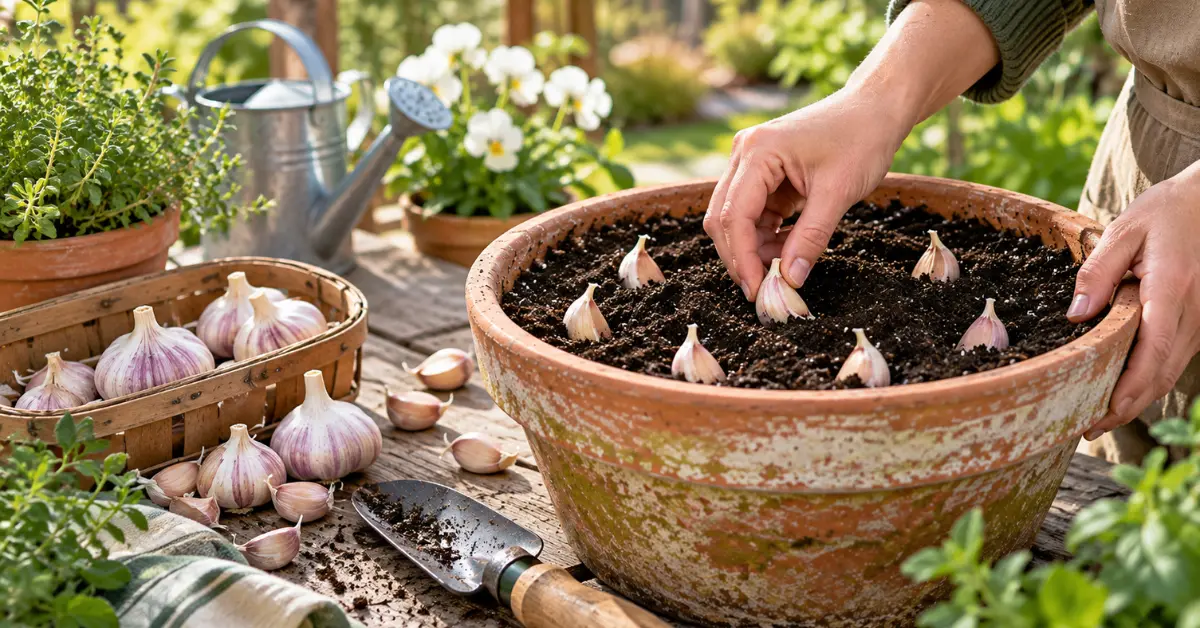
Growing Garlic in Containers This Fall: A Complete Guide for Beginners
If you’ve ever wanted to pop fresh, aromatic garlic cloves straight from your own patio [...]
Sep
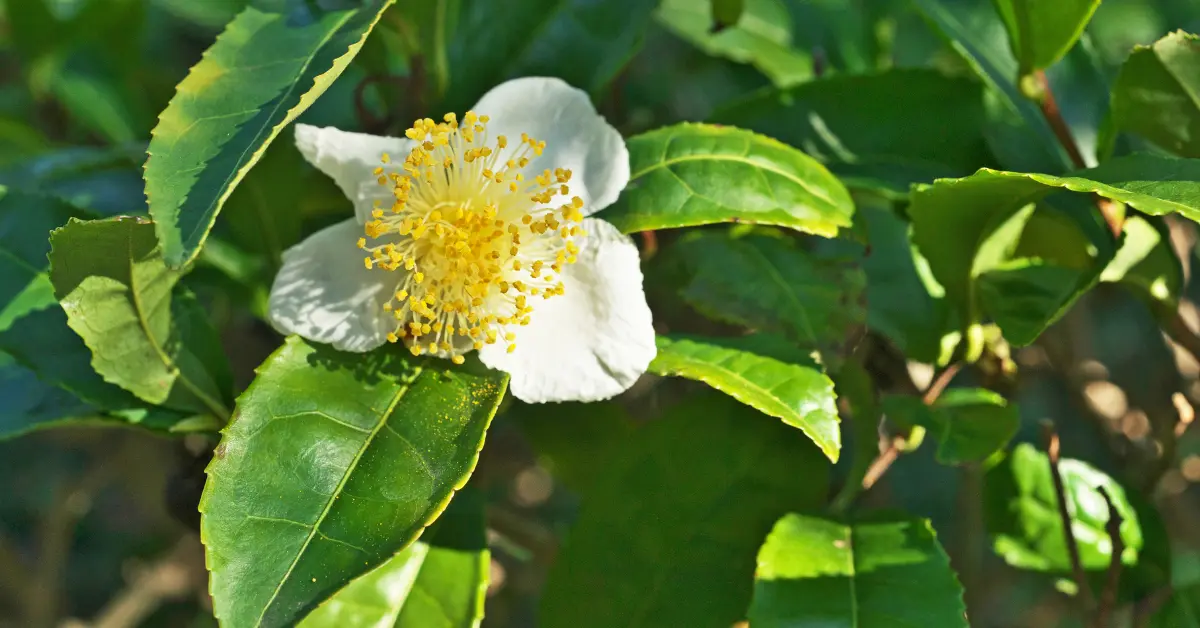
Growing Camellia Sinensis (Tea Plants) in Containers: A Complete Guide for Beginners
If you’ve ever wanted to sip a steaming, homegrown cup of fresh green, black, or [...]
Aug
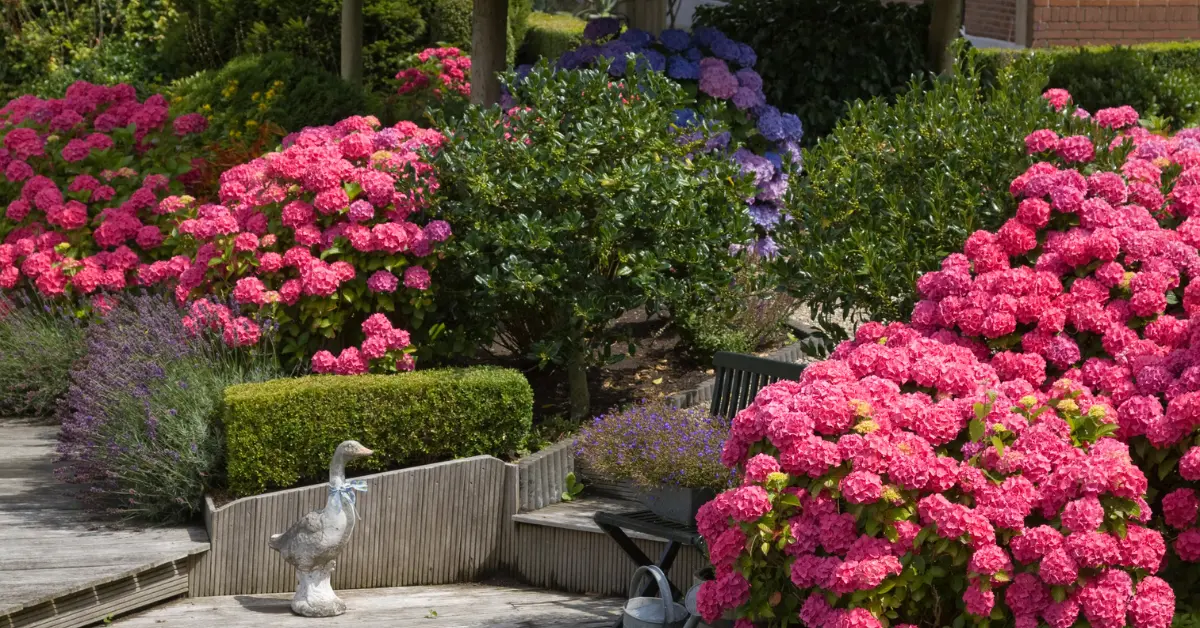
6 Best Shrubs to Plant in August You Must Try
Have you ever walked through a nursery late in the summer, admired the vibrant shrubs [...]
Aug
Growing Everbearing Strawberries in Containers: A Complete Guide for Beginners
Want to grow sweet, fresh strawberries but do not have a large garden? Everbearing strawberries [...]
Aug
Growing Egyptian Walking Onions in Containers: A Complete Guide for Beginners
If you’re looking for a hardy, no-fuss perennial onion that keeps on giving year after [...]
Jul
Growing Carolina Reaper Peppers in Pots: A Complete Guide for Beginners
If you’ve ever wanted to add some serious, record-breaking heat to your home cooking, you’ve [...]
May
Growing Curry Leaf Plant in Pots: A Complete Guide for Beginners
If you’re a fan of authentic South Asian cuisine, you already know that nothing compares [...]
May
Reviews
There are no reviews yet.