
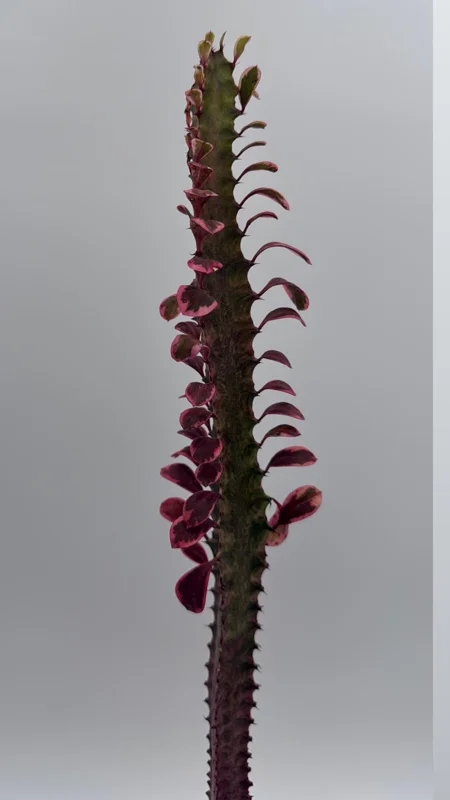
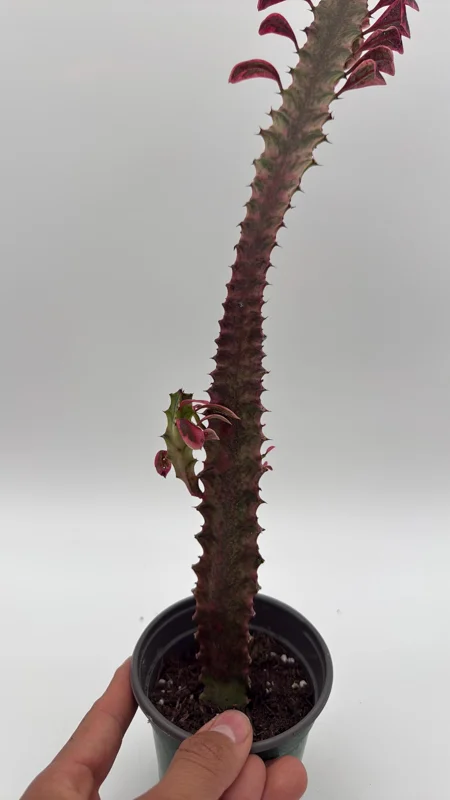
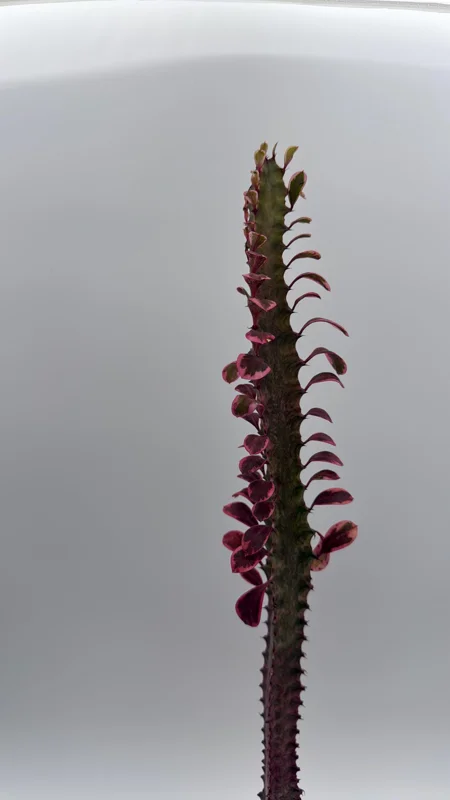
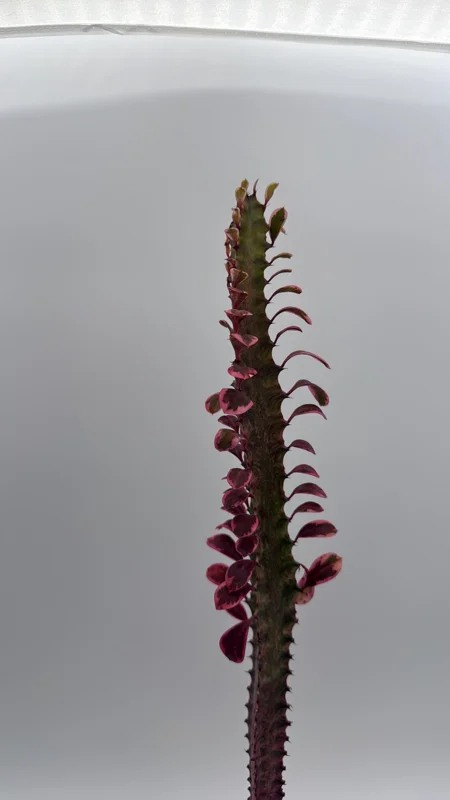
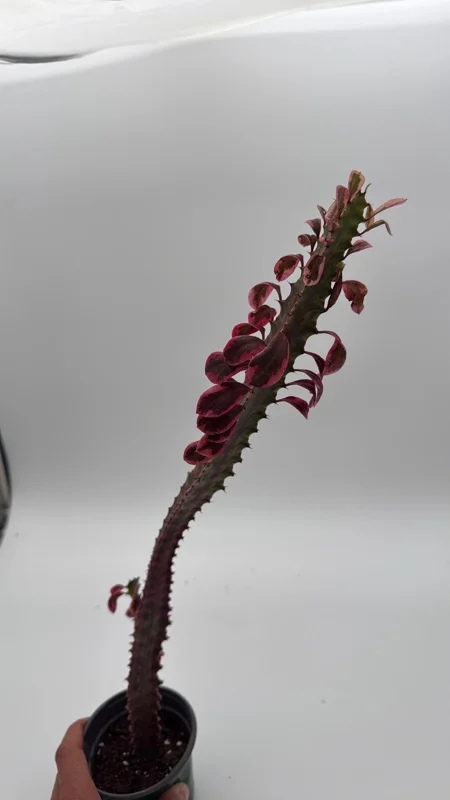
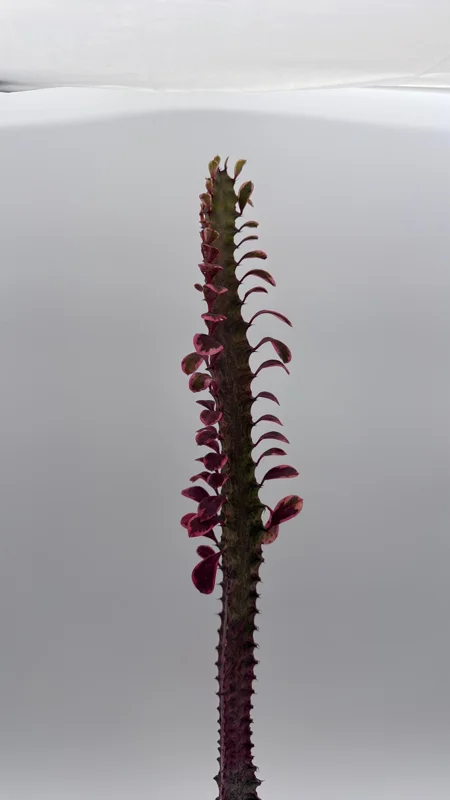
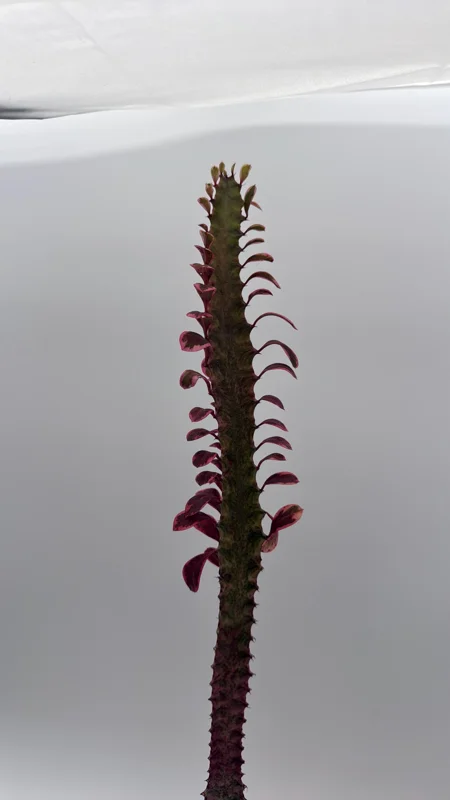
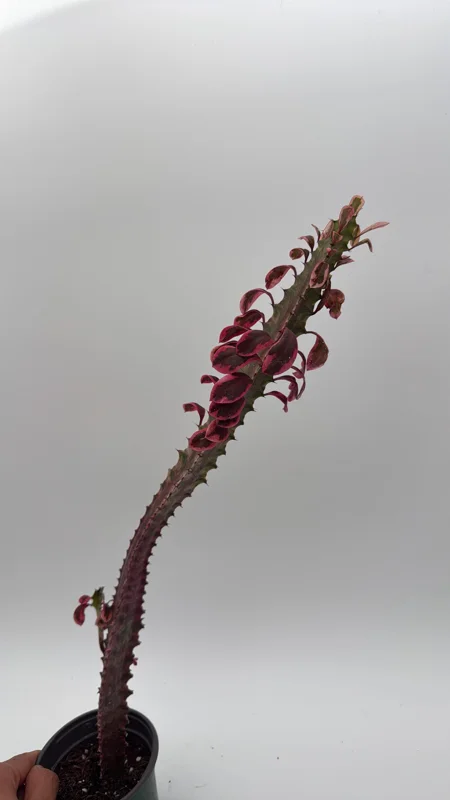
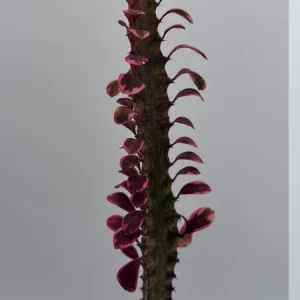
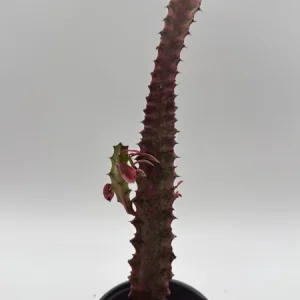
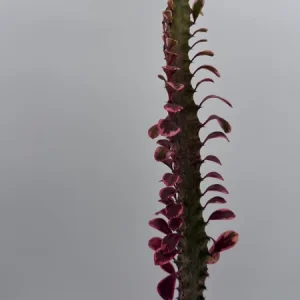
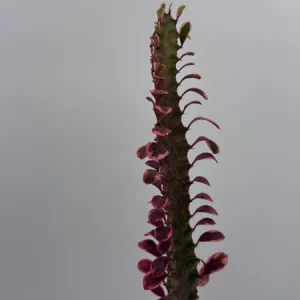
Variegated Euphorbia Trigona Pink Royal Live Plant – 4″ Pot – African Milktree
Original price was: $73.98.$36.99Current price is: $36.99.
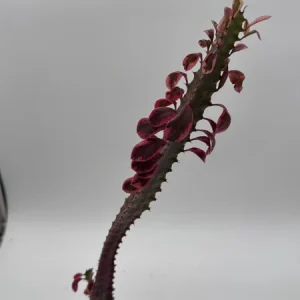
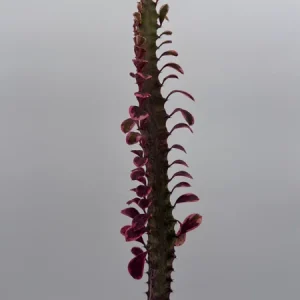
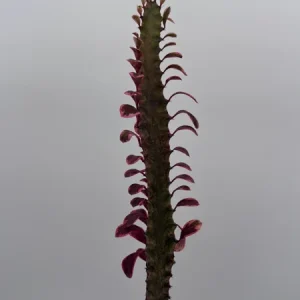
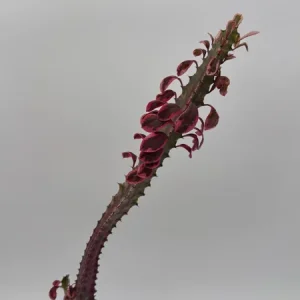
Add a splash of vibrant color to your home with the variegated euphorbia trigona pink royal. This striking african milktree plant features unique pink and green variegated stems, making it a captivating focal point. Shipped in a 4-inch nursery pot, it’s an ideal, low-maintenance succulent for indoor environments.
Estimated arrival
Oct 11
Oct 16 - Oct 18
Oct 21 - Oct 25

Reasonable Price
We offer reasonable price

Support 24/7
Contact us 24 hrs a day

100% Money Back
You've 30 days to Return

Payment Secure
100% secure payment
Overview
Introduce a truly unique and eye-catching specimen to your plant collection with the variegated euphorbia trigona pink royal. This stunning live plant, often referred to as the african milktree plant, is a succulent native to Central Africa, celebrated for its distinctive upright, columnar growth habit and vibrant coloration. Unlike many euphorbias, this particular variety boasts a beautiful variegation, showcasing shades of green, cream, and a prominent blush of pink along its edges, especially when exposed to adequate light. It arrives in a convenient 4-inch nursery pot, ready to enhance any indoor space with its exotic charm and architectural form. Perfect for both seasoned collectors and those new to succulents, the variegated euphorbia trigona pink royal is a conversation starter that requires minimal fuss, making it an excellent choice for adding a touch of the extraordinary to your home or office.
The botanical name, Euphorbia trigona, refers to its typically three-sided stems, though some variations may occur. The ‘Pink Royal’ cultivar highlights its exceptional pink hues, which become more intense with proper light exposure. This plant is not only beautiful but also relatively easy to care for, thriving on neglect rather than over-attention, which makes euphorbia trigona care quite straightforward. It’s an excellent choice for those looking to add vertical interest and a pop of color to their indoor plant arrangements.
Key Benefits
The variegated euphorbia trigona pink royal offers numerous advantages, making it a highly desirable plant for various settings. Its striking appearance and resilient nature contribute to a delightful and rewarding plant ownership experience. This succulent is an exceptional choice for enhancing indoor aesthetics and providing a low-effort green companion.
- Stunning Visual Appeal: The unique pink, green, and cream variegation of this african milktree plant creates a captivating display, adding vibrant color and architectural interest to any room. It stands out from typical green houseplants, offering a dynamic focal point.
- Low Maintenance: As a succulent, it requires infrequent watering and thrives on bright light, making it an ideal choice for busy individuals or novice plant parents. Its robust nature means less worry about daily care.
- Air Purifying Qualities: Like many houseplants, the euphorbia trigona can contribute to improved indoor air quality by absorbing toxins and releasing oxygen, fostering a healthier living environment.
- Unique Growth Habit: Its upright, columnar stems grow in an intriguing, candelabra-like fashion, adding a sculptural element to your decor. This vertical growth is perfect for narrow spaces or creating height in plant arrangements.
- Drought Tolerant: Adapted to arid conditions, this plant can withstand periods of dryness, reducing the risk of overwatering, which is a common issue for many houseplants. This makes euphorbia trigona care particularly forgiving.
- Versatile Decor Piece: Whether placed on a desk, shelf, or as a floor plant as it matures, its distinctive form and color make it suitable for various interior design styles, from modern minimalist to bohemian.
- Long Lifespan: With proper care, the pink euphorbia succulent can live for many years, growing into an impressive specimen that continues to beautify your space for a long time.
Plant Care & Growing Tips
Caring for your variegated euphorbia trigona pink royal is generally straightforward, as it is a resilient succulent that thrives on consistent, but not excessive, attention. To ensure your african milktree plant flourishes, understanding its specific needs regarding light, water, and soil is crucial. This plant prefers conditions that mimic its native arid environment. Providing the right environment will help maintain its vibrant pink coloration and healthy growth.
For optimal growth and to enhance its beautiful pink variegation, your variegated euphorbia trigona pink royal requires abundant sunlight. Place it in a location where it receives at least 4-6 hours of direct sunlight per day, such as a south or west-facing window. Insufficient light can lead to leggy growth and a dulling of its vibrant colors. When it comes to watering, less is often more. Allow the soil to dry out completely between waterings, typically every 2-4 weeks, depending on humidity and light levels. Overwatering is the most common cause of problems for this succulent, leading to root rot. During winter, reduce watering significantly. The ideal soil for this indoor euphorbia plant is a well-draining cactus or succulent mix, which prevents water from sitting around the roots. Ensure its pot has drainage holes.
The euphorbia trigona prefers warm temperatures, ideally between 65-80°F (18-27°C), and should be protected from temperatures below 50°F (10°C). It is generally not cold-hardy, making it suitable for USDA zones 10-11 if grown outdoors, but primarily an indoor plant in most climates. Fertilize sparingly, once or twice during the growing season (spring and summer) with a balanced liquid fertilizer diluted to half strength. Repotting is only necessary when the plant becomes root-bound, typically every 2-3 years, choosing a pot only slightly larger than the previous one. Be cautious when handling, as the milky sap can be irritating to the skin and eyes. Understanding these aspects of euphorbia trigona care will ensure your plant remains healthy and vibrant.
Size & Details
This offering is for one live variegated euphorbia trigona pink royal, presented in a 4-inch nursery pot. At the time of shipment, the plant typically stands approximately 6-10 inches tall from the base of the soil, though individual sizes may vary slightly. This succulent exhibits a moderate growth rate, and under ideal indoor conditions, it can eventually reach heights of 2-3 feet or more, developing into a stately, columnar specimen. Its distinct three-sided stems will continue to branch, creating an impressive, candelabra-like silhouette over time. The vibrant pink and green variegation will become more pronounced as the plant matures and receives adequate light, offering a dynamic visual element.
The plant is shipped securely in its nursery pot with soil, ensuring minimal disturbance during transit and a smooth transition to its new home. It is a juvenile plant, providing you with the satisfaction of watching it grow and develop its full majestic form. Expect the plant to establish quickly once placed in suitable conditions. This pink euphorbia succulent is perfect for adding immediate visual interest to windowsills, desks, or as part of a larger succulent arrangement.
Frequently Asked Questions
- Q: How big does this plant get? A: The variegated euphorbia trigona pink royal is a moderately fast grower and can reach impressive heights of 2-3 feet or more indoors with proper care. It will start smaller, typically 6-10 inches tall in its 4-inch pot.
- Q: Is this an indoor or outdoor plant? A: While it can be grown outdoors in very warm climates (USDA Zones 10-11), the african milktree plant is primarily cultivated as an indoor houseplant in most regions due to its sensitivity to cold temperatures.
- Q: How much sunlight does it need? A: This succulent thrives in bright light, requiring at least 4-6 hours of direct sunlight daily to maintain its vibrant pink variegation. A south or west-facing window is ideal for your variegated euphorbia trigona pink royal.
- Q: Is this plant easy to care for? A: Yes, euphorbia trigona care is considered easy. It’s a low-maintenance succulent that prefers to be left alone rather than over-fussed, making it great for beginners.
- Q: What condition will it arrive in? A: Your pink euphorbia succulent will arrive as a live plant, securely packaged in its 4-inch nursery pot with soil, ready to be placed in its new home.
- Q: How often should I water my euphorbia trigona? A: Water sparingly. Allow the soil to dry out completely between waterings, usually every 2-4 weeks. Reduce watering significantly in the cooler months.
- Q: Is the sap from the euphorbia trigona dangerous? A: Yes, the milky sap that oozes from cut stems can be irritating to the skin and eyes. It’s best to wear gloves when handling and avoid contact with eyes.
- Q: Does this plant have thorns? A: The variegated euphorbia trigona pink royal does have small, sharp spines along its ridges, typical of many euphorbias. Handle with care.
- Q: Can I propagate this plant? A: Yes, it can be propagated from stem cuttings. Allow the cut end to callus for several days before planting in well-draining soil.
- Q: When is the best time to repot my indoor euphorbia plant? A: Repotting is generally needed every 2-3 years, or when the plant becomes root-bound. Do this during the active growing season (spring or early summer).
Be the first to review “Variegated Euphorbia Trigona Pink Royal Live Plant – 4″ Pot – African Milktree”
-
USDA Hardiness Zone
USDA zones 10-11 (indoors elsewhere) -
Soil Type
Well-draining cactus or succulent potting mix -
Sunlight Exposure
Bright direct light (4-6+ hours daily) -
Expected Planting Period
Year-round indoors
People Also Viewd


Sold 134 products
Original price was: $3,536.00.$23.99Current price is: $23.99.

Sold 132 products
Original price was: $27.00.$24.00Current price is: $24.00.

Sold 132 products
Original price was: $89.99.$64.99Current price is: $64.99.

Sold 125 products
Original price was: $86.99.$66.99Current price is: $66.99.

Flower Bulbs
3 Cranesbill Wild Geranium Organic Maculatums Bare Roots | Wildflower for Outdoor Garden
Sold 116 products
Original price was: $21.99.$9.99Current price is: $9.99.

Sold 114 products
Original price was: $28.99.$17.99Current price is: $17.99.
Sold 110 products
Original price was: $63.99.$28.99Current price is: $28.99.
Sold 108 products
Original price was: $28.99.$17.99Current price is: $17.99.RELATED posts
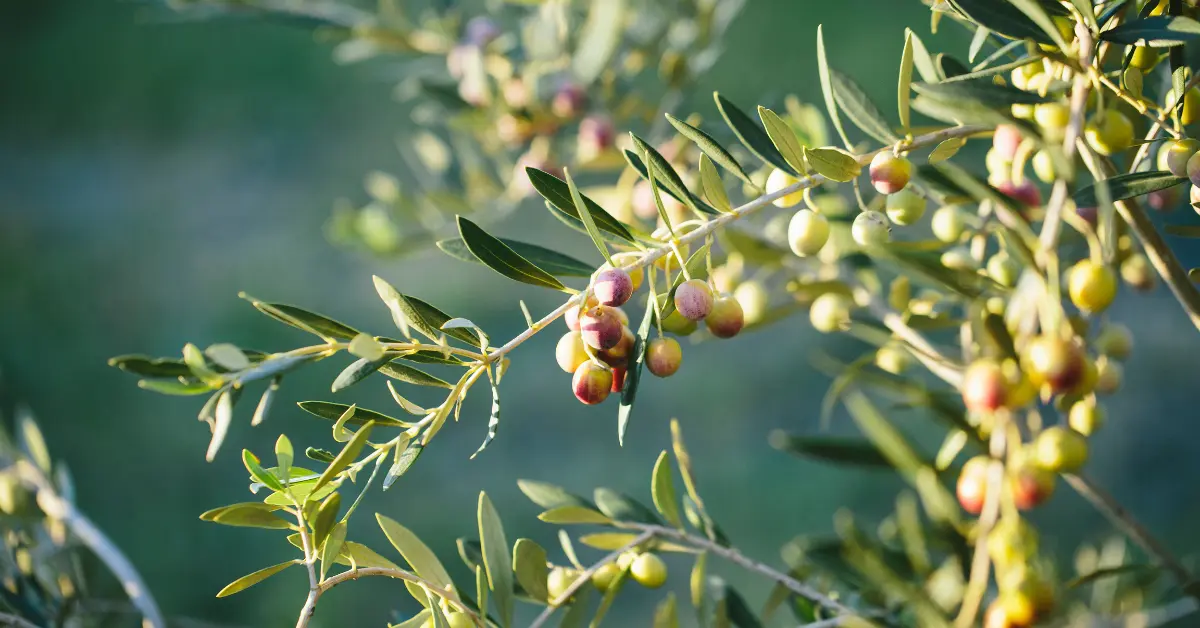
How to Grow Arbequina Olive Trees: The Ultimate Guide to Your Own Olive Grove
Arbequina Olive Tree (Olea europaea ‘Arbequina’) – the ultimate Mediterranean plant that brings a touch [...]
Oct
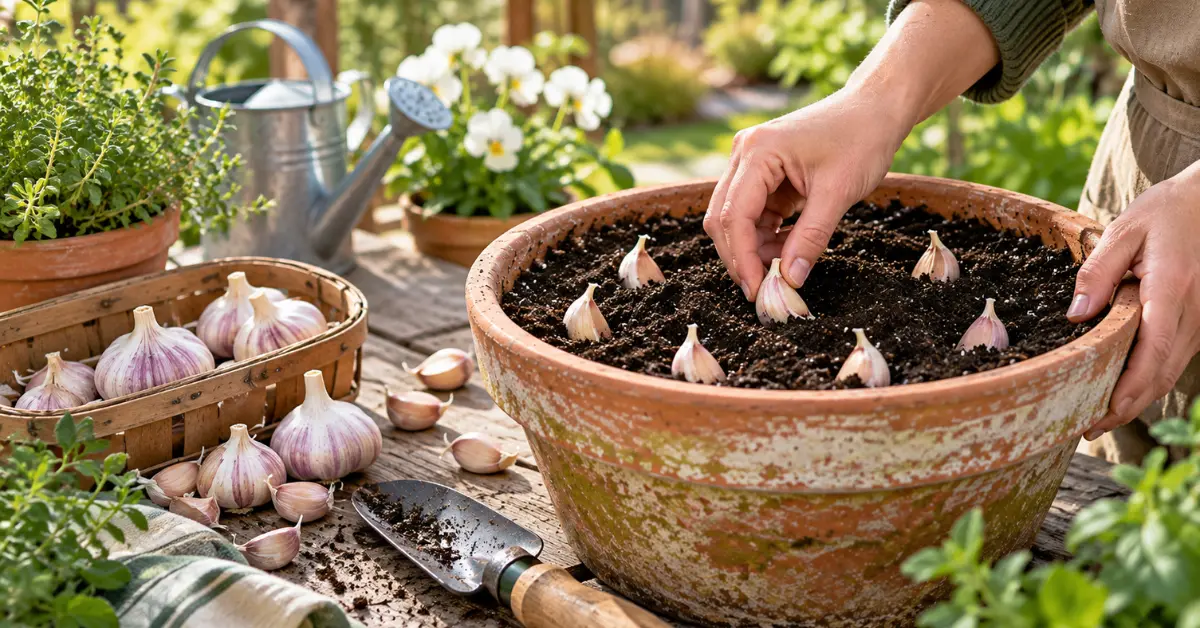
Growing Garlic in Containers This Fall: A Complete Guide for Beginners
If you’ve ever wanted to pop fresh, aromatic garlic cloves straight from your own patio [...]
Sep
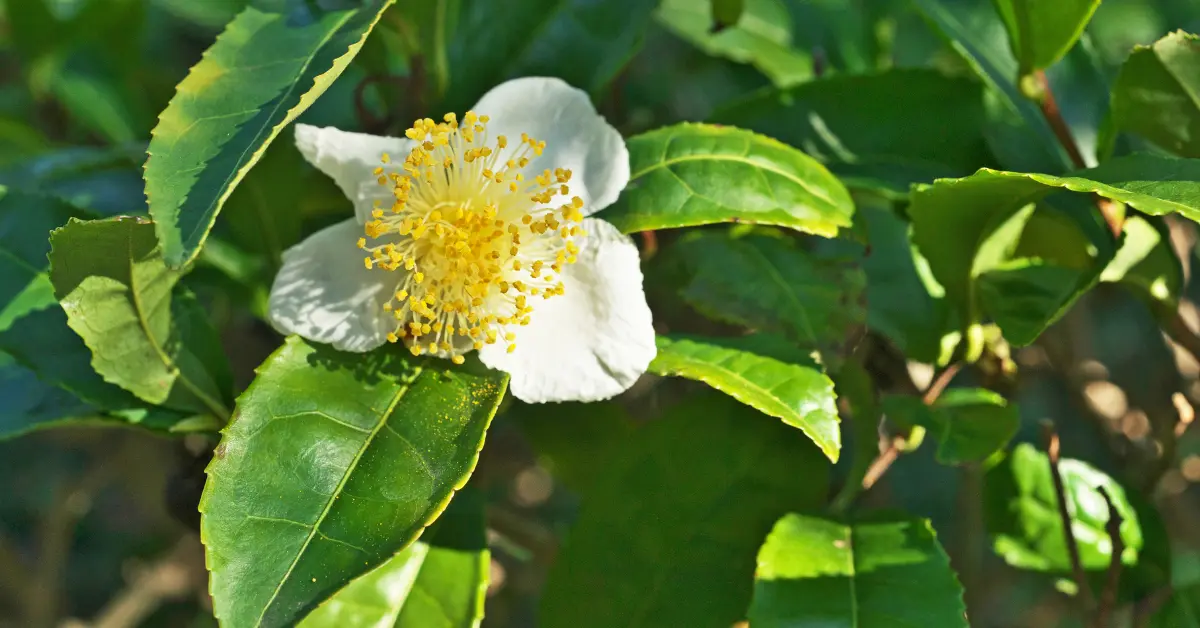
Growing Camellia Sinensis (Tea Plants) in Containers: A Complete Guide for Beginners
If you’ve ever wanted to sip a steaming, homegrown cup of fresh green, black, or [...]
Aug
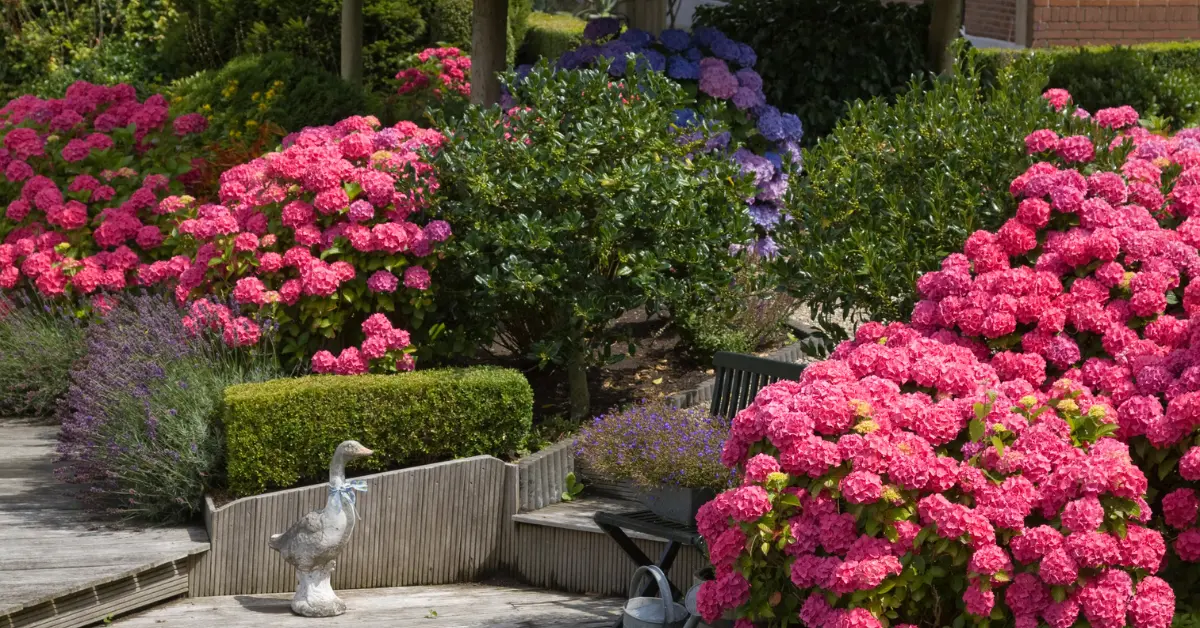
6 Best Shrubs to Plant in August You Must Try
Have you ever walked through a nursery late in the summer, admired the vibrant shrubs [...]
Aug
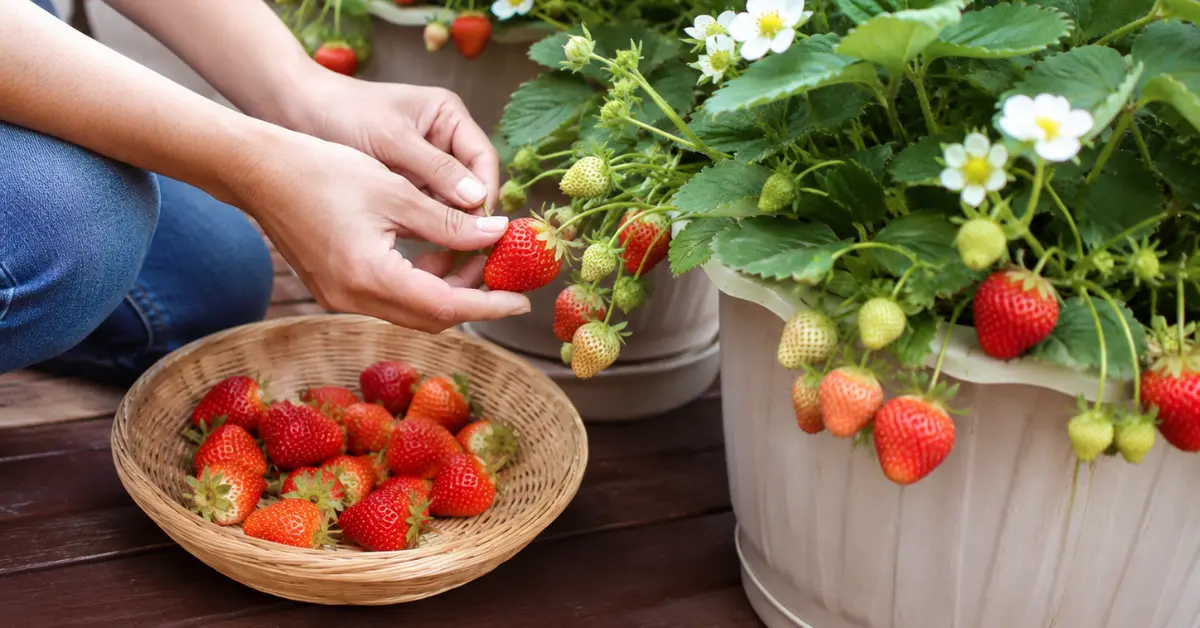
Growing Everbearing Strawberries in Containers: A Complete Guide for Beginners
Want to grow sweet, fresh strawberries but do not have a large garden? Everbearing strawberries [...]
Aug
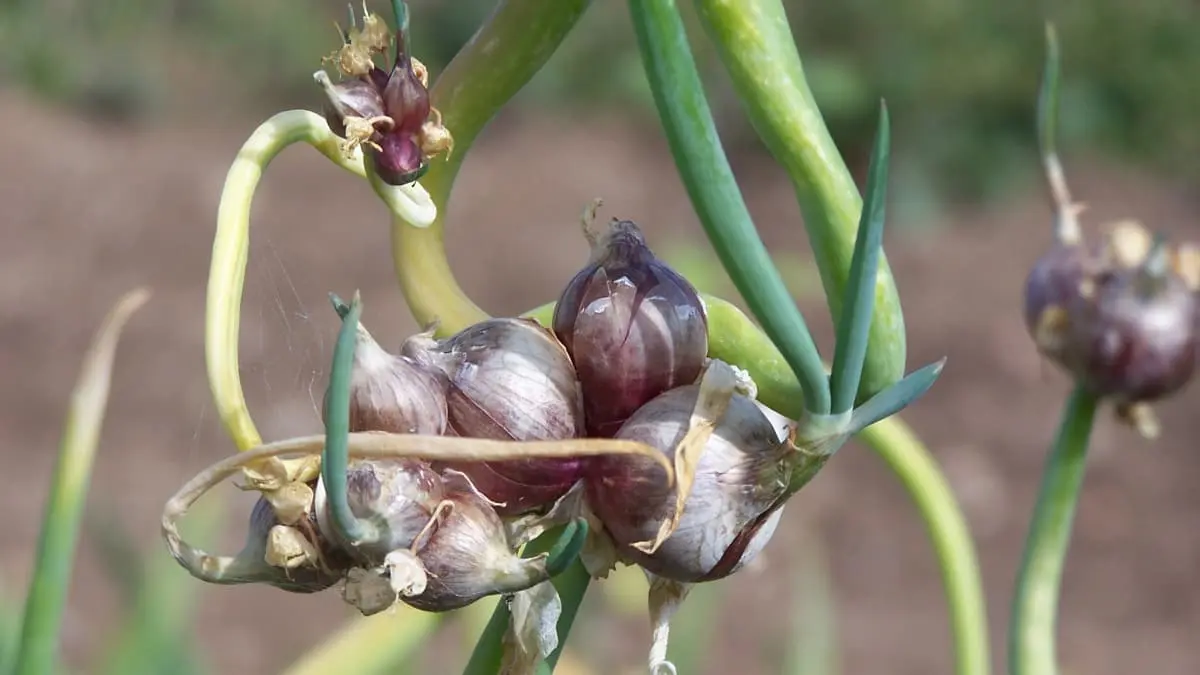
Growing Egyptian Walking Onions in Containers: A Complete Guide for Beginners
If you’re looking for a hardy, no-fuss perennial onion that keeps on giving year after [...]
Jul
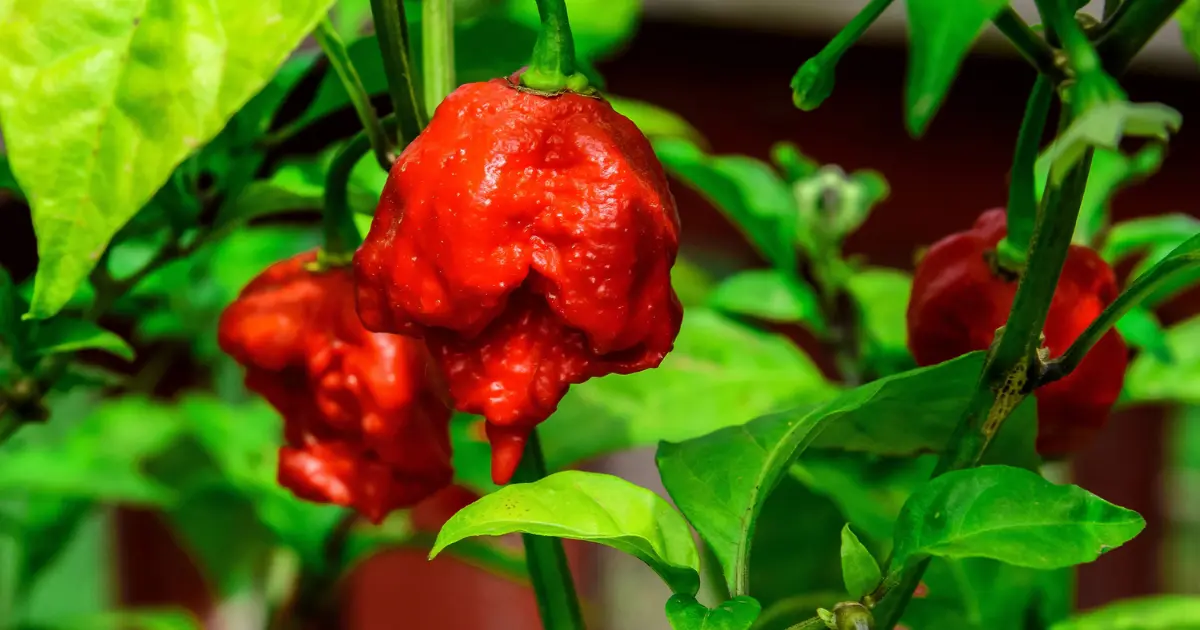
Growing Carolina Reaper Peppers in Pots: A Complete Guide for Beginners
If you’ve ever wanted to add some serious, record-breaking heat to your home cooking, you’ve [...]
May
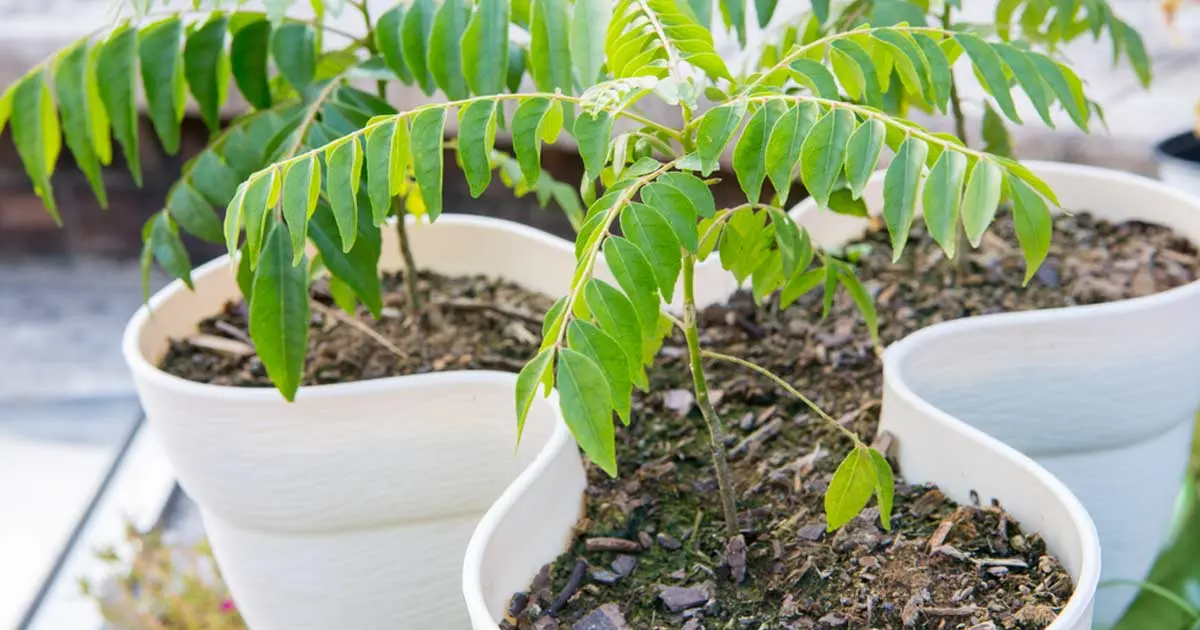
Growing Curry Leaf Plant in Pots: A Complete Guide for Beginners
If you’re a fan of authentic South Asian cuisine, you already know that nothing compares [...]
May
Reviews
There are no reviews yet.