
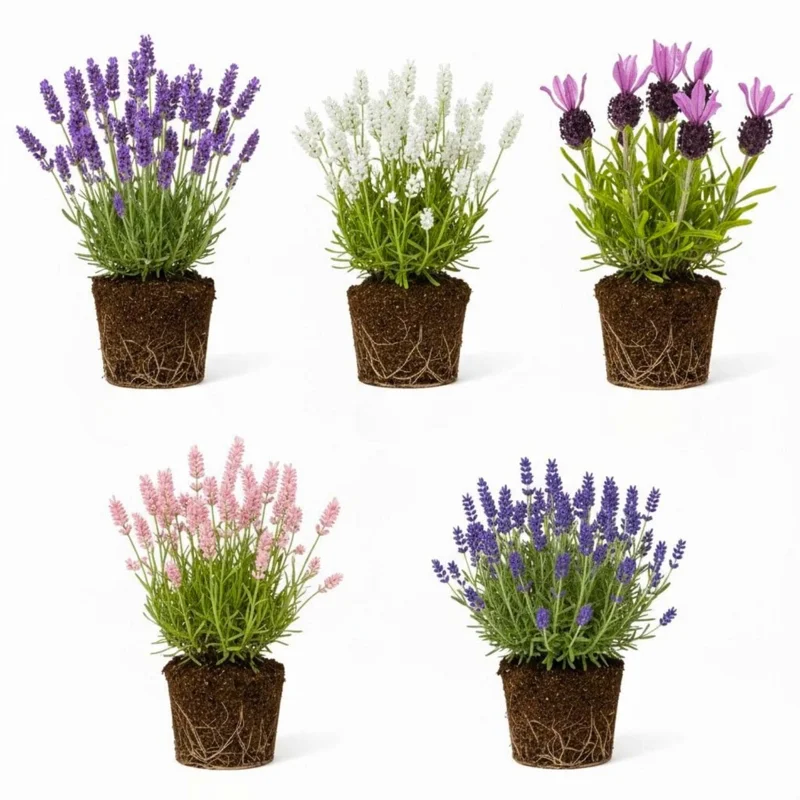
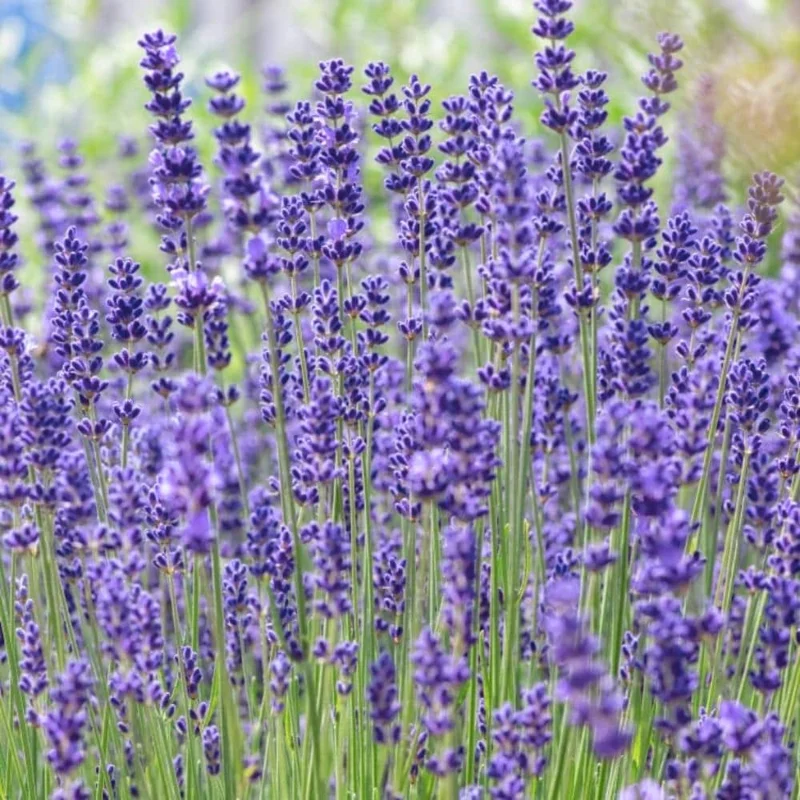
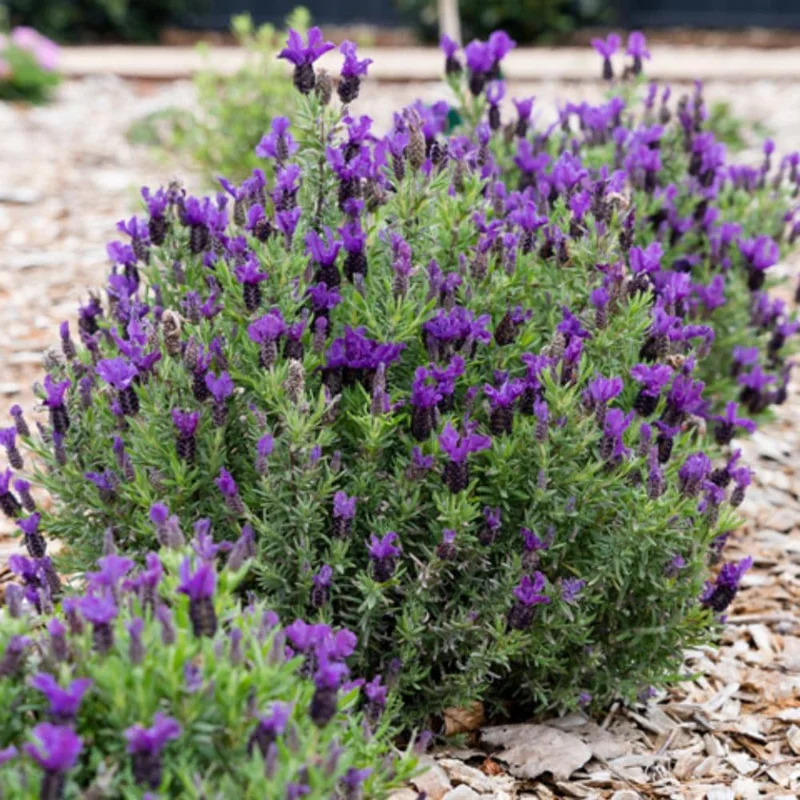
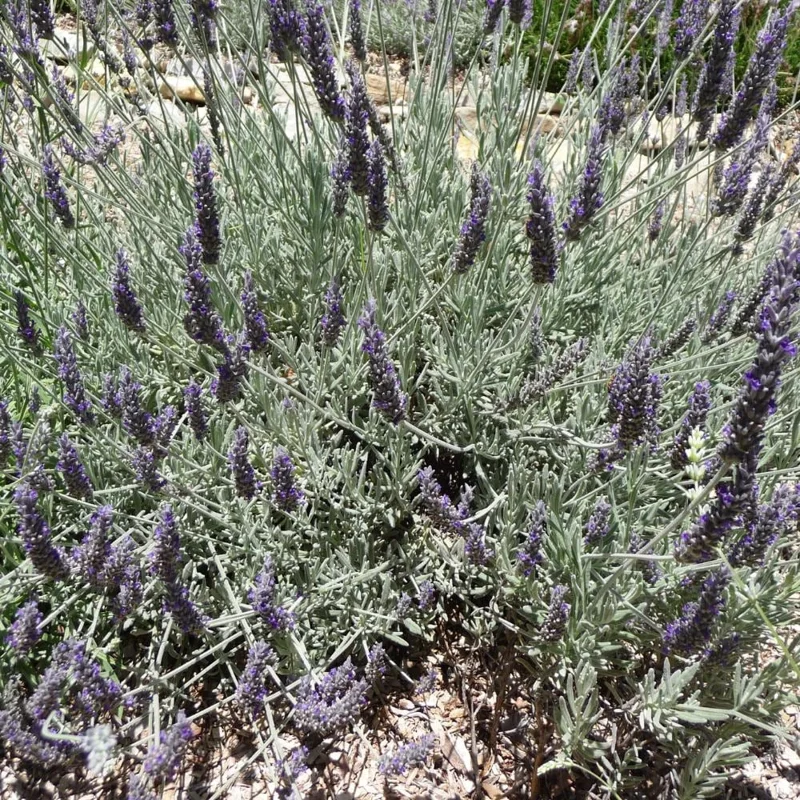
2 Lavender Plants 4-6 Inches Live – Fragrant Herb for Indoor Outdoor Garden
Original price was: $48.99.$23.99Current price is: $23.99.
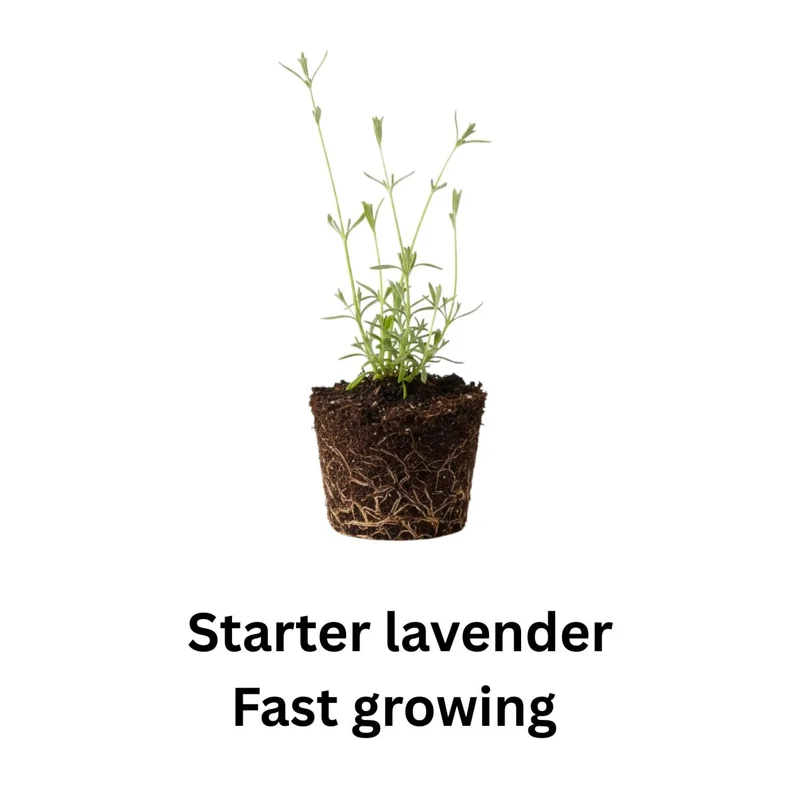
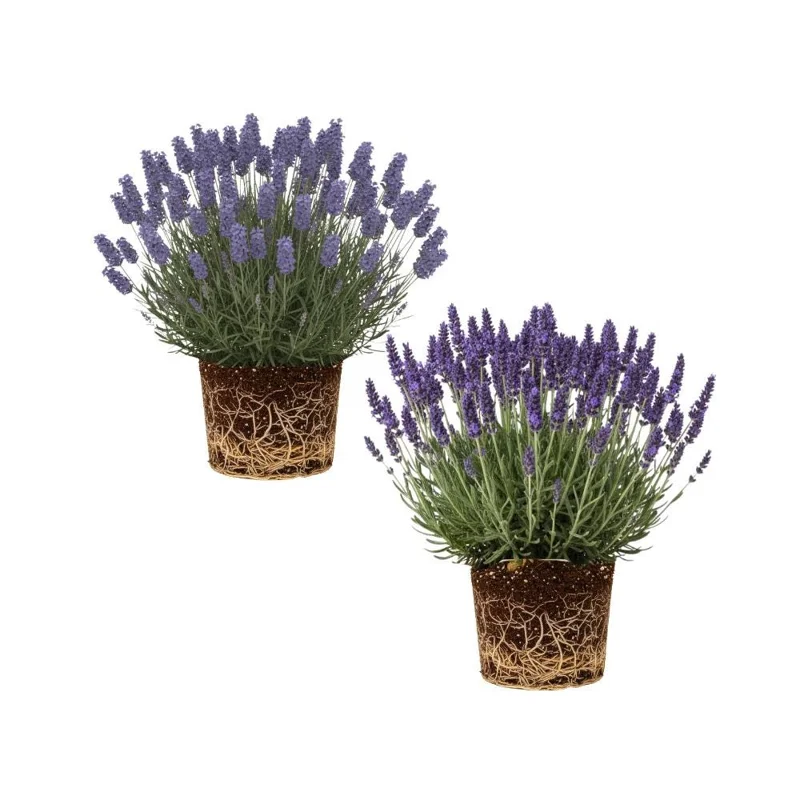
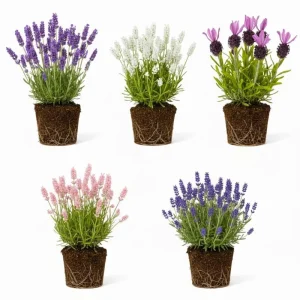
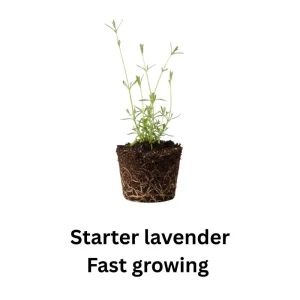
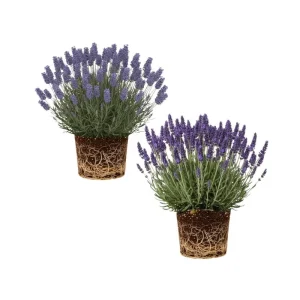
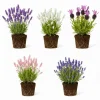
Bring home lavender live plant with this pair of 4-6 inch starter plants. Known for their fragrant blooms and silvery-green foliage, these versatile herbs are ideal for both indoor and outdoor gardens, attracting pollinators and adding serene beauty.
Estimated arrival
Oct 22
Oct 27 - Oct 29
Nov 01 - Nov 05

Reasonable Price
We offer reasonable price

Support 24/7
Contact us 24 hrs a day

100% Money Back
You've 30 days to Return

Payment Secure
100% secure payment
Overview
Introduce tranquility and natural beauty to your home or garden with this offering of two lavender live plant specimens. Each plant measures 4-6 inches, providing a perfect starting point for cultivating this beloved herb. These healthy starter plants are carefully grown and hand-selected to ensure strong roots and vibrant growth, ready to thrive in their new environment. Lavender is cherished globally for its distinctive, soothing fragrance and its elegant silvery-green foliage, which culminates in naturally beautiful blooms. Whether you’re an experienced gardener or just beginning your green journey, these young lavender plants offer an accessible way to enjoy the many benefits of this exquisite botanical. They are not only a feast for the senses but also a wonderful addition to any space, promising to infuse it with a touch of Mediterranean charm and a calming aroma.
Our lavender live plant selection focuses on robust health, ensuring that you receive specimens poised for successful growth. These plants are ideal for a variety of settings, from a sunny windowsill indoors to a vibrant outdoor herb garden. The presence of lavender is known to attract beneficial pollinators, making them an eco-friendly choice for enhancing local biodiversity. Their resilience and relatively low maintenance requirements make them an excellent choice for both gifting and personal enjoyment. Experience the joy of nurturing these beautiful plants and delight in their aromatic presence as they mature.
Key Benefits
Cultivating a lavender live plant offers a multitude of advantages, enriching your home and garden with its unique qualities. These benefits extend beyond mere aesthetics, contributing to a more pleasant and vibrant living space.
- Soothing Fragrance: Enjoy the iconic, calming scent of lavender that can help reduce stress and promote relaxation. The natural aroma permeates your space, creating a serene atmosphere perfect for unwinding after a long day.
- Pollinator Attraction: These plants are a magnet for bees, butterflies, and other beneficial pollinators, making them an excellent choice for supporting local ecosystems and enhancing the biodiversity of your garden. They are a truly pollinator friendly plant.
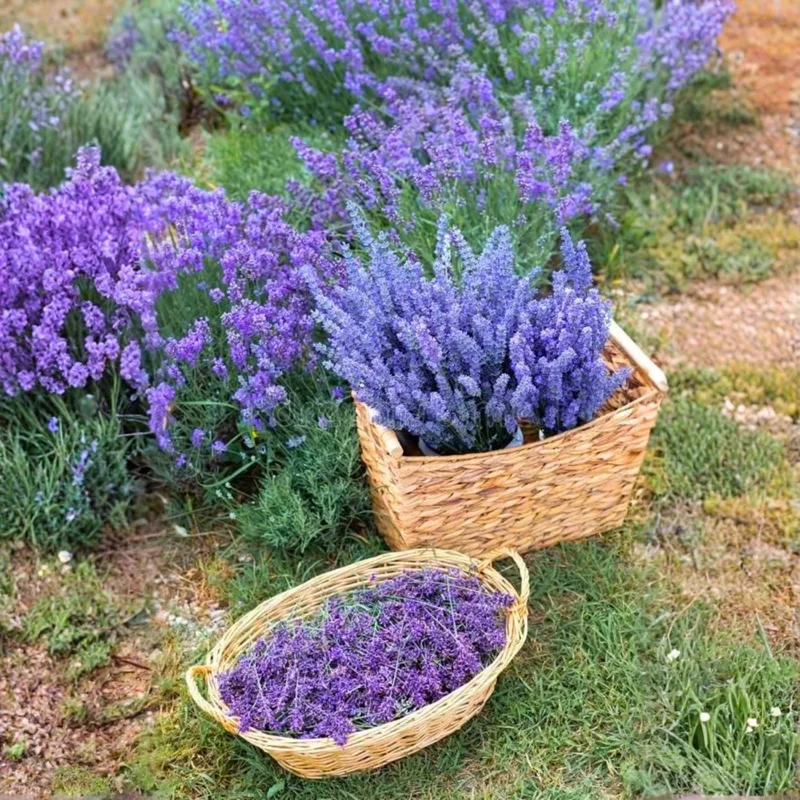
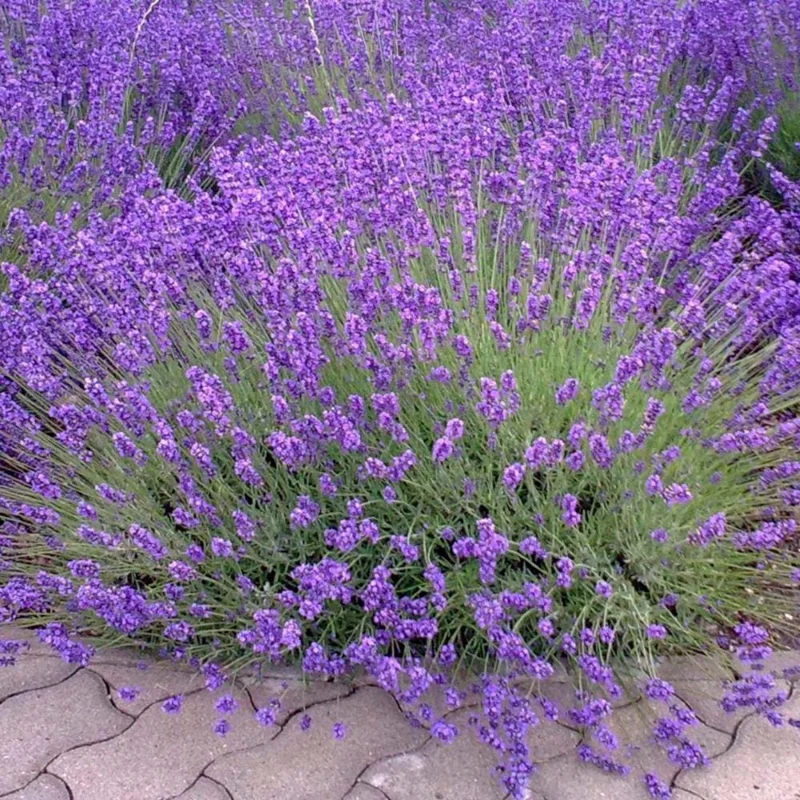
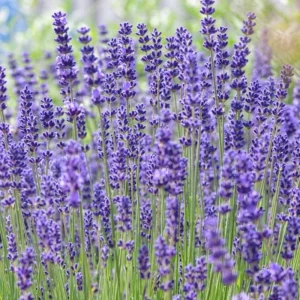
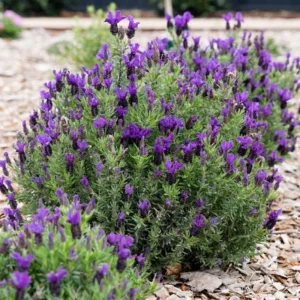
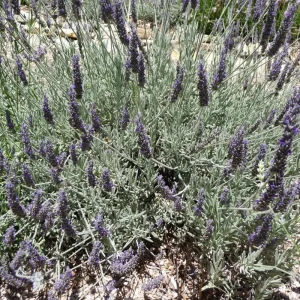
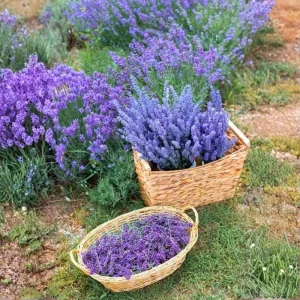
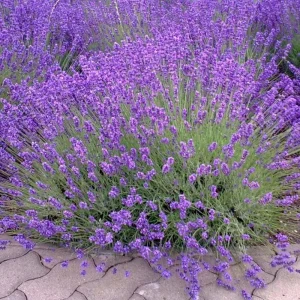
- Versatile Decor: With their attractive silvery-green foliage and vibrant purple blooms, lavender plants serve as beautiful decorative elements for windowsills, patios, balconies, or garden beds, adding a touch of rustic elegance.
- Culinary & Home Uses: Beyond their beauty, lavender can be used in various culinary applications, from baking to infusions, and in homemade potpourri or sachets for a natural air freshener. Discover the many ways to integrate this fragrant herb plant into your daily life.
- Low Maintenance: Lavender is known for its hardiness and drought tolerance once established, requiring minimal care compared to many other flowering plants. This makes them suitable for novice gardeners and busy individuals alike.
- Stress Reduction: The act of tending to a lavender live plant, combined with its inherent calming scent, can be a therapeutic and rewarding experience, contributing to overall well-being.
- Gift Potential: These healthy starter plants make a thoughtful and unique gift for plant lovers, housewarmings, or anyone looking to add a touch of natural beauty and fragrance to their home. They are a truly special present.
Plant Care & Growing Tips
Proper care is essential for ensuring your lavender live plant thrives, whether you’re cultivating it indoors or outdoors. Lavender generally prefers conditions that mimic its native Mediterranean climate, which means plenty of sun and well-drained soil. For optimal growth, aim to provide at least 6-8 hours of direct sunlight per day. If grown indoors, a south-facing window is ideal; otherwise, consider supplementing with a grow light. Outdoors, plant them in a location where they receive full sun throughout the day. The right amount of light is crucial for abundant flowering and strong aromatic oils.
When it comes to watering, less is often more for lavender. These plants are drought-tolerant once established and prefer their soil to dry out completely between waterings. Overwatering is a common cause of root rot, so ensure excellent drainage. For potted plants, use a pot with drainage holes and a well-draining potting mix specifically designed for herbs or succulents. For outdoor planting, amend heavy clay soils with sand or grit to improve drainage. The ideal USDA hardiness zones for most lavender varieties are 5-9, though some can tolerate colder or warmer climates. Protect outdoor plants from excessive winter moisture in colder regions to prevent rot. Fertilization is usually not heavily required; a light application of a balanced, slow-release fertilizer in spring is often sufficient. Prune your lavender after flowering to maintain shape and encourage bushier growth, which contributes to more prolific blooms in subsequent seasons. Understanding how to provide the right conditions is key to successfully growing lavender.
Common problems with lavender live plant often stem from improper watering or inadequate sunlight. Yellowing leaves can indicate overwatering, while leggy growth suggests insufficient light. Pests are rarely an issue due to lavender’s strong aroma, but keep an eye out for aphids or whiteflies, which can be managed with organic insecticidal soap. Ensuring good air circulation, especially for indoor plants, also helps prevent fungal issues. With these simple tips, you’ll be well on your way to enjoying a flourishing and fragrant lavender plant. These guidelines are perfect for anyone interested in indoor outdoor lavender care.
Size & Details
This offering includes two individual lavender live plant specimens, each carefully nurtured to reach a height of approximately 4-6 inches from the base of the plant to the tip of its foliage upon arrival. These are starter plants, perfect for transplanting into your preferred pot or garden bed. They are shipped without a pot to minimize waste and ensure the plants are ready for immediate integration into your chosen growing environment. The root systems are robust and healthy, indicative of vigorous growth potential. Expected growth rate for lavender is moderate, typically reaching its mature size within one to two growing seasons, depending on variety and growing conditions. Mature plants can range from 1 to 3 feet tall and wide, forming an attractive, mounded shrub.
These young plants are ideal for establishing a new herb garden, enhancing a patio container, or adding a touch of natural elegance to an indoor space. With proper care, you can anticipate beautiful, fragrant blooms, typically from late spring through summer. The exact bloom time and color intensity may vary slightly based on the specific lavender variety and local climate conditions. They are a wonderful choice for anyone seeking a beautiful and fragrant herb plant for their collection.
Frequently Asked Questions
- Q: How big does this plant get? A: Each lavender live plant arrives as a starter plant, approximately 4-6 inches tall. With proper care, mature lavender plants typically grow to be 1 to 3 feet tall and wide, depending on the variety and growing conditions.
- Q: Is this an indoor or outdoor plant? A: This versatile lavender live plant can thrive both indoors and outdoors. For indoor growth, ensure it receives ample sunlight from a bright window. Outdoors, it prefers a sunny location with well-draining soil.
- Q: How much sunlight does it need? A: Lavender requires abundant sunlight. It thrives best with at least 6-8 hours of direct sunshine daily. Insufficient light can lead to leggy growth and fewer blooms, so prioritize a sunny spot for your indoor outdoor lavender.
- Q: Is this plant easy to care for? A: Yes, lavender is generally considered an easy-to-care-for plant, especially once established. It is drought-tolerant and requires minimal fertilization, making it a great choice for both beginner and experienced gardeners interested in growing lavender.
- Q: What condition will it arrive in? A: Your lavender live plant will arrive as a healthy, bare-root starter plant, carefully packaged to ensure its safety during transit. It will be ready for immediate planting upon arrival.
- Q: When is the best time to plant? A: The best time to plant lavender is typically in the spring after the last frost, allowing the plant ample time to establish itself before the heat of summer. For indoor cultivation, it can be planted year-round.
- Q: Will these plants attract pollinators? A: Absolutely! Lavender is a highly attractive plant for various pollinators, including bees and butterflies. It is an excellent choice if you’re looking for a pollinator friendly plant to enhance your garden’s biodiversity.
- Q: Can I use the lavender for culinary purposes? A: Many lavender varieties are suitable for culinary use, adding a unique floral note to dishes, teas, and desserts. Ensure you research the specific variety you receive if you plan to use it in your cooking, as some are more palatable than others.
- Q: How often should I water my lavender? A: Water your lavender sparingly. Allow the soil to dry out completely between waterings to prevent root rot, as lavender prefers drier conditions. Overwatering is a common mistake when growing lavender.
- Q: What type of soil is best for lavender? A: Lavender prefers well-draining, slightly alkaline soil. If planting in a pot, use a potting mix formulated for herbs or succulents. For outdoor planting, amend heavy clay soils with sand or grit to improve drainage.
| Choose variety below | 2 Assorted, 2 Provence |
|---|
Be the first to review “2 Lavender Plants 4-6 Inches Live – Fragrant Herb for Indoor Outdoor Garden”
-
USDA Hardiness Zone
USDA zones 5-9 -
Soil Type
well-draining soil -
Sunlight Exposure
full sun -
Expected Planting Period
spring to early summer (outdoors), year-round (indoors)
People Also Viewd


Sold 134 products
Original price was: $3,536.00.$23.99Current price is: $23.99.

Sold 132 products
Original price was: $27.00.$24.00Current price is: $24.00.

Sold 132 products
Original price was: $89.99.$64.99Current price is: $64.99.

Sold 125 products
Original price was: $86.99.$66.99Current price is: $66.99.

Flower Bulbs
3 Cranesbill Wild Geranium Organic Maculatums Bare Roots | Wildflower for Outdoor Garden
Sold 116 products
Original price was: $21.99.$9.99Current price is: $9.99.

Sold 114 products
Original price was: $28.99.$17.99Current price is: $17.99.

Sold 110 products
Original price was: $63.99.$28.99Current price is: $28.99.
Sold 108 products
Original price was: $28.99.$17.99Current price is: $17.99.RELATED posts
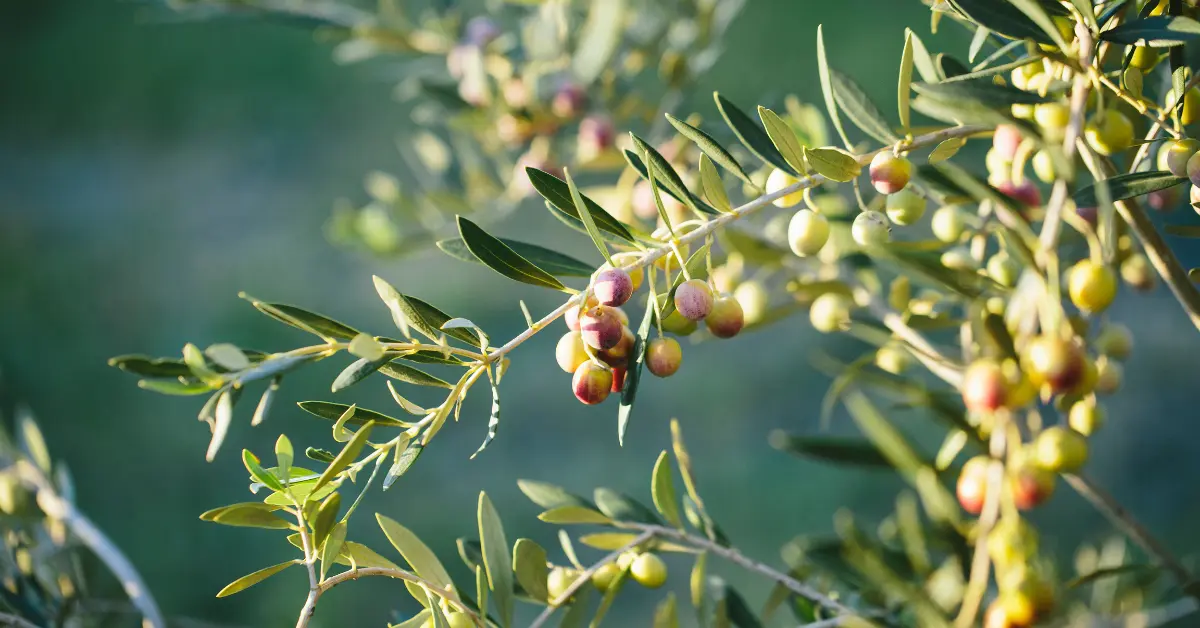
How to Grow Arbequina Olive Trees: The Ultimate Guide to Your Own Olive Grove
Arbequina Olive Tree (Olea europaea ‘Arbequina’) – the ultimate Mediterranean plant that brings a touch [...]
Oct
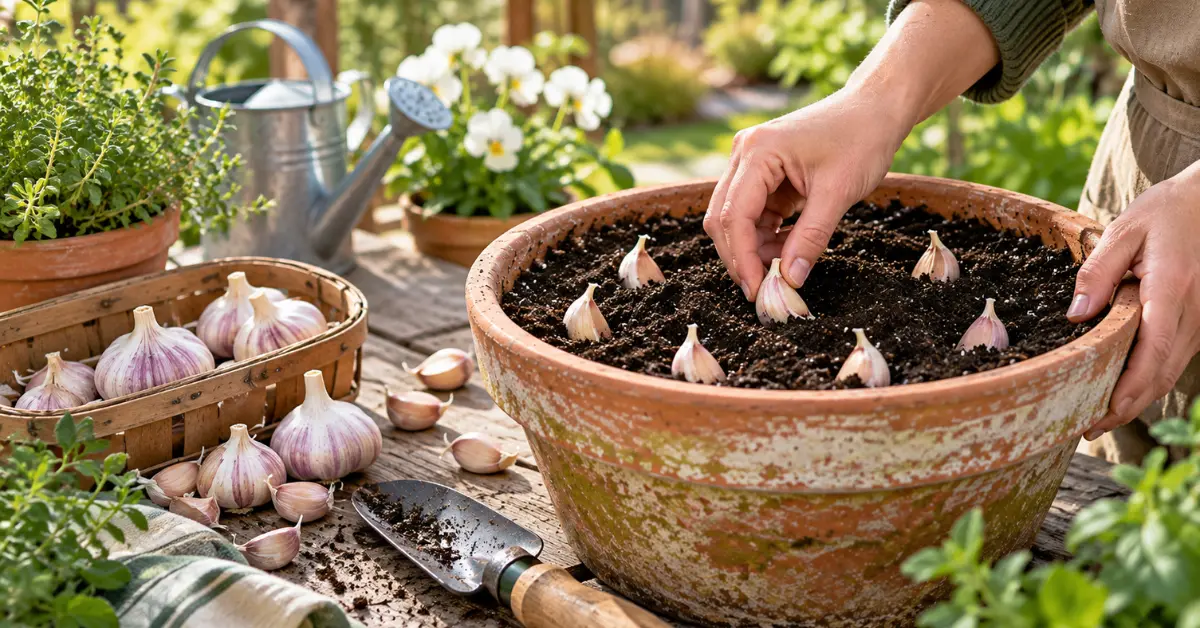
Growing Garlic in Containers This Fall: A Complete Guide for Beginners
If you’ve ever wanted to pop fresh, aromatic garlic cloves straight from your own patio [...]
Sep
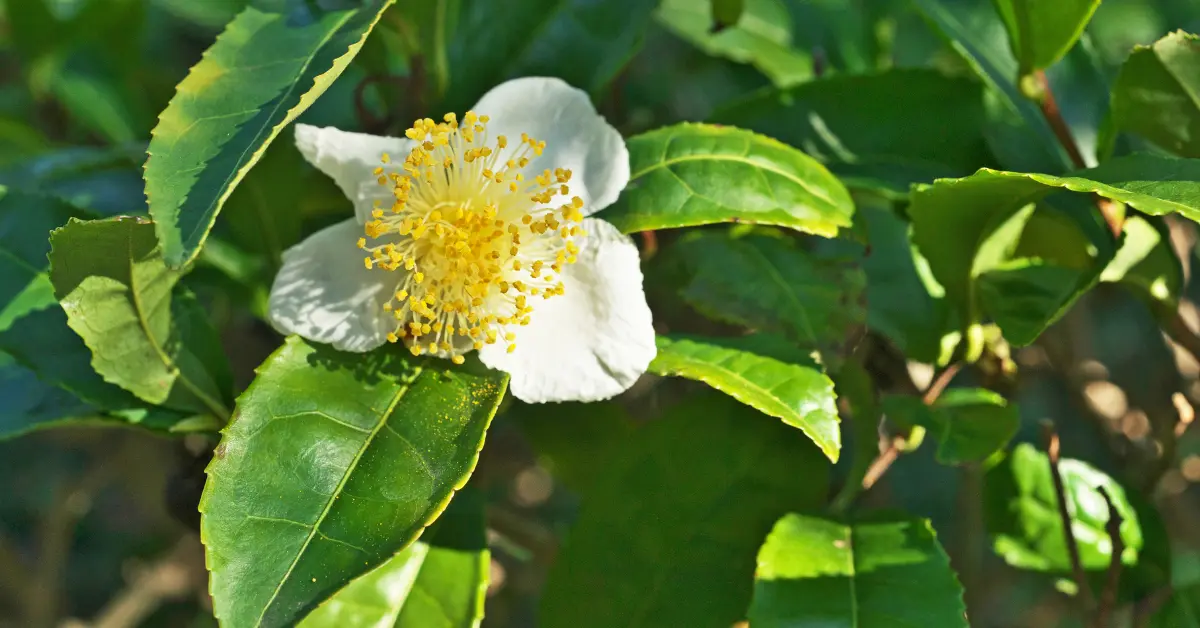
Growing Camellia Sinensis (Tea Plants) in Containers: A Complete Guide for Beginners
If you’ve ever wanted to sip a steaming, homegrown cup of fresh green, black, or [...]
Aug
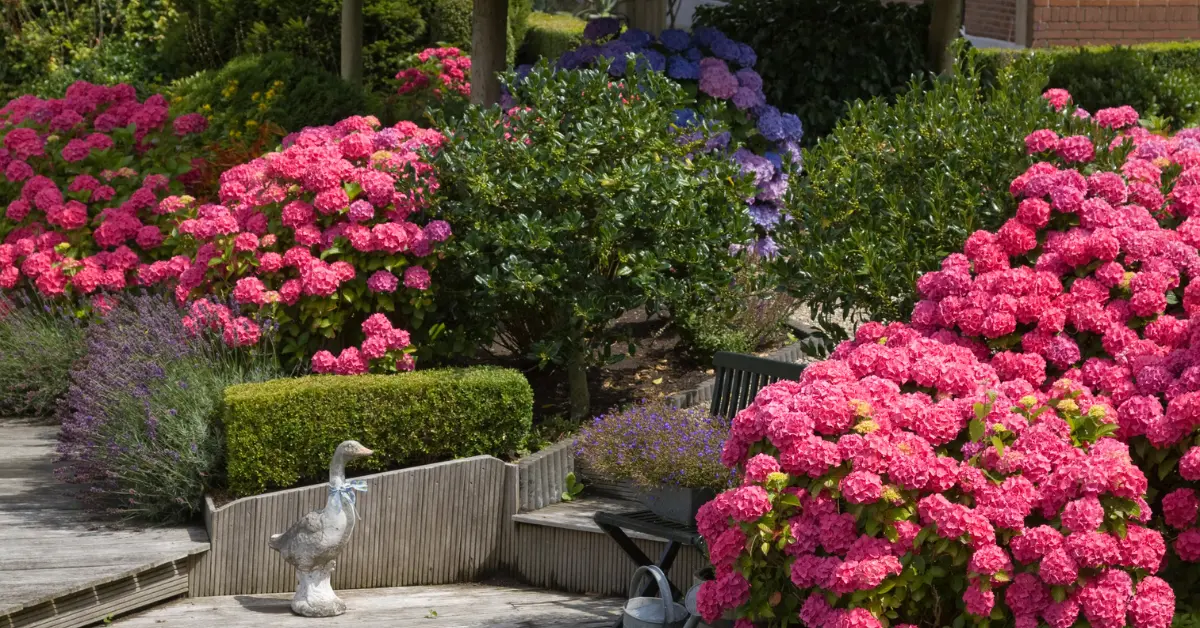
6 Best Shrubs to Plant in August You Must Try
Have you ever walked through a nursery late in the summer, admired the vibrant shrubs [...]
Aug
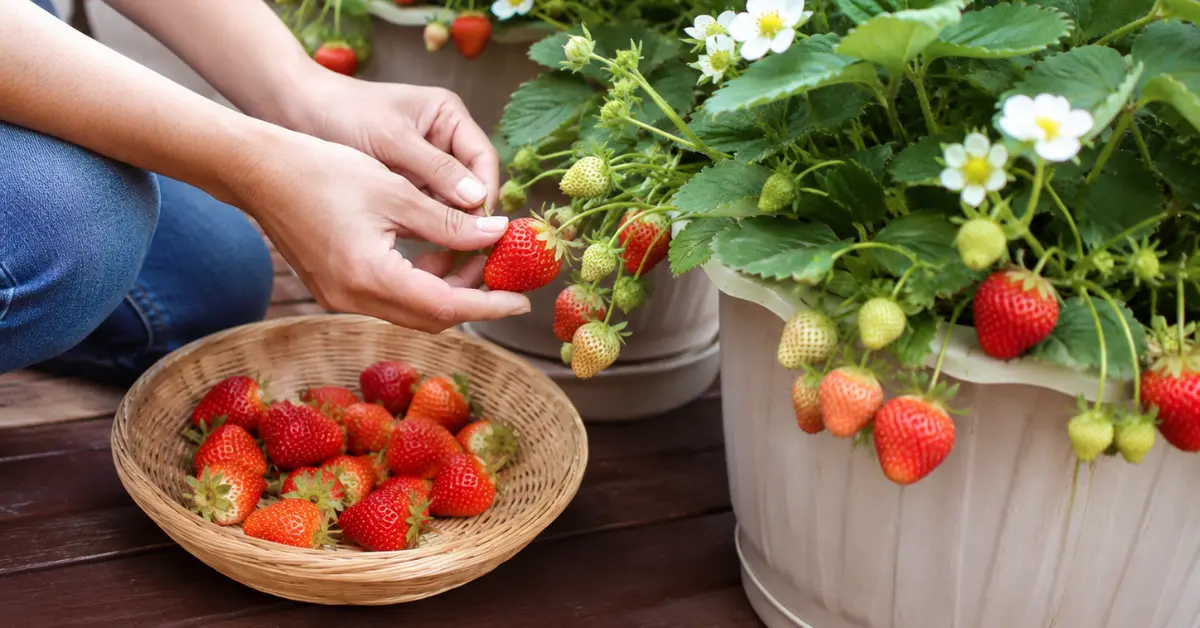
Growing Everbearing Strawberries in Containers: A Complete Guide for Beginners
Want to grow sweet, fresh strawberries but do not have a large garden? Everbearing strawberries [...]
Aug
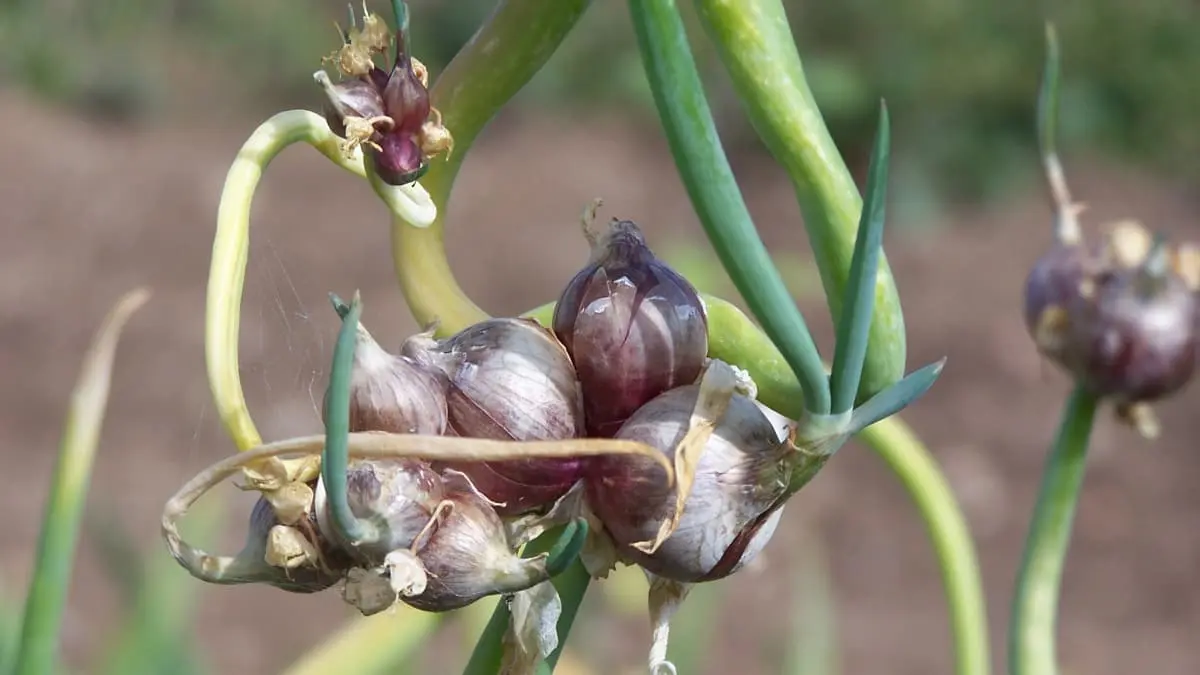
Growing Egyptian Walking Onions in Containers: A Complete Guide for Beginners
If you’re looking for a hardy, no-fuss perennial onion that keeps on giving year after [...]
Jul
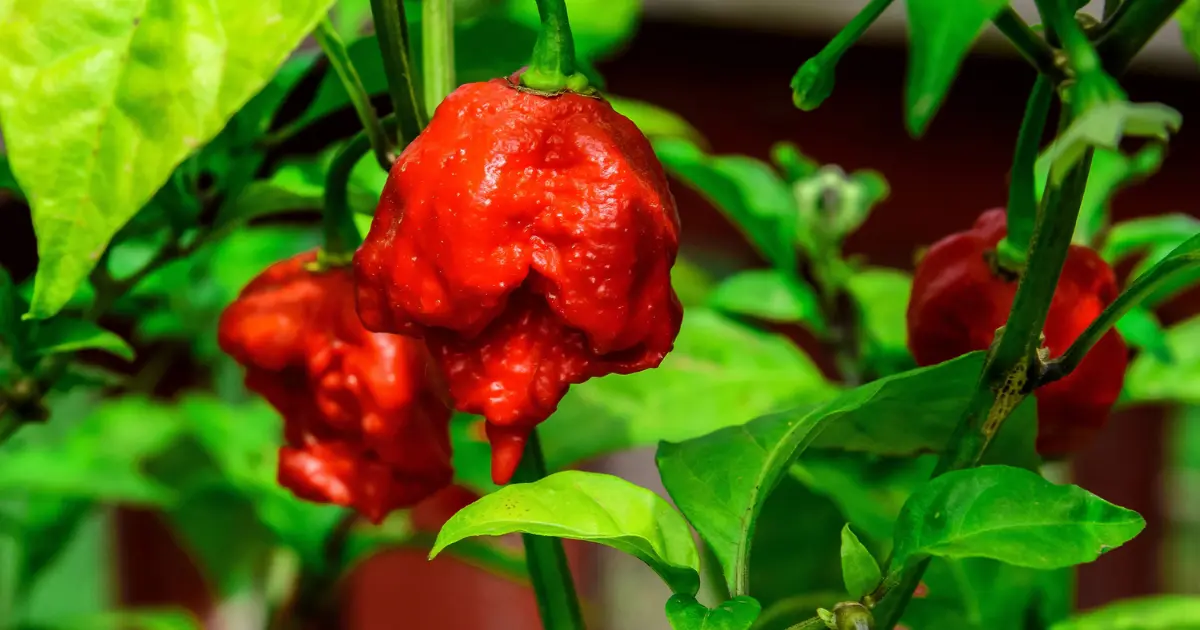
Growing Carolina Reaper Peppers in Pots: A Complete Guide for Beginners
If you’ve ever wanted to add some serious, record-breaking heat to your home cooking, you’ve [...]
May
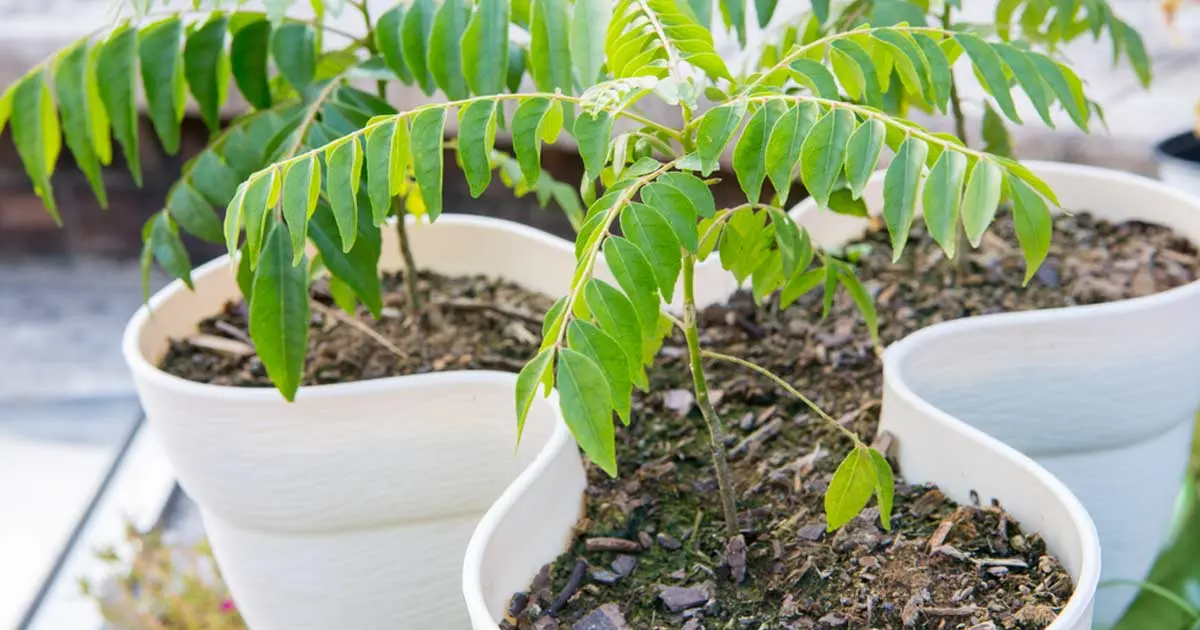
Growing Curry Leaf Plant in Pots: A Complete Guide for Beginners
If you’re a fan of authentic South Asian cuisine, you already know that nothing compares [...]
May
Reviews
There are no reviews yet.