
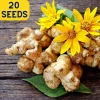
20 Jerusalem Artichoke Seeds – Sunchoke Helianthus Tuberosus – Edible Root Vegetable Garden Seeds
Original price was: $26.99.$6.99Current price is: $6.99.
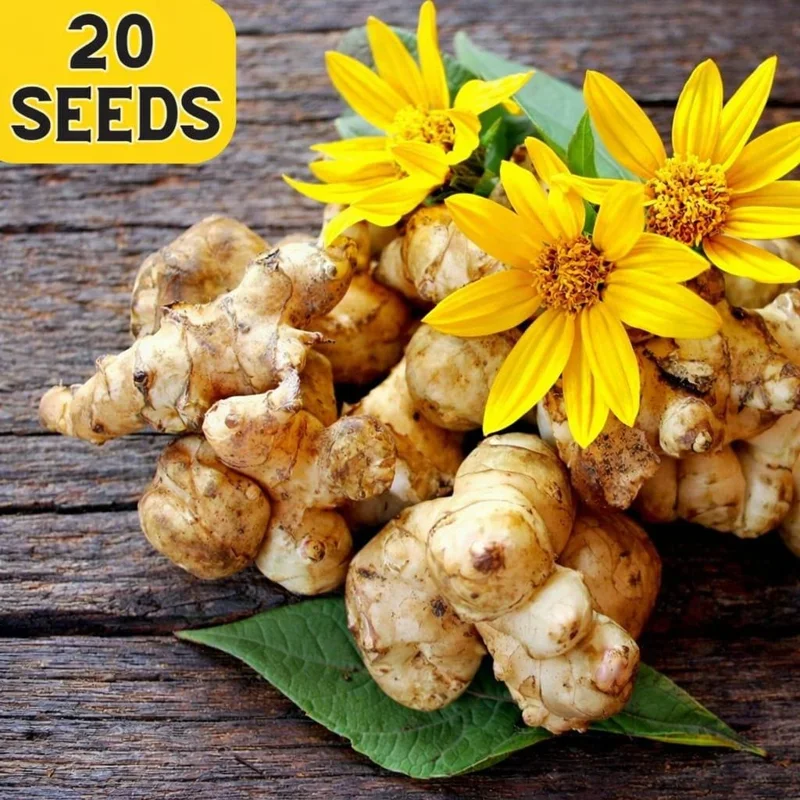
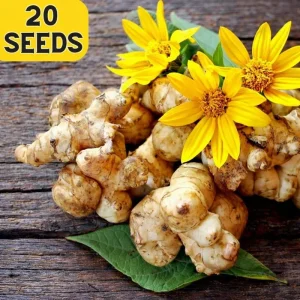
Cultivate your own Jerusalem artichoke seeds (Sunchoke) with this pack of 20 premium Helianthus tuberosus seeds. Enjoy vibrant yellow flowers and harvest delicious, nutritious edible tubers, perfect for any garden.
Estimated arrival
Oct 05
Oct 10 - Oct 12
Oct 15 - Oct 19

Reasonable Price
We offer reasonable price

Support 24/7
Contact us 24 hrs a day

100% Money Back
You've 30 days to Return

Payment Secure
100% secure payment
Overview
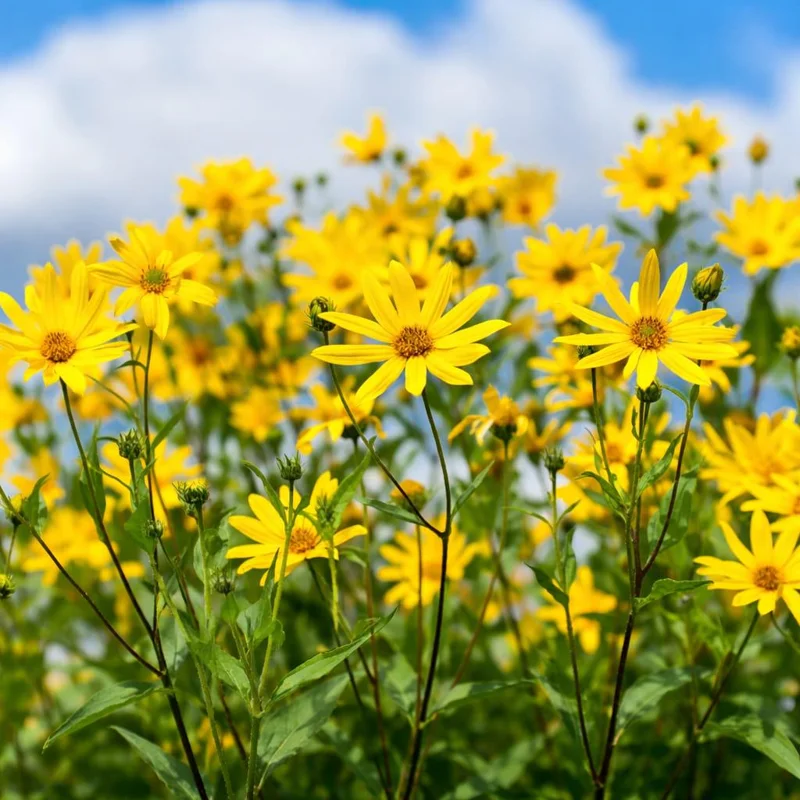
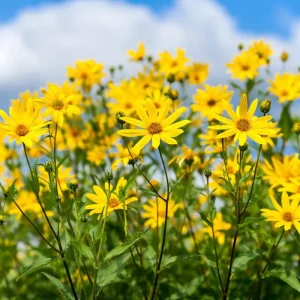
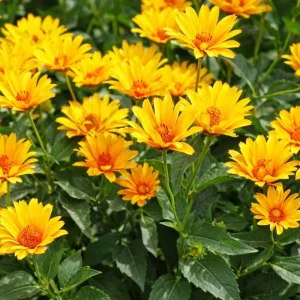
Embark on a rewarding gardening journey with these premium Jerusalem artichoke seeds. Also known as Sunchoke or Sunroot, Helianthus tuberosus is a versatile perennial plant that offers both ornamental beauty and culinary delight. Unlike traditional artichokes, this variety produces vibrant yellow, sunflower-like blooms while developing delicious, nutty tubers underground. These Sunchoke seeds are perfect for gardeners looking to add a unique and productive element to their vegetable patch or integrate into a permaculture design. Grow your own source of nutritious, flavorful tubers and enjoy the beauty of its cheerful flowers, attracting beneficial pollinators to your outdoor space.
This selection of Jerusalem artichoke seeds allows you to cultivate a hardy and low-maintenance plant that thrives in various conditions. Whether you are an experienced gardener or just starting, these seeds provide an excellent opportunity to grow Jerusalem artichoke with ease. The resulting plants are cold-hardy and will return year after year, providing a continuous harvest of their sought-after edible roots. Discover the satisfaction of harvesting your own food and enhancing your garden’s biodiversity with this exceptional plant.
Key Benefits
Growing Helianthus tuberosus seeds offers a multitude of advantages for both your garden and your plate. These plants are incredibly resilient and provide a sustainable food source, making them a fantastic choice for any home gardener.
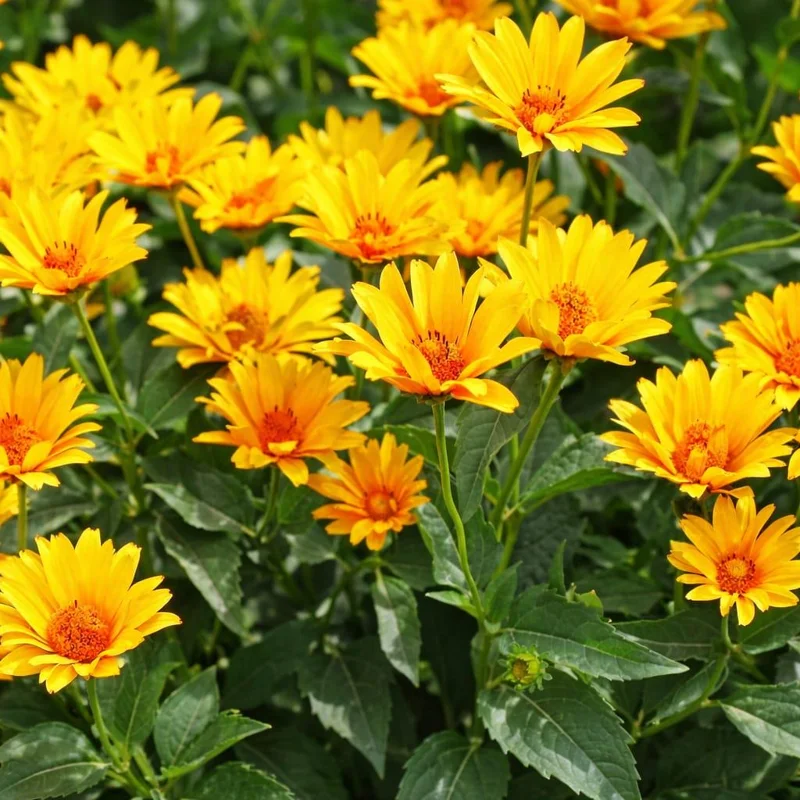
- Dual Purpose Appeal: Enjoy both the aesthetic beauty of bright yellow, sunflower-like flowers and the practical benefit of nutritious, edible tubers. These plants add visual interest to your garden while also providing a harvest.
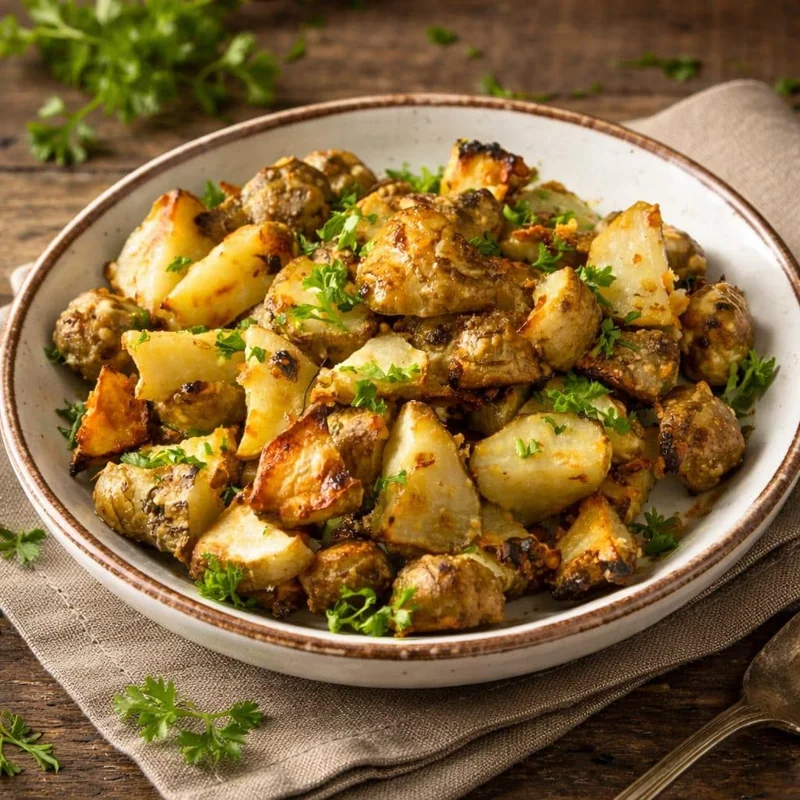
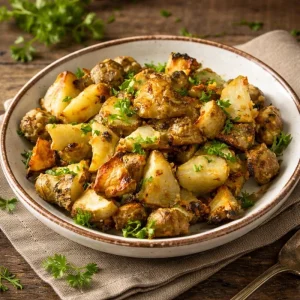
- Nutritious Edible Tubers: The tubers produced by these Jerusalem artichoke seeds have a mild, nutty flavor and are a good source of inulin, a dietary fiber. They are excellent roasted, mashed, or added to soups and stews.
- Attracts Pollinators: The cheerful yellow blooms are a magnet for bees, butterflies, and other beneficial pollinators, contributing to the health and biodiversity of your garden ecosystem.
- Hardy Perennial Plant: Once established, these plants return year after year with minimal effort. They are cold-hardy and can withstand various climates, making them a reliable addition to your garden.
- Easy to Grow: Ideal for beginners and experienced gardeners alike, Sunchoke seeds are relatively low-maintenance and vigorous growers, requiring basic care to flourish.
- Versatile Garden Use: Perfect for edible gardens, natural landscapes, borders, and permaculture setups. Their height and vibrant flowers make them an attractive backdrop or screen.
- Sustainable Food Source: By choosing to grow Jerusalem artichoke, you are embracing sustainable living practices, providing fresh, organic produce directly from your backyard.
Plant Care & Growing Tips
Successfully cultivating Jerusalem artichoke seeds requires attention to a few key factors to ensure robust growth and a bountiful harvest of these edible root vegetable seeds. Proper care will help your plants thrive and produce delicious tubers.
For optimal results, sow your Helianthus tuberosus seeds in spring after the danger of the last frost has passed. You can also start them indoors several weeks earlier to get a head start on the growing season. Choose a location that receives full sun, meaning at least 6 hours of direct sunlight daily. These plants are not particularly fussy about soil but will perform best in loose, well-ddrained soil that is rich in organic matter. Amend heavy clay soils with compost to improve drainage and aeration. Plant the seeds about 1/4 inch deep and space them approximately 6-12 inches apart, allowing ample room for the tubers to develop. Keep the soil consistently moist, but not waterlogged, especially during the germination period, which typically takes 10-20 days. The ideal temperature range for growth is between 65-80°F (18-27°C).
Once established, Sunchokes are relatively low-maintenance. Water regularly during dry spells, ensuring the soil remains evenly moist. Mulching around the base of the plants can help retain soil moisture, suppress weeds, and regulate soil temperature. While they are vigorous growers, you may choose to trim the flowers if your primary goal is tuber production, as this directs the plant’s energy towards root development. Fertilize sparingly if your soil is already rich in organic matter; a balanced, slow-release fertilizer can be applied in early spring if needed. These plants are hardy and generally resistant to pests and diseases. Harvest tubers in late fall, after the first frost, which is believed to improve their flavor. Leave some tubers in the ground for the following season, as this plant is a perennial and will regrow.
Size & Details
This offering includes 20 premium Jerusalem artichoke seeds, providing a generous quantity to start your own crop of this fascinating vegetable. Each seed has the potential to grow into a robust plant, typically reaching heights of 5 to 10 feet (1.5 to 3 meters) with a spread of 2 to 4 feet (0.6 to 1.2 meters), making them suitable for the back of borders or as a natural screen. The plants produce numerous tubers underground, which vary in size and shape, generally ranging from small to medium. These edible root vegetable seeds will mature and produce harvestable tubers within 120-150 days from planting, with the best flavor developing after the first frost.
The plants are shipped as dry seeds, ensuring easy storage and transport. They are ready to be sown directly into your garden beds or started in pots for transplanting. With proper care, these seeds will yield healthy, productive plants that provide a sustainable food source for years to come. The vigorous growth habit and attractive yellow flowers make them a valuable addition to any garden setting, whether for food production or ornamental appeal. Expect strong, healthy growth from these high-quality Sunchoke seeds.
Frequently Asked Questions
- Q: How big do Jerusalem artichoke plants get? A: Jerusalem artichoke plants can grow quite tall, typically reaching heights of 5 to 10 feet, with a spread of 2 to 4 feet. Their impressive stature makes them great for back borders or as a privacy screen.
- Q: Are these plants suitable for containers? A: While they prefer open ground, Helianthus tuberosus plants can be grown in very large containers (at least 15-20 gallons) with good drainage, though tuber production might be less abundant than in garden beds.
- Q: How much sunlight do Jerusalem artichokes need? A: These plants thrive in full sun, requiring at least 6 hours of direct sunlight per day for optimal growth and tuber development. They can tolerate partial shade but may produce fewer tubers.
- Q: Is this plant easy to care for, even for beginners? A: Yes, growing Jerusalem artichoke from seed is considered easy and suitable for beginner gardeners. They are low-maintenance, hardy, and vigorous growers, making them a rewarding plant to cultivate.
- Q: What condition will the seeds arrive in? A: The product consists of 20 Jerusalem artichoke seeds, which are shipped as dry, viable seeds, carefully packaged to ensure their quality upon arrival, ready for planting.
- Q: When is the best time to plant these Sunchoke seeds? A: The best time to plant Sunchoke seeds is in the spring, after the last expected frost. You can also start them indoors several weeks before transplanting them outside.
- Q: How long until I can harvest the tubers? A: You can typically harvest the edible tubers from your edible root vegetable seeds after 120-150 days, usually in late fall, preferably after the first frost, which improves their flavor.
- Q: Will these plants survive winter in my region? A: Jerusalem artichokes are cold-hardy perennials and can survive winters in many regions, typically USDA Zones 3-9. They will regrow from tubers left in the ground.
- Q: Can I eat the flowers of the Jerusalem artichoke? A: While the primary edible part is the tuber, the flowers are not typically consumed. They are mainly grown for their ornamental value and for attracting pollinators.
- Q: How can I control the spread of Jerusalem artichokes in my garden? A: To manage their spread, you can plant them in a dedicated bed, use root barriers, or harvest aggressively each fall, ensuring you dig up most of the tubers.
Be the first to review “20 Jerusalem Artichoke Seeds – Sunchoke Helianthus Tuberosus – Edible Root Vegetable Garden Seeds”
-
USDA Hardiness Zone
USDA Zones 3-9 -
Soil Type
Loose, well-draining soil rich in organic matter -
Sunlight Exposure
Full sun (at least 6 hours daily) -
Expected Planting Period
Spring, after last frost
People Also Viewd


Sold 134 products
Original price was: $3,536.00.$23.99Current price is: $23.99.

Sold 132 products
Original price was: $27.00.$24.00Current price is: $24.00.

Sold 132 products
Original price was: $89.99.$64.99Current price is: $64.99.

Sold 125 products
Original price was: $86.99.$66.99Current price is: $66.99.

Flower Bulbs
3 Cranesbill Wild Geranium Organic Maculatums Bare Roots | Wildflower for Outdoor Garden
Sold 116 products
Original price was: $21.99.$9.99Current price is: $9.99.

Sold 114 products
Original price was: $28.99.$17.99Current price is: $17.99.
Sold 110 products
Original price was: $63.99.$28.99Current price is: $28.99.
Sold 108 products
Original price was: $28.99.$17.99Current price is: $17.99.RELATED posts
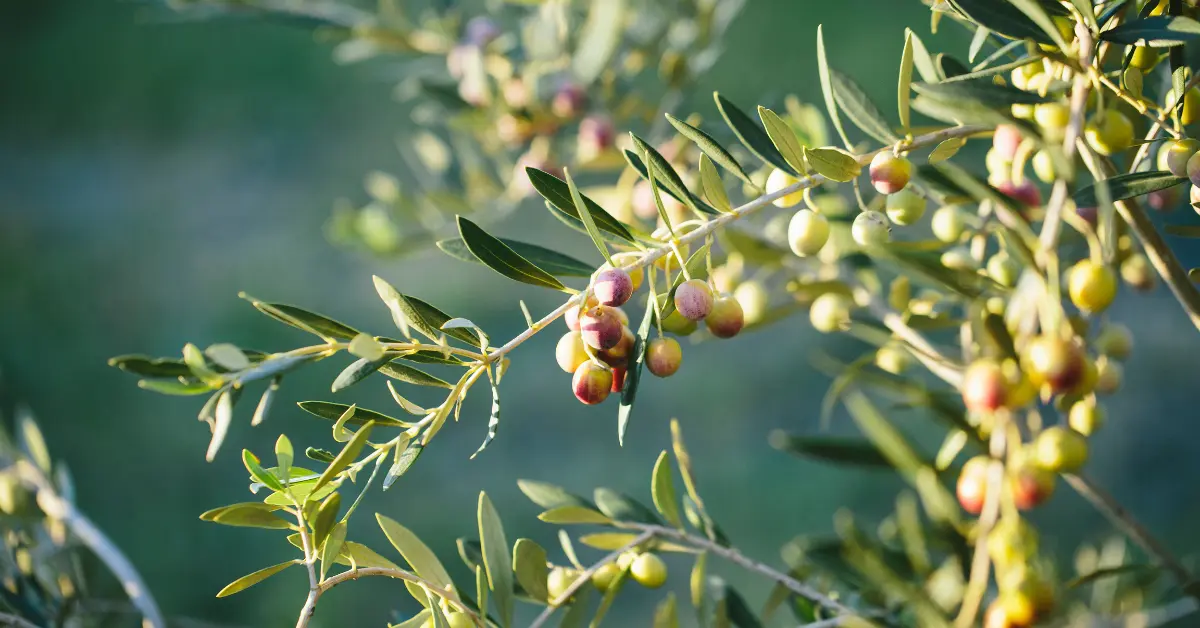
How to Grow Arbequina Olive Trees: The Ultimate Guide to Your Own Olive Grove
Arbequina Olive Tree (Olea europaea ‘Arbequina’) – the ultimate Mediterranean plant that brings a touch [...]
Oct
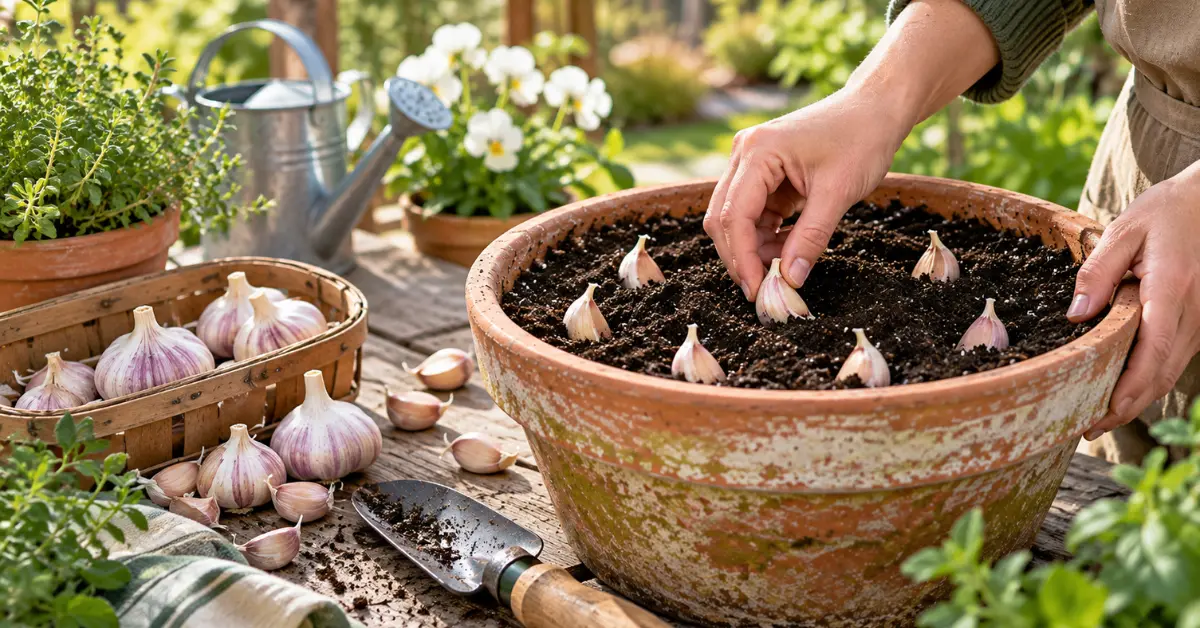
Growing Garlic in Containers This Fall: A Complete Guide for Beginners
If you’ve ever wanted to pop fresh, aromatic garlic cloves straight from your own patio [...]
Sep
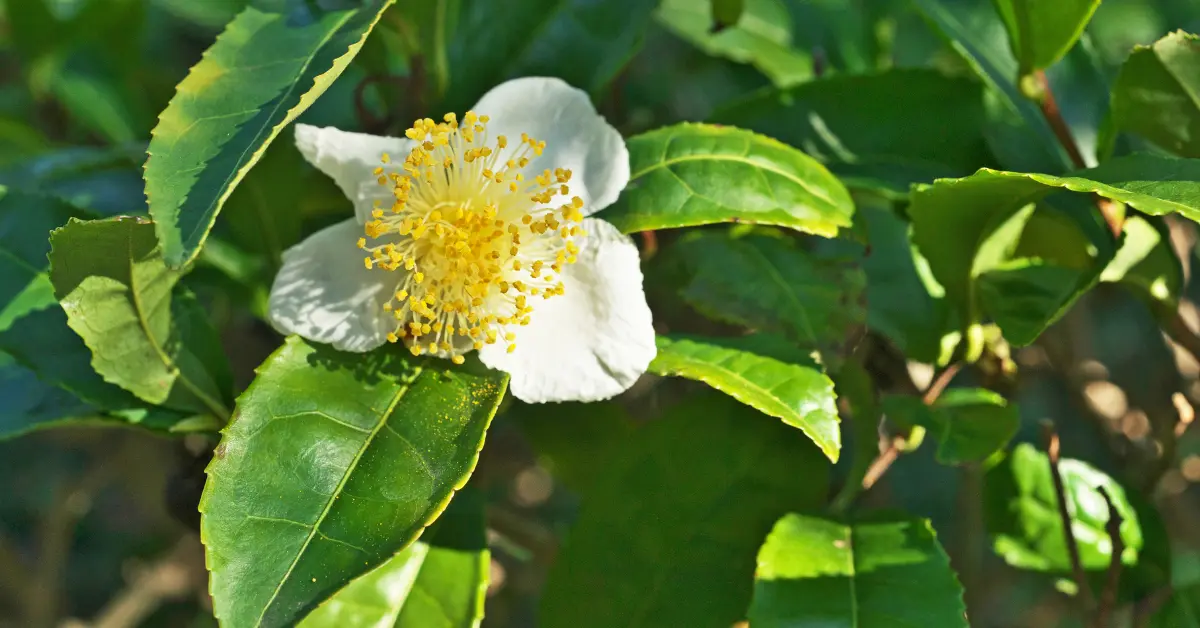
Growing Camellia Sinensis (Tea Plants) in Containers: A Complete Guide for Beginners
If you’ve ever wanted to sip a steaming, homegrown cup of fresh green, black, or [...]
Aug
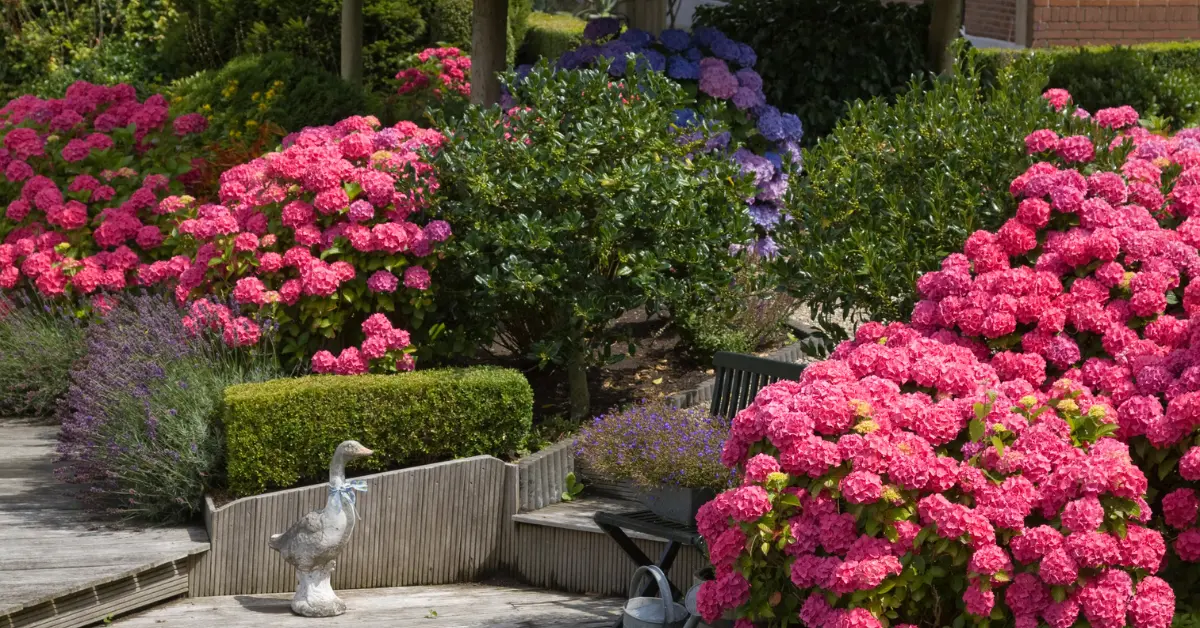
6 Best Shrubs to Plant in August You Must Try
Have you ever walked through a nursery late in the summer, admired the vibrant shrubs [...]
Aug
Growing Everbearing Strawberries in Containers: A Complete Guide for Beginners
Want to grow sweet, fresh strawberries but do not have a large garden? Everbearing strawberries [...]
Aug
Growing Egyptian Walking Onions in Containers: A Complete Guide for Beginners
If you’re looking for a hardy, no-fuss perennial onion that keeps on giving year after [...]
Jul
Growing Carolina Reaper Peppers in Pots: A Complete Guide for Beginners
If you’ve ever wanted to add some serious, record-breaking heat to your home cooking, you’ve [...]
May
Growing Curry Leaf Plant in Pots: A Complete Guide for Beginners
If you’re a fan of authentic South Asian cuisine, you already know that nothing compares [...]
May
Reviews
There are no reviews yet.