
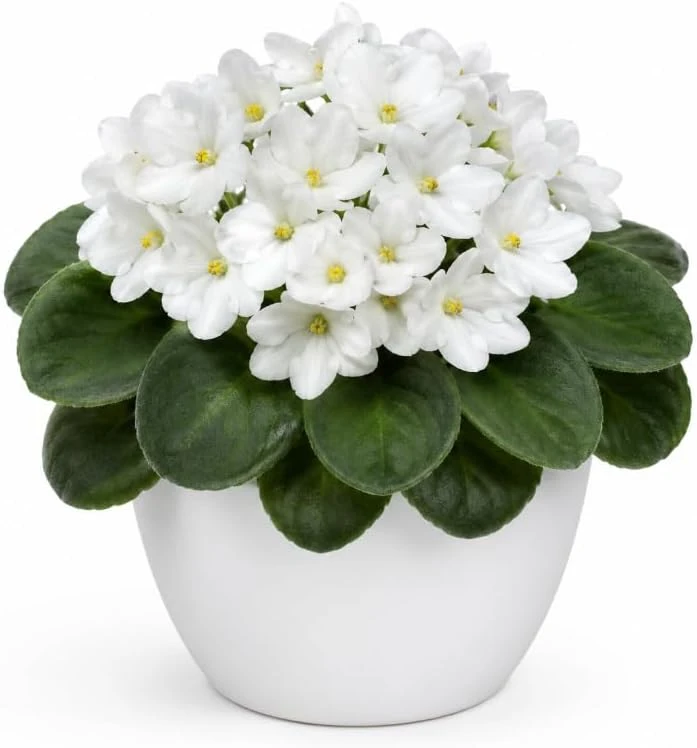
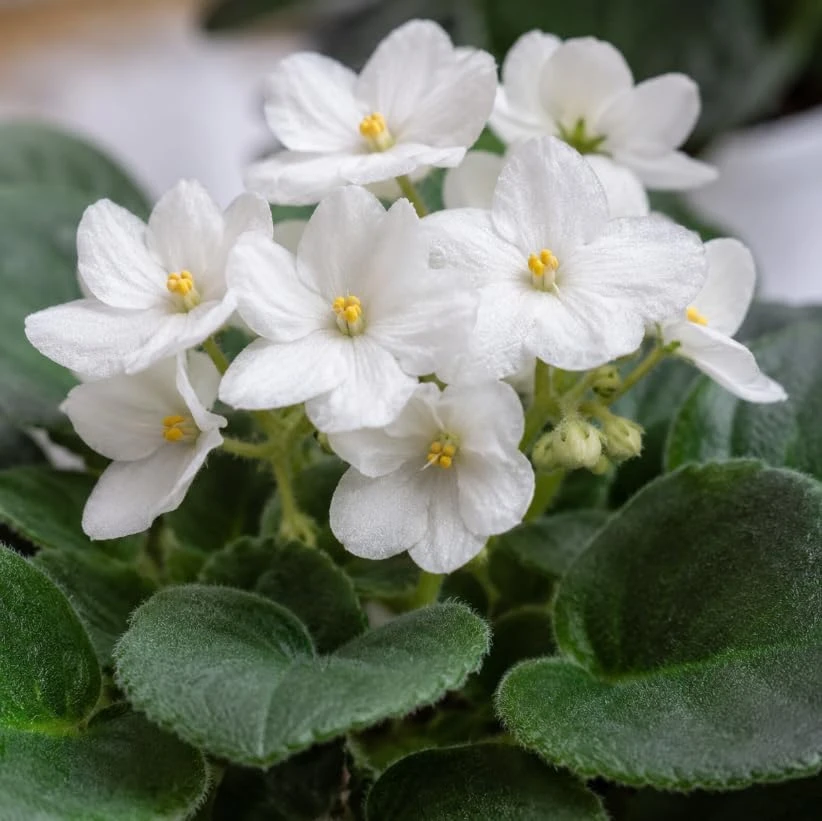
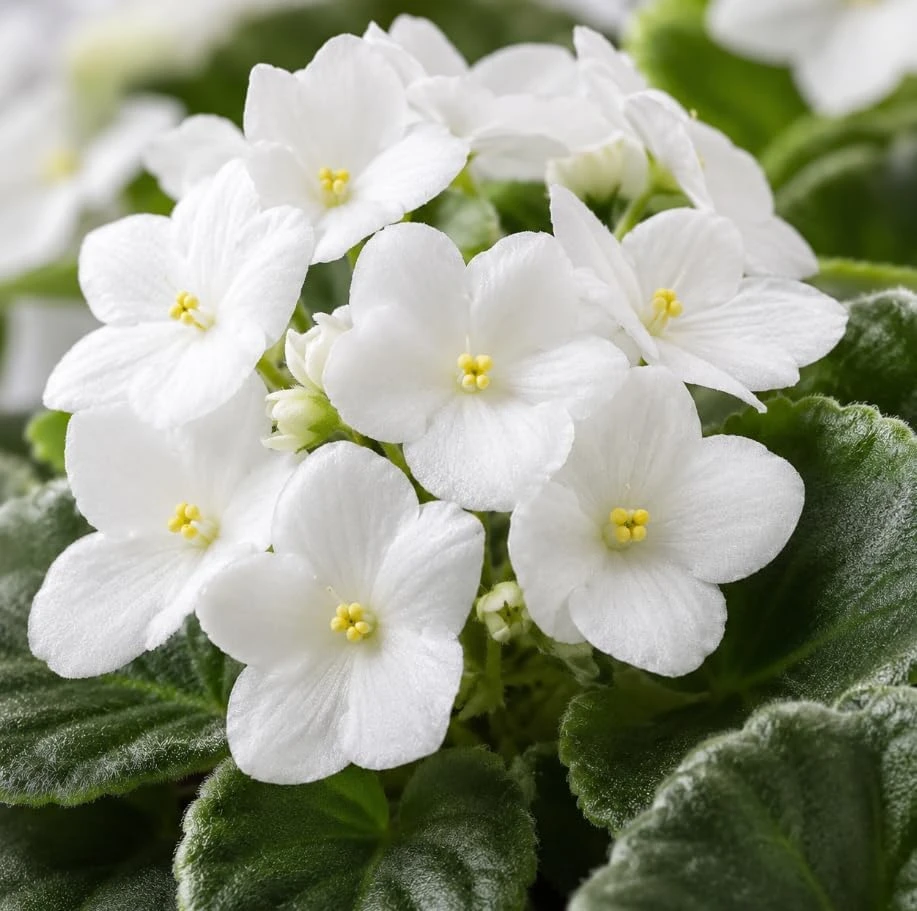
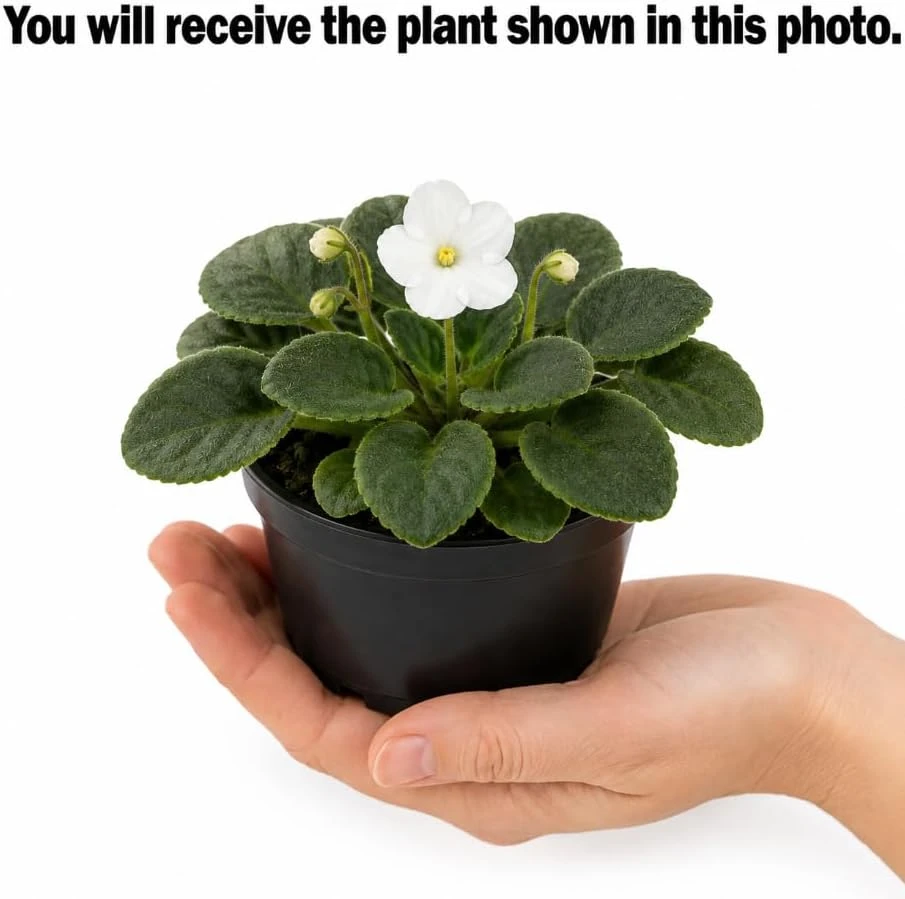
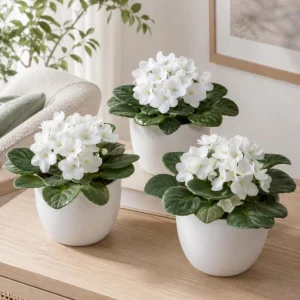
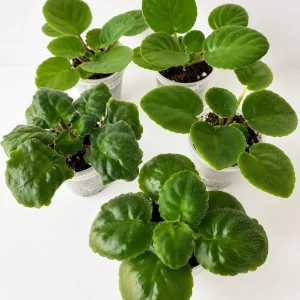
African Violet Live Plant – White Flowers, 3-5 Inches Tall in 4 Inch Pot – Indoor Houseplant
Original price was: $37.99.$17.99Current price is: $17.99.
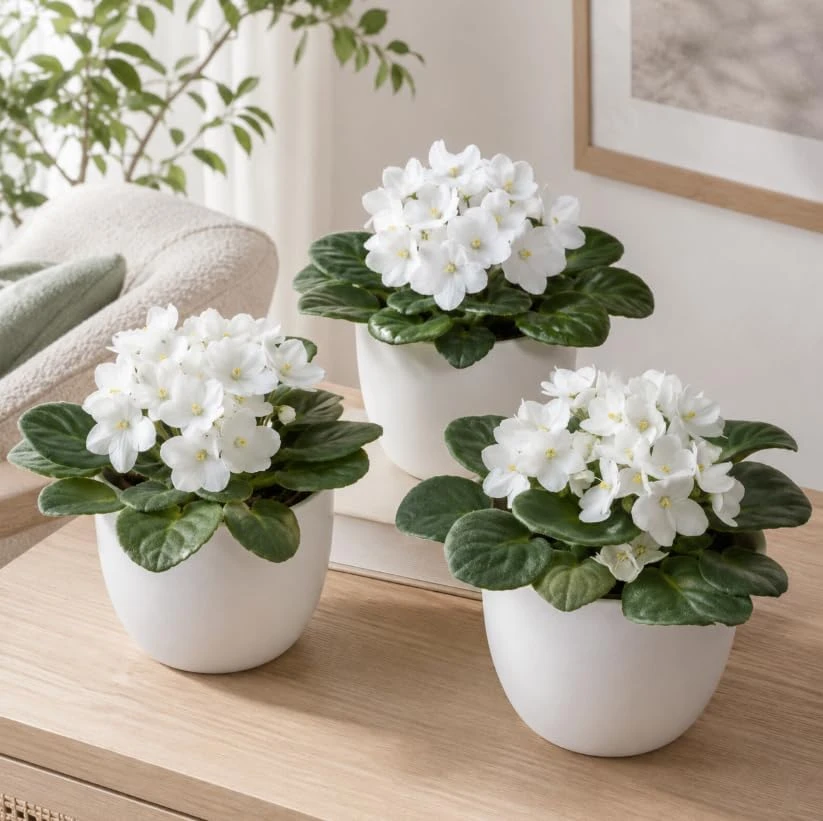
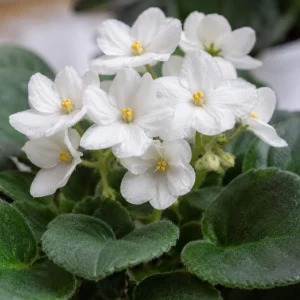
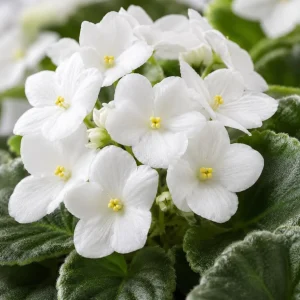
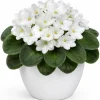
Introduce elegance to your space with a white African Violet live plant. This charming 3-5 inch tall houseplant, nestled in a 4-inch pot, showcases vibrant white flowers and lush green foliage. It’s an ideal small African Violet houseplant for desks, shelves, or windowsills, bringing fresh, natural beauty indoors.
Estimated arrival
Oct 16
Oct 21 - Oct 23
Oct 26 - Oct 30

Reasonable Price
We offer reasonable price

Support 24/7
Contact us 24 hrs a day

100% Money Back
You've 30 days to Return

Payment Secure
100% secure payment
Overview
Brighten any room with this exquisite white African Violet live plant, a beloved choice for indoor gardening enthusiasts. Known for its delicate charm and relatively easy care, this specific variety features pristine white flowers that stand out against its soft, velvety green leaves. Originating from tropical East Africa, African Violets (Saintpaulia spp.) have become a staple in homes and offices worldwide due to their compact size and continuous blooming potential. This particular specimen arrives as a healthy 3-5 inch tall plant in a convenient 4-inch pot, ready to add an immediate touch of natural beauty to your decor. Its cheerful disposition and manageable requirements make it an excellent addition for both seasoned plant parents and those new to the world of houseplants. The classic appeal of a white African Violet live plant ensures it complements a wide range of interior styles, from modern minimalist to cozy traditional.
The allure of the African Violet lies not just in its beauty but also in its ability to thrive indoors, making it a perfect candidate for adding life to smaller spaces. This small African Violet houseplant is specifically selected for its robust health and readiness to display its beautiful white blooms. It’s an ideal choice for anyone looking to cultivate an indoor flowering plant that provides consistent color and a soothing presence. The plant’s compact growth habit ensures it won’t outgrow its designated spot quickly, making it a sustainable and enjoyable addition to your living or working environment. Embrace the joy of nurturing a plant that consistently rewards you with stunning floral displays.
Key Benefits
Bringing a white African Violet live plant into your home offers numerous advantages beyond its obvious aesthetic appeal. These plants are celebrated for their ability to thrive indoors and provide continuous beauty. Here are some key benefits:
- Continuous Blooms: Enjoy vibrant white flowers almost year-round with proper care. African Violets are known for their prolific blooming, offering consistent beauty that few other houseplants can match. This makes them a truly rewarding indoor flowering plant.
- Compact Size: Perfect for small spaces, this small African Violet houseplant fits comfortably on desks, shelves, windowsills, or side tables without taking up too much room. Its modest dimensions make it versatile for various indoor settings.
- Mood Enhancer: The presence of living plants, especially flowering ones, can boost mood, reduce stress, and create a more serene and inviting atmosphere in your home or office. The delicate African Violet white flowers are particularly calming.
- Air Purifying Qualities: Like many houseplants, African Violets can help improve indoor air quality by absorbing common pollutants, contributing to a healthier living environment.
- Easy to Care For: With a few simple guidelines, maintaining an African Violet is straightforward, making it an excellent choice for beginners. Understanding basic African Violet care ensures long-term success.
- Versatile Decor: The classic beauty of its white blooms and rich green foliage makes it a versatile decorative accent that complements any interior design style, from contemporary to classic.
- Long Lifespan: With adequate care, African Violets can live for many years, becoming a long-term fixture in your indoor plant collection.
Plant Care & Growing Tips
Providing the right environment is crucial for your white African Violet live plant to flourish and produce its stunning blooms. These plants prefer consistent conditions and will reward you with continuous flowering when their needs are met. For optimal growth and vibrant African Violet white flowers, pay close attention to light, water, and humidity.
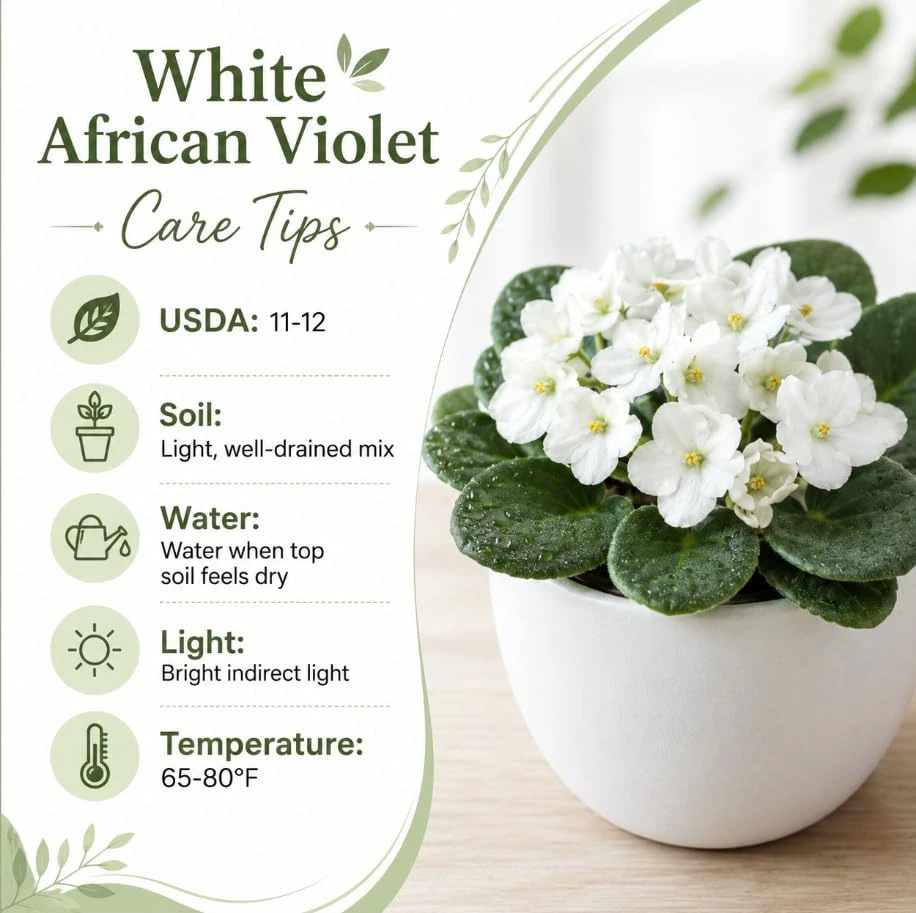
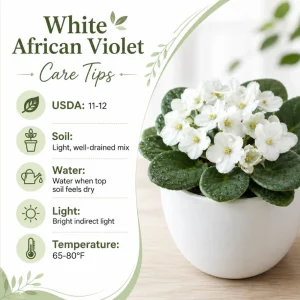
Sunlight requirements: African Violets thrive in bright, indirect light. An east-facing window is often ideal, providing gentle morning sun. A north-facing window also works well, offering consistent, soft light. Avoid direct, harsh afternoon sun, which can scorch the leaves. If natural light is insufficient, a grow light can supplement, ensuring your indoor flowering plant receives 12-14 hours of light daily. Rotate the plant regularly to encourage even growth and flowering.
Watering schedule and soil moisture preferences: Water your African Violet when the top inch of soil feels dry to the touch. It’s best to water from the bottom by placing the pot in a saucer of water for 20-30 minutes, allowing the plant to absorb moisture through its drainage holes. Alternatively, water from the top, being careful not to get water on the leaves, especially if the water is cold, as this can cause spotting. Use lukewarm water to avoid shocking the plant. Ensure excess water drains completely to prevent root rot. Consistent moisture, without being waterlogged, is key for good African Violet care.
Soil type and drainage requirements: African Violets prefer a light, well-draining potting mix specifically formulated for them, or a mix of peat moss, vermiculite, and perlite. This type of soil provides good aeration and drainage while retaining enough moisture. Avoid heavy garden soil. Good drainage is essential to prevent waterlogging, which can quickly lead to root issues for your small African Violet houseplant.
Temperature range and USDA hardiness zone: African Violets prefer consistent room temperatures between 65-75°F (18-24°C). Avoid sudden temperature fluctuations and cold drafts. While commonly grown indoors, they are technically suited for USDA Zones 11-12 if grown outdoors in very warm, humid climates, but are almost exclusively cultivated as indoor plants in cooler regions. Maintaining stable indoor temperatures is a vital aspect of African Violet care.
Fertilization schedule and type: Feed your African Violet every 2-4 weeks during its active growing and blooming periods (spring through fall) with a balanced liquid fertilizer formulated for African Violets, diluted to half strength. Reduce or stop fertilizing during winter dormancy. Over-fertilization can lead to salt buildup and damage the roots.
Common problems and solutions: Watch out for powdery mildew (white powdery spots on leaves, often due to poor air circulation and high humidity; treat with fungicide and improve airflow), root rot (mushy stems, yellowing leaves, caused by overwatering; repot in fresh, dry soil after trimming affected roots), and leaf spot (brown spots, caused by cold water on leaves; use lukewarm water and avoid wetting foliage). Proper African Violet care can prevent most common issues.
Size & Details
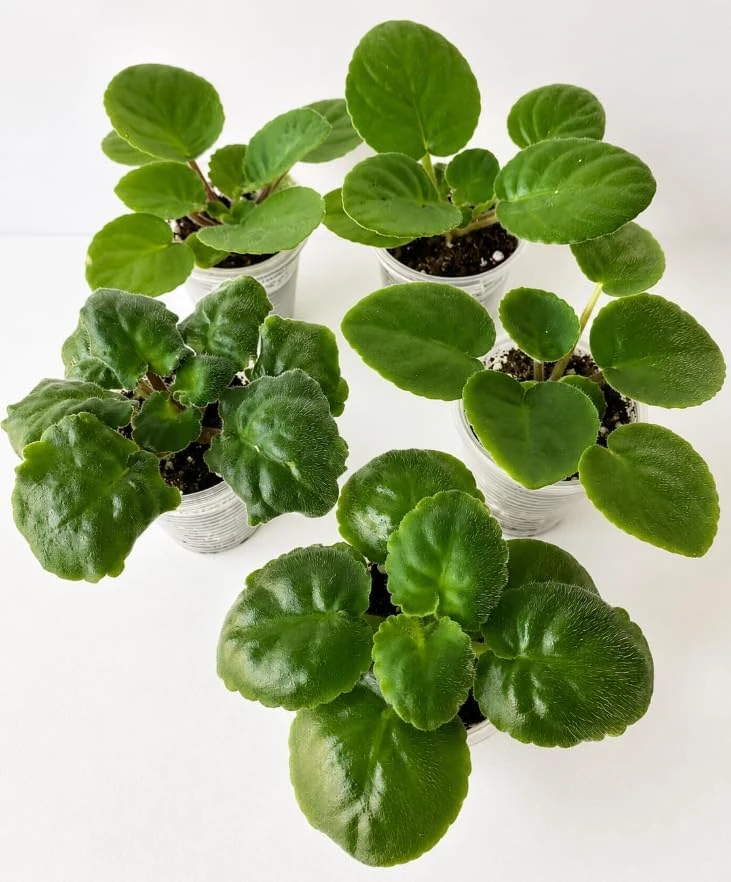
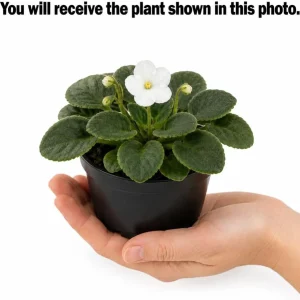
This beautiful white African Violet live plant is carefully cultivated to ensure a healthy and vibrant addition to your indoor garden. Each plant typically stands 3-5 inches tall from the base of the soil to the top of its foliage, providing a charming, compact presence. It arrives nestled in a standard 4-inch nursery pot, which is the perfect size for initial growth and allows for easy placement in decorative planters or directly onto your chosen surface. The plant is shipped as a fully rooted, established specimen, ready to continue its growth and begin displaying its elegant African Violet white flowers shortly after arrival.
African Violets are known for their relatively slow to moderate growth rate, maintaining their appealing compact form. Expect this small African Violet houseplant to gradually fill its pot, with its beautiful foliage and blooms creating a delightful display. The mature size typically remains within a 6-12 inch diameter, making it an ideal long-term resident for desks, bookshelves, and windowsills. This particular variety is chosen for its robust health and consistent blooming, ensuring you receive a high-quality indoor flowering plant that will bring joy for many years with proper African Violet care.
Frequently Asked Questions
- Q: How big does this plant get? A: This white African Violet live plant typically grows to a compact size, usually reaching 6-12 inches in diameter at maturity. It’s considered a miniature to standard size African Violet, perfect for small indoor spaces.
- Q: What size pot does it come in? A: Your small African Violet houseplant will arrive in a 4-inch diameter nursery pot, providing ample space for its initial growth. You can choose to repot it into a slightly larger decorative pot as it grows.
- Q: Is this an indoor or outdoor plant? A: African Violets are primarily indoor plants. They prefer stable indoor temperatures and humidity levels, making them an excellent indoor flowering plant for homes and offices. They are not suitable for outdoor planting in most climates.
- Q: How much sunlight does it need? A: This white African Violet live plant thrives in bright, indirect light. An east or north-facing window is ideal. Avoid direct, harsh sunlight, which can burn the leaves and damage the delicate African Violet white flowers.
- Q: Is this plant easy to care for? A: Yes, with a few simple guidelines, African Violets are considered relatively easy to care for, even for beginners. Consistent watering, proper light, and appropriate temperatures are key to successful African Violet care.
- Q: What condition will it arrive in? A: Your African Violet will arrive as a healthy, live plant, carefully packaged to ensure its safety during transit. It will be rooted in soil within its nursery pot, ready to be placed in your home.
- Q: Is it shipped in soil? A: Yes, the white African Violet live plant is shipped fully rooted in its 4-inch nursery pot with appropriate potting mix, ensuring it has everything it needs to thrive upon arrival.
- Q: How long until it blooms? A: African Violets are known for their continuous blooming cycle. Your plant may arrive with buds or flowers, and with proper African Violet care, it can bloom almost year-round, providing consistent beauty.
- Q: Can I put this plant in my kitchen? A: Absolutely! The kitchen, especially near a window that provides bright, indirect light, can be an excellent spot for your small African Violet houseplant. The added humidity from cooking can also be beneficial.
- Q: What’s the minimum temperature this plant can tolerate? A: African Violets prefer temperatures between 65-75°F (18-24°C). They should not be exposed to temperatures below 60°F (15°C) for extended periods, as this can stress the plant and inhibit blooming.
Be the first to review “African Violet Live Plant – White Flowers, 3-5 Inches Tall in 4 Inch Pot – Indoor Houseplant”
-
USDA Hardiness Zone
Year-round indoors (USDA Zones 11-12 if grown outdoors) -
Soil Type
Light, well-draining potting mix for African Violets -
Sunlight Exposure
Bright, indirect light -
Expected Planting Period
Year-round indoors
People Also Viewd


Sold 134 products
Original price was: $3,536.00.$23.99Current price is: $23.99.

Sold 132 products
Original price was: $27.00.$24.00Current price is: $24.00.

Sold 132 products
Original price was: $89.99.$64.99Current price is: $64.99.

Sold 125 products
Original price was: $86.99.$66.99Current price is: $66.99.

Flower Bulbs
3 Cranesbill Wild Geranium Organic Maculatums Bare Roots | Wildflower for Outdoor Garden
Sold 116 products
Original price was: $21.99.$9.99Current price is: $9.99.

Sold 114 products
Original price was: $28.99.$17.99Current price is: $17.99.
Sold 110 products
Original price was: $63.99.$28.99Current price is: $28.99.
Sold 108 products
Original price was: $28.99.$17.99Current price is: $17.99.RELATED posts
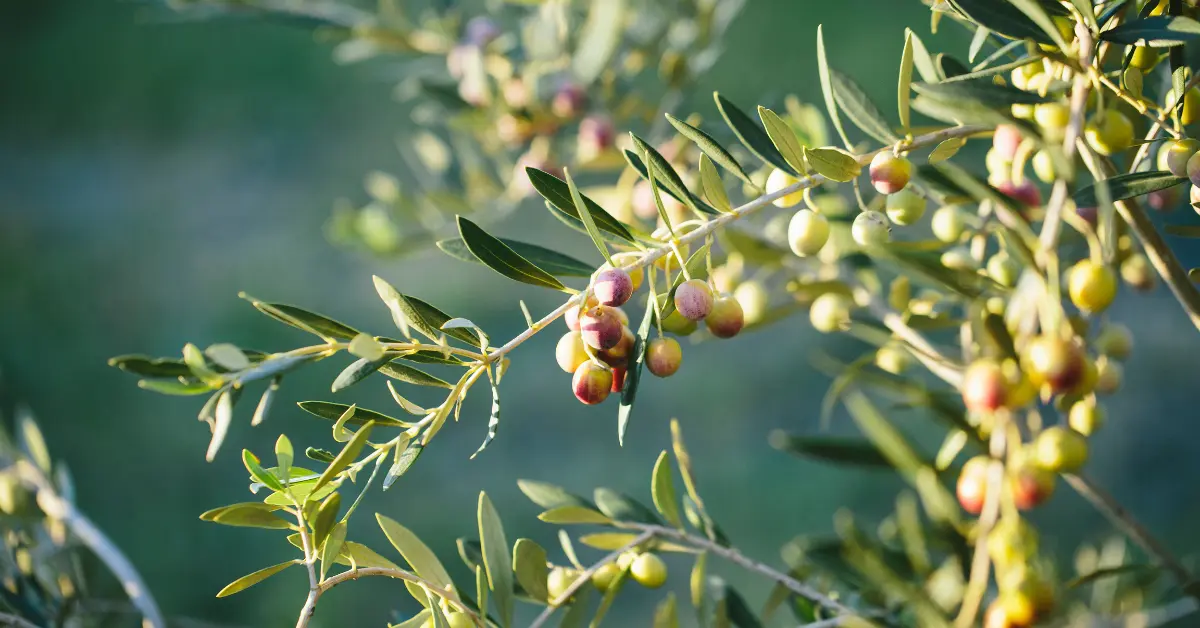
How to Grow Arbequina Olive Trees: The Ultimate Guide to Your Own Olive Grove
Arbequina Olive Tree (Olea europaea ‘Arbequina’) – the ultimate Mediterranean plant that brings a touch [...]
Oct
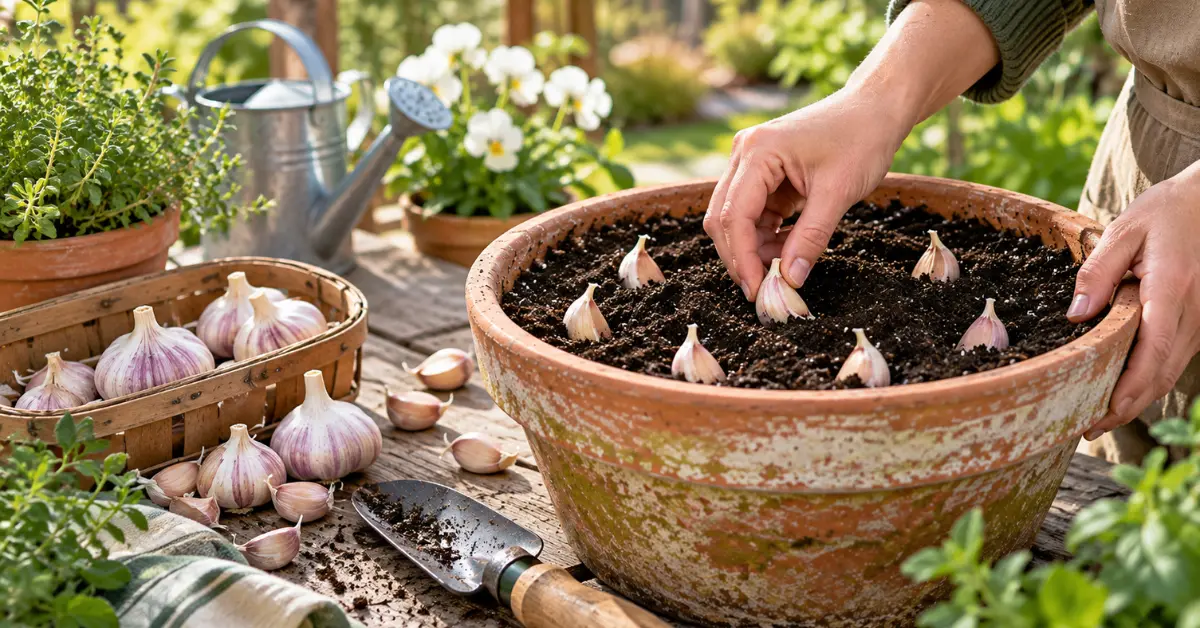
Growing Garlic in Containers This Fall: A Complete Guide for Beginners
If you’ve ever wanted to pop fresh, aromatic garlic cloves straight from your own patio [...]
Sep
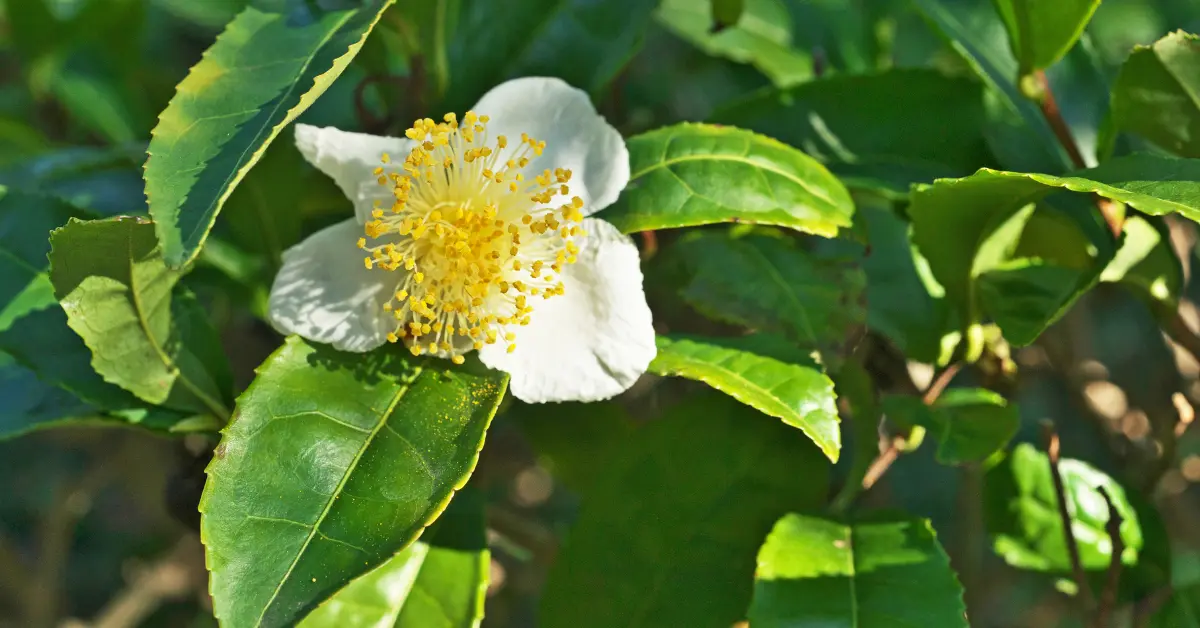
Growing Camellia Sinensis (Tea Plants) in Containers: A Complete Guide for Beginners
If you’ve ever wanted to sip a steaming, homegrown cup of fresh green, black, or [...]
Aug
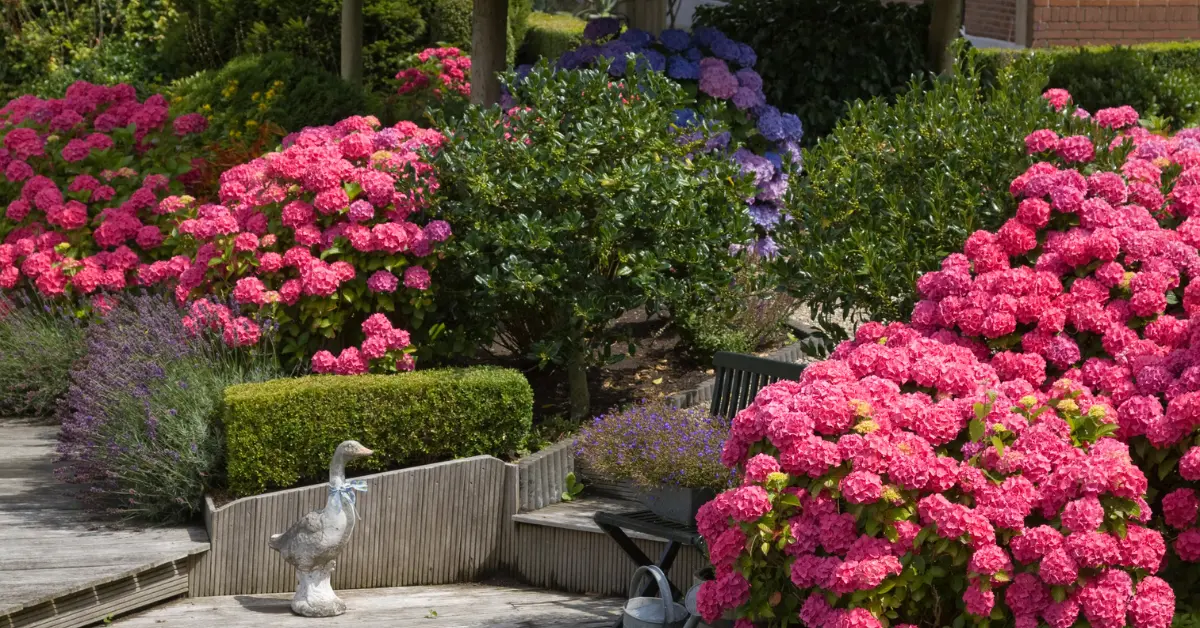
6 Best Shrubs to Plant in August You Must Try
Have you ever walked through a nursery late in the summer, admired the vibrant shrubs [...]
Aug
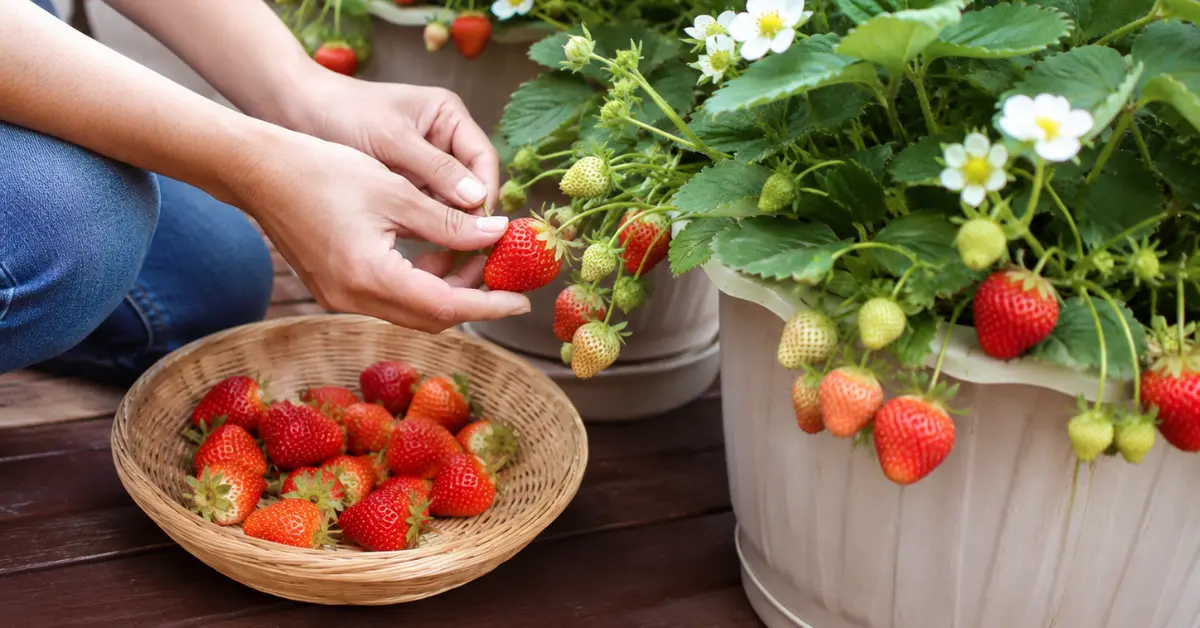
Growing Everbearing Strawberries in Containers: A Complete Guide for Beginners
Want to grow sweet, fresh strawberries but do not have a large garden? Everbearing strawberries [...]
Aug
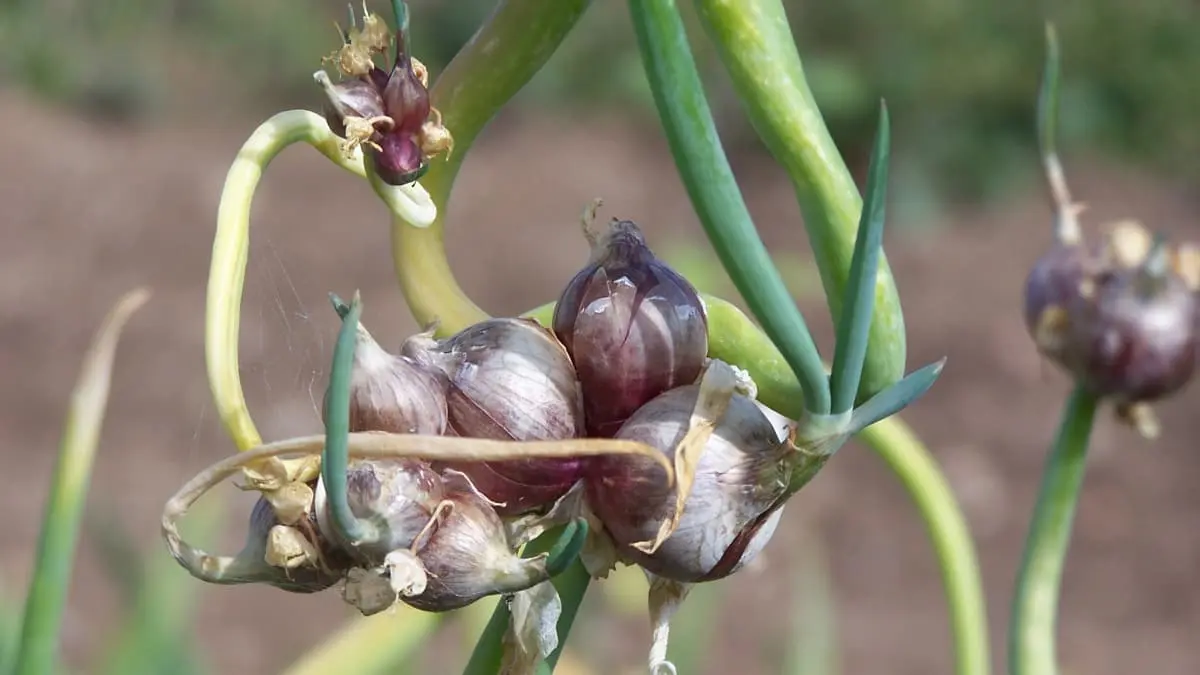
Growing Egyptian Walking Onions in Containers: A Complete Guide for Beginners
If you’re looking for a hardy, no-fuss perennial onion that keeps on giving year after [...]
Jul
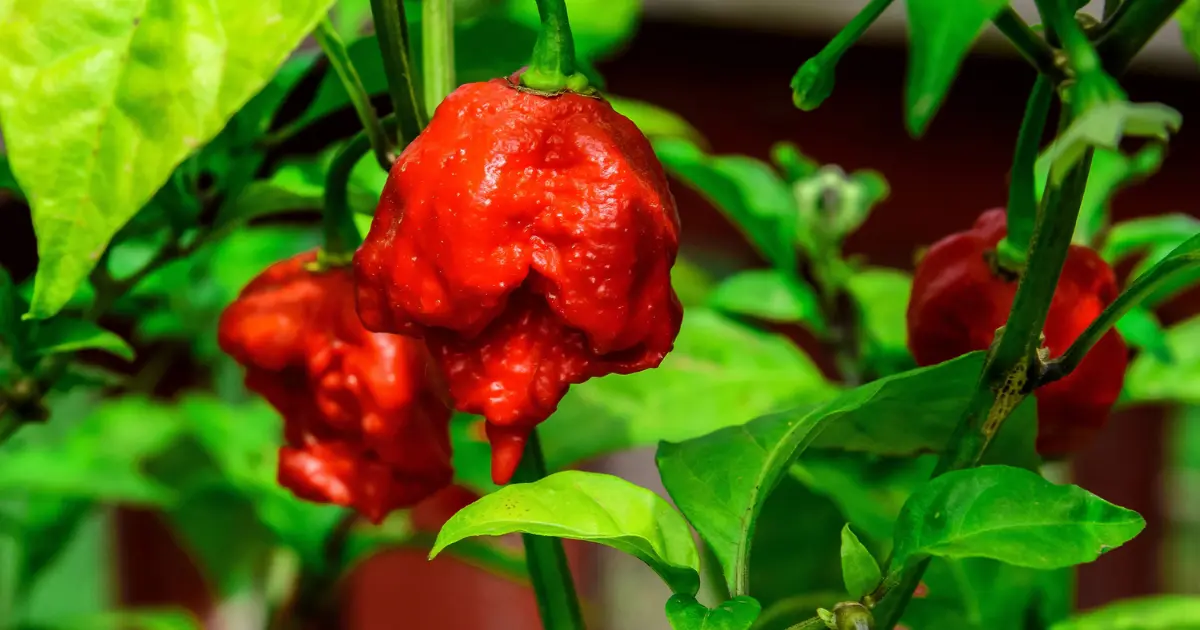
Growing Carolina Reaper Peppers in Pots: A Complete Guide for Beginners
If you’ve ever wanted to add some serious, record-breaking heat to your home cooking, you’ve [...]
May
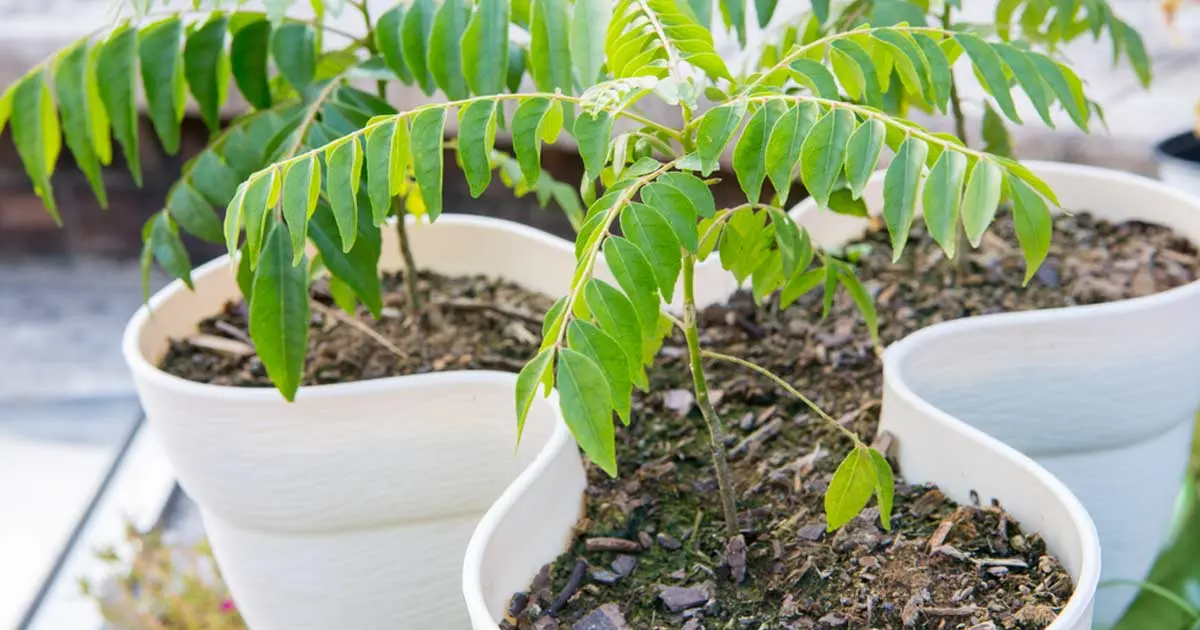
Growing Curry Leaf Plant in Pots: A Complete Guide for Beginners
If you’re a fan of authentic South Asian cuisine, you already know that nothing compares [...]
May
Reviews
There are no reviews yet.