


African Violet Live Plant – Young Starter, 4 Inch Pot, Indoor Houseplant
Original price was: $54.11.$29.11Current price is: $29.11.
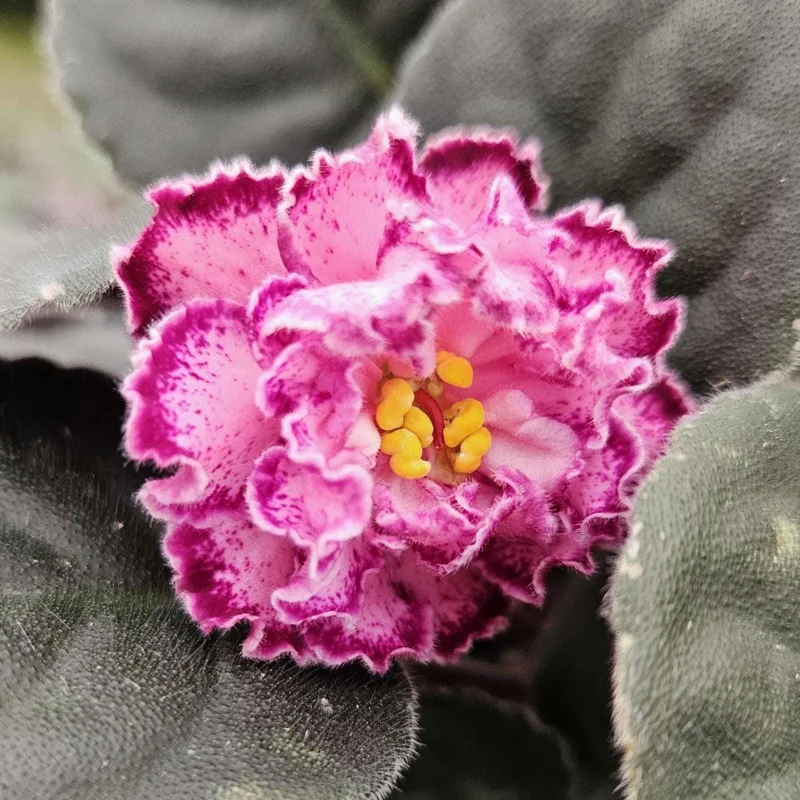
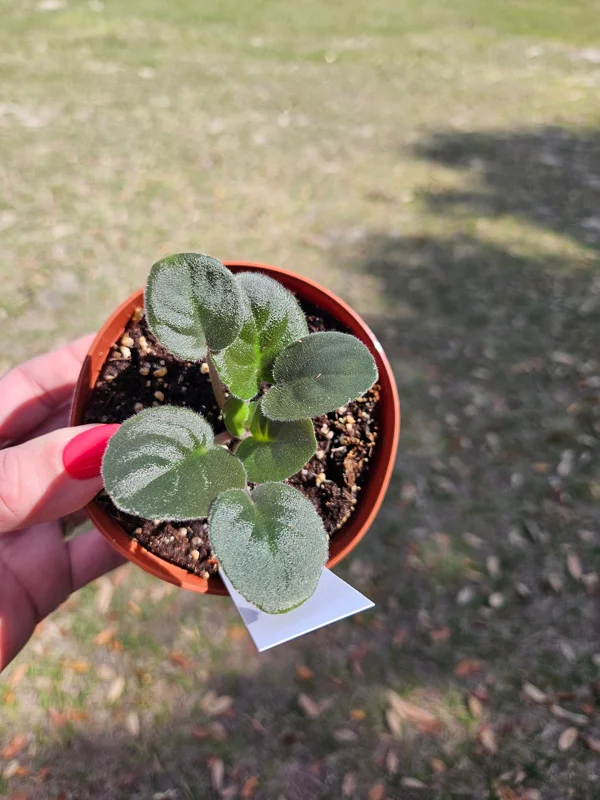
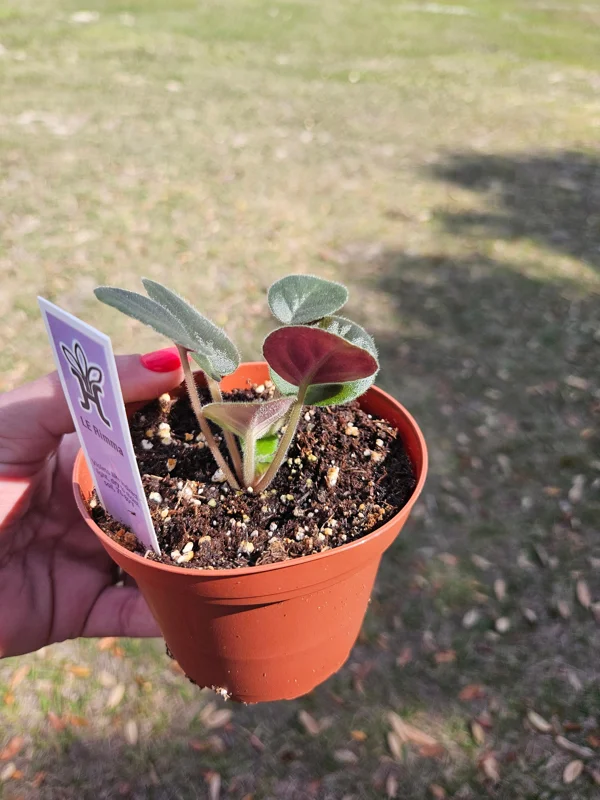
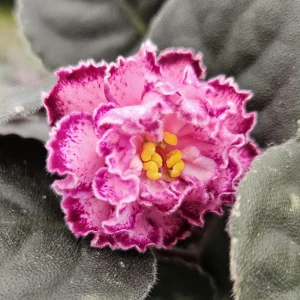
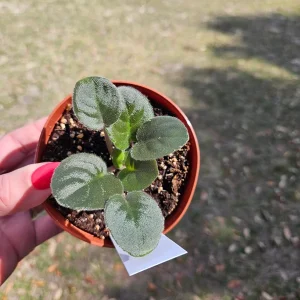
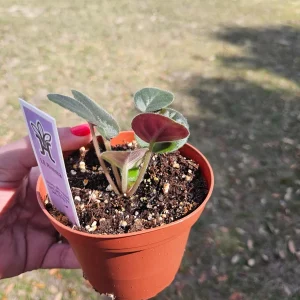
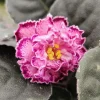
Bring home a beautiful African Violet live plant, a young starter perfect for cultivating vibrant blooms. This indoor flowering plant comes in a 4-inch pot, ready to mature and add a touch of elegance to any space.
Estimated arrival
Oct 16
Oct 21 - Oct 23
Oct 26 - Oct 30

Reasonable Price
We offer reasonable price

Support 24/7
Contact us 24 hrs a day

100% Money Back
You've 30 days to Return

Payment Secure
100% secure payment
Overview
Experience the joy of nurturing your own blooms with this exquisite African Violet live plant. Known for their soft, fuzzy leaves and vibrant, long-lasting flowers, African Violets (Saintpaulia) are a beloved choice for indoor gardening enthusiasts. This offering is a young, pre-finished starter plant, ideally suited for growers who enjoy watching their plants develop from an early stage. Shipped in a 4-inch nursery pot, this plant is ready to be transitioned into your care, offering the rewarding experience of seeing its future blooms unfold with a little time, light, and love. African Violets are celebrated for their ability to thrive indoors, making them perfect additions to windowsills, desks, or any well-lit spot in your home.
These particular African Violets are carefully cultivated to ensure a healthy start. While they may not be in full bloom upon arrival, they are typically pre-budding, poised to burst into color under optimal conditions. The delicate nature of African Violets makes them a delightful project for both novice and experienced plant parents looking to add a touch of floral beauty to their living spaces. With proper African Violet care, you can enjoy continuous blooms for many months, making it a truly rewarding houseplant.
Key Benefits
Owning an African Violet live plant offers numerous advantages, blending aesthetic appeal with the satisfaction of successful indoor gardening. These plants are not just beautiful; they are also a joy to cultivate.
- Continuous Blooming: With proper care, African Violets can bloom almost continuously throughout the year, providing consistent color and beauty to your home. This makes them a more rewarding choice than many seasonal bloomers.
- Compact Size: Their relatively small and manageable size makes them perfect for various indoor settings, from small apartments to spacious homes. They fit well on windowsills, shelves, and tabletops without taking up too much space.
- Air Purification: Like many houseplants, African Violets contribute to a healthier indoor environment by helping to filter airborne toxins and improve air quality.
- Therapeutic Hobby: The process of growing African Violets can be a relaxing and therapeutic hobby, offering a sense of accomplishment as you watch your plant flourish and produce stunning flowers.
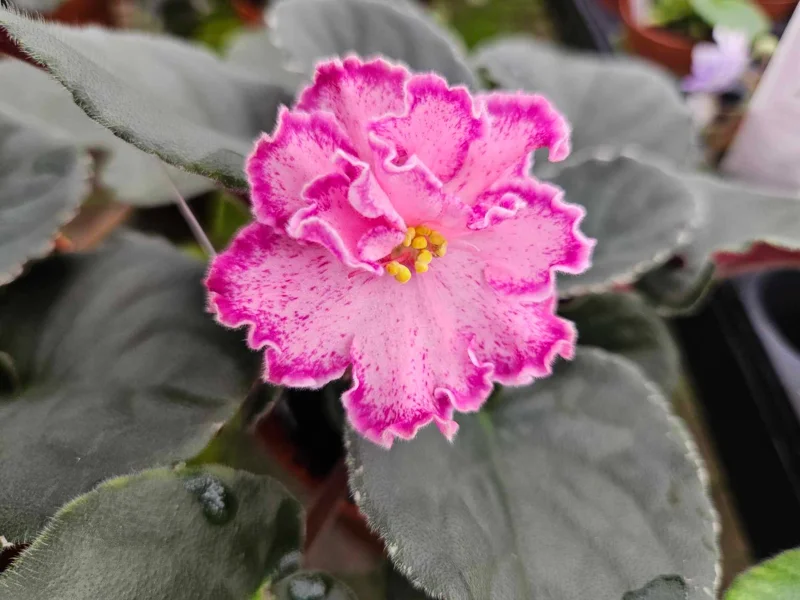
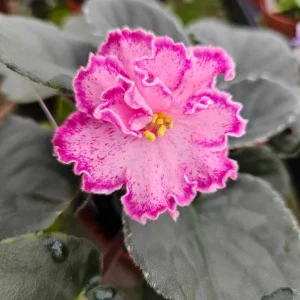
- Variety of Colors: While this specific plant may not be in bloom yet, African Violets come in a wide array of flower colors and patterns, promising a delightful surprise as your plant matures.
- Low Maintenance (once established): Although they have specific care needs, once you understand the basics of African Violet care, they are relatively easy to maintain and can thrive with consistent attention.
- Indoor Elegance: The lush foliage and delicate blooms of this indoor flowering plant add a touch of classic elegance and natural charm to any room, enhancing your home decor.
Plant Care & Growing Tips
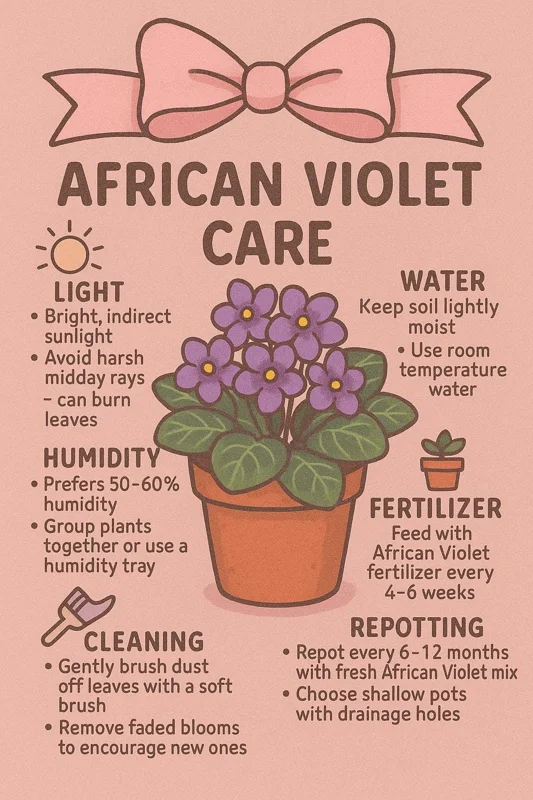
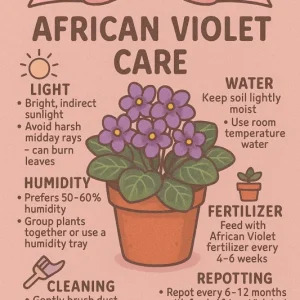
Successful African Violet care revolves around understanding their specific needs for light, water, and humidity. These beautiful plants thrive in consistent conditions and can be quite sensitive to extremes. For light, they prefer bright, indirect light. A north or east-facing window is often ideal, or a south/west-facing window with a sheer curtain to diffuse intense sunlight. Too much direct sun can scorch their leaves, while too little light will result in sparse blooms or no blooms at all. Aim for consistent light exposure to encourage robust growth and flowering.
Watering is crucial for African Violet live plant health. Only water when the topsoil feels dry to the touch, but avoid letting the plant sit in soggy soil, which can lead to root rot. The best method is bottom watering: place the pot in a dish of water for about 30 minutes, allowing the plant to absorb water through its drainage holes, then remove any excess water. Avoid getting water on the leaves, as this can cause unsightly brown spots. African Violets prefer moderate humidity, around 40-60%. If your home is dry, consider placing the pot on a pebble tray with water or using a small humidifier nearby. The ideal temperature range is between 65-75°F (18-24°C); protect them from cold drafts and sudden temperature fluctuations.
For soil, use a well-draining potting mix specifically formulated for African Violets. This blend typically contains peat moss, perlite, and vermiculite to ensure good aeration and moisture retention without becoming waterlogged. Fertilize your African Violet starter every 2-4 weeks during its active growing season (spring and summer) using a balanced liquid fertilizer diluted to half strength, or a specialized African Violet food. Reduce or stop fertilizing during winter months. Regularly remove spent flowers and yellowing leaves to encourage new growth and maintain the plant’s tidy appearance. With these consistent practices, you’ll be well on your way to growing African Violets successfully.
Size & Details
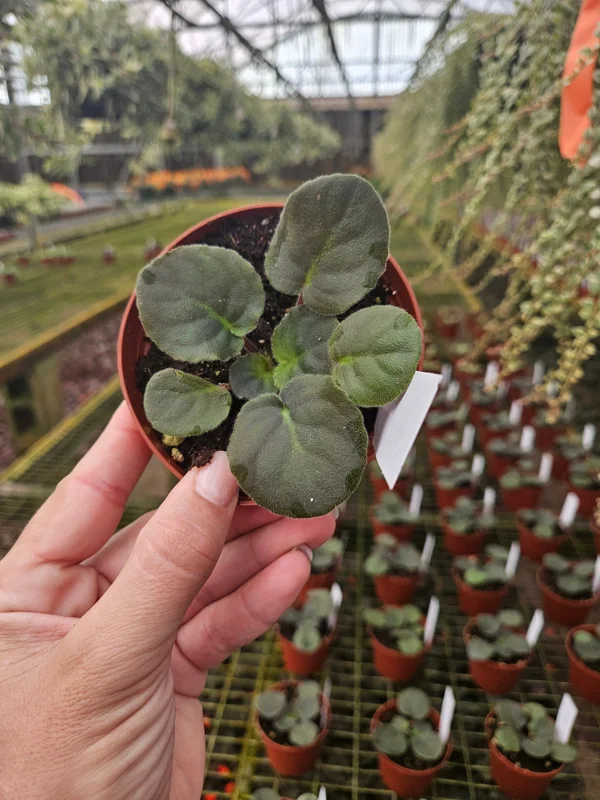
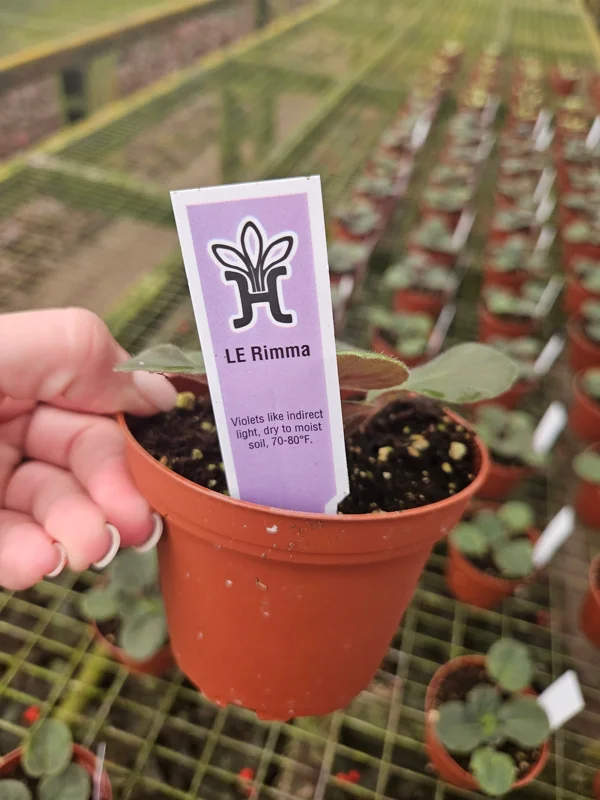
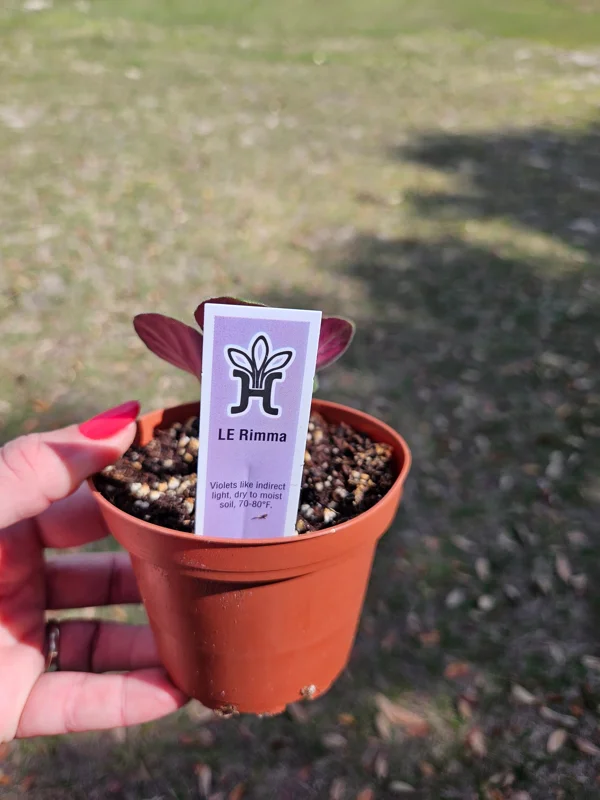
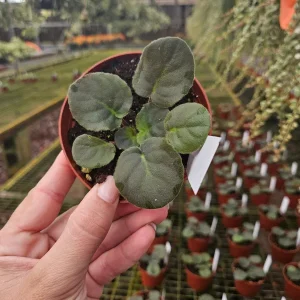
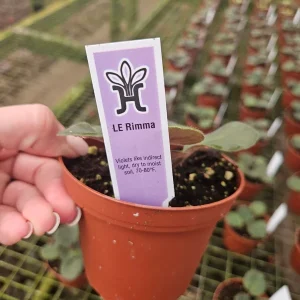
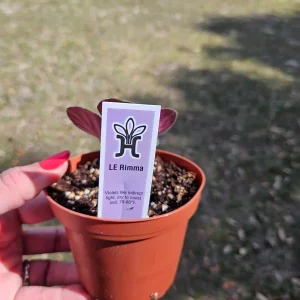
This offering is for a young, pre-finished African Violet live plant, presented in a 4-inch nursery pot. At this stage, the plant is considered a starter, meaning it is still establishing its root system and may not yet be fully rooted. It is typically pre-bud, indicating that it is ready to produce its characteristic blooms under your care. The plant’s overall size will vary slightly due to its young age and natural growth patterns, but it is a compact specimen designed for easy transplanting and continued growth.
The plant’s foliage will consist of soft, fuzzy leaves that are characteristic of the species. While it may not be in bloom upon arrival, the potential for vibrant flowers is inherent in its genetics. As a starter plant, it offers the rewarding experience of nurturing it from a youthful stage to a mature, blooming indoor flowering plant. Expect it to grow into a desk-friendly to medium-sized houseplant, generally reaching a spread of 6-12 inches once fully mature. The 4-inch pot provides enough space for initial growth, but you may consider repotting into a slightly larger container as it develops, typically within 6-12 months.
Frequently Asked Questions
- Q: How big will my African Violet live plant get? A: This is a young starter plant in a 4-inch pot. Once mature, a typical African Violet live plant can reach a spread of 6-12 inches, making it a compact and ideal indoor flowering plant for various spaces.
- Q: Is this African Violet starter plant already blooming? A: While this is a pre-finished starter and may show small buds, it is typically not yet in full bloom. It’s perfect for those who want to experience the rewarding process of growing African Violets from a young stage to full floral beauty.
- Q: What kind of light does an African Violet need? A: African Violets thrive in bright, indirect light. Avoid direct, harsh sunlight which can scorch the leaves. An east-facing window or a north-facing window is often ideal, or a shaded south/west window.
- Q: How do I water my African Violet? A: The best method is bottom watering. Place the pot in a shallow dish of water for about 30 minutes, allowing the plant to absorb water through its drainage holes. Make sure the topsoil feels dry before watering again. Avoid getting water on the leaves.
- Q: Is this plant suitable for beginners? A: Yes, with a little attention to their specific care needs, African Violets can be a rewarding plant for beginners. Understanding their light and watering preferences is key to successful African Violet care.
- Q: What condition will my African Violet live plant arrive in? A: Your plant will arrive as a healthy, young starter in a 4-inch nursery pot. It will be carefully packaged to ensure its safe journey, ready for you to continue its growth.
- Q: How often should I fertilize my African Violet? A: Fertilize your African Violet starter every 2-4 weeks during the active growing seasons (spring and summer) using a specialized African Violet fertilizer or a diluted balanced houseplant food. Reduce feeding in winter.
- Q: Can I keep this African Violet outdoors? A: African Violets are primarily indoor houseplants. They are sensitive to temperature fluctuations and prefer consistent indoor environments. They are not suited for outdoor conditions in most climates.
- Q: What kind of soil is best for growing African Violets? A: Use a well-draining potting mix specifically designed for African Violets. This type of soil ensures proper aeration and moisture retention, which is crucial for healthy root development for your African Violet live plant.
- Q: Is the African Violet starter pet-safe? A: African Violets are generally considered non-toxic to cats and dogs, making them a safe choice for homes with pets. However, it’s always best to discourage pets from chewing on any houseplant.
| Winter shipping options | Plant And Heat Pack, Plant Only |
|---|
Be the first to review “African Violet Live Plant – Young Starter, 4 Inch Pot, Indoor Houseplant”
-
USDA Hardiness Zone
Year-round indoors -
Soil Type
Well-draining African Violet potting mix -
Sunlight Exposure
Bright indirect light -
Expected Planting Period
Year-round indoors
People Also Viewd


Sold 134 products
Original price was: $3,536.00.$23.99Current price is: $23.99.

Sold 132 products
Original price was: $27.00.$24.00Current price is: $24.00.

Sold 132 products
Original price was: $89.99.$64.99Current price is: $64.99.

Sold 125 products
Original price was: $86.99.$66.99Current price is: $66.99.

Flower Bulbs
3 Cranesbill Wild Geranium Organic Maculatums Bare Roots | Wildflower for Outdoor Garden
Sold 116 products
Original price was: $21.99.$9.99Current price is: $9.99.

Sold 114 products
Original price was: $28.99.$17.99Current price is: $17.99.

Sold 110 products
Original price was: $63.99.$28.99Current price is: $28.99.
Sold 108 products
Original price was: $28.99.$17.99Current price is: $17.99.RELATED posts
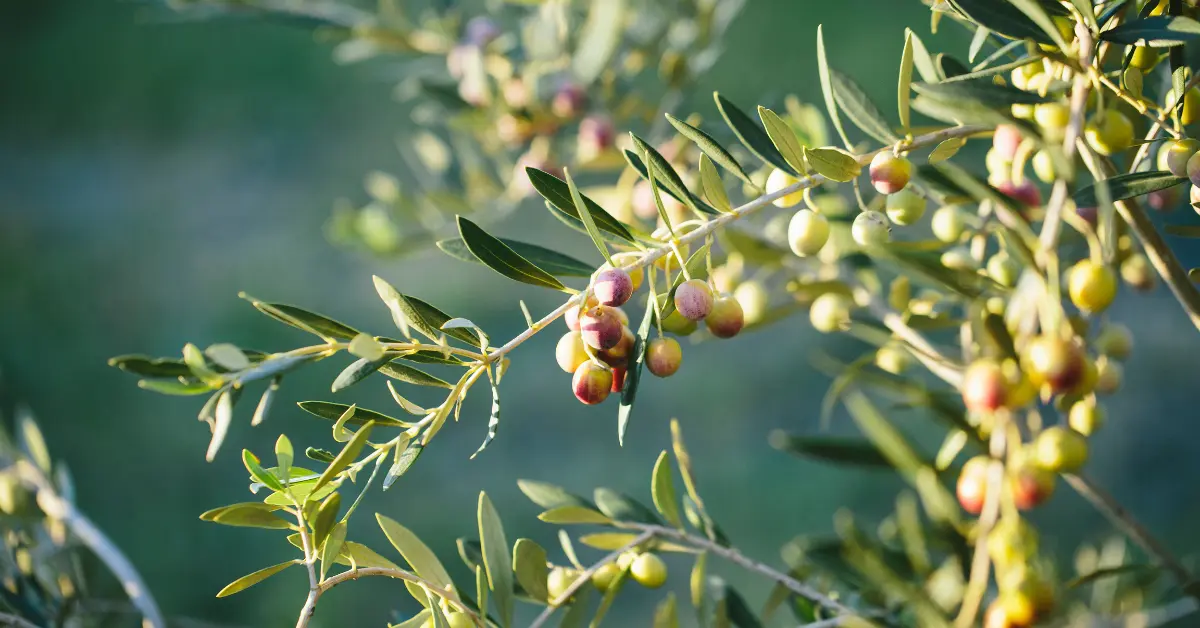
How to Grow Arbequina Olive Trees: The Ultimate Guide to Your Own Olive Grove
Arbequina Olive Tree (Olea europaea ‘Arbequina’) – the ultimate Mediterranean plant that brings a touch [...]
Oct
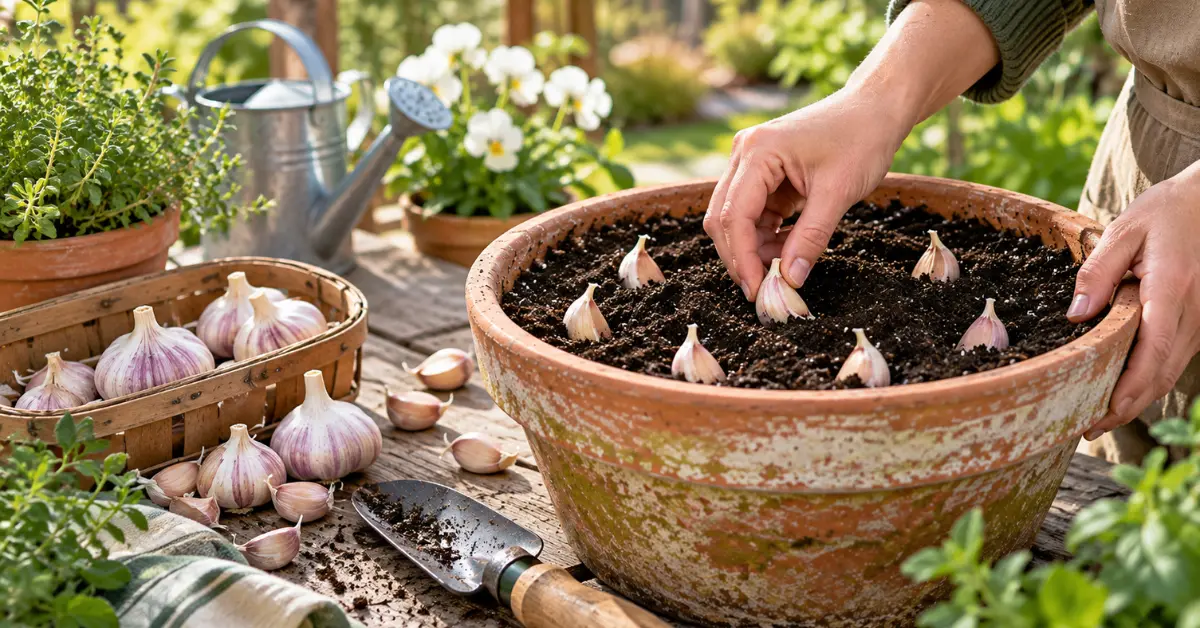
Growing Garlic in Containers This Fall: A Complete Guide for Beginners
If you’ve ever wanted to pop fresh, aromatic garlic cloves straight from your own patio [...]
Sep
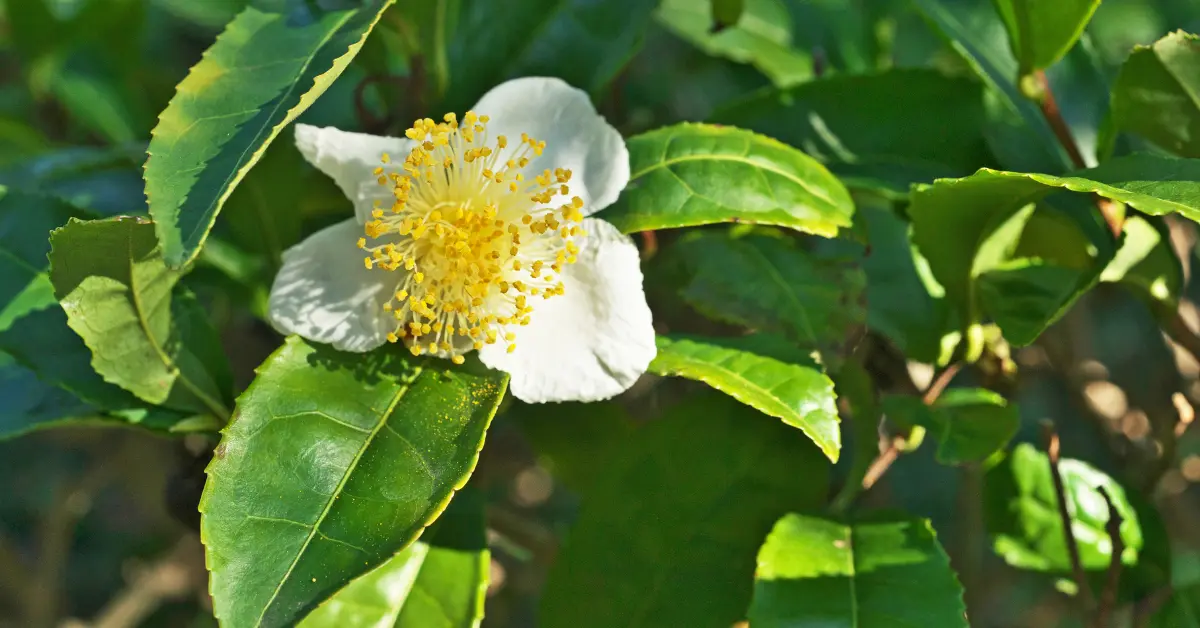
Growing Camellia Sinensis (Tea Plants) in Containers: A Complete Guide for Beginners
If you’ve ever wanted to sip a steaming, homegrown cup of fresh green, black, or [...]
Aug
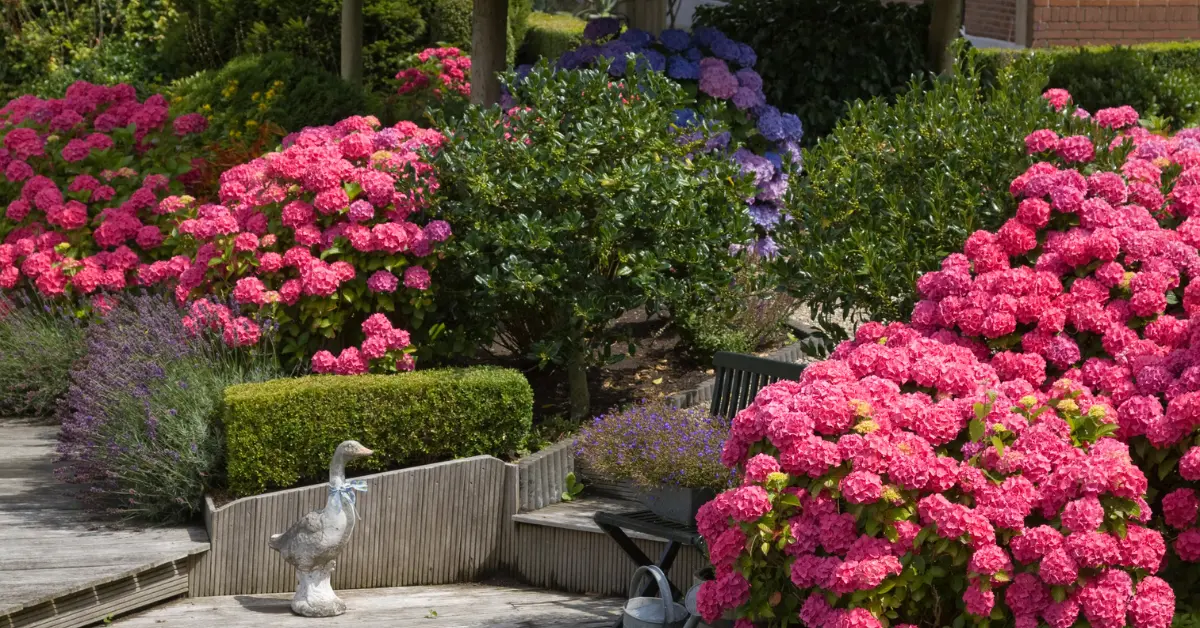
6 Best Shrubs to Plant in August You Must Try
Have you ever walked through a nursery late in the summer, admired the vibrant shrubs [...]
Aug
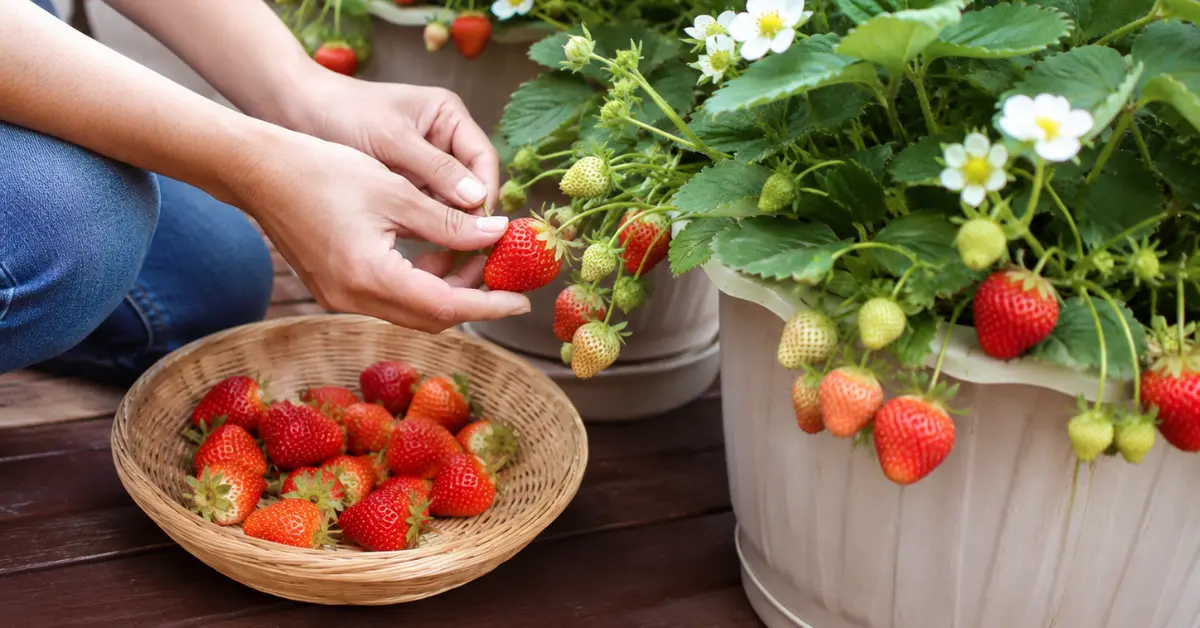
Growing Everbearing Strawberries in Containers: A Complete Guide for Beginners
Want to grow sweet, fresh strawberries but do not have a large garden? Everbearing strawberries [...]
Aug
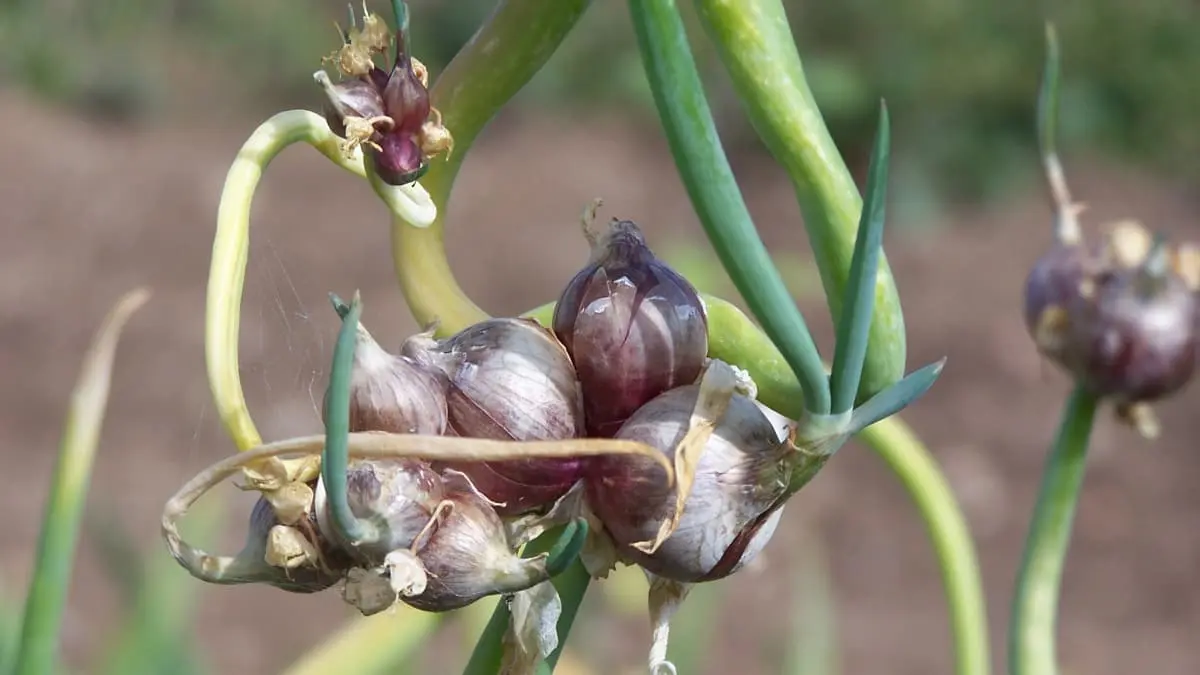
Growing Egyptian Walking Onions in Containers: A Complete Guide for Beginners
If you’re looking for a hardy, no-fuss perennial onion that keeps on giving year after [...]
Jul
Growing Carolina Reaper Peppers in Pots: A Complete Guide for Beginners
If you’ve ever wanted to add some serious, record-breaking heat to your home cooking, you’ve [...]
May
Growing Curry Leaf Plant in Pots: A Complete Guide for Beginners
If you’re a fan of authentic South Asian cuisine, you already know that nothing compares [...]
May
Reviews
There are no reviews yet.