
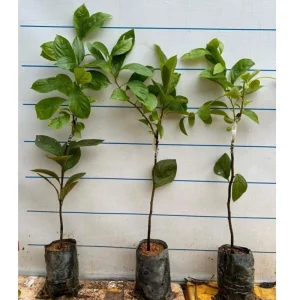
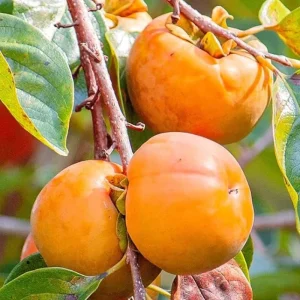
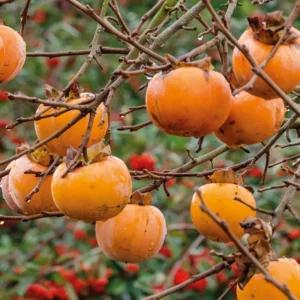
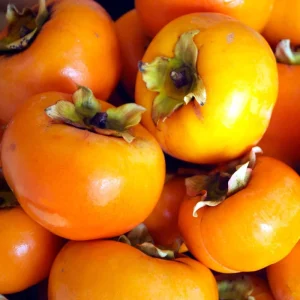
American Persimmon Tree Live Plant – 6-12 Inches Tall, Bare Root, Edible Fruit
Original price was: $67.79.$32.79Current price is: $32.79.
Cultivate your own delicious fruit with this American Persimmon Tree live plant. Shipped bare root for easy transplanting, this 6-12 inch tall tree is cold hardy and perfect for USDA Zones 4-9, bringing an edible native fruit tree to your landscape.
Estimated arrival
Sep 17
Sep 22 - Sep 24
Sep 27 - Oct 01

Reasonable Price
We offer reasonable price

Support 24/7
Contact us 24 hrs a day

100% Money Back
You've 30 days to Return

Payment Secure
100% secure payment
Overview
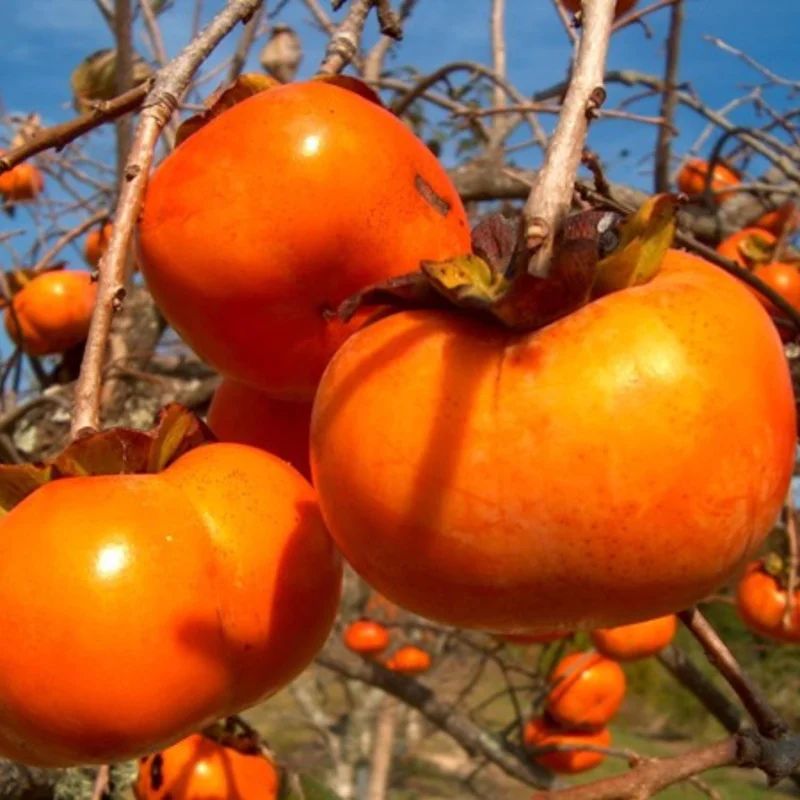
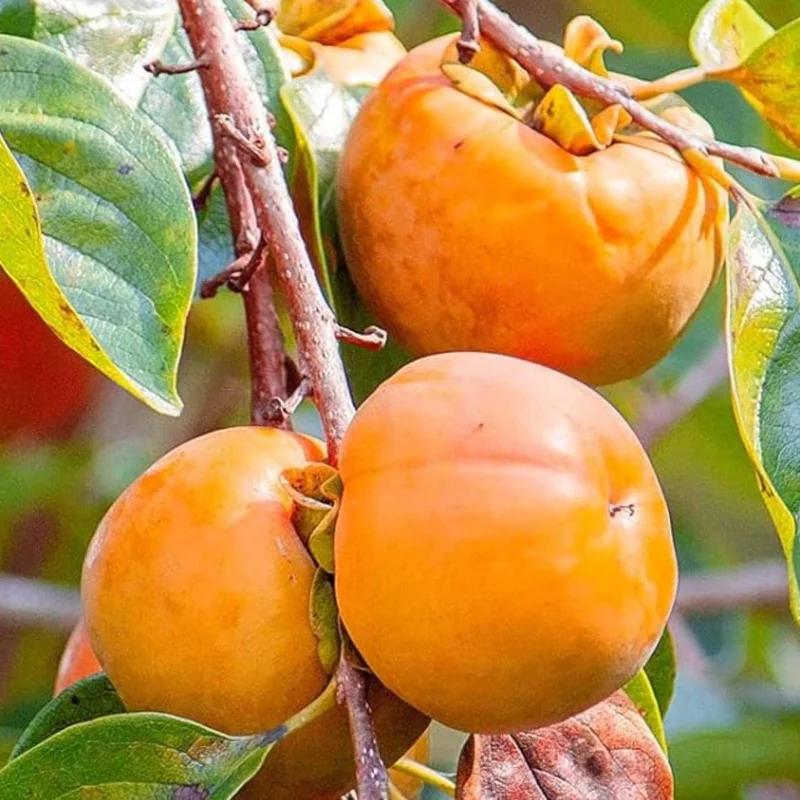
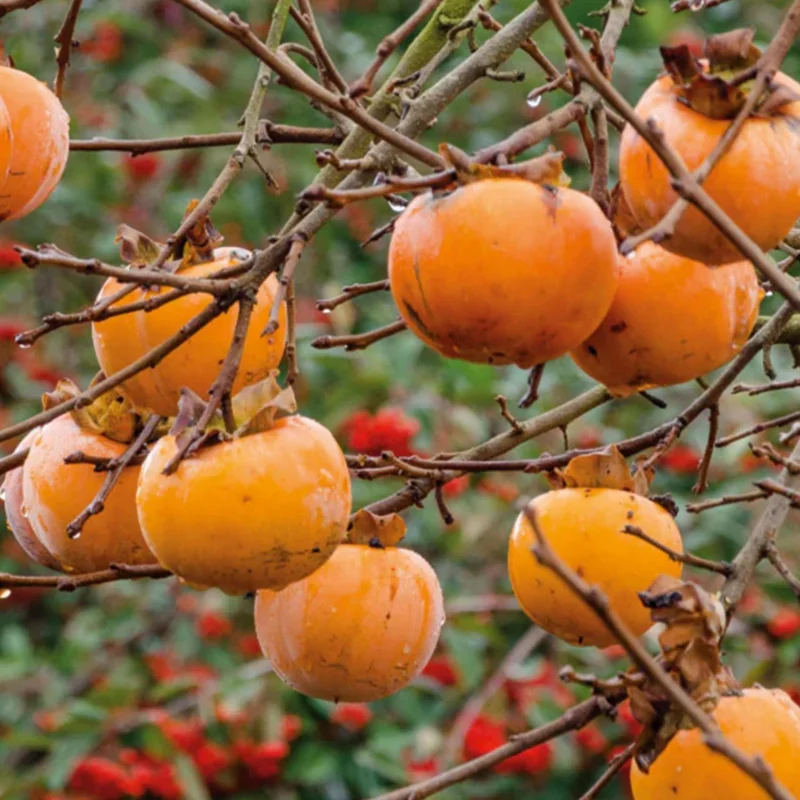
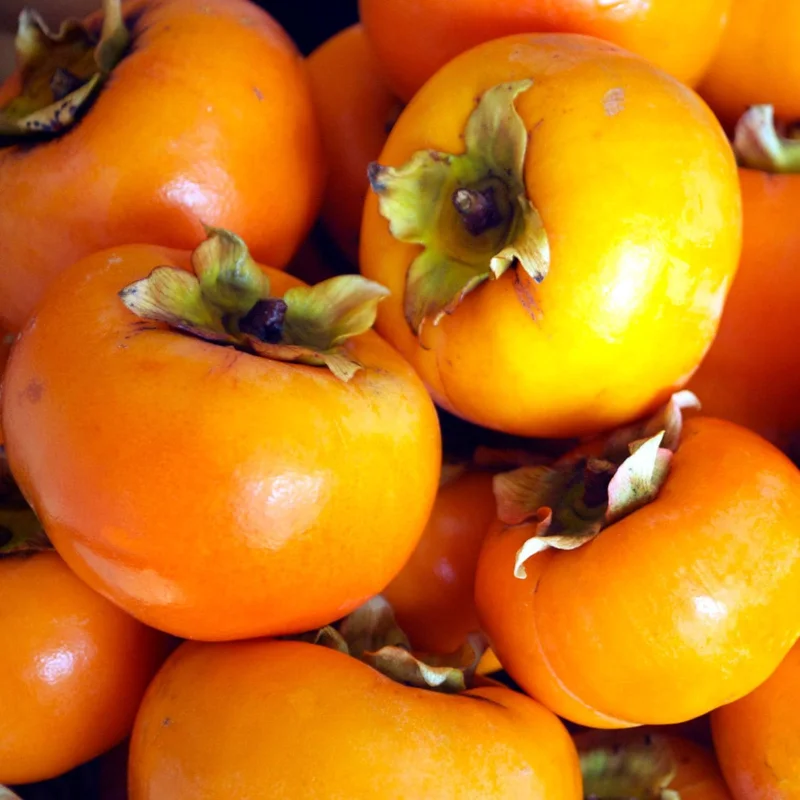
Bring the joy of homegrown, flavorful fruit to your garden with an American Persimmon Tree live plant. This remarkable native species, scientifically known as Diospyros virginiana, is celebrated for its delicious, sweet fruit and exceptional hardiness. Unlike many fruit trees, the American Persimmon Tree live plant thrives in a wide range of climates, making it an excellent choice for gardeners across the United States. Our bare root trees are carefully cultivated to ensure a strong start, allowing for vigorous growth and successful establishment in your home orchard or landscape. Imagine harvesting your own delectable persimmons right from your backyard, a true taste of American heritage.
The American Persimmon Tree live plant is not just a source of food; it’s also a beautiful ornamental tree, offering attractive foliage and a unique silhouette. Its adaptability and resistance to many common pests and diseases make it a low-maintenance addition to any garden. Whether you’re an experienced horticulturist or just starting your gardening journey, growing an American Persimmon Tree live plant offers a rewarding experience with delicious results. This resilient tree will become a cherished part of your outdoor space for years to come.
Key Benefits
Adding an American Persimmon Tree live plant to your property offers a bounty of advantages, from delicious harvests to ecological benefits. These trees are a fantastic investment for any gardener looking for a resilient and productive addition.
- Delicious Edible Fruit: Enjoy sweet, flavorful persimmons directly from your own garden. These native fruits are perfect for fresh eating, baking, jams, and more, offering a unique taste experience.
- Exceptional Cold Hardiness: The American Persimmon Tree live plant is incredibly adaptable, thriving in USDA Zones 4-9. This wide hardiness range ensures it can withstand cold winters and hot summers in many regions.
- Low Maintenance & Disease Resistant: Once established, this native tree requires minimal care. It’s naturally resistant to many common pests and diseases, making it an easy-to-grow option for busy gardeners.
- Supports Local Wildlife: The fruit provides a valuable food source for various birds and mammals, enhancing biodiversity in your garden and supporting local ecosystems.
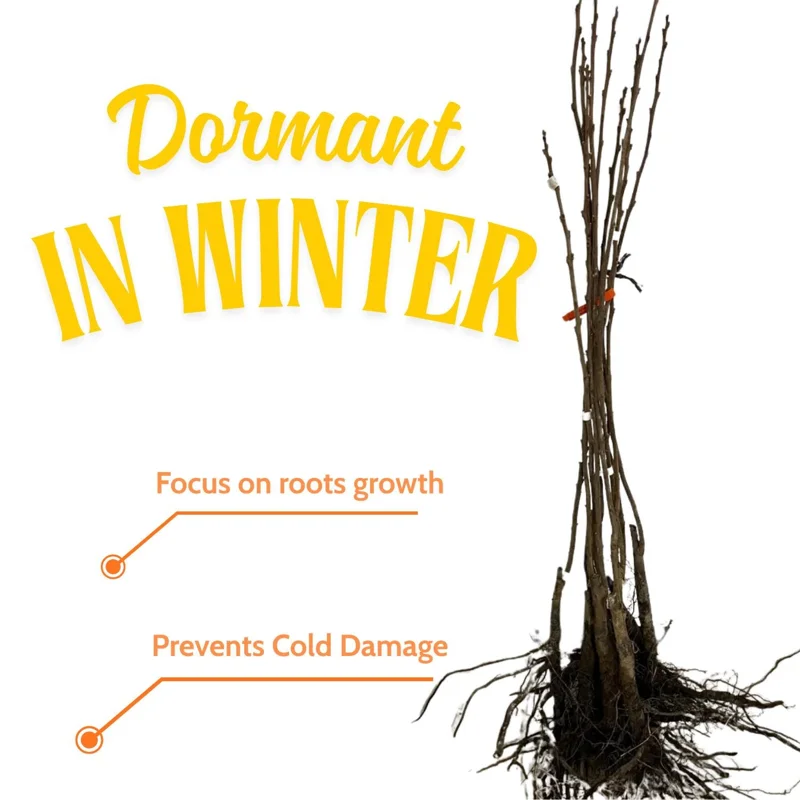
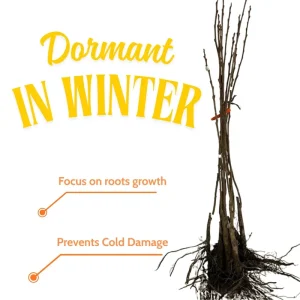
- Bare Root for Strong Establishment: Shipped bare root, these young trees are designed for easy transplanting, promoting rapid root establishment and reducing transplant shock for a vigorous start.
- Attractive Landscape Addition: Beyond its fruit, the American persimmon tree offers aesthetic appeal with its distinctive bark and attractive foliage, contributing to the beauty of your yard.
- Native Species Advantage: As a native plant, it is well-suited to the local environment, requiring less water and fewer interventions once mature, making it an environmentally friendly choice.
Plant Care & Growing Tips
Caring for your American Persimmon Tree live plant is relatively straightforward, especially given its native resilience. To ensure your tree thrives and produces abundant fruit, understanding its basic needs is crucial. These trees prefer a location with full sun, meaning at least 6-8 hours of direct sunlight daily. While they can tolerate partial shade, fruit production will be significantly higher in full sun. When planting, ensure the soil is well-draining but can retain some moisture. They are adaptable to a variety of soil types, from sandy to clay, but a slightly acidic to neutral pH is ideal. Proper drainage is key to prevent root rot, especially during the initial establishment phase.
Watering is important during the first few years after planting, especially during dry spells. Deep watering once a week is generally sufficient, encouraging roots to grow deeper into the soil. Once established, the American Persimmon Tree live plant is quite drought-tolerant. Fertilization is not always necessary in rich soils, but a balanced, slow-release fertilizer can be applied in early spring if growth appears sluggish. Pruning should focus on removing dead or crossing branches to maintain good air circulation and shape, typically done in late winter or early spring before new growth begins. Understanding how to grow American Persimmon successfully involves patience and providing the right environmental conditions.
Protecting young trees from deer and other browsing animals may be necessary in some areas. While the tree is cold hardy, a layer of mulch around the base can help regulate soil temperature and retain moisture, especially in extreme conditions. The Diospyros virginiana is known for its hardiness, but consistent care during its formative years will ensure a robust and productive tree. For those looking for an edible native fruit tree that is also easy to manage, the American persimmon is an excellent choice. Proper American Persimmon care will lead to a bountiful harvest for many seasons.
Size & Details
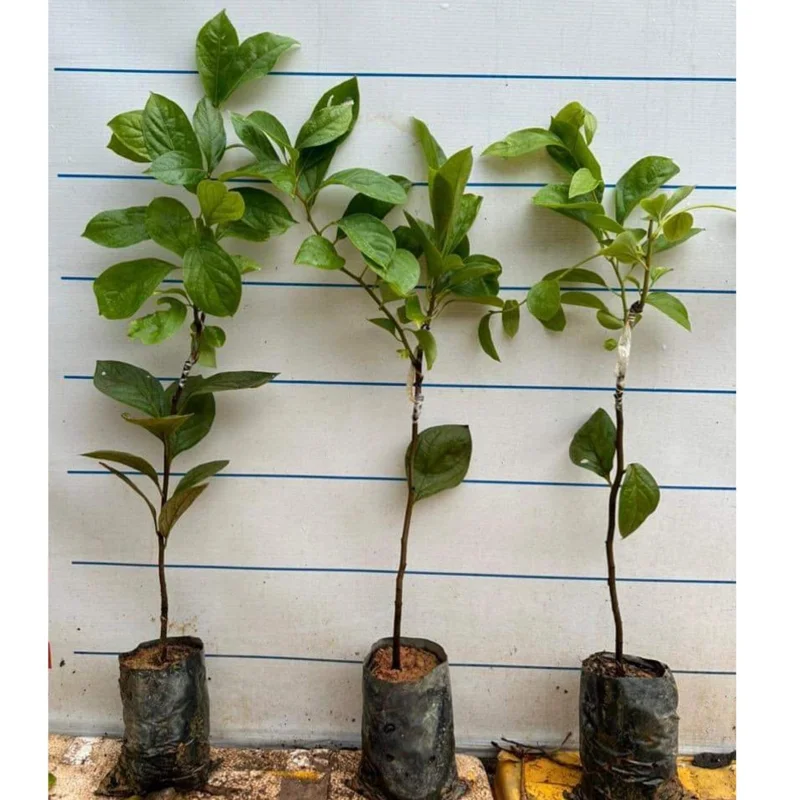
This offering is for a healthy American Persimmon Tree live plant, shipped as a bare root specimen. Each tree measures approximately 6-12 inches tall, providing a well-sized young tree ready for successful transplanting. Shipping bare root minimizes transplant shock and encourages strong, rapid root establishment once planted in its new location. These young trees are designed to establish quickly and grow vigorously, setting the stage for future fruit production.
American persimmons are known for their moderate growth rate, typically reaching a mature height of 30-50 feet with a similar spread, though they can be kept smaller with proper pruning. Fruit production usually begins within 3-5 years after planting, with increasing yields as the tree matures. This edible native fruit tree is a long-lived species, providing decades of enjoyment and delicious fruit. The bare root format allows for easy handling and planting, making it accessible for gardeners of all experience levels to grow American Persimmon.
Frequently Asked Questions
- Q: How big does this plant get? A: This American Persimmon Tree live plant is shipped as a 6-12 inch bare root tree. At maturity, American persimmon trees typically reach heights of 30-50 feet with a similar spread, though they can be managed with pruning.
- Q: Is this an indoor or outdoor plant? A: The American Persimmon Tree live plant is an outdoor tree, well-suited for planting in gardens, home orchards, or naturalized areas. It requires outdoor conditions to thrive and produce fruit.
- Q: How much sunlight does it need? A: For optimal growth and fruit production, your American Persimmon Tree live plant requires full sun, meaning at least 6-8 hours of direct sunlight per day. It can tolerate partial shade, but fruit yield may be reduced.
- Q: Is this plant easy to care for? A: Yes, once established, the American Persimmon Tree live plant is considered relatively low-maintenance due to its native resilience and adaptability. Initial care involves proper watering and site selection.
- Q: What condition will it arrive in? A: Your American Persimmon Tree live plant will arrive as a healthy bare root tree, carefully packaged to ensure its vitality during transit. This method promotes strong root development upon planting.
- Q: When is the best time to plant? A: The best time to plant bare root American persimmon trees is in early spring, after the last frost, or in late fall after the leaves have dropped, allowing the roots to establish before extreme temperatures.
- Q: Will it survive winter in my zone? A: Yes, the American Persimmon Tree live plant is very cold hardy and is suitable for USDA Zones 4-9, meaning it can withstand a wide range of winter temperatures across many regions of the US.
- Q: How long until it produces fruit? A: Typically, an American Persimmon Tree live plant will begin to produce fruit within 3-5 years after planting, with production increasing as the tree matures and establishes itself.
- Q: What are the benefits of an edible native fruit tree? A: An edible native fruit tree like the American Persimmon is well-adapted to local climates, often requires less water and intervention, provides food for wildlife, and offers delicious, homegrown fruit.
- Q: What kind of soil does it prefer? A: While adaptable, the Diospyros virginiana prefers well-draining soil with a slightly acidic to neutral pH. It can tolerate various soil types, including sandy and clay, as long as drainage is adequate.
Be the first to review “American Persimmon Tree Live Plant – 6-12 Inches Tall, Bare Root, Edible Fruit”
-
USDA Hardiness Zone
USDA Zones 4-9 -
Soil Type
Well-draining soil -
Sunlight Exposure
Full sun -
Expected Planting Period
Early spring or late fall
People Also Viewd


Sold 134 products
Original price was: $3,536.00.$23.99Current price is: $23.99.

Sold 131 products
Original price was: $27.00.$24.00Current price is: $24.00.

Sold 131 products
Original price was: $89.99.$64.99Current price is: $64.99.

Sold 125 products
Original price was: $86.99.$66.99Current price is: $66.99.

Flower Bulbs
3 Cranesbill Wild Geranium Organic Maculatums Bare Roots | Wildflower for Outdoor Garden
Sold 116 products
Original price was: $21.99.$9.99Current price is: $9.99.

Sold 114 products
Original price was: $28.99.$17.99Current price is: $17.99.

Sold 110 products
Original price was: $63.99.$28.99Current price is: $28.99.
Sold 108 products
Original price was: $28.99.$17.99Current price is: $17.99.RELATED posts
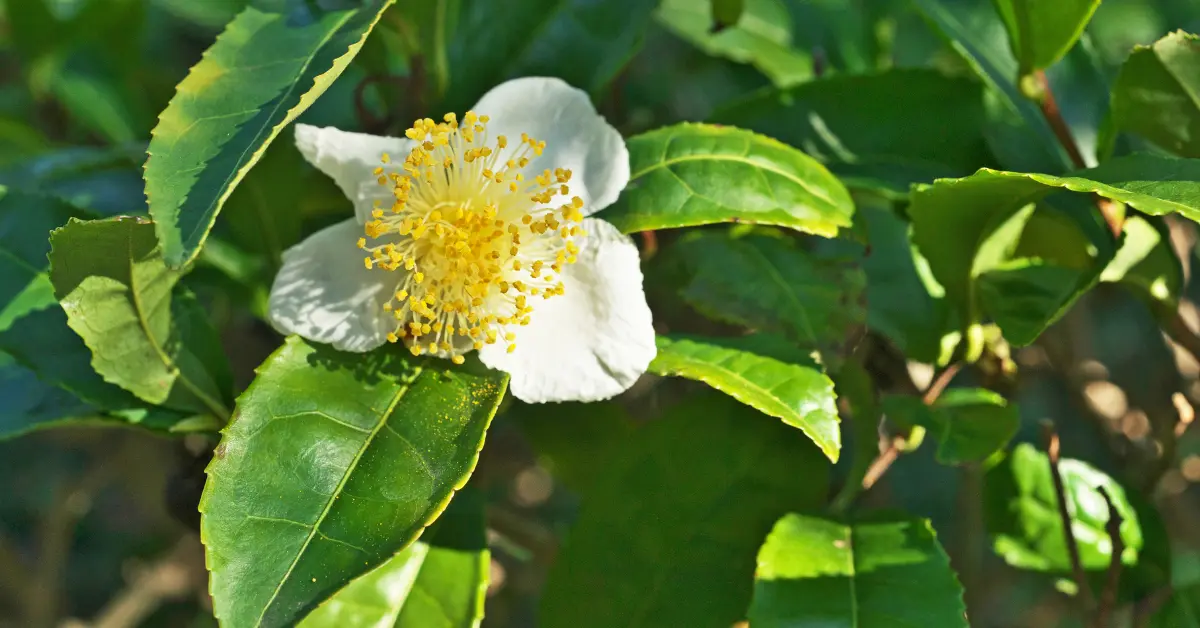
Growing Camellia Sinensis (Tea Plants) in Containers: A Complete Guide for Beginners
If you’ve ever wanted to sip a steaming, homegrown cup of fresh green, black, or [...]
Aug
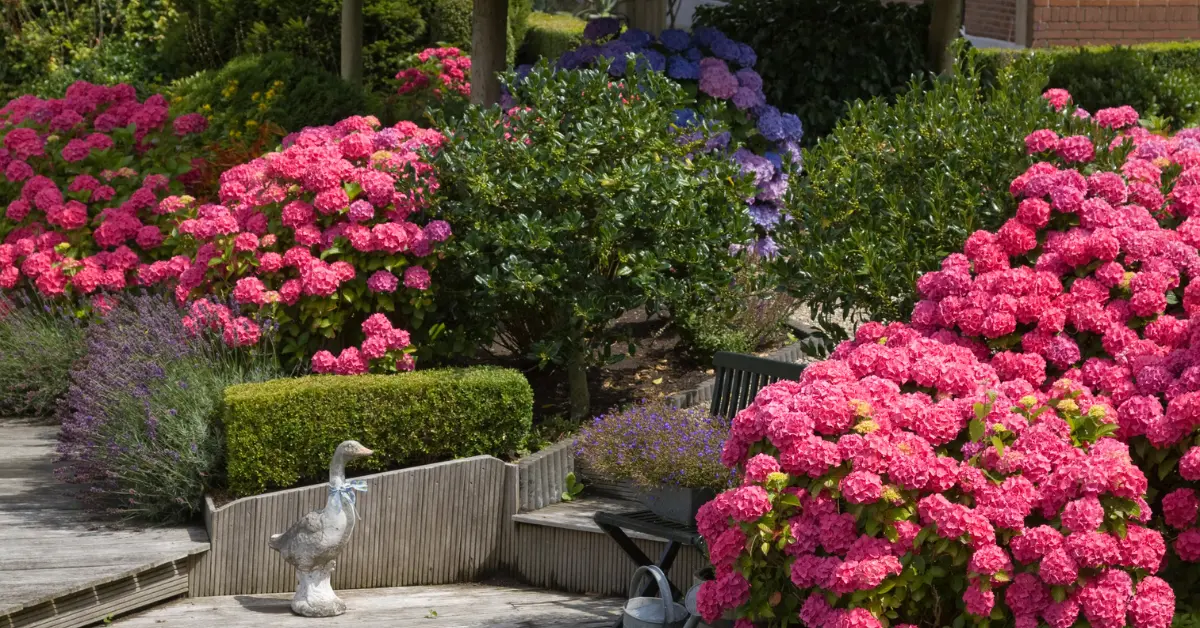
6 Best Shrubs to Plant in August You Must Try
Have you ever walked through a nursery late in the summer, admired the vibrant shrubs [...]
Aug
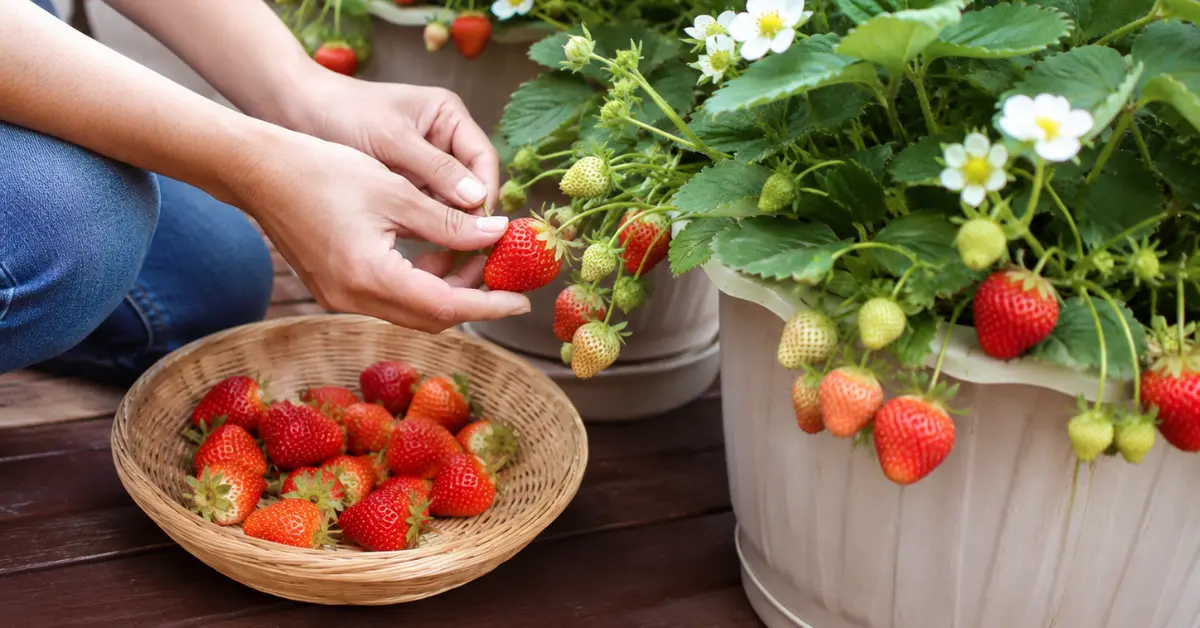
Growing Everbearing Strawberries in Containers: A Complete Guide for Beginners
Want to grow sweet, fresh strawberries but do not have a large garden? Everbearing strawberries [...]
Aug
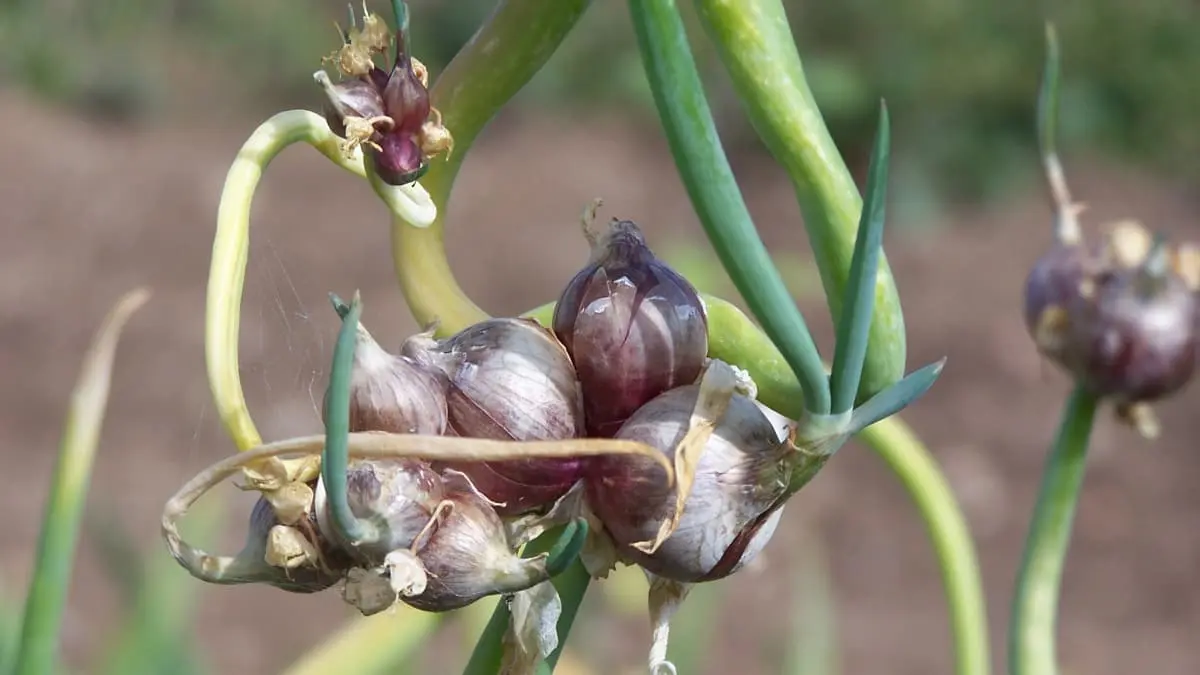
Growing Egyptian Walking Onions in Containers: A Complete Guide for Beginners
If you’re looking for a hardy, no-fuss perennial onion that keeps on giving year after [...]
Jul
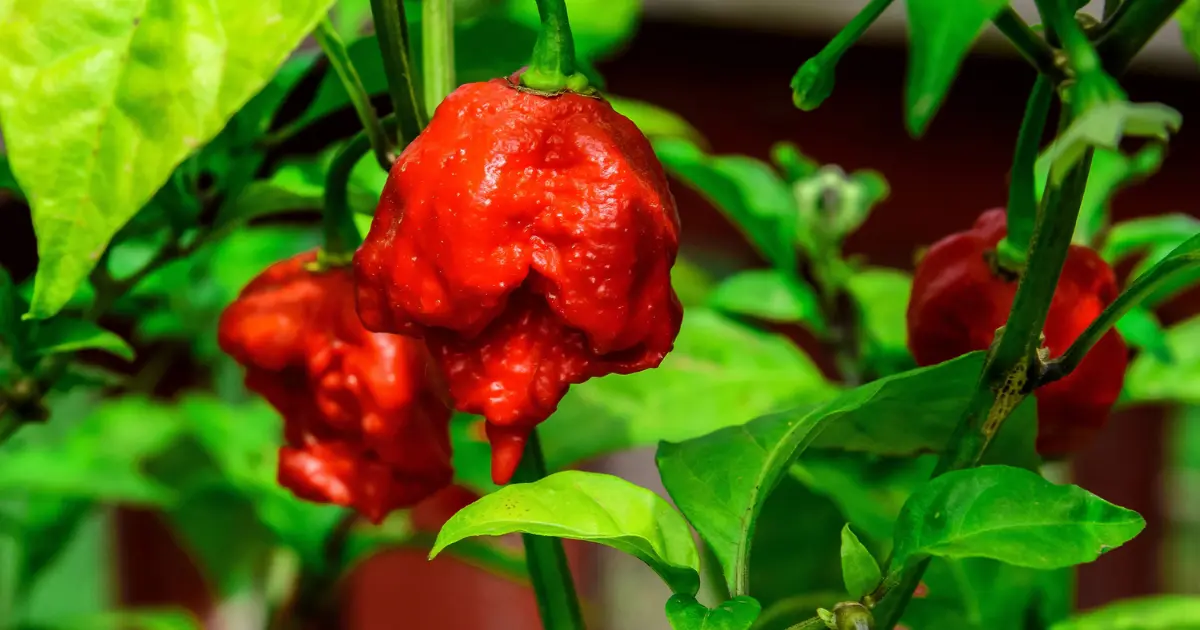
Growing Carolina Reaper Peppers in Pots: A Complete Guide for Beginners
If you’ve ever wanted to add some serious, record-breaking heat to your home cooking, you’ve [...]
May
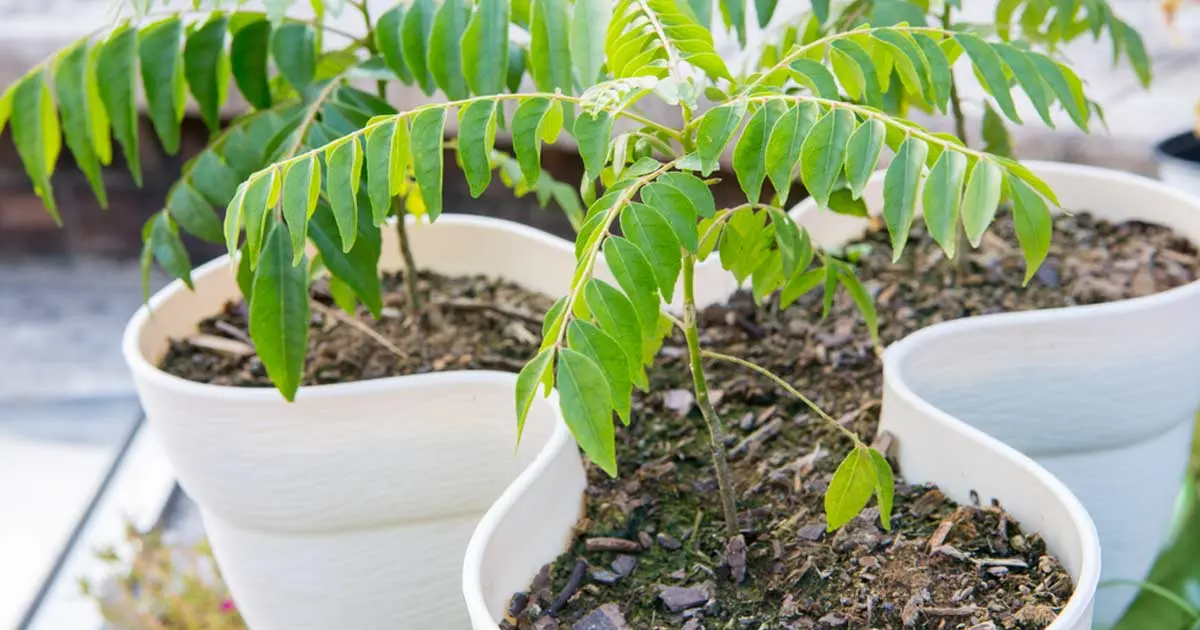
Growing Curry Leaf Plant in Pots: A Complete Guide for Beginners
If you’re a fan of authentic South Asian cuisine, you already know that nothing compares [...]
May
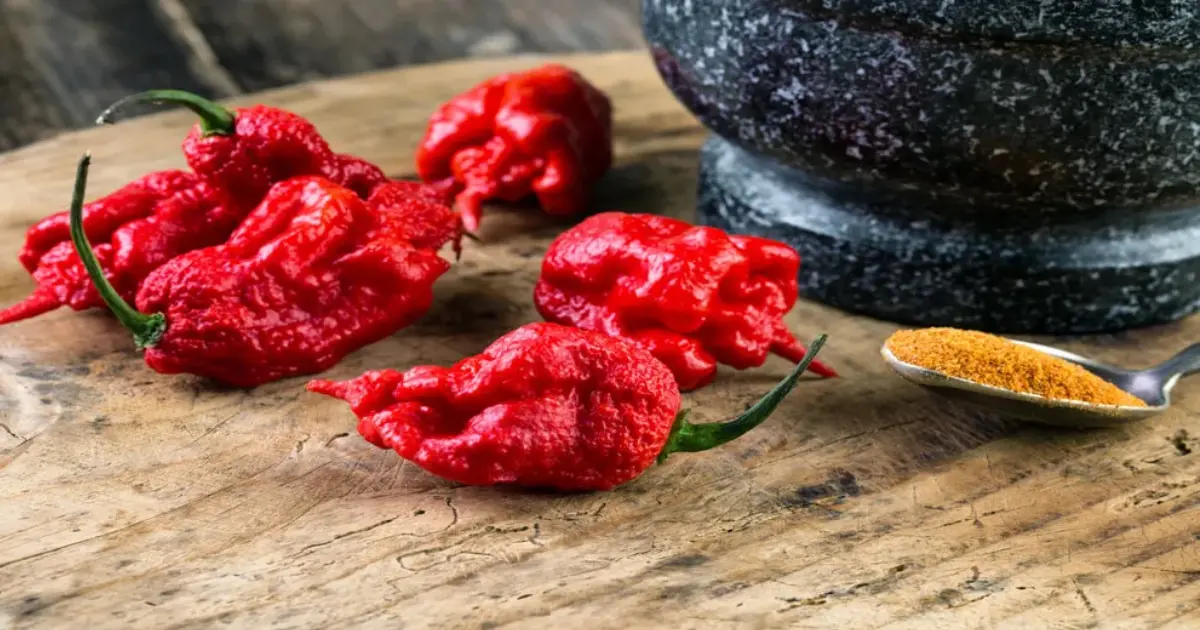
5 Tips for Growing Carolina Reaper Peppers to Get the Spiciest Harvest Ever
Holding the record for one of the world’s hottest peppers, the Reaper isn’t just a [...]
May
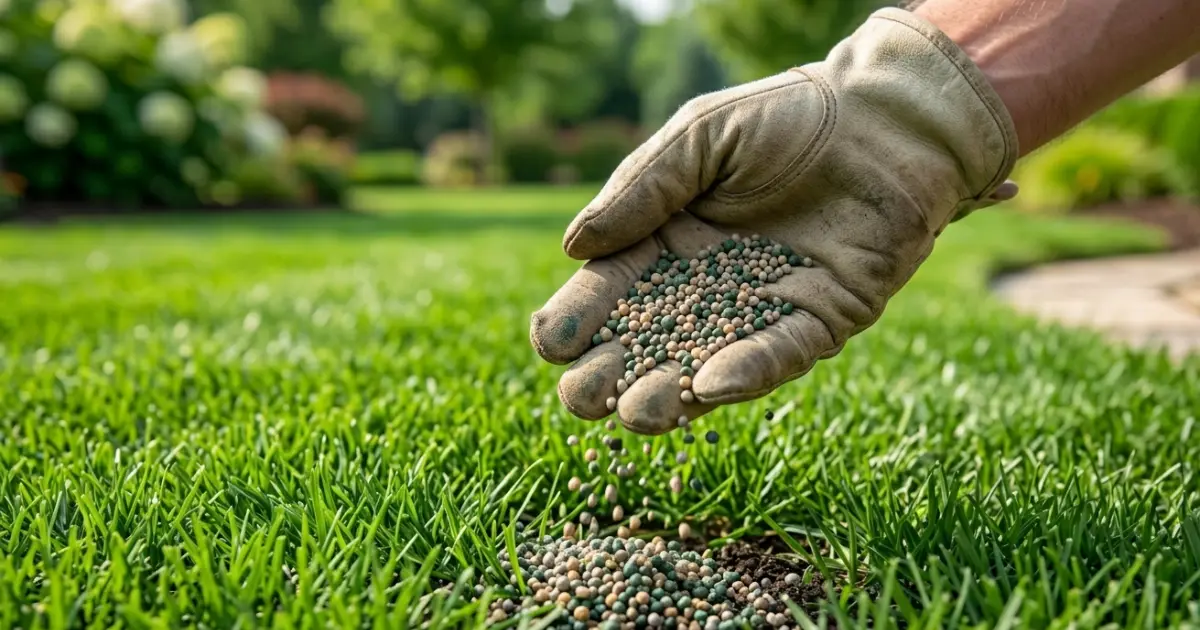
Best Fertilizers for Zoysia Grass in 2026: Get a Lush Lawn
As we enter the new year, the time has come to think about how we [...]
Apr
Reviews
There are no reviews yet.