


Butterwort Primuliflora Live Carnivorous Plant – 3 Inch Pot – Bug Catcher
Price range: $30.81 through $36.99
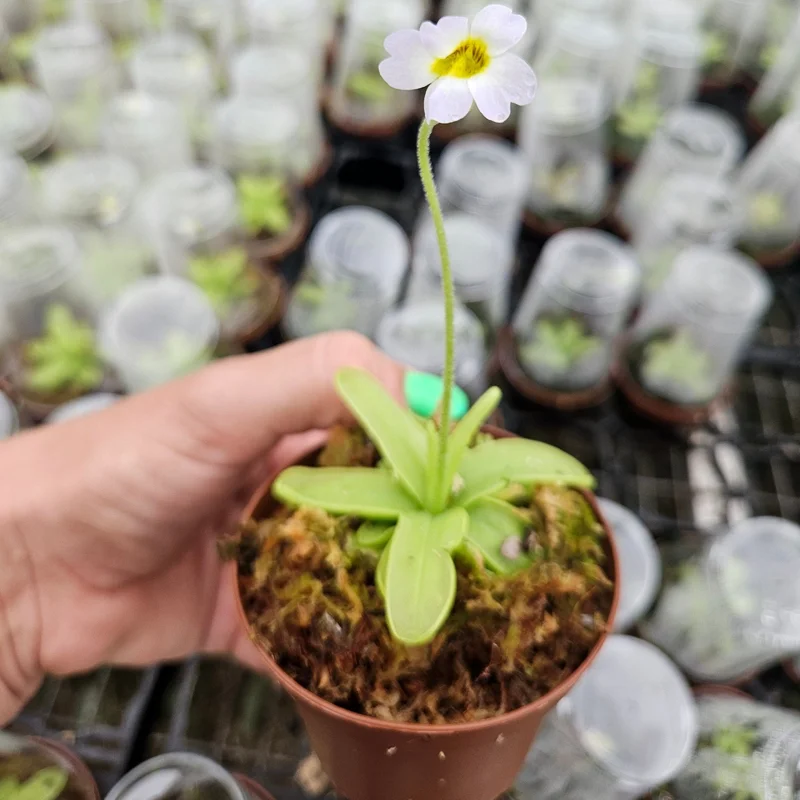
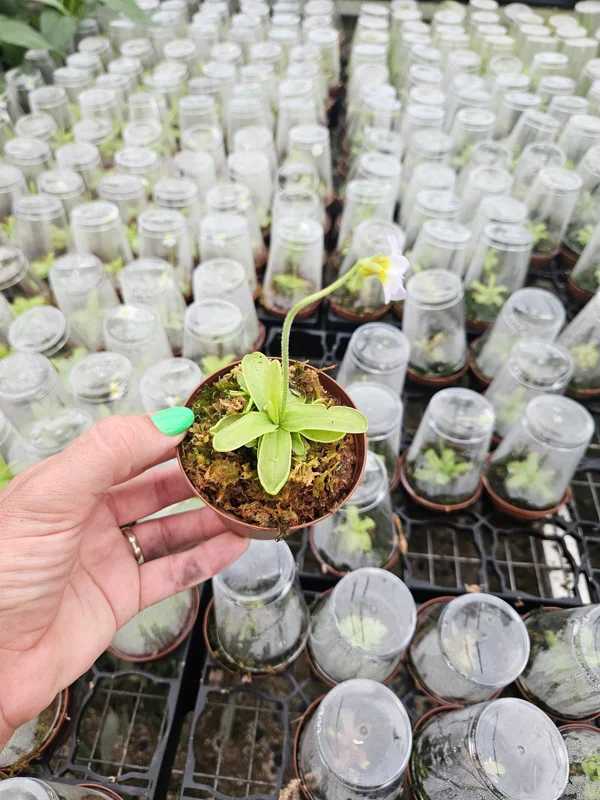
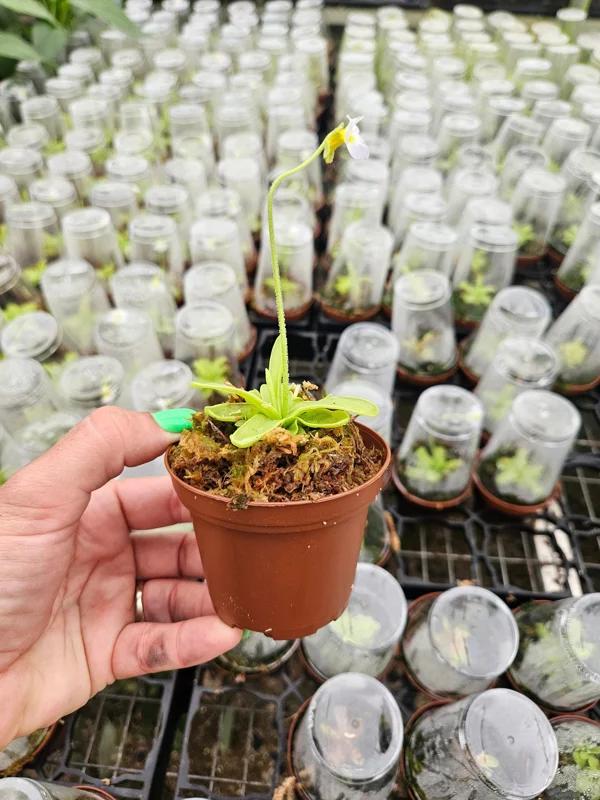
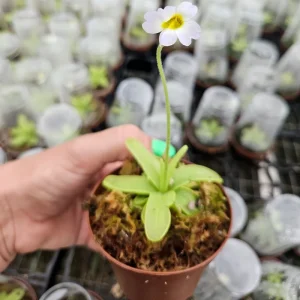
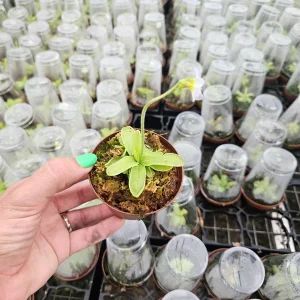
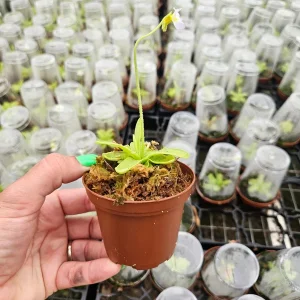
Bring home a unique pest control solution with the butterwort live plant. This captivating Pinguicula primuliflora care is a beautiful carnivorous plant indoor, shipped in a 3-inch pot, ready to thrive and catch small insects in your home.
Estimated arrival
Oct 17
Oct 22 - Oct 24
Oct 27 - Oct 31

Reasonable Price
We offer reasonable price

Support 24/7
Contact us 24 hrs a day

100% Money Back
You've 30 days to Return

Payment Secure
100% secure payment
Overview
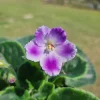
Introduce a fascinating natural pest controller to your home with the butterwort live plant, specifically the Pinguicula primuliflora variety. This unique carnivorous plant indoor is known for its beautiful, sticky leaves that effectively trap and digest small insects like gnats, fruit flies, and mosquitoes. Originating from boggy areas, the Pinguicula primuliflora, often simply called Butterwort, is a charming and low-maintenance addition to any plant collection. It arrives as a healthy, established plant in a 3 inch pot, ready to display its bug-catching prowess. Beyond its practical benefits, the Butterwort is also aesthetically pleasing, often producing delicate flowers that add to its allure. Owning a butterwort live plant offers an engaging way to interact with nature and maintain a healthier indoor environment.
Key Benefits
The butterwort live plant offers a multitude of advantages for plant enthusiasts and those seeking natural pest control. Its unique characteristics make it a standout choice for various settings, providing both functional and aesthetic value.
-
Natural Pest Control: The primary benefit of the butterwort live plant is its remarkable ability to trap and consume small flying insects such as gnats, fruit flies, and even tiny mosquitoes. Its sticky leaves act as natural flypaper, reducing bothersome pests without the need for harsh chemicals.
-
Unique Aesthetic Appeal: With its rosette of succulent-like leaves, often tinged with pink or purple, the Pinguicula primuliflora adds an exotic and intriguing touch to any indoor space. It’s a conversation starter and a living piece of art that stands out from typical houseplants.
-
Low Maintenance: Compared to many other carnivorous plants, the Butterwort is relatively easy to care for, making it suitable for both beginners and experienced plant parents. Its primary needs are distilled water and appropriate light, making pinguicula primuliflora care straightforward.
-
Educational Value: Observing the Butterwort in action provides a fascinating educational experience, especially for children. It’s a tangible example of nature’s ingenuity and adaptation, showcasing how plants can thrive by consuming insects.
-
Compact Size: Growing to a modest size, this carnivorous plant indoor is perfect for windowsills, desks, terrariums, or small shelves where space is limited. Its compact form allows it to fit comfortably in various indoor environments.
-
Air Purification: While its primary function is insect control, all live plants contribute to a healthier indoor environment by absorbing carbon dioxide and releasing oxygen, subtly improving air quality.
-
Therapeutic Hobby: Caring for a specialized plant like the butterwort for sale can be a rewarding and calming hobby, connecting you with nature and providing a sense of accomplishment as you watch it thrive.
Plant Care & Growing Tips
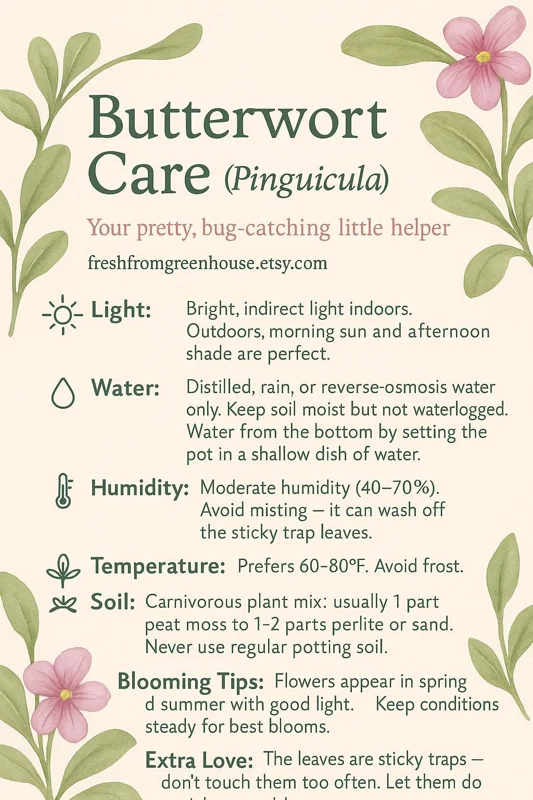
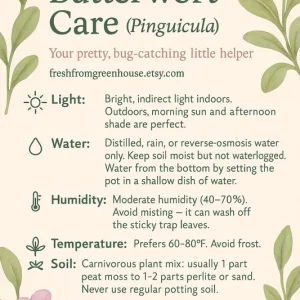
Proper pinguicula primuliflora care is essential for the long-term health and vitality of your butterwort live plant. These carnivorous beauties thrive when their specific needs are met, particularly regarding water, light, and soil. For optimal growth, provide bright, indirect light indoors. A north or east-facing window is often ideal, or a few feet away from a south or west-facing window. Outdoors, they prefer morning sun and afternoon shade to prevent leaf scorch. Ensure consistent moisture, using only distilled water, rainwater, or reverse-osmosis water; tap water minerals can be detrimental. The best method is bottom watering: place the pot in a shallow dish of water and allow the plant to soak it up, ensuring the soil remains moist but not waterlogged.
Humidity levels between 40-70% are ideal for this carnivorous plant indoor. While they enjoy humidity, avoid misting, as it can wash off the sticky mucilage on their leaves, which is crucial for trapping insects. Temperatures ranging from 60-80°F are preferred, and it’s vital to protect them from frost. The correct soil mix is crucial; never use regular potting soil. A specialized carnivorous plant mix, typically a 1:1 or 1:2 ratio of peat moss to perlite or sand, provides the acidic, nutrient-poor environment they need. Fertilizing through the soil is not recommended, as they derive their nutrients from the insects they catch. If insect activity is low, you can occasionally offer small, live insects or a tiny amount of carnivorous plant food.
Blooming typically occurs in spring and summer under good light conditions. To encourage flowering and maintain overall plant health, ensure consistent care and avoid disturbing the sticky leaves too frequently. Remember, the leaves are the plant’s捕虫 apparatus, so let them work their magic. By following these detailed pinguicula primuliflora care guidelines, your bug eating plant will flourish, providing both beauty and effective pest control for many years.
Size & Details
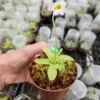
This offering includes one healthy butterwort live plant, specifically Pinguicula primuliflora, carefully cultivated and shipped in a 3 inch pot. The plant will arrive established, with a rosette of leaves typically spanning 2-4 inches in diameter, depending on its growth stage. The compact size of this carnivorous plant indoor makes it an excellent choice for a variety of indoor settings, from office desks to kitchen windowsills or terrariums. Its growth rate is moderate, gradually expanding its rosette and occasionally producing offsets, allowing it to fill its pot over time. Expect the plant to be well-rooted and ready to continue its growth in your home. The plant’s leaves are naturally sticky, designed to attract and capture small insects, showcasing its unique predatory nature. This butterwort for sale is a robust specimen, prepared to adapt to its new environment and begin its role as a natural insect deterrent.
Frequently Asked Questions
-
Q: How big does this butterwort live plant get? A: The Pinguicula primuliflora typically forms a rosette of leaves that can reach 3-5 inches in diameter when mature. It remains a compact plant, making it ideal for small spaces.
-
Q: What size pot does it come in? A: This butterwort live plant is shipped in a 3-inch nursery pot, providing ample space for its initial growth and establishment in your home.
-
Q: Is this an indoor or outdoor plant? A: While it can thrive outdoors in suitable climates (USDA zones 9-11), it is primarily cultivated as a carnivorous plant indoor due to its specific humidity and temperature requirements, making pinguicula primuliflora care easier to manage indoors.
-
Q: How much sunlight does it need? A: The Butterwort prefers bright, indirect light. Avoid direct, harsh afternoon sun, which can scorch its delicate leaves. Morning sun or filtered light is best.
-
Q: Is this plant easy to care for? A: Yes, compared to many other carnivorous plants, the Butterwort is considered relatively easy to care for, making it a great choice for beginners interested in a bug eating plant.
-
Q: What condition will it arrive in? A: Your butterwort for sale will arrive as a healthy, established plant in its 3-inch pot, carefully packaged to ensure its safe journey and ready to be placed in your chosen location.
-
Q: How often should I water my Butterwort? A: Keep the soil consistently moist, but not waterlogged. Use only distilled, rain, or reverse-osmosis water. The tray method (placing the pot in a shallow dish of water) is highly recommended for pinguicula primuliflora care.
-
Q: Does the butterwort live plant need fertilizer? A: No, Butterworts obtain their nutrients from the insects they catch. Do not fertilize the soil, as this can harm the plant. If there are no insects, you can occasionally offer a tiny, live insect.
-
Q: Is this plant pet-safe? A: While not typically toxic, it’s always best to keep plants out of reach of curious pets to prevent accidental ingestion, especially with a bug eating plant.
-
Q: When does it bloom? A: With good light and consistent care, the Pinguicula primuliflora typically produces delicate flowers in the spring and summer months.
| Winter shipping options | Plant And Heat Pack, Plant Only |
|---|
Be the first to review “Butterwort Primuliflora Live Carnivorous Plant – 3 Inch Pot – Bug Catcher”
-
USDA Hardiness Zone
USDA zones 9–11 -
Soil Type
Carnivorous plant mix (peat moss and perlite/sand) -
Sunlight Exposure
Bright, indirect light -
Expected Planting Period
Year-round indoors
People Also Viewd


Sold 134 products
Original price was: $3,536.00.$23.99Current price is: $23.99.

Sold 132 products
Original price was: $27.00.$24.00Current price is: $24.00.

Sold 132 products
Original price was: $89.99.$64.99Current price is: $64.99.

Sold 125 products
Original price was: $86.99.$66.99Current price is: $66.99.

Flower Bulbs
3 Cranesbill Wild Geranium Organic Maculatums Bare Roots | Wildflower for Outdoor Garden
Sold 116 products
Original price was: $21.99.$9.99Current price is: $9.99.

Sold 114 products
Original price was: $28.99.$17.99Current price is: $17.99.
Sold 110 products
Original price was: $63.99.$28.99Current price is: $28.99.
Sold 108 products
Original price was: $28.99.$17.99Current price is: $17.99.RELATED posts
How to Grow Arbequina Olive Trees: The Ultimate Guide to Your Own Olive Grove
Arbequina Olive Tree (Olea europaea ‘Arbequina’) – the ultimate Mediterranean plant that brings a touch [...]
Oct
Growing Garlic in Containers This Fall: A Complete Guide for Beginners
If you’ve ever wanted to pop fresh, aromatic garlic cloves straight from your own patio [...]
Sep
Growing Camellia Sinensis (Tea Plants) in Containers: A Complete Guide for Beginners
If you’ve ever wanted to sip a steaming, homegrown cup of fresh green, black, or [...]
Aug
6 Best Shrubs to Plant in August You Must Try
Have you ever walked through a nursery late in the summer, admired the vibrant shrubs [...]
Aug
Growing Everbearing Strawberries in Containers: A Complete Guide for Beginners
Want to grow sweet, fresh strawberries but do not have a large garden? Everbearing strawberries [...]
Aug
Growing Egyptian Walking Onions in Containers: A Complete Guide for Beginners
If you’re looking for a hardy, no-fuss perennial onion that keeps on giving year after [...]
Jul
Growing Carolina Reaper Peppers in Pots: A Complete Guide for Beginners
If you’ve ever wanted to add some serious, record-breaking heat to your home cooking, you’ve [...]
May
Growing Curry Leaf Plant in Pots: A Complete Guide for Beginners
If you’re a fan of authentic South Asian cuisine, you already know that nothing compares [...]
May

Reviews
There are no reviews yet.