
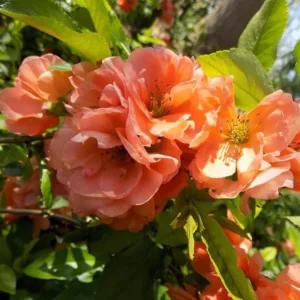
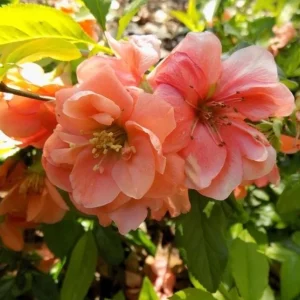
Cameo Flowering Quince Live Plant, Double Pink Blooms, 3-6 Inch Tall in 4 Inch Pot
Original price was: $35.99.$17.99Current price is: $17.99.
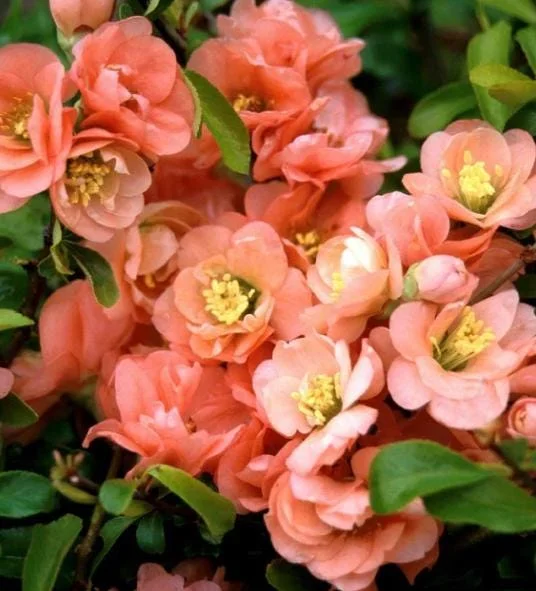
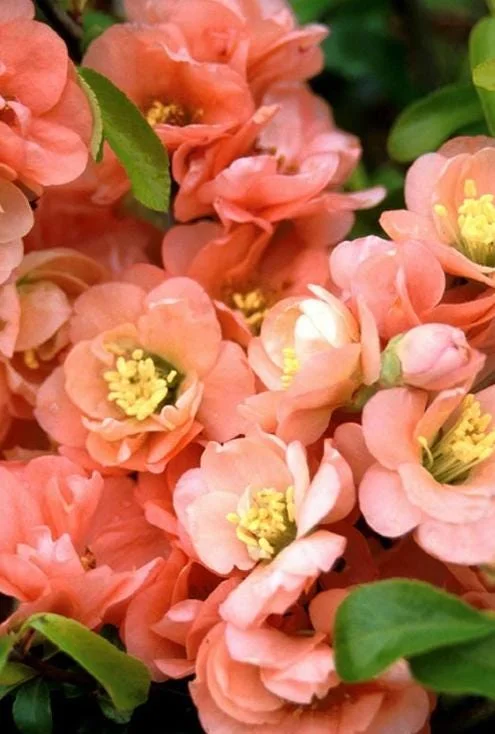
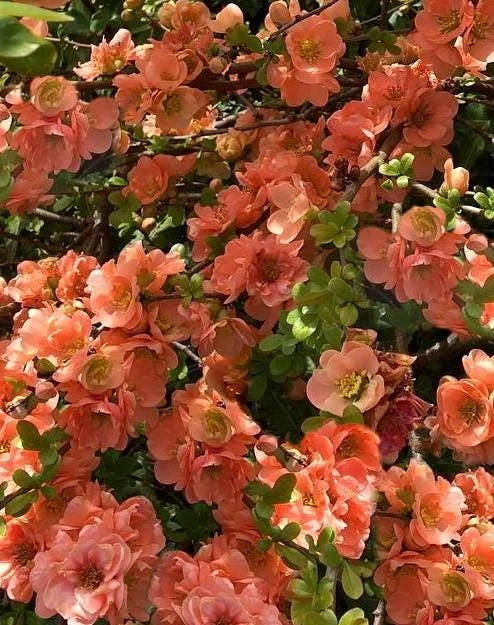
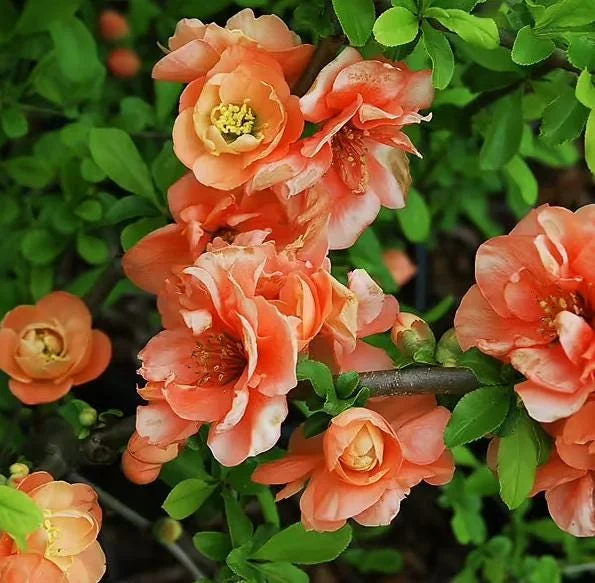
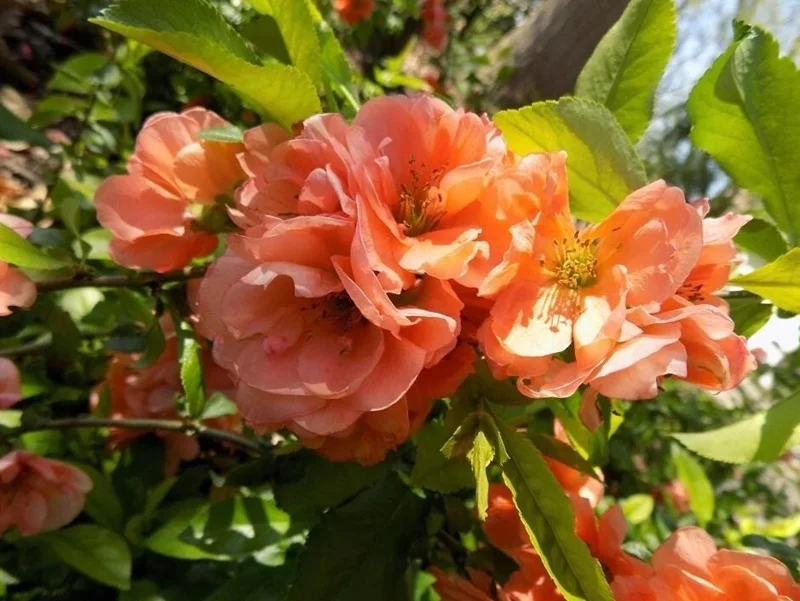
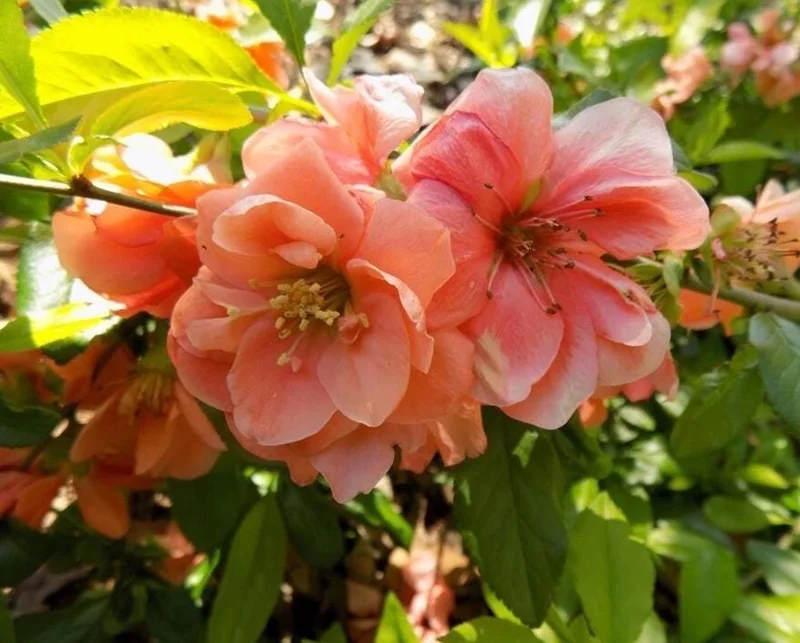
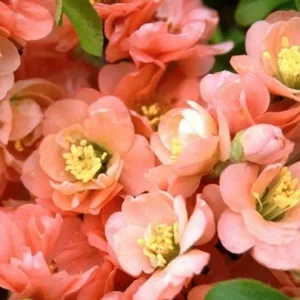
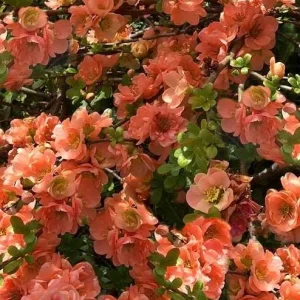
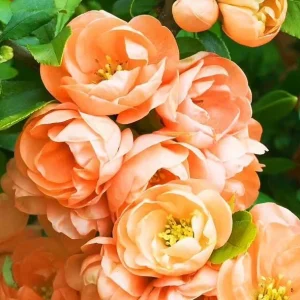
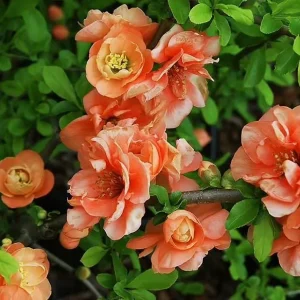
Introduce vibrant color to your spring landscape with the cameo flowering quince plant. This beautiful live shrub boasts exquisite double pink to apricot-colored blossoms that emerge on bare branches, creating a stunning early season display. Perfect for garden beds or as a focal point, it also produces aromatic quince-like fruits in fall.
Estimated arrival
Oct 22
Oct 27 - Oct 29
Nov 01 - Nov 05

Reasonable Price
We offer reasonable price

Support 24/7
Contact us 24 hrs a day

100% Money Back
You've 30 days to Return

Payment Secure
100% secure payment
Overview
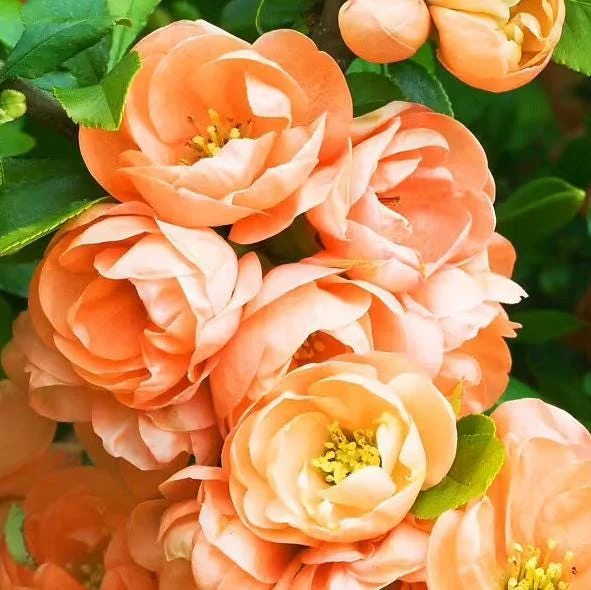
The cameo flowering quince plant, scientifically known as Chaenomeles speciosa ‘Cameo’, is a magnificent deciduous shrub renowned for its early spring floral spectacle. Before its leaves even unfurl, this plant bursts into a profusion of soft peach to apricot-colored double blossoms, resembling miniature roses. These captivating flowers line the bare branches, offering a dramatic and much-welcomed splash of color when most other garden plants are still dormant. As a robust and easy-to-grow specimen, the cameo flowering quince plant is an excellent choice for gardeners looking to extend their blooming season and add unique visual interest to their outdoor spaces. Beyond its stunning flowers, it also yields small, aromatic quince-like fruits in the fall, adding another layer of appeal to this versatile shrub.
This particular spring garden shrub is shipped as a live plant, typically 3 to 6 inches tall, nestled in a 4-inch pot, ready for planting upon arrival. Its compact size makes it suitable for various garden designs, from border plantings to foundation accents. The unique double blooms are a standout feature, distinguishing it from single-flowered quince varieties. If you’re seeking a resilient and show-stopping plant that heralds the arrival of spring with grace and beauty, the ‘Cameo’ Flowering Quince is an undeniable choice.
Key Benefits
Adding the cameo flowering quince plant to your garden offers a multitude of benefits, enhancing both its aesthetic appeal and ecological value. Its early blooming nature provides crucial nectar for early pollinators and a visual feast for gardeners.
- Stunning Early Spring Blooms: Enjoy a spectacular display of soft peach to apricot-colored double flowers in early spring, often before other plants begin to leaf out. These rose-like blossoms create a breathtaking visual impact and are a true highlight of the garden season.
- Attracts Pollinators: The early emergence of its vibrant flowers provides a vital food source for early-season pollinators like bees, contributing to a healthier garden ecosystem and supporting local wildlife.
- Low Maintenance & Hardy: This resilient shrub is known for its adaptability and ease of care. Once established, it requires minimal attention, making it an excellent choice for both novice and experienced gardeners.
- Versatile Landscape Use: The cameo flowering quince plant can be utilized in various garden settings, including hedges, mixed borders, foundation plantings, or as a striking specimen plant. Its moderate size makes it suitable for diverse landscape designs.
- Aromatic Fall Fruit: After the flowering period, the plant produces small, aromatic, quince-like fruits in the fall. While not typically eaten raw, these fruits can be used in preserves, jellies, or simply enjoyed for their pleasant fragrance.
- Deer Resistant: Generally, deer tend to avoid flowering quince, making it a reliable option for gardens in areas where deer browsing is a concern.
- Adaptable to Various Soils: This hardy shrub tolerates a range of soil types, from clay to sandy, as long as it is well-draining, ensuring successful growth in many different garden environments.
Plant Care & Growing Tips
Caring for your cameo flowering quince plant is straightforward, ensuring years of beautiful blooms. This resilient shrub thrives with proper sunlight, watering, and soil conditions. It prefers a location that receives full sun, meaning at least 6 hours of direct sunlight per day. Adequate light is crucial for maximizing its stunning floral display. While it can tolerate partial shade, flowering will be less prolific. When considering the ideal placement for your spring garden shrub, choose an area that allows for good air circulation and plenty of sunshine.
The ‘Cameo’ Quince is adaptable to various well-draining soil types, including clay, loam, or sandy soil. Good drainage is paramount to prevent root rot. Water moderately, especially during dry spells and in its first year of establishment. Once mature, it becomes more drought-tolerant. Fertilize in early spring with a balanced slow-release granular fertilizer, following the product’s instructions. Pruning should be done after flowering to shape the plant and remove any dead or crossing branches. This also helps encourage new growth and more blooms for the following season. Protecting young plants from extreme winter winds can be beneficial in colder zones.
The ideal temperature range for the double pink quince is between 50°F and 85°F. It is hardy in USDA Zones 5 to 9, making it suitable for a wide range of climates across the US. While generally pest and disease resistant, ensure good air circulation to prevent fungal issues. Regular inspection for common garden pests will also help maintain its health. Understanding the specific needs of your flowering quince care will lead to a thriving and beautiful addition to your garden.
Size & Details
This cameo flowering quince plant is provided as a live specimen, typically ranging from 3 to 6 inches in height upon arrival. It is shipped securely planted in a 4-inch nursery pot, ensuring it has an established root system and is ready for transplanting into your garden or a larger container. The plant exhibits a moderate growth rate, eventually reaching a mature size of 3-5 feet tall and wide, forming a dense, rounded shrub. Its ultimate size can be managed with annual pruning after flowering.
The double pink to apricot blooms appear in early spring, transforming bare branches into a vibrant spectacle. Following the bloom, the plant develops small, greenish-yellow, aromatic fruits in the fall, adding seasonal interest. This plant is a long-lived perennial shrub, offering many years of beauty. Its structure provides excellent texture and interest in the garden even when not in bloom, especially during the winter months with its intricate branching pattern.
Frequently Asked Questions
- Q: How big will my Cameo Flowering Quince plant get? A: The cameo flowering quince plant typically matures to a size of 3-5 feet tall and 3-5 feet wide. Its growth can be managed with annual pruning to maintain a desired shape and size.
- Q: Is this an indoor or outdoor plant? A: This is an outdoor deciduous shrub. It thrives in garden settings and is hardy in USDA Zones 5-9, requiring a period of dormancy in colder temperatures.
- Q: How much sunlight does the Cameo Quince need? A: For the best flowering performance, your double pink quince prefers full sun, meaning at least 6 hours of direct sunlight per day. It can tolerate partial shade, but flowering may be less abundant.
- Q: When does the Cameo Flowering Quince bloom? A: This shrub is an early bloomer, with its beautiful double pink to apricot flowers appearing in early spring, often before the leaves emerge. It’s a fantastic way to welcome the new season.
- Q: Is this plant easy to care for? A: Yes, the flowering quince care is considered relatively easy. It’s a hardy and adaptable shrub that, once established, requires moderate watering and minimal maintenance, making it suitable for gardeners of all experience levels.
- Q: What condition will my plant arrive in? A: Your cameo flowering quince plant will arrive as a live plant, typically 3-6 inches tall, securely planted in a 4-inch nursery pot with an established root system, ready for planting.
- Q: Can I grow this plant in a container? A: Yes, you can grow the ‘Cameo’ Quince in a large container. Ensure the container has good drainage and is large enough to accommodate its root system as it grows. Regular watering will be more important for container-grown plants.
- Q: What are the fruits like on this plant? A: After flowering, the plant produces small, aromatic, quince-like fruits in the fall. While they are not typically consumed raw, they can be used for making preserves or jellies.
- Q: Will this plant attract wildlife? A: Its early spring flowers provide an important nectar source for early pollinators like bees. The shrub also offers shelter for small birds.
- Q: What is the best time to plant my Cameo Quince? A: The best time to plant your spring garden shrub is in the spring or early fall, allowing the plant sufficient time to establish its root system before extreme temperatures.
Be the first to review “Cameo Flowering Quince Live Plant, Double Pink Blooms, 3-6 Inch Tall in 4 Inch Pot”
-
USDA Hardiness Zone
USDA Zones 5 to 9 -
Soil Type
Well-draining soil; adaptable to clay, loam, or sandy soil -
Sunlight Exposure
Full sun (at least 6 hours per day) -
Expected Planting Period
Spring to summer blooming
People Also Viewd


Sold 134 products
Original price was: $3,536.00.$23.99Current price is: $23.99.

Sold 132 products
Original price was: $27.00.$24.00Current price is: $24.00.

Sold 132 products
Original price was: $89.99.$64.99Current price is: $64.99.

Sold 125 products
Original price was: $86.99.$66.99Current price is: $66.99.

Flower Bulbs
3 Cranesbill Wild Geranium Organic Maculatums Bare Roots | Wildflower for Outdoor Garden
Sold 116 products
Original price was: $21.99.$9.99Current price is: $9.99.

Sold 114 products
Original price was: $28.99.$17.99Current price is: $17.99.
Sold 110 products
Original price was: $63.99.$28.99Current price is: $28.99.
Sold 108 products
Original price was: $28.99.$17.99Current price is: $17.99.RELATED posts
How to Grow Arbequina Olive Trees: The Ultimate Guide to Your Own Olive Grove
Arbequina Olive Tree (Olea europaea ‘Arbequina’) – the ultimate Mediterranean plant that brings a touch [...]
Oct
Growing Garlic in Containers This Fall: A Complete Guide for Beginners
If you’ve ever wanted to pop fresh, aromatic garlic cloves straight from your own patio [...]
Sep
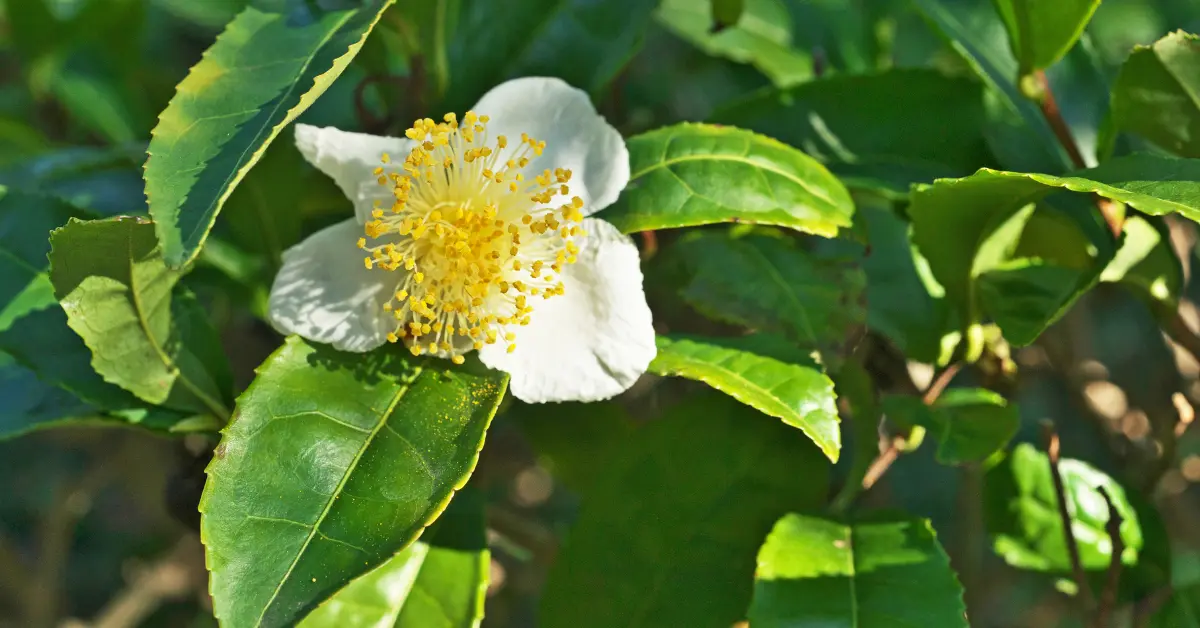
Growing Camellia Sinensis (Tea Plants) in Containers: A Complete Guide for Beginners
If you’ve ever wanted to sip a steaming, homegrown cup of fresh green, black, or [...]
Aug
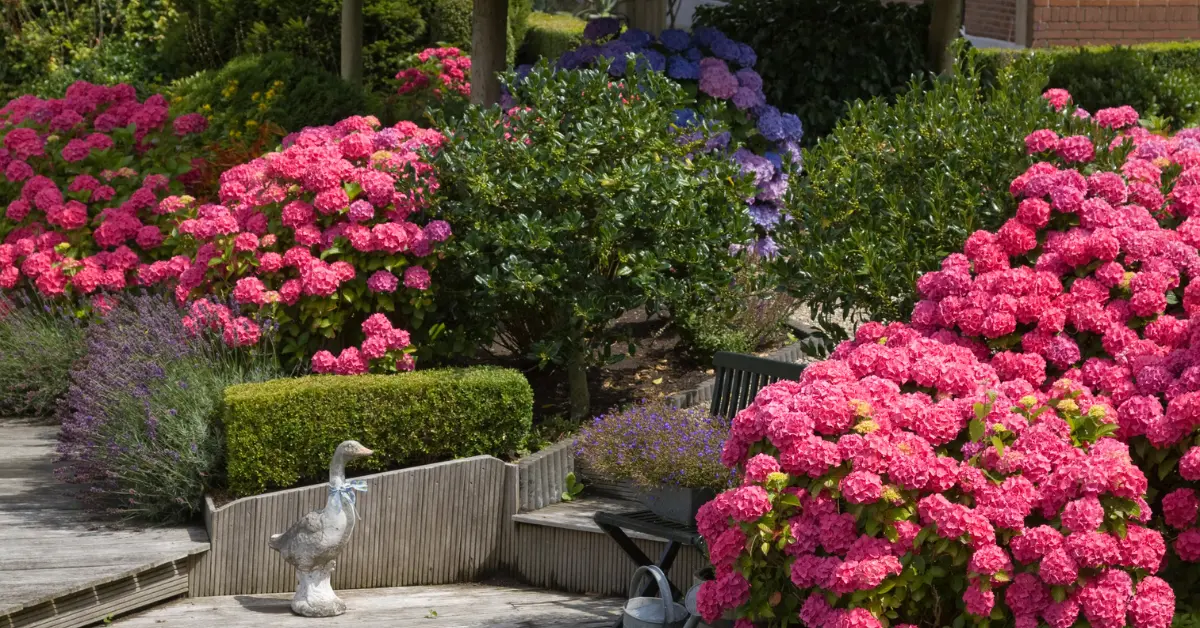
6 Best Shrubs to Plant in August You Must Try
Have you ever walked through a nursery late in the summer, admired the vibrant shrubs [...]
Aug
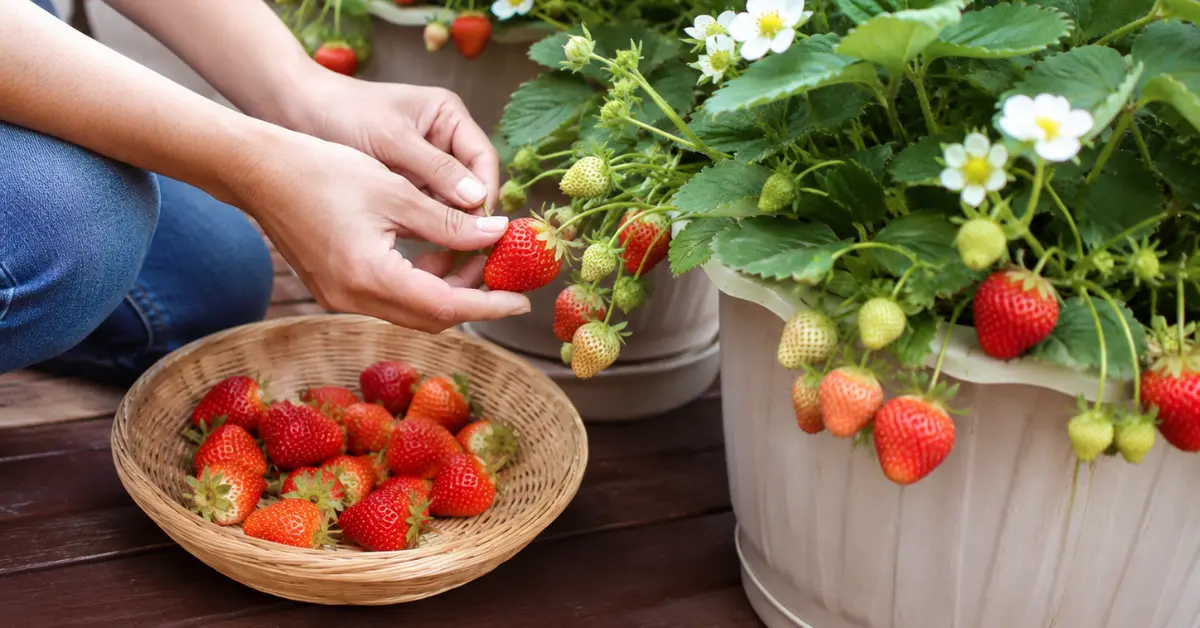
Growing Everbearing Strawberries in Containers: A Complete Guide for Beginners
Want to grow sweet, fresh strawberries but do not have a large garden? Everbearing strawberries [...]
Aug
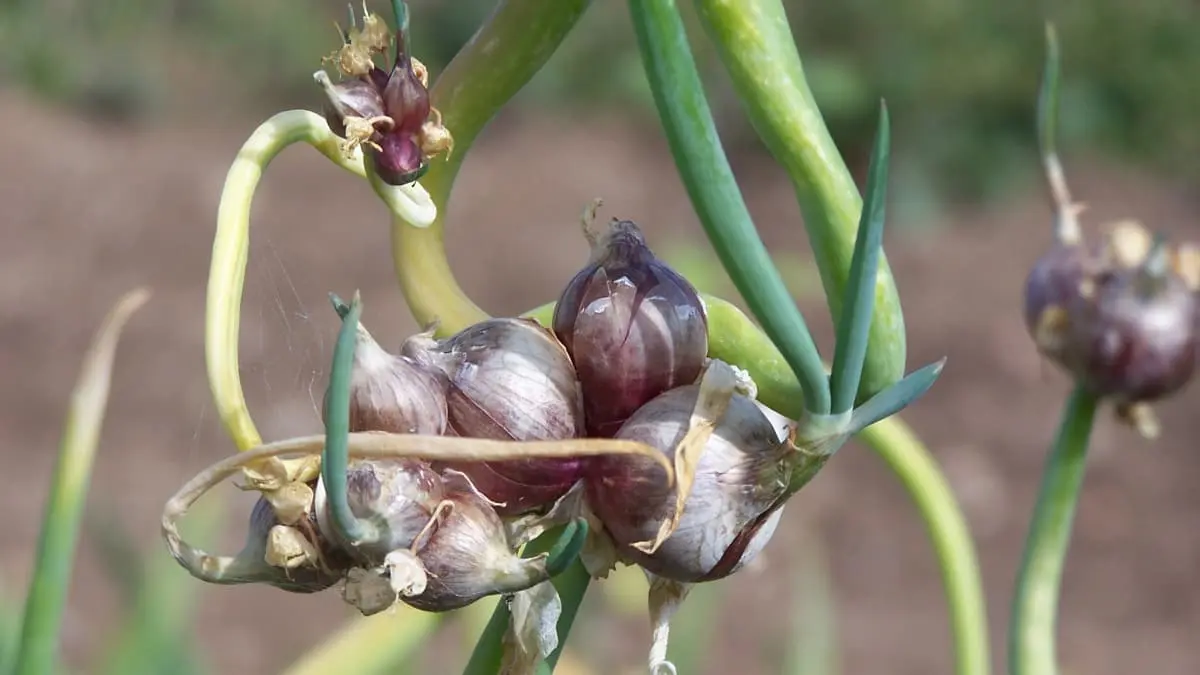
Growing Egyptian Walking Onions in Containers: A Complete Guide for Beginners
If you’re looking for a hardy, no-fuss perennial onion that keeps on giving year after [...]
Jul
Growing Carolina Reaper Peppers in Pots: A Complete Guide for Beginners
If you’ve ever wanted to add some serious, record-breaking heat to your home cooking, you’ve [...]
May
Growing Curry Leaf Plant in Pots: A Complete Guide for Beginners
If you’re a fan of authentic South Asian cuisine, you already know that nothing compares [...]
May

Reviews
There are no reviews yet.