
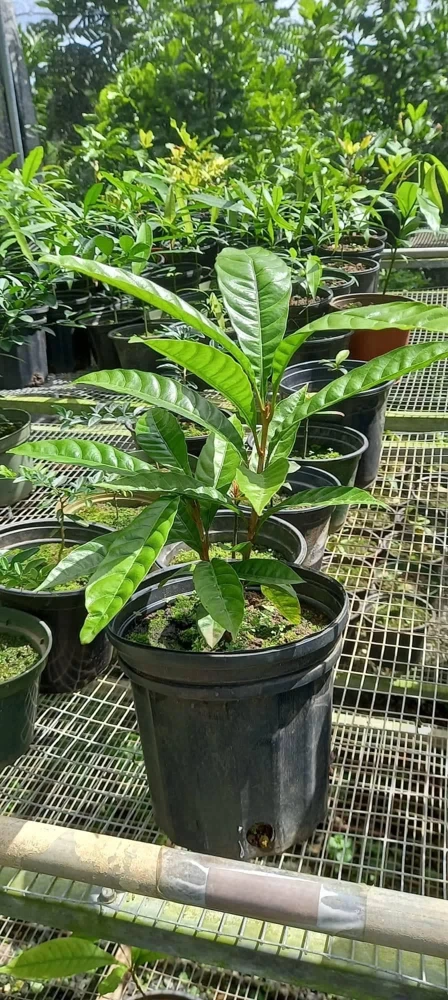
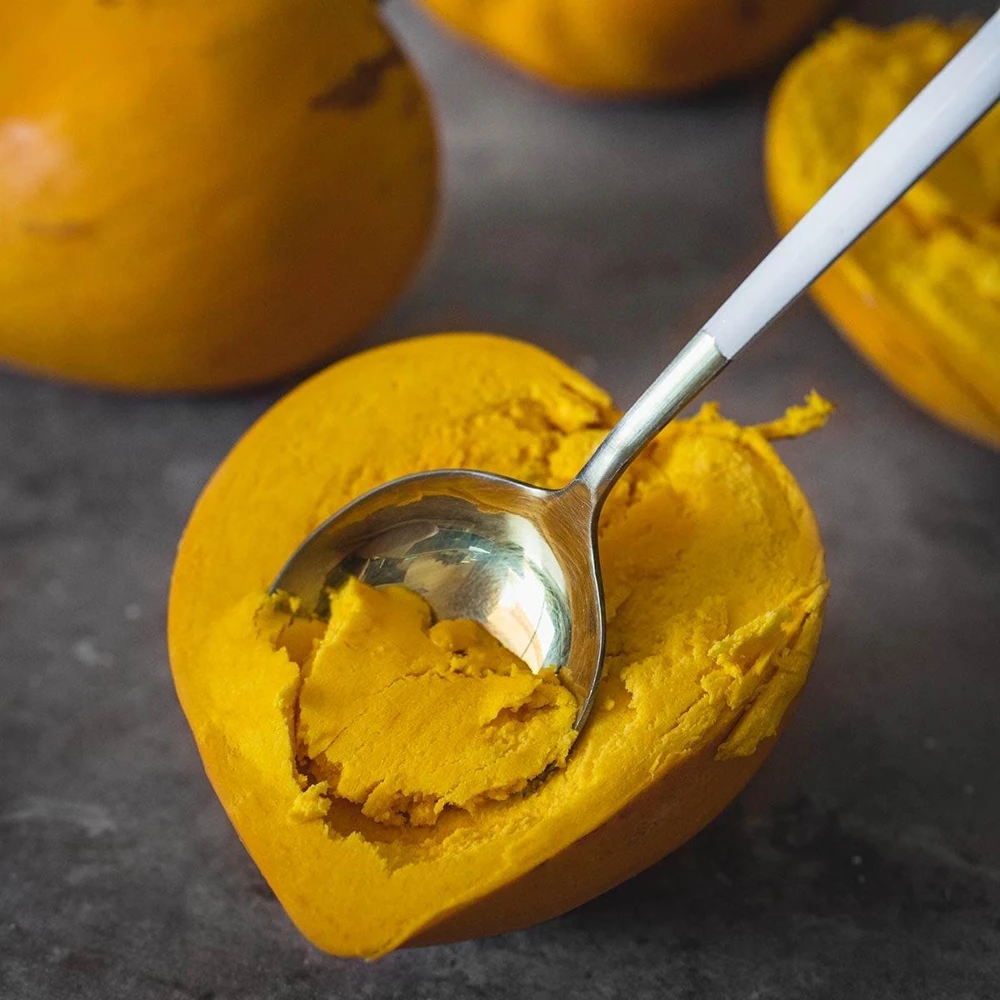
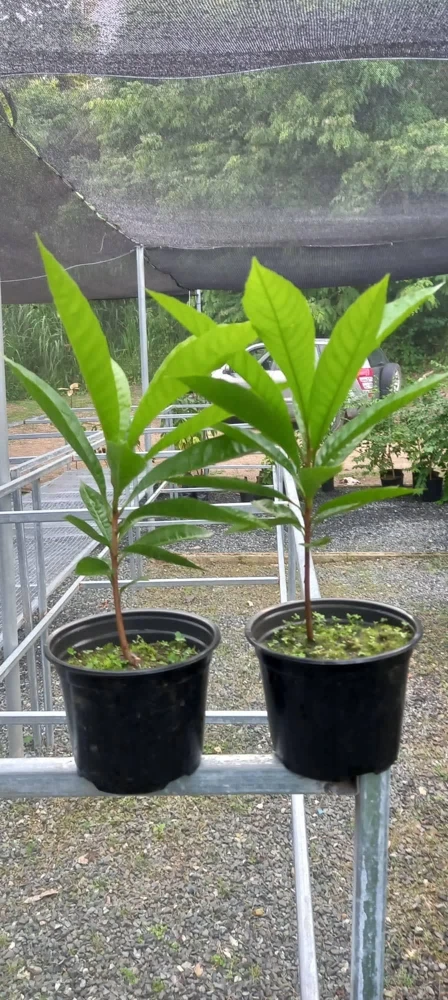
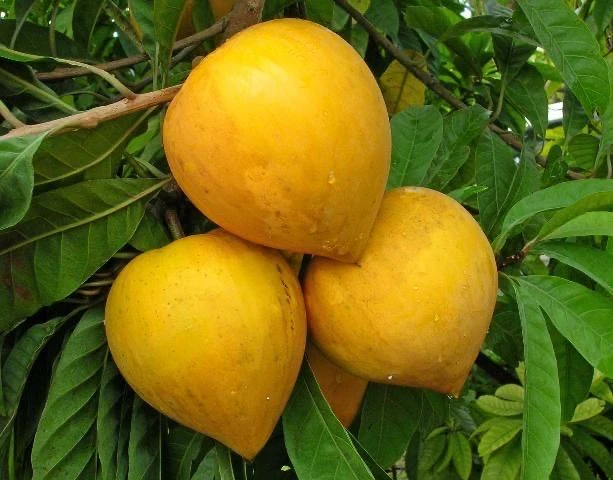

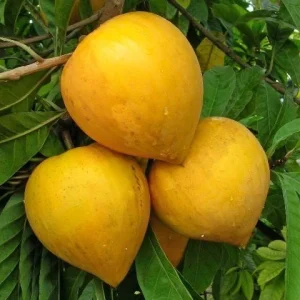
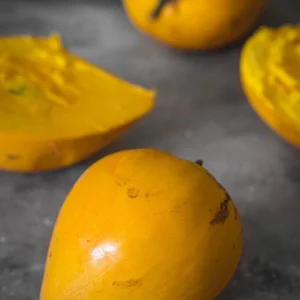
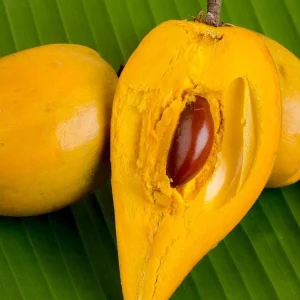
Canistel Fruit Tree – Pouteria campechiana Live Plant – 10-24 inches tall – Outdoor
Original price was: $131.00.$81.00Current price is: $81.00.
Cultivate your own delicious tropical fruits with this Canistel fruit tree. Also known as eggfruit, Pouteria campechiana produces sweet, orange-fleshed fruits ideal for fresh eating or culinary creations. This Pouteria campechiana live plant is a wonderful addition to any tropical garden, offering both beauty and bounty.
Estimated arrival
Sep 16
Sep 21 - Sep 23
Sep 26 - Sep 30

Reasonable Price
We offer reasonable price

Support 24/7
Contact us 24 hrs a day

100% Money Back
You've 30 days to Return

Payment Secure
100% secure payment
Overview
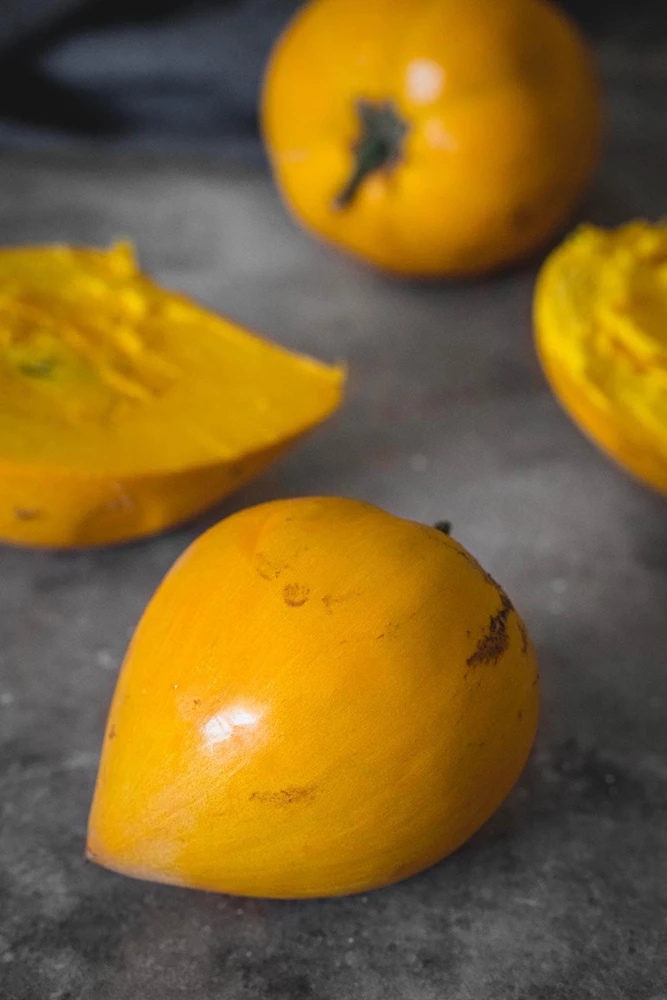
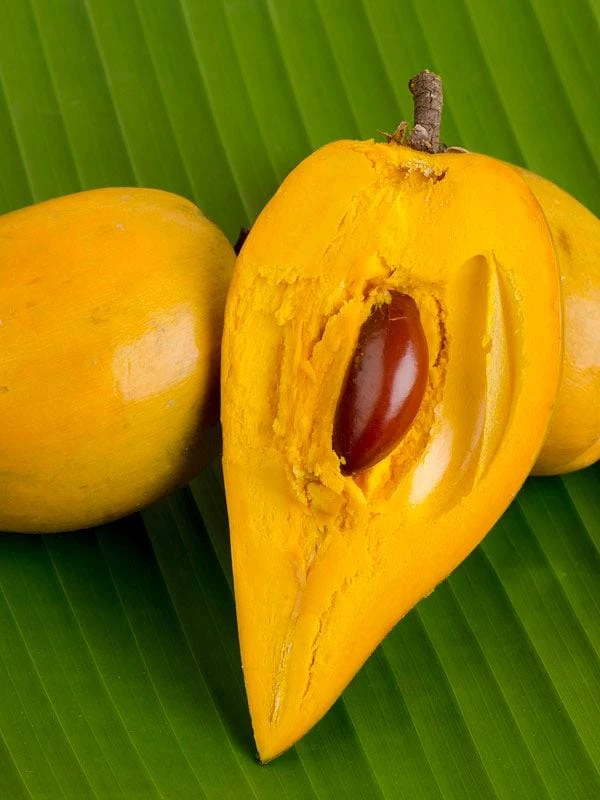
Bring the taste of the tropics to your home with a Canistel fruit tree, botanically known as Pouteria campechiana. This remarkable live plant is renowned for its unique, sweet, orange-fleshed fruit, often referred to as ‘eggfruit’ due to its texture. Native to Central America and northern South America, the Canistel fruit tree thrives in tropical and subtropical climates, making it an excellent choice for gardeners in warmer regions. Our Pouteria campechiana live plant arrives ready to grow, offering the promise of delicious harvests and an exotic touch to your landscape. Growing between 10-24 inches tall, this young tree is perfect for establishing in your garden or a large container, eventually maturing into a beautiful, spreading tree that can reach up to 25 feet in height. Discover the joy of cultivating your own tropical delicacies with this easy-to-grow and rewarding fruit tree.
Key Benefits
The Canistel fruit tree offers a multitude of benefits, from its delicious fruit to its ornamental appeal, making it a highly desirable addition to any garden. Enjoy the unique flavor and versatility of its produce, while also enhancing your landscape.
- Delicious, Nutritious Fruit: The primary benefit of the Canistel fruit tree is its sweet, custard-like orange fruit. Rich in vitamins and minerals, it’s perfect for eating fresh, blending into smoothies, or creating delectable desserts like custards and milkshakes.
- Exotic Garden Addition: With its spreading branches and leathery leaves, the Pouteria campechiana adds a tropical aesthetic to your outdoor space, creating a lush and inviting atmosphere.
- Adaptable Growth: While preferring tropical climates, this tree can be grown in large containers in cooler zones, allowing you to move it indoors during colder months. This flexibility makes it accessible to a wider range of gardeners interested in a tropical fruit tree.
- Relatively Low Maintenance: Once established, the Canistel fruit tree is known for being relatively hardy and low-maintenance, requiring consistent watering and occasional feeding for optimal fruit production.
- Unique Culinary Potential: The distinctive flavor and texture of the eggfruit open up a world of culinary possibilities, encouraging experimentation in the kitchen with new and exciting recipes.
- Shade and Beauty: As it matures, the tree develops a broad canopy, providing ample shade and enhancing the overall beauty of your garden with its vibrant green foliage.
Plant Care & Growing Tips
Proper care is essential for a thriving Canistel fruit tree and bountiful harvests. This tropical species requires specific conditions to flourish, ensuring it produces its characteristic sweet fruits. Understanding the needs for your Pouteria campechiana live plant will lead to a successful and rewarding growing experience.
Sunlight requirements: The Canistel fruit tree thrives in full sun, requiring at least 6-8 hours of direct sunlight per day to produce the best fruit. In extremely hot climates, some afternoon shade can be beneficial, especially for young trees. If grown indoors or in a greenhouse, ensure it receives ample bright light. Watering schedule and soil moisture preferences: Consistent moisture is key, especially during fruiting season. Water deeply and regularly, allowing the top inch or two of soil to dry out slightly between waterings. Avoid waterlogging, as this can lead to root rot. Good drainage is crucial for the health of your tropical fruit tree. Soil type and drainage requirements: This tree prefers well-draining, fertile soil with a slightly acidic to neutral pH (6.0-7.0). A sandy loam enriched with organic matter is ideal. Ensure the planting site or pot has excellent drainage to prevent standing water.
Temperature range and USDA hardiness zone: The Canistel is a tropical plant, hardy in USDA Zones 9-11. It prefers temperatures above 60°F (15°C) and can be damaged by frost. If you live in a cooler zone, it’s best to grow the tree in a container that can be moved indoors during winter. Fertilization schedule and type: Fertilize young trees every 2-3 months with a balanced granular fertilizer. As the tree matures and begins to fruit, switch to a fertilizer higher in phosphorus and potassium. Always follow package directions and water thoroughly after fertilizing. Common problems and solutions: Watch for common pests like aphids or scale, treating them with horticultural oil or insecticidal soap. Fungal issues can arise from poor air circulation or excessive moisture; ensure good drainage and prune for airflow. Yellowing leaves may indicate nutrient deficiency or improper watering, so check your eggfruit plant care routine.
Size & Details
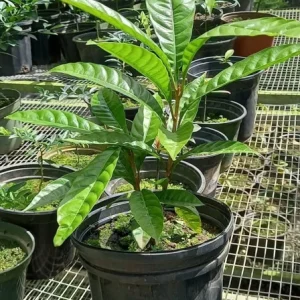
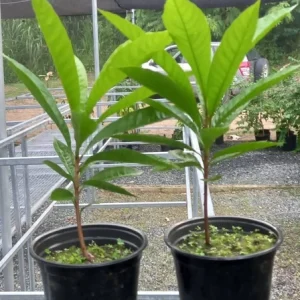
This Canistel fruit tree (Pouteria campechiana) typically ships as a live plant ranging from 10 to 24 inches in height. It is provided in a nursery pot, ready for transplanting into your garden or a larger container. The growth rate is moderate, and with proper care, it will develop into a robust tree. Expect the tree to begin fruiting within 3-5 years from planting, depending on growing conditions and care. Mature trees can reach heights of 10-25 feet with a similar spread, offering significant shade and fruit production. The fruit itself is typically round to oval, 2-5 inches long, and ripens to a golden-yellow color.
Frequently Asked Questions
- Q: How big does this plant get? A: This Canistel fruit tree typically ships at 10-24 inches tall. When mature, it can grow to a height of 10-25 feet with a substantial spread, making it a medium to large size tropical tree.
- Q: What size pot does it come in? A: The Pouteria campechiana live plant is typically shipped in a standard nursery pot, suitable for its current size, and will need to be transplanted upon arrival.
- Q: Is this an indoor or outdoor plant? A: The Canistel fruit tree is primarily an outdoor plant for tropical and subtropical climates (USDA Zones 9-11). In cooler zones, it can be grown in a large container and moved indoors during winter.
- Q: How much sunlight does it need? A: For optimal growth and fruit production, this tropical fruit tree requires full sun, meaning at least 6-8 hours of direct sunlight per day.
- Q: Is this plant easy to care for? A: Once established, the Canistel fruit tree is relatively low-maintenance. Consistent watering, good drainage, and appropriate fertilization are key to successful eggfruit plant care.
- Q: What condition will it arrive in? A: Your Canistel fruit tree will arrive as a healthy, live plant, carefully packaged to ensure its safe journey. It will be in a nursery pot with soil.
- Q: Can I use Canistel fruit in cooking? A: Absolutely! The sweet, custard-like flesh of the Canistel fruit is excellent for eating fresh, making smoothies, custards, milkshakes, and various desserts.
- Q: How long until it produces fruit? A: With good care, your Canistel fruit tree can start producing fruit within 3-5 years after planting.
- Q: Will it survive winter in my zone? A: The Canistel fruit tree is sensitive to frost. If you are outside USDA Zones 9-11, you will need to protect it from cold temperatures by growing it in a container and bringing it indoors during winter.
- Q: What’s the minimum temperature it can tolerate? A: This plant prefers temperatures above 60°F (15°C) and can suffer damage or even die if exposed to temperatures below freezing for extended periods.
Be the first to review “Canistel Fruit Tree – Pouteria campechiana Live Plant – 10-24 inches tall – Outdoor”
-
USDA Hardiness Zone
USDA zones 9-11 -
Soil Type
Well-draining, fertile sandy loam -
Sunlight Exposure
Full sun -
Expected Planting Period
Year-round in tropical climates; spring to early summer in subtropical regions
People Also Viewd


Sold 134 products
Original price was: $3,536.00.$23.99Current price is: $23.99.

Sold 131 products
Original price was: $27.00.$24.00Current price is: $24.00.

Sold 130 products
Original price was: $89.99.$64.99Current price is: $64.99.

Sold 125 products
Original price was: $86.99.$66.99Current price is: $66.99.

Flower Bulbs
3 Cranesbill Wild Geranium Organic Maculatums Bare Roots | Wildflower for Outdoor Garden
Sold 116 products
Original price was: $21.99.$9.99Current price is: $9.99.

Sold 114 products
Original price was: $28.99.$17.99Current price is: $17.99.
Sold 110 products
Original price was: $63.99.$28.99Current price is: $28.99.
Sold 108 products
Original price was: $28.99.$17.99Current price is: $17.99.RELATED posts
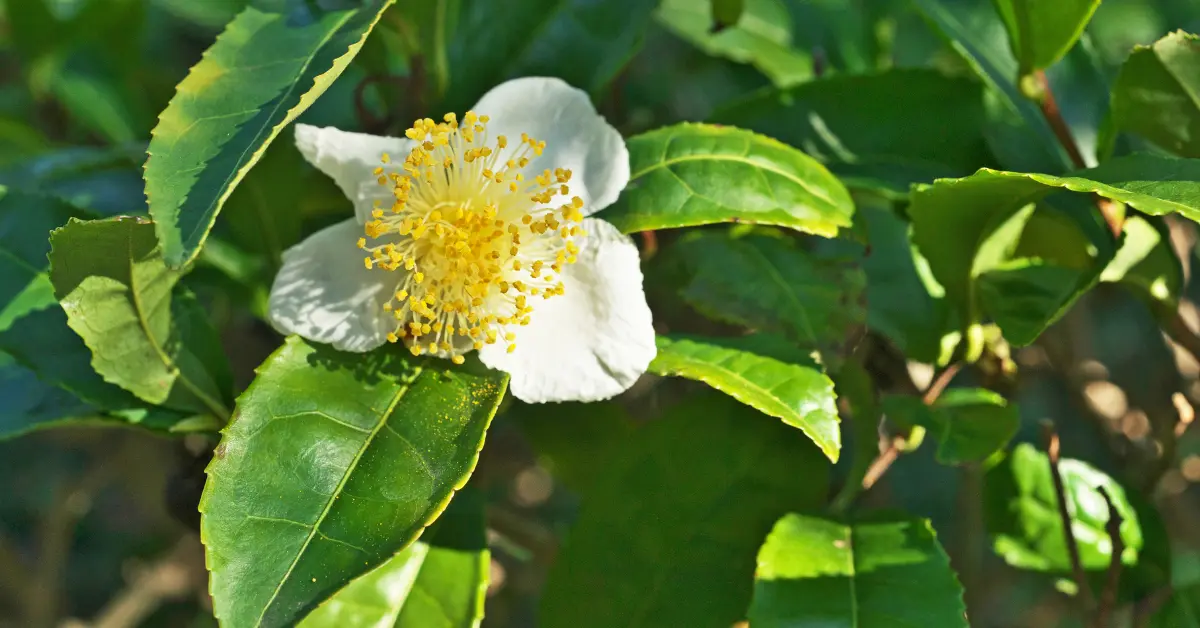
Growing Camellia Sinensis (Tea Plants) in Containers: A Complete Guide for Beginners
If you’ve ever wanted to sip a steaming, homegrown cup of fresh green, black, or [...]
Aug
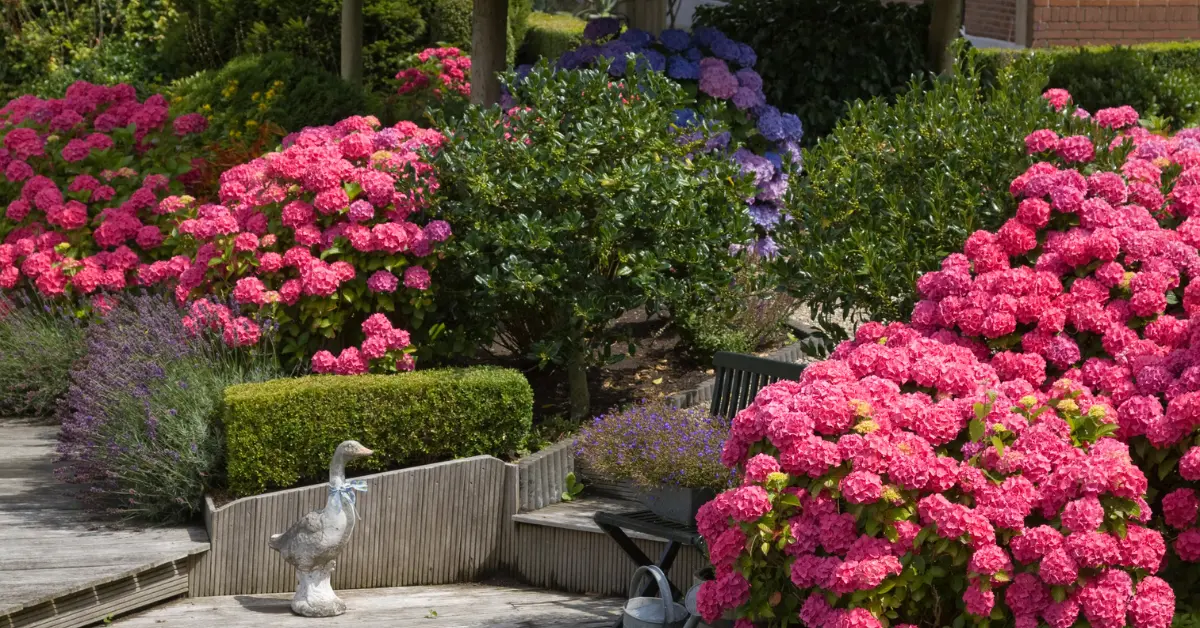
6 Best Shrubs to Plant in August You Must Try
Have you ever walked through a nursery late in the summer, admired the vibrant shrubs [...]
Aug
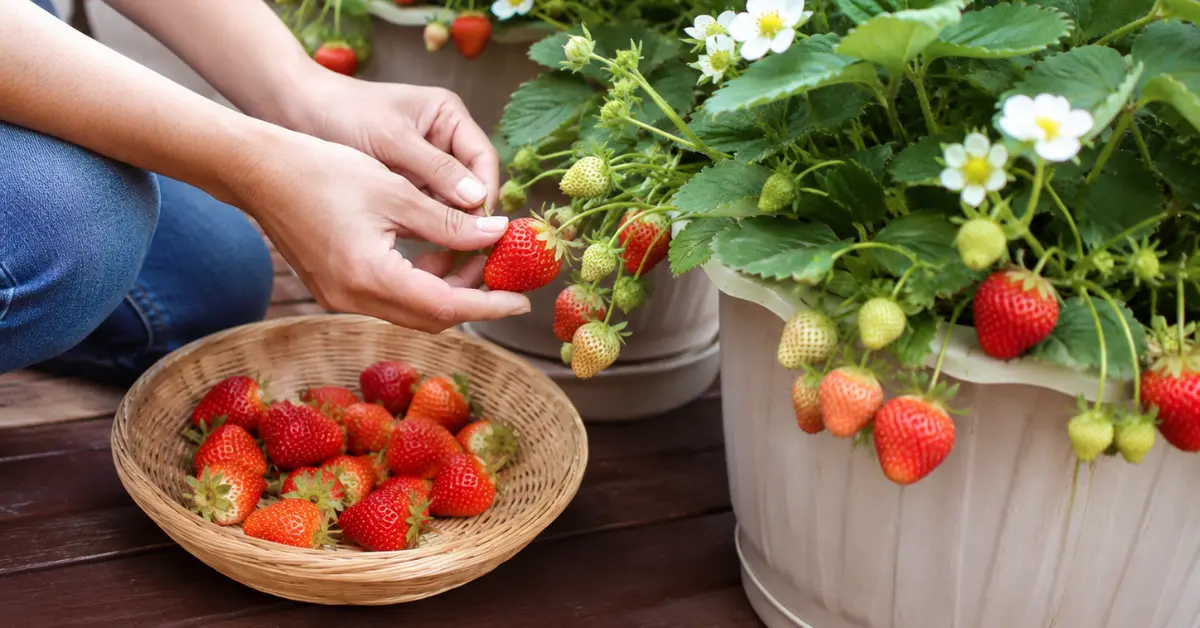
Growing Everbearing Strawberries in Containers: A Complete Guide for Beginners
Want to grow sweet, fresh strawberries but do not have a large garden? Everbearing strawberries [...]
Aug
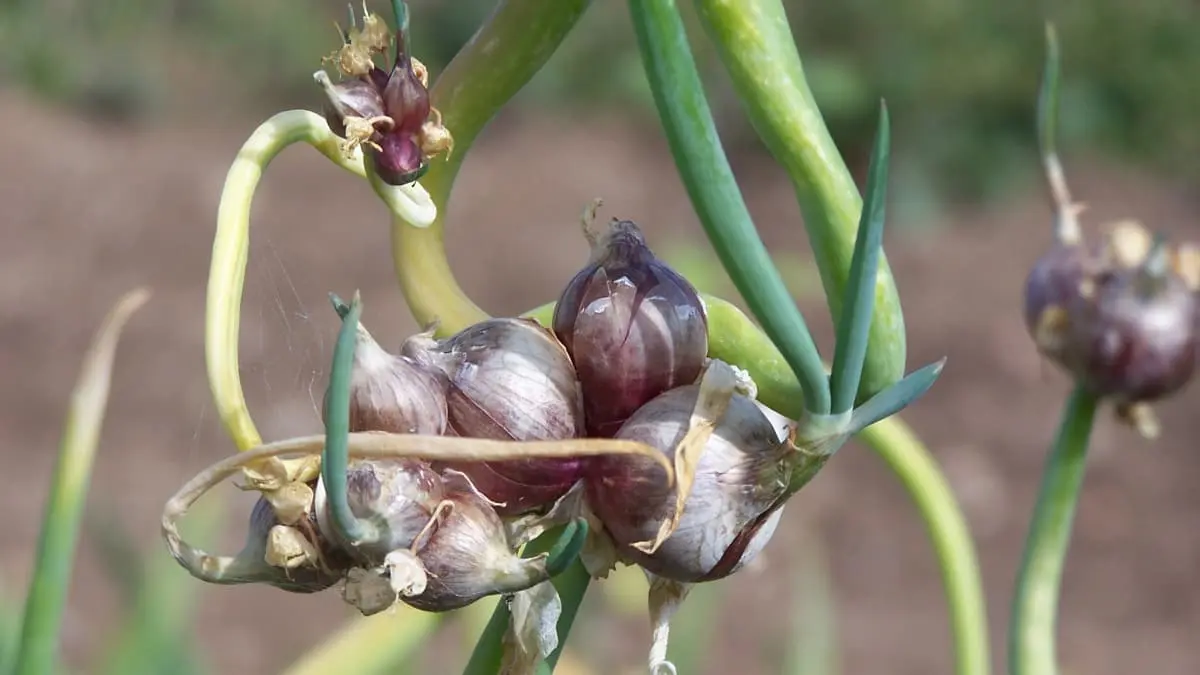
Growing Egyptian Walking Onions in Containers: A Complete Guide for Beginners
If you’re looking for a hardy, no-fuss perennial onion that keeps on giving year after [...]
Jul
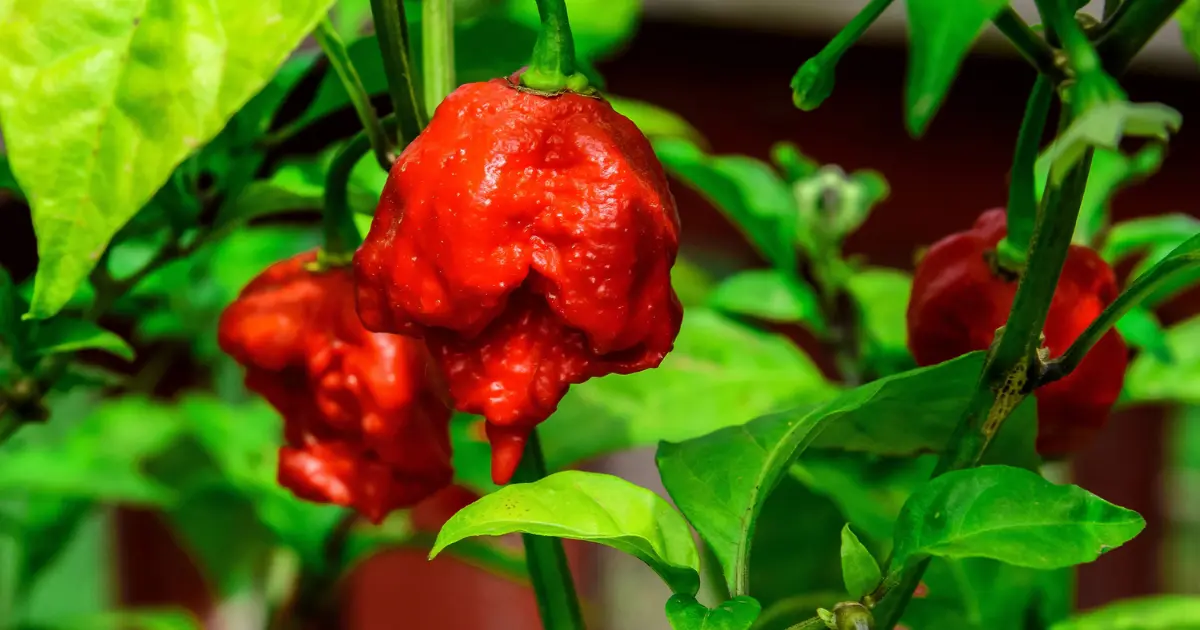
Growing Carolina Reaper Peppers in Pots: A Complete Guide for Beginners
If you’ve ever wanted to add some serious, record-breaking heat to your home cooking, you’ve [...]
May
Growing Curry Leaf Plant in Pots: A Complete Guide for Beginners
If you’re a fan of authentic South Asian cuisine, you already know that nothing compares [...]
May
5 Tips for Growing Carolina Reaper Peppers to Get the Spiciest Harvest Ever
Holding the record for one of the world’s hottest peppers, the Reaper isn’t just a [...]
May
Best Fertilizers for Zoysia Grass in 2026: Get a Lush Lawn
As we enter the new year, the time has come to think about how we [...]
Apr
Reviews
There are no reviews yet.