
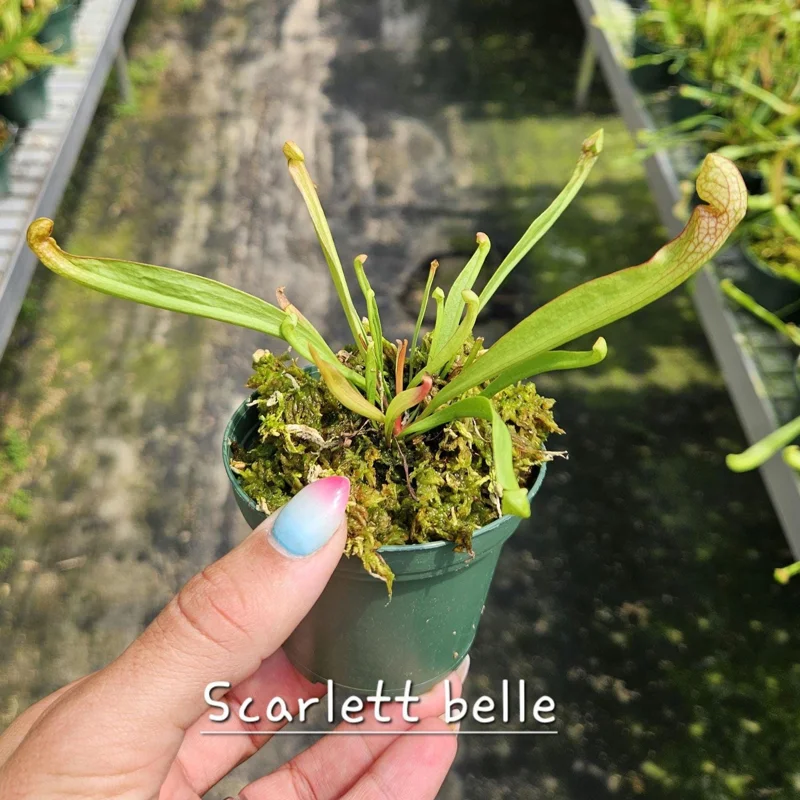
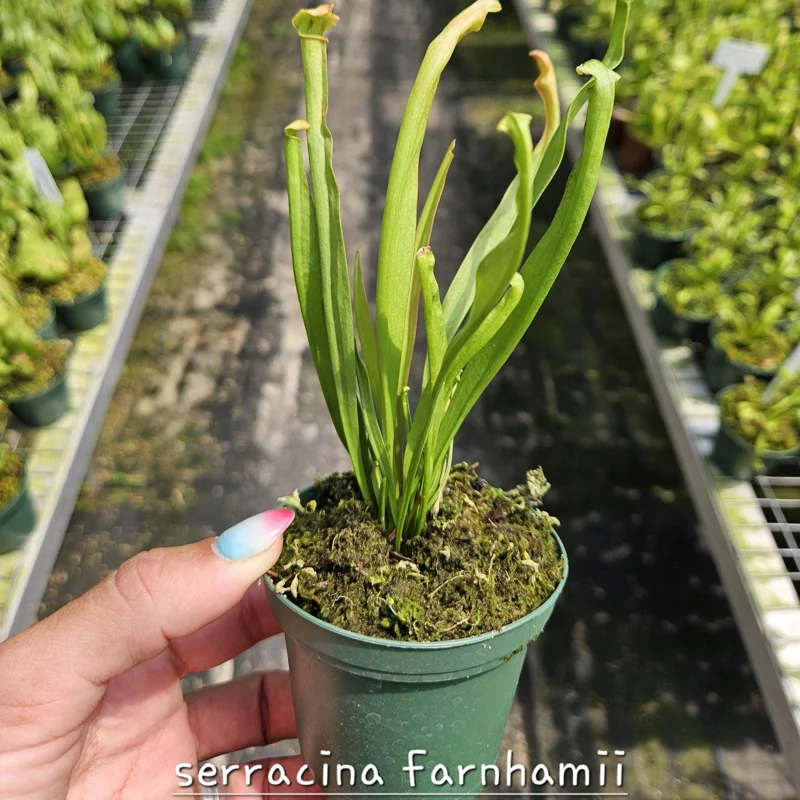
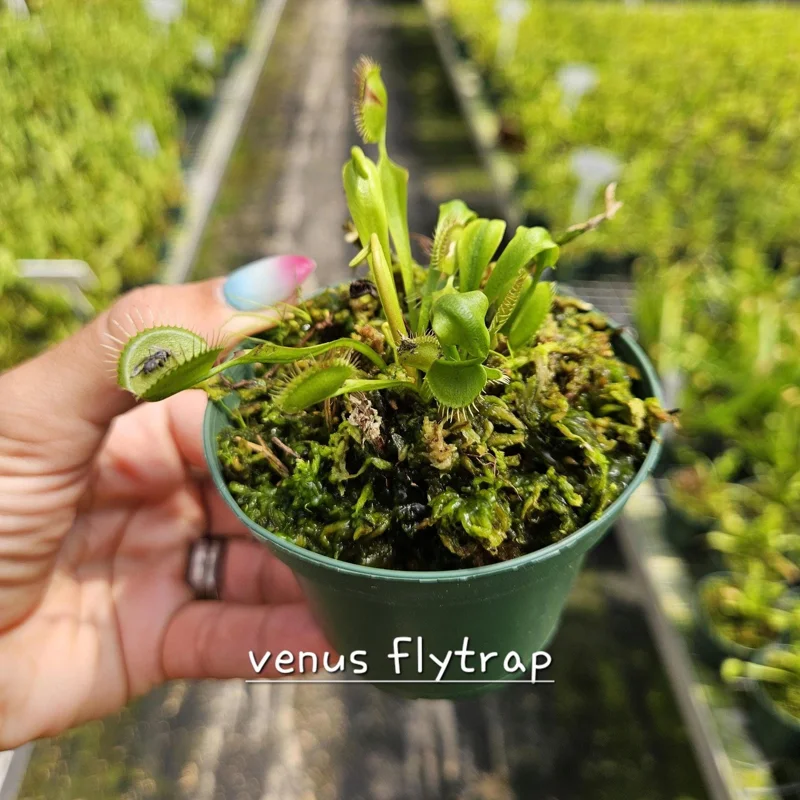
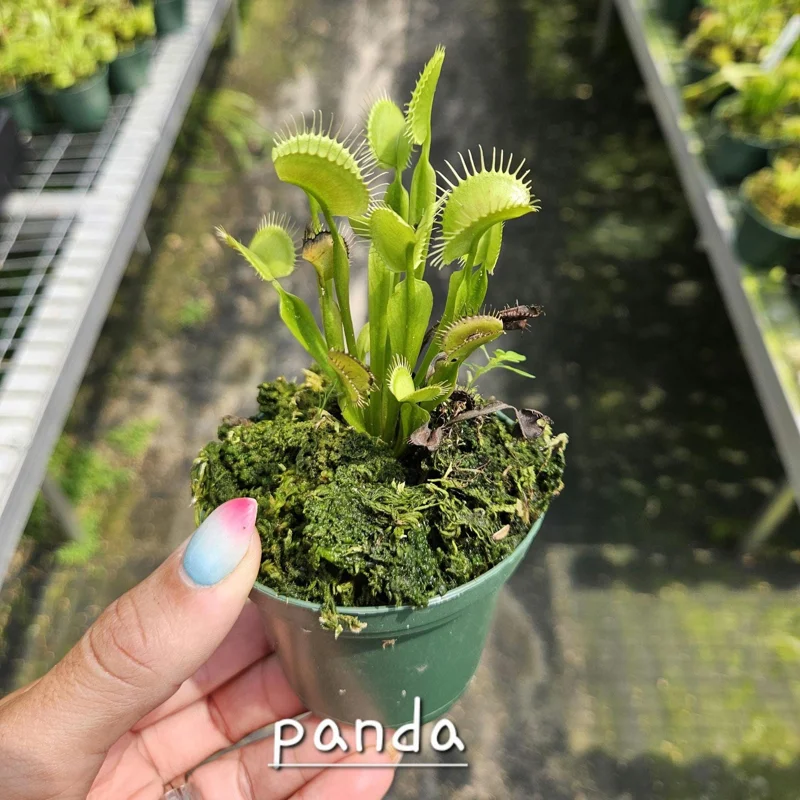
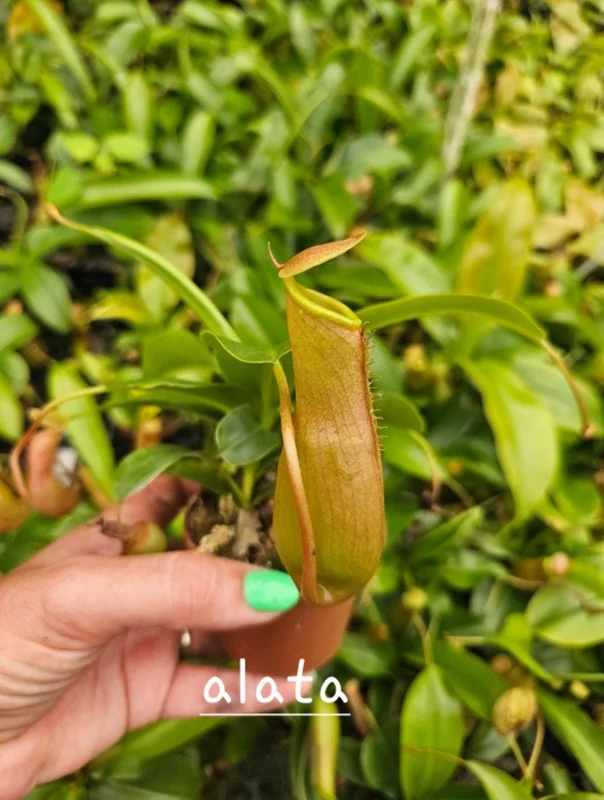
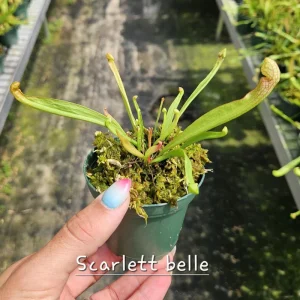
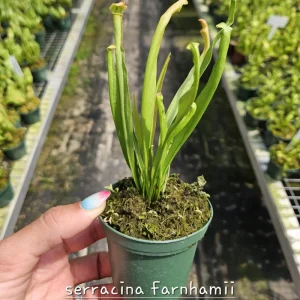
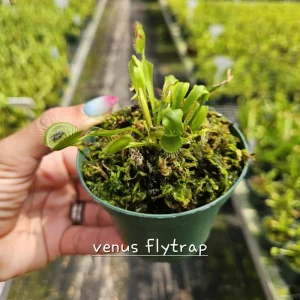
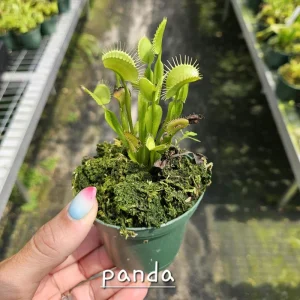
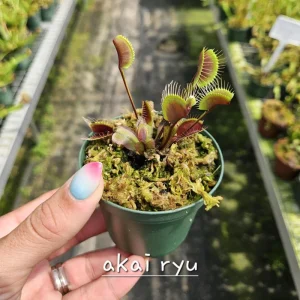
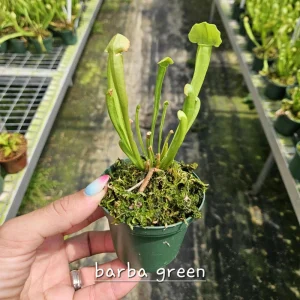
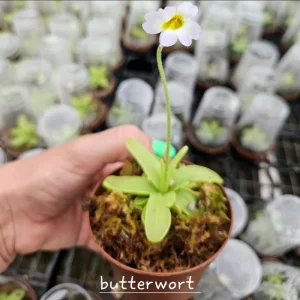
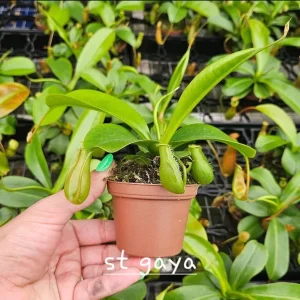
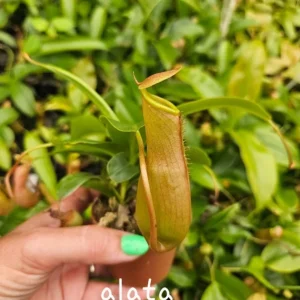
Carnivorous Plant Bundle – Choose Any 2 Live Plants – 3 Inch Pots – Indoor
Price range: $86.61 through $92.99
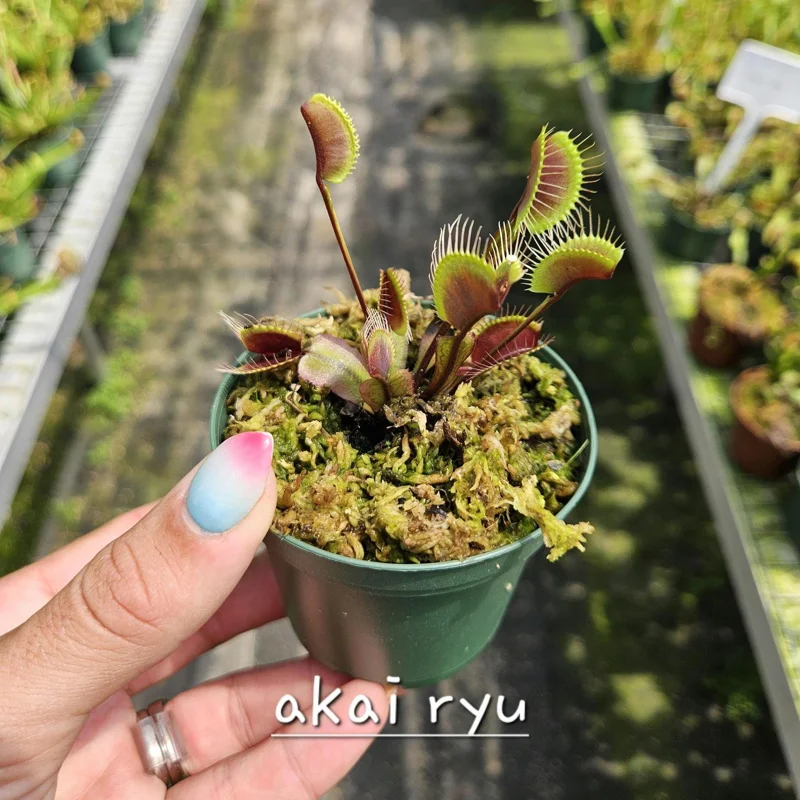
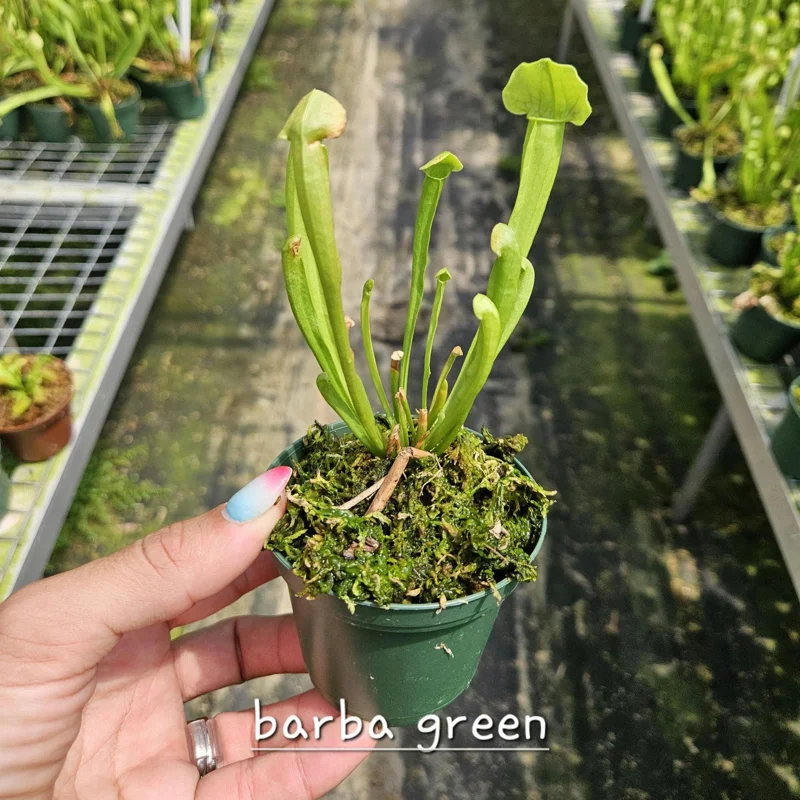
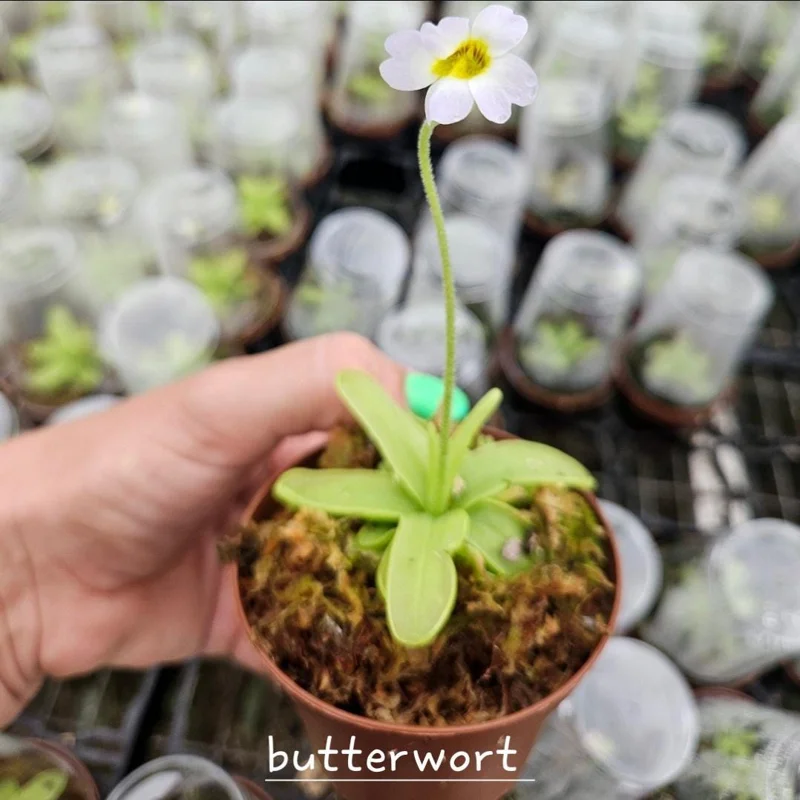
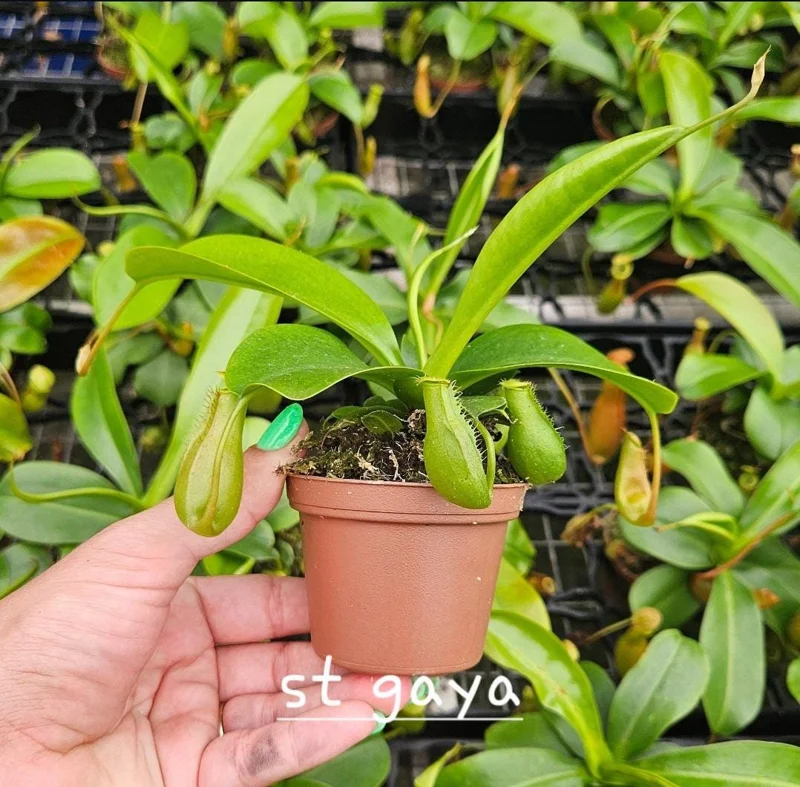
Create your own fascinating carnivorous plant bundle! Select any two unique live carnivorous plants, each arriving in a 3-inch pot, ready to thrive. These intriguing specimens are perfect for adding a touch of the wild to your home or office, offering natural pest control and captivating beauty.
Estimated arrival
Oct 16
Oct 21 - Oct 23
Oct 26 - Oct 30

Reasonable Price
We offer reasonable price

Support 24/7
Contact us 24 hrs a day

100% Money Back
You've 30 days to Return

Payment Secure
100% secure payment
Overview
Discover the unique world of insect-eating flora with our customizable carnivorous plant bundle. This exciting offering allows you to select any two fascinating live carnivorous plants, each provided in a healthy 3-inch nursery pot. Perfect for enthusiasts and beginners alike, these plants are renowned for their ability to trap and digest insects, making them not only intriguing display pieces but also natural pest controllers for your indoor environment. From the iconic Venus flytrap to the elegant pitcher plant, these botanical wonders bring an unparalleled level of interest and conversation to any space. Each plant is carefully selected to ensure vigorous growth and captivating form, ready to become a standout feature in your collection.
Embrace the exotic allure of these predatory beauties. Our selection focuses on robust, easy-to-care-for varieties that thrive indoors with proper attention. This bundle is an excellent way to start your collection or expand an existing one, providing diversity and the joy of nurturing these extraordinary plants.
Key Benefits
Owning a carnivorous plant bundle offers a multitude of unique advantages, transforming your living space and providing endless fascination. These plants are more than just decorative; they are living ecosystems with practical benefits and captivating life cycles.
- Natural Pest Control: Many live carnivorous plants effectively catch small insects like gnats, fruit flies, and mosquitoes, naturally reducing indoor pest populations without chemicals.
- Educational & Engaging: Witnessing the intricate trapping mechanisms of these plants provides a unique educational experience, perfect for curious minds of all ages.
- Unique Aesthetic Appeal: With their diverse shapes, vibrant colors, and unusual structures, carnivorous plants offer a distinctive and exotic look that stands out from typical houseplants.
- Low Maintenance (Specific Conditions): Once their specific light, water, and soil needs are met, many carnivorous plants require less frequent attention than other tropical houseplant varieties.
- Air Purification: Like other plants, they contribute to a healthier indoor environment by converting carbon dioxide into oxygen.
- Conversation Starter: The unusual nature of these plants makes them excellent conversation pieces, sparking interest and wonder among guests.
- Therapeutic Hobby: Tending to these unique plants can be a relaxing and rewarding hobby, offering a connection to nature’s marvels.
Plant Care & Growing Tips
Caring for your carnivorous plant bundle requires understanding their specific needs, which often differ from conventional houseplants. The key to successful cultivation lies in providing the right environment, particularly regarding water, light, and humidity. Most indoor carnivorous plants thrive in conditions that mimic their boggy natural habitats.
Sunlight requirements: Carnivorous plants generally need plenty of bright light. Place them in a location where they receive at least 4-6 hours of direct sunlight daily, such as a south-facing window. If natural light is insufficient, consider using a grow light for 12-14 hours a day. Insufficient light can lead to weak growth and poor trap development. Watering schedule: These plants require consistently moist soil, but crucially, they need distilled water, rainwater, or reverse osmosis water. Tap water, due to its mineral content, can be harmful over time. Water from the bottom by placing pots in a tray of water, allowing the plant to wick up moisture. Never let the soil dry out completely. Soil type: Use a specialized carnivorous plant soil mix, typically a blend of peat moss and perlite or sand, ensuring excellent drainage while retaining moisture. Avoid standard potting soil as it is too rich in nutrients and can kill the plants. Temperature & Humidity: Most varieties prefer warm temperatures, ideally between 65-85°F (18-29°C), and high humidity. Grouping plants together or using a humidity tray can help increase ambient moisture. USDA hardiness zones vary by species, but for indoor cultivation, maintaining stable indoor temperatures is more critical. Fertilization: Do not fertilize carnivorous plants through their roots. They obtain nutrients from the insects they catch. Fertilizing can burn their delicate root systems. If your plant isn’t catching enough insects, you can occasionally feed them a small insect or a diluted foliar spray. Common problems: Yellowing leaves often indicate overwatering or nutrient issues from improper water. Lack of traps or weak growth points to insufficient light. Understanding these specific needs is vital for nurturing healthy live carnivorous plants.
Size & Details
Each plant in your chosen carnivorous plant bundle will arrive in a 3-inch nursery pot, providing a healthy root system and a sturdy start. The exact height and spread of the plants will vary depending on the specific species selected and its current growth stage, but they are typically compact and well-suited for indoor display. These plants are shipped established in their pots, ensuring minimal transplant shock upon arrival. Growth rates vary by species, with some developing new traps weekly and others growing more slowly. Expect your plants to continue growing and developing their unique characteristics as they acclimate to their new environment. This bundle includes two individual plants, allowing for diverse selection and display options. When you buy carnivorous plants from us, you receive healthy, vigorous specimens ready to thrive.
Frequently Asked Questions
- Q: How big do these plants get? A: The plants in this carnivorous plant bundle are in 3-inch pots, meaning they are young and compact. Their mature size will depend on the specific species you choose, but most indoor varieties remain relatively small, typically reaching 4-8 inches in height and spread.
- Q: Is this an indoor or outdoor plant? A: While some carnivorous plants can be grown outdoors in appropriate climates, the varieties offered in this bundle are generally best suited as indoor carnivorous plants. They thrive in controlled indoor environments where their specific light, water, and humidity needs can be consistently met.
- Q: Is this plant easy to care for? A: Caring for carnivorous plants is different from typical houseplants, but not necessarily difficult. The key is understanding their unique requirements for distilled water, specific soil, and bright light. Once these conditions are established, their ongoing care is straightforward. Many find carnivorous plant care a rewarding experience.
- Q: What condition will it arrive in? A: Your live carnivorous plants will arrive carefully packaged in their 3-inch nursery pots, with soil intact. We ensure they are well-hydrated and protected during transit so they reach you in excellent condition, ready to be placed in their new home.
- Q: How much sunlight does it need? A: Most carnivorous plants require abundant bright light, ideally 4-6 hours of direct sunlight daily. A south-facing window is often ideal. If natural light is limited, supplemental grow lights are highly recommended to ensure healthy growth and trap development.
- Q: Can I use tap water for my carnivorous plants? A: No, tap water is harmful to most carnivorous plants due to its mineral content. You must use distilled water, rainwater, or reverse osmosis water. These sources are low in dissolved solids, mimicking the nutrient-poor conditions of their natural bog habitats.
- Q: When is the best time to plant these? A: Since these are established live carnivorous plants shipped in pots for indoor cultivation, they can be ‘planted’ (or simply placed) into their display location at any time of year. Repotting, if necessary, is best done in spring.
- Q: Do these plants need to be fed insects? A: If your indoor carnivorous plants are catching insects naturally, you do not need to feed them. If they are not catching sufficient prey, you can occasionally offer small, live insects (like fruit flies or small crickets) or rehydrated bloodworms, but this is usually not a daily requirement.
- Q: Are these plants pet-safe? A: While generally not considered toxic in large quantities, it’s always best to keep plants, especially unusual ones like a carnivorous plant bundle, out of reach of pets. Some species might cause mild irritation if ingested.
- Q: What kind of soil should I use if I repot them? A: If you need to repot your carnivorous plants, always use a specialized soil mix formulated for them, typically composed of sphagnum peat moss and horticultural perlite or silica sand. Never use standard potting soil or soil with added fertilizers.
| Winter shipping options | Plant And Heat Pack, Plant Only |
|---|
Be the first to review “Carnivorous Plant Bundle – Choose Any 2 Live Plants – 3 Inch Pots – Indoor”
-
USDA Hardiness Zone
unknown (typically grown indoors) -
Soil Type
peat moss and perlite/sand mix -
Sunlight Exposure
bright direct to indirect light (4-6+ hours) -
Expected Planting Period
year-round indoors
People Also Viewd
Sold 134 products
Original price was: $3,536.00.$23.99Current price is: $23.99.
Sold 132 products
Original price was: $27.00.$24.00Current price is: $24.00.
Sold 132 products
Original price was: $89.99.$64.99Current price is: $64.99.

Sold 125 products
Original price was: $86.99.$66.99Current price is: $66.99.
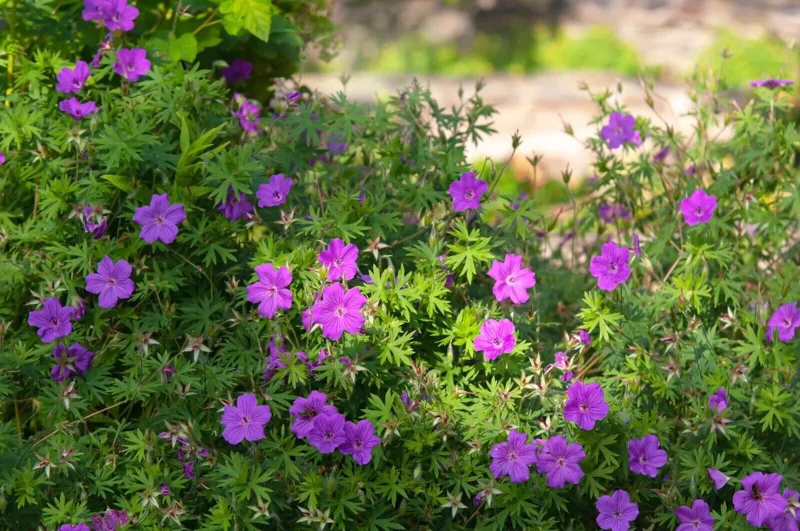
Flower Bulbs
3 Cranesbill Wild Geranium Organic Maculatums Bare Roots | Wildflower for Outdoor Garden
Sold 116 products
Original price was: $21.99.$9.99Current price is: $9.99.
Sold 114 products
Original price was: $28.99.$17.99Current price is: $17.99.
Sold 110 products
Original price was: $63.99.$28.99Current price is: $28.99.
Sold 108 products
Original price was: $28.99.$17.99Current price is: $17.99.RELATED posts
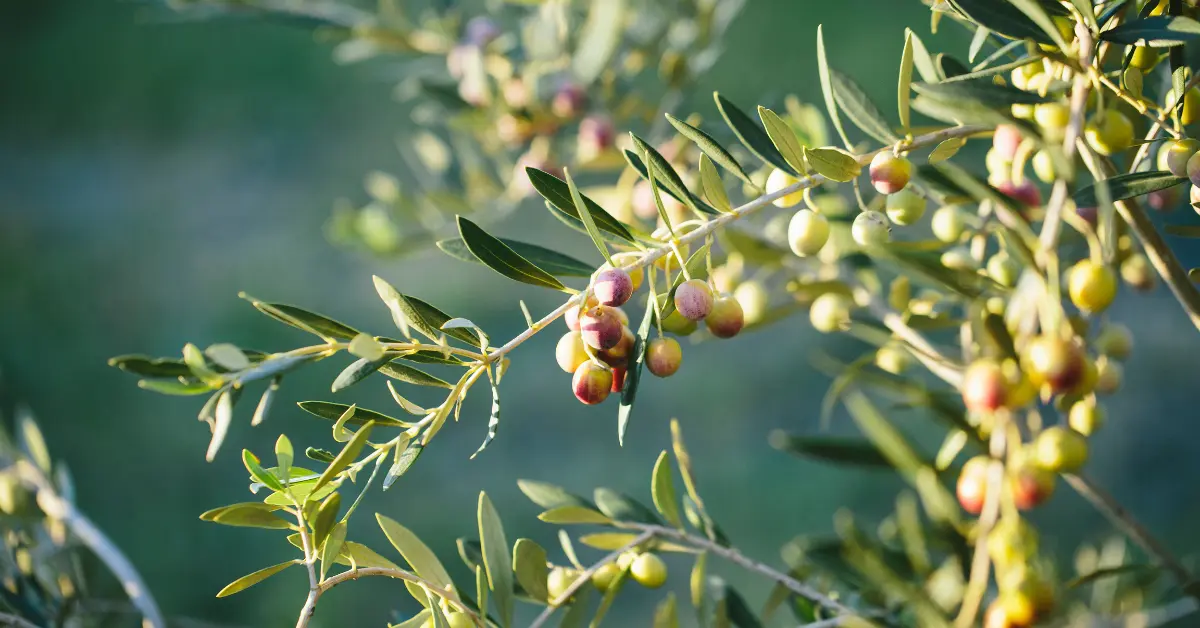
How to Grow Arbequina Olive Trees: The Ultimate Guide to Your Own Olive Grove
Arbequina Olive Tree (Olea europaea ‘Arbequina’) – the ultimate Mediterranean plant that brings a touch [...]
Oct
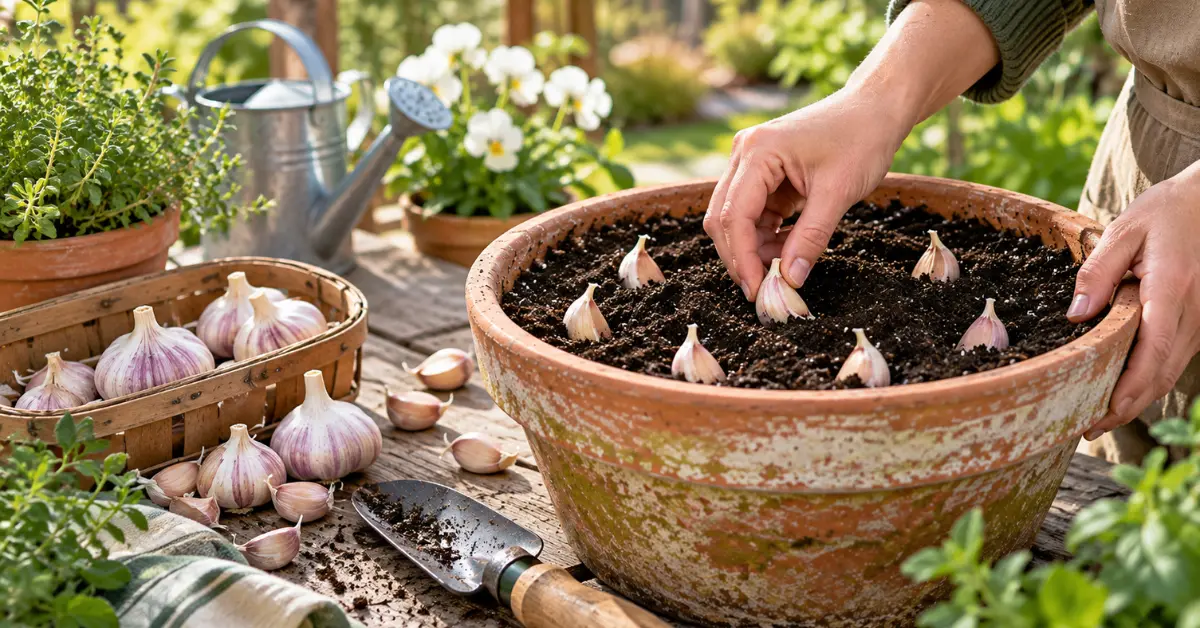
Growing Garlic in Containers This Fall: A Complete Guide for Beginners
If you’ve ever wanted to pop fresh, aromatic garlic cloves straight from your own patio [...]
Sep
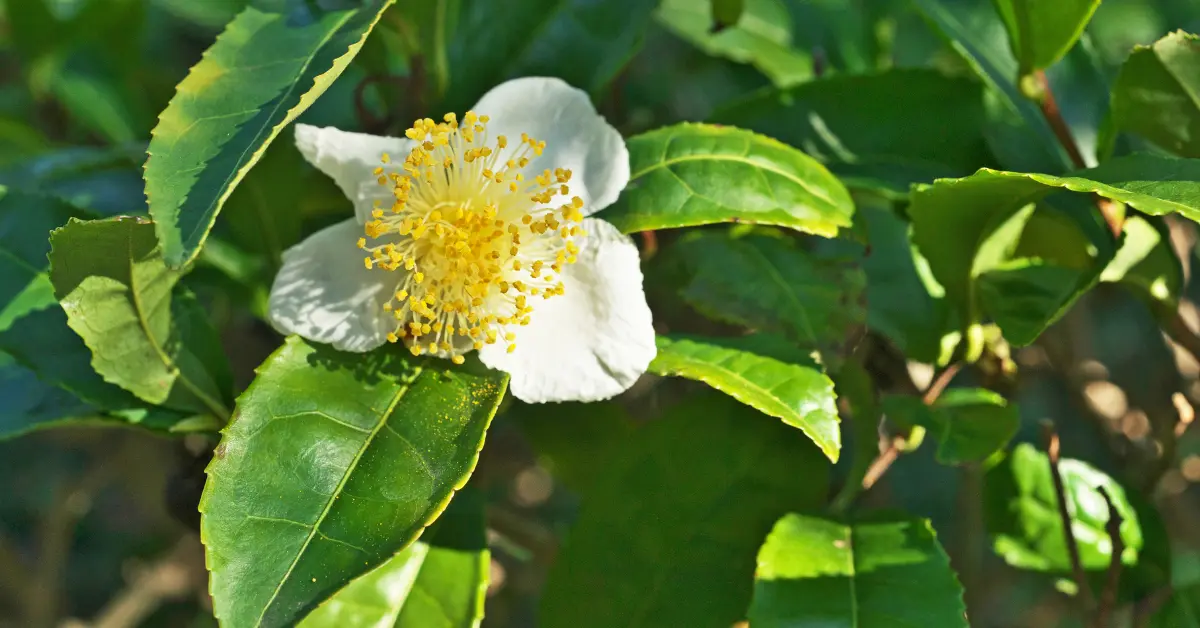
Growing Camellia Sinensis (Tea Plants) in Containers: A Complete Guide for Beginners
If you’ve ever wanted to sip a steaming, homegrown cup of fresh green, black, or [...]
Aug
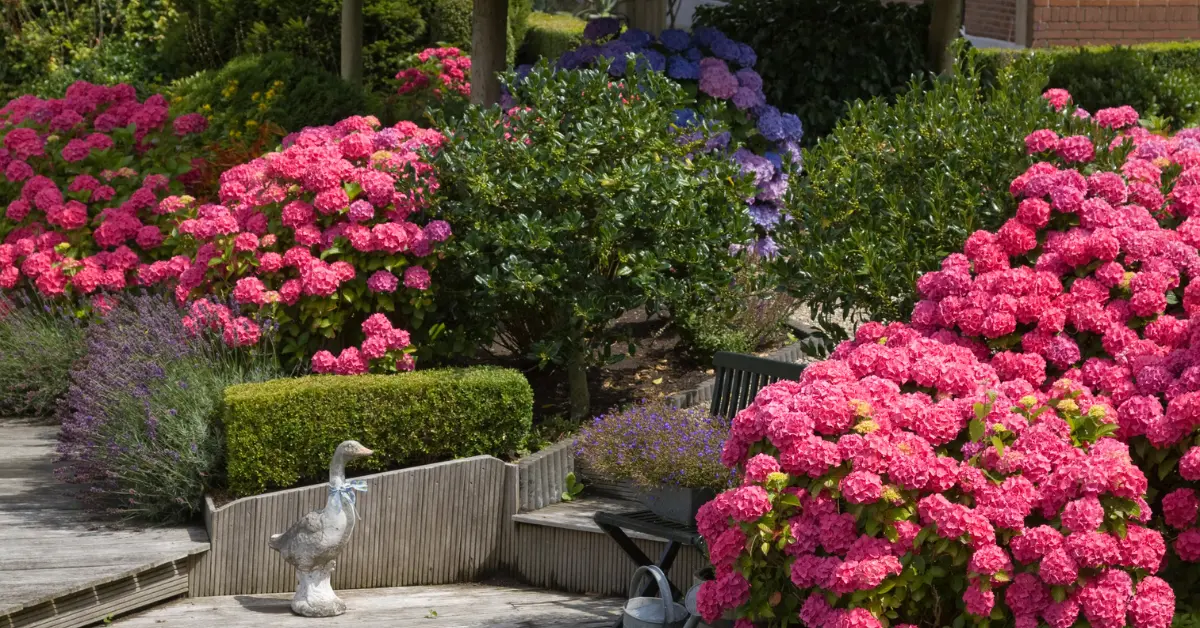
6 Best Shrubs to Plant in August You Must Try
Have you ever walked through a nursery late in the summer, admired the vibrant shrubs [...]
Aug
Growing Everbearing Strawberries in Containers: A Complete Guide for Beginners
Want to grow sweet, fresh strawberries but do not have a large garden? Everbearing strawberries [...]
Aug
Growing Egyptian Walking Onions in Containers: A Complete Guide for Beginners
If you’re looking for a hardy, no-fuss perennial onion that keeps on giving year after [...]
Jul
Growing Carolina Reaper Peppers in Pots: A Complete Guide for Beginners
If you’ve ever wanted to add some serious, record-breaking heat to your home cooking, you’ve [...]
May
Growing Curry Leaf Plant in Pots: A Complete Guide for Beginners
If you’re a fan of authentic South Asian cuisine, you already know that nothing compares [...]
May
Reviews
There are no reviews yet.