
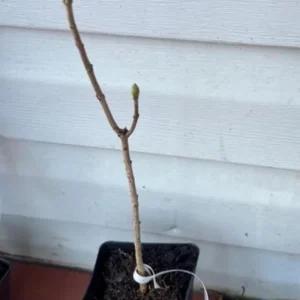
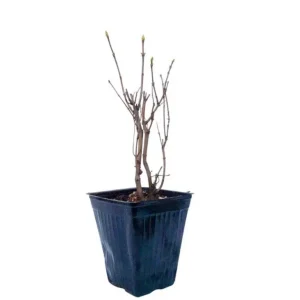
Double Blue Lilac Tree Live Plant – Fragrant Purple Lilac, 4 inch Pot, Outdoor
Original price was: $41.98.$20.99Current price is: $20.99.
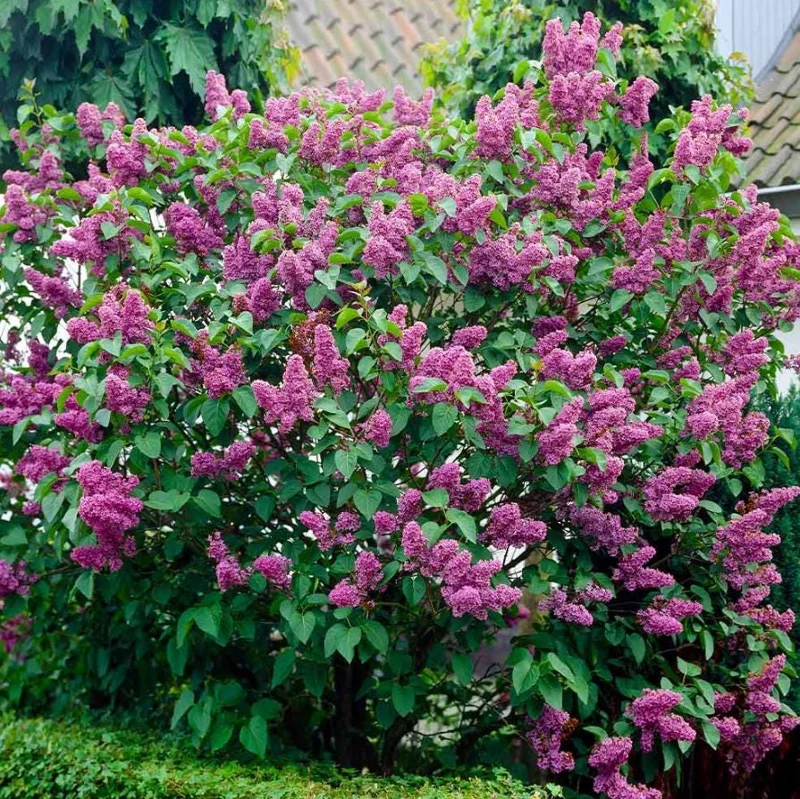
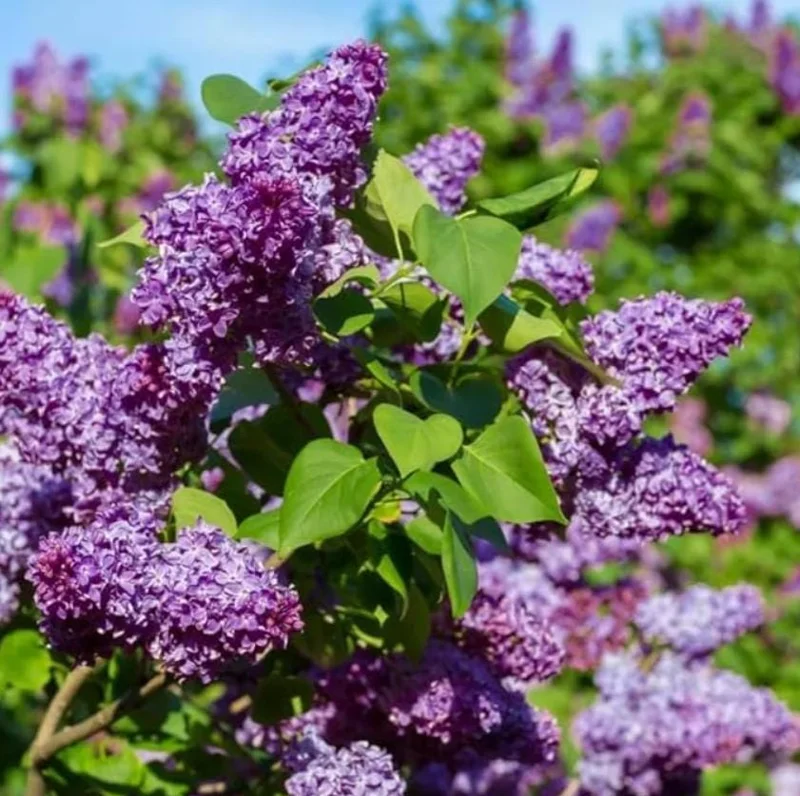
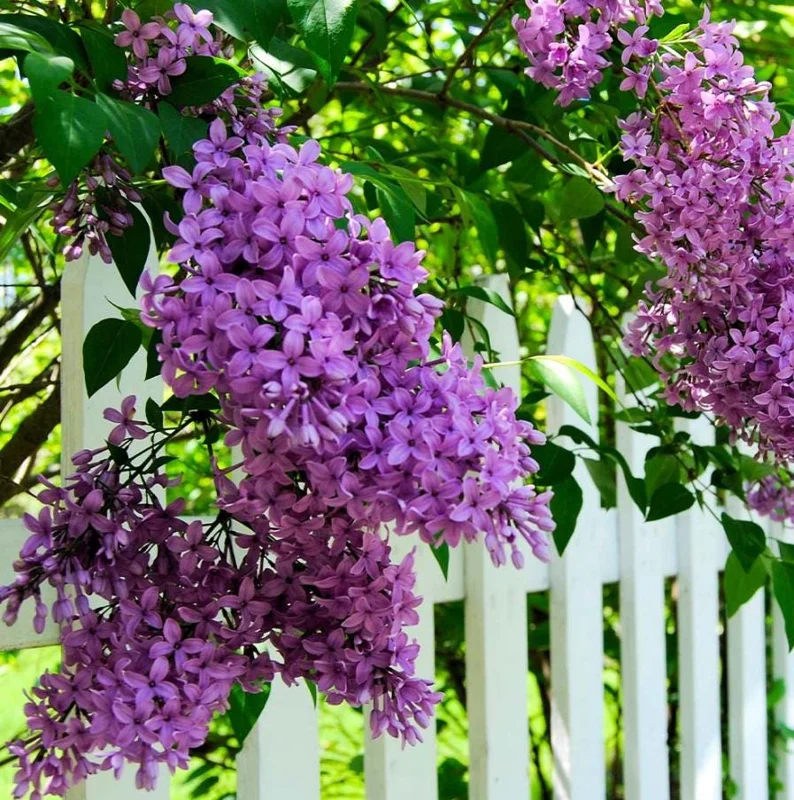
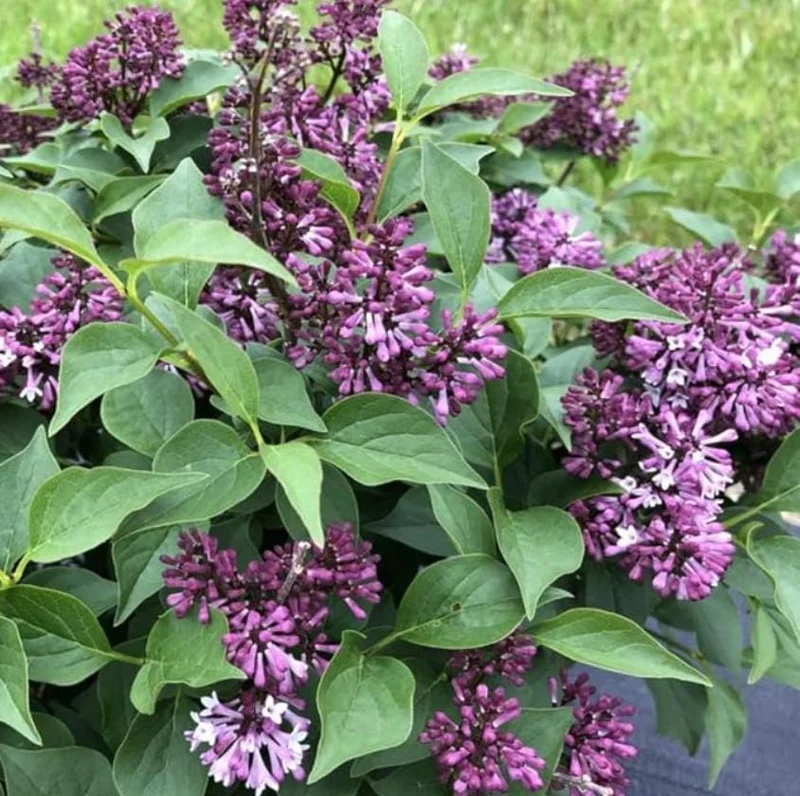
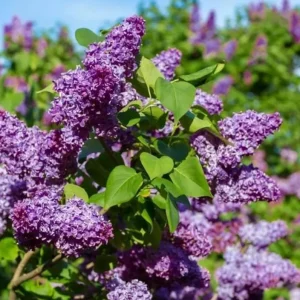
Bring classic fragrance and beauty to your landscape with the double blue lilac tree live plant. This cold-hardy, heirloom lilac bush produces stunning double blue blooms in May, offering year-round ornamental appeal and thriving in USDA Zones 3–7. Perfect for hedges, screens, or specimen planting.
Estimated arrival
Sep 17
Sep 22 - Sep 24
Sep 27 - Oct 01

Reasonable Price
We offer reasonable price

Support 24/7
Contact us 24 hrs a day

100% Money Back
You've 30 days to Return

Payment Secure
100% secure payment
Overview
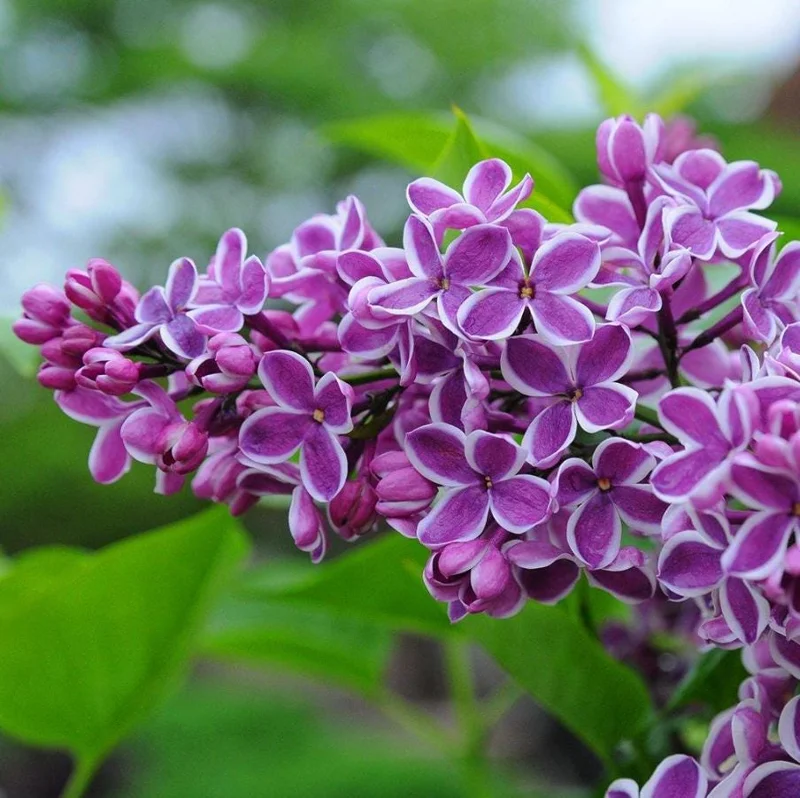
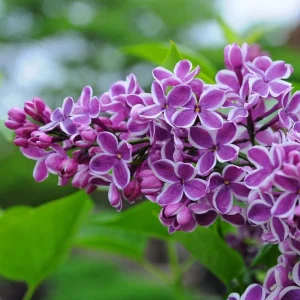
Introduce timeless elegance and enchanting fragrance to your garden with this exquisite double blue lilac tree live plant. Revered for its rich scent and stunning visual appeal, the Common Lilac (Syringa vulgaris) is a beloved heirloom flowering shrub that has graced gardens for generations. This particular variety, the Double Blue Lilac Tree, stands out with its exceptionally beautiful, profuse double blue blooms that emerge in a spectacular display each May. It’s a remarkably cold-hardy and long-lived plant, designed to thrive with minimal intervention, making it an ideal choice for gardeners of all experience levels. Whether you’re a seasoned horticulturist or just starting your green journey, this lilac offers a rewarding experience, transforming your outdoor space into a fragrant haven with its captivating presence.
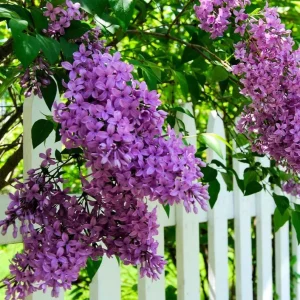
The purple lilac plant is more than just a flowering shrub; it’s a statement piece for any landscape. Reaching a mature height of up to 8 feet, it provides significant visual impact and can be used in a multitude of ways. Its versatility makes it perfect for creating elegant specimen plantings, establishing dense mass plantings, forming natural hedges that offer privacy and beauty, or serving as a vibrant screen. It also integrates beautifully into mixed shrub borders, adding texture, color, and, most importantly, its signature sweet fragrance. Hardy in USDA Zones 3–7, this lilac bush is a resilient performer, promising years of enjoyment and captivating beauty.
Key Benefits
The double blue lilac tree live plant offers a wealth of advantages, making it a highly desirable addition to any garden. Its combination of aesthetic appeal, hardiness, and ease of care ensures a rewarding gardening experience.
- Fragrant, Showy Flowers: Experience the joy of abundant, intensely fragrant double blue blooms each May. These stunning flowers fill your garden with a sweet scent and vibrant color, creating an enchanting atmosphere that attracts pollinators and delights the senses.
- Low Maintenance: This lilac variety is incredibly hardy and requires minimal care once established. It’s a resilient choice for those seeking beautiful results without extensive upkeep, making it perfect for busy gardeners.
- Versatile Landscaping Use: Its mature size and growth habit make it suitable for various landscape applications. Use it as a striking specimen plant, create beautiful and private hedges or screens, or incorporate it into mixed shrub borders for added dimension and seasonal interest.
- Cold Hardy: The heirloom lilac tree is exceptionally cold-hardy, thriving in USDA Zones 3–7. It can withstand harsh winters and cold climates, ensuring consistent performance year after year.
- Classic Appeal: As a beloved, old-fashioned variety, this lilac adds a touch of timeless charm and elegance to both traditional and modern garden landscapes, enhancing property value and curb appeal.
- Year-Round Ornamental Presence: Beyond its spectacular spring blooms, the plant maintains an attractive form and foliage throughout the growing season, providing continuous visual interest in your garden.
- Attracts Pollinators: The fragrant blooms are a magnet for bees, butterflies, and other beneficial pollinators, contributing to a healthy and vibrant ecosystem in your backyard.
Plant Care & Growing Tips
Caring for your double blue lilac tree live plant is straightforward, ensuring a healthy and vibrant shrub for years to come. For optimal blooming and growth, select a location that receives full sun, meaning at least 6 hours of direct sunlight per day. Lilacs are sun-loving plants, and insufficient light can lead to sparse flowering. Well-drained soil is crucial; lilacs do not tolerate soggy conditions, which can lead to root rot. If your soil is heavy clay, amend it with organic matter like compost to improve drainage.
When planting, dig a hole twice as wide as the root ball and just as deep. Place the plant so the top of the root ball is level with the soil surface. Backfill with soil, gently firming it around the roots to remove air pockets, then water thoroughly. During the establishment phase (the first year), water regularly to keep the soil consistently moist but not waterlogged. Once established, lilacs are quite drought-tolerant and will only need occasional watering during dry spells. Fertilize in early spring with a balanced slow-release fertilizer before new growth begins. Pruning is best done immediately after flowering in late spring or early summer to encourage new growth and more blooms for the following year. Avoid pruning in late summer or fall, as you may remove the flower buds for the next season. This attention to detail will ensure your outdoor lilac plant care yields beautiful results.
This fragrant lilac bush is hardy in USDA Zones 3–7. It can tolerate a wide range of temperatures but prefers climates with distinct seasons, including a cold winter dormancy period. Common problems are few, but watch out for powdery mildew in humid conditions; ensuring good air circulation can help prevent this. Pests are generally not a major issue for lilacs. With these simple care guidelines, your lilac will flourish, providing beautiful blooms and a delightful fragrance season after season. For those seeking a vibrant purple lilac plant, proper care is key to maximizing its splendor.
Size & Details
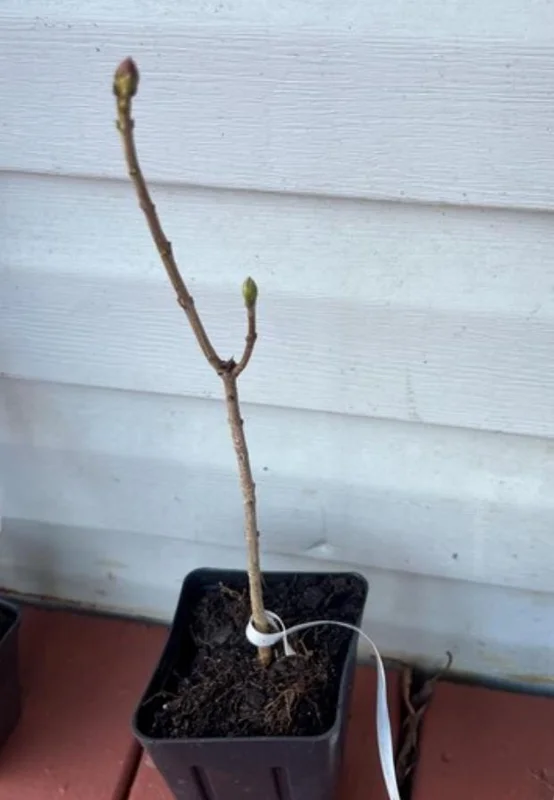
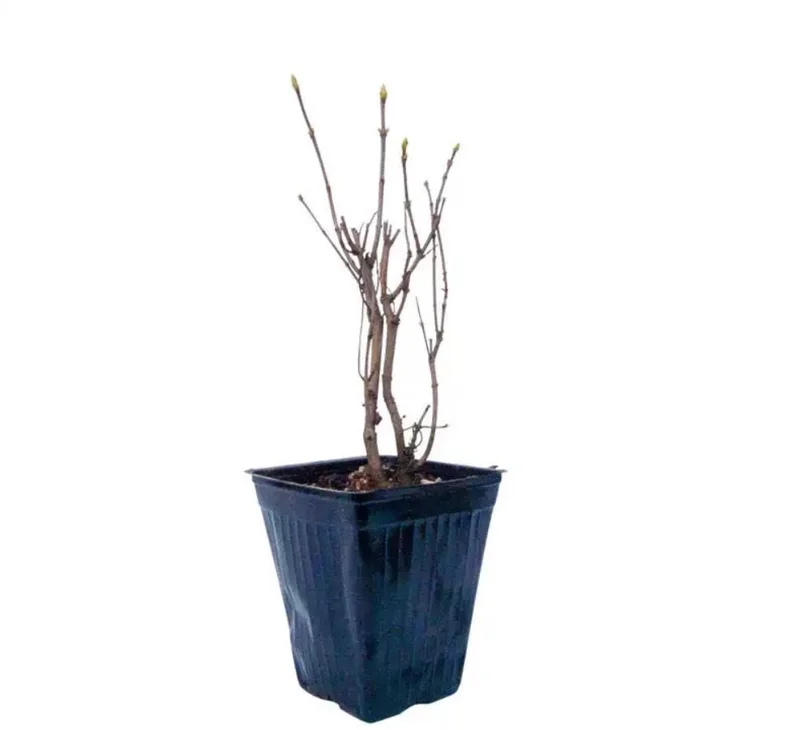
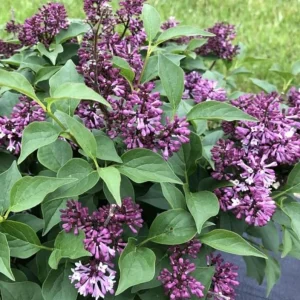
This double blue lilac tree live plant arrives ready to thrive, shipped in a 4-inch pot. At maturity, this vigorous flowering shrub can reach an impressive height of up to 8 feet, with a similar spread, creating a substantial and impactful presence in your garden. Its growth rate is moderate, allowing you to enjoy its development over time without it becoming unruly too quickly. The plant exhibits year-round ornamental appeal, with attractive foliage throughout the growing season and a deciduous nature in winter.
The spectacular double blue blooms typically appear in May, providing a vibrant burst of color and a delightful fragrance. This heirloom variety is known for its robust nature and long lifespan, promising many years of beauty and enjoyment. It is suitable for planting in spring, summer, or autumn, allowing flexibility for gardeners to establish this beautiful shrub when conditions are most favorable. This particular specimen is a Double Blue Lilac Tree, known for its distinct double-petaled flowers that enhance its visual richness.
Frequently Asked Questions
- Q: How big does this plant get? A: The double blue lilac tree live plant can reach a mature height of up to 8 feet with a similar spread, creating a significant presence in your garden. Its size makes it ideal for hedges, screens, or as a focal point.
- Q: What size pot does it come in? A: This live plant is shipped to you in a convenient 4-inch nursery pot, ready for planting upon arrival.
- Q: Is this an indoor or outdoor plant? A: This is primarily an outdoor lilac plant care specimen, thriving best in garden settings where it can receive full sun and experience seasonal changes. While it can be briefly brought indoors for display, it requires outdoor conditions for long-term health and blooming.
- Q: How much sunlight does it need? A: For the best blooming results, this lilac requires full sun exposure, meaning at least 6 hours of direct sunlight per day. Insufficient light can reduce flower production.
- Q: Is this plant easy to care for? A: Yes, this fragrant lilac bush is known for being extremely hardy and low maintenance once established. It’s an excellent choice for both beginner and experienced gardeners looking for beautiful results with minimal effort.
- Q: What condition will it arrive in? A: Your purple lilac plant will arrive as a live, healthy plant in a 4-inch pot, carefully packaged to ensure its safe journey. It will be shipped in soil, ready for you to plant.
- Q: How long until it blooms? A: Lilacs typically bloom in May. Depending on when you plant it and its current stage of development, you can expect blooms in the next blooming season after establishment.
- Q: When is the best time to plant? A: This lilac can be planted in spring, summer, or autumn. Spring and early autumn are generally ideal, allowing the plant sufficient time to establish its root system before extreme weather.
- Q: Will it survive winter in my zone? A: Yes, this lilac is cold-hardy and thrives in USDA Zones 3–7, meaning it can withstand harsh winter temperatures within these zones.
- Q: What’s the minimum temperature it can tolerate? A: Being hardy in USDA Zone 3, it can tolerate temperatures as low as -40°F (-40°C) when established.
Be the first to review “Double Blue Lilac Tree Live Plant – Fragrant Purple Lilac, 4 inch Pot, Outdoor”
-
USDA Hardiness Zone
3–7 -
Soil Type
Well-drained soil -
Sunlight Exposure
Full sun -
Expected Planting Period
Spring, Summer, Autumn
People Also Viewd
Sold 134 products
Original price was: $3,536.00.$23.99Current price is: $23.99.
Sold 131 products
Original price was: $89.99.$64.99Current price is: $64.99.
Sold 131 products
Original price was: $27.00.$24.00Current price is: $24.00.

Sold 125 products
Original price was: $86.99.$66.99Current price is: $66.99.
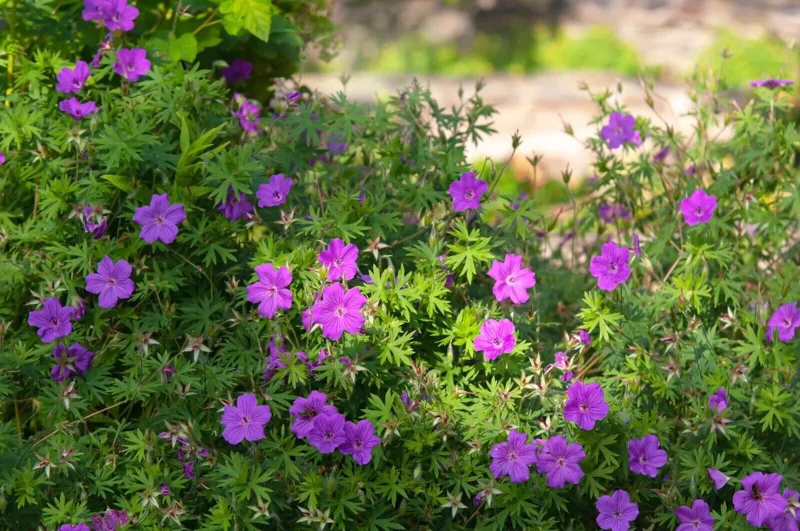
Flower Bulbs
3 Cranesbill Wild Geranium Organic Maculatums Bare Roots | Wildflower for Outdoor Garden
Sold 116 products
Original price was: $21.99.$9.99Current price is: $9.99.
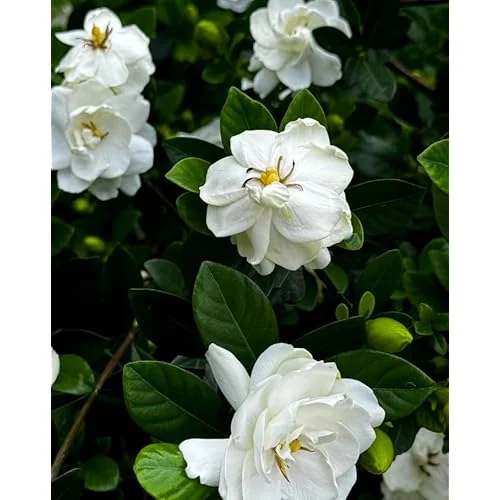
Sold 114 products
Original price was: $28.99.$17.99Current price is: $17.99.
Sold 110 products
Original price was: $63.99.$28.99Current price is: $28.99.
Sold 108 products
Original price was: $28.99.$17.99Current price is: $17.99.RELATED posts
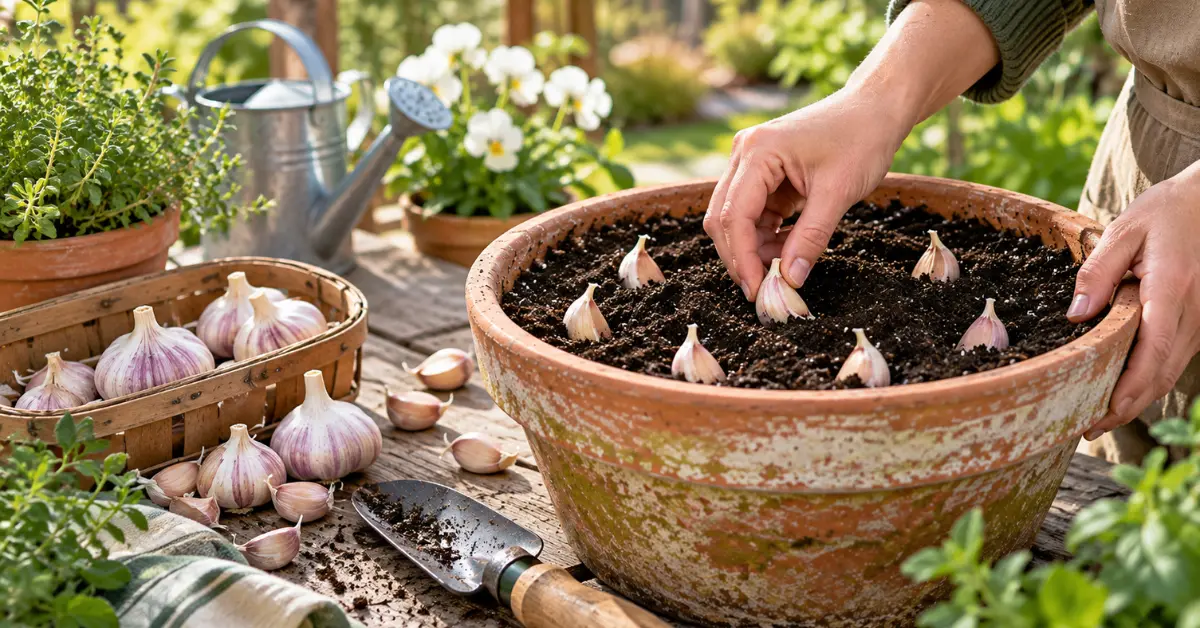
Growing Garlic in Containers This Fall: A Complete Guide for Beginners
If you’ve ever wanted to pop fresh, aromatic garlic cloves straight from your own patio [...]
Sep
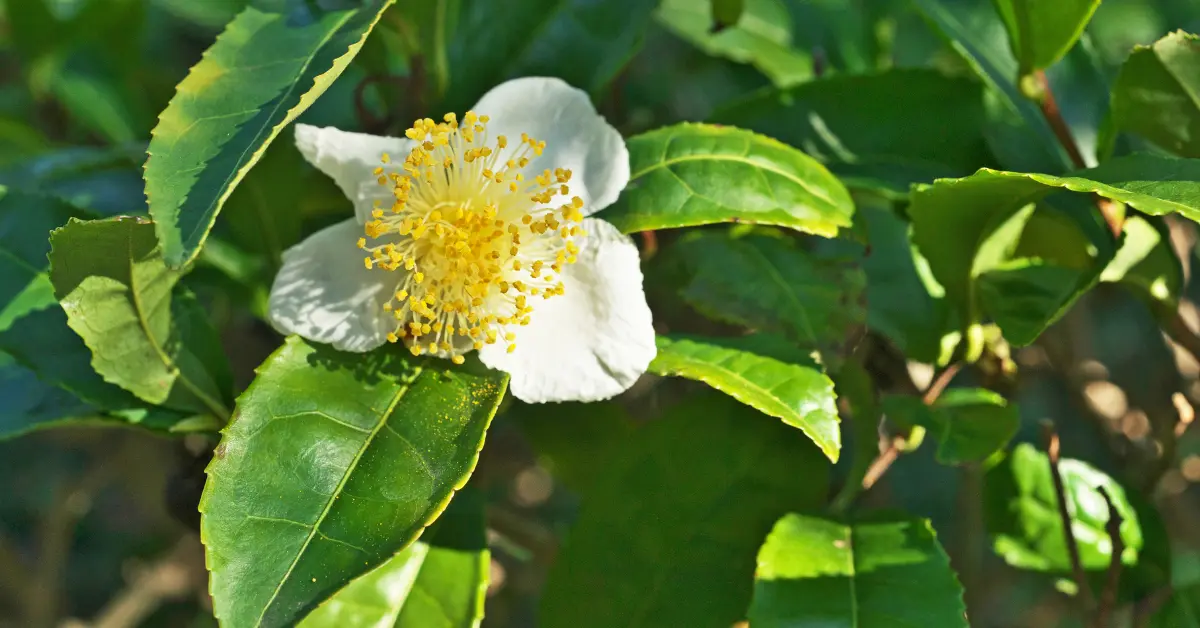
Growing Camellia Sinensis (Tea Plants) in Containers: A Complete Guide for Beginners
If you’ve ever wanted to sip a steaming, homegrown cup of fresh green, black, or [...]
Aug
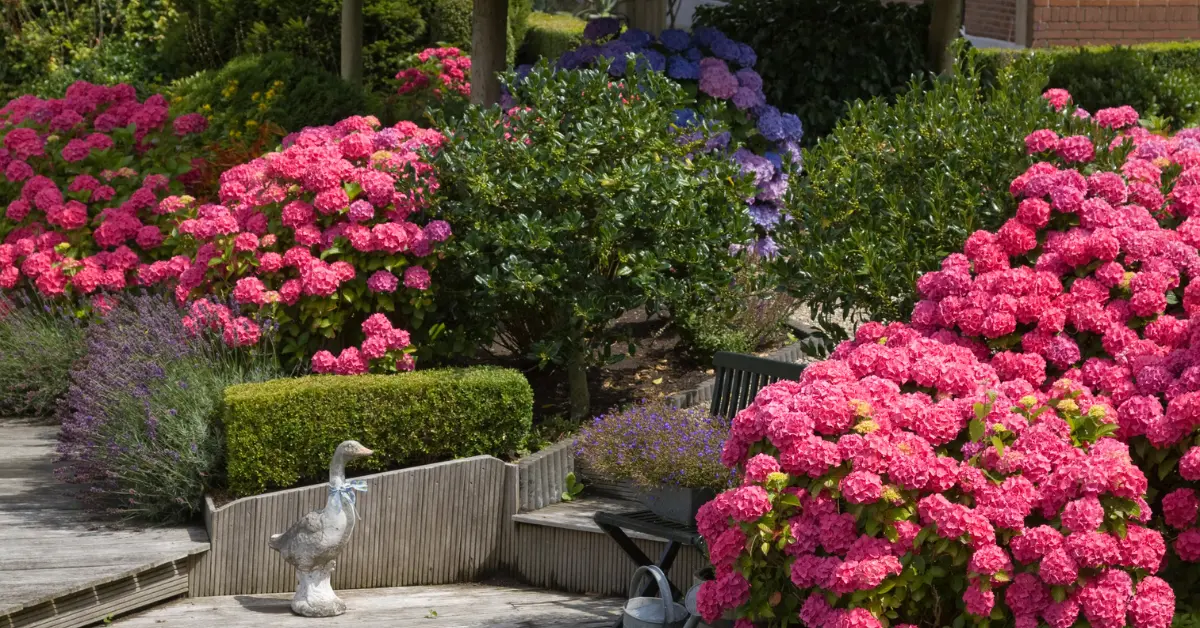
6 Best Shrubs to Plant in August You Must Try
Have you ever walked through a nursery late in the summer, admired the vibrant shrubs [...]
Aug
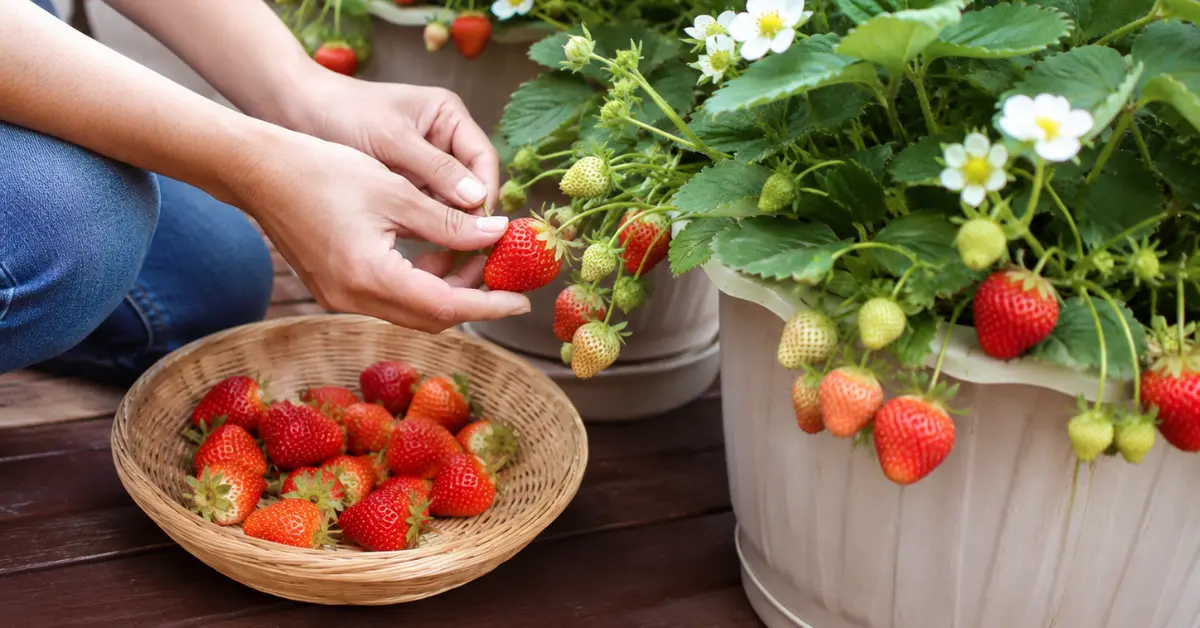
Growing Everbearing Strawberries in Containers: A Complete Guide for Beginners
Want to grow sweet, fresh strawberries but do not have a large garden? Everbearing strawberries [...]
Aug
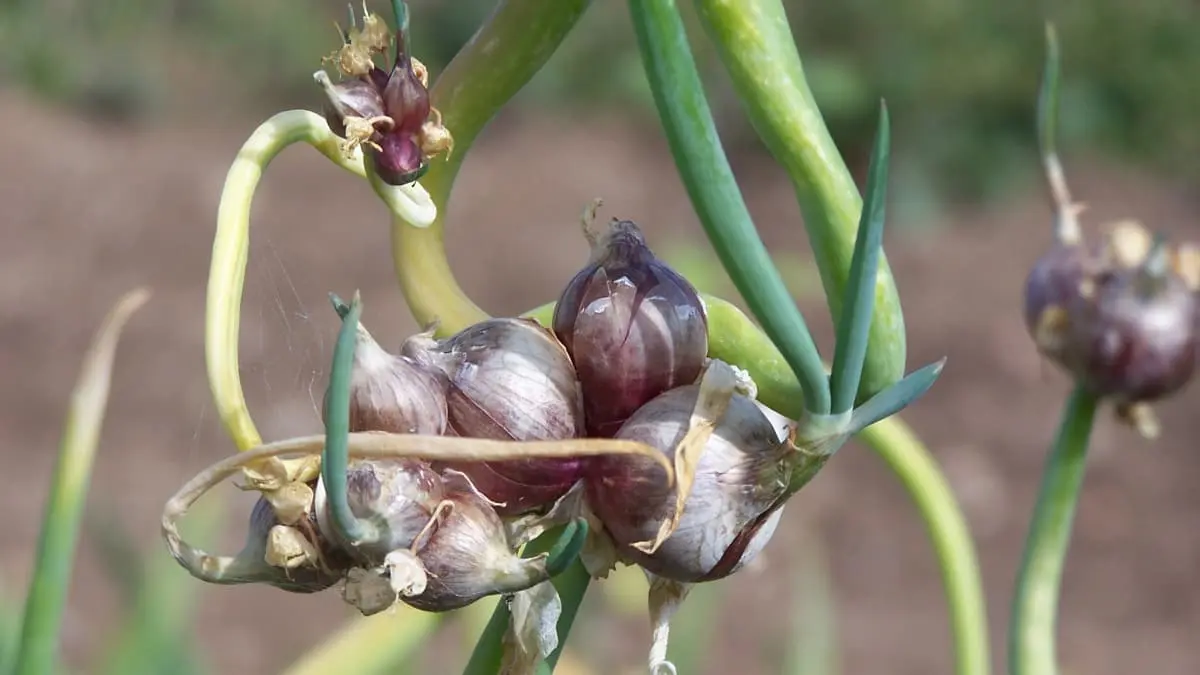
Growing Egyptian Walking Onions in Containers: A Complete Guide for Beginners
If you’re looking for a hardy, no-fuss perennial onion that keeps on giving year after [...]
Jul
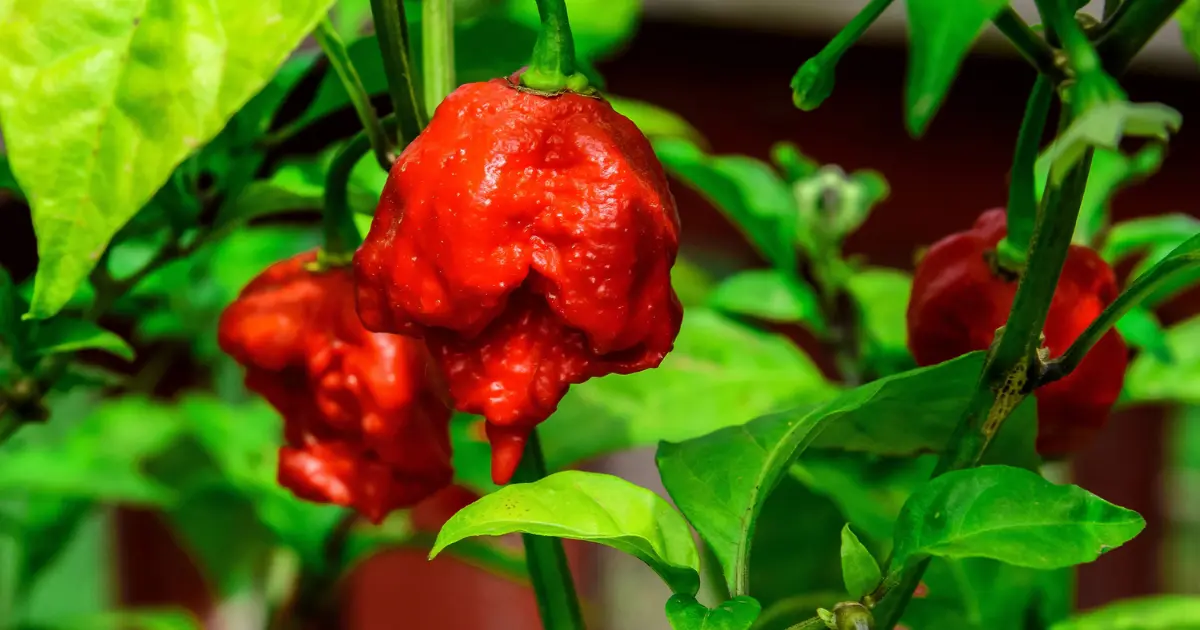
Growing Carolina Reaper Peppers in Pots: A Complete Guide for Beginners
If you’ve ever wanted to add some serious, record-breaking heat to your home cooking, you’ve [...]
May
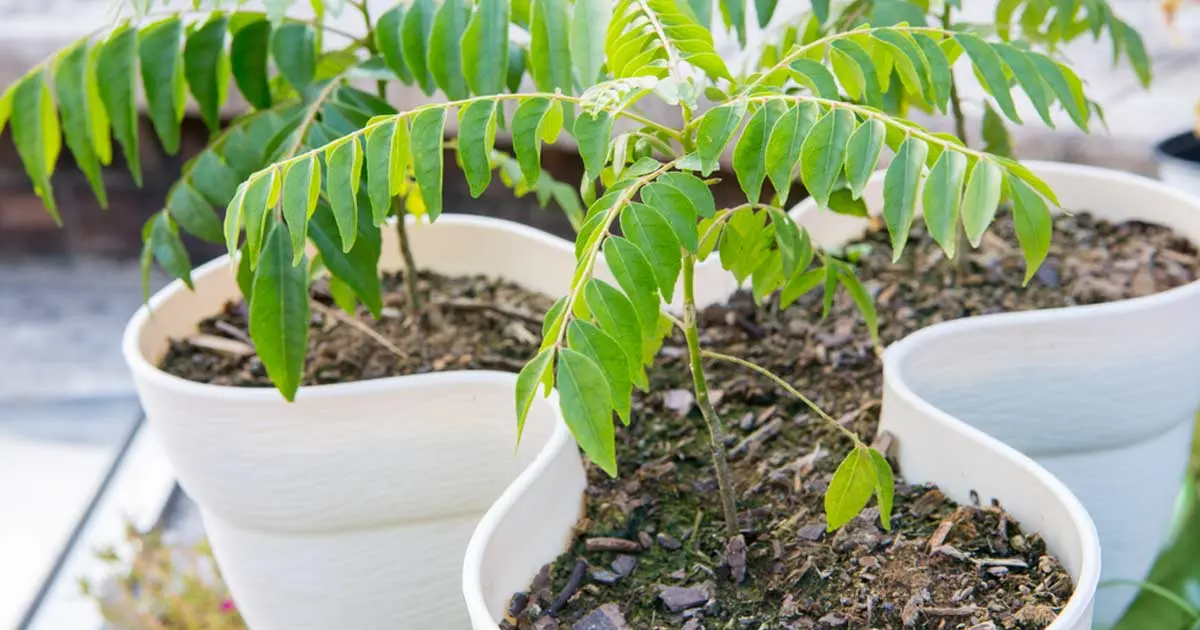
Growing Curry Leaf Plant in Pots: A Complete Guide for Beginners
If you’re a fan of authentic South Asian cuisine, you already know that nothing compares [...]
May
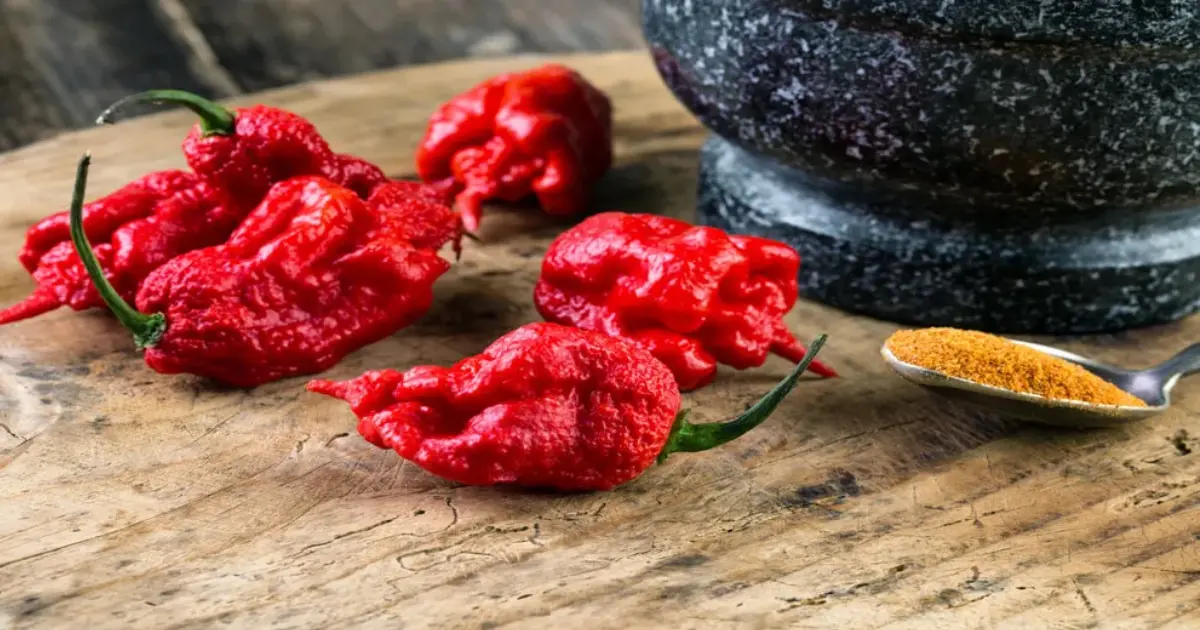
5 Tips for Growing Carolina Reaper Peppers to Get the Spiciest Harvest Ever
Holding the record for one of the world’s hottest peppers, the Reaper isn’t just a [...]
May
Reviews
There are no reviews yet.