
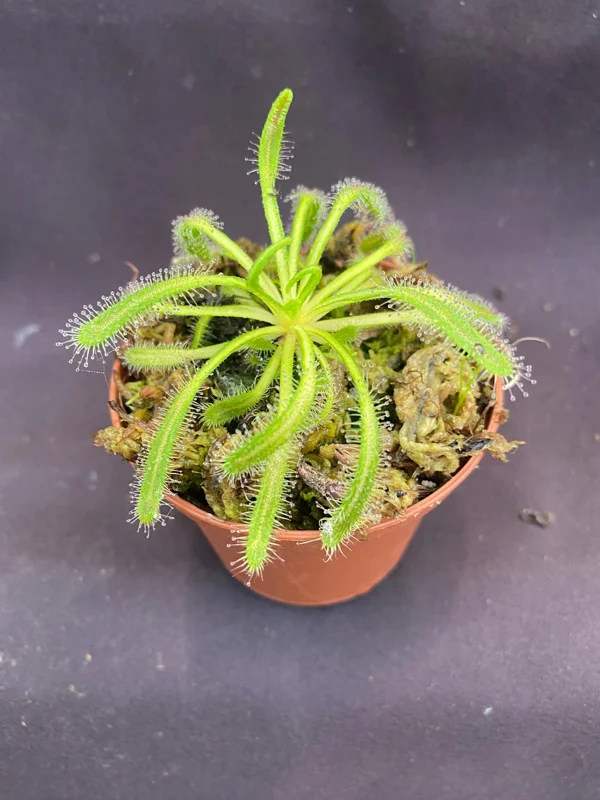
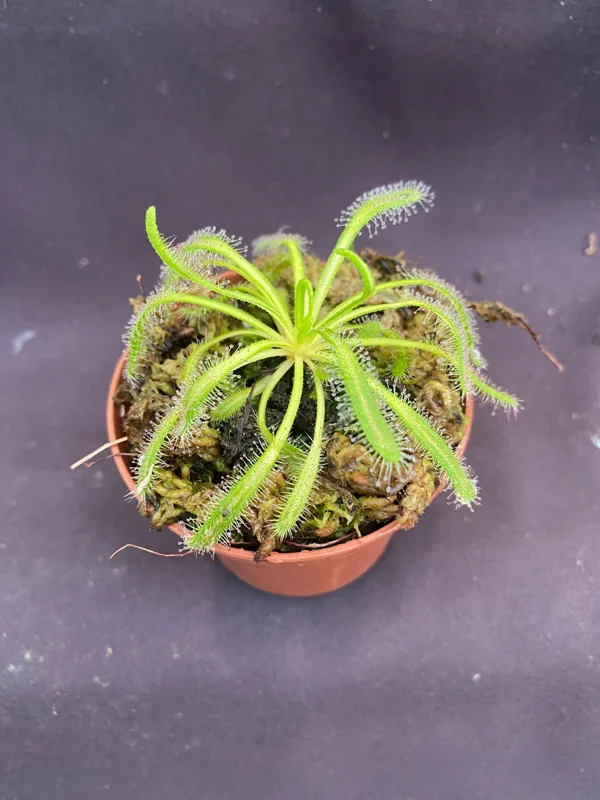
Drosera capensis ‘Merry Go Round’ Live Carnivorous Plant – 2.5″ Pot
Original price was: $59.80.$29.99Current price is: $29.99.
Bring home a captivating Drosera capensis ‘Merry Go Round’ live plant, a unique carnivorous sundew known for its vibrant, dewy tentacles that trap insects. Shipped rooted in a 2.5 inch pot, this active insectivore is a fascinating addition to any indoor plant collection and ideal for beginners.
Estimated arrival
Oct 05
Oct 10 - Oct 12
Oct 15 - Oct 19

Reasonable Price
We offer reasonable price

Support 24/7
Contact us 24 hrs a day

100% Money Back
You've 30 days to Return

Payment Secure
100% secure payment
Overview
Welcome to the intriguing world of carnivorous plants with the extraordinary Drosera capensis ‘Merry Go Round’ live plant. This captivating cultivar of the Cape Sundew (Drosera capensis) is celebrated for its unique growth habit, forming a compact, spiral rosette of leaves that resemble a tiny ‘merry go round’. Each leaf is adorned with numerous glistening, dew-tipped tentacles that are not only beautiful but also highly effective at attracting, trapping, and digesting small insects. As a sundew carnivorous plant care enthusiast or a curious beginner, you’ll find this variety both stunning and relatively easy to cultivate. It’s a fantastic natural pest controller, adding an exotic touch to your home or office. This particular specimen arrives as a rooted plant, ready to thrive in its new environment, promising a mesmerizing display of nature’s ingenuity.
The Drosera capensis ‘Merry Go Round’ live plant is a true marvel, originating from South Africa. Unlike some carnivorous plants that require complex setups, this Cape Sundew cultivar adapts well to typical home environments when provided with the right conditions. Its active trapping mechanism is a constant source of fascination, making it an excellent educational tool for children and adults alike. Prepare to be enchanted by the delicate beauty and efficient hunting prowess of this remarkable plant, a testament to the diversity of the plant kingdom. It’s an ideal choice for anyone looking to add an unusual and conversation-starting plant to their collection.
Key Benefits
The Drosera capensis ‘Merry Go Round’ live plant offers a range of unique benefits, making it more than just a decorative addition. Its practical advantages combined with its aesthetic appeal create a truly rewarding plant ownership experience.
- Natural Insect Control: This sundew carnivorous plant care specimen is a highly effective natural insect trap. Its sticky tentacles capture gnats, fruit flies, and other small household pests, helping to keep your home bug-free without the need for chemical sprays.
- Exotic Aesthetic Appeal: With its vibrant green and red hues, and the sparkling ‘dew’ on its tentacles, the ‘Merry Go Round’ cultivar adds a unique and exotic visual element to any indoor plant display. It’s a living piece of art.
- Educational Value: Observing the plant’s trapping and digestion process provides a fascinating insight into the natural world, making it a great educational tool for families and curious minds.
- Relatively Easy Care: Compared to many other carnivorous plants, the cape sundew plant is known for its forgiving nature, making it an excellent choice for beginners eager to explore the world of insectivorous flora.
- Compact & Space-Saving: Its ‘Merry Go Round’ rosette growth habit keeps it relatively compact, making it suitable for windowsills, desks, or terrariums without taking up excessive space.
- Conversation Starter: Its unusual nature and active insect-eating habits are sure to spark curiosity and conversation among guests and visitors.
- Unique Plant Collection Addition: For experienced collectors, this specific cultivar offers a distinct form and adds diversity to a collection of carnivorous plant for sale options.
Plant Care & Growing Tips
Caring for your Drosera capensis ‘Merry Go Round’ live plant is straightforward once you understand its specific needs, which are quite distinct from typical houseplants. The key to successful cultivation lies in providing consistent humidity, proper water, and adequate light. For optimal growth and to ensure the plant produces its characteristic sticky ‘dew’, it requires bright, indirect light for at least 6-8 hours a day. A south-facing window with a sheer curtain, or a spot under a grow light, is ideal. Avoid direct, intense afternoon sun which can scorch its delicate leaves, but ensure it’s not in deep shade, as this will lead to a lack of ‘dew’ and reduced vigor.
Watering is perhaps the most critical aspect of sundew carnivorous plant care. Always use distilled water, deionized water, or rainwater. Tap water, even filtered tap water, contains minerals that will eventually poison the plant. The ‘tray method’ is highly recommended: place the pot in a shallow tray filled with about an inch of water, allowing the plant to wick up moisture as needed. Never let the pot dry out, as sundews prefer consistently moist to wet conditions. Humidity is also important; while the ‘Merry Go Round’ is more tolerant than some other carnivorous plants, maintaining humidity above 50% will encourage robust growth and dew production. Consider placing it near a humidifier or grouping it with other plants.
For soil, never use standard potting mix. Cape sundew plant thrives in a nutrient-poor, acidic substrate. A common mix is a 1:1 ratio of sphagnum peat moss (ensure it’s pure peat, not enriched with fertilizers) and perlite or horticultural sand. Repotting is generally needed every 1-2 years to refresh the soil and can be done in spring. Fertilization is unnecessary and harmful; the plant gets all its required nutrients from the insects it catches. If it’s not catching enough insects, you can occasionally offer small, dead insects like dried bloodworms with tweezers. Maintain temperatures between 60-85°F (15-30°C) during the growing season. While Drosera capensis can tolerate mild dormancy, the ‘Merry Go Round’ cultivar often grows year-round indoors. Watch out for common pests like aphids or spider mites, which can be treated with insecticidal soap diluted for carnivorous plants, or by gently wiping them off.
Size & Details
This Drosera capensis ‘Merry Go Round’ live plant is shipped as a well-rooted specimen in a 2.5 inch pot, providing a healthy foundation for continued growth in your home. At the time of shipment, the plant typically measures approximately 1-2 inches in diameter, with a compact, spiral rosette form that is characteristic of this unique cultivar. Its growth rate is moderate, and with proper care, it will gradually expand its rosette and produce more of its captivating dewy leaves. While individual plant dimensions may vary slightly, you can expect a robust and vibrant plant ready to settle into its new environment.
The ‘Merry Go Round’ sundew is known for its relatively compact size, making it an ideal candidate for windowsills, terrariums, or small display areas. It typically reaches a mature diameter of about 3-4 inches, though some specimens may grow slightly larger under optimal conditions. It will arrive carefully packaged to ensure its safety during transit, with its roots securely nestled in appropriate carnivorous plant soil. Expect to see new leaves and active dew production as it acclimates to your home, offering a continuous display of its fascinating insect-trapping abilities. This exotic insect-eating plant is a delightful addition that will provide years of enjoyment.
Frequently Asked Questions
- Q: How big does this plant get? A: The Drosera capensis ‘Merry Go Round’ live plant typically grows to a diameter of about 3-4 inches when mature, forming a compact, spiral rosette. It remains a relatively small plant, perfect for tabletops or terrariums.
- Q: What size pot does it come in? A: This sundew is shipped already rooted in a 2.5 inch pot, providing a stable and ready-to-grow base for your new carnivorous plant. We recommend keeping it in this pot for a few months before considering an upgrade.
- Q: Is this an indoor or outdoor plant? A: While Cape Sundews can grow outdoors in suitable climates (USDA zones 9-11), the ‘Merry Go Round’ cultivar is most commonly grown and thrives as an indoor plant, especially in controlled environments like terrariums. It’s an excellent carnivorous plant for sale designed for indoor enjoyment.
- Q: How much sunlight does it need? A: This sundew requires bright, indirect light for at least 6-8 hours daily. A sunny windowsill (east or west-facing, or south-facing with a sheer curtain) or dedicated grow lights are ideal to ensure good dew production.
- Q: Is this plant easy to care for? Is it good for beginners? A: Yes, the Drosera capensis ‘Merry Go Round’ live plant is considered one of the easiest carnivorous plants to care for, making it an excellent choice for beginners interested in sundew carnivorous plant care. The main requirements are distilled water and bright light.
- Q: What condition will it arrive in? Is it shipped in soil? A: Your plant will arrive carefully packaged, healthy, and rooted in its appropriate carnivorous plant soil within the 2.5 inch pot. We take great care to ensure it reaches you in excellent condition, ready for display.
- Q: How often should I water my Cape Sundew? A: The ‘tray method’ is best: keep the pot sitting in a tray with about 1 inch of distilled or rainwater at all times. Never let the soil dry out completely.
- Q: Does it really eat bugs? A: Yes, this exotic insect-eating plant actively traps and digests small insects like gnats and fruit flies using the sticky ‘dew’ on its tentacles. It’s a fascinating natural pest controller.
- Q: What kind of soil does it need? A: It requires a nutrient-poor, acidic mix, typically a blend of sphagnum peat moss and perlite or horticultural sand. Never use standard potting soil as it contains harmful minerals.
- Q: Can I fertilize my Drosera? A: No, you should never fertilize carnivorous plants through their roots. They obtain all necessary nutrients from the insects they catch. Fertilizers can quickly kill them.
Be the first to review “Drosera capensis ‘Merry Go Round’ Live Carnivorous Plant – 2.5″ Pot”
-
USDA Hardiness Zone
USDA zones 9–11 (outdoors), typically grown indoors -
Soil Type
Sphagnum peat moss and perlite/horticultural sand mix -
Sunlight Exposure
Bright indirect light -
Expected Planting Period
Year-round indoors
People Also Viewd


Sold 134 products
Original price was: $3,536.00.$23.99Current price is: $23.99.

Sold 132 products
Original price was: $27.00.$24.00Current price is: $24.00.

Sold 132 products
Original price was: $89.99.$64.99Current price is: $64.99.

Sold 125 products
Original price was: $86.99.$66.99Current price is: $66.99.

Flower Bulbs
3 Cranesbill Wild Geranium Organic Maculatums Bare Roots | Wildflower for Outdoor Garden
Sold 116 products
Original price was: $21.99.$9.99Current price is: $9.99.

Sold 114 products
Original price was: $28.99.$17.99Current price is: $17.99.
Sold 110 products
Original price was: $63.99.$28.99Current price is: $28.99.
Sold 108 products
Original price was: $28.99.$17.99Current price is: $17.99.RELATED posts
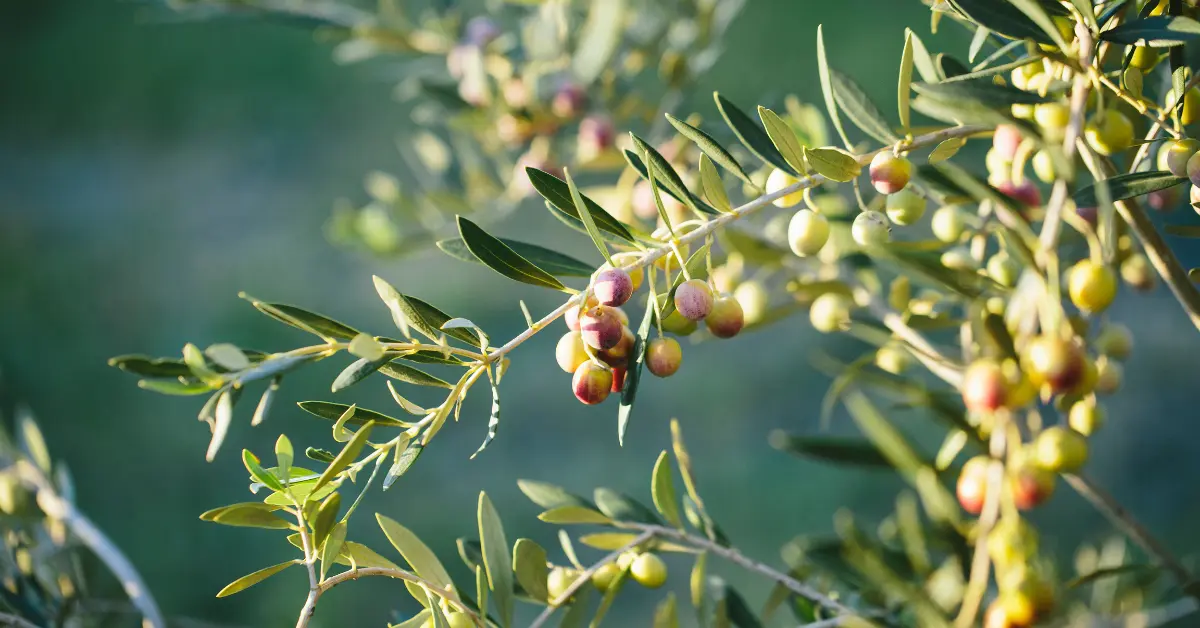
How to Grow Arbequina Olive Trees: The Ultimate Guide to Your Own Olive Grove
Arbequina Olive Tree (Olea europaea ‘Arbequina’) – the ultimate Mediterranean plant that brings a touch [...]
Oct
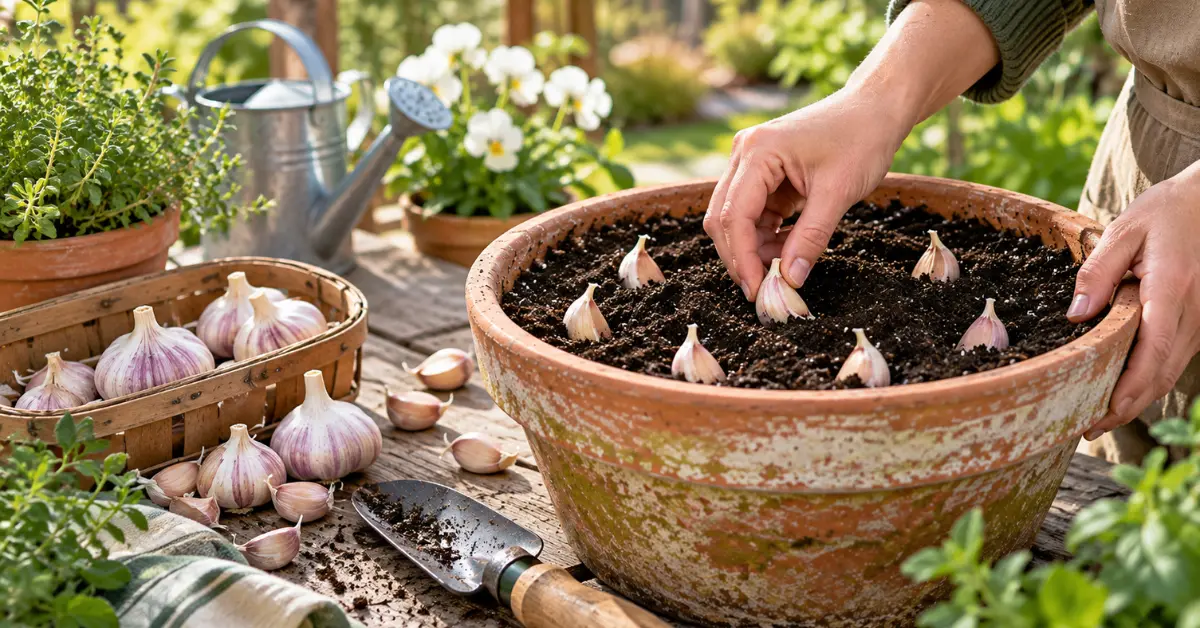
Growing Garlic in Containers This Fall: A Complete Guide for Beginners
If you’ve ever wanted to pop fresh, aromatic garlic cloves straight from your own patio [...]
Sep
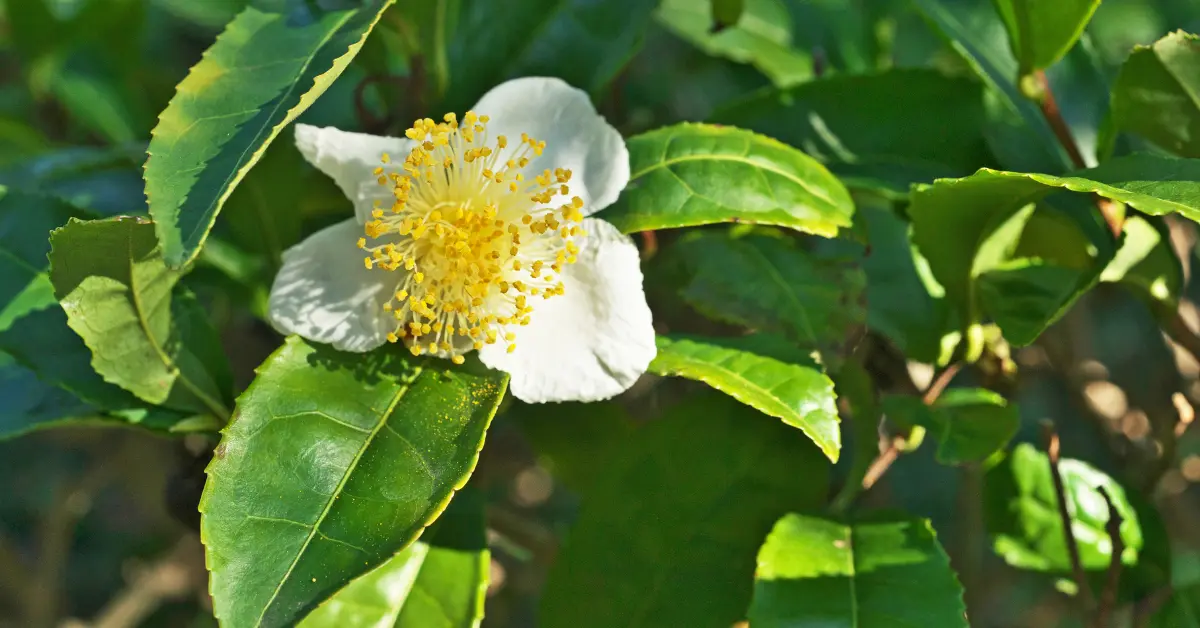
Growing Camellia Sinensis (Tea Plants) in Containers: A Complete Guide for Beginners
If you’ve ever wanted to sip a steaming, homegrown cup of fresh green, black, or [...]
Aug

6 Best Shrubs to Plant in August You Must Try
Have you ever walked through a nursery late in the summer, admired the vibrant shrubs [...]
Aug

Growing Everbearing Strawberries in Containers: A Complete Guide for Beginners
Want to grow sweet, fresh strawberries but do not have a large garden? Everbearing strawberries [...]
Aug
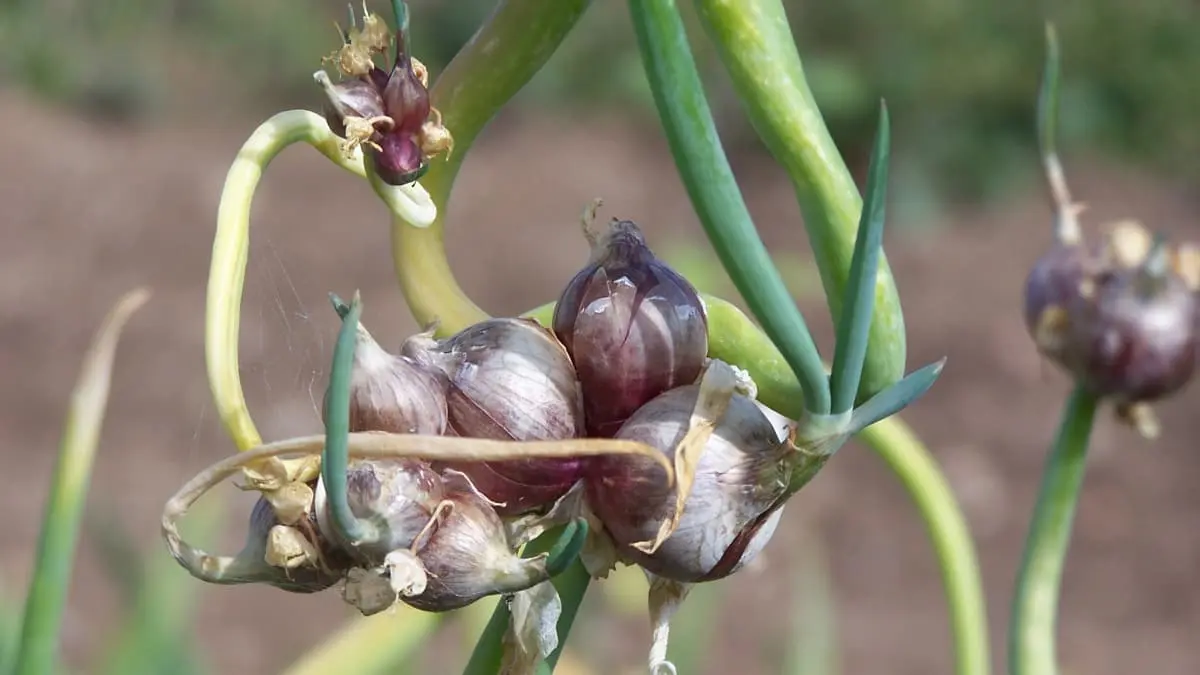
Growing Egyptian Walking Onions in Containers: A Complete Guide for Beginners
If you’re looking for a hardy, no-fuss perennial onion that keeps on giving year after [...]
Jul
Growing Carolina Reaper Peppers in Pots: A Complete Guide for Beginners
If you’ve ever wanted to add some serious, record-breaking heat to your home cooking, you’ve [...]
May
Growing Curry Leaf Plant in Pots: A Complete Guide for Beginners
If you’re a fan of authentic South Asian cuisine, you already know that nothing compares [...]
May

Reviews
There are no reviews yet.