
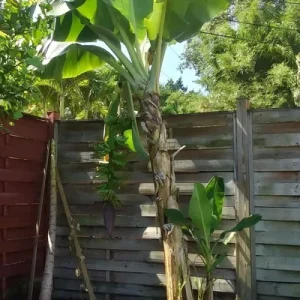
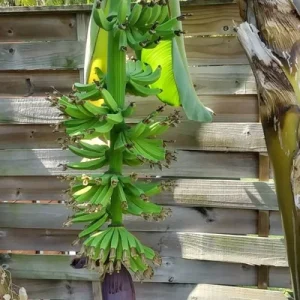
Dwarf Cavendish Banana Tree – Live Plant – Indoor/Outdoor – Fruit Bearing
Original price was: $55.98.$27.99Current price is: $27.99.
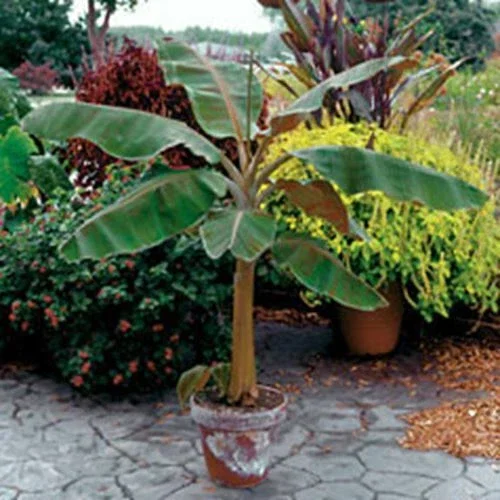
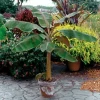
Bring a taste of the tropics to your home with the dwarf Cavendish banana tree. This compact, fruiting live banana plant is ideal for containers, thriving both indoors and outdoors in warm climates. Enjoy fresh, sweet bananas right from your own garden or patio.
Estimated arrival
Oct 05
Oct 10 - Oct 12
Oct 15 - Oct 19

Reasonable Price
We offer reasonable price

Support 24/7
Contact us 24 hrs a day

100% Money Back
You've 30 days to Return

Payment Secure
100% secure payment
Overview
Introduce a touch of the tropics to your home or garden with the magnificent dwarf Cavendish banana tree. This popular and well-loved variety, scientifically known as Musa acuminata Colla ‘Dwarf Cavendish’, is renowned for its manageable size and delicious, sweet fruit. Unlike its larger relatives, the dwarf Cavendish banana tree is perfectly suited for container growing, making it an excellent choice for patios, balconies, or even as a striking indoor banana tree. It’s a true live plant that brings both ornamental beauty and edible rewards to your space. Cultivating your own bananas can be a deeply satisfying experience, and this particular cultivar is celebrated for its relatively quick fruiting cycle and robust nature, offering a rewarding journey for gardeners of all skill levels.
The ‘Dwarf Cavendish’ is a naturally occurring mutation that emerged in China, becoming one of the most commercially important banana varieties globally. Its compact growth habit means it typically reaches a height of 6-10 feet, significantly smaller than standard banana trees, yet it still produces full-sized, sweet bananas. This makes it an accessible option for those with limited space but a desire to grow their own tropical produce. Whether you’re an experienced horticulturist or a budding enthusiast, this live banana plant offers a unique and gratifying opportunity to cultivate a exotic fruit right at home.
Key Benefits
The dwarf Cavendish banana tree offers a multitude of benefits, making it an excellent addition to any home or garden. Its unique characteristics provide both aesthetic appeal and practical advantages for the enthusiastic gardener.
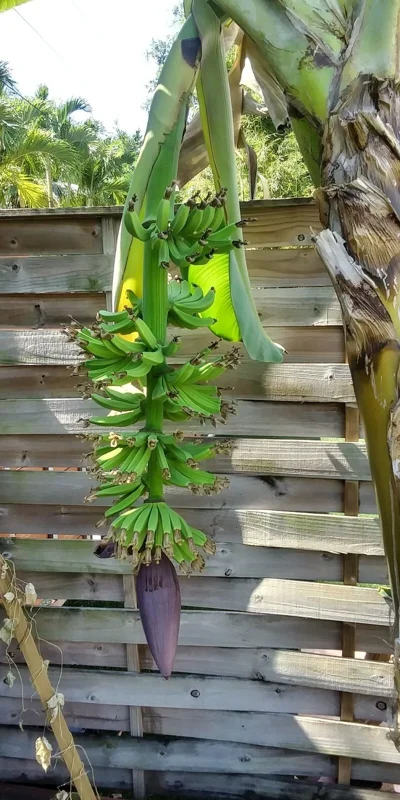
- Homegrown Delicious Fruit: Enjoy the unparalleled taste of fresh, sweet bananas picked directly from your own dwarf Cavendish banana tree. The flavor of homegrown produce is often superior to store-bought, providing a truly rewarding culinary experience.
- Compact Size for Versatility: Unlike larger banana varieties, this tree’s manageable height makes it suitable for container gardening. This allows it to thrive on patios, in greenhouses, or as an indoor banana tree, fitting into smaller spaces without sacrificing fruit production.
- Ornamental Tropical Appeal: With its large, lush green leaves, the dwarf Cavendish banana tree adds a vibrant, tropical aesthetic to any environment. It creates an instant focal point and transforms your space into a mini-paradise, even before it starts bearing fruit.
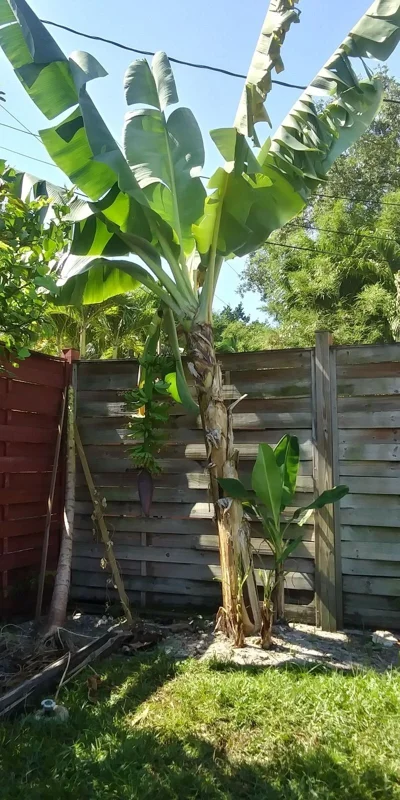
- Relatively Fast Fruiting: Under optimal conditions, you can expect this live banana plant to begin producing fruit within 1-2 years of planting. This relatively quick turnaround makes the cultivation process exciting and keeps gardeners engaged.
- Air Purification Qualities: Like many large-leafed plants, the banana tree contributes to improving air quality by absorbing carbon dioxide and releasing oxygen, adding to a healthier living environment.
- Educational Experience: Growing a fruit bearing plant like the Dwarf Cavendish provides a fantastic educational opportunity for families, allowing children to learn about plant life cycles, cultivation, and where their food comes from.
- Unique Gift Idea: A dwarf Cavendish banana tree makes a thoughtful and unique gift for plant lovers, gardeners, or anyone who appreciates exotic flora and the joy of homegrown food.
Plant Care & Growing Tips
Caring for your dwarf Cavendish banana tree requires attention to several key factors to ensure healthy growth and bountiful fruit production. As a tropical plant, it thrives in warm, humid conditions and requires consistent care to flourish, especially when grown as an indoor banana tree.
Sunlight Requirements: This live banana plant absolutely loves sunlight. It requires at least 6-8 hours of direct, full sun per day to produce fruit. If growing indoors, place it in the brightest south-facing window possible. Consider supplemental grow lights during darker winter months to ensure it receives adequate light. Outdoors, choose a location that gets morning sun and some afternoon shade in extremely hot climates to prevent leaf scorch, though full sun is generally preferred.
Watering Schedule and Soil Moisture: Banana trees are thirsty plants. They need consistent and ample watering, especially during warm weather and when actively growing. The soil should be kept consistently moist but never waterlogged. Allow the top inch or two of soil to dry out slightly between waterings. Reduce watering substantially during cooler months or if the plant’s growth slows. Ensure good drainage to prevent root rot, which is a common issue for overwatered banana plants. When growing your dwarf Cavendish banana tree in a container, check the soil moisture frequently, as potted plants dry out faster.
Soil Type and Drainage: A rich, well-draining potting mix is crucial for your dwarf Cavendish banana tree. A good blend might include compost, perlite, and sand to provide both nutrients and excellent drainage. For outdoor planting, amend heavy clay soils with organic matter to improve drainage. The ideal pH for banana trees is slightly acidic to neutral, between 6.0 and 7.0.
Temperature Range and USDA Hardiness Zone: Being a tropical plant, the dwarf Cavendish banana tree thrives in warm temperatures, ideally between 75-85°F (24-29°C). It is sensitive to cold and frost and should be protected when temperatures drop below 50°F (10°C). It is generally suited for USDA Hardiness Zones 9-11 when grown outdoors year-round. In colder zones, it must be brought indoors for winter or treated as an annual. Humidity is also important; aim for 60% or higher, especially indoors. Misting or using a pebble tray can help increase humidity around your indoor banana tree.
Fertilization Schedule and Type: Banana trees are heavy feeders. During the growing season (spring through fall), fertilize every 2-4 weeks with a balanced, slow-release fertilizer or a liquid fertilizer high in potassium. Look for NPK ratios like 8-10-8 or similar. Reduce or stop fertilization during winter dormancy. Follow product instructions carefully to avoid over-fertilization, which can burn the roots.
Size & Details
The dwarf Cavendish banana tree is celebrated for its manageable size, making it an excellent choice for various settings. When mature, this live banana plant typically reaches a height of 6 to 10 feet (approximately 1.8 to 3 meters), with a spread of 3 to 5 feet (0.9 to 1.5 meters). Its compact growth habit is a key feature, allowing it to be grown successfully in large containers, which is particularly beneficial for those in cooler climates who need to move their plants indoors during winter.
This fruit bearing plant is shipped as a healthy, young plant, typically in a nursery pot. The exact size and pot will vary based on current nursery stock, but it will be well-rooted and ready for transplanting into a larger container or directly into the ground in appropriate zones. With proper care, the dwarf Cavendish banana tree can begin to produce its first set of sweet, full-sized bananas within 12 to 24 months. The plant’s growth rate is considered moderate to fast under ideal conditions, ensuring you won’t have to wait too long to enjoy your homegrown tropical harvest.
Frequently Asked Questions
- Q: How big does this plant get? A: The dwarf Cavendish banana tree typically grows to a height of 6 to 10 feet and spreads 3 to 5 feet, making it a manageable size for containers or smaller garden spaces.
- Q: What size pot does it come in? A: The plant will arrive in a standard nursery pot, with the exact size varying based on current stock. It will be a well-established young plant ready for repotting.
- Q: Is this an indoor or outdoor plant? A: The dwarf Cavendish banana tree can thrive both indoors as an indoor banana tree in bright, sunny locations, and outdoors in USDA Hardiness Zones 9-11. In colder climates, it must be brought indoors during winter.
- Q: How much sunlight does it need? A: This live banana plant requires at least 6-8 hours of direct, full sunlight daily to ensure optimal growth and fruit production.
- Q: Is this plant easy to care for? A: While it is a tropical plant, the dwarf Cavendish banana tree is considered relatively easy to care for with consistent watering, ample sunlight, and regular fertilization. It’s a great choice for enthusiastic beginners.
- Q: What condition will it arrive in? A: Your dwarf Cavendish banana tree will arrive as a healthy, live plant, carefully packaged to ensure its safe journey. Some minor leaf stress from transit is normal but it will quickly recover with proper care.
- Q: Is it shipped in soil? A: Yes, the plant will be shipped in its nursery pot with soil, ensuring its roots remain protected and hydrated during transit.
- Q: How long until it blooms and produces fruit? A: Under ideal growing conditions, you can expect your dwarf Cavendish banana tree to start producing fruit within 12 to 24 months after planting.
- Q: When is the best time to plant? A: The best time to plant or repot your live banana plant is in late spring or early summer when temperatures are consistently warm and the risk of frost has passed.
- Q: Will it survive winter in my zone? A: If you are in USDA Zones 9-11, your dwarf Cavendish banana tree can survive outdoors year-round. In colder zones, it must be protected from frost by bringing it indoors or providing adequate winterization.
Be the first to review “Dwarf Cavendish Banana Tree – Live Plant – Indoor/Outdoor – Fruit Bearing”
-
USDA Hardiness Zone
USDA Zones 9-11 (outdoors) or year-round indoors -
Soil Type
Rich, well-draining potting mix -
Sunlight Exposure
Full sun (6-8+ hours direct light) -
Expected Planting Period
Year-round indoors; Spring to early summer outdoors
People Also Viewd


Sold 134 products
Original price was: $3,536.00.$23.99Current price is: $23.99.

Sold 132 products
Original price was: $27.00.$24.00Current price is: $24.00.

Sold 132 products
Original price was: $89.99.$64.99Current price is: $64.99.

Sold 125 products
Original price was: $86.99.$66.99Current price is: $66.99.

Flower Bulbs
3 Cranesbill Wild Geranium Organic Maculatums Bare Roots | Wildflower for Outdoor Garden
Sold 116 products
Original price was: $21.99.$9.99Current price is: $9.99.

Sold 114 products
Original price was: $28.99.$17.99Current price is: $17.99.

Sold 110 products
Original price was: $63.99.$28.99Current price is: $28.99.
Sold 108 products
Original price was: $28.99.$17.99Current price is: $17.99.RELATED posts
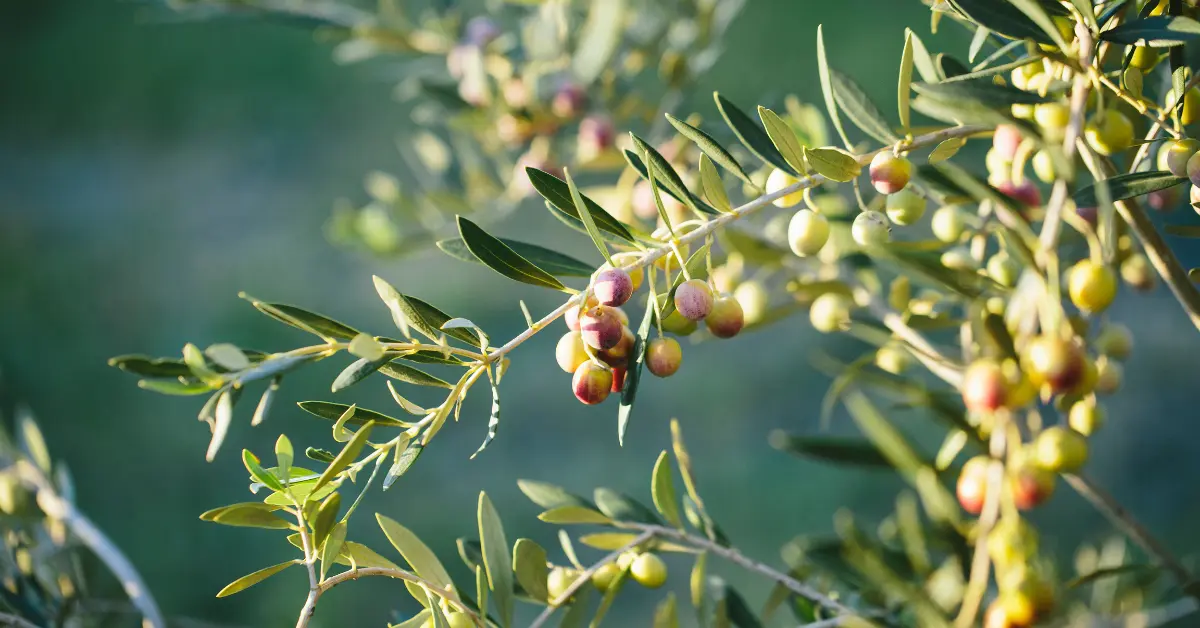
How to Grow Arbequina Olive Trees: The Ultimate Guide to Your Own Olive Grove
Arbequina Olive Tree (Olea europaea ‘Arbequina’) – the ultimate Mediterranean plant that brings a touch [...]
Oct
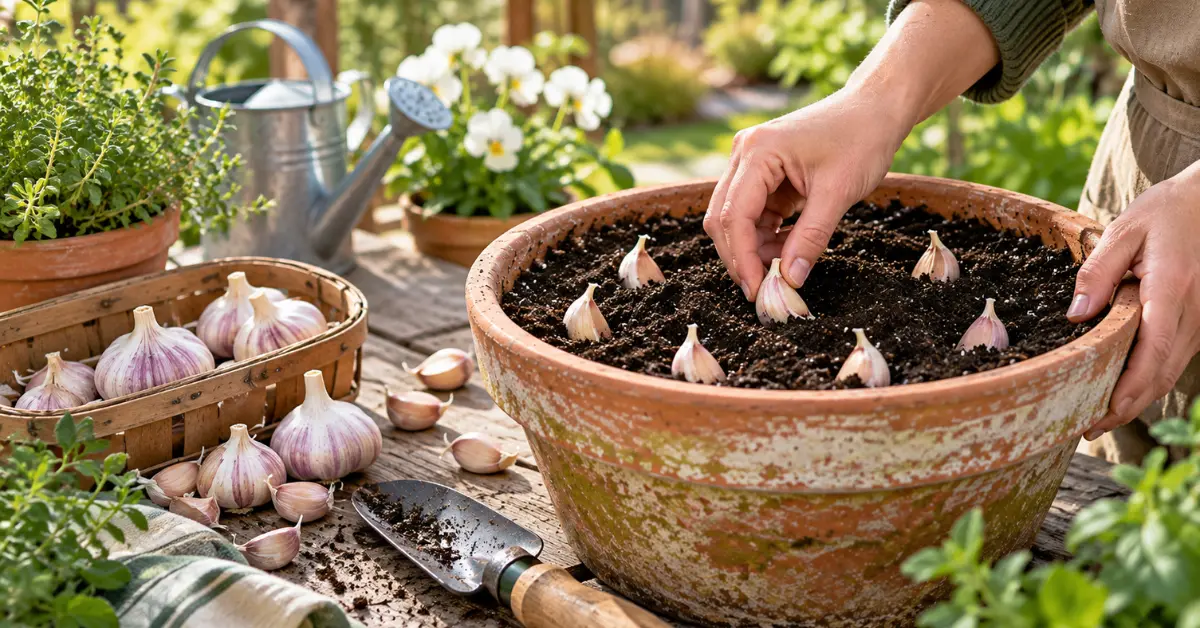
Growing Garlic in Containers This Fall: A Complete Guide for Beginners
If you’ve ever wanted to pop fresh, aromatic garlic cloves straight from your own patio [...]
Sep
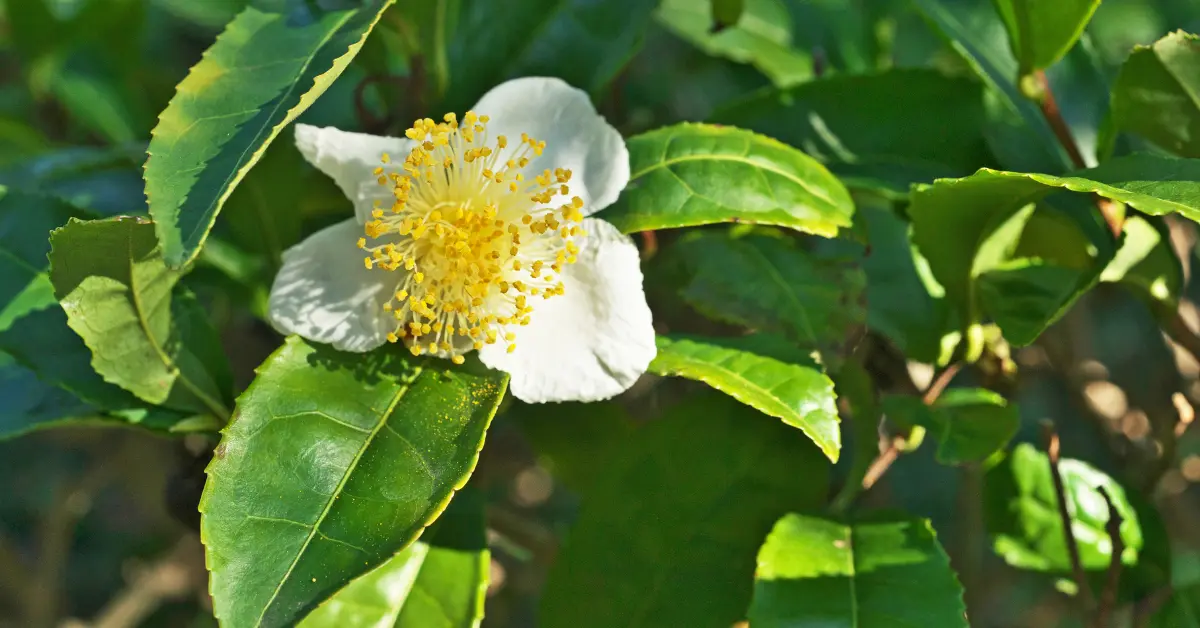
Growing Camellia Sinensis (Tea Plants) in Containers: A Complete Guide for Beginners
If you’ve ever wanted to sip a steaming, homegrown cup of fresh green, black, or [...]
Aug
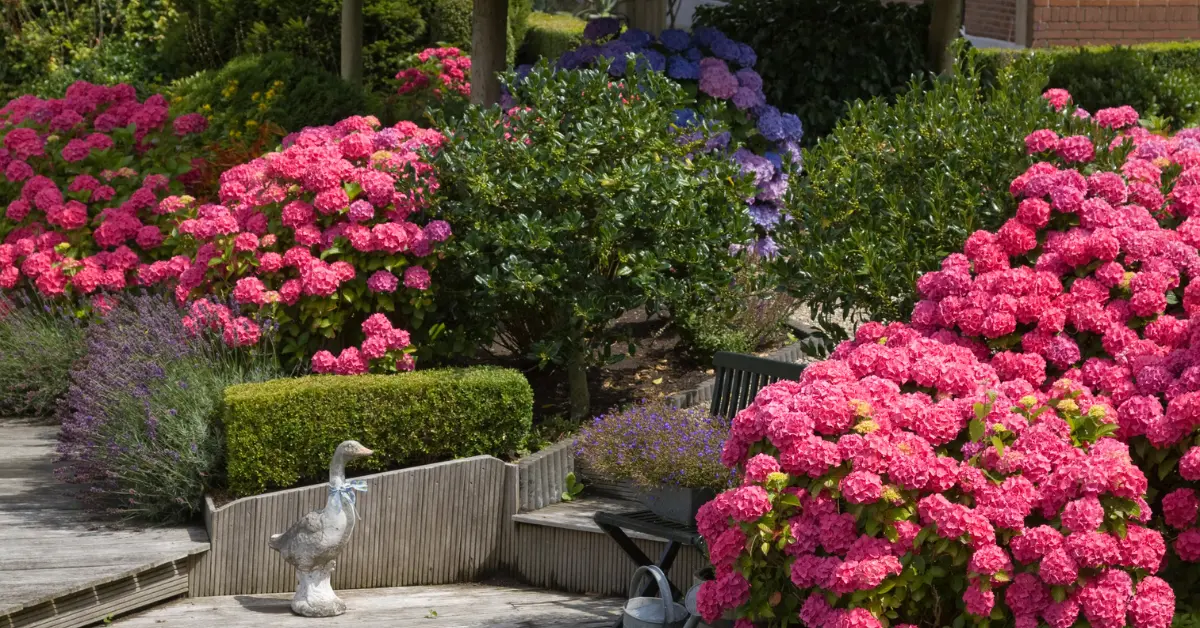
6 Best Shrubs to Plant in August You Must Try
Have you ever walked through a nursery late in the summer, admired the vibrant shrubs [...]
Aug
Growing Everbearing Strawberries in Containers: A Complete Guide for Beginners
Want to grow sweet, fresh strawberries but do not have a large garden? Everbearing strawberries [...]
Aug
Growing Egyptian Walking Onions in Containers: A Complete Guide for Beginners
If you’re looking for a hardy, no-fuss perennial onion that keeps on giving year after [...]
Jul
Growing Carolina Reaper Peppers in Pots: A Complete Guide for Beginners
If you’ve ever wanted to add some serious, record-breaking heat to your home cooking, you’ve [...]
May
Growing Curry Leaf Plant in Pots: A Complete Guide for Beginners
If you’re a fan of authentic South Asian cuisine, you already know that nothing compares [...]
May
Reviews
There are no reviews yet.