
Dwarf Everbearing Mulberry Tree – Morus nigra Live Plant Edible Fruit
Original price was: $51.98.$25.99Current price is: $25.99.
Cultivate your own delicious fruit with a dwarf everbearing mulberry tree. This compact morus nigra live plant is perfect for patios or small gardens, producing sweet, edible mulberries over a long season. Enjoy fresh fruit directly from your garden.
Estimated arrival
Oct 05
Oct 10 - Oct 12
Oct 15 - Oct 19

Reasonable Price
We offer reasonable price

Support 24/7
Contact us 24 hrs a day

100% Money Back
You've 30 days to Return

Payment Secure
100% secure payment
Overview
Bring the joy of fresh, homegrown fruit to your garden with the dwarf everbearing mulberry tree. This remarkable morus nigra live plant is celebrated for its ability to produce a continuous harvest of sweet, dark berries throughout the growing season, unlike many other mulberry varieties that fruit only once. Ideal for both seasoned gardeners and beginners, this compact tree offers a bountiful yield of delicious, edible fruit that can be enjoyed fresh, in desserts, jams, or dried. The ‘Dwarf Everbearing’ variety is particularly prized for its manageable size, making it suitable for smaller gardens, containers, or even as an attractive landscape specimen. Experience the satisfaction of picking your own mulberries, knowing they are fresh, organic, and bursting with flavor. This resilient live plant is an excellent addition for anyone looking to add a productive and ornamental fruit tree to their outdoor space.
The dwarf everbearing mulberry tree, scientifically known as Morus nigra ‘Dwarf Everbearing’, is a self-fertile plant, meaning you only need one tree to get fruit. It’s a fantastic choice for those interested in sustainable gardening and fresh produce. Its adaptability to various growing conditions and its prolific fruiting habit make it a gardener’s delight. Whether you’re looking for an ornamental tree with year-round interest or a reliable source of nutritious fruit, this mulberry tree delivers on all fronts.
Key Benefits
The dwarf everbearing mulberry tree offers numerous advantages that make it a standout choice for any garden. Its unique characteristics contribute to both its aesthetic appeal and practical value:
- Continuous Fruit Production: Unlike standard mulberries, this variety lives up to its name, providing a steady supply of sweet, juicy mulberries from late spring through fall. This extended harvest period ensures you have fresh fruit for months.
- Compact Size for Small Spaces: Reaching a mature height of only 6-10 feet, this tree is perfect for small gardens, urban settings, or growing in large containers on patios and balconies, making growing mulberry at home accessible to everyone.
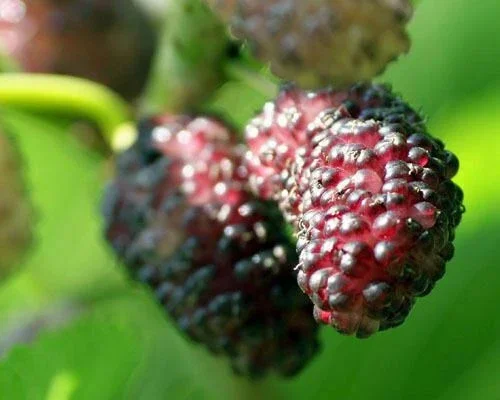
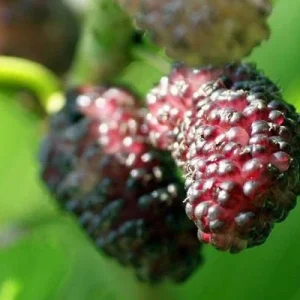
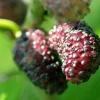
- Delicious Edible Fruit: The dark, almost black mulberries are sweet, juicy, and packed with flavor, making them excellent for fresh eating, baking, jams, jellies, or drying. Enjoy a healthy, fresh snack directly from your tree.
- Low Maintenance Plant: Once established, the dwarf everbearing mulberry tree is relatively low-maintenance, tolerant of various soil types, and generally resistant to pests and diseases, simplifying your gardening efforts.
- Self-Pollinating: This tree is self-fertile, meaning you only need one plant to produce fruit. This is a significant advantage for those with limited space or who prefer not to manage multiple pollinator plants.
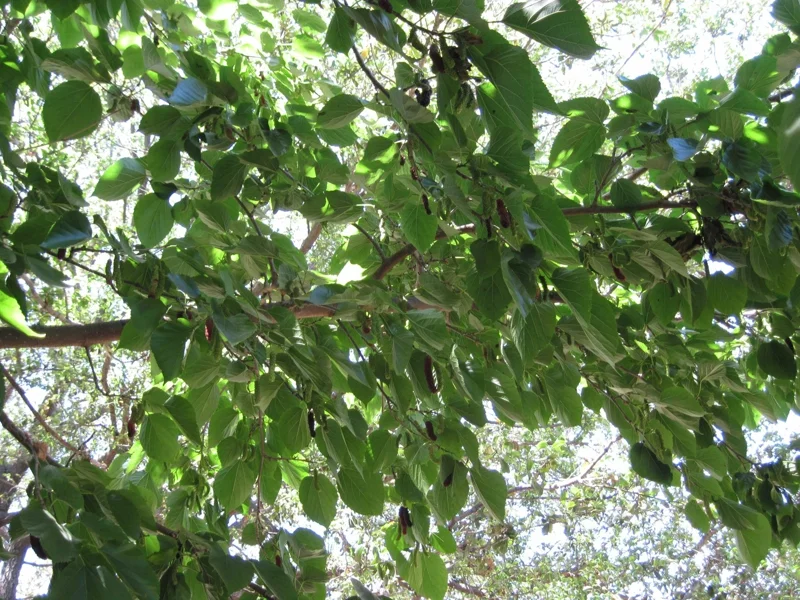
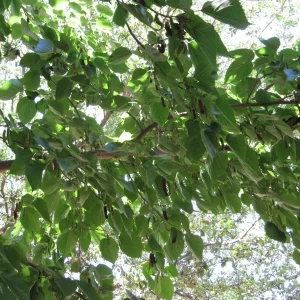
- Ornamental Value: Beyond its fruit, the tree features attractive foliage and a pleasant growth habit, serving as a beautiful addition to your landscape, providing shade and visual interest.
- Nutrient-Rich Harvest: Mulberries are known for being rich in vitamins, antioxidants, and fiber, offering a healthy and delicious addition to your diet.
Plant Care & Growing Tips
Caring for your dwarf everbearing mulberry tree is straightforward, ensuring a rewarding harvest of delicious fruit. This resilient morus nigra live plant thrives with basic attention to its environmental needs. For optimal growth and fruit production, select a location that receives full sun, meaning at least 6-8 hours of direct sunlight per day. While it can tolerate partial shade, fruit production may be reduced. Good air circulation is also important to prevent fungal issues.
When it comes to watering, young trees require consistent moisture to establish a strong root system. Water deeply 2-3 times per week, especially during dry spells. Once mature, the tree becomes more drought-tolerant but will benefit from regular watering during fruiting periods. The ideal soil for a small mulberry plant is well-draining, loamy, and rich in organic matter, with a pH between 6.0 and 7.0. Amend heavy clay soils with compost or sand to improve drainage. Mulching around the base of the tree with organic material helps retain soil moisture, regulate temperature, and suppress weeds. Fertilize in early spring with a balanced, slow-release fertilizer formulated for fruit trees, following package instructions. Pruning should be done in late winter or early spring while the tree is dormant. Focus on removing dead, damaged, or crossing branches, and shaping the tree to maintain its compact size and encourage air circulation. This also helps in managing the size for easy harvesting.
The dwarf everbearing mulberry tree is generally quite hardy and adaptable. It is tolerant of a wide range of temperatures but may require protection in exceptionally harsh winters, especially in colder zones. Keep an eye out for common pests like aphids or spider mites, and treat them with organic insecticidal soap if necessary. Fungal diseases like powdery mildew can sometimes occur in humid conditions; good air circulation and appropriate pruning can help prevent these. With proper care, your growing mulberry at home will be a productive and beautiful addition to your garden for many years.
Size & Details
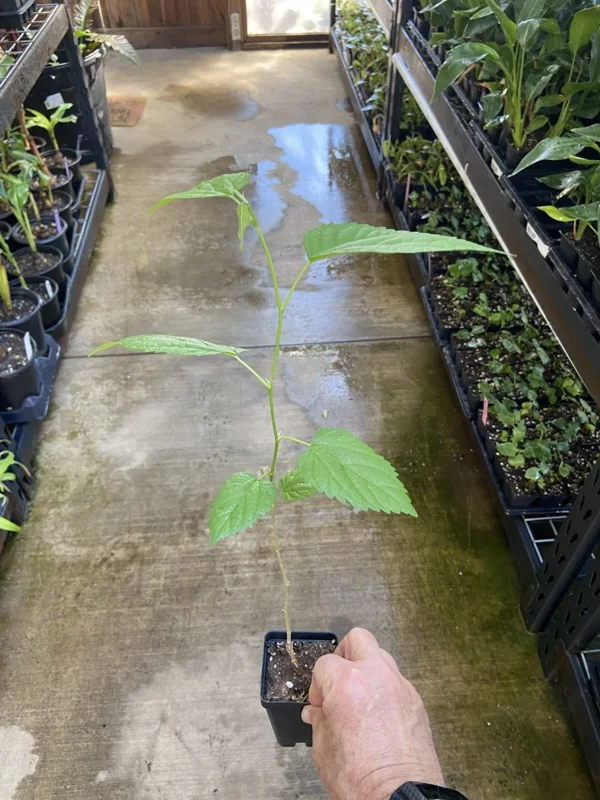
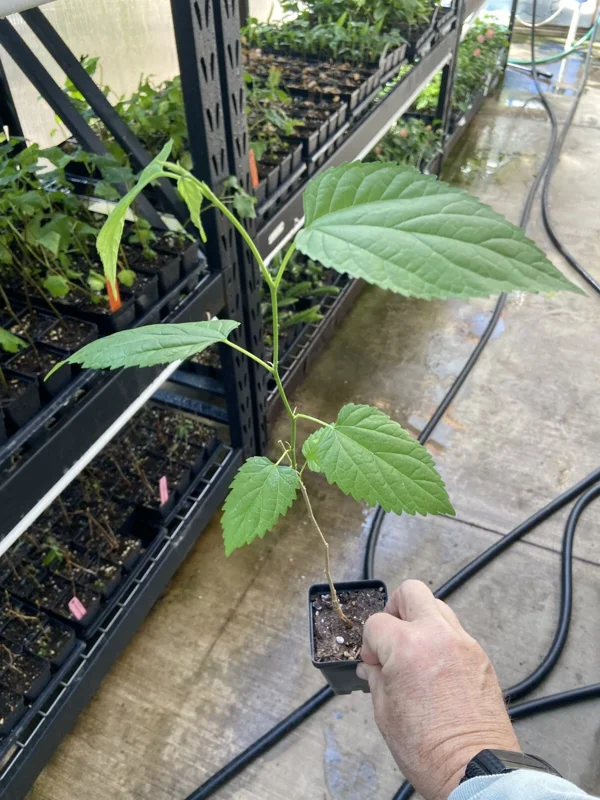
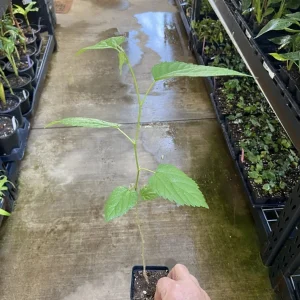
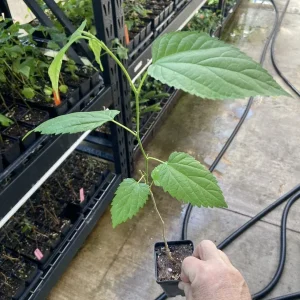
This dwarf everbearing mulberry tree is typically shipped as a young live plant, ready for planting in your garden or a larger container. At maturity, it generally reaches a height of 6 to 10 feet with a similar spread, making it an ideal choice for smaller landscapes, patio containers, or as an understory tree. Its growth rate is moderate, allowing it to establish quickly and begin fruiting within 1-2 years of planting. The tree will arrive in a nursery pot, with its root system well-established to ensure a smooth transition to its new home. The fruit production is continuous from late spring through fall, providing an extended harvest season.
The compact nature of this edible fruit tree makes it easy to manage and harvest. Its versatile size allows it to be grown as a bush or trained into a small tree form, depending on your preference and space availability. Expect a robust root system and healthy foliage upon arrival, indicative of a strong start for your new fruit-bearing plant. This variety is known for its resilience and ability to thrive in various conditions, making it a reliable choice for gardeners eager to cultivate their own fresh mulberries.
Frequently Asked Questions
- Q: How big does this dwarf everbearing mulberry tree get? A: The dwarf everbearing mulberry tree typically reaches a mature height of 6-10 feet with a similar spread, making it a compact and manageable fruit tree for most gardens.
- Q: Is this an indoor or outdoor plant? A: This is an outdoor plant, best suited for planting in the ground or a large container where it can receive direct sunlight. It thrives in outdoor garden environments.
- Q: How much sunlight does the morus nigra live plant need? A: For optimal fruit production, the morus nigra live plant requires full sun, meaning at least 6-8 hours of direct sunlight per day.
- Q: Is this plant easy to care for? A: Yes, the dwarf everbearing mulberry tree is considered relatively easy to care for, especially once established. It’s quite tolerant of various conditions and generally resistant to pests.
- Q: What condition will the small mulberry plant arrive in? A: Your small mulberry plant will arrive as a healthy, live plant in a nursery pot, with its root system intact and ready for planting.
- Q: How long until it starts producing edible fruit? A: You can typically expect your edible fruit tree to start producing mulberries within 1-2 years after planting, with continuous harvests once established.
- Q: What is the best time for growing mulberry at home? A: The best time for growing mulberry at home by planting is usually in spring or early fall, allowing the plant to establish its roots before extreme temperatures.
- Q: What kind of soil does this mulberry tree prefer? A: It prefers well-draining, loamy soil that is rich in organic matter, with a slightly acidic to neutral pH.
- Q: Is the dwarf everbearing mulberry tree self-pollinating? A: Yes, this variety is self-fertile, meaning you only need one tree to get fruit without the need for a separate pollinator.
- Q: Can this tree be grown in a container? A: Absolutely! Its compact size makes it an excellent candidate for growing in large containers on patios or balconies, especially if you’re interested in growing mulberry at home in limited spaces.
Be the first to review “Dwarf Everbearing Mulberry Tree – Morus nigra Live Plant Edible Fruit”
-
USDA Hardiness Zone
USDA zones 5-9 -
Soil Type
Well-draining, loamy soil -
Sunlight Exposure
Full sun -
Expected Planting Period
Spring to early summer
People Also Viewd


Sold 134 products
Original price was: $3,536.00.$23.99Current price is: $23.99.

Sold 132 products
Original price was: $27.00.$24.00Current price is: $24.00.

Sold 132 products
Original price was: $89.99.$64.99Current price is: $64.99.

Sold 125 products
Original price was: $86.99.$66.99Current price is: $66.99.

Flower Bulbs
3 Cranesbill Wild Geranium Organic Maculatums Bare Roots | Wildflower for Outdoor Garden
Sold 116 products
Original price was: $21.99.$9.99Current price is: $9.99.

Sold 114 products
Original price was: $28.99.$17.99Current price is: $17.99.
Sold 110 products
Original price was: $63.99.$28.99Current price is: $28.99.
Sold 108 products
Original price was: $28.99.$17.99Current price is: $17.99.RELATED posts
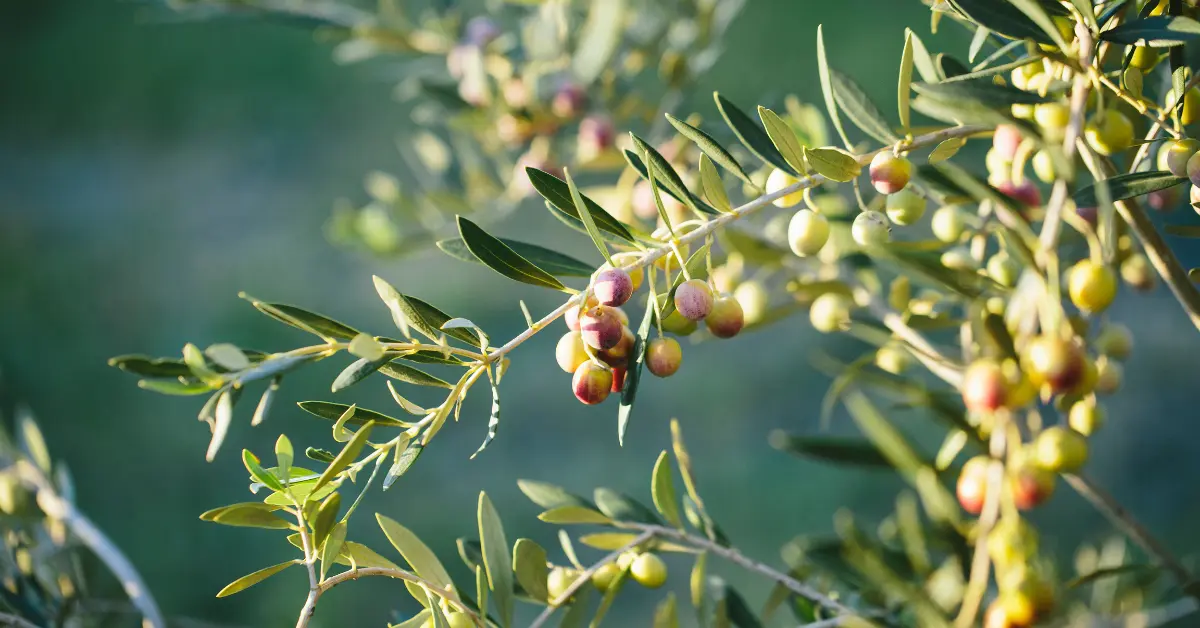
How to Grow Arbequina Olive Trees: The Ultimate Guide to Your Own Olive Grove
Arbequina Olive Tree (Olea europaea ‘Arbequina’) – the ultimate Mediterranean plant that brings a touch [...]
Oct
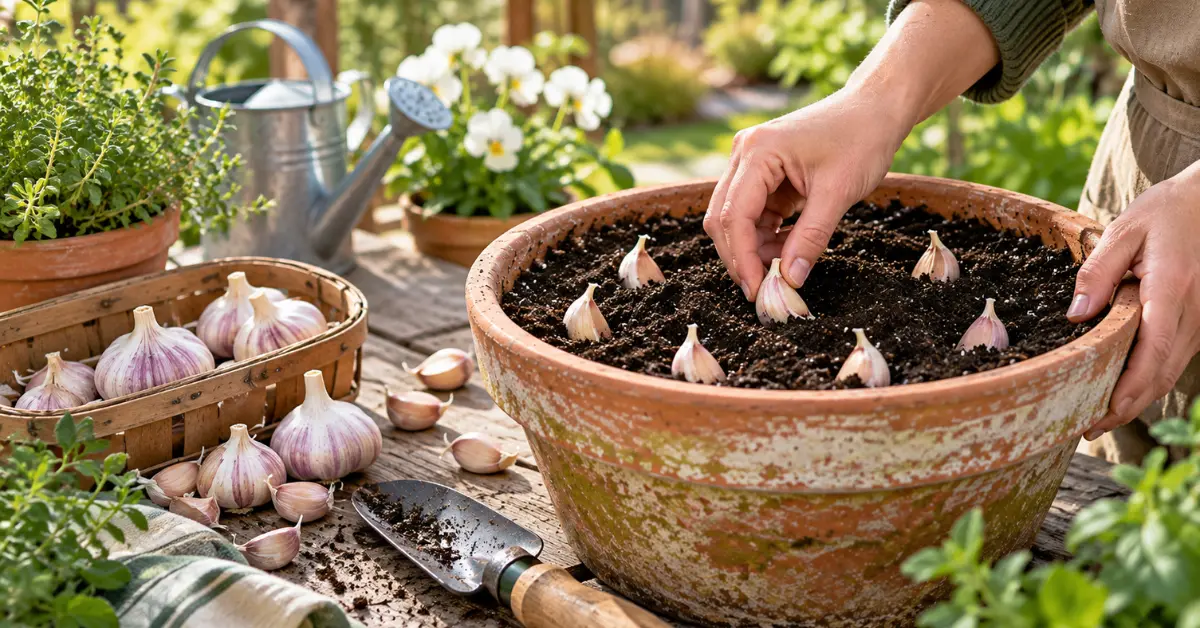
Growing Garlic in Containers This Fall: A Complete Guide for Beginners
If you’ve ever wanted to pop fresh, aromatic garlic cloves straight from your own patio [...]
Sep
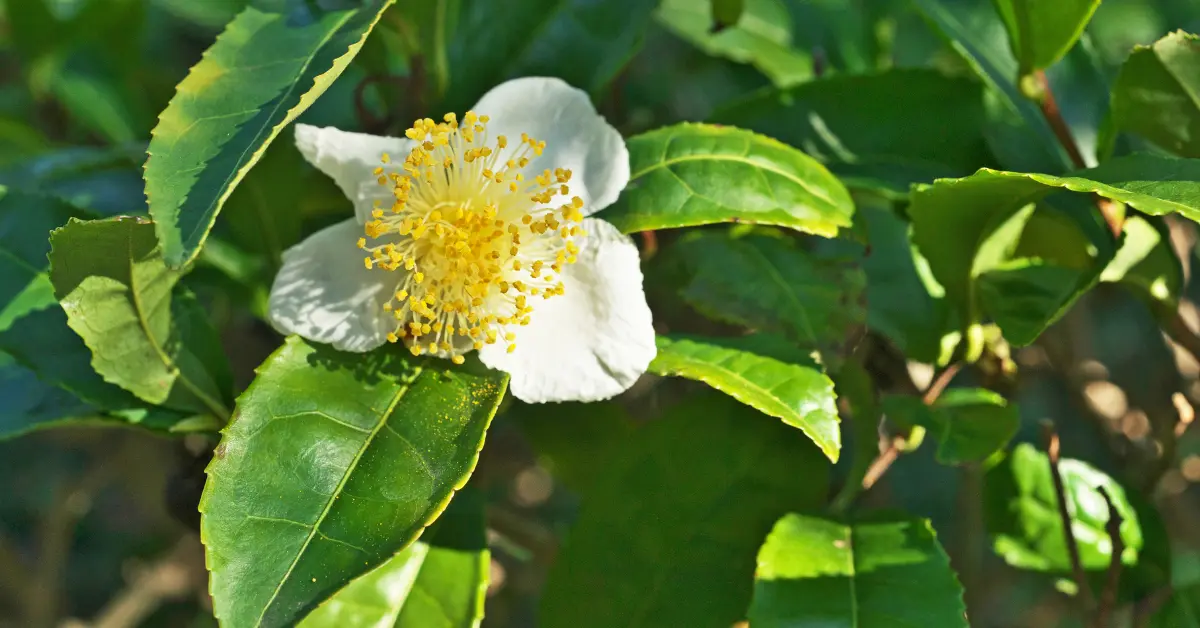
Growing Camellia Sinensis (Tea Plants) in Containers: A Complete Guide for Beginners
If you’ve ever wanted to sip a steaming, homegrown cup of fresh green, black, or [...]
Aug
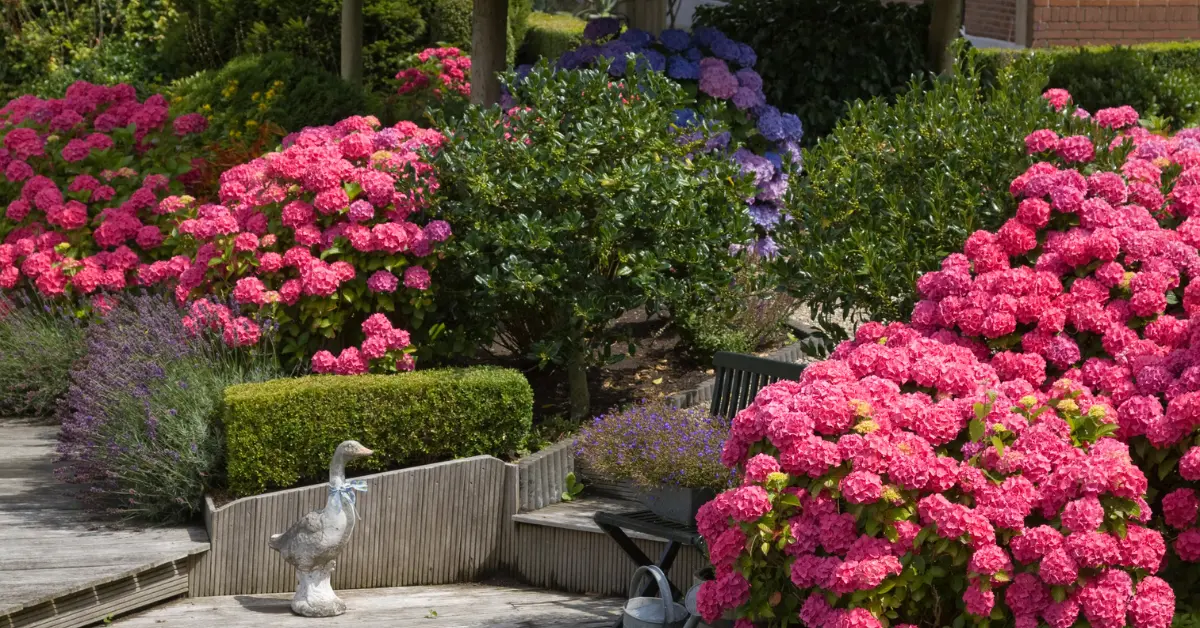
6 Best Shrubs to Plant in August You Must Try
Have you ever walked through a nursery late in the summer, admired the vibrant shrubs [...]
Aug
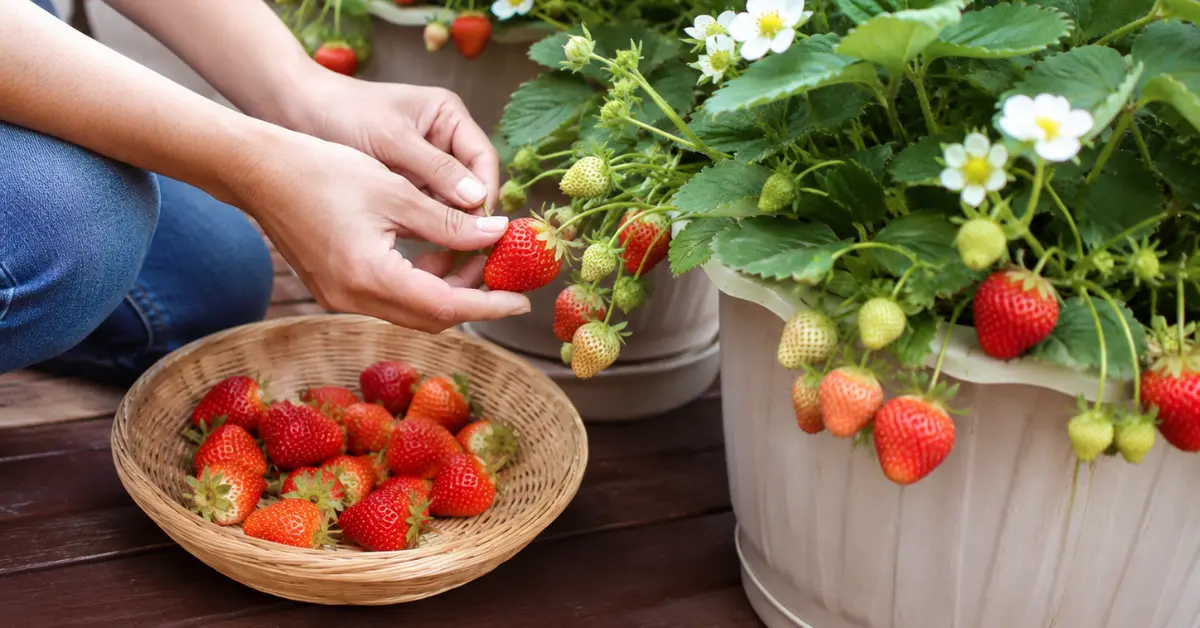
Growing Everbearing Strawberries in Containers: A Complete Guide for Beginners
Want to grow sweet, fresh strawberries but do not have a large garden? Everbearing strawberries [...]
Aug
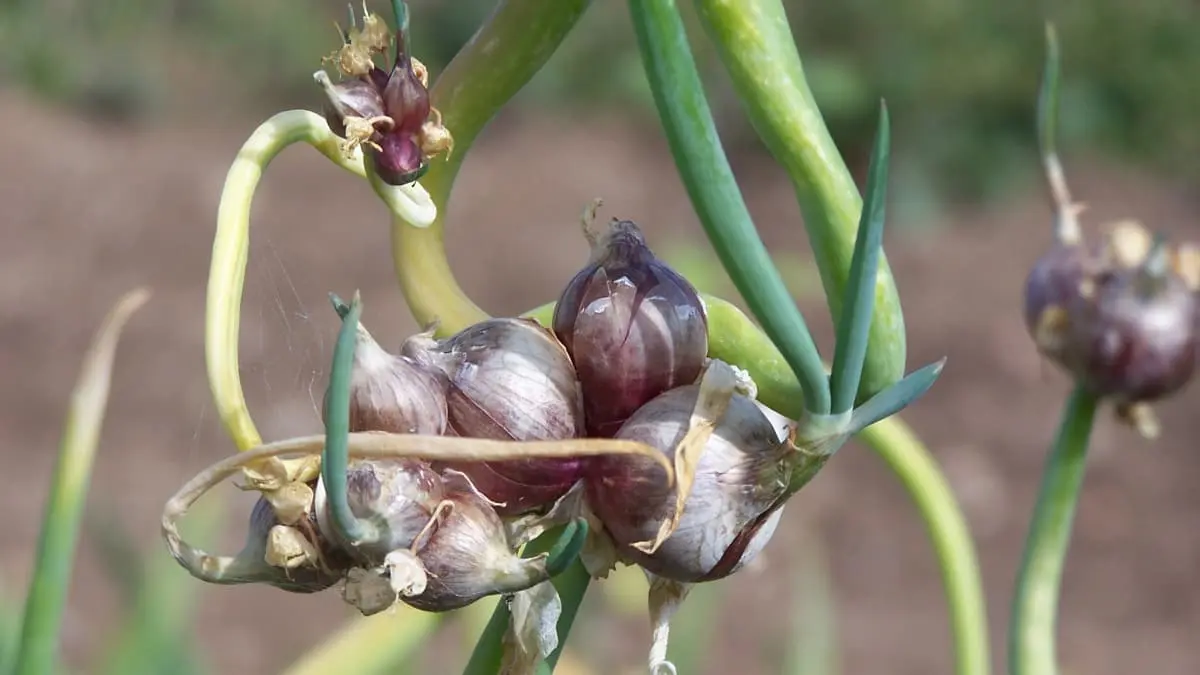
Growing Egyptian Walking Onions in Containers: A Complete Guide for Beginners
If you’re looking for a hardy, no-fuss perennial onion that keeps on giving year after [...]
Jul
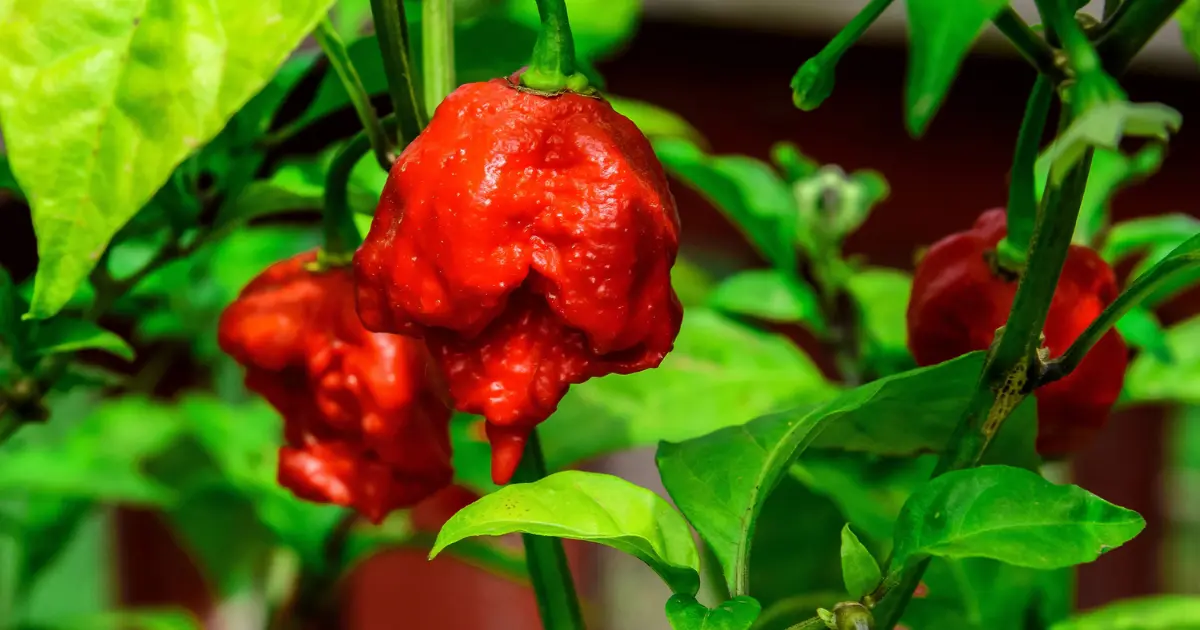
Growing Carolina Reaper Peppers in Pots: A Complete Guide for Beginners
If you’ve ever wanted to add some serious, record-breaking heat to your home cooking, you’ve [...]
May
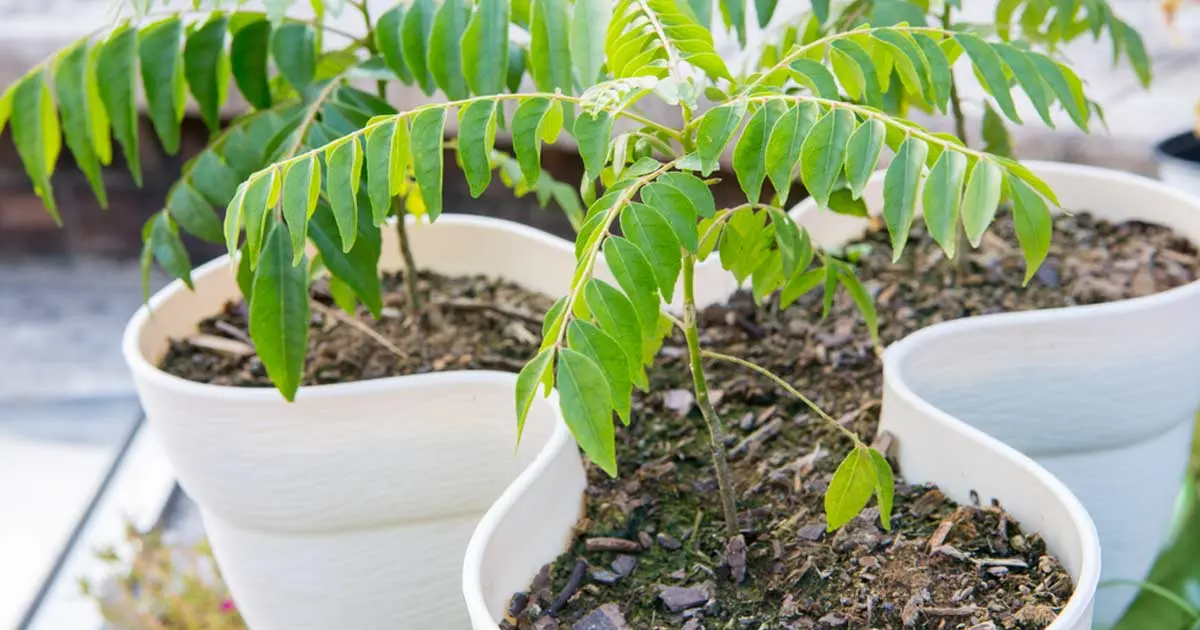
Growing Curry Leaf Plant in Pots: A Complete Guide for Beginners
If you’re a fan of authentic South Asian cuisine, you already know that nothing compares [...]
May
Reviews
There are no reviews yet.