
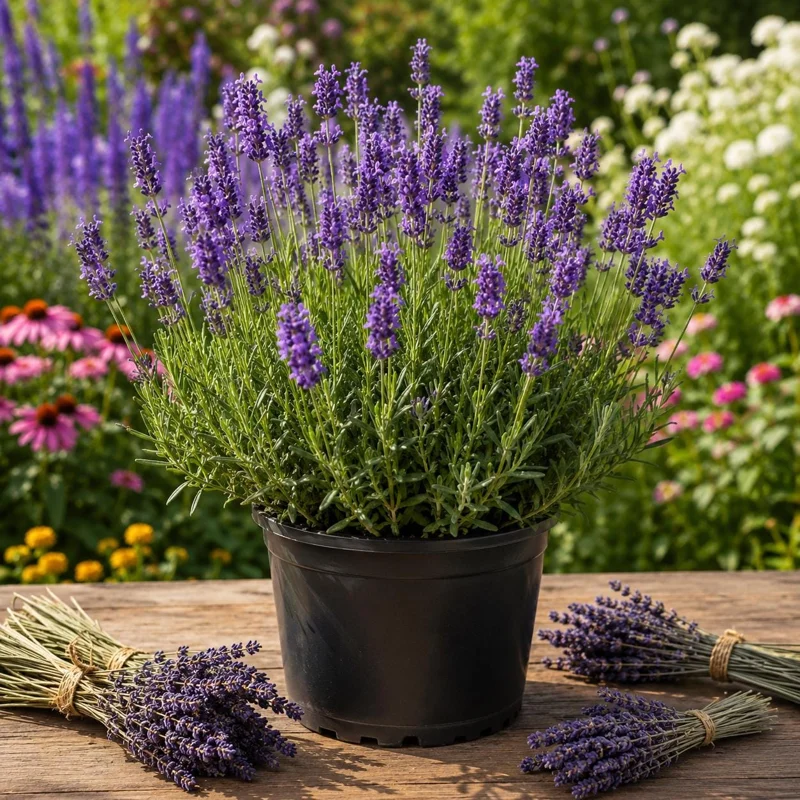
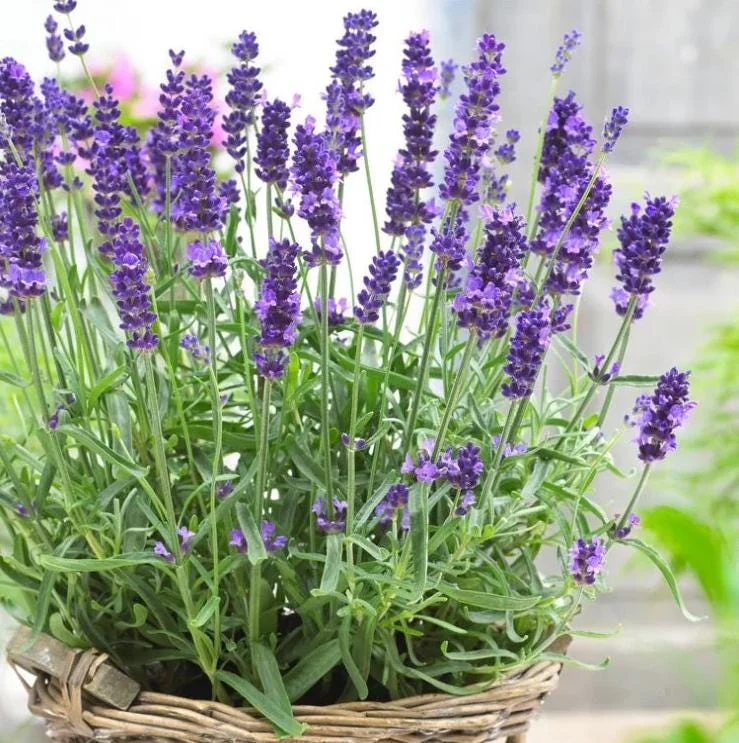
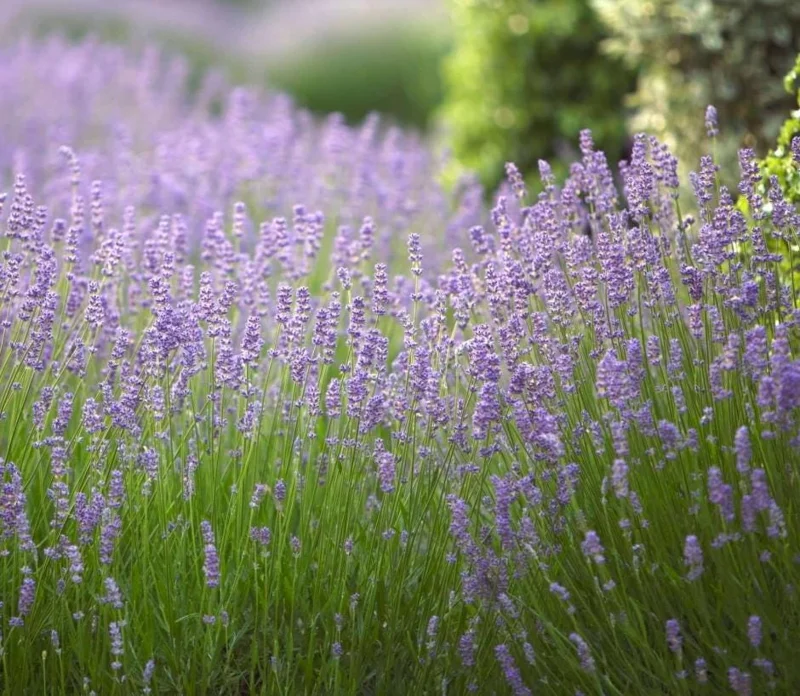
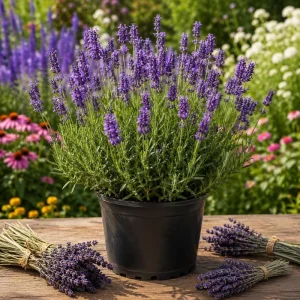
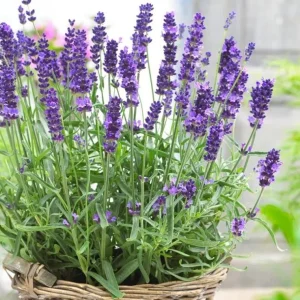
English Lavender Live Plant, Lavandula Angustifolia, 3-5 Inch Tall, 3 Inch Pot, Purple Blooms, Outdoor Herb
Original price was: $20.99.$13.99Current price is: $13.99.
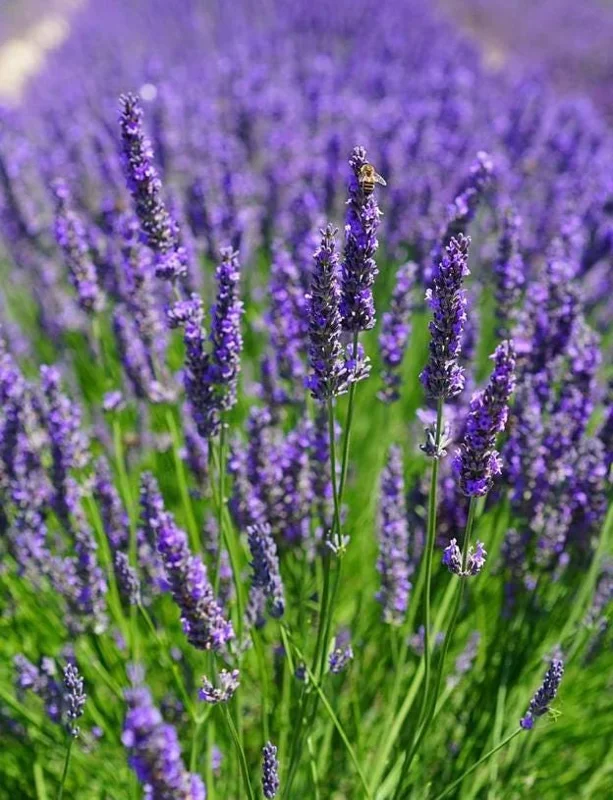
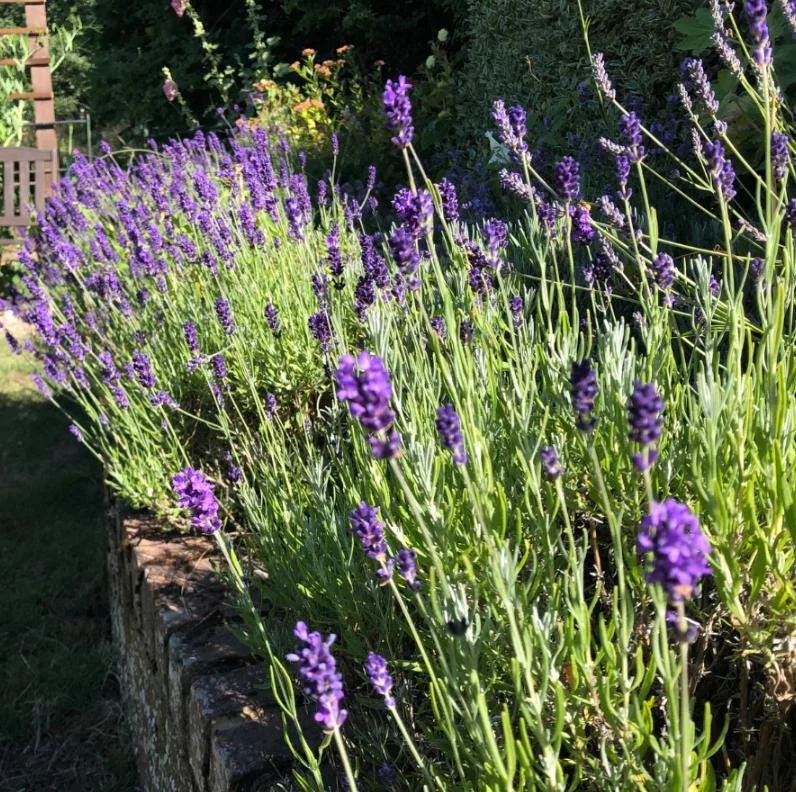
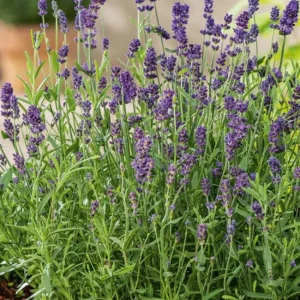
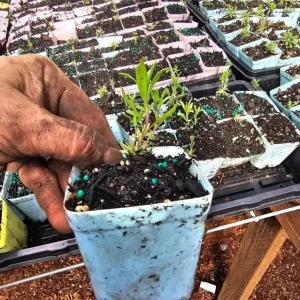
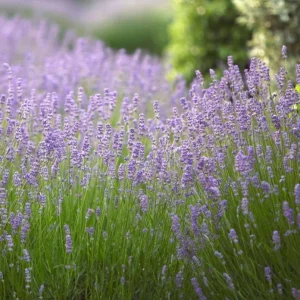
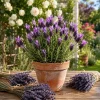
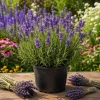
Bring classic charm and delightful fragrance to your space with this English Lavender live plant. Lavandula angustifolia is known for its beautiful purple blooms and soothing scent, making it an ideal fragrant garden herb for beds, patios, or containers. This plant arrives approximately 3-5 inches tall in a 3-inch pot.
Estimated arrival
Oct 16
Oct 21 - Oct 23
Oct 26 - Oct 30

Reasonable Price
We offer reasonable price

Support 24/7
Contact us 24 hrs a day

100% Money Back
You've 30 days to Return

Payment Secure
100% secure payment
Overview
Introduce timeless elegance and a captivating aroma to your home or garden with this exquisite English Lavender live plant. Known botanically as Lavandula angustifolia, this beloved perennial is cherished for its soft green foliage, striking purple flowers, and distinctively fresh, calming scent. Originating from the Mediterranean, English Lavender live plant varieties are renowned for their hardiness and versatility, making them a superb choice for both novice and experienced gardeners. Whether you’re looking to create a classic cottage garden aesthetic, enhance your herb collection, or simply enjoy a touch of natural beauty, this plant delivers. It’s an excellent addition for garden beds, patio containers, porch planters, and sunny outdoor spaces, promising a tranquil and visually appealing environment.
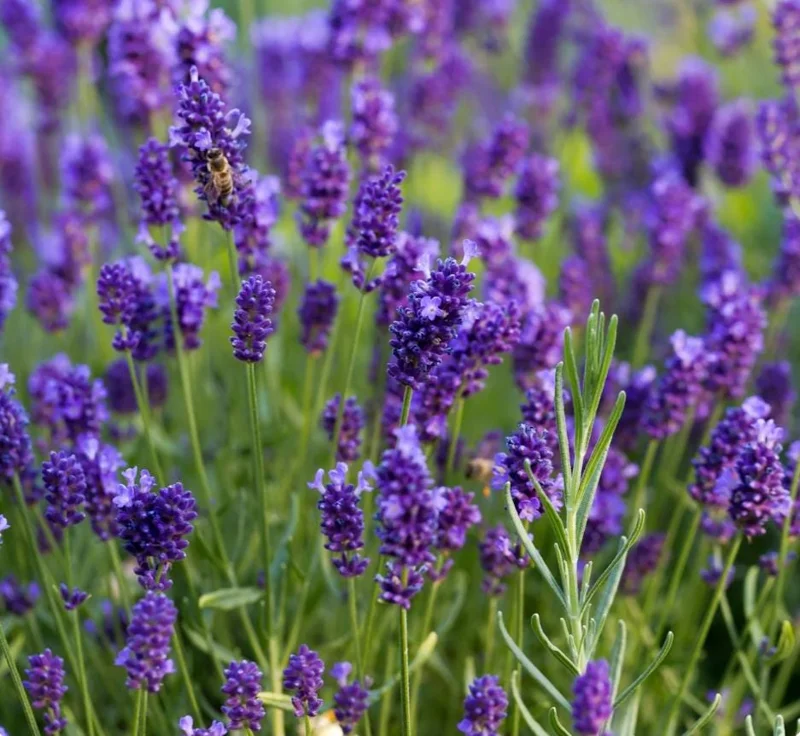
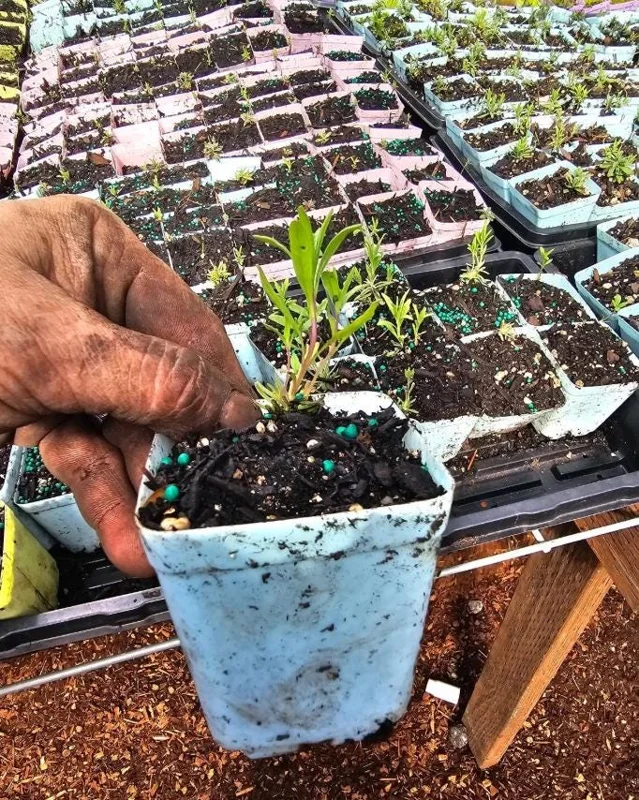
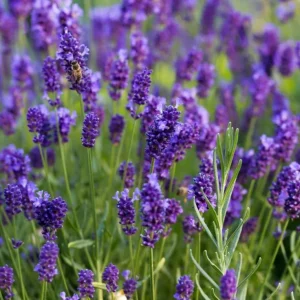
Each English Lavender live plant you receive will be approximately 3-5 inches tall and rooted in a 3-inch pot, ready for planting. While some minor variations in size, shape, and fullness may occur due to seasonal growth cycles, each plant is carefully selected and packed to ensure it arrives in the best possible condition, eager to thrive in its new home. This plant is not only a feast for the eyes but also a magnet for beneficial pollinators like bees and butterflies, contributing to a vibrant ecosystem right in your backyard.
Key Benefits
The English Lavender live plant offers a multitude of benefits, making it a highly desirable addition to any garden or outdoor living area. Its robust nature and charming appearance contribute significantly to its appeal.
- Aromatic Fragrance: Experience the soothing and distinctive perfume of fresh lavender. This plant is a fantastic natural air freshener for your patio or garden, providing a calming ambiance that truly sets it apart as a fragrant garden herb.
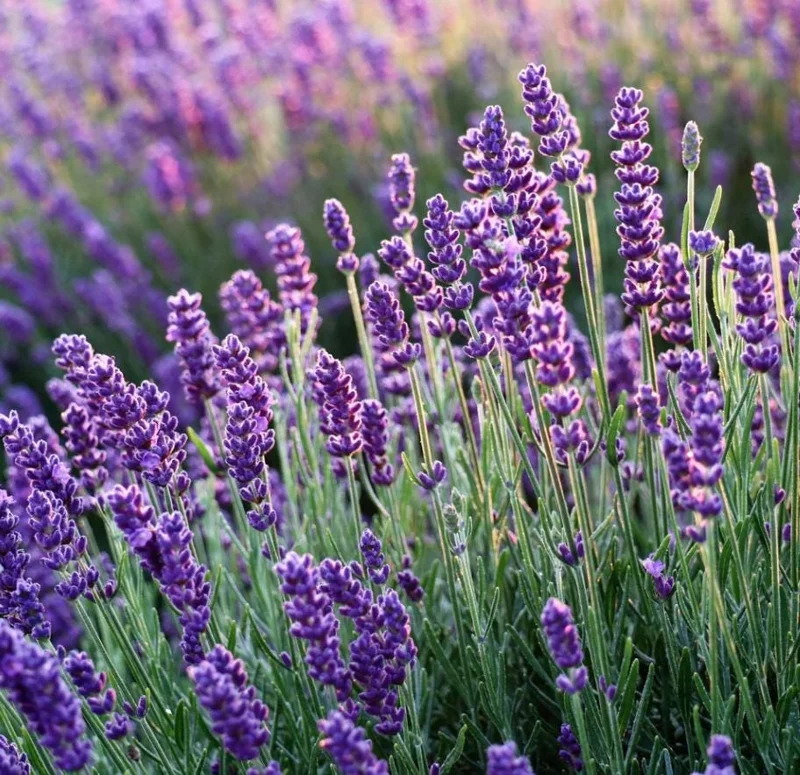
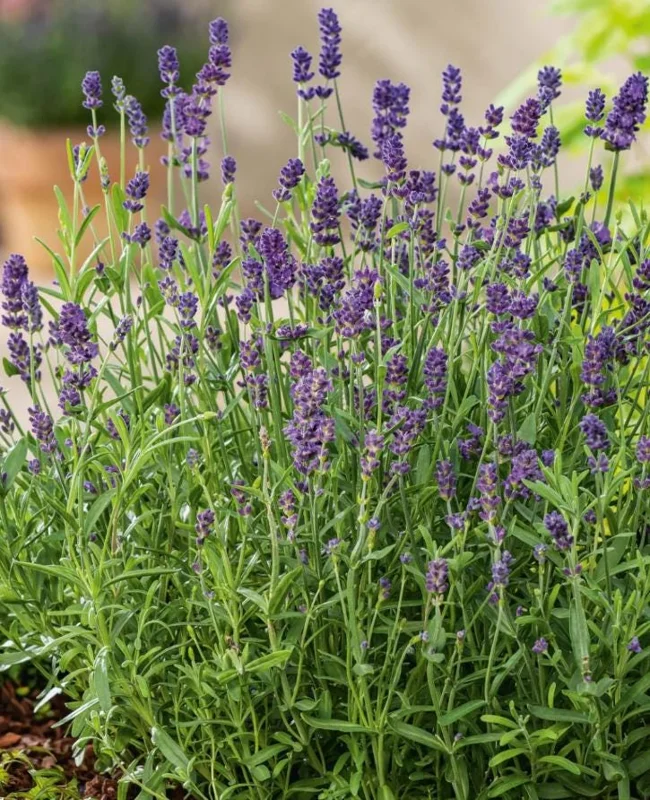
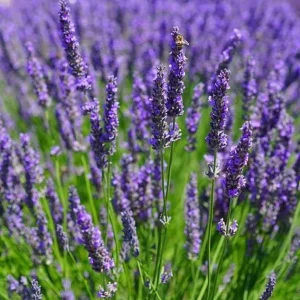
- Stunning Purple Blooms: Adorn your space with beautiful, elegant purple flowers that appear in fragrant spikes. These blooms are not only visually appealing but also attract beneficial pollinators, supporting local biodiversity.
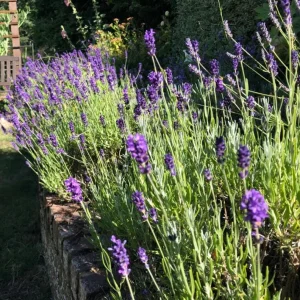
- Versatile Landscaping: Ideal for various applications, including garden beds, borders, patio containers, porch planters, and rock gardens. Its compact size makes it perfect for growing lavender in pots or mixed arrangements.
- Culinary & Medicinal Uses: Beyond its beauty, Lavandula angustifolia is widely used in culinary dishes, teas, and for its traditional calming and therapeutic properties. It’s a true multi-purpose plant.
- Drought Tolerant: Once established, English Lavender live plant is remarkably resilient and can withstand periods of drought, requiring less frequent watering compared to many other flowering plants.
- Low Maintenance: This hardy plant generally requires minimal care, thriving in sunny locations with well-draining soil. It’s an excellent choice for gardeners seeking beauty without extensive upkeep.
- Deer & Rabbit Resistant: The strong scent of lavender naturally deters common garden pests like deer and rabbits, protecting your garden from unwanted visitors.
Plant Care & Growing Tips
Proper care is essential for your English Lavender live plant to flourish and produce its characteristic fragrant blooms. Following these guidelines will ensure your Lavandula angustifolia thrives.
Sunlight: English Lavender live plant requires abundant sunlight to grow vigorously and flower profusely. Choose a location that receives at least 6-8 hours of direct sun per day. Full sun exposure is critical for preventing leggy growth and promoting a dense, floriferous plant. If planting indoors, place it in your brightest south-facing window or under a grow light.
Watering: Lavender prefers drier conditions. Water thoroughly when the top 1-2 inches of soil feel dry to the touch, then allow the soil to dry out completely before watering again. Overwatering is the most common cause of lavender decline, leading to root rot. Ensure excellent drainage. For growing lavender in pots, make sure the container has drainage holes.
Soil: Well-draining soil is paramount for lavender. It thrives in lean to moderately fertile, alkaline soil with good aeration. A sandy or gravelly loam is ideal. Avoid heavy clay soils that retain too much moisture. Amending your soil with sand or grit can improve drainage. The ideal pH for purple lavender plant varieties is between 6.7 and 7.3.
Temperature & Hardiness: English Lavender is hardy in USDA Zones 5-9. It tolerates cold winters well, especially when planted in the ground. In hotter climates (Zone 9+), some afternoon shade might be beneficial to prevent scorching. Protect potted plants in colder zones by bringing them indoors or providing insulation during winter. Understanding Lavandula angustifolia care means recognizing its preference for dry, warm conditions.
Fertilization: Lavender is not a heavy feeder. Over-fertilization can lead to lush foliage but fewer flowers. If your soil is poor, a light application of a balanced, slow-release granular fertilizer in early spring can be beneficial. Avoid high-nitrogen fertilizers. For a healthy fragrant garden herb, focus on soil quality and proper drainage over excessive feeding.
Pruning: Pruning is key to maintaining a compact shape and encouraging abundant flowering. Prune lightly after the first flush of blooms to encourage a second, smaller flush. A more significant prune should be done in early spring, removing about one-third of the plant’s growth, cutting back to just above new green growth. Avoid cutting into old, woody stems.
Size & Details
Your beautiful English Lavender live plant will arrive as a healthy, young specimen, approximately 3-5 inches in height from the top of the soil line. It will be securely rooted in a 3-inch nursery pot, providing a strong foundation for continued growth. This compact size makes it ideal for immediate placement in smaller containers or for transplanting into garden beds.
English Lavender, or Lavandula angustifolia, is known for its moderate growth rate, typically reaching a mature size of 1-3 feet tall and wide, depending on growing conditions and pruning habits. When growing lavender in pots, its mature size can be somewhat contained. Expect your plant to establish quickly and begin producing its characteristic purple lavender plant blooms within the first growing season under optimal care. Each plant is carefully prepared for shipment to ensure it reaches you ready to thrive.
Frequently Asked Questions
- Q: How big does this English Lavender live plant get? A: This English Lavender live plant typically grows to a mature size of 1-3 feet tall and wide, depending on growing conditions and pruning. It has a moderate growth rate and forms a compact, bushy mound.
- Q: What size pot does it come in? A: Your English Lavender live plant will arrive in a 3-inch nursery pot, perfectly sized for initial growth and ready for transplanting into a larger container or garden bed.
- Q: Is this an indoor or outdoor plant? A: English Lavender is primarily an outdoor plant, thriving in full sun. However, it can be grown indoors in a very sunny window or with supplemental light, especially when you are growing lavender in pots.
- Q: How much sunlight does it need? A: This fragrant garden herb requires at least 6-8 hours of direct sunlight per day to produce abundant blooms and maintain a healthy, compact shape. Full sun is crucial for optimal growth.
- Q: Is this plant easy to care for? A: Yes, English Lavender is considered relatively easy to care for, especially once established. It thrives on neglect rather than over-pampering, preferring full sun and well-draining soil. Understanding Lavandula angustifolia care is straightforward.
- Q: What condition will it arrive in? A: Your plant will be carefully packed and shipped. While live plants may show minor signs of stress from transit, such as slight leaf yellowing or bending, it will recover quickly after unpacking, watering, and a few days to adjust.
- Q: Can I use English Lavender in cooking? A: Absolutely! Lavandula angustifolia is a culinary lavender, perfect for teas, baking, and savory dishes. Its sweet, floral notes are a popular addition to many recipes, making it a truly versatile purple lavender plant.
- Q: When is the best time to plant English Lavender? A: The best time to plant English Lavender outdoors is in spring after the last frost, or in early fall in warmer climates. This allows the plant to establish its root system before extreme temperatures.
- Q: Will it survive winter in my zone? A: English Lavender is hardy in USDA Zones 5-9. In these zones, it will typically survive winter outdoors, especially with good drainage. In colder zones, potted plants may need to be brought indoors or protected.
- Q: What type of soil does English Lavender prefer? A: Lavender prefers lean to moderately fertile, well-draining, slightly alkaline soil. Sandy or gravelly loam is ideal. Avoid heavy, water-retentive clay soils.
Be the first to review “English Lavender Live Plant, Lavandula Angustifolia, 3-5 Inch Tall, 3 Inch Pot, Purple Blooms, Outdoor Herb”
-
USDA Hardiness Zone
USDA Zones 5-9 -
Soil Type
Well-draining, sandy or gravelly loam -
Sunlight Exposure
Full sun (6-8+ hours direct light) -
Expected Planting Period
Spring to early summer
People Also Viewd


Sold 134 products
Original price was: $3,536.00.$23.99Current price is: $23.99.

Sold 132 products
Original price was: $27.00.$24.00Current price is: $24.00.

Sold 132 products
Original price was: $89.99.$64.99Current price is: $64.99.

Sold 125 products
Original price was: $86.99.$66.99Current price is: $66.99.

Flower Bulbs
3 Cranesbill Wild Geranium Organic Maculatums Bare Roots | Wildflower for Outdoor Garden
Sold 116 products
Original price was: $21.99.$9.99Current price is: $9.99.

Sold 114 products
Original price was: $28.99.$17.99Current price is: $17.99.

Sold 110 products
Original price was: $63.99.$28.99Current price is: $28.99.
Sold 108 products
Original price was: $28.99.$17.99Current price is: $17.99.RELATED posts
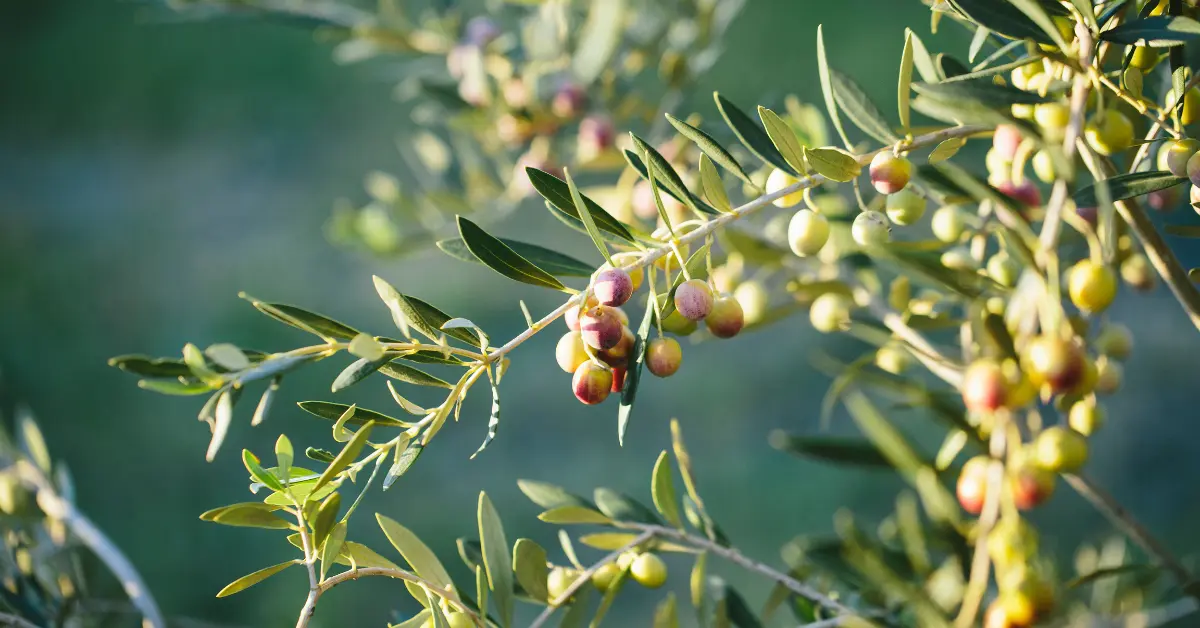
How to Grow Arbequina Olive Trees: The Ultimate Guide to Your Own Olive Grove
Arbequina Olive Tree (Olea europaea ‘Arbequina’) – the ultimate Mediterranean plant that brings a touch [...]
Oct
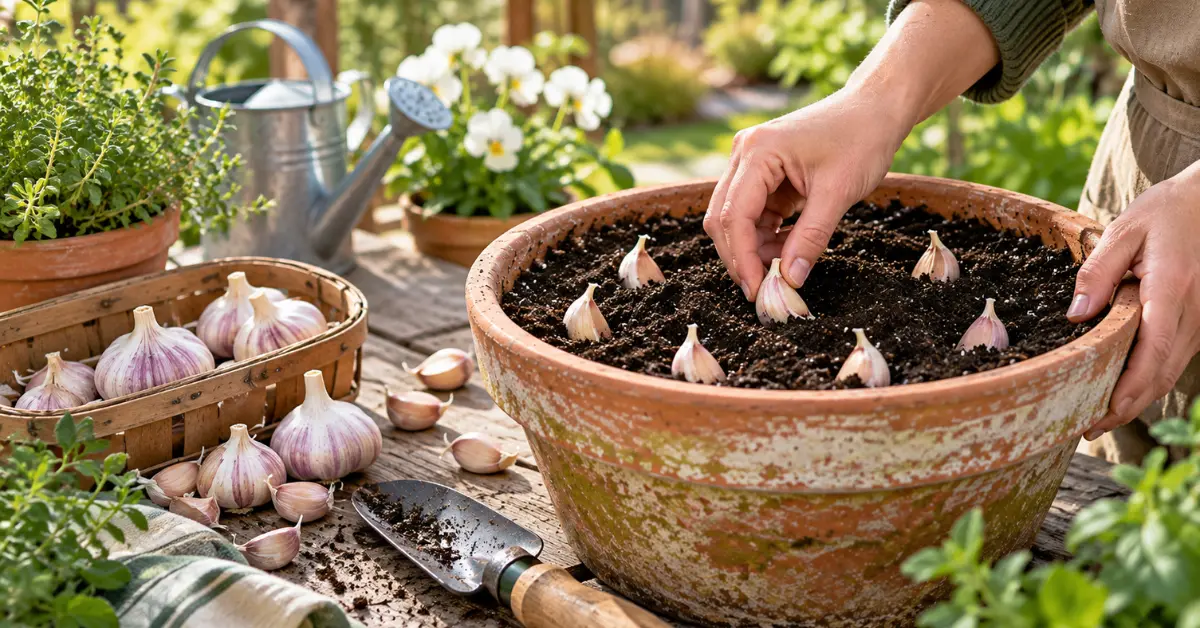
Growing Garlic in Containers This Fall: A Complete Guide for Beginners
If you’ve ever wanted to pop fresh, aromatic garlic cloves straight from your own patio [...]
Sep
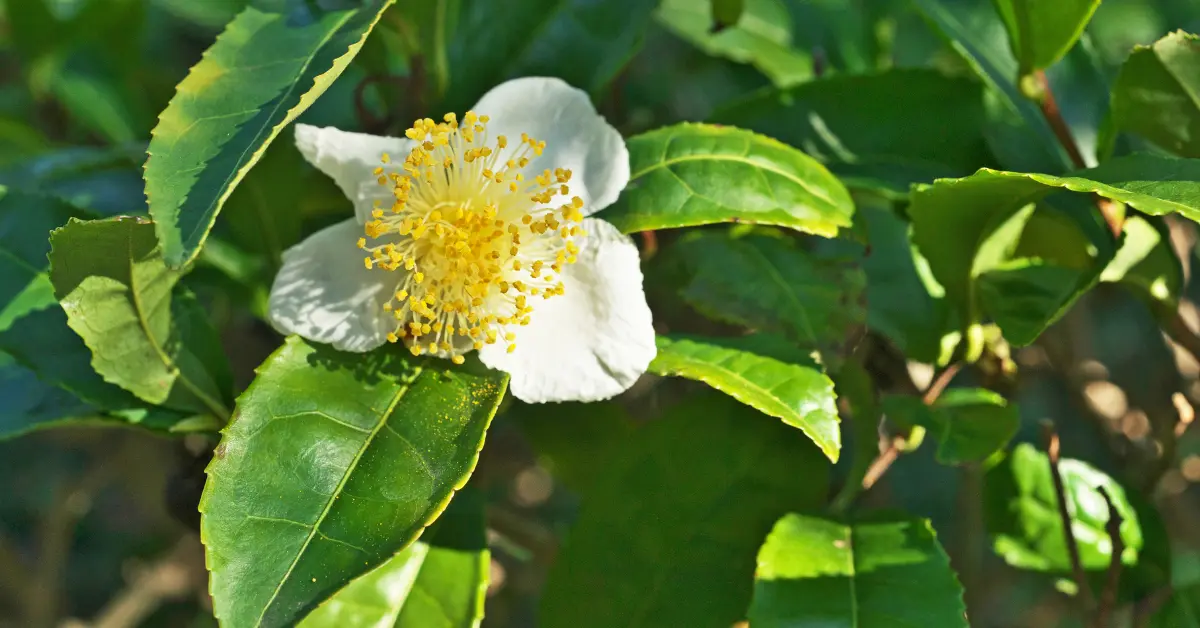
Growing Camellia Sinensis (Tea Plants) in Containers: A Complete Guide for Beginners
If you’ve ever wanted to sip a steaming, homegrown cup of fresh green, black, or [...]
Aug
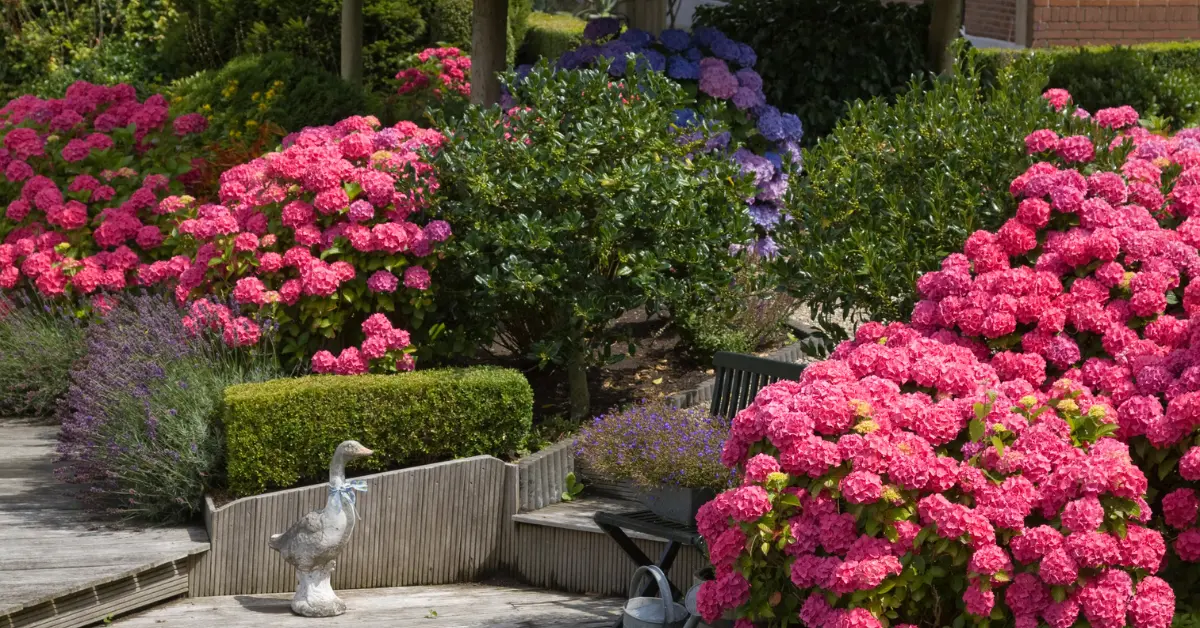
6 Best Shrubs to Plant in August You Must Try
Have you ever walked through a nursery late in the summer, admired the vibrant shrubs [...]
Aug
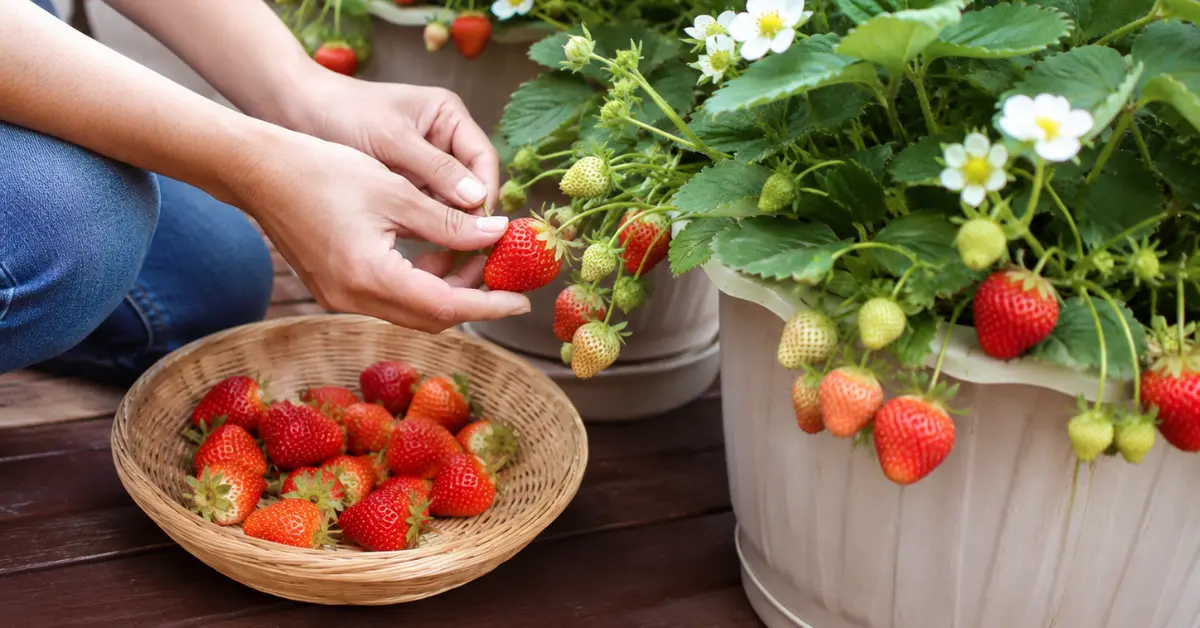
Growing Everbearing Strawberries in Containers: A Complete Guide for Beginners
Want to grow sweet, fresh strawberries but do not have a large garden? Everbearing strawberries [...]
Aug
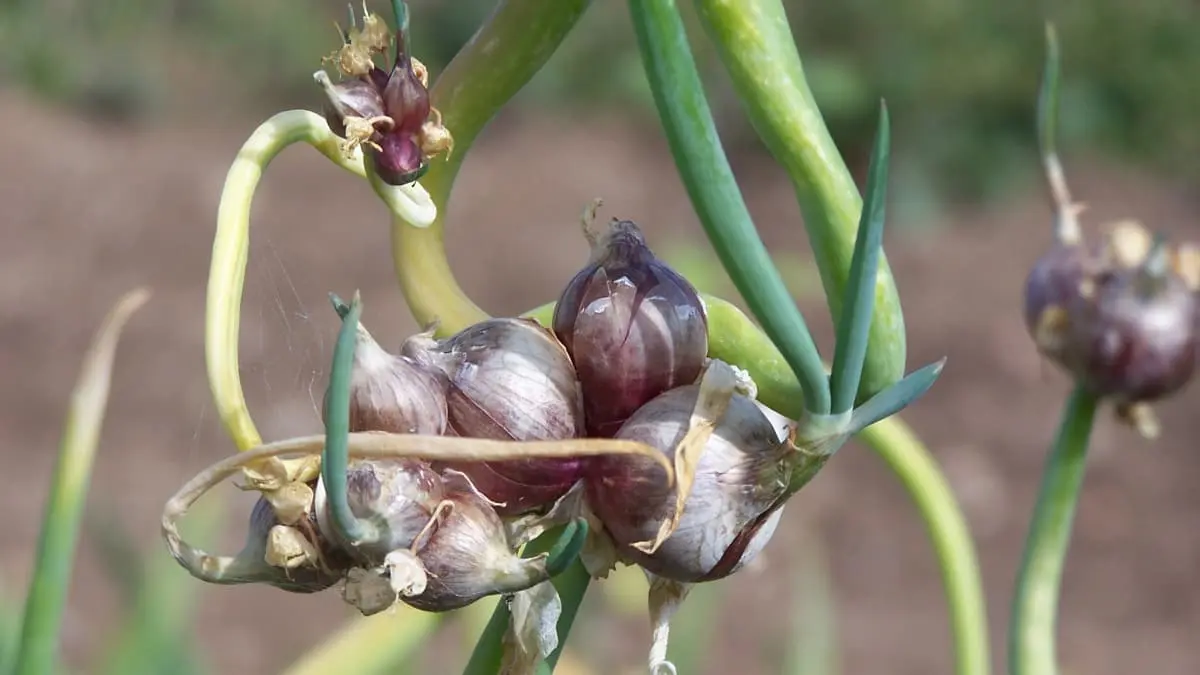
Growing Egyptian Walking Onions in Containers: A Complete Guide for Beginners
If you’re looking for a hardy, no-fuss perennial onion that keeps on giving year after [...]
Jul
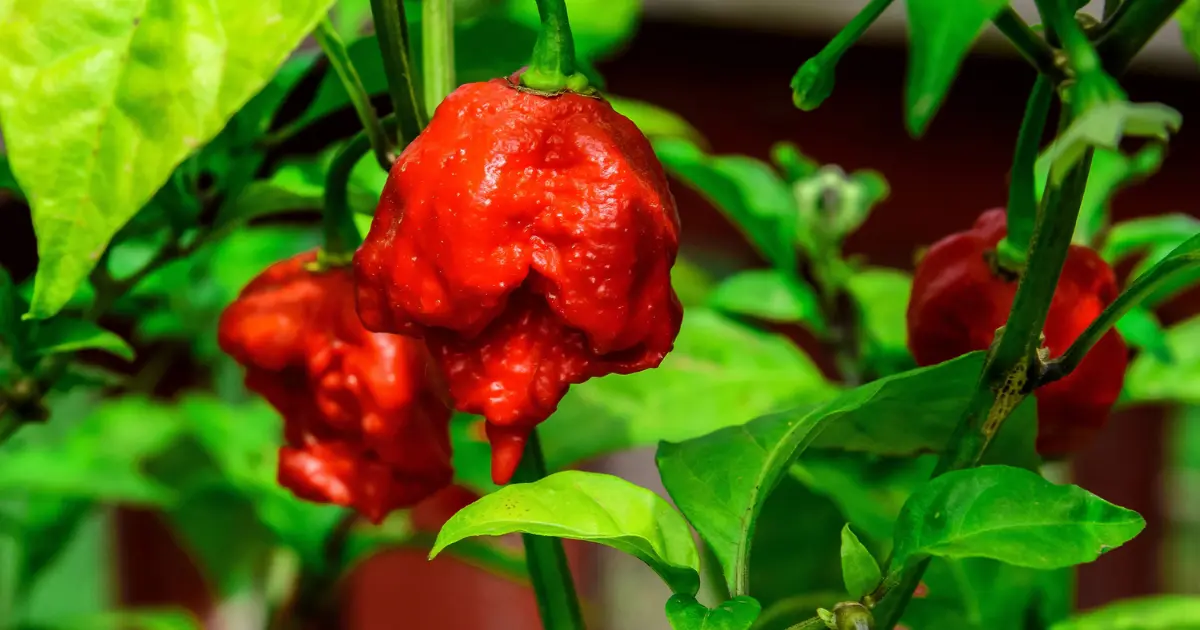
Growing Carolina Reaper Peppers in Pots: A Complete Guide for Beginners
If you’ve ever wanted to add some serious, record-breaking heat to your home cooking, you’ve [...]
May
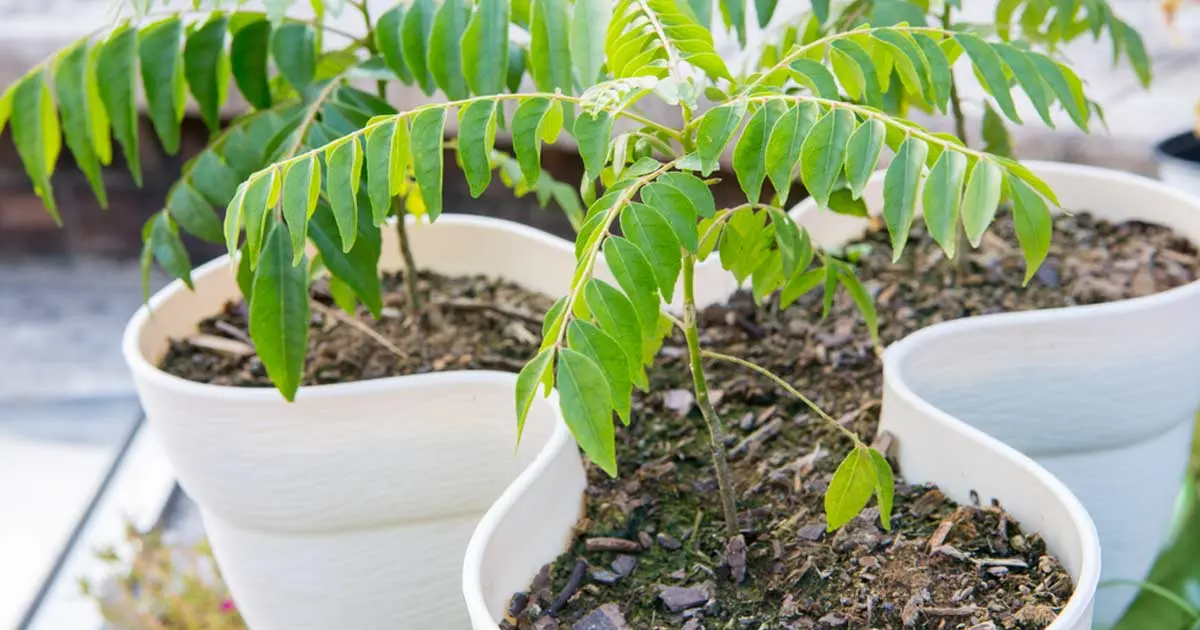
Growing Curry Leaf Plant in Pots: A Complete Guide for Beginners
If you’re a fan of authentic South Asian cuisine, you already know that nothing compares [...]
May
Reviews
There are no reviews yet.