
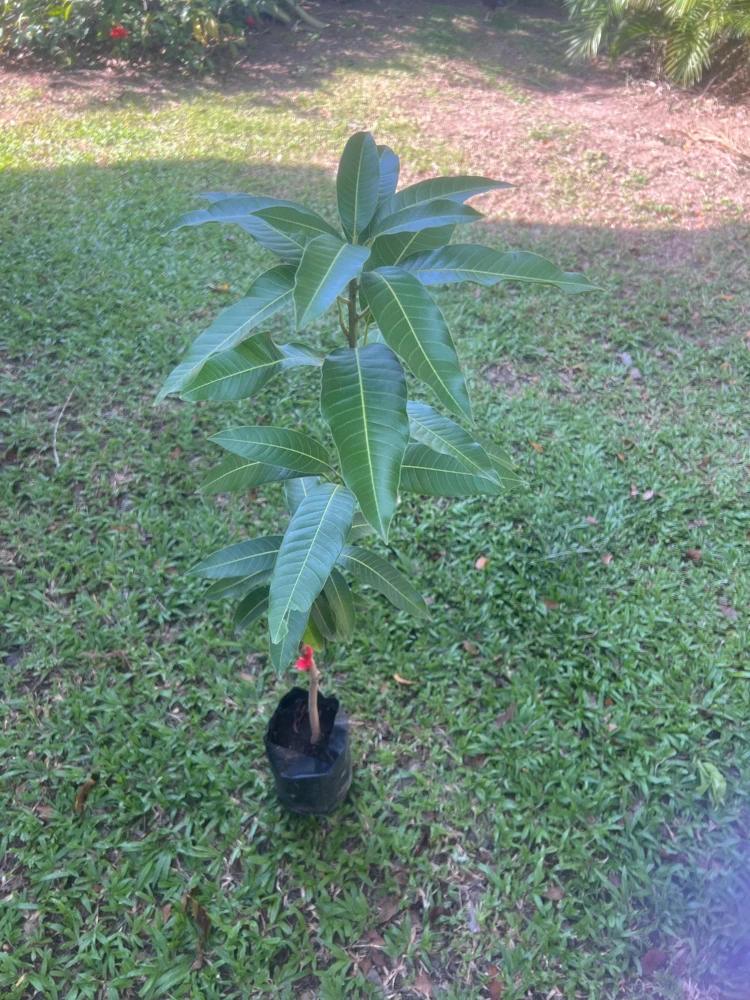
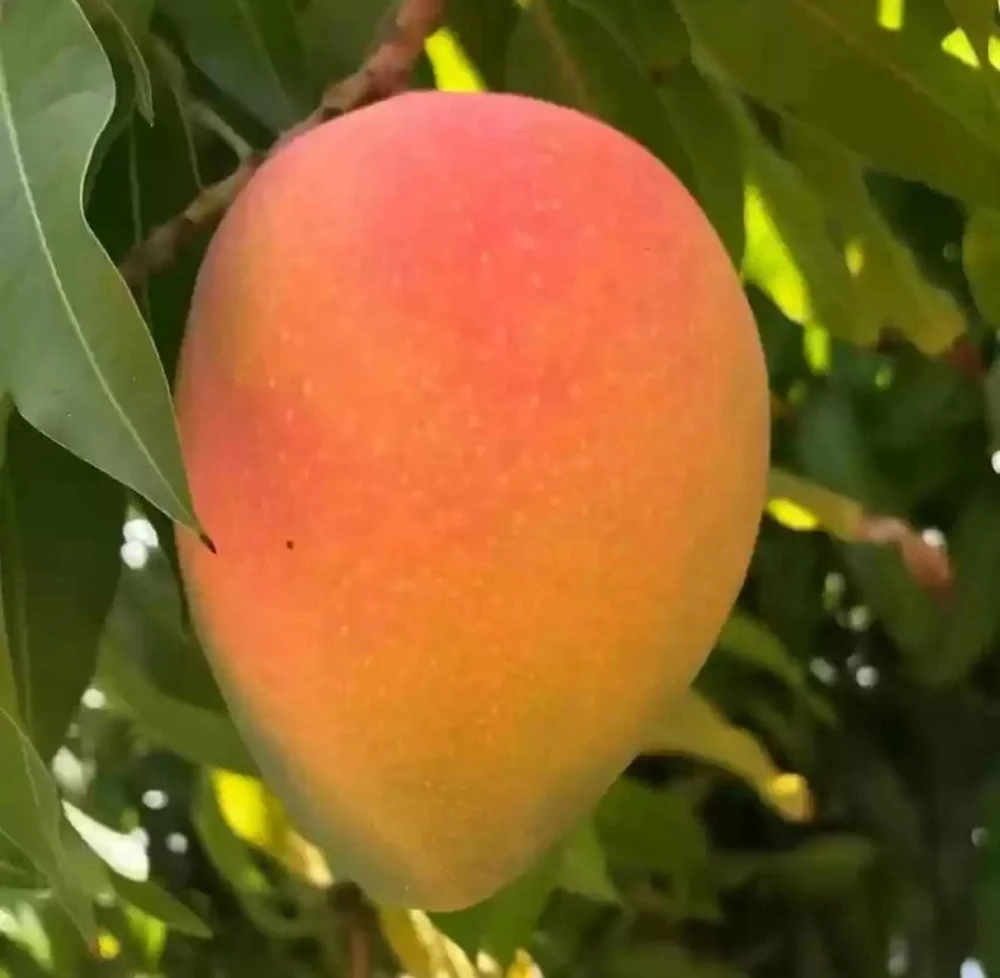
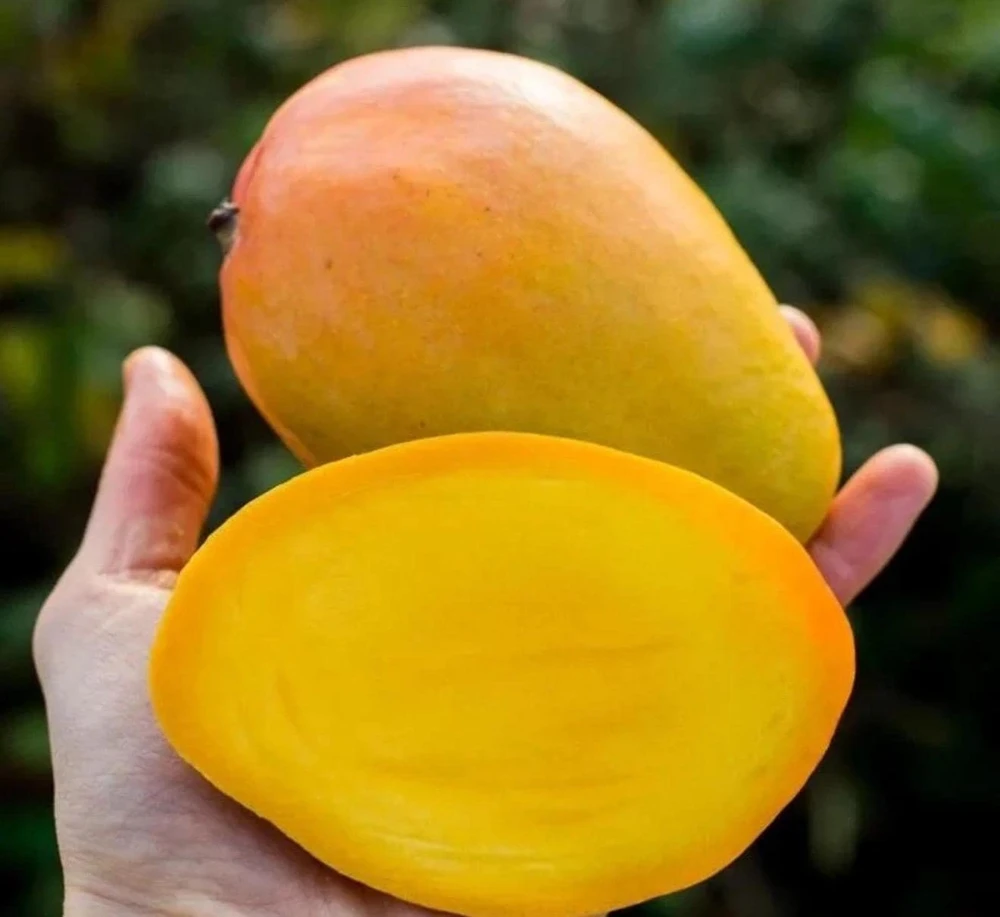
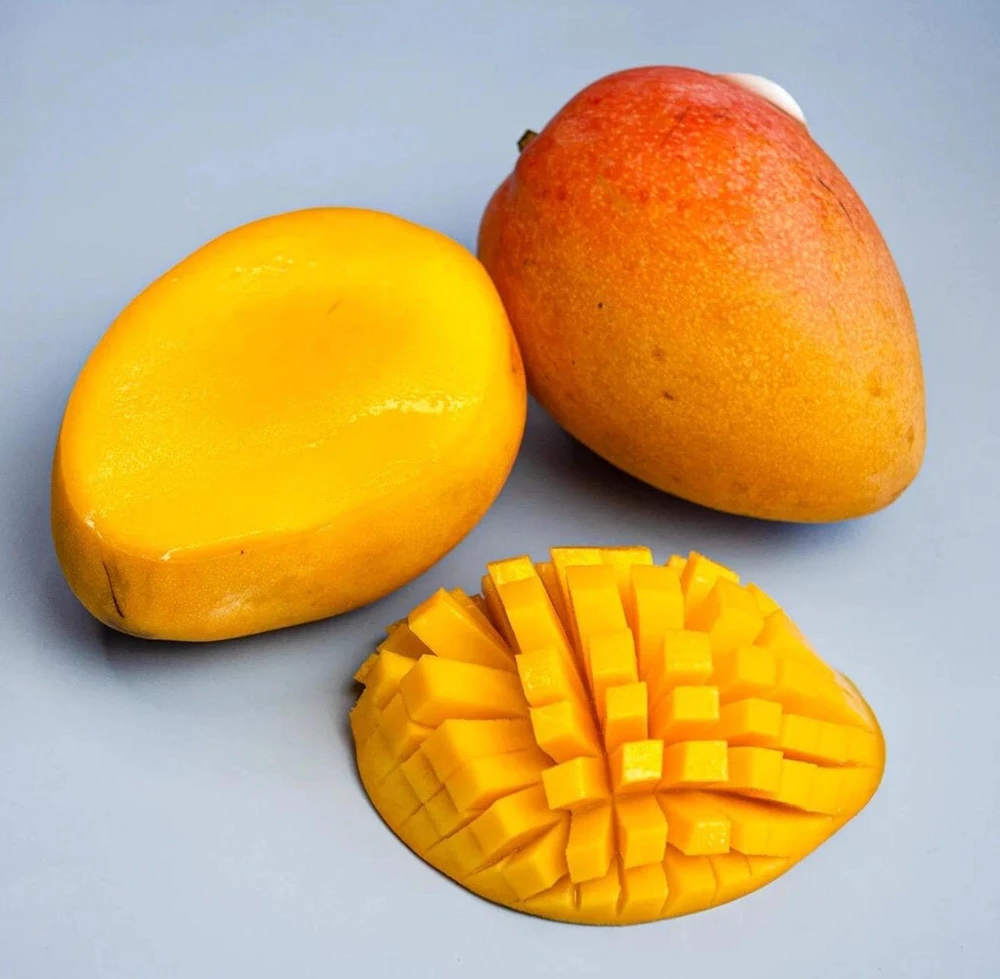
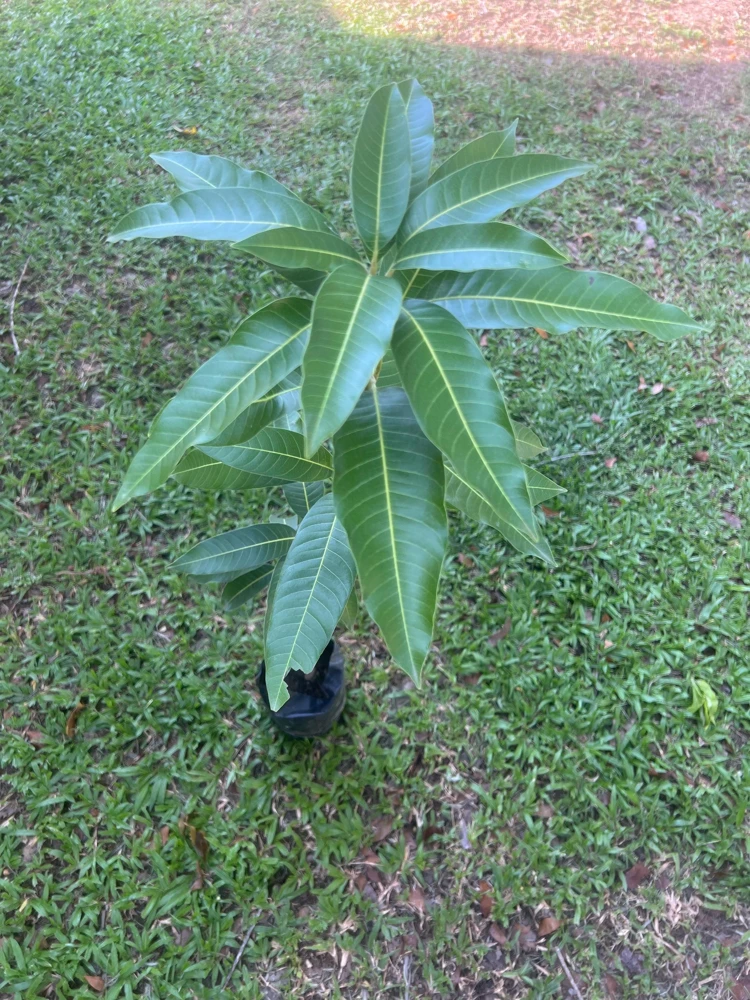
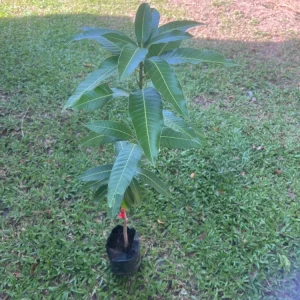
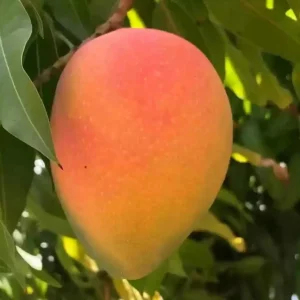
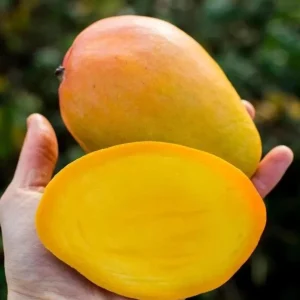
Grafted Edward Mango Tree Live Plant – Early Fruiting, Sweet (3-4ft)
Original price was: $204.80.$154.80Current price is: $154.80.
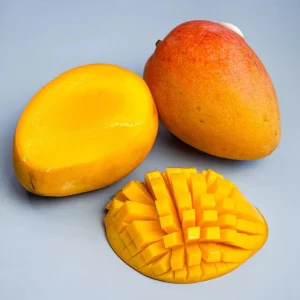
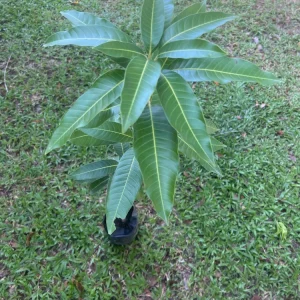
Bring tropical paradise to your garden with a grafted Edward mango tree. This 3-4ft live plant offers early fruiting and features superior sweet, creamy mangoes. Ideal for warm climates, it’s a resilient and rewarding addition to any fruit lover’s collection.
Estimated arrival
Sep 17
Sep 22 - Sep 24
Sep 27 - Oct 01

Reasonable Price
We offer reasonable price

Support 24/7
Contact us 24 hrs a day

100% Money Back
You've 30 days to Return

Payment Secure
100% secure payment
Overview
Introduce a touch of the tropics to your home or garden with the magnificent grafted Edward mango tree. This exceptional live plant, often referred to as the ‘king of fruits’ for its exquisite taste, is a highly sought-after variety among mango enthusiasts. Our 3-4ft tall grafted Edward mango tree specimens are carefully cultivated to ensure robust health and accelerated growth, promising an earlier harvest compared to seed-grown trees. The Edward mango is celebrated for its unique flavor profile – a rich, creamy texture combined with an intoxicatingly sweet and aromatic essence. This makes it a perfect choice for those who appreciate gourmet fruit and wish to enjoy fresh, home-grown mangoes straight from their own backyard. Whether you’re an experienced gardener or a budding horticulturist, cultivating an Edward mango plant care is a deeply rewarding experience, transforming your space into a vibrant, fruit-bearing oasis.
Key Benefits
Choosing an Edward mango tree for your landscape offers numerous advantages, from its exceptional fruit quality to its robust growth habits. This variety is a true standout, providing both aesthetic beauty and delicious rewards.
- Superior Fruit Quality: The Edward mango is renowned for its unparalleled taste. Each fruit boasts a rich, creamy, fiber-free flesh with an intensely sweet and aromatic flavor that is often described as a blend of peach and citrus. Growing your own grafted Edward mango tree ensures you have access to these delectable fruits at peak ripeness.
- Early Fruiting: Thanks to the grafting process, this tree begins producing fruit much sooner than trees grown from seed. You can anticipate enjoying your first harvest of fresh, delicious mangoes in just a few seasons, making it a highly rewarding investment for any gardener.
- Hardy and Resilient: The Edward variety is known for its vigor and adaptability, thriving in warm, tropical, and subtropical climates. It exhibits good resistance to many common mango diseases, making it a relatively low-maintenance option for a tropical fruit tree.
- Tropical Garden Aesthetic: Beyond its fruit, the Edward mango tree is a beautiful addition to any garden. Its lush green foliage and eventually, its colorful ripening fruit, create a stunning tropical focal point, enhancing the visual appeal of your outdoor space.
- Health Benefits: Mangoes are packed with vitamins, minerals, and antioxidants, contributing to a healthy diet. Enjoying fresh, organically grown mangoes from your own grafted Edward mango tree ensures you’re consuming fruit free from commercial pesticides and ripeners.
- Rewarding Cultivation: There’s immense satisfaction in growing mangoes at home. Watching your tree flourish and bear fruit is a fulfilling experience, providing fresh produce and a connection to nature.
Plant Care & Growing Tips
Proper care is essential for a thriving grafted Edward mango tree and a bountiful harvest. Understanding its specific needs for sunlight, water, and soil will ensure your tree grows strong and produces delicious fruit. This variety, like most tropical fruit trees, appreciates consistent attention to its environmental conditions.
Sunlight: Your grafted Edward mango tree requires abundant sunlight to produce the best fruit. It thrives in full sun, meaning it needs at least 6-8 hours of direct sunlight per day. Choose a planting location that receives ample morning sun and is protected from harsh afternoon winds, especially when young. If grown in a pot, ensure it’s placed in the sunniest spot available, and consider rotating it periodically for even sun exposure. Lack of sufficient sunlight can lead to poor fruit production and weaker growth.
Watering: Regular and consistent watering is crucial for the health of your mango tree, particularly during its establishment phase and during dry periods. Water deeply to encourage a strong root system, allowing the top few inches of soil to dry out slightly between waterings. Avoid overwatering, as this can lead to root rot. During flowering and fruiting, consistent moisture is important, but reduce watering slightly as fruits begin to ripen to prevent splitting and enhance sweetness. For an Edward mango plant care regimen, always check soil moisture before watering.
Soil: Well-draining, loamy soil is ideal for the grafted Edward mango tree. It prefers slightly acidic to neutral soil (pH 6.0-7.0). If your soil is heavy clay, amend it with organic matter like compost and sand to improve drainage. For potted plants, use a high-quality potting mix formulated for fruit trees or a well-draining general-purpose mix. Good drainage is paramount, as mango trees do not tolerate soggy feet. Ensuring proper soil conditions will significantly contribute to the tree’s overall vigor and fruit yield.
Temperature and Hardiness: The Edward mango tree is a tropical plant and is sensitive to cold. It thrives in USDA hardiness zones 9-11. Temperatures below 30°F (-1°C) can cause significant damage or even kill young trees. If you live in a cooler climate, consider growing your sweet mango tree for sale in a large container that can be moved indoors during winter months. Protect young trees from frost with covers or blankets if unexpected cold snaps occur. Consistent warm temperatures are key for healthy growth and fruit development.
Fertilization: Feed your grafted Edward mango tree with a balanced fertilizer specifically designed for fruit trees or tropical plants. Young trees benefit from regular feeding every 4-6 weeks during the growing season. As the tree matures, fertilize 3-4 times a year, adjusting the frequency and amount based on the tree’s growth and fruit production. Look for fertilizers with micronutrients like iron, zinc, and manganese. Avoid high-nitrogen fertilizers during flowering, as this can promote leafy growth at the expense of fruit production.
Pruning: Pruning is important for shaping the tree, promoting air circulation, and encouraging fruit production. Prune your grafted Edward mango tree after harvest to remove dead, diseased, or crossing branches. You can also prune to maintain a manageable size, making harvesting easier. Avoid heavy pruning just before or during the flowering period. Regular light pruning helps maintain a strong structure and encourages new growth that will bear fruit.
Size & Details
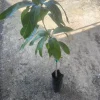
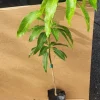
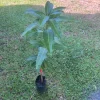
This offering is for a healthy grafted Edward mango tree, typically standing 3-4 feet tall at the time of shipment. These trees are propagated through grafting, which ensures they retain the desirable characteristics of the parent Edward variety and begin fruiting much earlier than trees grown from seed. Upon arrival, the tree will be well-rooted and ready for planting in your garden or a larger container. When mature, an Edward mango tree can reach heights of 10-20 feet, depending on pruning and growing conditions, making it a substantial and beautiful tropical fruit tree. The vigorous growth habit means you can expect a relatively fast-growing tree that will establish itself well in its new environment. The tree will be shipped in a nursery pot, carefully packaged to protect it during transit, ensuring it arrives in excellent condition, ready for its new home.
Frequently Asked Questions
- Q: How big will my grafted Edward mango tree get? A: With proper care and pruning, a mature Edward mango tree can reach heights of 10-20 feet. You can maintain a smaller size with regular pruning to suit your garden space or for container growing.
- Q: Is this an indoor or outdoor plant? A: The grafted Edward mango tree is primarily an outdoor plant, thriving in warm, tropical, and subtropical climates (USDA Zones 9-11). However, it can be grown in a large container and brought indoors during colder months in cooler regions.
- Q: How much sunlight does an Edward mango plant care require? A: This tree needs full sun, meaning at least 6-8 hours of direct sunlight per day, for optimal growth and fruit production. Choose the sunniest spot in your garden or home.
- Q: When can I expect fruit from my grafted Edward mango tree? A: Thanks to grafting, your tree can start producing fruit within 2-4 years of planting, significantly faster than seed-grown trees. The exact timing can vary based on growing conditions and care.
- Q: What kind of soil is best for growing mangoes at home? A: Edward mango trees prefer well-draining, loamy soil with a slightly acidic to neutral pH (6.0-7.0). Good drainage is crucial to prevent root rot.
- Q: How often should I water my mango tree? A: Water deeply and regularly, especially during dry periods and when the tree is young. Allow the top few inches of soil to dry out between waterings. Reduce watering slightly as fruits ripen.
- Q: Is the Edward mango variety resistant to diseases? A: The Edward mango is known for its hardiness and exhibits good resistance to many common mango diseases, making it a reliable choice for a sweet mango tree for sale.
- Q: What is the best time to plant a grafted Edward mango tree? A: The best time to plant is typically in the spring or early summer, after the last threat of frost has passed, allowing the tree ample time to establish before cooler weather.
- Q: Can I grow this tree in a pot? A: Yes, the grafted Edward mango tree can be successfully grown in a large container. This is an excellent option for those in colder climates who need to move the tree indoors during winter. Ensure the pot has good drainage.
- Q: What care is needed for an Edward mango plant care during winter if grown in a pot? A: If grown in a pot in a cooler climate, move the tree indoors to a bright, warm location before temperatures drop below 40°F. Reduce watering slightly during its dormant period but do not let the soil dry out completely.
Be the first to review “Grafted Edward Mango Tree Live Plant – Early Fruiting, Sweet (3-4ft)”
-
USDA Hardiness Zone
USDA Zones 9-11 -
Soil Type
Well-draining, loamy soil -
Sunlight Exposure
Full sun (6-8 hours daily) -
Expected Planting Period
Spring to early summer
People Also Viewd


Sold 134 products
Original price was: $3,536.00.$23.99Current price is: $23.99.

Sold 131 products
Original price was: $27.00.$24.00Current price is: $24.00.

Sold 131 products
Original price was: $89.99.$64.99Current price is: $64.99.

Sold 125 products
Original price was: $86.99.$66.99Current price is: $66.99.

Flower Bulbs
3 Cranesbill Wild Geranium Organic Maculatums Bare Roots | Wildflower for Outdoor Garden
Sold 116 products
Original price was: $21.99.$9.99Current price is: $9.99.

Sold 114 products
Original price was: $28.99.$17.99Current price is: $17.99.

Sold 110 products
Original price was: $63.99.$28.99Current price is: $28.99.
Sold 108 products
Original price was: $28.99.$17.99Current price is: $17.99.RELATED posts
Growing Camellia Sinensis (Tea Plants) in Containers: A Complete Guide for Beginners
If you’ve ever wanted to sip a steaming, homegrown cup of fresh green, black, or [...]
Aug
6 Best Shrubs to Plant in August You Must Try
Have you ever walked through a nursery late in the summer, admired the vibrant shrubs [...]
Aug
Growing Everbearing Strawberries in Containers: A Complete Guide for Beginners
Want to grow sweet, fresh strawberries but do not have a large garden? Everbearing strawberries [...]
Aug
Growing Egyptian Walking Onions in Containers: A Complete Guide for Beginners
If you’re looking for a hardy, no-fuss perennial onion that keeps on giving year after [...]
Jul
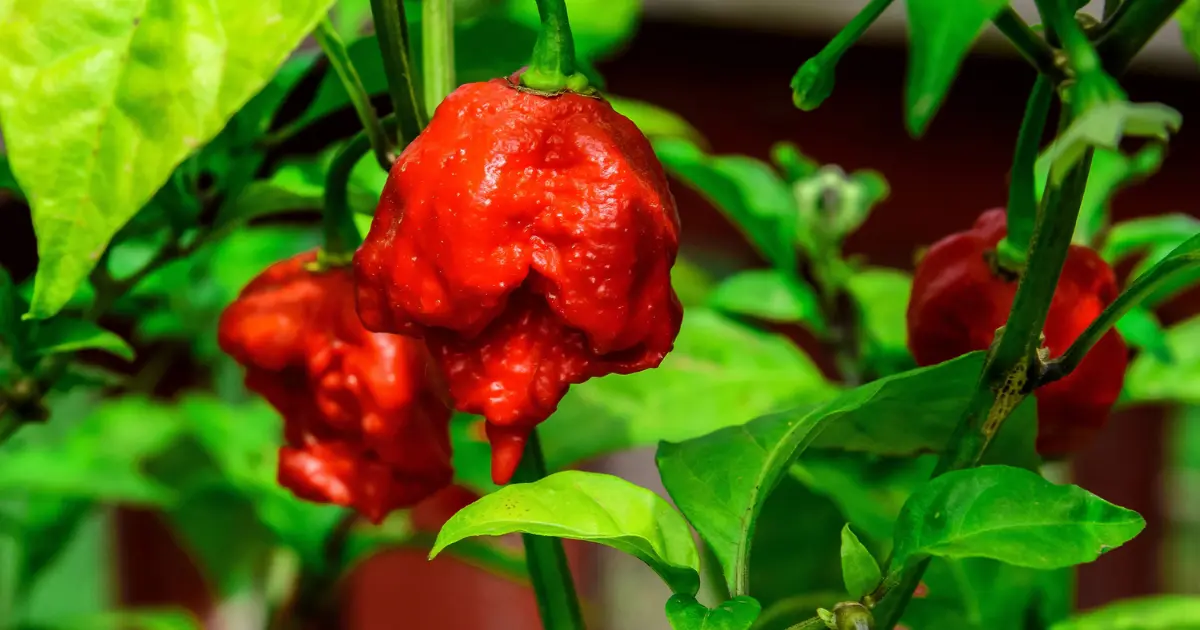
Growing Carolina Reaper Peppers in Pots: A Complete Guide for Beginners
If you’ve ever wanted to add some serious, record-breaking heat to your home cooking, you’ve [...]
May
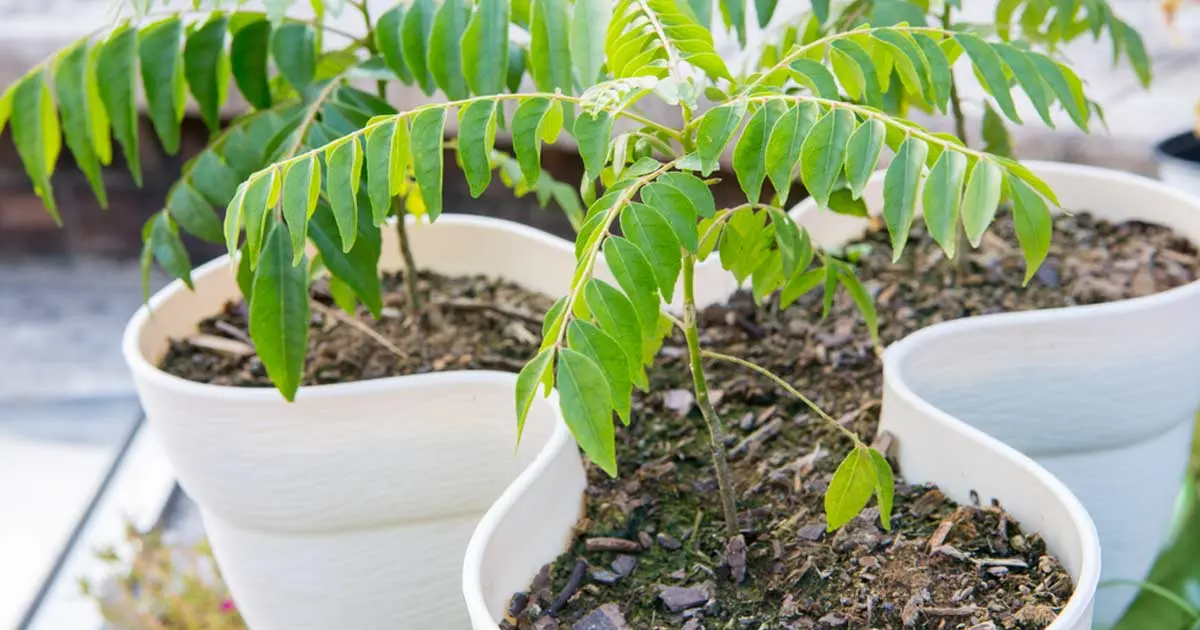
Growing Curry Leaf Plant in Pots: A Complete Guide for Beginners
If you’re a fan of authentic South Asian cuisine, you already know that nothing compares [...]
May
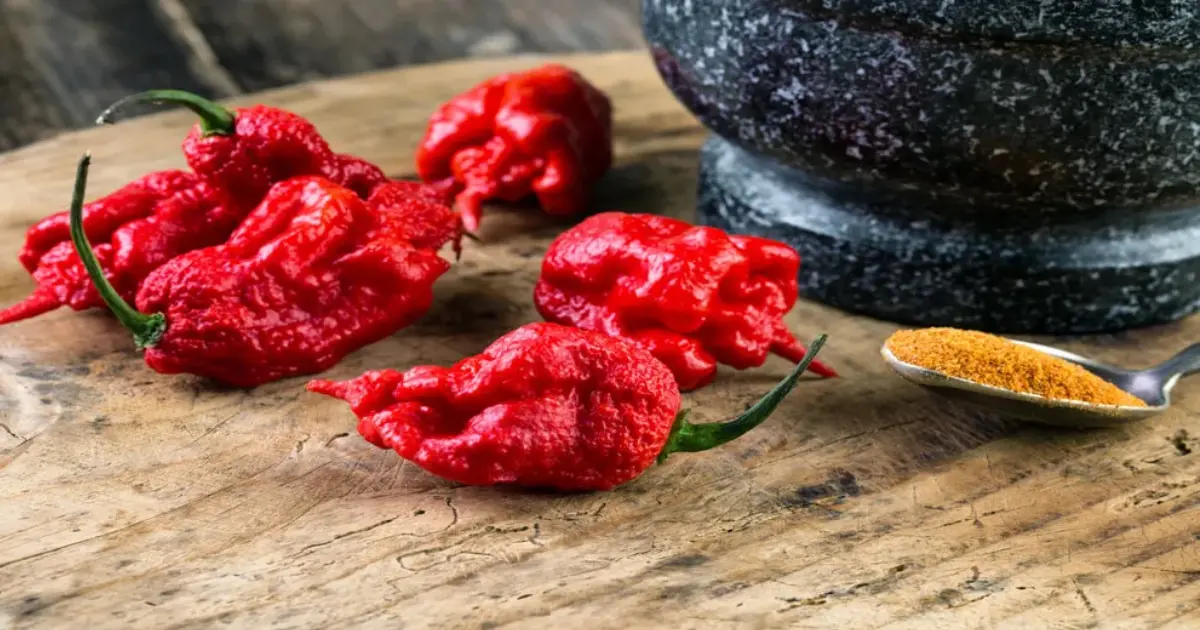
5 Tips for Growing Carolina Reaper Peppers to Get the Spiciest Harvest Ever
Holding the record for one of the world’s hottest peppers, the Reaper isn’t just a [...]
May
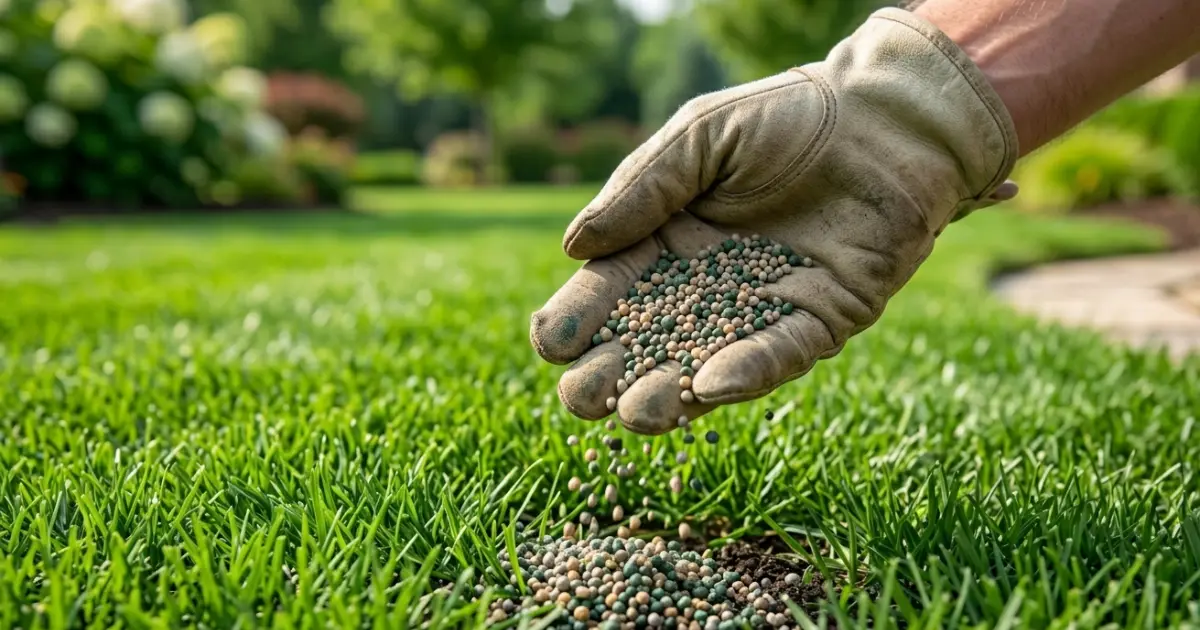
Best Fertilizers for Zoysia Grass in 2026: Get a Lush Lawn
As we enter the new year, the time has come to think about how we [...]
Apr
Reviews
There are no reviews yet.