
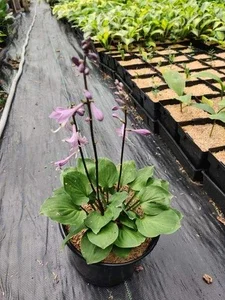
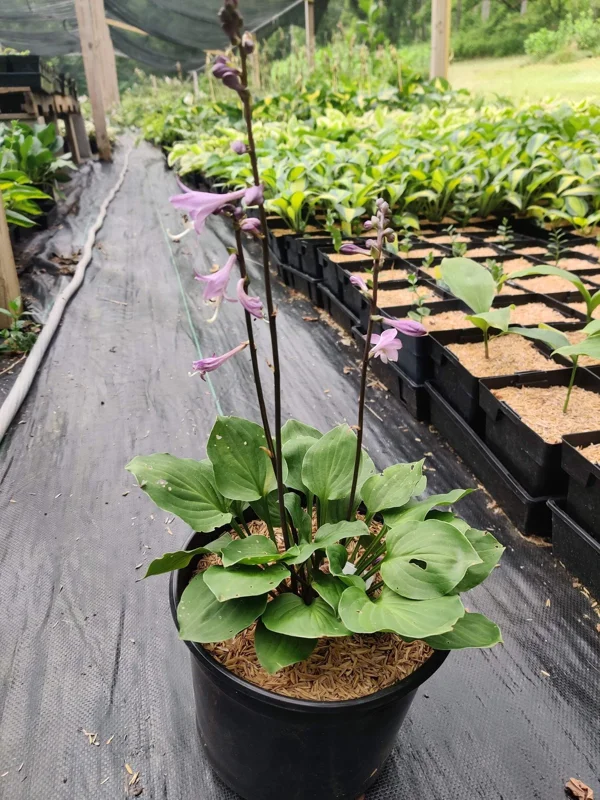
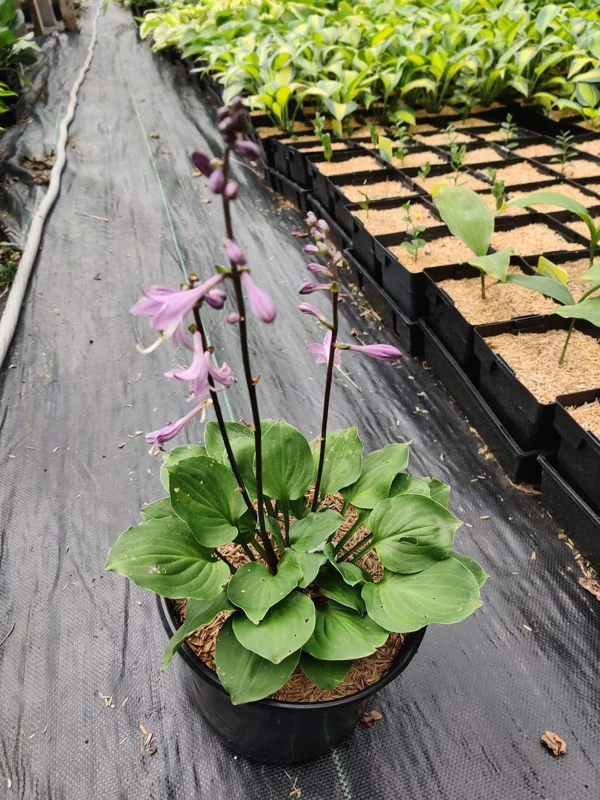
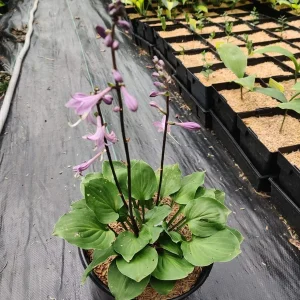
Hosta Dark Side of the Moon Live Plant – 5.25″ Pot – Perennial Shade
Original price was: $187.04.$73.99Current price is: $73.99.
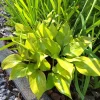
Add dramatic beauty to your shaded garden with the Hosta Dark Side of the Moon. This unique perennial shade plant boasts deep, corrugated foliage, creating a striking contrast. Arrives in a 5.25″ pot, well-rooted and ready to thrive.
Estimated arrival
Oct 06
Oct 11 - Oct 13
Oct 16 - Oct 20

Reasonable Price
We offer reasonable price

Support 24/7
Contact us 24 hrs a day

100% Money Back
You've 30 days to Return

Payment Secure
100% secure payment
Overview
The Hosta Dark Side of the Moon is a truly exceptional addition to any shade garden, renowned for its striking deep green to almost black, heavily corrugated leaves. This perennial shade plant offers a dramatic visual impact, making it a focal point in borders, woodland gardens, or containers. Unlike many hostas, ‘Dark Side of the Moon’ maintains its intense color even in moderate light, providing consistent beauty throughout the growing season. Its robust nature and unique texture make it a favorite among gardeners seeking to add depth and contrast to their landscape. This live plant is carefully cultivated and arrives well-rooted in a 5.25-inch pot, ensuring a healthy start in your garden. For those looking to create an impactful shade garden, understanding the specific Hosta care guide for this variety is crucial to unlock its full potential.
Hosta, often called Plantain Lily, is a genus of herbaceous perennial plants, widely grown for their attractive foliage. The ‘Dark Side of the Moon’ cultivar stands out with its thick, puckered leaves that emerge a deep green and mature to a rich, almost black hue in optimal conditions. It’s an excellent choice for gardeners who appreciate bold textures and a sophisticated color palette in their outdoor spaces. Its resilience and relatively low maintenance requirements contribute to its popularity as a go-to shade garden plant.
Key Benefits
The Hosta Dark Side of the Moon offers numerous benefits, making it an ideal choice for various garden settings. Its unique characteristics contribute significantly to landscape aesthetics and ease of care.
- Dramatic Foliage: This hosta features incredibly dark, corrugated leaves that create a stunning visual contrast against lighter plants or structures. The deep color adds a touch of elegance and mystery to any shaded area.
- Low Maintenance: Once established, the Hosta Dark Side of the Moon is remarkably easy to care for, requiring minimal attention beyond regular watering. It’s an excellent choice for busy gardeners or those new to perennial gardening.
- Shade Tolerance: Thriving in partial to full shade, this plant is perfect for those challenging areas under trees or on the north side of buildings where other plants struggle. It’s a true perennial shade plant champion.
- Pest Resistance: While no plant is entirely pest-proof, ‘Dark Side of the Moon’ exhibits good resistance to common hosta pests like slugs and snails, thanks to its thick, textured leaves.
- Long-Lived Perennial: As a hardy perennial, this hosta will return year after year, growing larger and more impressive with each season, providing lasting beauty without the need for annual replanting.
- Versatile Use: Ideal for mass plantings, borders, containers, or as a specimen plant, its striking appearance makes it suitable for a wide range of garden designs.
- Enhances Texture: The heavily puckered and deeply veined leaves add significant textural interest to the garden, complementing smoother-leaved plants and creating dynamic visual appeal.
Plant Care & Growing Tips
Proper care is essential to ensure your Hosta Dark Side of the Moon thrives and displays its best qualities. This perennial shade plant prefers consistent moisture and protection from harsh sun. For optimal growth, plant your hosta in a location that receives partial to full shade. While it can tolerate some morning sun, avoid direct afternoon sun, which can scorch its dark leaves and diminish its vibrant color. Aim for 3-6 hours of indirect light or dappled shade throughout the day.
Watering should be consistent, especially during dry periods. The soil should remain evenly moist but not waterlogged. Deep watering once or twice a week is generally more effective than shallow, frequent watering. Well-draining soil is crucial to prevent root rot; a rich, organic soil mix is ideal. Amend heavy clay soils with compost or peat moss to improve drainage and aeration. Fertilize in early spring with a balanced slow-release granular fertilizer or an organic liquid feed, following package instructions. A good Hosta care guide will always emphasize adequate moisture and proper soil conditions. Deadhead spent flower stalks to redirect the plant’s energy into foliage production. Protect young plants from slugs and snails, though ‘Dark Side of the Moon’ tends to be more resistant due to its leaf texture. The typical USDA hardiness zone for hostas is 3-9, and this variety falls comfortably within that range, making it suitable for a wide array of climates.
Size & Details
The Hosta Dark Side of the Moon arrives as a vibrant, well-rooted live plant in a sturdy 5.25″ pot, ready for immediate planting. When mature, this impressive hosta typically reaches a height of 18-24 inches with a spread of 30-36 inches, forming a magnificent clump of dramatic foliage. Its growth rate is moderate, establishing quickly in suitable conditions and gradually expanding its impressive presence over several years. The plant will develop its characteristic deep, corrugated leaves more fully as it matures. The ‘OS’ in the original description likely refers to ‘Open Stock’, indicating it’s a standard, healthy plant rather than a specific grade. Expect this beautiful dark foliage hosta to become a significant feature in your garden, offering its unique aesthetic for many seasons to come. It’s an excellent choice for adding structure and a touch of drama to shaded garden designs.
Frequently Asked Questions
- Q: How big does this Hosta Dark Side of the Moon get? A: The Hosta Dark Side of the Moon typically matures to a height of 18-24 inches with a spread of 30-36 inches. It forms a substantial, dramatic clump over time, becoming a focal point in your shade garden.
- Q: What size pot does it come in? A: This specific Hosta ‘Dark Side of the Moon’ live plant is shipped in a 5.25-inch nursery pot. It is well-rooted and ready to be transplanted into your garden or a larger container.
- Q: Is this an indoor or outdoor plant? A: While some hostas can be temporarily brought indoors, the Hosta Dark Side of the Moon is primarily an outdoor perennial shade plant. It thrives in shaded garden beds, borders, and outdoor containers.
- Q: How much sunlight does it need? A: This hosta prefers partial to full shade. It can tolerate some morning sun but should be protected from harsh afternoon sunlight, which can scorch its leaves and affect its dark coloration.
- Q: Is this plant easy to care for? A: Yes, once established, the Hosta ‘Dark Side of the Moon’ is considered relatively easy to care for. It requires consistent moisture and protection from direct sun, making it suitable for gardeners of various experience levels. Following a good Hosta care guide will ensure success.
- Q: What condition will it arrive in? A: Your Hosta Dark Side of the Moon will arrive as a well-rooted, healthy live plant in its 5.25″ nursery pot, carefully packaged to ensure its safe journey to your home.
- Q: Is it good for beginners? A: Absolutely! Given its relatively low maintenance needs and robust nature, this hosta is an excellent choice for beginner gardeners looking to add a striking shade garden plant to their landscape.
- Q: When is the best time to plant this hosta? A: The best time to plant the ‘Dark Side of the Moon’ hosta is in spring or early fall when temperatures are moderate. This allows the plant to establish its root system before extreme summer heat or winter cold.
- Q: Will it survive winter in my zone? A: Hostas are hardy perennials. The Hosta ‘Dark Side of the Moon’ is generally hardy in USDA Zones 3-9, meaning it will go dormant in winter and return reliably in spring in most temperate climates.
- Q: What’s the minimum temperature it can tolerate? A: As a hardy perennial, this hosta can tolerate winter temperatures well below freezing, typically down to -40°F (-40°C) in its dormant state, making it suitable for a wide range of climates.
Be the first to review “Hosta Dark Side of the Moon Live Plant – 5.25″ Pot – Perennial Shade”
-
USDA Hardiness Zone
USDA zones 3-9 -
Soil Type
Well-draining, rich, organic soil -
Sunlight Exposure
Partial to full shade -
Expected Planting Period
Spring to early fall
People Also Viewd
Sold 134 products
Original price was: $3,536.00.$23.99Current price is: $23.99.
Sold 132 products
Original price was: $27.00.$24.00Current price is: $24.00.
Sold 132 products
Original price was: $89.99.$64.99Current price is: $64.99.

Sold 125 products
Original price was: $86.99.$66.99Current price is: $66.99.
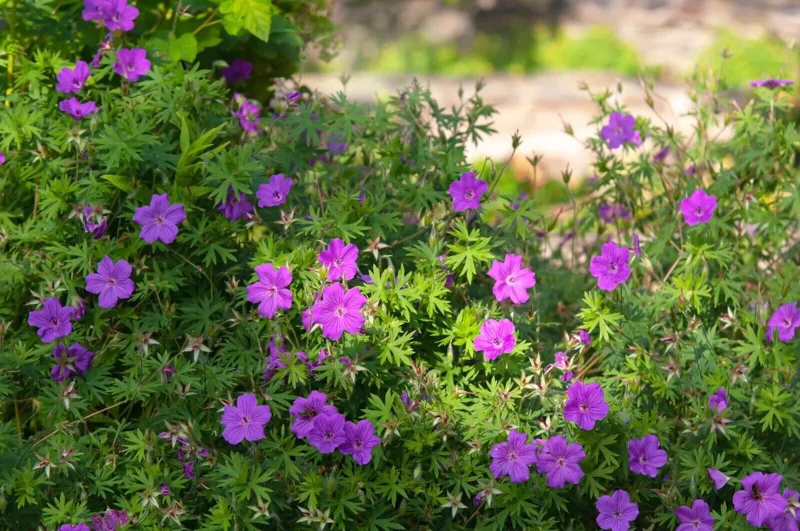
Flower Bulbs
3 Cranesbill Wild Geranium Organic Maculatums Bare Roots | Wildflower for Outdoor Garden
Sold 116 products
Original price was: $21.99.$9.99Current price is: $9.99.
Sold 114 products
Original price was: $28.99.$17.99Current price is: $17.99.
Sold 110 products
Original price was: $63.99.$28.99Current price is: $28.99.
Sold 108 products
Original price was: $28.99.$17.99Current price is: $17.99.RELATED posts
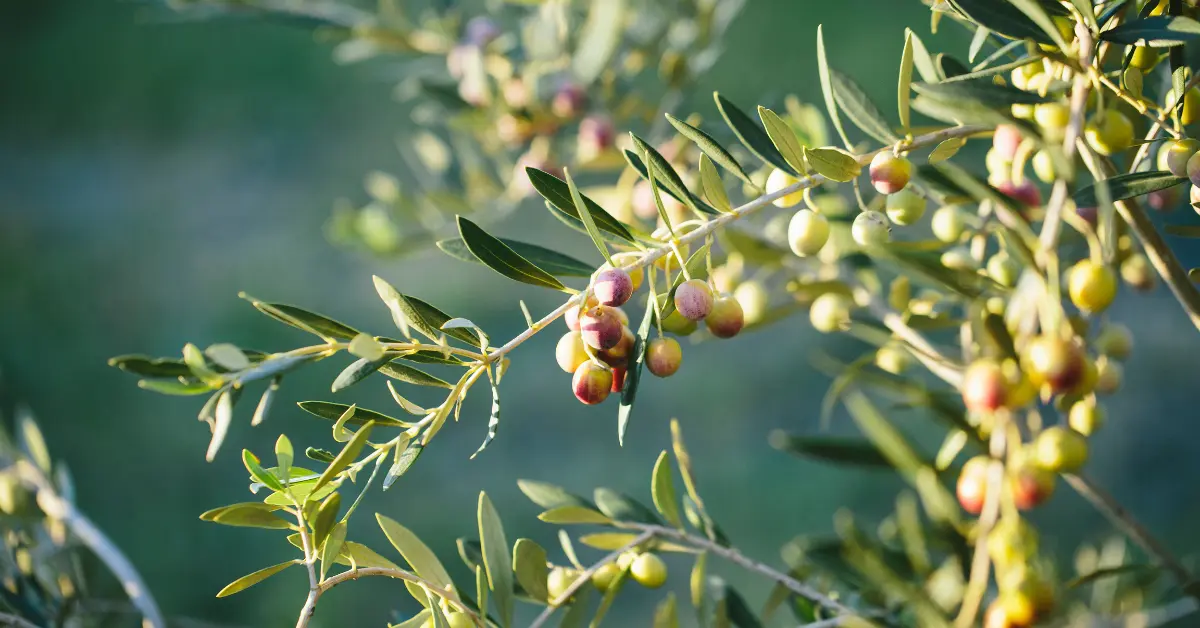
How to Grow Arbequina Olive Trees: The Ultimate Guide to Your Own Olive Grove
Arbequina Olive Tree (Olea europaea ‘Arbequina’) – the ultimate Mediterranean plant that brings a touch [...]
Oct
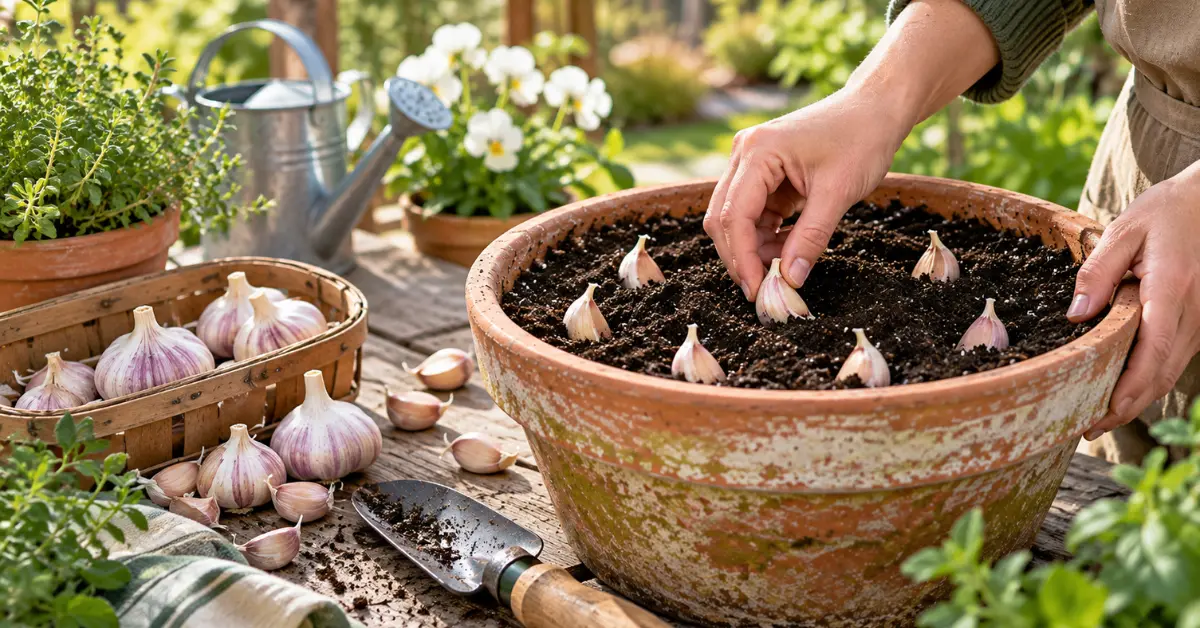
Growing Garlic in Containers This Fall: A Complete Guide for Beginners
If you’ve ever wanted to pop fresh, aromatic garlic cloves straight from your own patio [...]
Sep
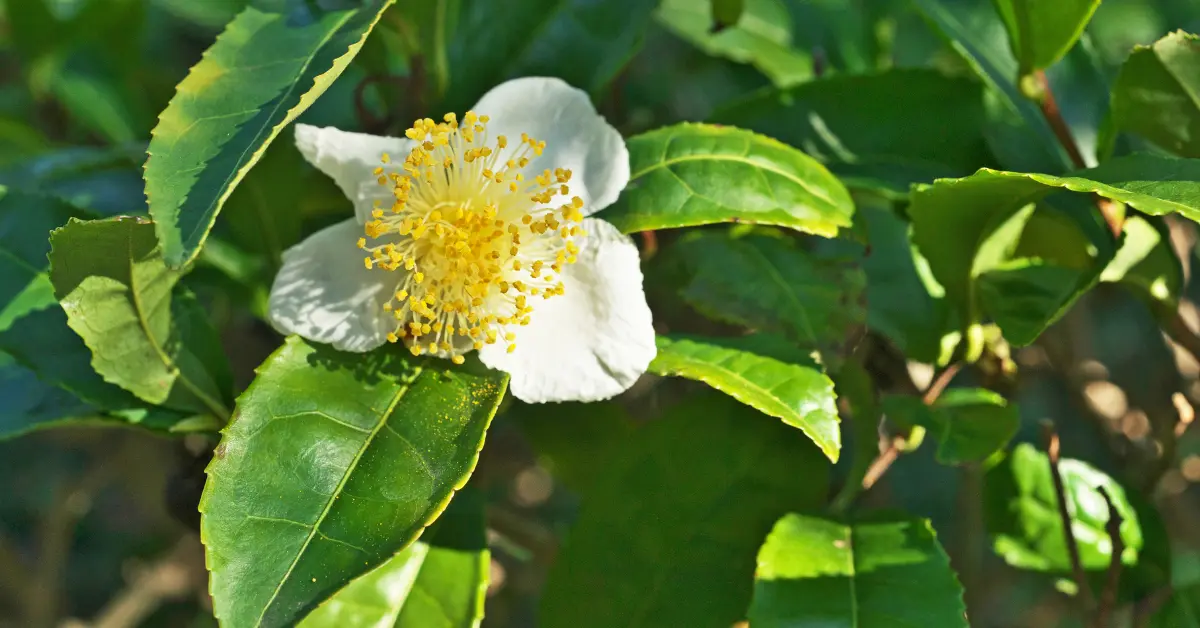
Growing Camellia Sinensis (Tea Plants) in Containers: A Complete Guide for Beginners
If you’ve ever wanted to sip a steaming, homegrown cup of fresh green, black, or [...]
Aug
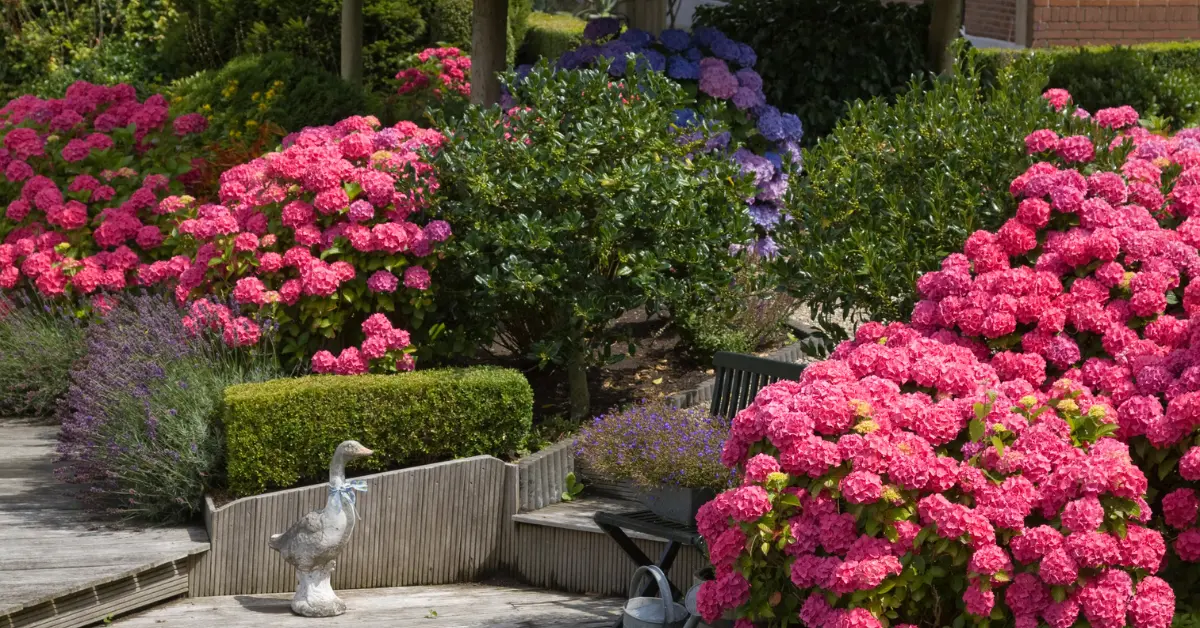
6 Best Shrubs to Plant in August You Must Try
Have you ever walked through a nursery late in the summer, admired the vibrant shrubs [...]
Aug
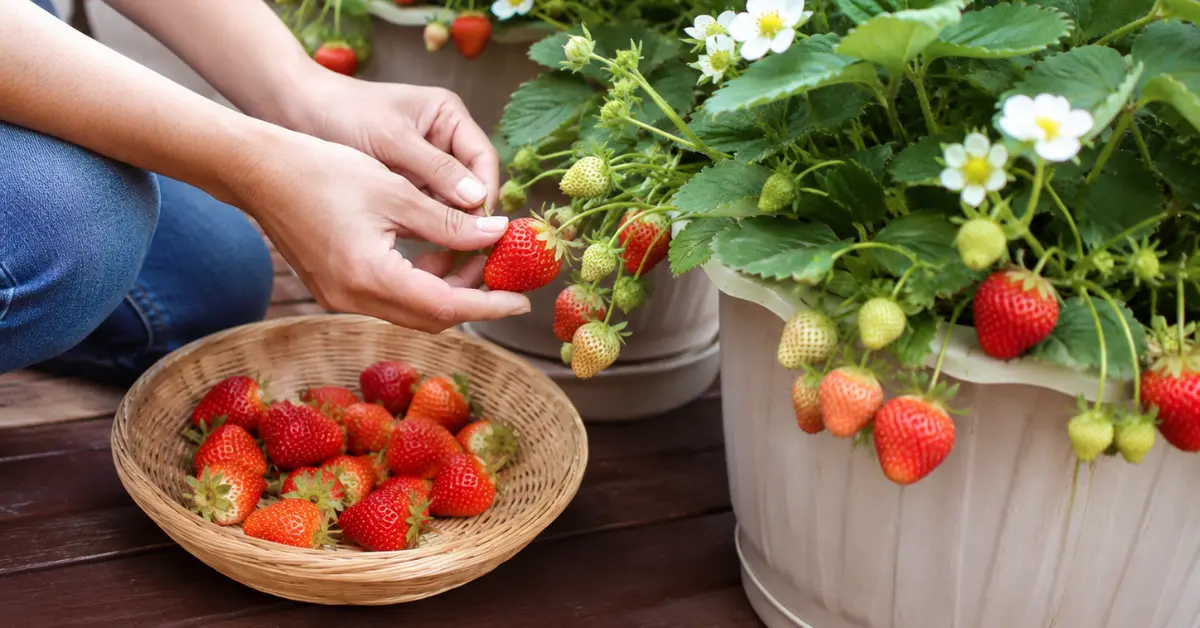
Growing Everbearing Strawberries in Containers: A Complete Guide for Beginners
Want to grow sweet, fresh strawberries but do not have a large garden? Everbearing strawberries [...]
Aug
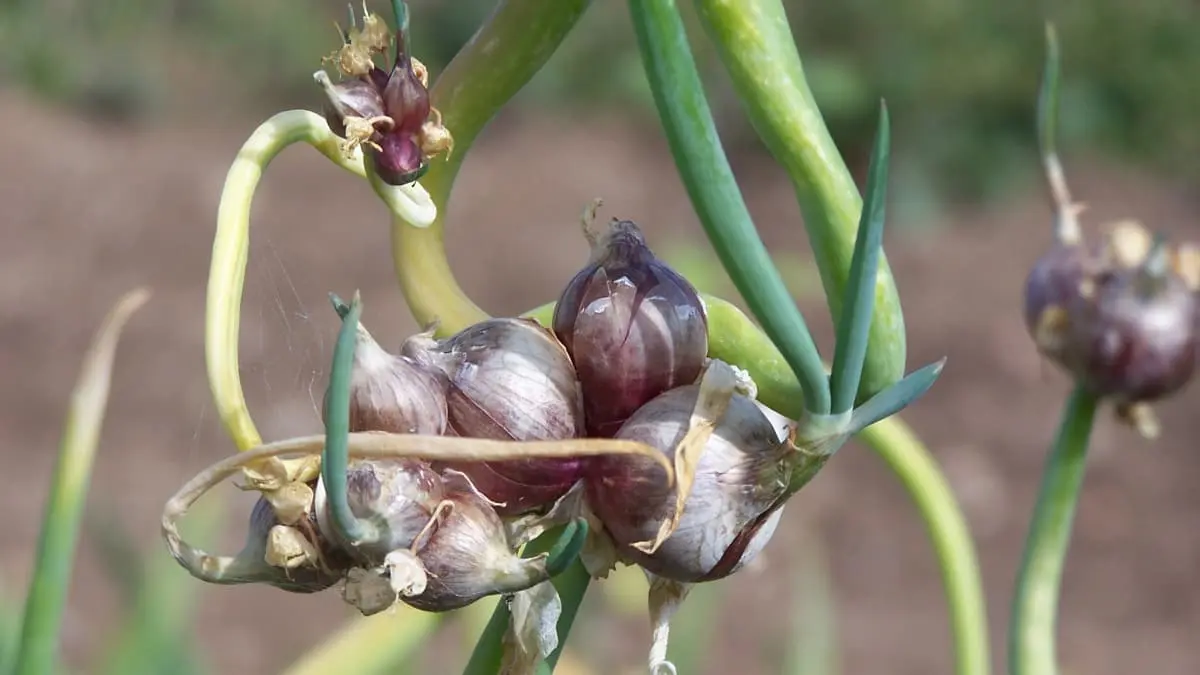
Growing Egyptian Walking Onions in Containers: A Complete Guide for Beginners
If you’re looking for a hardy, no-fuss perennial onion that keeps on giving year after [...]
Jul
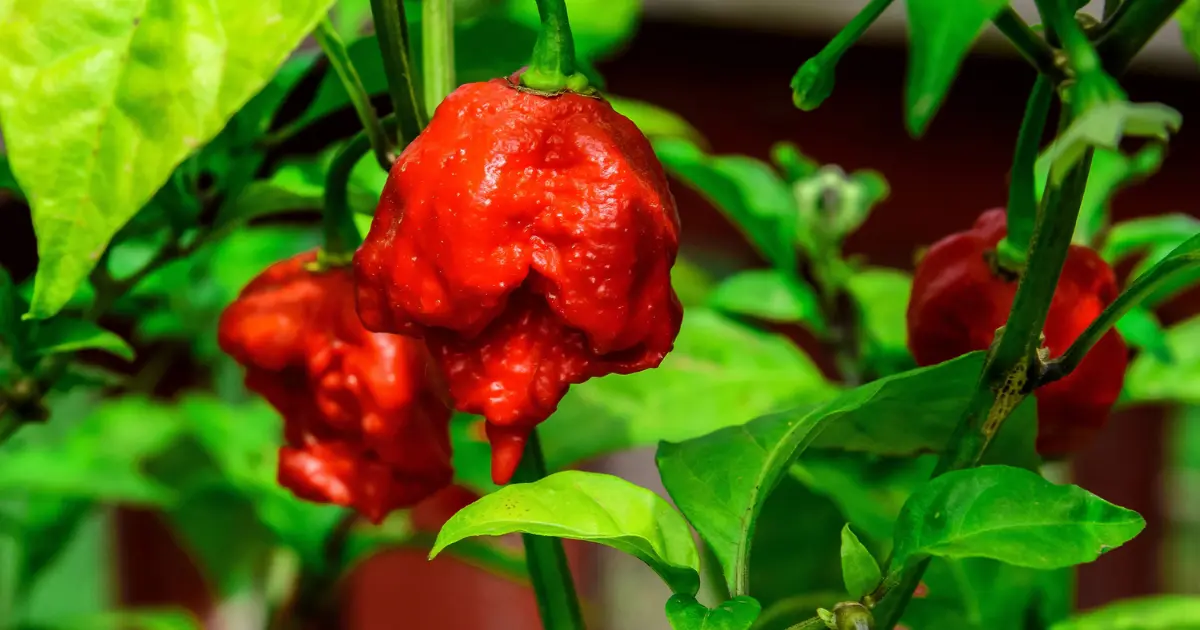
Growing Carolina Reaper Peppers in Pots: A Complete Guide for Beginners
If you’ve ever wanted to add some serious, record-breaking heat to your home cooking, you’ve [...]
May
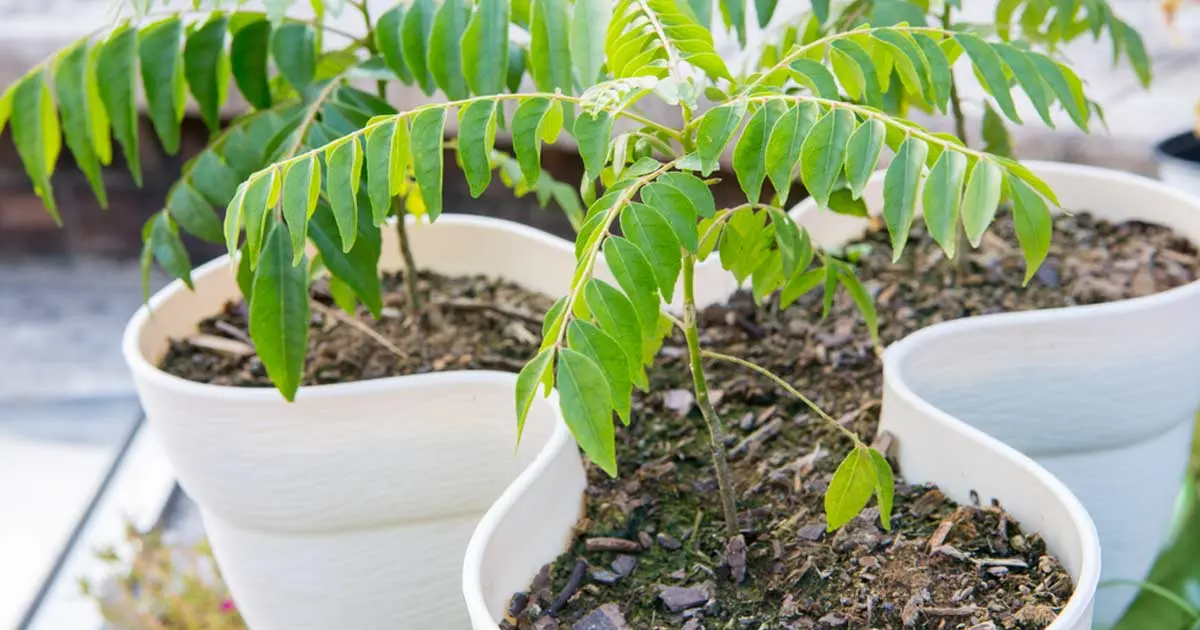
Growing Curry Leaf Plant in Pots: A Complete Guide for Beginners
If you’re a fan of authentic South Asian cuisine, you already know that nothing compares [...]
May
Reviews
There are no reviews yet.