
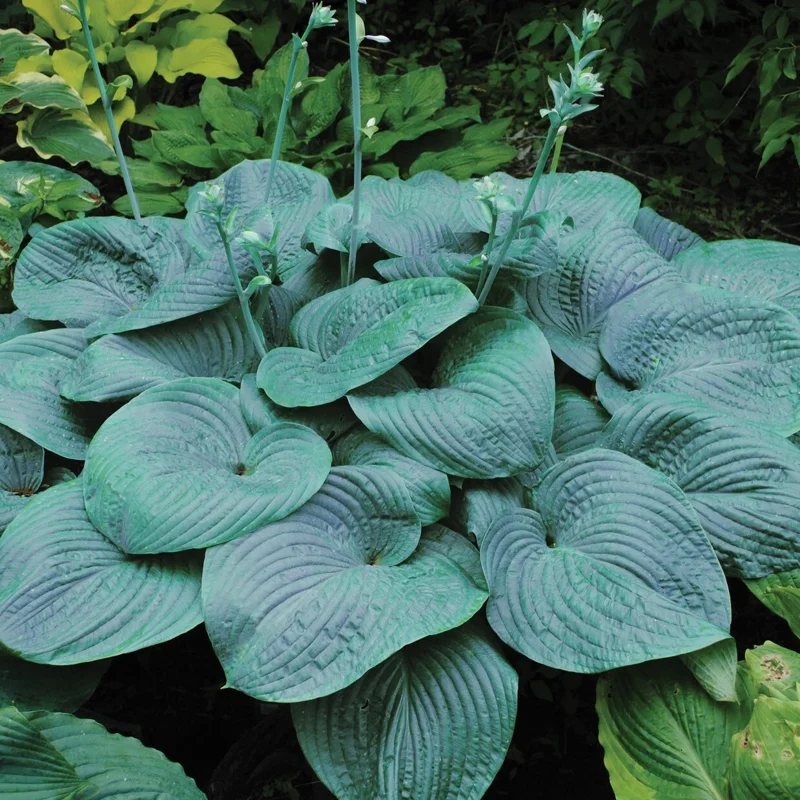
Hosta Humpback Whale Live Plant – 5.25″ Pot Perennial Shade
Original price was: $121.52.$40.99Current price is: $40.99.
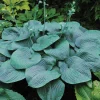
Embrace the grandeur of the Hosta Humpback Whale live plant, a magnificent perennial renowned for its enormous, deeply ridged blue-green leaves. Perfect for adding a dramatic focal point to your shade garden, this well-rooted specimen arrives in a 5.25″ pot, ready to thrive and transform your landscape into a lush, tranquil retreat.
Estimated arrival
Oct 05
Oct 10 - Oct 12
Oct 15 - Oct 19

Reasonable Price
We offer reasonable price

Support 24/7
Contact us 24 hrs a day

100% Money Back
You've 30 days to Return

Payment Secure
100% secure payment
Overview
Introduce a truly majestic presence to your garden with the Hosta Humpback Whale live plant. This impressive perennial is celebrated for its colossal size and striking blue-green foliage, making it a standout specimen in any shaded landscape. Named for its massive, textured leaves that can grow to astonishing dimensions, the ‘Humpback Whale’ Hosta develops a distinctive, deeply veined appearance as it matures. It’s an ideal choice for gardeners seeking to create a dramatic focal point or a lush, verdant understory beneath trees and shrubs. Our well-rooted plant, delivered in a 5.25-inch pot, ensures a strong start, ready to establish quickly and begin its journey to becoming a magnificent garden feature. This particular hosta variety is known for its robust growth and impressive stature, promising years of beauty and low-maintenance enjoyment. The thick, corrugated leaves also offer good slug resistance, a common concern for hosta enthusiasts.
The ‘Humpback Whale’ Hosta is a truly remarkable cultivar, offering an unparalleled display of texture and color in the shade garden. Its mature size can be quite significant, creating an impactful visual statement. When considering a giant hosta plant care, you’ll find this variety to be surprisingly adaptable and resilient once established. Its impressive foliage provides excellent ground cover, helping to suppress weeds and retain soil moisture. As a live plant, it offers the immediate satisfaction of adding mature beauty to your outdoor space, rather than waiting for seeds to sprout. This Hosta is not just a plant; it’s a living sculpture that evolves throughout the growing season, from its emergence in spring to its stately presence in summer, culminating in elegant lavender blooms that attract pollinators.
Key Benefits
The Hosta Humpback Whale live plant offers a wealth of advantages for any gardener, especially those looking to enhance their shaded areas. Its unique characteristics contribute to both aesthetic appeal and garden functionality:
- Dramatic Focal Point: With its immense size and deeply textured, blue-green leaves, this hosta naturally commands attention, creating an unforgettable centerpiece in any shade garden. It adds architectural interest and scale that few other perennials can match.
- Exceptional Foliage: The ‘Humpback Whale’ boasts some of the largest and most corrugated leaves among hostas. This unique texture and color provide a rich, luxurious feel, offering constant visual interest even without flowers.
- Shade Tolerance: Thriving in low-light conditions, this perennial is perfectly suited for planting under trees, on the north side of buildings, or in other areas where many plants struggle to grow, brightening up otherwise dim spaces.
- Low Maintenance: Once established, this giant hosta plant care is relatively simple, requiring minimal intervention. It’s a robust and long-lived plant that provides years of beauty with little fuss, making it ideal for busy gardeners.
- Slug Resistance: The thick, heavily textured leaves of the ‘Humpback Whale’ hosta are less appealing to slugs and snails compared to thinner-leaved varieties, offering a natural defense against common pest damage.
- Pollinator Attraction: In mid to late summer, elegant lavender flower scapes emerge above the foliage, attracting hummingbirds and other beneficial pollinators to your garden, adding another layer of ecological value.
- Versatile Landscaping: Beyond being a specimen plant, its large size makes it excellent for mass plantings, borders, or as a backdrop for smaller shade-loving plants, contributing to a lush, layered garden design. This makes it a fantastic choice among shade garden perennials.
Plant Care & Growing Tips
Caring for your Hosta Humpback Whale live plant is straightforward, ensuring its magnificent foliage thrives for years. This robust perennial prefers a location with partial to full shade. While it can tolerate a few hours of morning sun, direct afternoon sun can scorch its large, blue leaves, causing them to fade or brown. An ideal spot would receive dappled sunlight throughout the day or full shade. Ensure the planting site has good air circulation to prevent fungal issues. When planting, dig a hole twice as wide as the root ball and just as deep. Gently remove the plant from its 5.25-inch pot, loosen any circling roots, and place it in the hole so the crown is level with the soil surface. Backfill with enriched soil, gently firming it around the roots, and water thoroughly.
Watering is crucial, especially during the first growing season to help establish a strong root system. Keep the soil consistently moist but never waterlogged. Once established, ‘Humpback Whale’ Hostas are somewhat drought-tolerant but will perform best with regular watering, especially during dry spells. Deep watering once or twice a week is usually sufficient. This plant thrives in well-draining, organically rich soil with a slightly acidic to neutral pH (6.0-7.0). Amend heavy clay soils with compost or other organic matter to improve drainage and aeration. Fertilize in early spring with a balanced, slow-release granular fertilizer formulated for perennials. Avoid over-fertilizing, which can lead to soft growth and reduced slug resistance. For optimal giant hosta plant care, protect newly emerging shoots from late spring frosts, which can damage the tender leaves. The ‘Humpback Whale’ Hosta is hardy in USDA Zones 3-9, making it suitable for a wide range of climates.
Protecting your hosta from pests is an important aspect of its care, particularly for a beautiful specimen like this blue hosta varieties. While the thick leaves offer some natural resistance to slugs, young plants or particularly persistent pests may still cause damage. Consider using organic slug baits or creating physical barriers. Deer can also be a problem; repellents or fencing may be necessary in areas with high deer populations. Division every few years in early spring can rejuvenate an overcrowded clump and provide you with more plants to expand your collection of shade garden perennials or share with friends. Simply dig up the entire clump, separate it into smaller sections, and replant. With proper care, your ‘Humpback Whale’ Hosta will grow into a truly spectacular and enduring feature in your garden.
Size & Details
The Hosta Humpback Whale live plant is renowned for its impressive mature dimensions. When fully grown, this giant hosta can reach a spread of 5-6 feet (1.5-1.8 meters) wide and a height of 3-4 feet (0.9-1.2 meters) tall, creating a substantial presence in the landscape. Each individual leaf can measure up to 18 inches long and 15 inches wide, with a heavily corrugated texture that gives it a unique, sculptured appearance. Our plants are shipped well-rooted in a 5.25-inch nursery pot, providing a robust start for rapid establishment in your garden. Expect the plant to begin exhibiting its characteristic large leaves and blue coloration in its second or third year, with full maturity reached within 5-7 years. The growth rate is moderate, allowing for steady development into a majestic specimen. This particular cultivar is a fantastic choice for those looking for a truly large hosta for sale that will make a significant impact.
In mid to late summer, the ‘Humpback Whale’ Hosta produces tall scapes, approximately 30-36 inches (75-90 cm) high, bearing clusters of delicate, bell-shaped lavender flowers. While the foliage is the primary attraction, these blooms add a charming element and attract pollinators. The plant ships as a live, healthy specimen, ready to be transplanted into its permanent garden spot or a larger container. Its robust root system ensures an easier transition and quicker establishment. This massive hosta offers exceptional ground cover and weed suppression due to its dense canopy of leaves. It’s an investment in long-term garden beauty, providing texture, color, and drama for many years with minimal effort, embodying the best qualities of blue hosta varieties.
Frequently Asked Questions
- Q: How big does this plant get? A: The Hosta Humpback Whale live plant is a giant hosta, typically reaching a spread of 5-6 feet wide and a height of 3-4 feet tall at maturity. Individual leaves can be up to 18 inches long.
- Q: What size pot does it come in? A: This hosta is shipped as a well-rooted, healthy live plant in a 5.25-inch nursery pot, ready for planting in your garden or a larger container.
- Q: Is this an indoor or outdoor plant? A: The ‘Humpback Whale’ Hosta is an outdoor perennial. It requires a dormant period in winter and is not suitable for long-term indoor cultivation, though it can be started indoors temporarily.
- Q: How much sunlight does it need? A: This hosta thrives in partial to full shade. Avoid direct afternoon sun, which can scorch its blue leaves and cause them to lose their color. Morning sun or dappled light is ideal.
- Q: Is this plant easy to care for? A: Yes, once established, the giant hosta plant care requirements are relatively low. It needs consistent moisture, well-draining soil, and protection from direct sun. It’s a robust and long-lived perennial.
- Q: What condition will it arrive in? A: Your Hosta Humpback Whale live plant will arrive as a healthy, well-rooted specimen in its nursery pot, carefully packaged to ensure its safe journey.
- Q: When is the best time to plant this hosta? A: The best time to plant is in spring or early fall when temperatures are moderate. This allows the plant to establish its roots before extreme heat or cold.
- Q: Will it survive winter in my zone? A: This hosta is hardy in USDA Zones 3-9. In these zones, it will go dormant in winter and re-emerge in spring. No special winter protection is typically needed within its hardiness range.
- Q: Are these blue hosta varieties resistant to slugs? A: The ‘Humpback Whale’ Hosta has thick, heavily corrugated leaves, which generally offer better resistance to slugs and snails compared to thinner-leaved hostas. However, no hosta is completely immune to pest damage.
- Q: Can I grow this hosta in a container? A: Yes, you can grow this large hosta for sale in a container, but due to its mature size, it will require a very large pot (at least 20-24 inches in diameter) to accommodate its extensive root system and spread.
Be the first to review “Hosta Humpback Whale Live Plant – 5.25″ Pot Perennial Shade”
-
USDA Hardiness Zone
USDA Zones 3-9 -
Soil Type
Well-draining, organically rich soil -
Sunlight Exposure
Partial shade to full shade -
Expected Planting Period
Spring to early fall
People Also Viewd
Sold 134 products
Original price was: $3,536.00.$23.99Current price is: $23.99.
Sold 132 products
Original price was: $27.00.$24.00Current price is: $24.00.
Sold 132 products
Original price was: $89.99.$64.99Current price is: $64.99.

Sold 125 products
Original price was: $86.99.$66.99Current price is: $66.99.
Flower Bulbs
3 Cranesbill Wild Geranium Organic Maculatums Bare Roots | Wildflower for Outdoor Garden
Sold 116 products
Original price was: $21.99.$9.99Current price is: $9.99.
Sold 114 products
Original price was: $28.99.$17.99Current price is: $17.99.
Sold 110 products
Original price was: $63.99.$28.99Current price is: $28.99.
Sold 108 products
Original price was: $28.99.$17.99Current price is: $17.99.RELATED posts
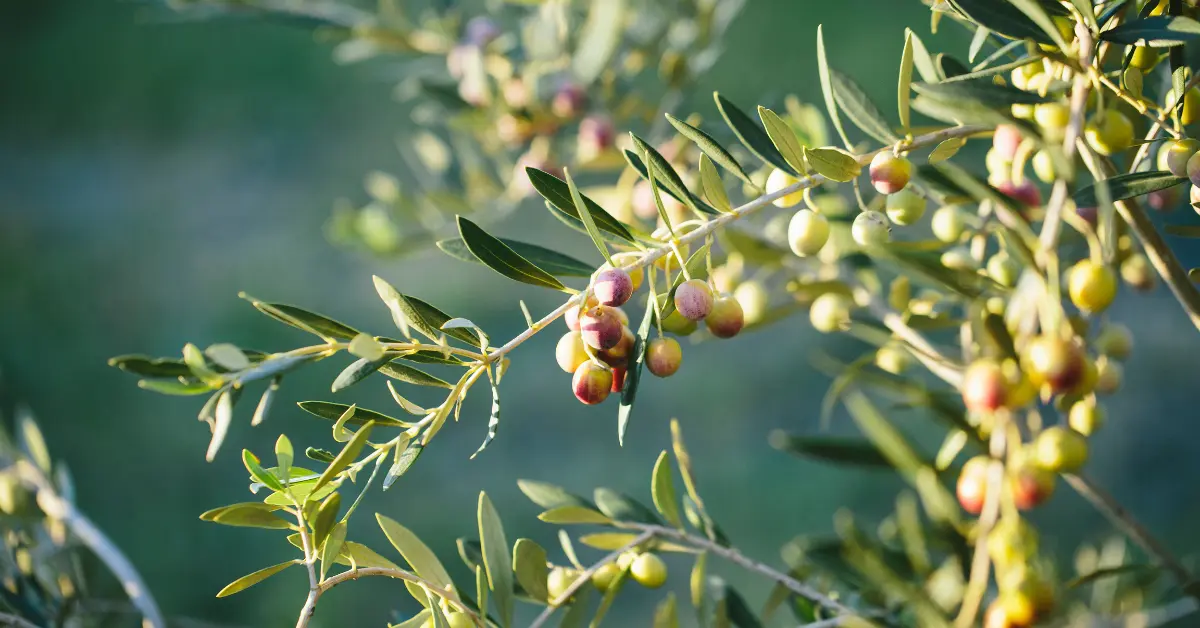
How to Grow Arbequina Olive Trees: The Ultimate Guide to Your Own Olive Grove
Arbequina Olive Tree (Olea europaea ‘Arbequina’) – the ultimate Mediterranean plant that brings a touch [...]
Oct
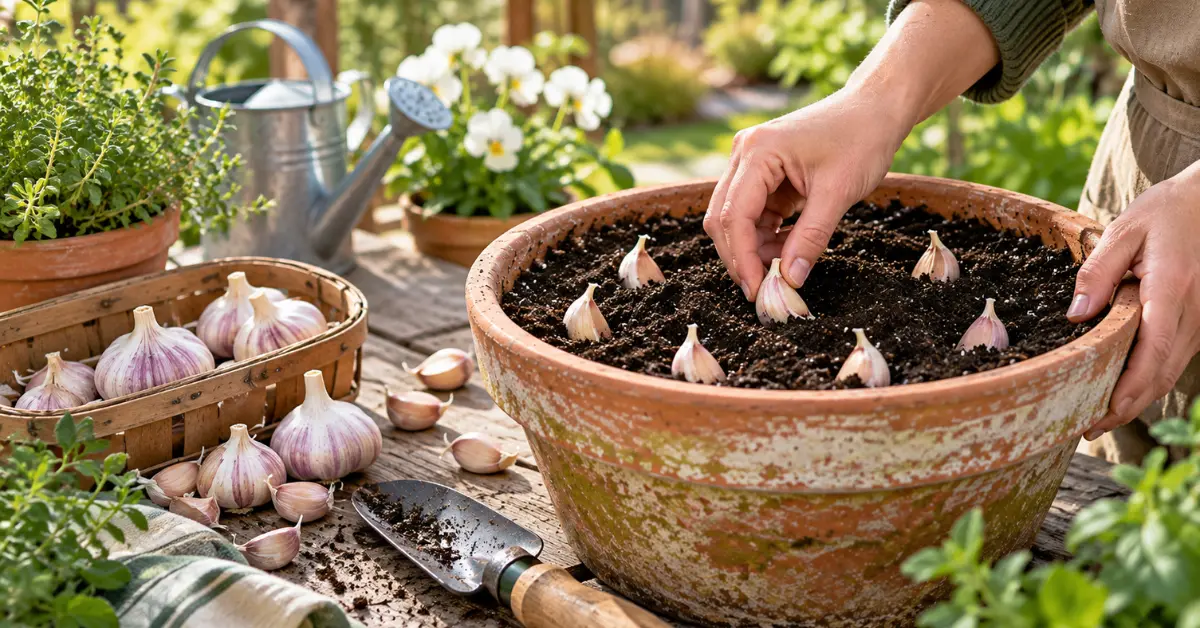
Growing Garlic in Containers This Fall: A Complete Guide for Beginners
If you’ve ever wanted to pop fresh, aromatic garlic cloves straight from your own patio [...]
Sep
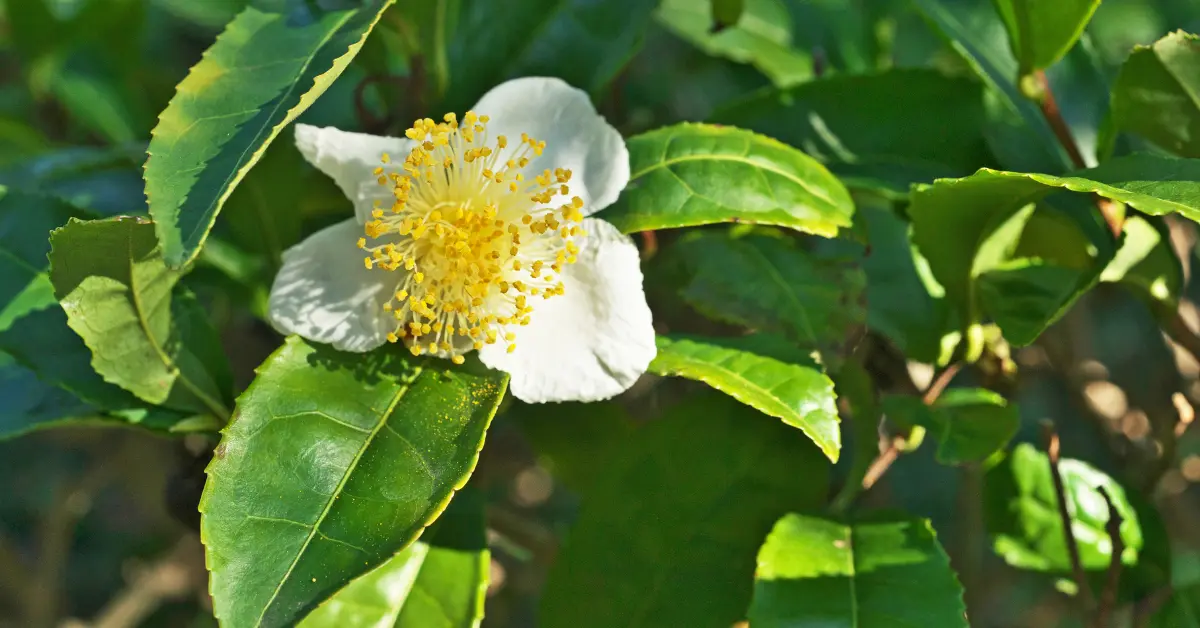
Growing Camellia Sinensis (Tea Plants) in Containers: A Complete Guide for Beginners
If you’ve ever wanted to sip a steaming, homegrown cup of fresh green, black, or [...]
Aug
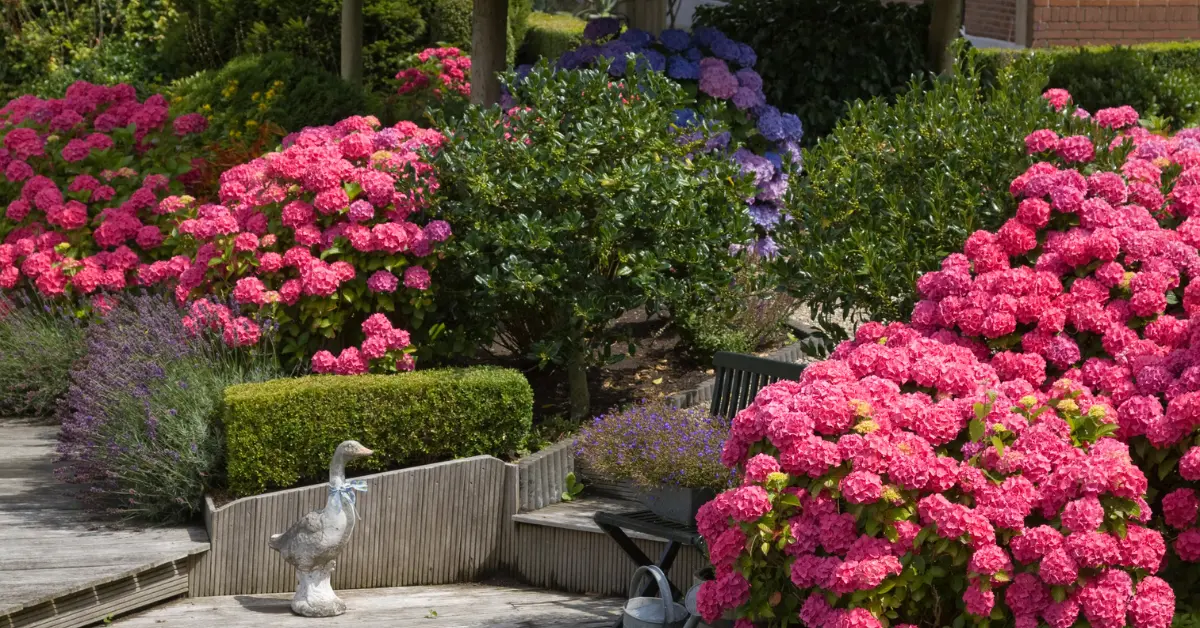
6 Best Shrubs to Plant in August You Must Try
Have you ever walked through a nursery late in the summer, admired the vibrant shrubs [...]
Aug
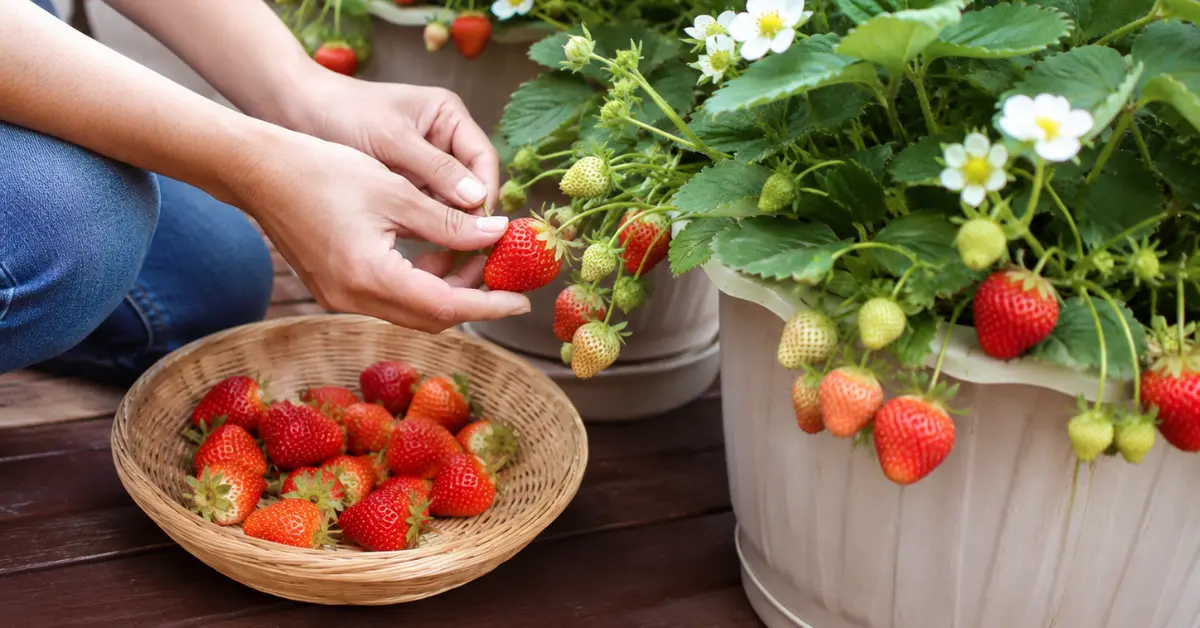
Growing Everbearing Strawberries in Containers: A Complete Guide for Beginners
Want to grow sweet, fresh strawberries but do not have a large garden? Everbearing strawberries [...]
Aug
Growing Egyptian Walking Onions in Containers: A Complete Guide for Beginners
If you’re looking for a hardy, no-fuss perennial onion that keeps on giving year after [...]
Jul
Growing Carolina Reaper Peppers in Pots: A Complete Guide for Beginners
If you’ve ever wanted to add some serious, record-breaking heat to your home cooking, you’ve [...]
May
Growing Curry Leaf Plant in Pots: A Complete Guide for Beginners
If you’re a fan of authentic South Asian cuisine, you already know that nothing compares [...]
May
Reviews
There are no reviews yet.