
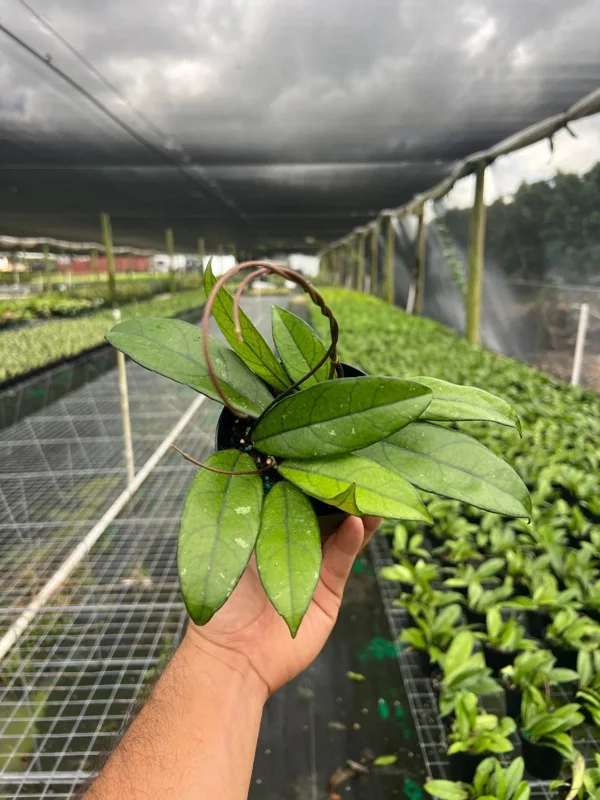
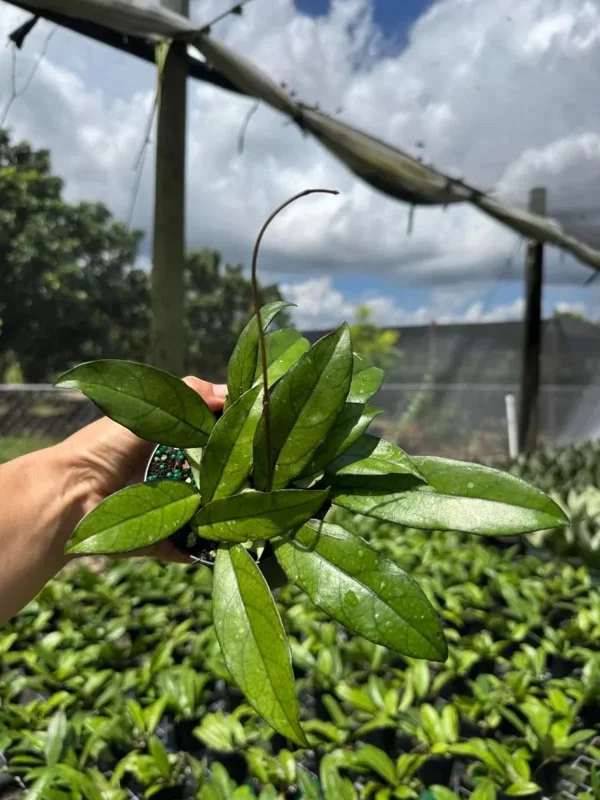
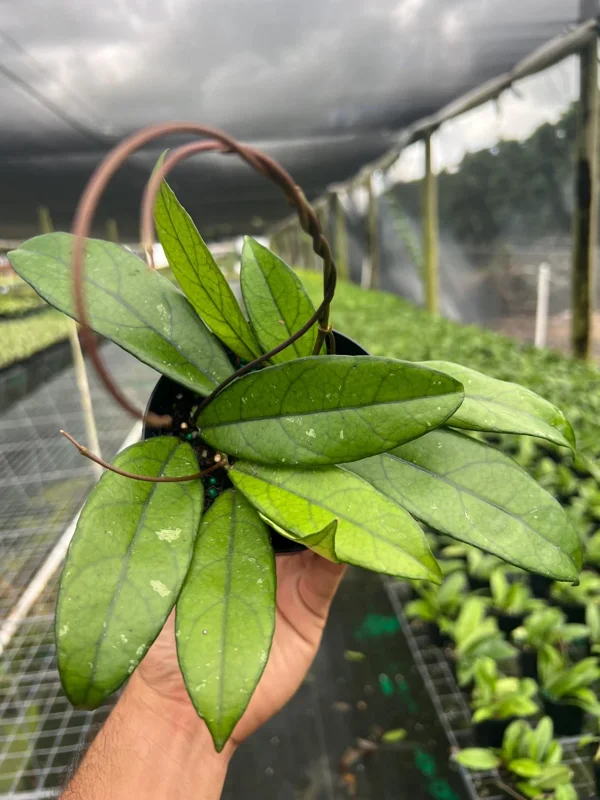
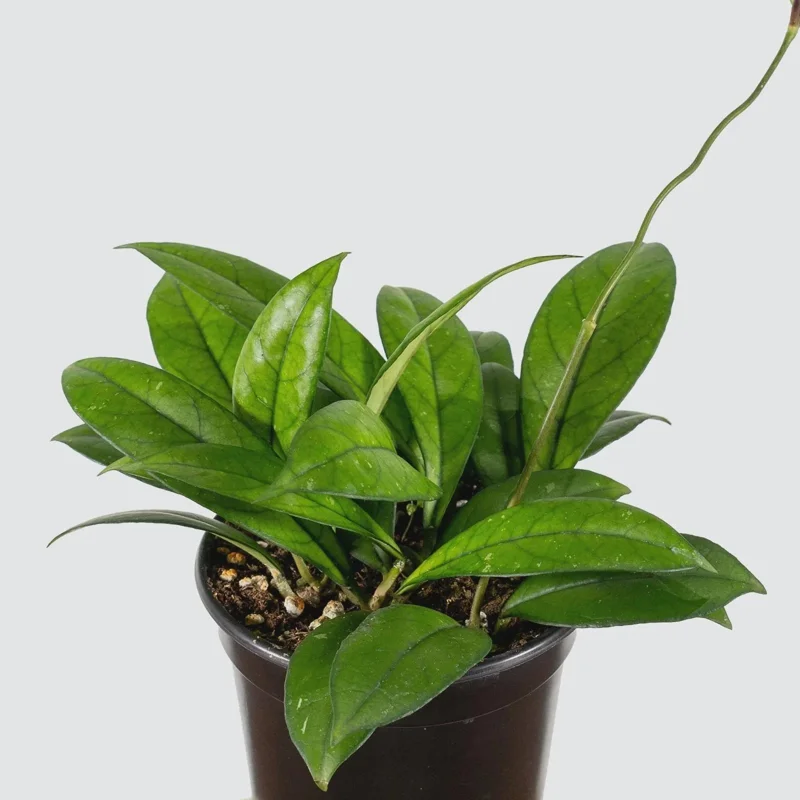
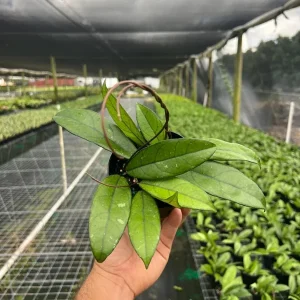
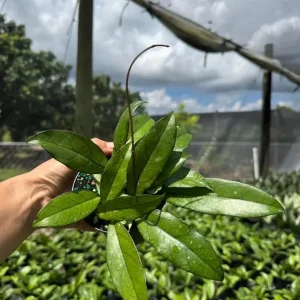
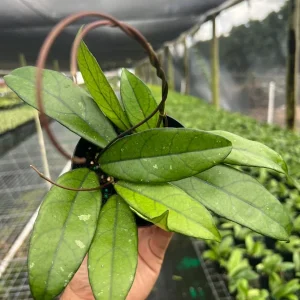
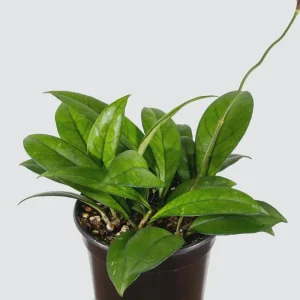
Hoya Crassipetiolata Live Plant – Rare Wax Vine – 4 inch Pot – Indoor & Outdoor
Original price was: $59.99.$29.99Current price is: $29.99.
Bring home a beautiful Hoya Crassipetiolata live plant, a truly rare wax vine plant known for its unique foliage and charming growth habit. This versatile Hoya thrives both indoors and outdoors, making it a perfect addition to any plant collection. Enjoy its easy care and elegant trailing vines.
Estimated arrival
Oct 16
Oct 21 - Oct 23
Oct 26 - Oct 30

Reasonable Price
We offer reasonable price

Support 24/7
Contact us 24 hrs a day

100% Money Back
You've 30 days to Return

Payment Secure
100% secure payment
Overview
Introduce a touch of exotic elegance to your home or garden with the stunning Hoya Crassipetiolata live plant. This captivating plant, also commonly known as the Wax Vine, is prized by enthusiasts for its thick, succulent-like leaves and its potential to produce delicate, fragrant blooms. Originating from Southeast Asia, the Hoya Crassipetiolata is a truly unique specimen, offering a distinctive texture and visual appeal that stands out from more common houseplants. This particular variety is considered a rare wax vine plant, making it a special find for collectors and anyone looking to add an unusual and beautiful plant to their environment. Whether you’re an experienced gardener or just starting your plant journey, this Hoya promises to be a rewarding and fascinating addition.
The Hoya Crassipetiolata is a vining plant, which means it will gracefully trail from hanging baskets or climb up a small trellis, creating a lush, green display. Its waxy leaves are not only attractive but also contribute to its resilience, allowing it to store water and endure periods of less frequent watering. This makes it a relatively low-maintenance option for busy plant parents. When mature, it can surprise you with clusters of star-shaped flowers, adding another layer of beauty to its already charming presence. Embrace the allure of this vibrant and unique Hoya.
Key Benefits
The Hoya Crassipetiolata live plant offers a multitude of benefits, making it an excellent choice for any plant lover. Its striking appearance and adaptable nature are just a few reasons why it’s so beloved.
- Exotic Visual Appeal: The thick, waxy, and often uniquely patterned leaves of the Hoya Crassipetiolata provide a distinctive tropical look, enhancing the aesthetic of any space. Its vining habit creates beautiful cascades or climbing displays.
- Low Maintenance Care: This Hoya is known for its relatively easy care requirements. It tolerates occasional neglect and doesn’t demand constant attention, making it suitable for both novice and experienced plant enthusiasts.
- Air Purifying Qualities: Like many houseplants, the Hoya Crassipetiolata contributes to improved indoor air quality by filtering out common airborne toxins, creating a healthier living environment.
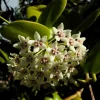
- Potential for Fragrant Blooms: With proper care and maturity, this wax vine can produce clusters of small, star-shaped flowers that often emit a sweet, pleasant fragrance, adding an olfactory delight to its visual charm.
- Versatile Placement: Thriving both indoors and outdoors in appropriate climates, this plant can be a beautiful desk plant, a hanging basket specimen, or an intriguing addition to a shaded patio.
- Drought Tolerance: The succulent-like leaves allow the plant to store water, providing good drought tolerance and reducing the frequency of watering compared to many other plants.
- Unique Collector’s Item: As a rare wax vine plant, the Hoya Crassipetiolata is often sought after by plant collectors, offering a chance to own a truly special and less common variety.
Plant Care & Growing Tips
Caring for your Hoya Crassipetiolata live plant is a rewarding experience, as it is generally forgiving and resilient. Understanding its basic needs will ensure a thriving and beautiful plant. This plant prefers bright, indirect light. Avoid direct, harsh sunlight, especially during the hottest parts of the day, as this can scorch its leaves. A spot near an east or west-facing window is often ideal indoors. If growing outdoors, choose a location with dappled shade or morning sun and afternoon shade. Insufficient light can lead to sparse growth and a lack of flowering, while too much direct light can cause yellowing or reddish discoloration of the leaves.
When it comes to watering, the Hoya Crassipetiolata prefers its soil to dry out between waterings. Overwatering is a common mistake and can lead to root rot. Stick your finger about an inch or two into the soil; if it feels dry, it’s time to water thoroughly until water drains from the bottom of the pot. Reduce watering frequency during the cooler, darker winter months. A well-draining potting mix is crucial to prevent waterlogged roots. A mix formulated for succulents or orchids, often containing perlite, bark, and peat, works very well. This helps ensure proper aeration and drainage for the roots. This particular indoor Hoya plant care regimen will keep roots healthy. Fertilize sparingly during the growing season (spring and summer) with a balanced liquid fertilizer diluted to half strength. Avoid fertilizing in fall and winter when the plant is dormant. The ideal temperature range for this plant is between 60-85°F (15-29°C). Protect it from temperatures below 50°F (10°C), as it is not frost-tolerant. While relatively pest-resistant, keep an eye out for common houseplant pests like mealybugs or spider mites, and treat promptly if found.
Size & Details
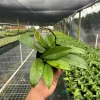
This offering is for one Hoya Crassipetiolata live plant, carefully cultivated and shipped in a 4 inch pot. The plant will arrive healthy and well-rooted, ready to be introduced to its new environment. As a vining plant, its growth habit allows for flexible display options; it can trail elegantly or be trained to climb. While initial size may vary, Hoya Crassipetiolata typically grows to have vines several feet long when mature, often reaching lengths of 3-5 feet or more, depending on growing conditions and support. Its growth rate is moderate, allowing you to enjoy its development over time. Expect to see new growth and the potential for charming blooms as the plant establishes itself in your care. This trailing Hoya vine will continue to grow and develop its characteristic waxy foliage and, with patience, its unique flowers.
Frequently Asked Questions
- Q: How big does this Hoya Crassipetiolata live plant get? A: This Hoya is a vining plant, and its individual vines can grow quite long, often reaching lengths of 3 to 5 feet or more when mature, especially with good care and support. Its size is largely dependent on its growing conditions and how it’s pruned.
- Q: Is this an indoor or outdoor plant? A: The Hoya Crassipetiolata live plant is versatile and can thrive both indoors and outdoors. Indoors, it needs bright, indirect light. Outdoors, it’s best suited for shaded or partially shaded areas in warmer climates, particularly those with a tropical or subtropical feel.
- Q: How much sunlight does the Hoya Crassipetiolata need? A: This Hoya prefers bright, indirect light. Direct sun, especially harsh afternoon sun, can burn its leaves. If growing indoors, an east or west-facing window is often ideal. For outdoor placement, choose a spot with filtered light or morning sun only.
- Q: Is this plant easy to care for? Is it good for beginners? A: Yes, Hoya Crassipetiolata is considered a relatively easy-care plant, making it suitable for beginners. Its drought tolerance and general resilience mean it’s forgiving of occasional neglect, though consistent proper care will lead to the best growth and potential for blooms.
- Q: What condition will the rare wax vine plant arrive in? A: Your rare wax vine plant will be carefully packaged and shipped in its 4-inch nursery pot, ensuring it arrives healthy, well-rooted, and ready to thrive in its new home. We take precautions to minimize stress during transit.
- Q: How often should I water my Hoya Crassipetiolata? A: Water your Hoya Crassipetiolata when the top 1-2 inches of soil feel dry to the touch. It’s crucial to let the soil dry out between waterings to prevent root rot. Reduce watering significantly during the cooler winter months.
- Q: What is the best soil type for this indoor Hoya plant care? A: A well-draining potting mix is essential for optimal indoor Hoya plant care. A mix designed for succulents, cacti, or orchids, which typically includes bark, perlite, and peat, provides the necessary drainage and aeration.
- Q: Is this trailing Hoya vine pet-safe? A: Hoyas are generally considered non-toxic to pets, making this trailing Hoya vine a safer choice for homes with curious animals. However, it’s always best to discourage pets from ingesting any houseplant material.
- Q: When can I expect my Hoya Crassipetiolata to bloom? A: Hoya Crassipetiolata typically blooms once it reaches maturity and is receiving optimal care, including sufficient bright, indirect light. Blooming can take several years, but the wait is often rewarded with beautiful, fragrant flowers.
- Q: What USDA hardiness zone is suitable for outdoor planting of this Hoya? A: Hoya Crassipetiolata is not tolerant of frost. For outdoor planting year-round, it is best suited for USDA hardiness zones 10 and above, where temperatures rarely drop below 50°F (10°C). In cooler zones, it should be brought indoors during winter.
Be the first to review “Hoya Crassipetiolata Live Plant – Rare Wax Vine – 4 inch Pot – Indoor & Outdoor”
-
USDA Hardiness Zone
USDA zones 10-11 (outdoors); year-round indoors -
Soil Type
Well-draining potting mix (e.g., succulent/orchid mix) -
Sunlight Exposure
Bright indirect light -
Expected Planting Period
Year-round indoors
People Also Viewd


Sold 134 products
Original price was: $3,536.00.$23.99Current price is: $23.99.

Sold 132 products
Original price was: $27.00.$24.00Current price is: $24.00.

Sold 132 products
Original price was: $89.99.$64.99Current price is: $64.99.

Sold 125 products
Original price was: $86.99.$66.99Current price is: $66.99.

Flower Bulbs
3 Cranesbill Wild Geranium Organic Maculatums Bare Roots | Wildflower for Outdoor Garden
Sold 116 products
Original price was: $21.99.$9.99Current price is: $9.99.

Sold 114 products
Original price was: $28.99.$17.99Current price is: $17.99.
Sold 110 products
Original price was: $63.99.$28.99Current price is: $28.99.
Sold 108 products
Original price was: $28.99.$17.99Current price is: $17.99.RELATED posts
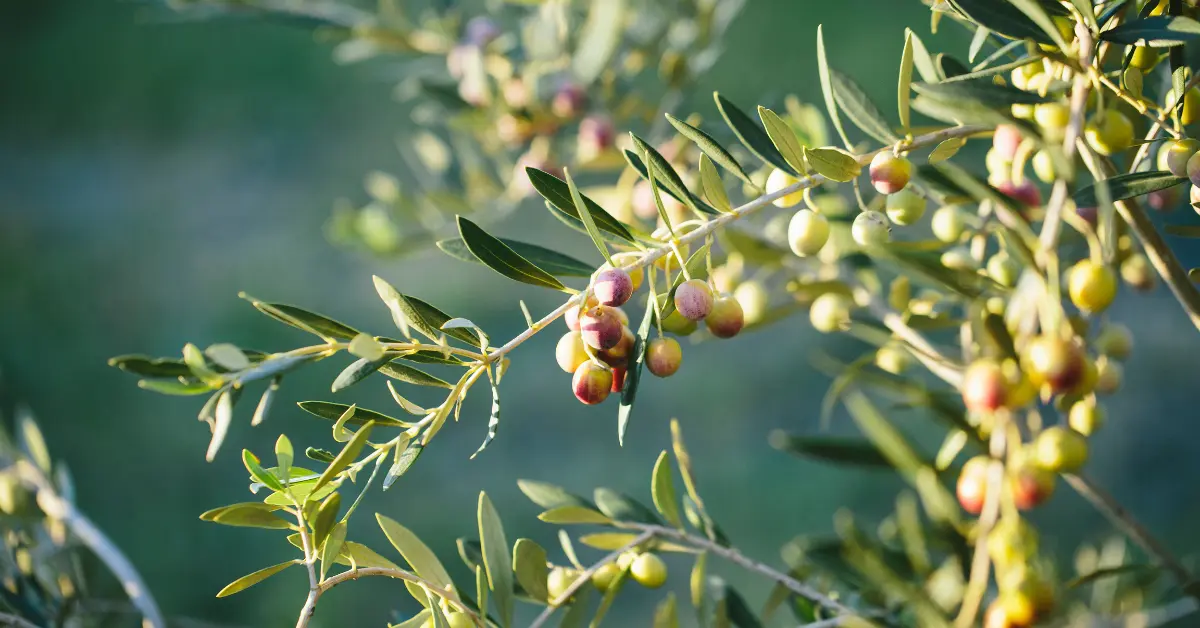
How to Grow Arbequina Olive Trees: The Ultimate Guide to Your Own Olive Grove
Arbequina Olive Tree (Olea europaea ‘Arbequina’) – the ultimate Mediterranean plant that brings a touch [...]
Oct
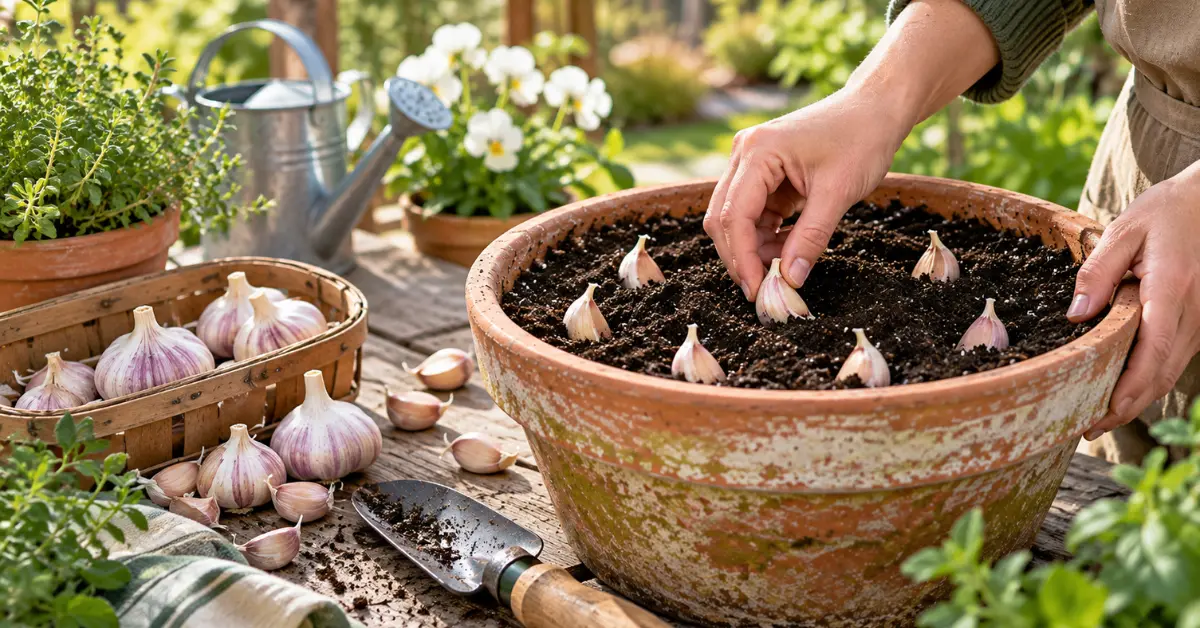
Growing Garlic in Containers This Fall: A Complete Guide for Beginners
If you’ve ever wanted to pop fresh, aromatic garlic cloves straight from your own patio [...]
Sep
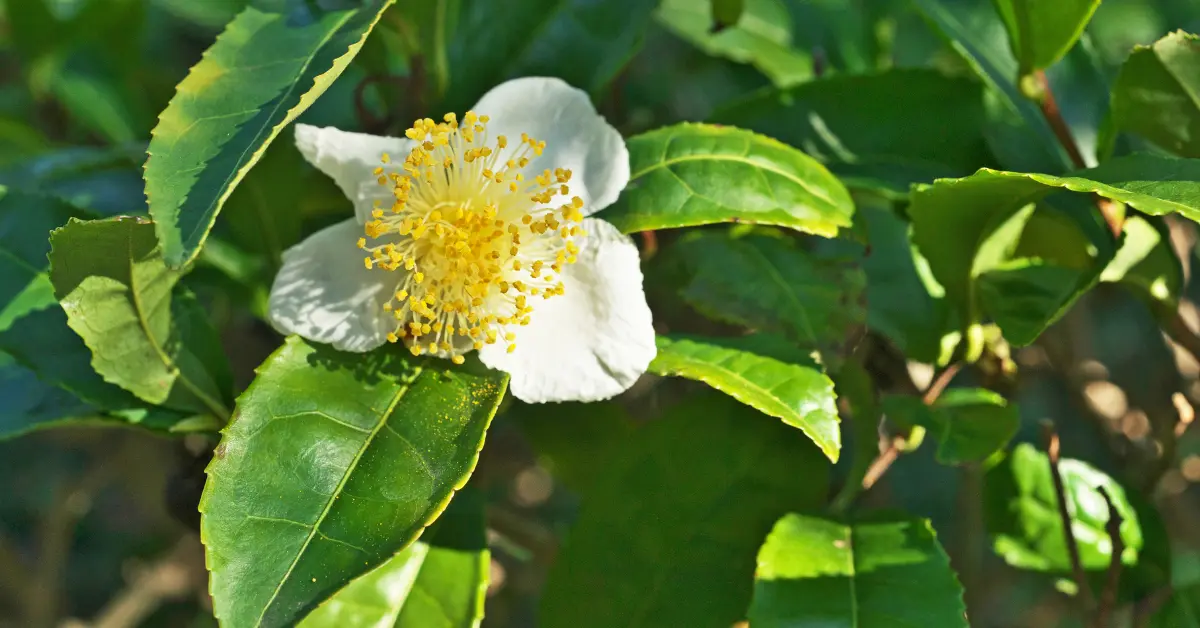
Growing Camellia Sinensis (Tea Plants) in Containers: A Complete Guide for Beginners
If you’ve ever wanted to sip a steaming, homegrown cup of fresh green, black, or [...]
Aug
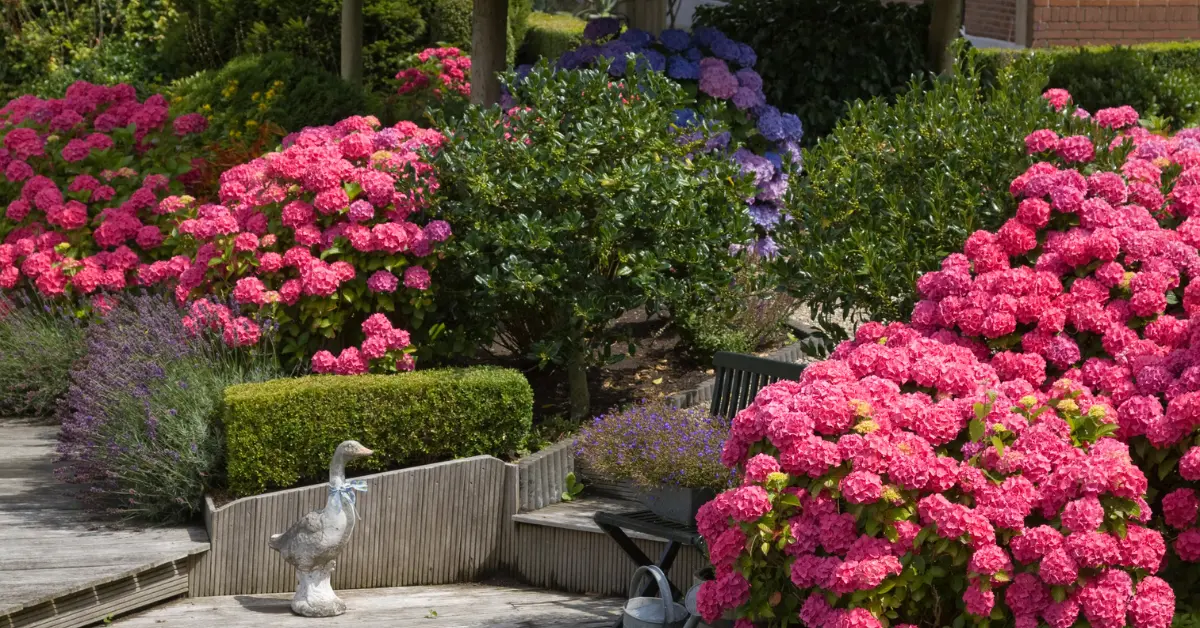
6 Best Shrubs to Plant in August You Must Try
Have you ever walked through a nursery late in the summer, admired the vibrant shrubs [...]
Aug
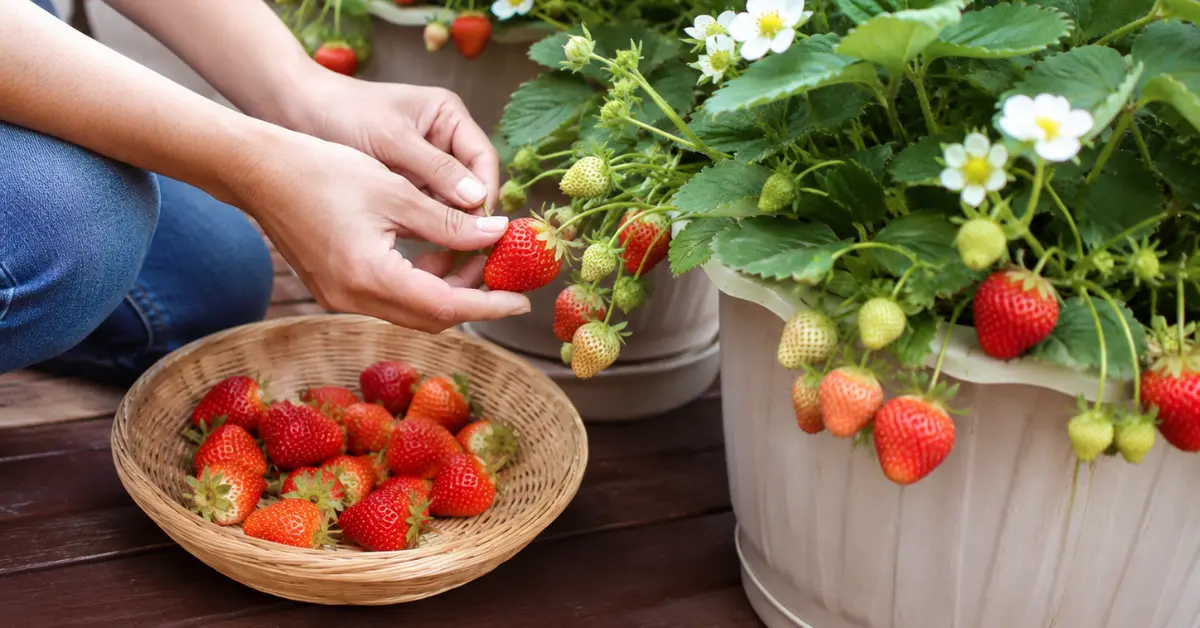
Growing Everbearing Strawberries in Containers: A Complete Guide for Beginners
Want to grow sweet, fresh strawberries but do not have a large garden? Everbearing strawberries [...]
Aug
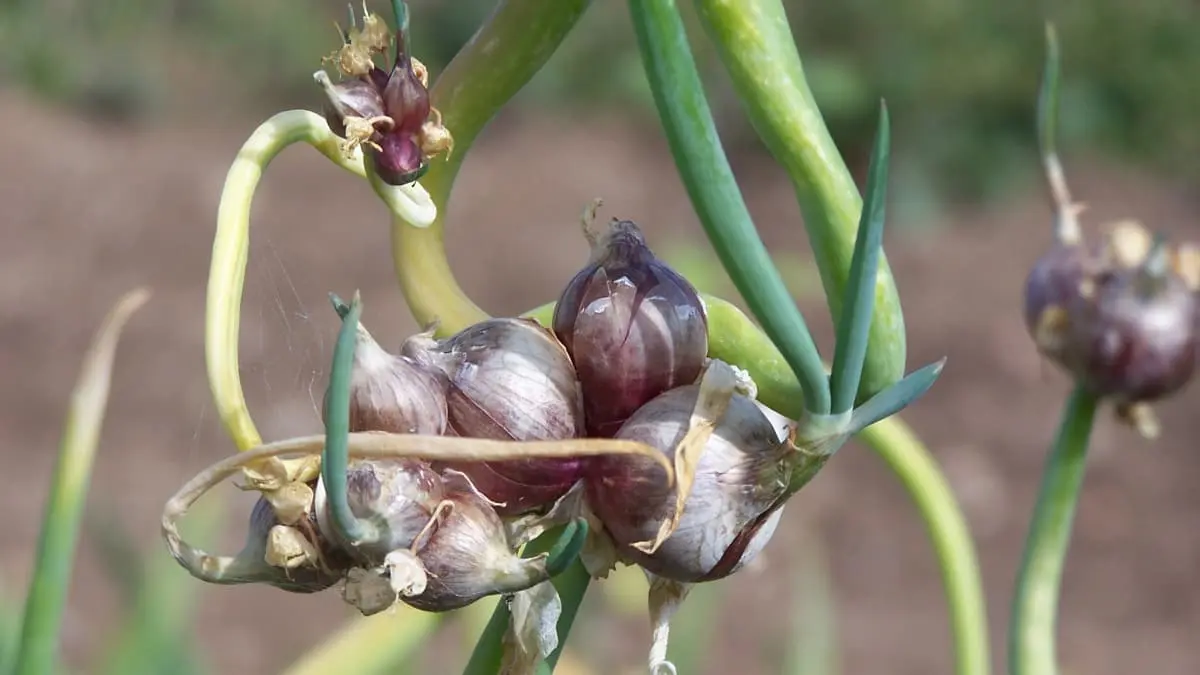
Growing Egyptian Walking Onions in Containers: A Complete Guide for Beginners
If you’re looking for a hardy, no-fuss perennial onion that keeps on giving year after [...]
Jul
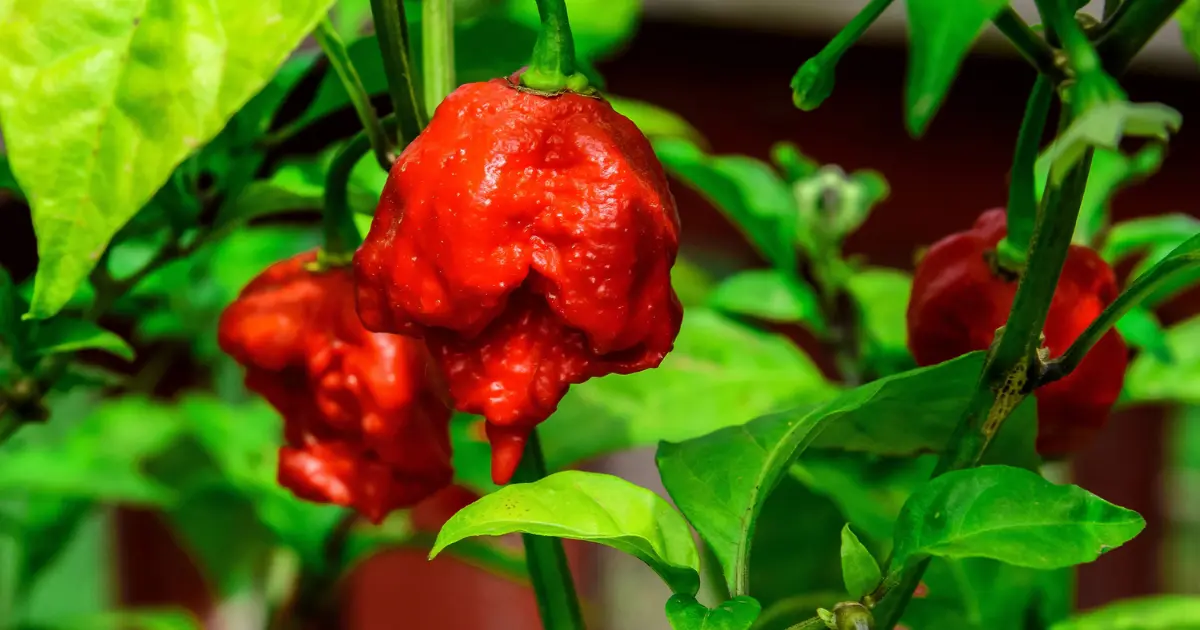
Growing Carolina Reaper Peppers in Pots: A Complete Guide for Beginners
If you’ve ever wanted to add some serious, record-breaking heat to your home cooking, you’ve [...]
May
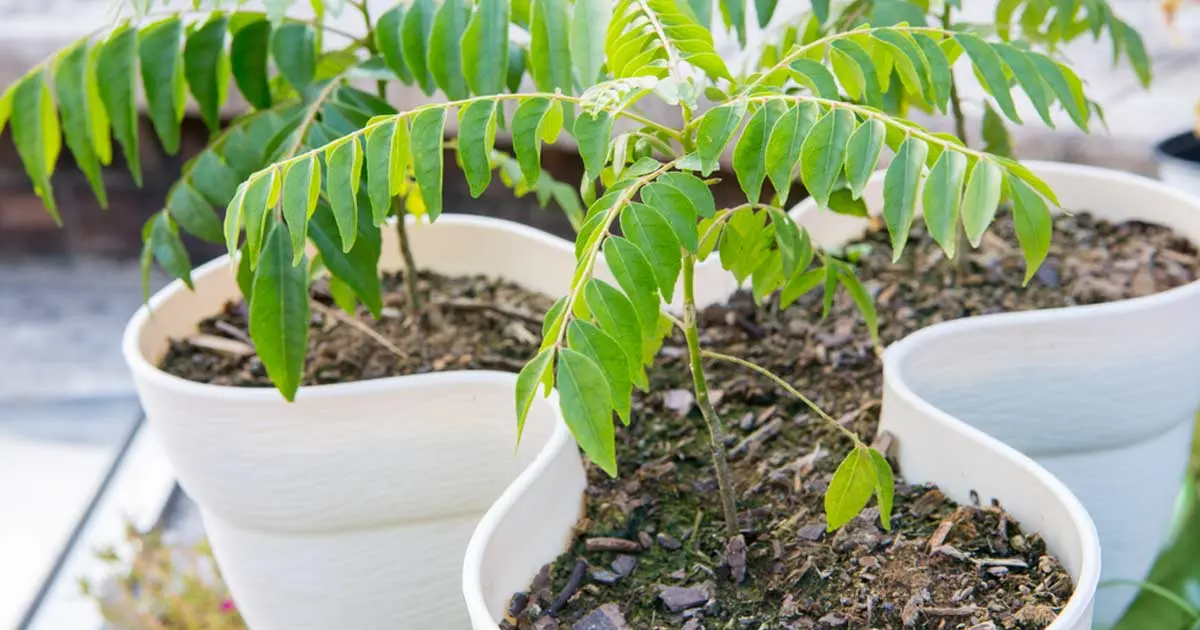
Growing Curry Leaf Plant in Pots: A Complete Guide for Beginners
If you’re a fan of authentic South Asian cuisine, you already know that nothing compares [...]
May
Reviews
There are no reviews yet.