
Jaboticaba Live Plant Set – 2 Pack, 1 Ft Tall Fruit Tree Starter for Patio
Original price was: $87.99.$62.99Current price is: $62.99.
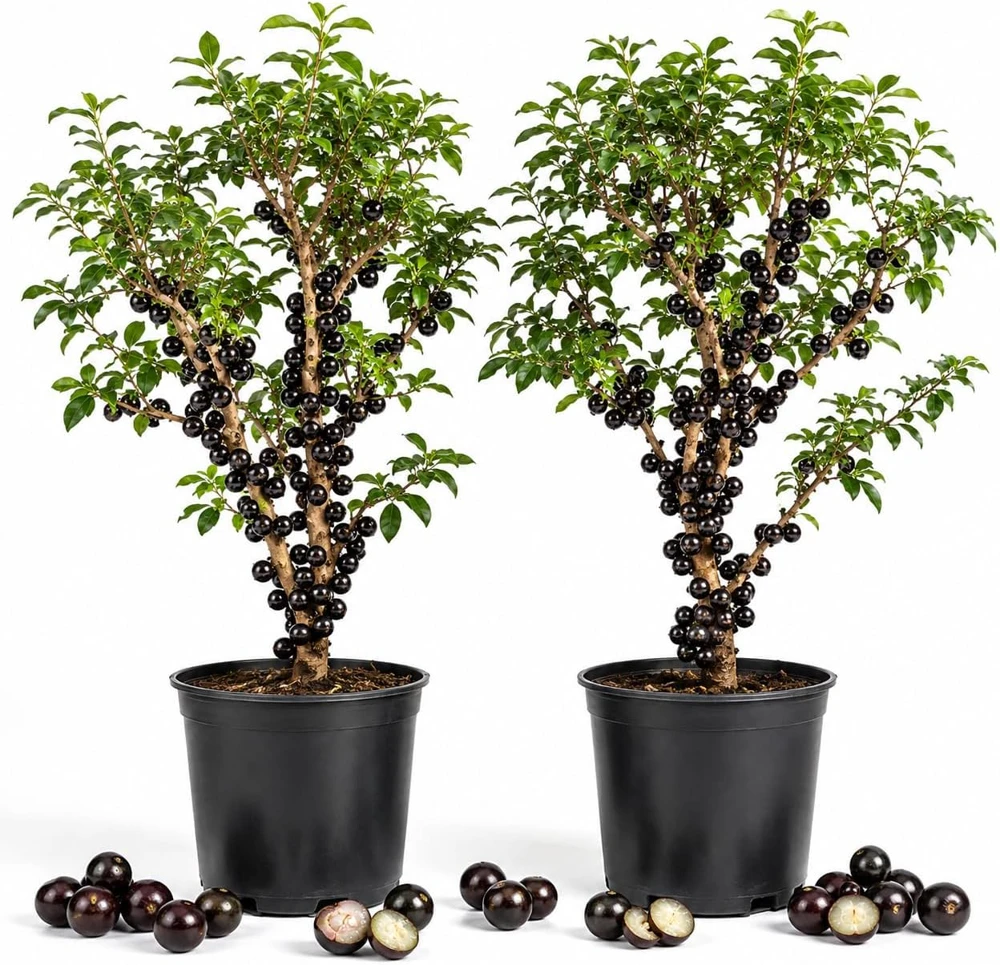
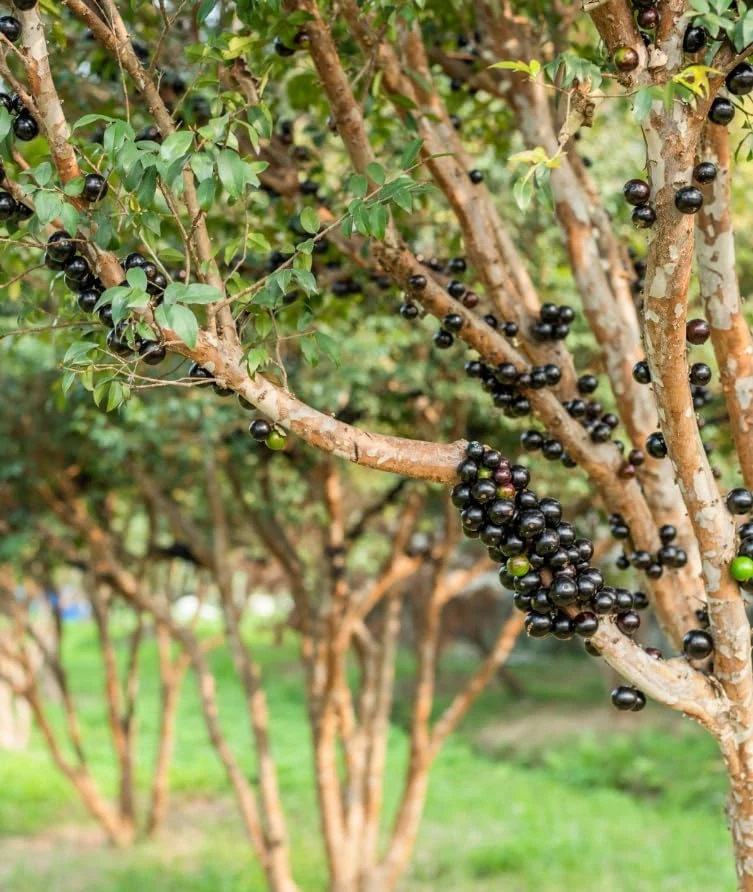
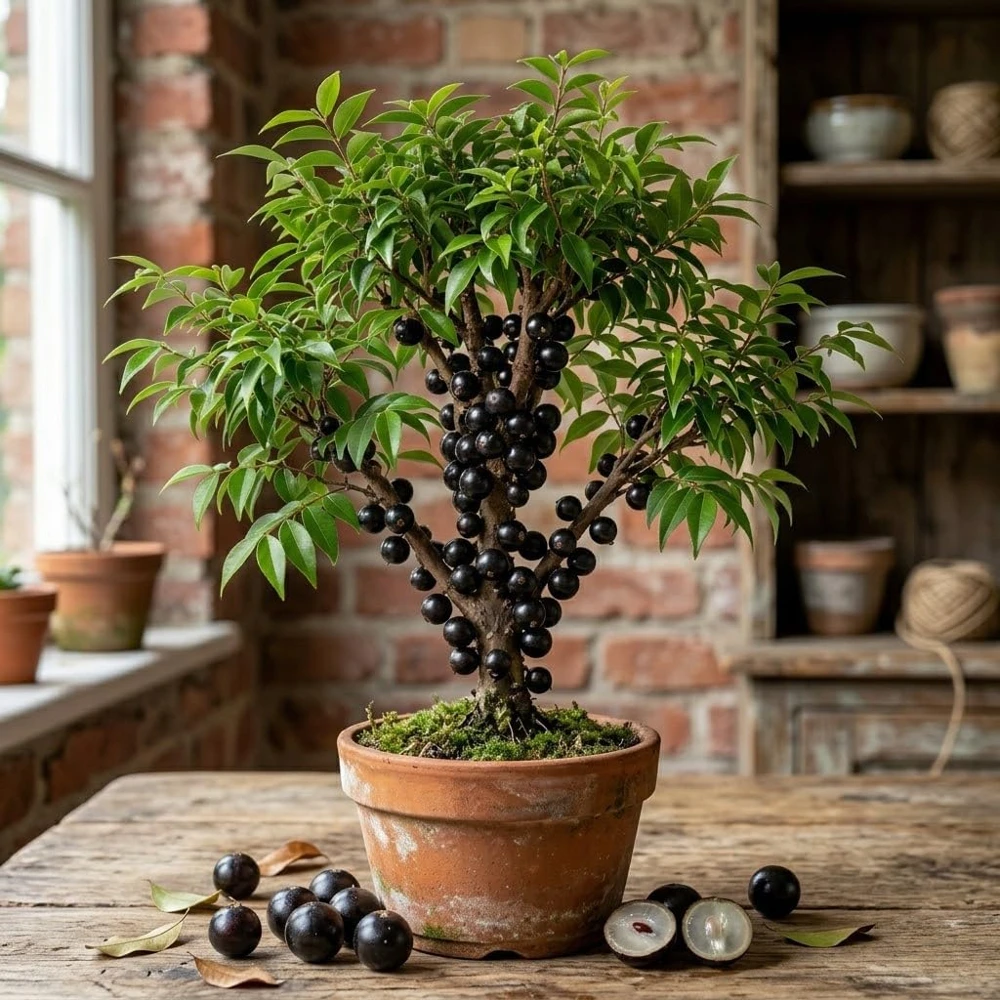
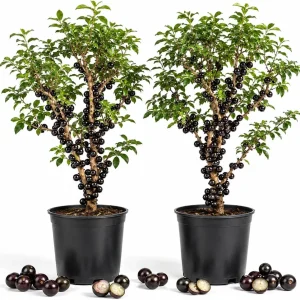
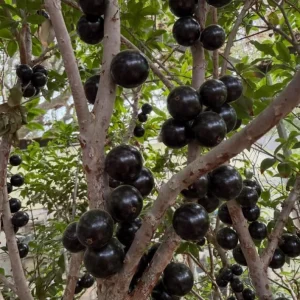
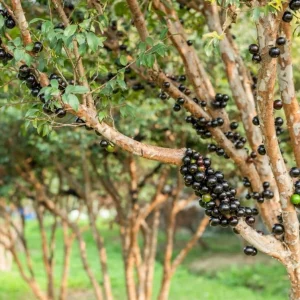
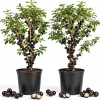
Cultivate your own unique fruit with this set of two jaboticaba live plant starters. Each plant is approximately 1 foot tall, ideal for container growing on patios or as an intriguing indoor specimen. Enjoy the distinctive dark purple fruits that grow directly on the trunk of this fascinating jaboticaba fruit tree as it matures.
Estimated arrival
Sep 17
Sep 22 - Sep 24
Sep 27 - Oct 01

Reasonable Price
We offer reasonable price

Support 24/7
Contact us 24 hrs a day

100% Money Back
You've 30 days to Return

Payment Secure
100% secure payment
Overview
Bring the exotic beauty and unique fruit of the jaboticaba live plant into your home or garden. This offering includes a set of two live starter plants, each approximately 1 foot tall, ready to be potted or planted. The Jaboticaba, scientifically known as Myrciaria cauliflora or Plinia cauliflora, is a remarkable fruit tree native to Brazil, known for its distinctive growth habit where fruits develop directly on the trunk and main branches. These young trees are perfect for enthusiasts looking to embark on the rewarding journey of growing their own rare fruit, offering both ornamental appeal and delicious harvests. With proper care, these jaboticaba fruit tree starters will flourish, eventually producing an abundance of sweet, grape-like berries.
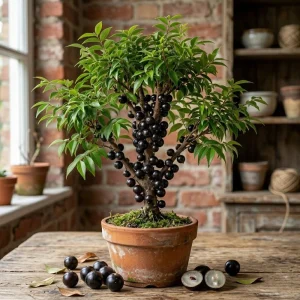
Whether you’re an experienced gardener or a curious beginner, these jaboticaba live plant specimens provide an exciting opportunity to cultivate a truly special and productive fruit tree. They are well-suited for container gardening, making them versatile for patios, balconies, or even bright indoor spaces in cooler climates. Imagine harvesting fresh, dark purple fruits directly from the trunk, a truly unique experience that sets the Jaboticaba apart from most other fruit-bearing plants.
Key Benefits
Growing a jaboticaba live plant offers a multitude of benefits, from its unique aesthetic to its delicious and nutritious fruit. These plants are not only a conversation starter but also a source of fresh, homegrown produce.
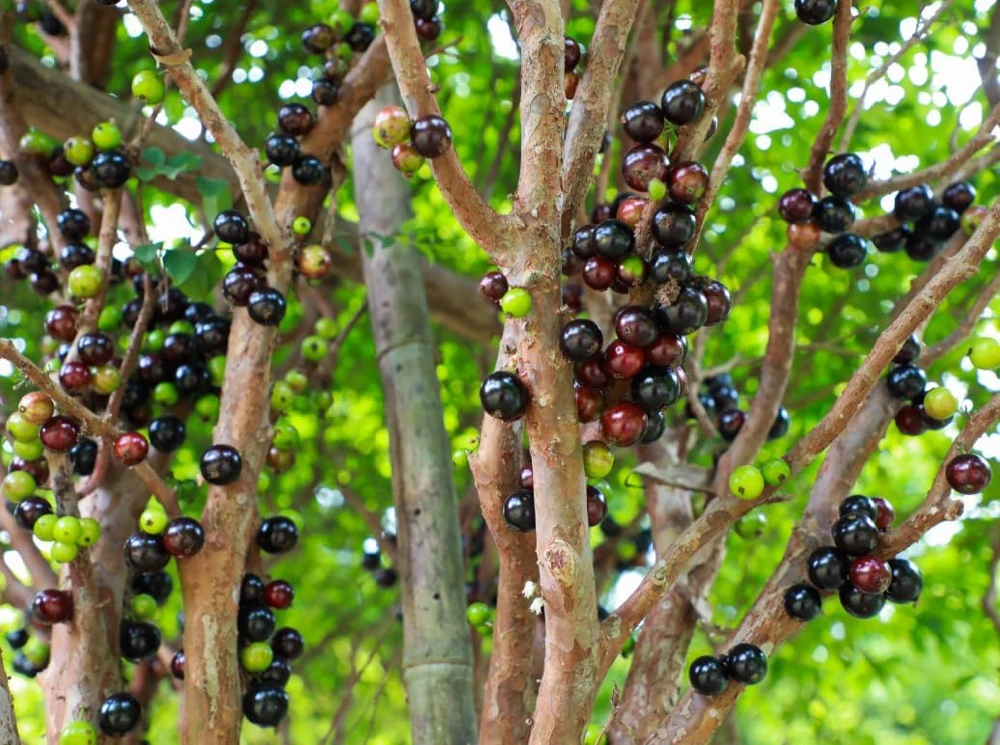
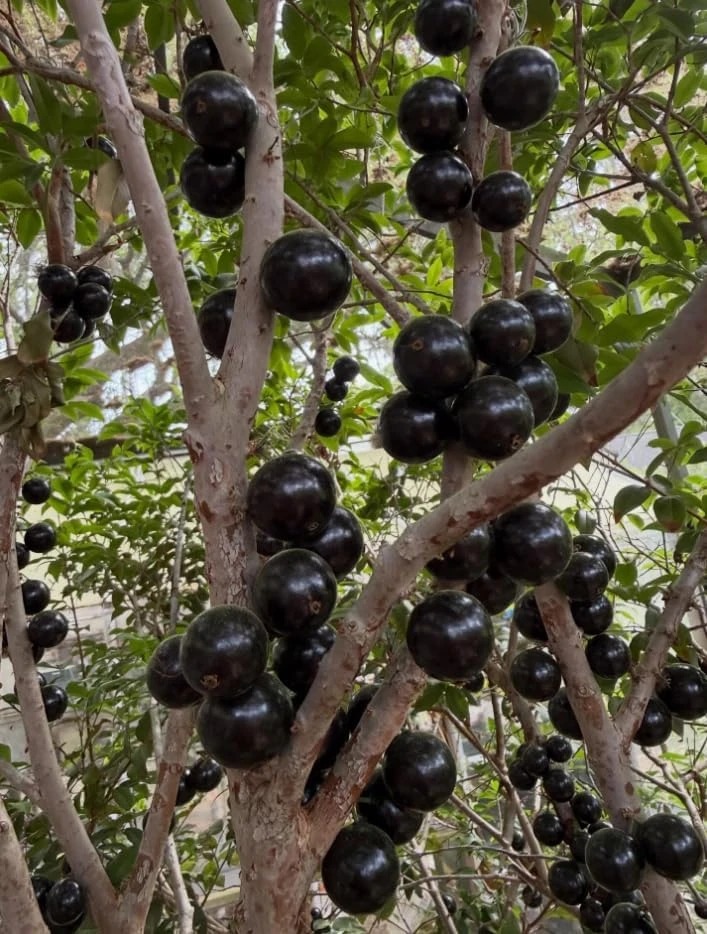
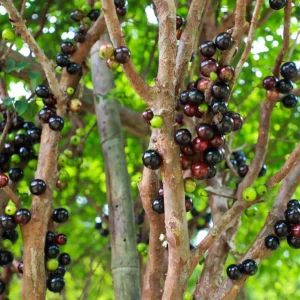
- Unique Fruit Production: The most striking feature of the Jaboticaba is its cauliflorous nature, where fruits grow directly on the trunk and branches. This offers a visually stunning display and an unusual harvesting experience. The dark purple fruits are sweet and juicy, similar to grapes, and can be eaten fresh, made into jellies, jams, or wine.
- Compact Growth for Containers: These starter plants are ideal for container gardening, making them perfect for small gardens, patios, balconies, or even bright indoor settings. Their manageable size allows them to be moved indoors during colder months, extending their growing range.
- Ornamental Appeal: Beyond its fruit, the Jaboticaba is an attractive tree with smooth, mottled bark that peels to reveal a lighter color. Its dense, evergreen foliage provides year-round greenery, adding a touch of tropical elegance to any space.
- Long-Lived & Productive: With proper care, Jaboticaba trees can live for many decades and become highly productive, yielding multiple flushes of fruit throughout the year once mature. This makes them a long-term investment for fresh fruit.
- Adaptable to Various Settings: While preferring warm climates, the Jaboticaba can adapt to different growing environments, especially when grown in containers. Its ability to thrive both outdoors in suitable zones and indoors with adequate light makes it a versatile choice.
- Rich in Nutrients: The fruits are not only delicious but also packed with antioxidants, vitamins, and minerals, contributing to a healthy diet straight from your own backyard or patio.
- Engaging Growing Experience: Watching the fruits develop directly on the trunk is a fascinating process that provides a rewarding and educational experience for gardeners of all ages. Understanding how to grow jaboticaba can be a fulfilling endeavor.
Plant Care & Growing Tips
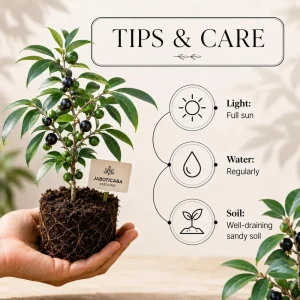
Caring for your jaboticaba live plant is relatively straightforward, especially when you understand its basic needs. These tropical fruit trees thrive in conditions that mimic their native environment. For successful growth and fruit production, pay close attention to sunlight, watering, soil, and temperature.
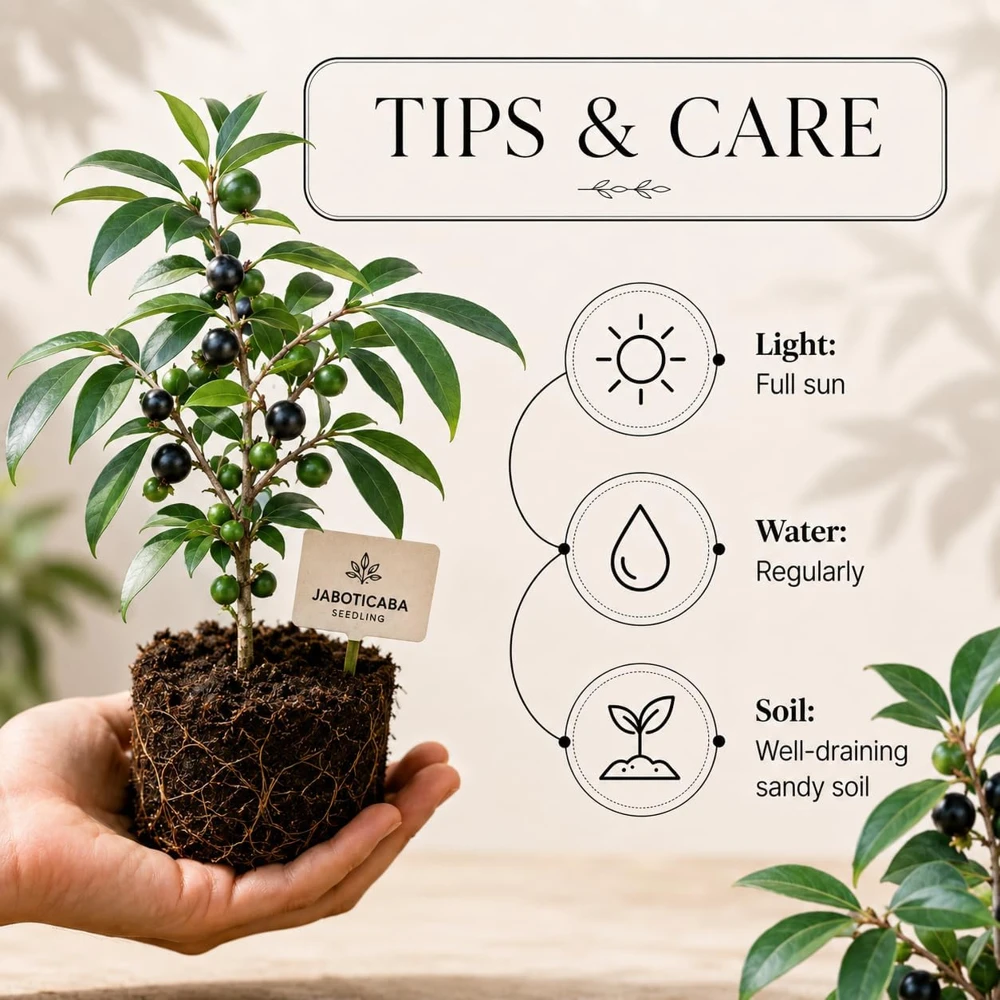
Jaboticaba plants prefer full sun to bright light. Outdoors, they should receive at least 6-8 hours of direct sunlight daily. If growing indoors, place them near a south-facing window or use supplemental grow lights to ensure they get adequate illumination. They appreciate consistent moisture but require well-drained soil to prevent root rot. Water regularly, especially during dry periods, allowing the top inch or two of soil to dry out slightly between waterings. Avoid letting the soil become waterlogged. A good quality, slightly acidic, well-draining potting mix is ideal for container-grown plants. For in-ground planting, amend heavy clay soils with organic matter to improve drainage.
These trees are best suited for USDA Zones 9-11, thriving in tropical and subtropical climates. They can tolerate brief dips in temperature but are not frost-hardy. If you live in a cooler zone, growing your jaboticaba fruit tree in a container allows you to move it indoors to a protected, bright location during winter. Fertilize your Jaboticaba regularly during the growing season (spring and summer) with a balanced, slow-release fertilizer or a liquid feed formulated for fruit trees. Pruning is generally minimal, focused on shaping the tree and removing any dead or diseased branches. Learning how to properly grow jaboticaba will ensure a healthy and productive tree.
Size & Details
This offering includes a set of two jaboticaba live plant starters, each standing approximately 1 foot tall from the base of the plant to the top of its foliage. These young trees are shipped ready for immediate container planting or transplanting into your garden, depending on your climate and preference. While they are currently compact, Jaboticaba trees are slow-growing but can eventually reach mature heights of 10-15 feet in ideal conditions when planted in the ground, or remain smaller and more manageable in containers. The plants are typically shipped in a nursery pot with a healthy root ball, ensuring a smooth transition to their new home.
Expect your jaboticaba fruit tree to begin producing fruit within a few years, with maturity often reached around 5-8 years from a starter plant. The unique growth habit of the dark purple fruits developing along the trunk is a fascinating characteristic that becomes more pronounced as the tree ages. These plants are ideal for creating an edible landscape or adding an unusual specimen to your collection. Understanding the specific needs for jaboticaba care will help you nurture these plants to their full potential.
Frequently Asked Questions
- Q: How big will this plant get? A: Each jaboticaba live plant starter is approximately 1 foot tall upon arrival. In ideal outdoor conditions, a mature Jaboticaba tree can reach 10-15 feet tall, but when grown in containers, their size can be managed and kept smaller.
- Q: Is this an indoor or outdoor plant? A: The Jaboticaba is primarily an outdoor plant in USDA Zones 9-11. However, it can be grown successfully indoors in a bright location or on a patio in cooler climates, provided it is brought inside during cold weather.
- Q: How much sunlight does it need? A: A jaboticaba fruit tree thrives in full sun to bright light, requiring at least 6-8 hours of direct sunlight daily for optimal growth and fruit production. Indoor plants will need a very bright window or grow lights.
- Q: Is this plant easy to care for? A: Jaboticabas are considered moderately easy to care for. They require consistent watering, well-draining soil, and protection from frost. Once established, they are relatively low-maintenance.
- Q: What condition will it arrive in? A: Your jaboticaba live plant will arrive as a healthy, approximately 1-foot tall starter plant, typically in a nursery pot with its root ball intact, ready for planting. We ensure careful packaging to minimize stress during transit.
- Q: How long until it produces fruit? A: From a starter plant, a Jaboticaba tree typically begins to produce fruit in 5-8 years, though some varieties may fruit sooner or later. Patience is key when you grow jaboticaba, as the rewards are well worth the wait.
- Q: What’s the minimum temperature it can tolerate? A: Jaboticaba trees are sensitive to frost. While they can tolerate brief drops to near freezing, prolonged exposure to temperatures below 30°F (-1°C) can cause damage or be fatal. It’s best to protect them or bring them indoors if temperatures are expected to drop.
- Q: What kind of soil is best for a black jaboticaba? A: The black jaboticaba, like other Jaboticaba varieties, prefers a slightly acidic, well-draining soil. A rich loamy soil amended with organic matter is ideal for in-ground planting, while a high-quality potting mix works well for containers.
- Q: Do I need two plants to get fruit? A: Jaboticaba trees are typically self-fertile, meaning a single plant can produce fruit. However, having two plants can sometimes lead to better pollination and potentially higher yields, though it’s not strictly necessary for fruit production.
- Q: How often should I fertilize my jaboticaba? A: During the active growing seasons of spring and summer, fertilize your jaboticaba live plant every 1-2 months with a balanced, slow-release granular fertilizer or a diluted liquid feed. Reduce fertilization in fall and winter.
Be the first to review “Jaboticaba Live Plant Set – 2 Pack, 1 Ft Tall Fruit Tree Starter for Patio”
-
USDA Hardiness Zone
USDA zones 9-11 -
Soil Type
Well-draining, slightly acidic soil -
Sunlight Exposure
Full sun to bright light -
Expected Planting Period
Year-round indoors, spring to early summer outdoors
People Also Viewd
Sold 134 products
Original price was: $3,536.00.$23.99Current price is: $23.99.
Sold 131 products
Original price was: $27.00.$24.00Current price is: $24.00.
Sold 131 products
Original price was: $89.99.$64.99Current price is: $64.99.

Sold 125 products
Original price was: $86.99.$66.99Current price is: $66.99.
Flower Bulbs
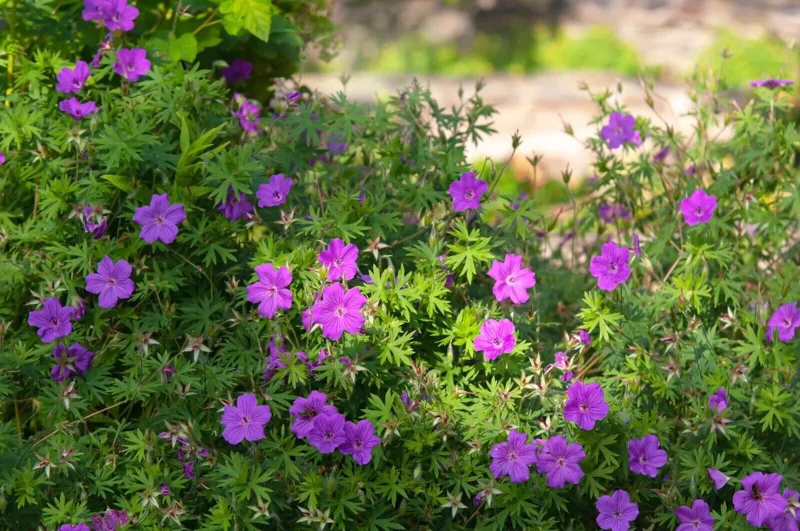
3 Cranesbill Wild Geranium Organic Maculatums Bare Roots | Wildflower for Outdoor Garden
Sold 116 products
Original price was: $21.99.$9.99Current price is: $9.99.
Sold 114 products
Original price was: $28.99.$17.99Current price is: $17.99.
Sold 110 products
Original price was: $63.99.$28.99Current price is: $28.99.
Sold 108 products
Original price was: $28.99.$17.99Current price is: $17.99.RELATED posts
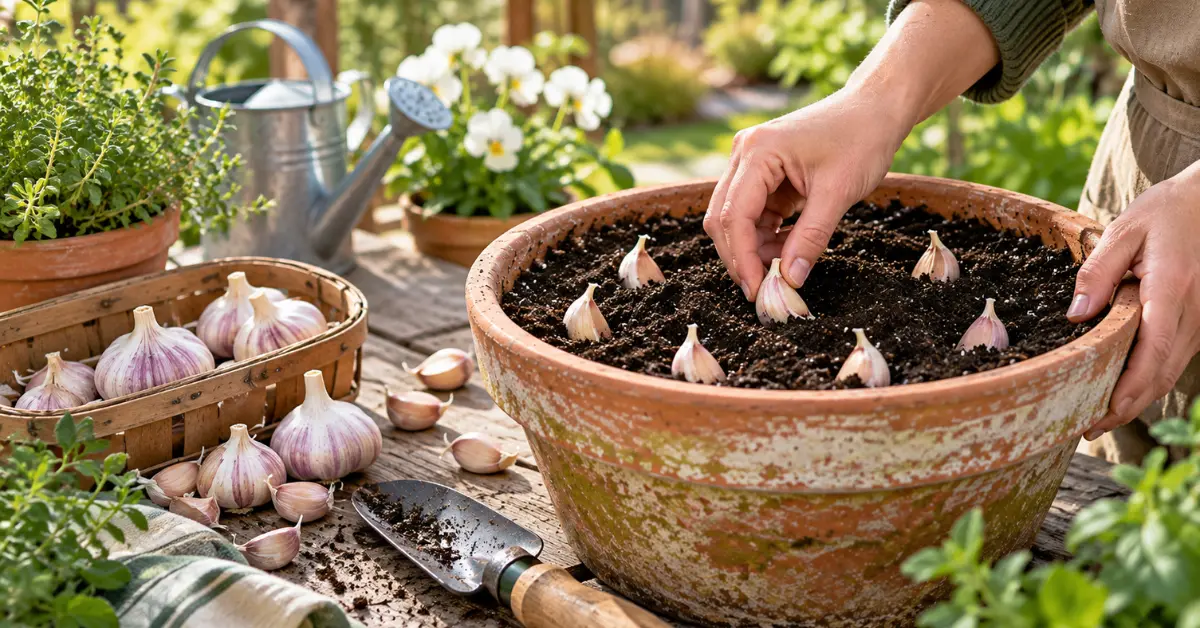
Growing Garlic in Containers This Fall: A Complete Guide for Beginners
If you’ve ever wanted to pop fresh, aromatic garlic cloves straight from your own patio [...]
Sep
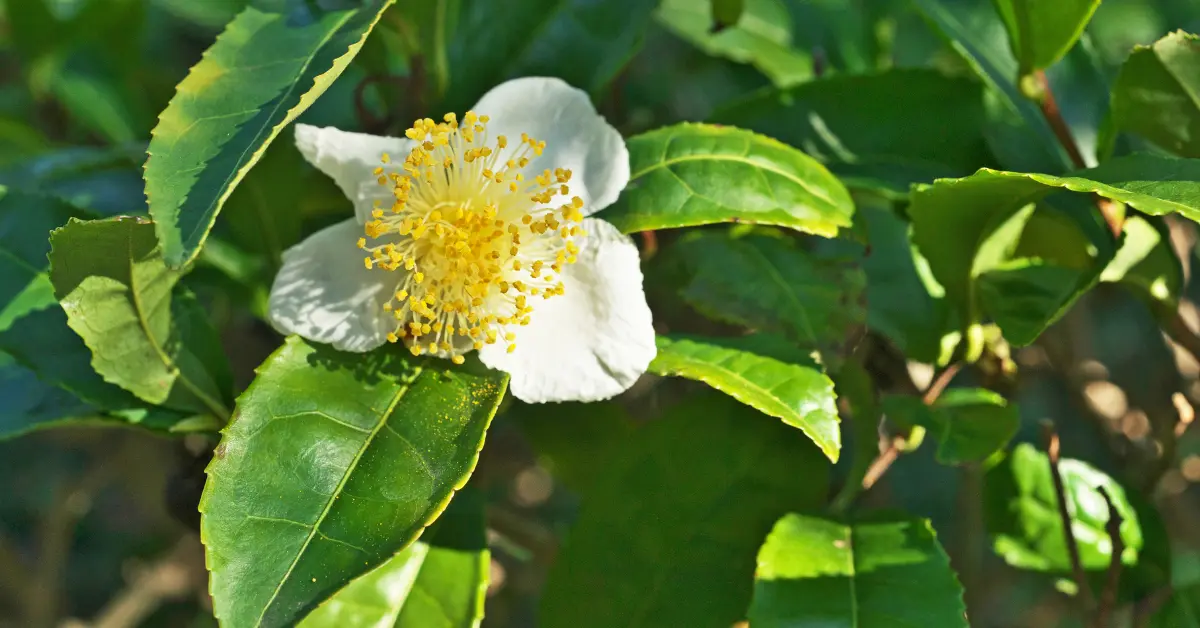
Growing Camellia Sinensis (Tea Plants) in Containers: A Complete Guide for Beginners
If you’ve ever wanted to sip a steaming, homegrown cup of fresh green, black, or [...]
Aug
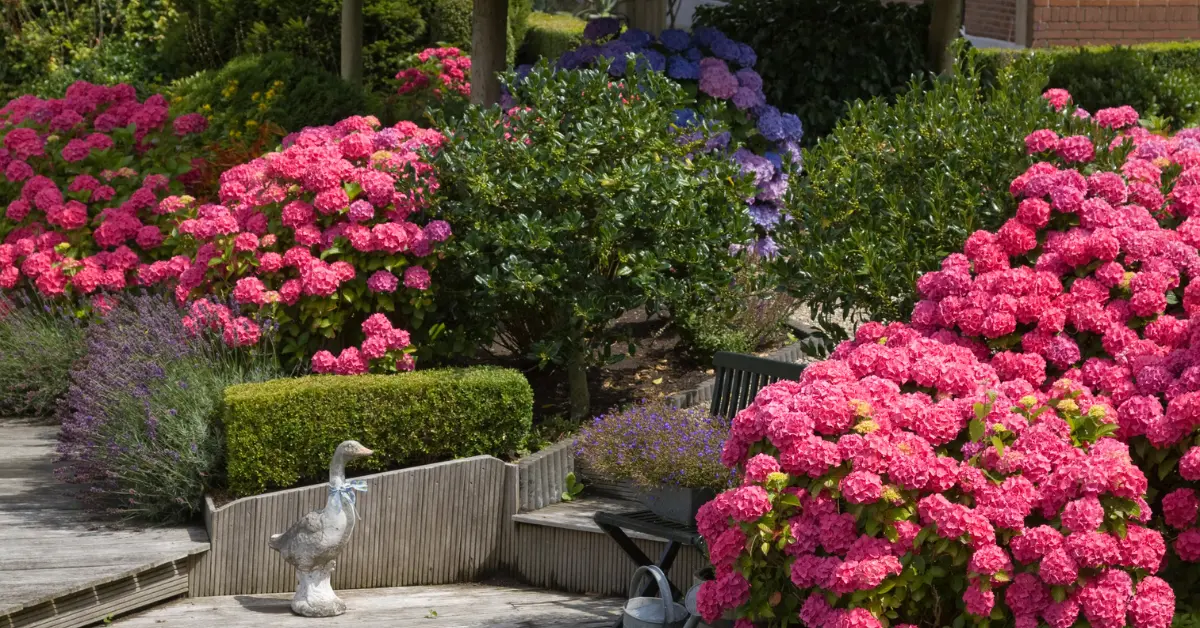
6 Best Shrubs to Plant in August You Must Try
Have you ever walked through a nursery late in the summer, admired the vibrant shrubs [...]
Aug
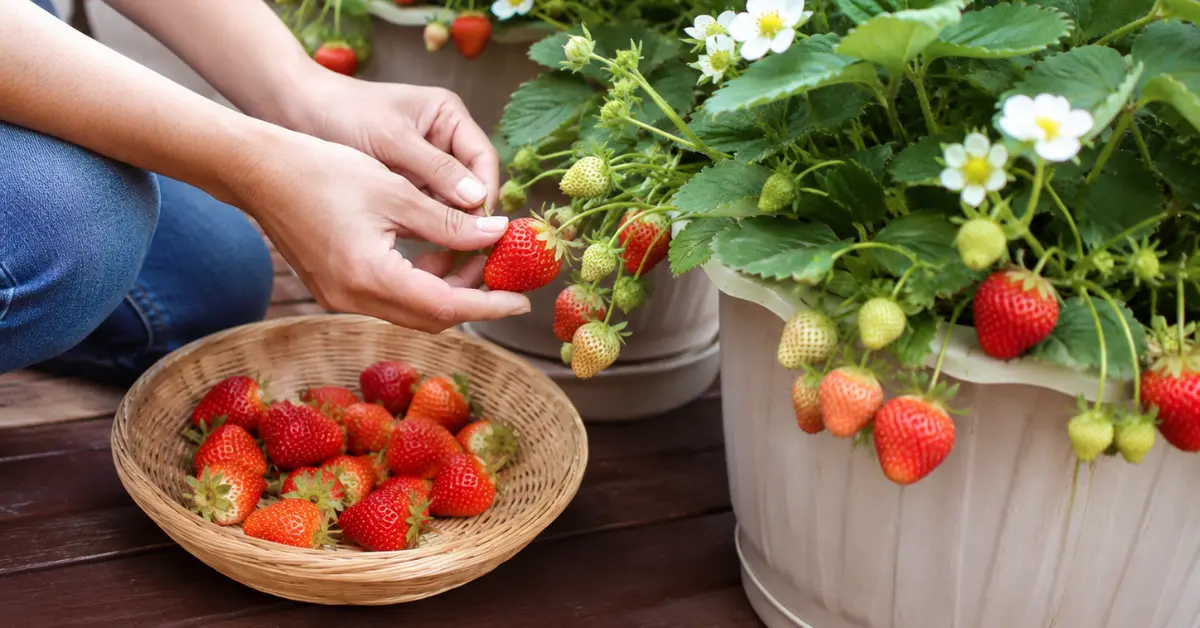
Growing Everbearing Strawberries in Containers: A Complete Guide for Beginners
Want to grow sweet, fresh strawberries but do not have a large garden? Everbearing strawberries [...]
Aug
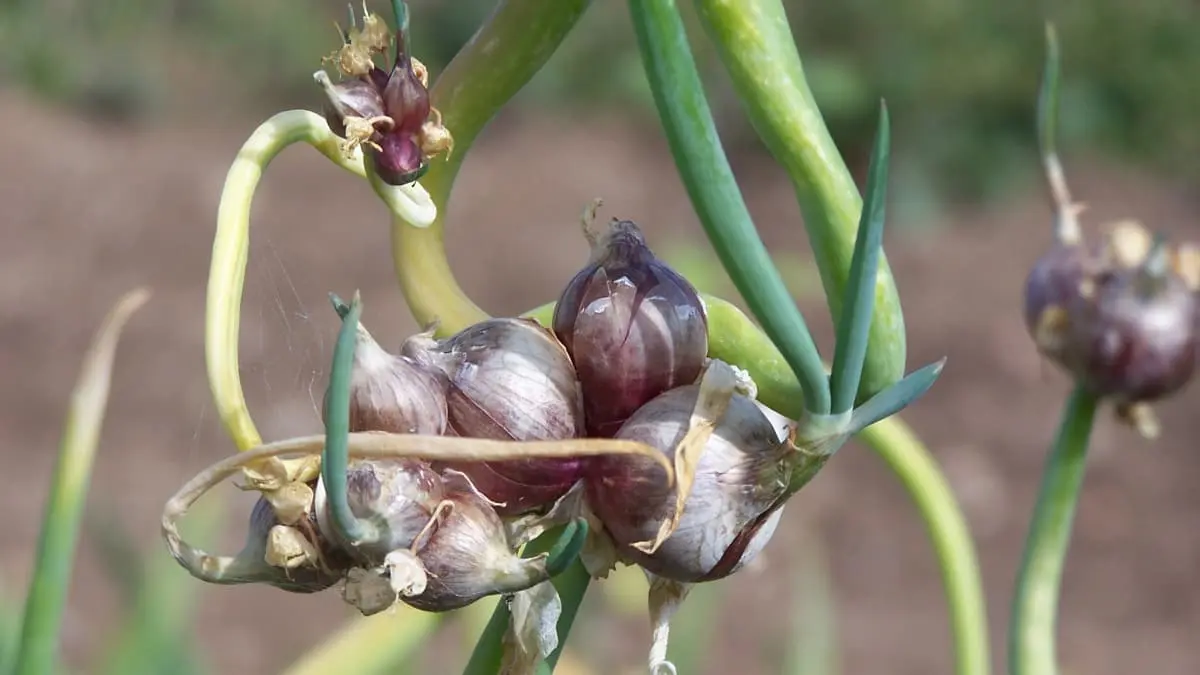
Growing Egyptian Walking Onions in Containers: A Complete Guide for Beginners
If you’re looking for a hardy, no-fuss perennial onion that keeps on giving year after [...]
Jul
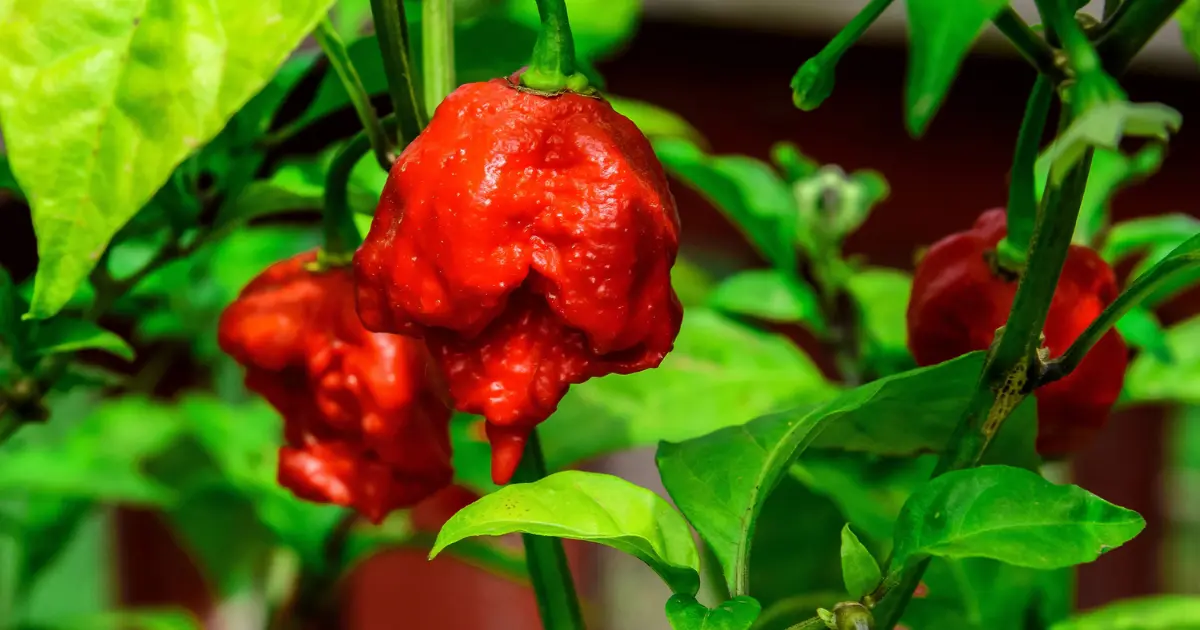
Growing Carolina Reaper Peppers in Pots: A Complete Guide for Beginners
If you’ve ever wanted to add some serious, record-breaking heat to your home cooking, you’ve [...]
May
Growing Curry Leaf Plant in Pots: A Complete Guide for Beginners
If you’re a fan of authentic South Asian cuisine, you already know that nothing compares [...]
May
5 Tips for Growing Carolina Reaper Peppers to Get the Spiciest Harvest Ever
Holding the record for one of the world’s hottest peppers, the Reaper isn’t just a [...]
May
Reviews
There are no reviews yet.