
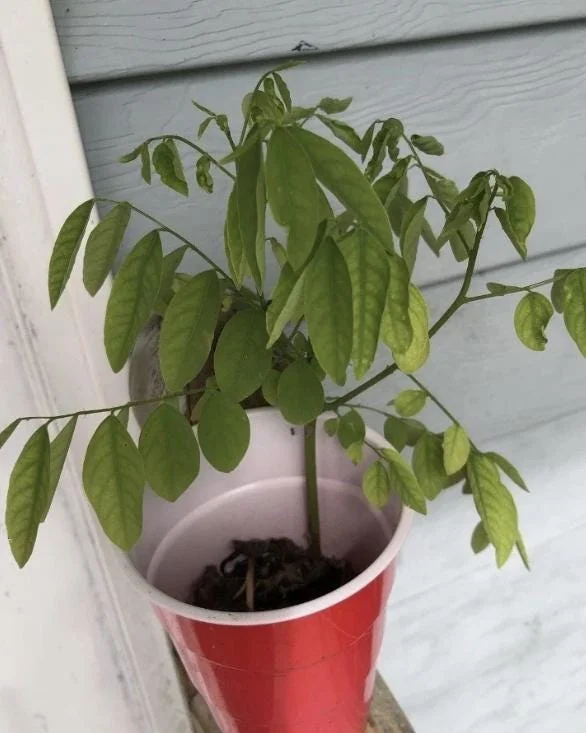
Katuk Live Plant – 6-12″ Tall – Sauropus androgynus – Edible Perennial Green
Original price was: $47.98.$22.99Current price is: $22.99.
Bring home a vibrant katuk live plant (Sauropus androgynus) for your garden. This 6-12″ tall edible perennial green is perfect for adding fresh, nutritious leaves to your meals. Easy to grow in containers or garden beds, it’s a versatile and productive addition to any home.
Estimated arrival
Oct 16
Oct 21 - Oct 23
Oct 26 - Oct 30

Reasonable Price
We offer reasonable price

Support 24/7
Contact us 24 hrs a day

100% Money Back
You've 30 days to Return

Payment Secure
100% secure payment
Overview
Cultivate your own nutritious greens with this vibrant katuk live plant. Also known by its botanical name, Sauropus androgynus, or commonly as Star Gooseberry or Sweet Leaf, Katuk is a highly valued edible perennial green, especially in Southeast Asian cuisine. This robust plant arrives ready to thrive in your home garden or containers, offering a continuous supply of tender, flavorful leaves. Ideal for both seasoned gardeners and beginners, the sauropus androgynus plant is known for its quick growth and adaptability, making it a rewarding addition to any edible landscape. Enjoy the satisfaction of harvesting fresh, organic greens right from your backyard, enhancing your meals with a unique and healthy ingredient.
Our katuk live plant specimens are carefully nurtured to ensure they are healthy and ready for planting upon arrival. They typically measure between 6-12 inches tall, providing a significant head start for rapid growth. Katuk is celebrated for its versatility, fitting seamlessly into various garden styles, from dedicated herb beds to decorative container arrangements. Its lush green foliage adds an aesthetic appeal while serving a practical purpose, offering a sustainable source of vitamins and minerals. Embrace the joy of growing your own food with this exceptional perennial green.
Key Benefits
Adding a katuk live plant to your garden provides numerous advantages, from culinary uses to health benefits and ease of cultivation. This plant is a true gem for any home gardener looking for a productive and low-maintenance green.
- Nutrient-Rich Edible Green: Katuk leaves are packed with vitamins (A, C, K), minerals, and protein, making them a superfood for your diet. Regularly harvesting these leaves can significantly boost your nutritional intake, contributing to overall health and well-being.
- Continuous Harvest: As a perennial, the sauropus androgynus plant offers a year-round supply of fresh leaves in suitable climates. Simply snip the tender new growth, and the plant will continue to produce, providing a sustainable source of greens without constant replanting.
- Versatile Culinary Use: The mild, slightly sweet flavor of Katuk leaves makes them incredibly versatile in the kitchen. They can be enjoyed raw in salads, stir-fried, added to soups, smoothies, or even used as a spinach substitute in various dishes.
- Easy to Grow: This resilient plant thrives with minimal care, making it an excellent choice for gardeners of all skill levels. It tolerates various soil conditions and is relatively pest-resistant, allowing you to enjoy a bountiful harvest with less effort.
- Ideal for Containers: Even if you have limited garden space, you can easily grow katuk in containers. Its compact growth habit and adaptability to pot living make it perfect for patios, balconies, or sunny windowsills, bringing fresh greens directly to your fingertips.
- Attractive Foliage: Beyond its edible qualities, the katuk live plant boasts attractive, dense green foliage that can enhance the beauty of your garden or indoor plant collection. Its lush appearance adds a touch of tropical elegance.
- Promotes Healthy Eating: Having fresh, homegrown edible perennial greens readily available encourages a healthier diet. It’s a convenient way to incorporate more vegetables into your family’s meals and reduce reliance on store-bought produce.
Plant Care & Growing Tips
Caring for your katuk live plant is straightforward, ensuring a continuous supply of fresh, edible leaves. This resilient perennial thrives with proper attention to its basic needs, making it a rewarding plant for any gardener. When you grow katuk in containers, ensure they have adequate drainage holes to prevent waterlogging, which can be detrimental to the roots.
Sunlight Requirements: Katuk prefers partial shade to full sun. In hotter climates, protect it from intense afternoon sun, which can scorch the leaves. If growing indoors, place it near a window that receives bright, indirect light for several hours a day. An east or west-facing window is often ideal. For outdoor planting, a spot with morning sun and afternoon shade is perfect. The right light exposure is crucial for vigorous growth and abundant leaf production.
Watering Schedule and Soil Moisture: Keep the soil consistently moist but not waterlogged. Water thoroughly when the top inch of soil feels dry to the touch. During hot, dry periods, you may need to water more frequently. Reduce watering in cooler months. Good drainage is paramount; soggy soil can lead to root rot. The katuk plant care routine should always prioritize balanced moisture.
Soil Type and Drainage Requirements: Katuk thrives in fertile, well-draining soil rich in organic matter. A slightly acidic to neutral pH (6.0-7.0) is ideal. If planting in the ground, amend heavy clay soils with compost or sand to improve drainage. For container growing, use a high-quality potting mix blended with compost. Proper drainage is essential to prevent water accumulation around the roots, ensuring the health of your sauropus androgynus plant.
Temperature Range and USDA Hardiness Zone: Katuk is a tropical plant and prefers warm temperatures, ideally between 65-85°F (18-29°C). It is sensitive to frost and will not tolerate freezing temperatures. It is generally suitable for USDA zones 9–11 for outdoor perennial growth. In colder regions, it can be grown as an annual or brought indoors during winter months. Protect it from cold drafts and sudden temperature drops.
Fertilization Schedule and Type: Fertilize every 4-6 weeks during the growing season (spring and summer) with a balanced liquid fertilizer or a slow-release organic fertilizer. Reduce or stop fertilization during fall and winter when growth slows. A compost tea can also provide beneficial nutrients and microorganisms. Regular feeding will support robust growth and abundant leaf production, ensuring your edible perennial greens remain healthy and productive.
Common Problems and Solutions: Katuk is generally pest-resistant, but occasionally, aphids or spider mites may appear. Treat with insecticidal soap or neem oil if necessary. Ensure good air circulation to prevent fungal issues. Yellowing leaves can indicate overwatering or nutrient deficiency; adjust watering and fertilization accordingly. With consistent katuk plant care, you can minimize most issues.
Size & Details
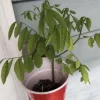
The katuk live plant you receive will typically stand between 6 to 12 inches tall, providing a healthy start for establishment in your garden or preferred container. This height allows for rapid growth once planted, as Katuk is known for its vigorous nature. The plant is shipped in a nursery pot, ensuring its root system is intact and ready for transplanting into its permanent home. While individual plant sizes may vary slightly due to natural growth patterns, we ensure each specimen is robust and well-rooted.
Katuk plants, or Sauropus androgynus, have a moderate to fast growth rate under optimal conditions, often reaching a mature height of 3-6 feet if not regularly pruned for harvesting. Its bushy growth habit makes it suitable for hedges or as a standalone specimen. Regular harvesting of the tender shoots encourages bushier growth and higher yields of edible perennial greens. While it can be grown year-round in tropical climates, in temperate zones, it’s best grown during warmer months or as an indoor plant.
Frequently Asked Questions
- Q: How big does this plant get? A: Your katuk live plant will arrive between 6-12 inches tall. With proper care, it can grow to a mature height of 3-6 feet, though regular harvesting will keep it more compact and bushy, ideal for producing more leaves.
- Q: What size pot does it come in? A: The sauropus androgynus plant is shipped in a standard nursery pot, typically 2-4 inches in diameter, ensuring the roots are well-protected during transit and ready for immediate transplanting into a larger container or garden bed.
- Q: Is this an indoor or outdoor plant? A: Katuk can be grown both indoors and outdoors. It thrives outdoors in warm climates (USDA zones 9–11) as a perennial. In colder regions, it’s best grown in containers and brought indoors during winter, or treated as an annual.
- Q: How much sunlight does it need? A: This edible perennial green prefers partial shade to full sun. In hot climates, provide some afternoon shade. Indoors, place it in a location receiving bright, indirect light for several hours daily to ensure healthy growth.
- Q: Is this plant easy to care for? A: Yes, katuk plant care is relatively easy. It’s a resilient and fast-growing plant that tolerates various conditions, making it suitable for both beginner and experienced gardeners looking for productive edible perennial greens.
- Q: What condition will it arrive in? A: Your plant will arrive healthy and well-packaged, carefully secured to minimize stress during shipping. It will be a live, actively growing plant, ready for you to pot or plant directly into your garden.
- Q: Can I use katuk leaves in cooking? A: Absolutely! Katuk leaves are highly prized for their mild, slightly sweet flavor. They are excellent raw in salads, stir-fries, soups, curries, and smoothies, offering a nutritious boost to many dishes.
- Q: When is the best time to plant? A: For outdoor planting, the best time is after the last frost in spring, once soil temperatures have warmed. If growing indoors, you can plant your katuk live plant year-round, ensuring it receives adequate light and warmth.
- Q: Will it survive winter in my zone? A: Katuk is frost-sensitive. If you are outside of USDA zones 9–11, you will need to protect it from freezing temperatures by bringing it indoors or providing significant winter protection.
- Q: How do I ensure my katuk plant grows vigorously? A: Provide consistent moisture, adequate sunlight (partial to full sun), well-draining, fertile soil, and regular feeding during the growing season. Pruning for harvest also encourages bushier growth and more leaves.
Be the first to review “Katuk Live Plant – 6-12″ Tall – Sauropus androgynus – Edible Perennial Green”
-
USDA Hardiness Zone
USDA zones 9–11 (perennial), can be grown as annual or indoors elsewhere -
Soil Type
Fertile, well-draining soil rich in organic matter -
Sunlight Exposure
Partial shade to full sun -
Expected Planting Period
Spring to early summer (outdoors), year-round indoors
People Also Viewd
Sold 134 products
Original price was: $3,536.00.$23.99Current price is: $23.99.
Sold 132 products
Original price was: $27.00.$24.00Current price is: $24.00.
Sold 132 products
Original price was: $89.99.$64.99Current price is: $64.99.

Sold 125 products
Original price was: $86.99.$66.99Current price is: $66.99.
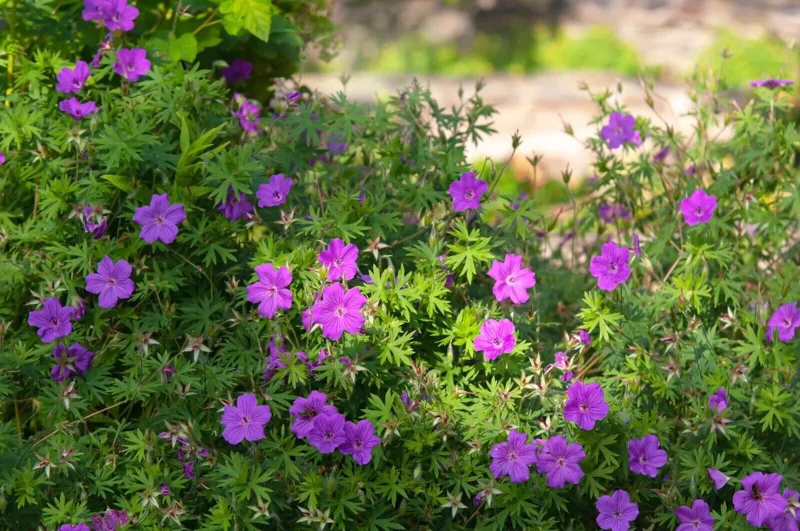
Flower Bulbs
3 Cranesbill Wild Geranium Organic Maculatums Bare Roots | Wildflower for Outdoor Garden
Sold 116 products
Original price was: $21.99.$9.99Current price is: $9.99.
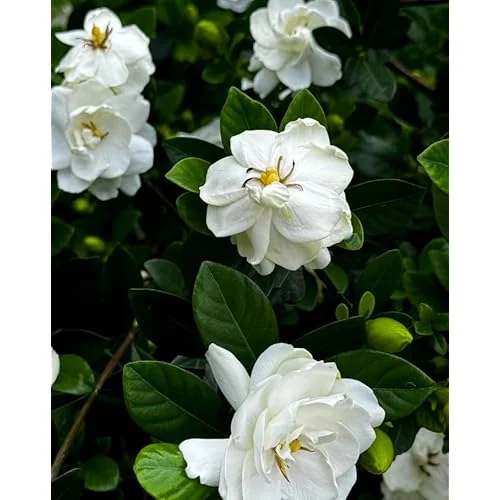
Sold 114 products
Original price was: $28.99.$17.99Current price is: $17.99.
Sold 110 products
Original price was: $63.99.$28.99Current price is: $28.99.
Sold 108 products
Original price was: $28.99.$17.99Current price is: $17.99.RELATED posts
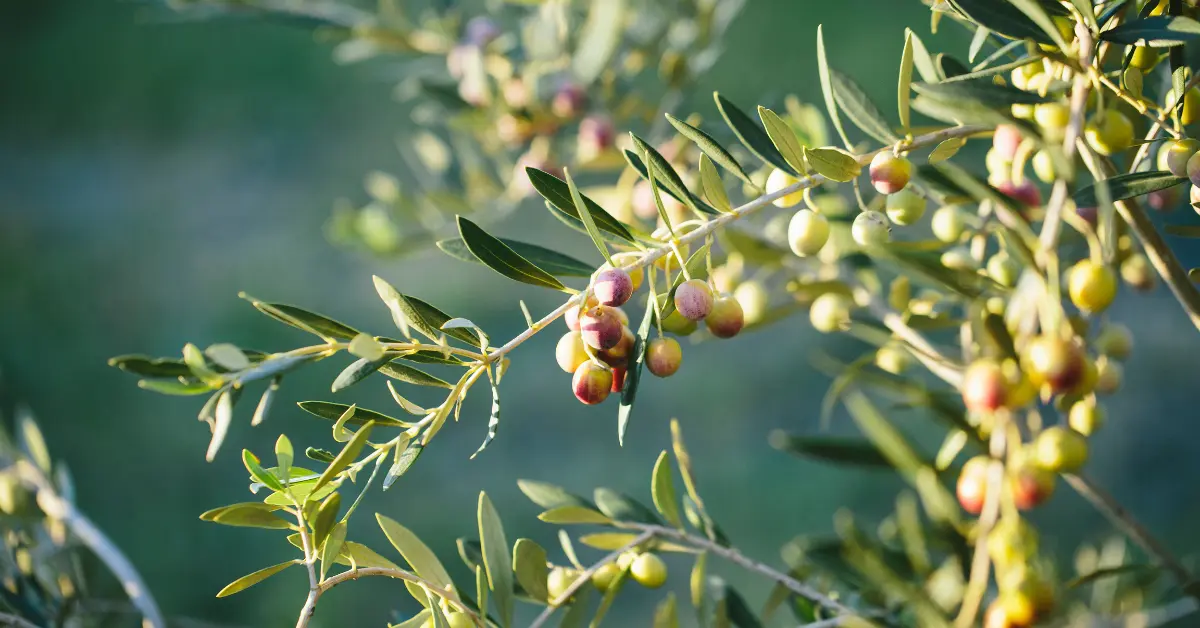
How to Grow Arbequina Olive Trees: The Ultimate Guide to Your Own Olive Grove
Arbequina Olive Tree (Olea europaea ‘Arbequina’) – the ultimate Mediterranean plant that brings a touch [...]
Oct
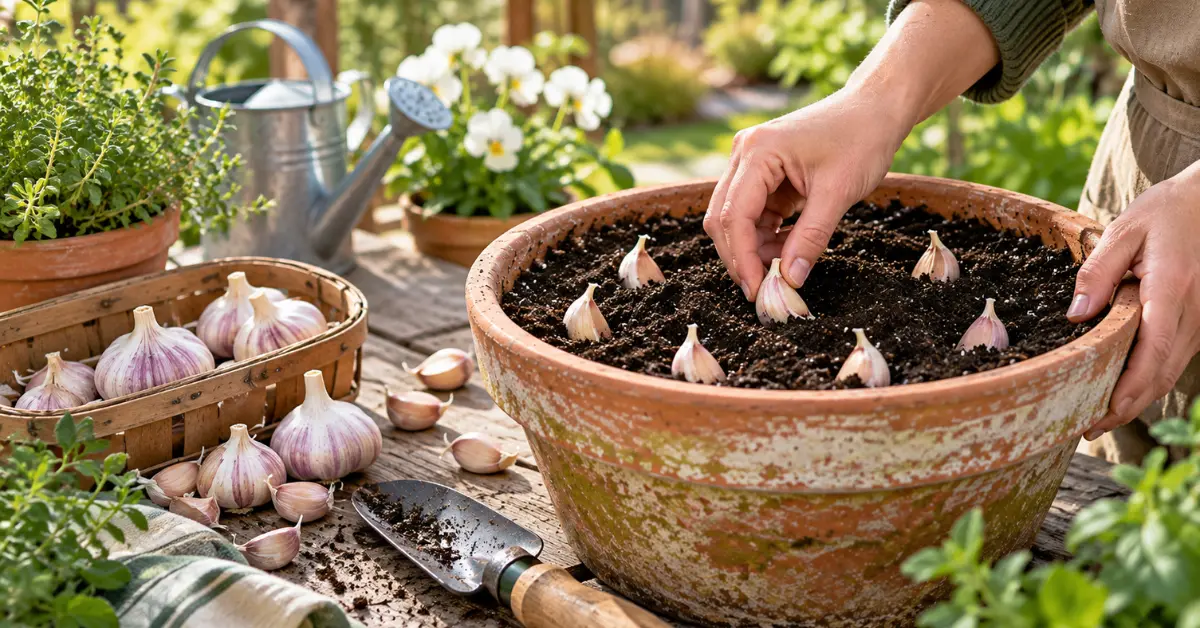
Growing Garlic in Containers This Fall: A Complete Guide for Beginners
If you’ve ever wanted to pop fresh, aromatic garlic cloves straight from your own patio [...]
Sep
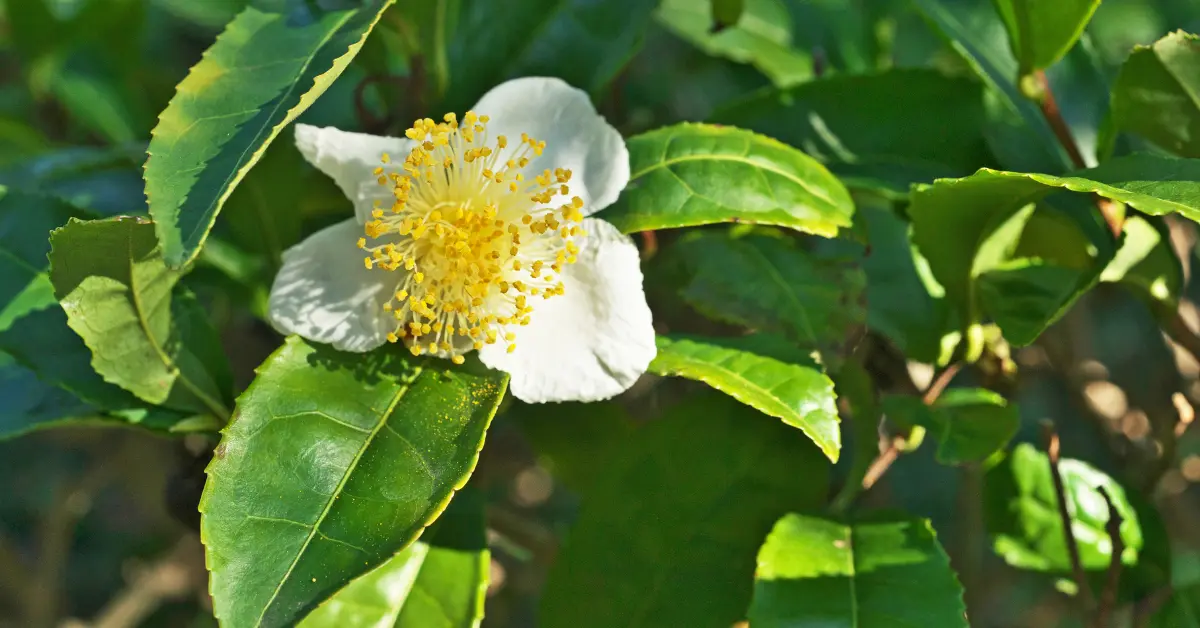
Growing Camellia Sinensis (Tea Plants) in Containers: A Complete Guide for Beginners
If you’ve ever wanted to sip a steaming, homegrown cup of fresh green, black, or [...]
Aug
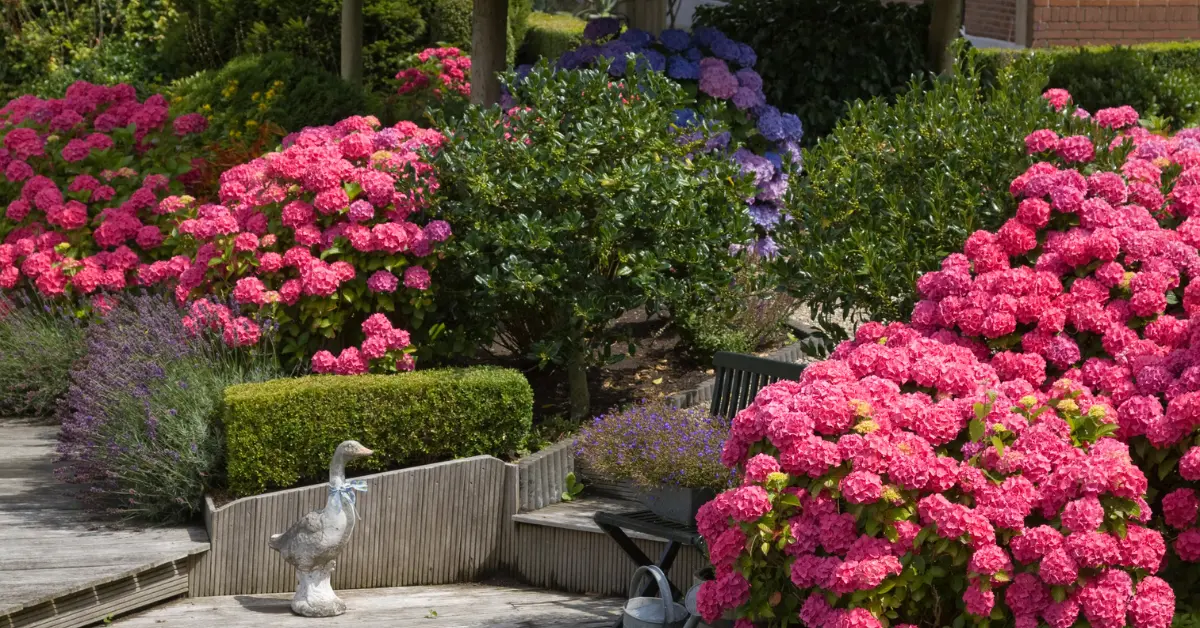
6 Best Shrubs to Plant in August You Must Try
Have you ever walked through a nursery late in the summer, admired the vibrant shrubs [...]
Aug
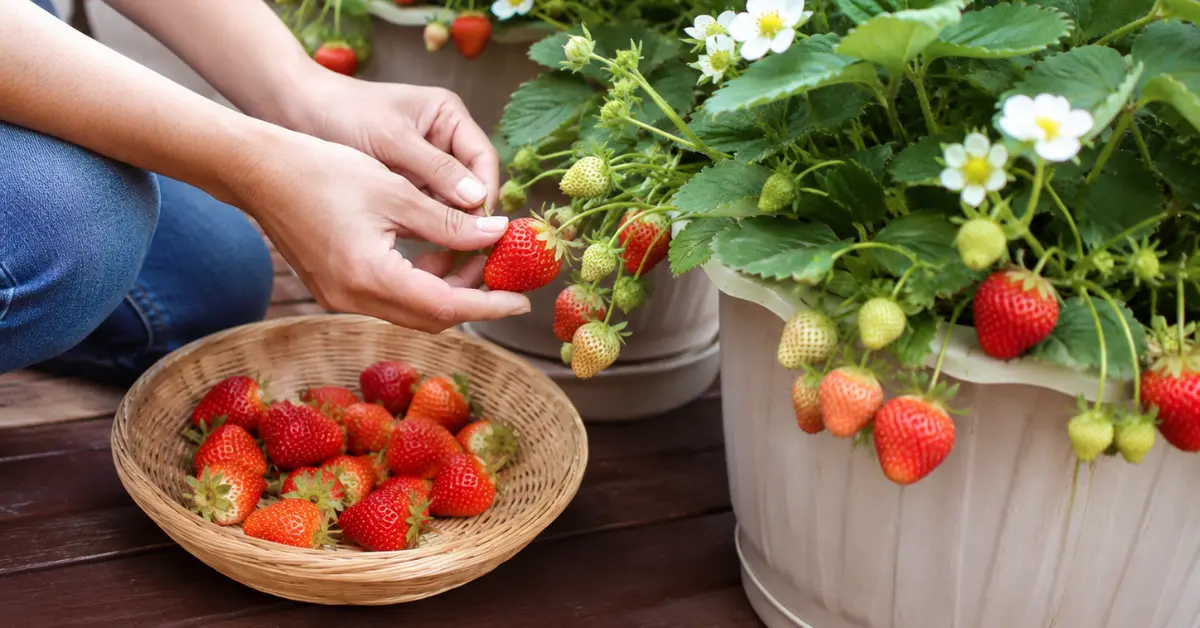
Growing Everbearing Strawberries in Containers: A Complete Guide for Beginners
Want to grow sweet, fresh strawberries but do not have a large garden? Everbearing strawberries [...]
Aug
Growing Egyptian Walking Onions in Containers: A Complete Guide for Beginners
If you’re looking for a hardy, no-fuss perennial onion that keeps on giving year after [...]
Jul
Growing Carolina Reaper Peppers in Pots: A Complete Guide for Beginners
If you’ve ever wanted to add some serious, record-breaking heat to your home cooking, you’ve [...]
May
Growing Curry Leaf Plant in Pots: A Complete Guide for Beginners
If you’re a fan of authentic South Asian cuisine, you already know that nothing compares [...]
May
Reviews
There are no reviews yet.