
Lemongrass Live Plants – 2 Pots, 4-6 Inch Tall, Fragrant Herb for Indoor & Outdoor
Original price was: $47.99.$27.99Current price is: $27.99.
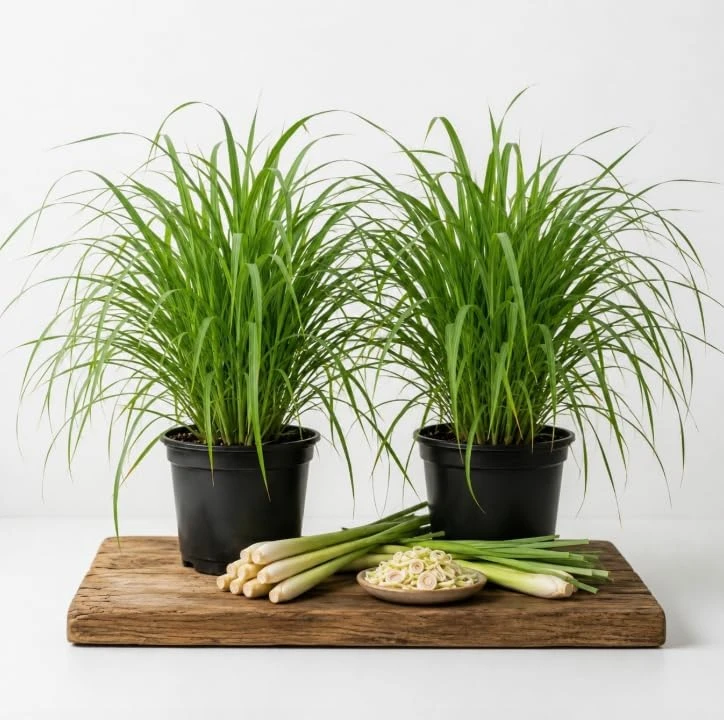
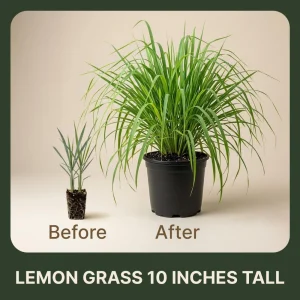
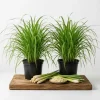
Enhance your garden or kitchen with this set of two lemongrass live plant specimens. Each plant measures 4-6 inches tall, offering a fragrant, culinary herb perfect for both indoor and outdoor cultivation. Enjoy fresh lemongrass for teas, curries, and more.
Estimated arrival
Oct 16
Oct 21 - Oct 23
Oct 26 - Oct 30

Reasonable Price
We offer reasonable price

Support 24/7
Contact us 24 hrs a day

100% Money Back
You've 30 days to Return

Payment Secure
100% secure payment
Overview
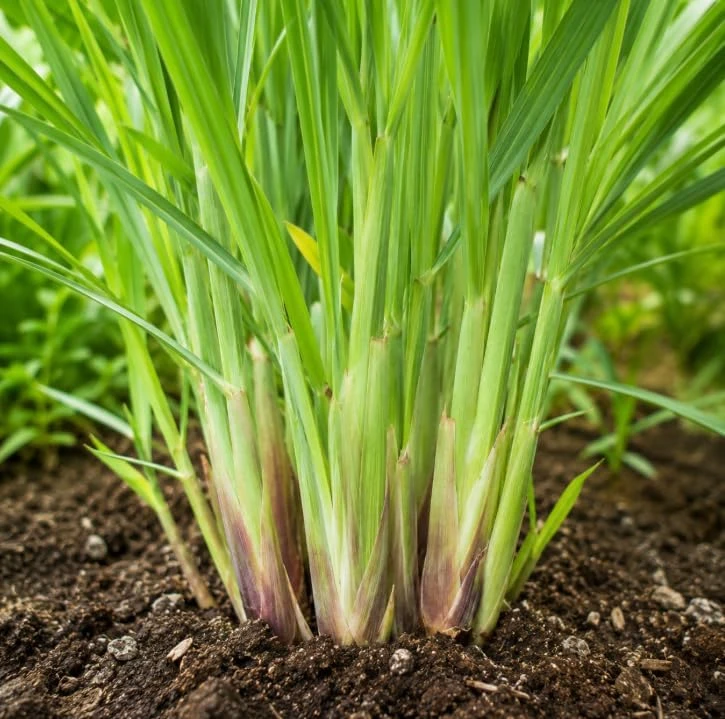
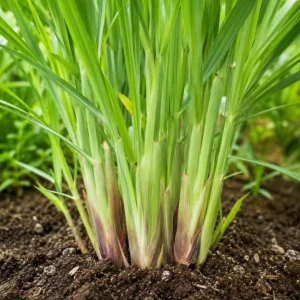
Bring the vibrant, citrusy aroma of the tropics to your home with this exquisite set of two lemongrass live plant specimens. Known botanically as Cymbopogon citratus, lemongrass is a popular perennial herb cherished worldwide for its distinct lemony fragrance and versatile culinary and medicinal uses. These healthy, established plants arrive ready to thrive, standing between 4-6 inches tall, making them ideal for immediate planting in your garden beds, containers, or even indoors on a sunny windowsill. Whether you’re a seasoned gardener or just starting your herb collection, growing lemongrass is a rewarding experience that offers a continuous supply of fresh, aromatic stalks and leaves for your culinary creations and refreshing beverages. Experience the joy of cultivating your own ingredients with these robust and fragrant plants.
Our lemongrass live plant selection is carefully nurtured to ensure strong root development and vigorous growth, providing you with the best possible start. This fragrant herb is not only a kitchen staple but also an attractive addition to any landscape, with its tall, graceful blades adding a touch of tropical elegance. Imagine stepping into your garden and being greeted by the refreshing scent, or snipping a fresh stalk to infuse your favorite Asian-inspired dishes. These plants are a perfect choice for anyone looking to add a functional and beautiful herb to their living space.
Key Benefits
Cultivating your own lemongrass live plant offers a multitude of advantages, from enhancing your culinary skills to creating a more pleasant environment. These versatile plants are a must-have for any herb enthusiast or home cook.
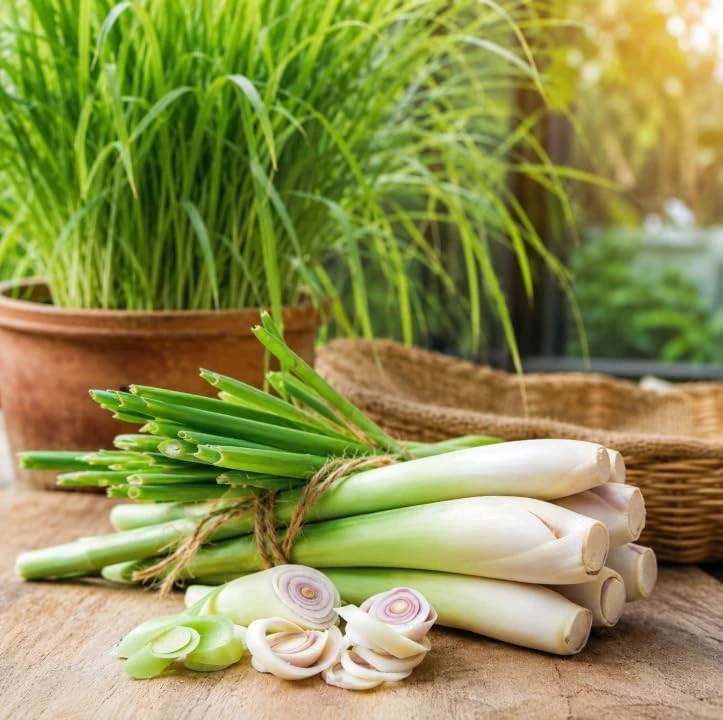
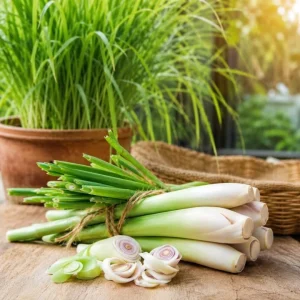
- Culinary Versatility: Fresh lemongrass is an indispensable ingredient in Southeast Asian cuisine, adding a unique citrusy, ginger-like flavor to curries, soups, stir-fries, and marinades. Having it fresh at your fingertips elevates your cooking to a gourmet level.
- Aromatic Appeal: The distinct, refreshing lemon scent of these plants can naturally deter pests and add a pleasant fragrance to your patio, garden, or indoor spaces. It’s a natural air freshener that beautifies its surroundings.
- Health and Wellness: Lemongrass is renowned for its potential health benefits, including antioxidant properties and digestive aid. Enjoying fresh lemongrass tea can be a soothing and healthful ritual.
- Easy to Grow: This herb is surprisingly low-maintenance once established, making it suitable for gardeners of all experience levels. With basic care, your lemongrass live plant will provide abundant harvests.
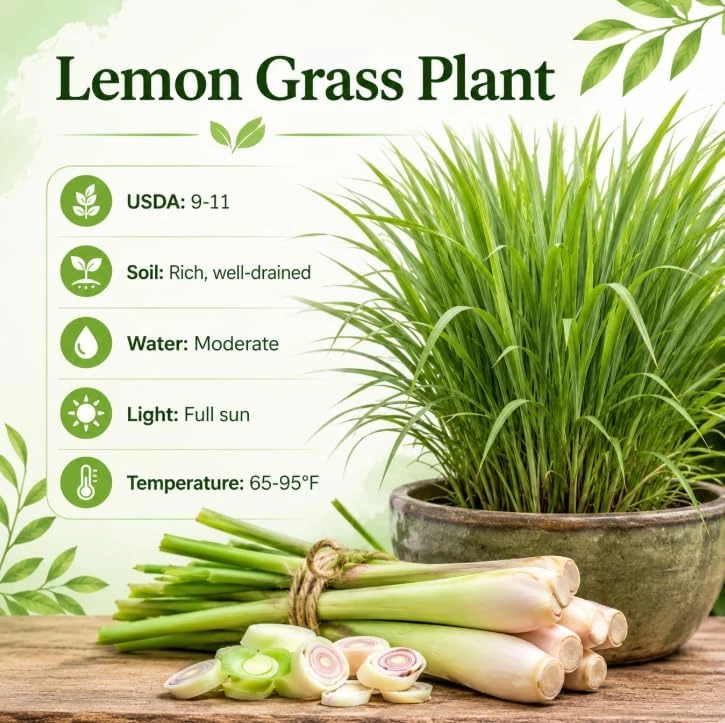
- Indoor and Outdoor Adaptability: These plants are versatile and can thrive both outdoors in warmer climates (USDA Zones 9-11) or be grown as attractive, fragrant houseplants, especially during colder months.
- Natural Insect Repellent: The natural oils in lemongrass are known to repel certain insects, making it a functional plant for placement near patios or outdoor seating areas to keep pests at bay.
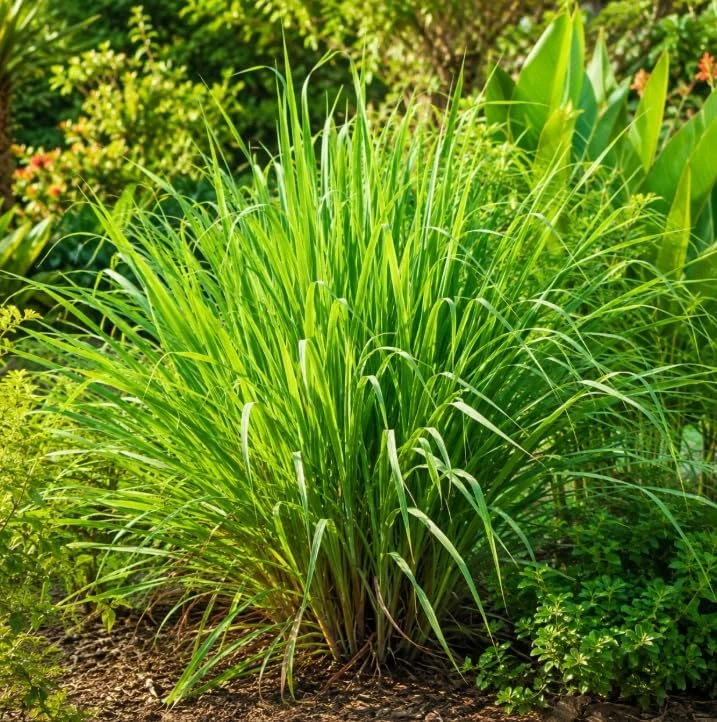
- Beautiful Ornamental Value: With its tall, grass-like foliage, lemongrass adds a unique texture and a tropical aesthetic to garden beds, borders, or decorative pots, enhancing your landscape’s visual appeal.
Plant Care & Growing Tips
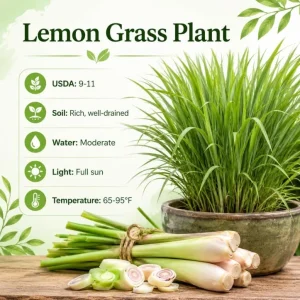
Caring for your lemongrass live plant is straightforward, ensuring a bountiful harvest of this aromatic herb. To help your plants thrive, understanding their basic needs is key. Lemongrass loves warmth and sunlight. Provide at least 6-8 hours of direct sunlight daily for optimal growth. If growing indoors, place your pots in the sunniest window available, ideally a south-facing one. In very hot climates, some afternoon shade can be beneficial to prevent scorching, but generally, more sun equals more robust growth and stronger fragrance.
Watering is crucial, especially during warm weather. Lemongrass prefers consistently moist, but not waterlogged, soil. Water regularly, allowing the top inch of soil to dry out slightly between waterings. Ensure your pots have excellent drainage to prevent root rot. For soil, use a well-draining potting mix rich in organic matter. A slightly acidic to neutral pH (6.0-7.0) is ideal. When it comes to temperature, lemongrass thrives in temperatures between 70°F and 95°F. It is not frost-tolerant, so in regions with cold winters, it’s best to bring potted plants indoors or treat them as annuals. These plants are hardy in USDA Zones 9 to 11, where they can be grown as perennials.
Fertilize your lemongrass live plant every 2-4 weeks during the growing season (spring and summer) with a balanced liquid fertilizer or a slow-release granular fertilizer. Reduce feeding in fall and winter. Pests are generally not a major issue for lemongrass due to its strong scent, but occasionally, spider mites or mealybugs might appear. Treat with insecticidal soap if needed. Harvesting is simple: snip off outer stalks at the base as needed. Regular harvesting encourages new growth. For those interested in growing lemongrass from these live plants, you’ll find them to be vigorous growers with proper care.
Size & Details
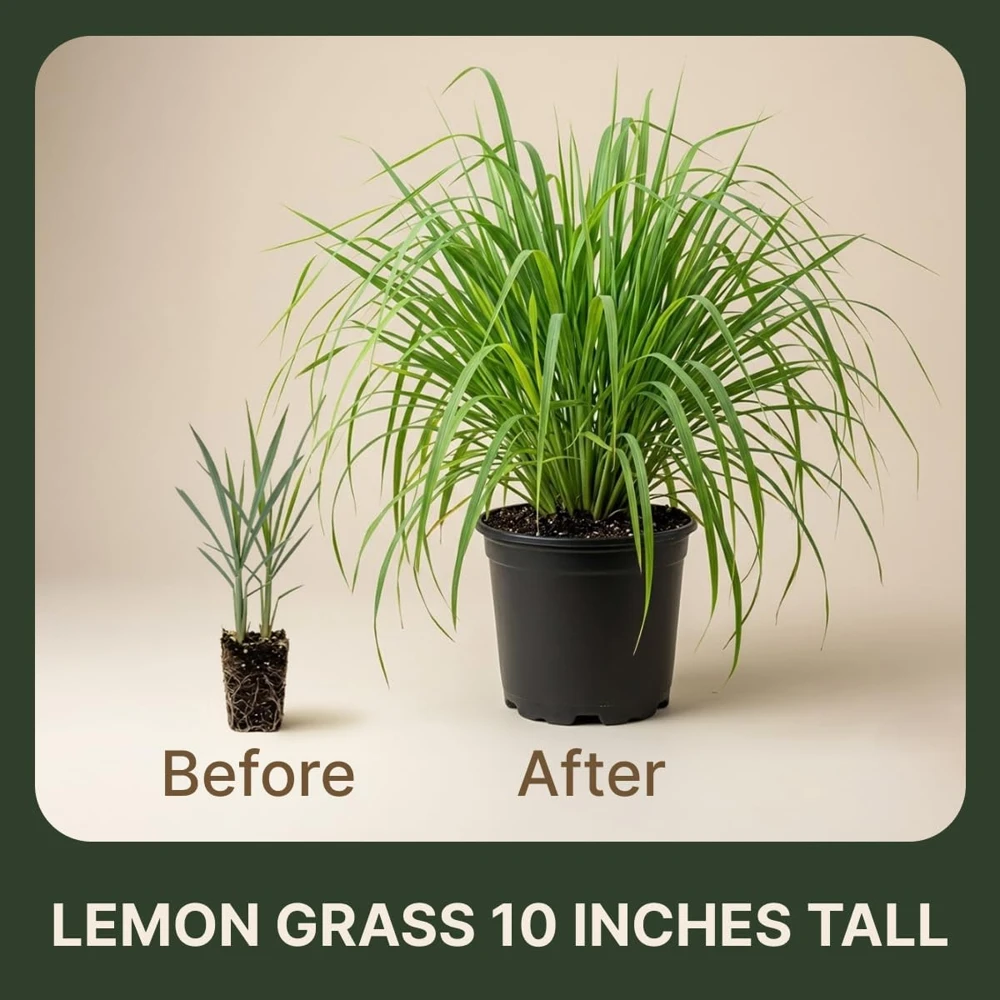
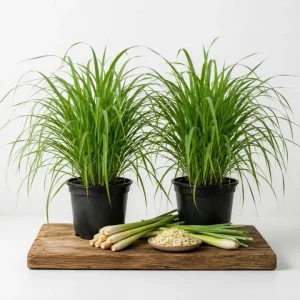
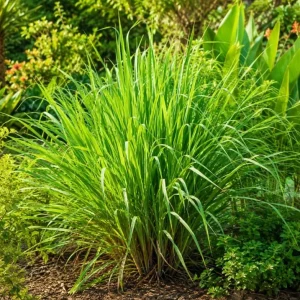
This offering includes two robust lemongrass live plant specimens, each standing approximately 4-6 inches tall from the base of the plant to the tip of its foliage. These young plants are well-rooted and established in individual nursery pots, ensuring a smooth transition to your garden or larger containers. Lemongrass is a fast-growing herb, and with proper care, these plants will quickly mature into impressive clumps, potentially reaching 3-5 feet in height and 2-3 feet in width in ideal outdoor conditions. When grown indoors, their size will be more constrained by pot size, typically remaining more compact.
Your plants will arrive carefully packaged to minimize stress during transit, with their root balls intact and protected. They are ready to be transplanted into a larger pot (at least 6-8 inches in diameter initially, moving up to 10-12 inches or more for mature plants) or directly into your garden bed. Expect to start harvesting within a few weeks of planting, as the plants establish and produce new stalks. The vigorous growth rate means you’ll have a continuous supply for your culinary needs. These plants are perfect for starting your journey in growing lemongrass, providing both beauty and utility.
Frequently Asked Questions
- Q: How big do these lemongrass plants get? A: These plants arrive 4-6 inches tall. Outdoors in optimal conditions, they can grow 3-5 feet tall and 2-3 feet wide. When grown indoors, their size is typically more controlled by the pot size, usually remaining more compact.
- Q: Is this an indoor or outdoor plant? A: This lemongrass live plant is versatile and can thrive both indoors and outdoors. It is perennial in USDA Zones 9-11 outdoors. In colder climates, it can be grown in containers and brought indoors for winter, or treated as an annual.
- Q: How much sunlight does it need? A: Lemongrass requires plenty of sunlight. Aim for at least 6-8 hours of direct sun daily. If growing indoors, place it in the sunniest window you have, typically a south-facing one.
- Q: Is this plant easy to care for? A: Yes, lemongrass is considered relatively easy to care for. It primarily needs ample sunlight, consistent moisture, and warm temperatures. It’s a great choice for both novice and experienced gardeners.
- Q: What condition will it arrive in? A: Your lemongrass live plant will arrive carefully packaged, with strong roots and healthy foliage, ready for transplanting. We take great care to ensure they reach you in excellent condition.
- Q: Can I use lemongrass for cooking? A: Absolutely! This is the culinary variety of lemongrass, perfect for adding its distinctive lemony flavor to soups, curries, teas, marinades, and other dishes. Enjoy the fresh taste right from your garden.
- Q: How often should I water my lemongrass? A: Water regularly to keep the soil consistently moist but not waterlogged. Allow the top inch of soil to dry out slightly between waterings. Good drainage is essential to prevent root rot.
- Q: What is the best soil type for growing lemongrass? A: Lemongrass thrives in well-draining soil rich in organic matter. A good quality potting mix works well for container growing, and amending garden soil with compost will benefit outdoor plants.
- Q: Is this plant safe for pets? A: While lemongrass is generally considered non-toxic to pets, large quantities can cause mild stomach upset. It’s always best to monitor pets around any new plant.
- Q: When is the best time to plant lemongrass? A: For outdoor planting, spring after the last frost is ideal. Potted plants can be started indoors any time of year, especially if you plan to keep them as houseplants or move them outside once temperatures are consistently warm. For outdoor lemongrass care, ensure warm weather.
Be the first to review “Lemongrass Live Plants – 2 Pots, 4-6 Inch Tall, Fragrant Herb for Indoor & Outdoor”
-
USDA Hardiness Zone
USDA Zones 9 to 11 -
Soil Type
Well-draining soil -
Sunlight Exposure
Full sun -
Expected Planting Period
Spring to early summer (outdoors), year-round (indoors)
People Also Viewd


Sold 134 products
Original price was: $3,536.00.$23.99Current price is: $23.99.

Sold 132 products
Original price was: $27.00.$24.00Current price is: $24.00.

Sold 132 products
Original price was: $89.99.$64.99Current price is: $64.99.

Sold 125 products
Original price was: $86.99.$66.99Current price is: $66.99.

Flower Bulbs
3 Cranesbill Wild Geranium Organic Maculatums Bare Roots | Wildflower for Outdoor Garden
Sold 116 products
Original price was: $21.99.$9.99Current price is: $9.99.

Sold 114 products
Original price was: $28.99.$17.99Current price is: $17.99.

Sold 110 products
Original price was: $63.99.$28.99Current price is: $28.99.
Sold 108 products
Original price was: $28.99.$17.99Current price is: $17.99.RELATED posts
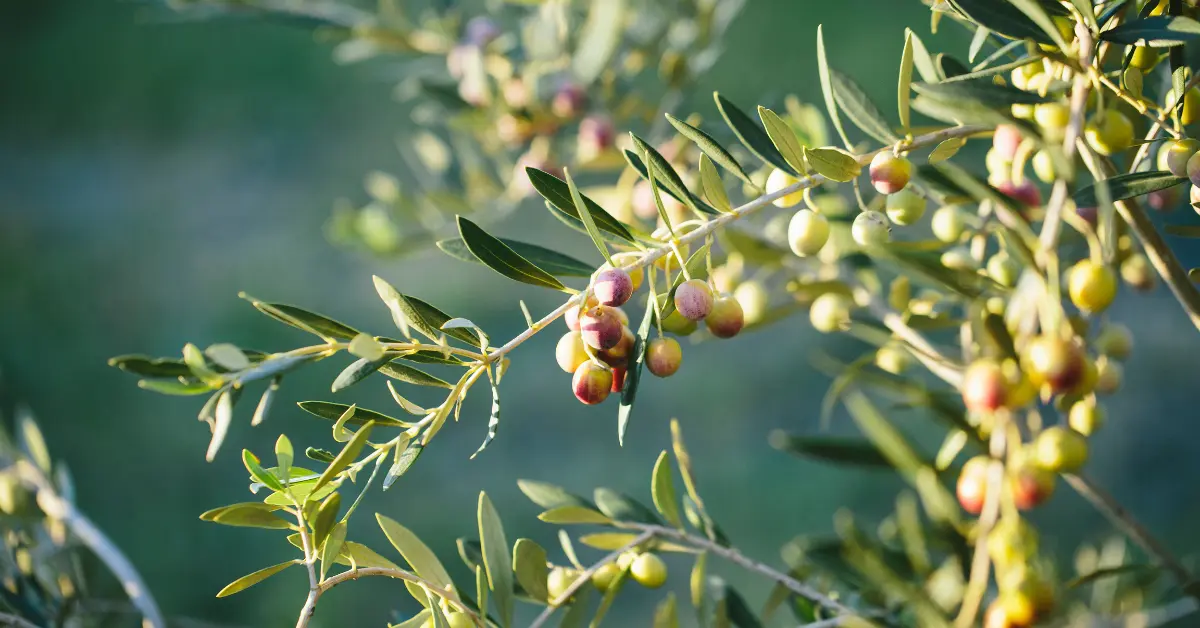
How to Grow Arbequina Olive Trees: The Ultimate Guide to Your Own Olive Grove
Arbequina Olive Tree (Olea europaea ‘Arbequina’) – the ultimate Mediterranean plant that brings a touch [...]
Oct
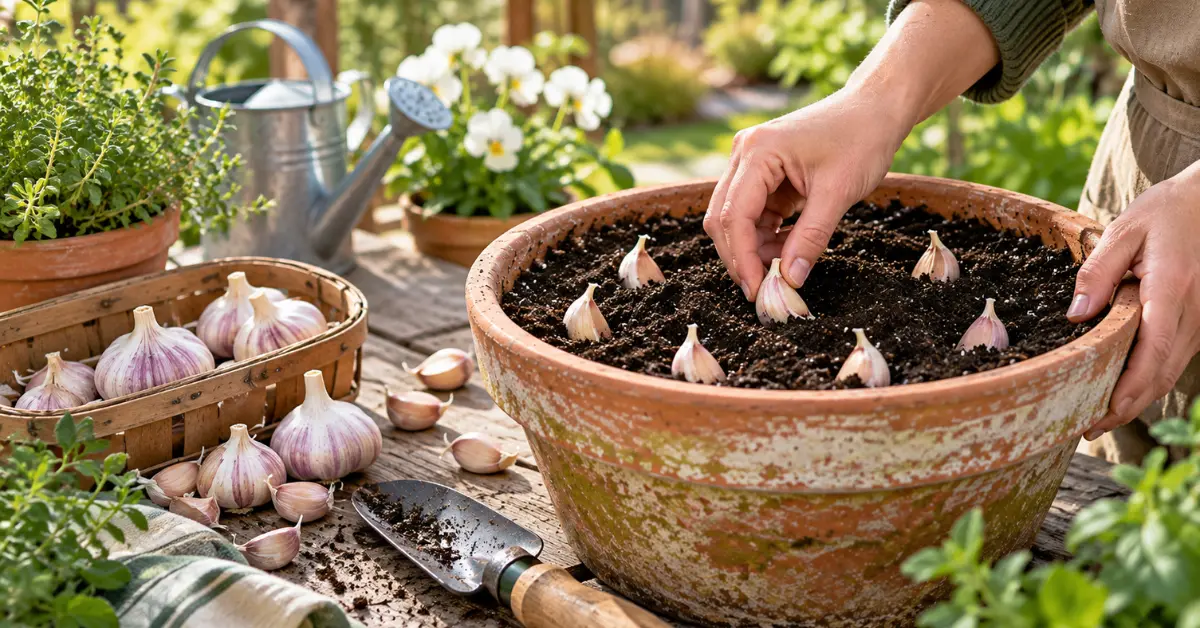
Growing Garlic in Containers This Fall: A Complete Guide for Beginners
If you’ve ever wanted to pop fresh, aromatic garlic cloves straight from your own patio [...]
Sep
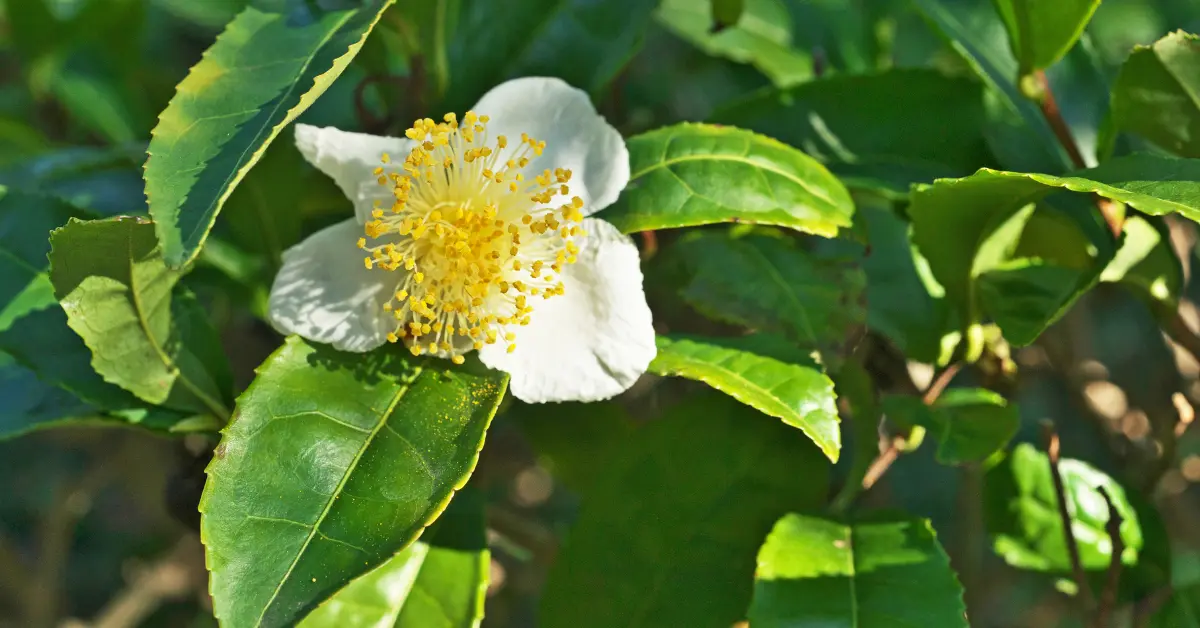
Growing Camellia Sinensis (Tea Plants) in Containers: A Complete Guide for Beginners
If you’ve ever wanted to sip a steaming, homegrown cup of fresh green, black, or [...]
Aug
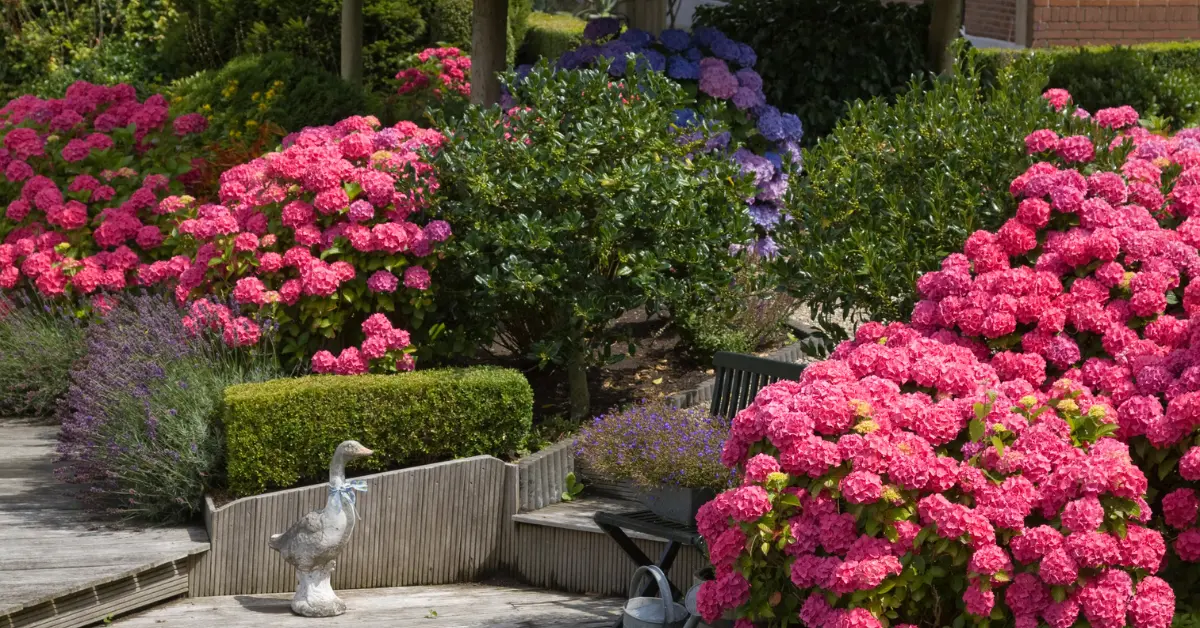
6 Best Shrubs to Plant in August You Must Try
Have you ever walked through a nursery late in the summer, admired the vibrant shrubs [...]
Aug
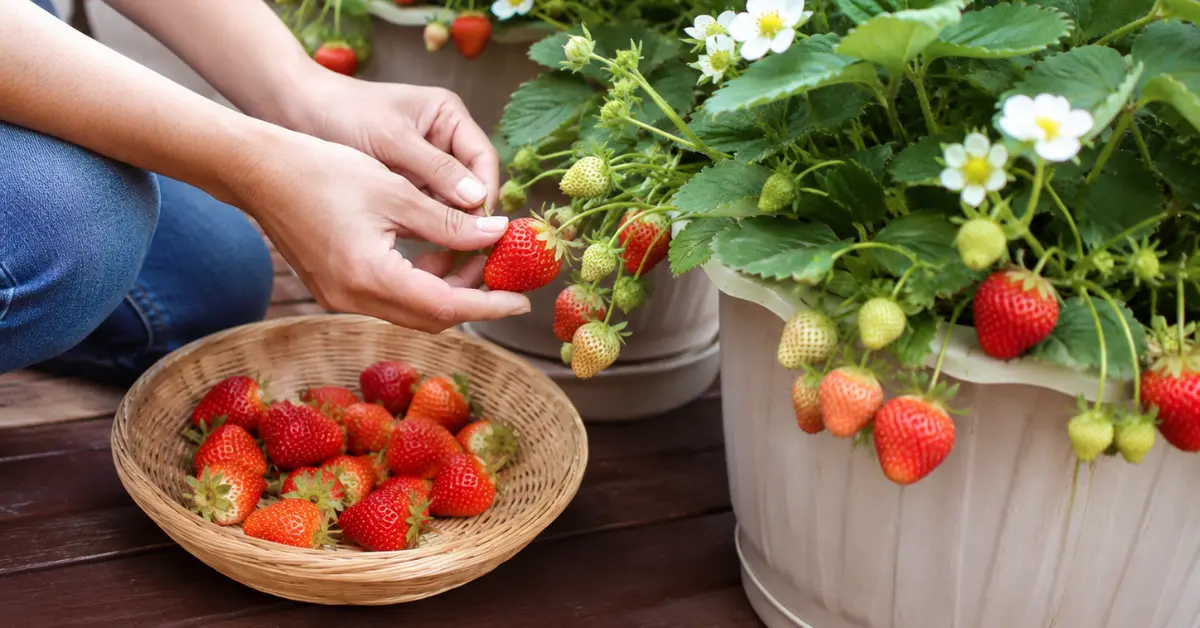
Growing Everbearing Strawberries in Containers: A Complete Guide for Beginners
Want to grow sweet, fresh strawberries but do not have a large garden? Everbearing strawberries [...]
Aug
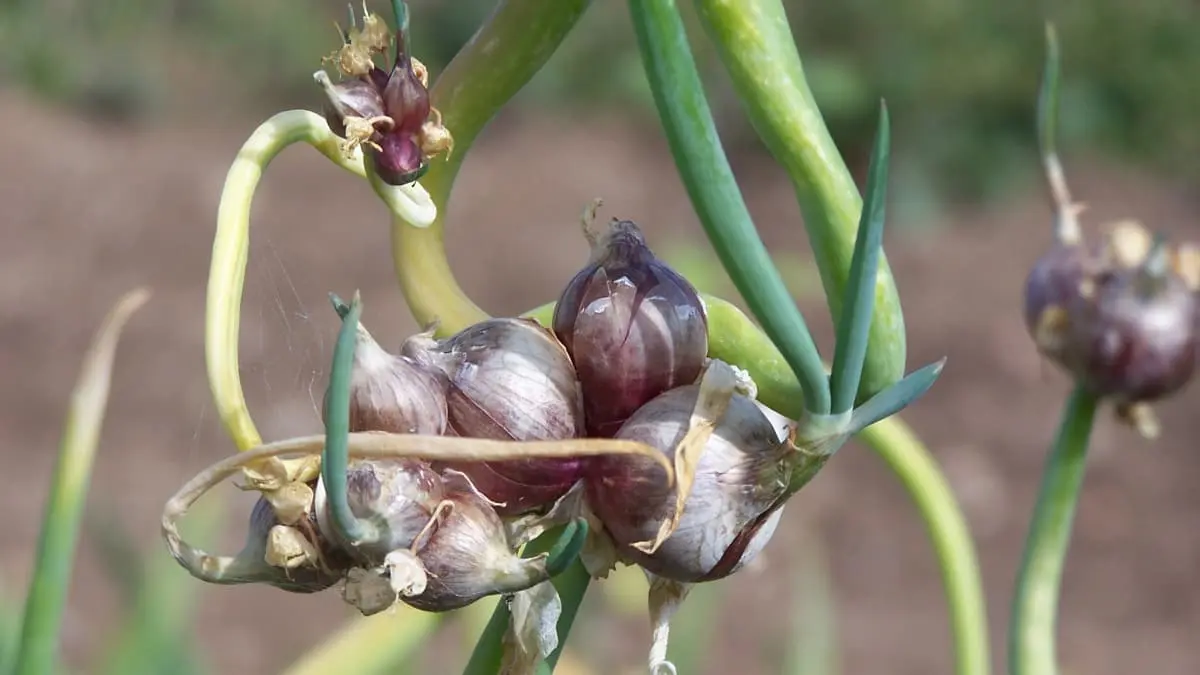
Growing Egyptian Walking Onions in Containers: A Complete Guide for Beginners
If you’re looking for a hardy, no-fuss perennial onion that keeps on giving year after [...]
Jul
Growing Carolina Reaper Peppers in Pots: A Complete Guide for Beginners
If you’ve ever wanted to add some serious, record-breaking heat to your home cooking, you’ve [...]
May
Growing Curry Leaf Plant in Pots: A Complete Guide for Beginners
If you’re a fan of authentic South Asian cuisine, you already know that nothing compares [...]
May
Reviews
There are no reviews yet.