
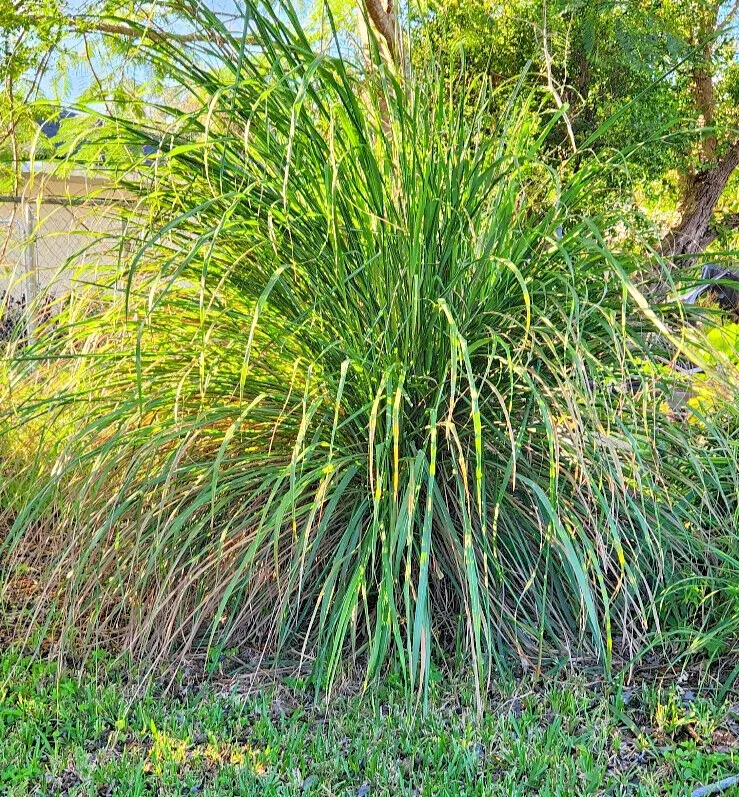
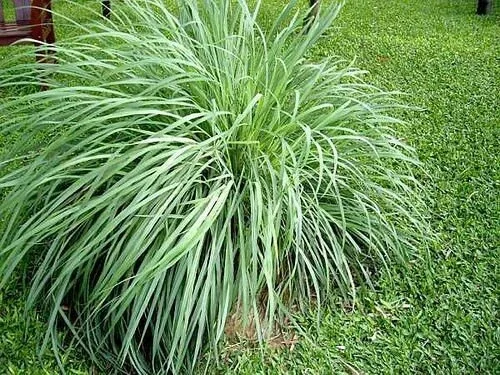
Lemongrass Plant Wasp Repellent Aromatic Rooted Starter Perennial Live Plant
Original price was: $25.98.$12.99Current price is: $12.99.
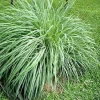
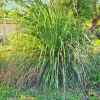
Grow a natural pest deterrent with this wasp repellent lemongrass plant. This aromatic, rooted starter perennial offers a refreshing citrus scent and is ideal for gardens, patios, or containers. Enjoy its beauty and functionality as it helps keep unwanted insects away.
Estimated arrival
Oct 16
Oct 21 - Oct 23
Oct 26 - Oct 30

Reasonable Price
We offer reasonable price

Support 24/7
Contact us 24 hrs a day

100% Money Back
You've 30 days to Return

Payment Secure
100% secure payment
Overview
Introducing the wasp repellent lemongrass plant, a fantastic addition to any garden or patio. This live, rooted starter perennial is renowned for its distinctive citrusy fragrance, which not only adds a pleasant aroma to your outdoor spaces but also acts as a natural deterrent for wasps and other flying insects. Originating from tropical regions, lemongrass is a versatile and robust grass that thrives in warm climates, making it a popular choice for gardeners seeking both beauty and practical benefits. Its tall, graceful stalks and vibrant green foliage bring a touch of exotic elegance to any setting. Whether you’re looking to create a serene outdoor oasis or a functional herb garden, this aromatic plant offers a sustainable and chemical-free solution for pest management. Growing your own wasp repellent lemongrass plant is a rewarding experience, providing fresh leaves for culinary uses and a continuous source of natural insect protection.
Key Benefits
The wasp repellent lemongrass plant offers a multitude of advantages, making it a highly desirable choice for both novice and experienced gardeners. Its unique properties contribute to a more enjoyable and pest-free outdoor environment, while also providing aesthetic and culinary value.
- Natural Pest Deterrent: The strong citrus scent of lemongrass is a well-known natural repellent for wasps, mosquitoes, and other common garden pests. Planting it strategically around your outdoor living areas can help create a more comfortable environment without the need for harsh chemicals. This makes the lemongrass plant for pests an eco-friendly solution.
- Aromatic Ambiance: Beyond pest control, the refreshing citrus aroma released by the plant adds a delightful fragrance to your garden, patio, or balcony. It’s a wonderful way to enhance the sensory experience of your outdoor space.
- Culinary Versatility: Fresh lemongrass stalks are a staple in many Asian cuisines, adding a bright, zesty flavor to soups, curries, teas, and marinades. Having a plant at home means fresh ingredients are always within reach.
- Low Maintenance: Once established, this perennial lemongrass starter is relatively easy to care for, requiring minimal attention beyond regular watering and adequate sunlight. It’s a resilient plant that can tolerate various conditions.
- Attractive Foliage: With its tall, slender, and arching green leaves, the lemongrass plant adds an elegant, tropical aesthetic to any garden design. It can serve as a beautiful border plant or a striking focal point in a container.
- Erosion Control: Due to its fibrous root system, lemongrass can also be effective in preventing soil erosion on slopes or in areas prone to runoff.
- Adaptable Growth: While preferring warm climates, lemongrass can be grown as an annual in cooler zones or brought indoors during winter, making it a versatile choice for many regions.
Plant Care & Growing Tips
Caring for your wasp repellent lemongrass plant is straightforward, ensuring a healthy and productive specimen for years to come. This robust perennial thrives with the right conditions, delivering both its aromatic benefits and culinary potential. Understanding its needs will help you maximize its growth and effectiveness as an aromatic deterrent.
Sunlight requirements: Lemongrass loves the sun! It requires at least 6-8 hours of direct sunlight per day to flourish. In hotter climates, some afternoon shade can be beneficial to prevent scorching, but generally, the more sun, the better. For indoor cultivation, place it near a south-facing window or use a grow light to ensure it receives ample light. Watering schedule and soil moisture preferences: Keep the soil consistently moist but not waterlogged. Water deeply when the top inch of soil feels dry to the touch. During hot, dry periods, daily watering may be necessary. Ensure good drainage to prevent root rot, as soggy conditions are detrimental to the plant’s health. Soil type and drainage requirements: Lemongrass prefers rich, well-draining soil with a slightly acidic to neutral pH (6.0-7.0). Amending heavy clay soils with compost or sand will improve drainage. A good quality potting mix designed for herbs or vegetables works well for container planting. Temperature range and USDA hardiness zone: This tropical plant thrives in warm temperatures, ideally between 70-95°F (21-35°C). It is typically grown as a perennial in USDA Zones 9-11. In cooler zones, it can be grown as an annual or overwintered indoors in a pot once temperatures drop below 40°F (4°C). Fertilization schedule and type: Feed your lemongrass plant every 2-4 weeks during the growing season (spring and summer) with a balanced liquid fertilizer or a slow-release granular fertilizer. Reduce feeding in fall and winter. Common problems and solutions: Lemongrass is generally pest-resistant, partly due to its own aromatic properties, making it an excellent lemongrass plant for pests. However, watch out for spider mites, especially in dry, indoor conditions. Treat with insecticidal soap if necessary. Yellowing leaves can indicate overwatering or nutrient deficiency. Ensure proper watering and regular feeding for optimal health of your citrus grass plant.
Size & Details
This wasp repellent lemongrass plant is provided as a rooted starter, ready for transplanting into your garden or a larger container. Typically, these starters are well-established with a healthy root ball, ensuring a strong beginning for your plant. Lemongrass can grow quite tall, reaching heights of 3-6 feet (90-180 cm) and spreading 2-3 feet (60-90 cm) wide when mature, depending on growing conditions and climate. It has a moderate to fast growth rate, especially in warm, sunny environments. It is shipped as a live, young plant, carefully packaged to ensure its safe arrival. Expect vibrant green, blade-like leaves and a robust root structure, ready to establish quickly in its new home. It will begin to produce its characteristic aromatic foliage soon after planting, providing both visual appeal and its natural repellent qualities.
Frequently Asked Questions
- Q: How big does this plant get and what size pot does it come in? A: This is a rooted starter plant, and while the initial size varies, mature lemongrass plants can reach 3-6 feet tall and 2-3 feet wide. For best results, transplant it into a pot at least 10-12 inches in diameter or directly into the garden.
- Q: Is this an indoor or outdoor plant? A: The wasp repellent lemongrass plant thrives outdoors in full sun in USDA Zones 9-11. In cooler climates, it can be grown as an annual or brought indoors during winter as a potted plant.
- Q: How much sunlight does it need? A: Lemongrass requires a minimum of 6-8 hours of direct sunlight daily to grow vigorously and produce its strong, aromatic oils.
- Q: Is this plant easy to care for? A: Yes, it is considered a relatively low-maintenance plant. Once established, it primarily needs consistent watering and plenty of sun. It’s an excellent choice for gardeners looking for a robust and beneficial plant.
- Q: What condition will it arrive in? A: Your perennial lemongrass starter will arrive as a live, healthy, rooted plant, carefully packaged to minimize stress during transit, ready for planting.
- Q: Can I use the leaves for cooking? A: Absolutely! The leaves and lower stalks of this aromatic lemongrass plant are perfect for culinary use, adding a fresh, citrusy flavor to various dishes and teas.
- Q: When is the best time to plant lemongrass? A: The best time to plant lemongrass is in spring after all danger of frost has passed, when soil temperatures have warmed up. This allows the plant ample time to establish itself before the peak growing season.
- Q: Will it survive winter in my zone? A: If you are in USDA Zones 9-11, your lemongrass plant should survive winter outdoors. In colder zones, it will need to be brought indoors or treated as an annual.
- Q: Is this plant effective as a lemongrass plant for pests? A: Yes, the strong citrusy scent emitted by the lemongrass plant is a natural deterrent for wasps, mosquitoes, and other flying insects, making it a popular choice for natural pest control.
Be the first to review “Lemongrass Plant Wasp Repellent Aromatic Rooted Starter Perennial Live Plant”
-
USDA Hardiness Zone
USDA zones 9-11 (perennial), annual or indoor in colder zones -
Soil Type
Rich, well-draining soil -
Sunlight Exposure
Full sun (6-8+ hours daily) -
Expected Planting Period
Spring to early summer
People Also Viewd


Sold 134 products
Original price was: $3,536.00.$23.99Current price is: $23.99.

Sold 132 products
Original price was: $27.00.$24.00Current price is: $24.00.

Sold 132 products
Original price was: $89.99.$64.99Current price is: $64.99.

Sold 125 products
Original price was: $86.99.$66.99Current price is: $66.99.

Flower Bulbs
3 Cranesbill Wild Geranium Organic Maculatums Bare Roots | Wildflower for Outdoor Garden
Sold 116 products
Original price was: $21.99.$9.99Current price is: $9.99.

Sold 114 products
Original price was: $28.99.$17.99Current price is: $17.99.
Sold 110 products
Original price was: $63.99.$28.99Current price is: $28.99.
Sold 108 products
Original price was: $28.99.$17.99Current price is: $17.99.RELATED posts
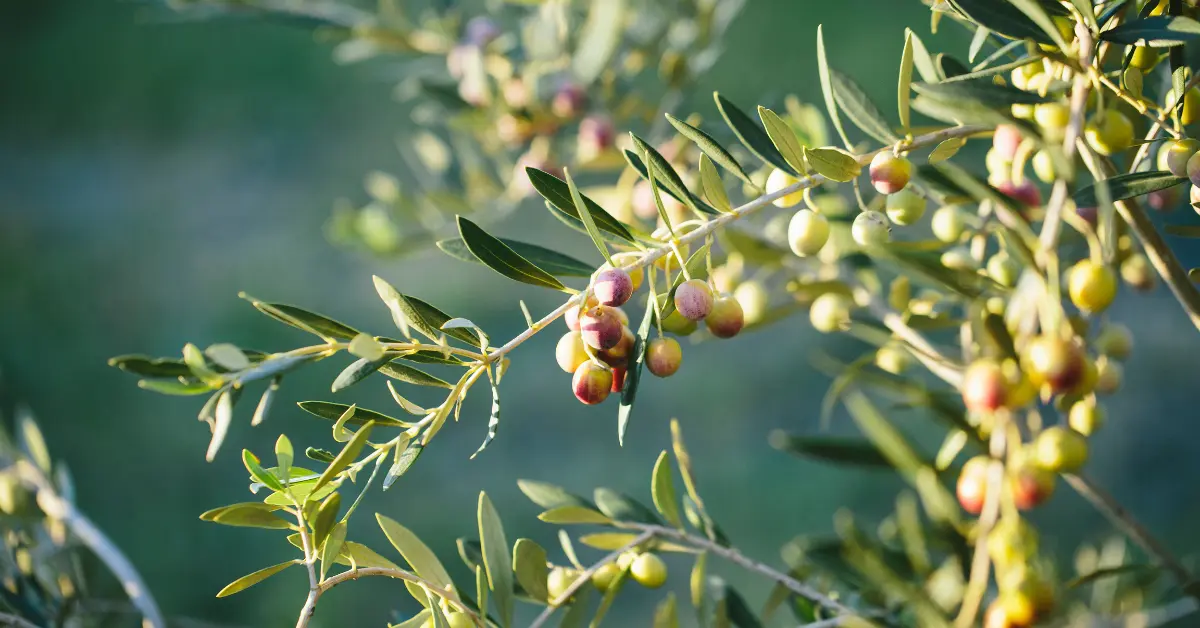
How to Grow Arbequina Olive Trees: The Ultimate Guide to Your Own Olive Grove
Arbequina Olive Tree (Olea europaea ‘Arbequina’) – the ultimate Mediterranean plant that brings a touch [...]
Oct
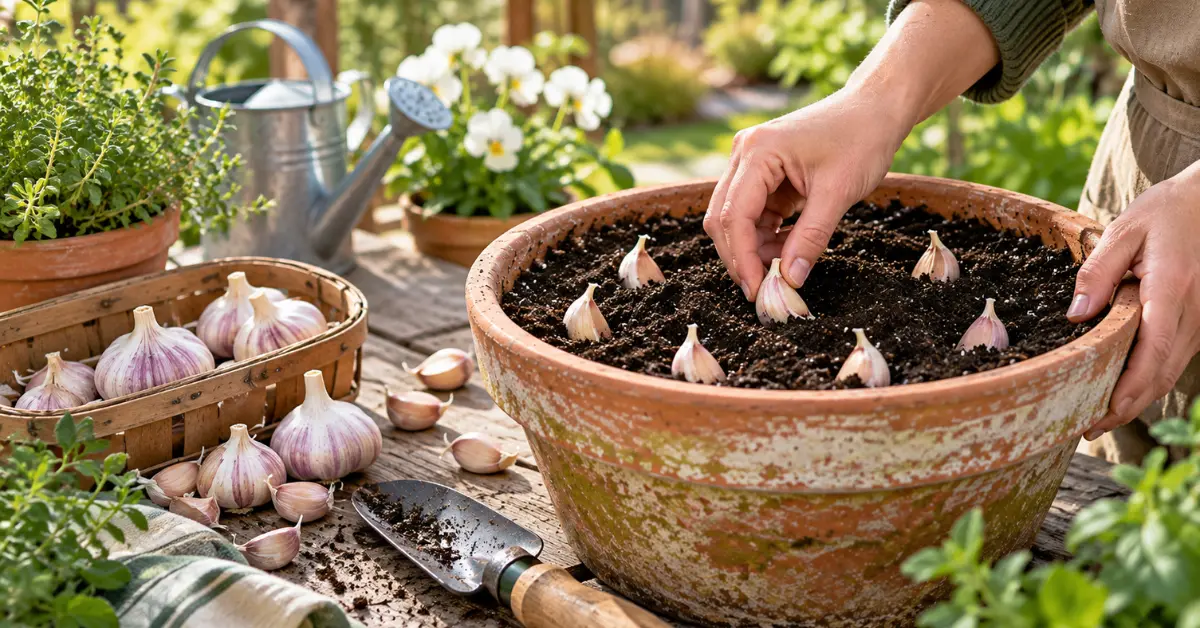
Growing Garlic in Containers This Fall: A Complete Guide for Beginners
If you’ve ever wanted to pop fresh, aromatic garlic cloves straight from your own patio [...]
Sep
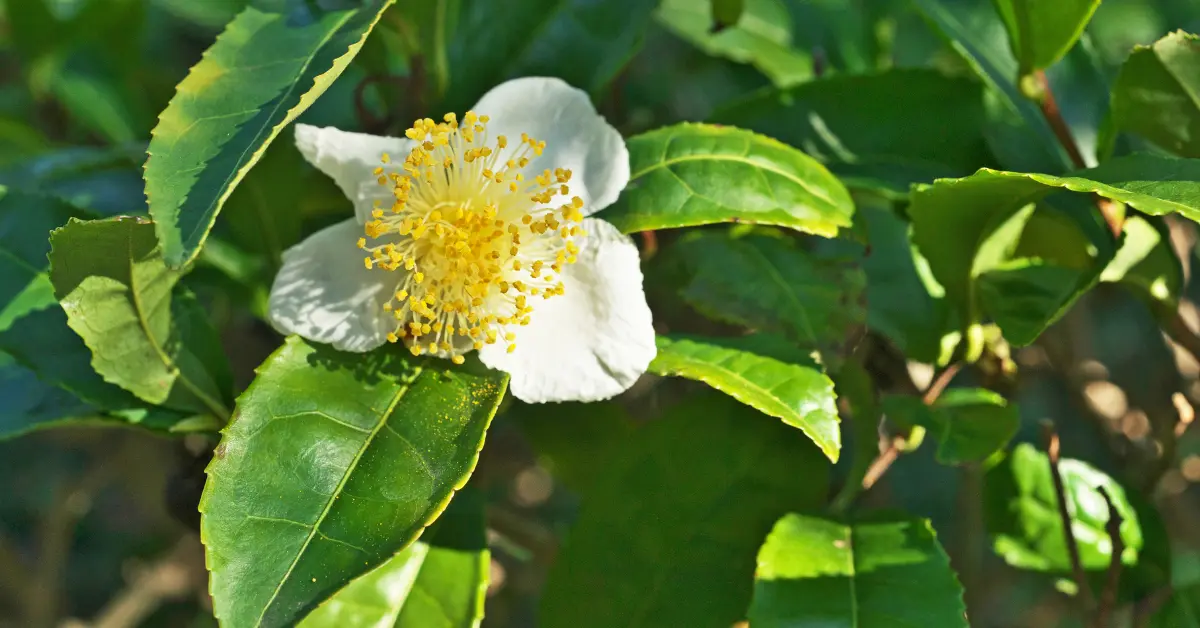
Growing Camellia Sinensis (Tea Plants) in Containers: A Complete Guide for Beginners
If you’ve ever wanted to sip a steaming, homegrown cup of fresh green, black, or [...]
Aug
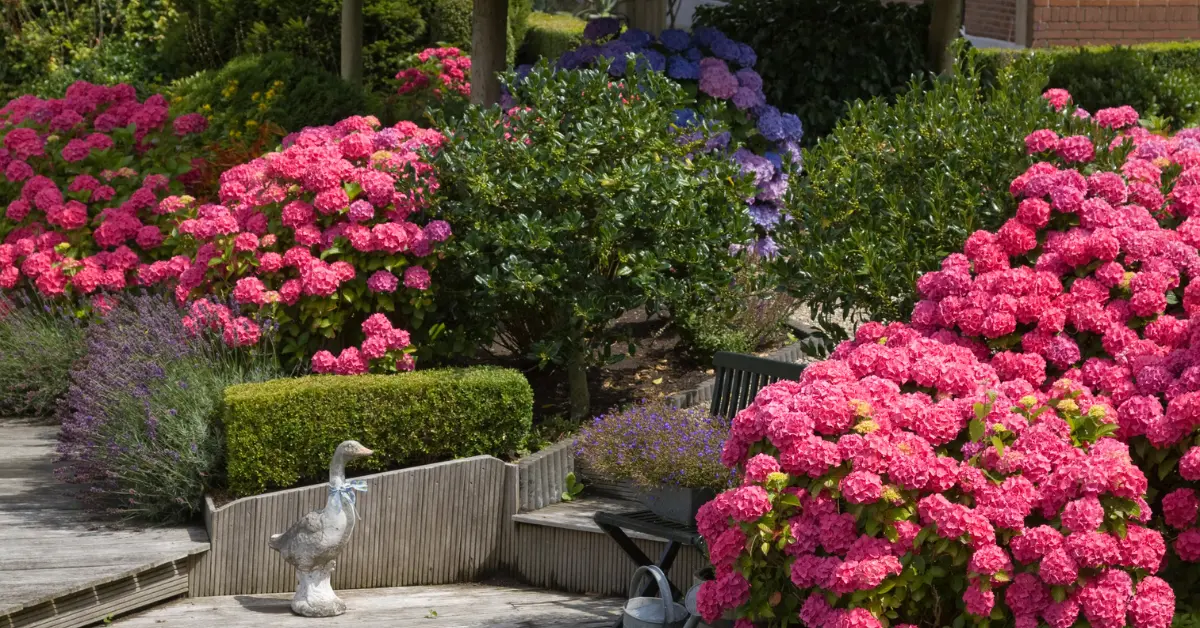
6 Best Shrubs to Plant in August You Must Try
Have you ever walked through a nursery late in the summer, admired the vibrant shrubs [...]
Aug
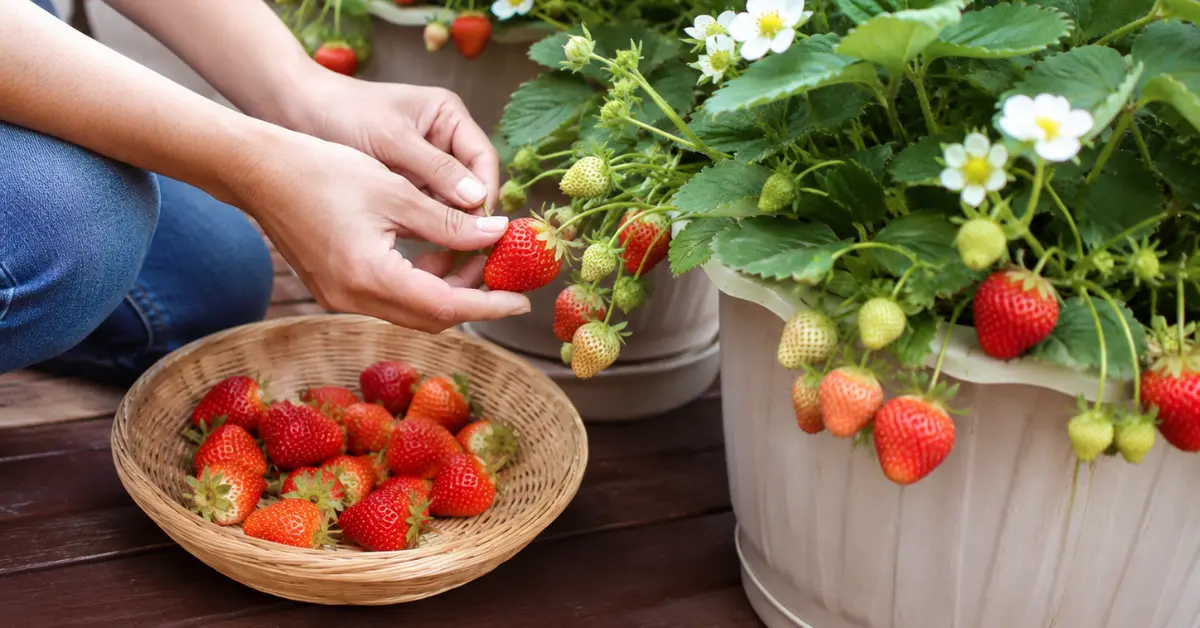
Growing Everbearing Strawberries in Containers: A Complete Guide for Beginners
Want to grow sweet, fresh strawberries but do not have a large garden? Everbearing strawberries [...]
Aug
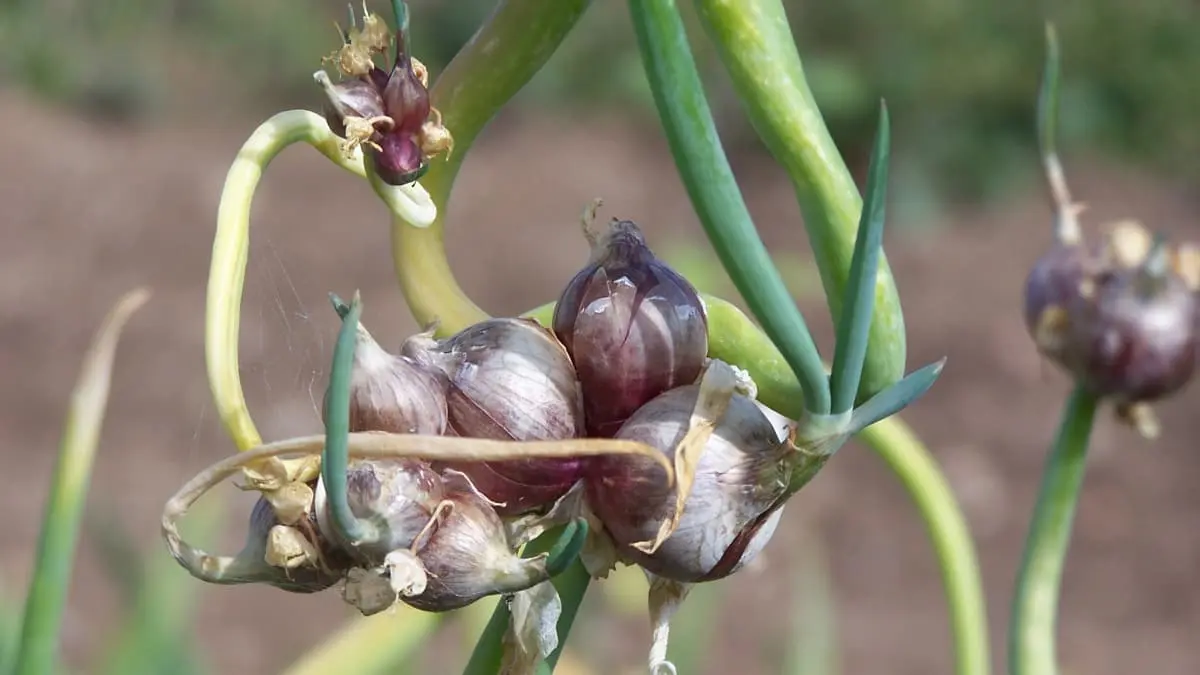
Growing Egyptian Walking Onions in Containers: A Complete Guide for Beginners
If you’re looking for a hardy, no-fuss perennial onion that keeps on giving year after [...]
Jul
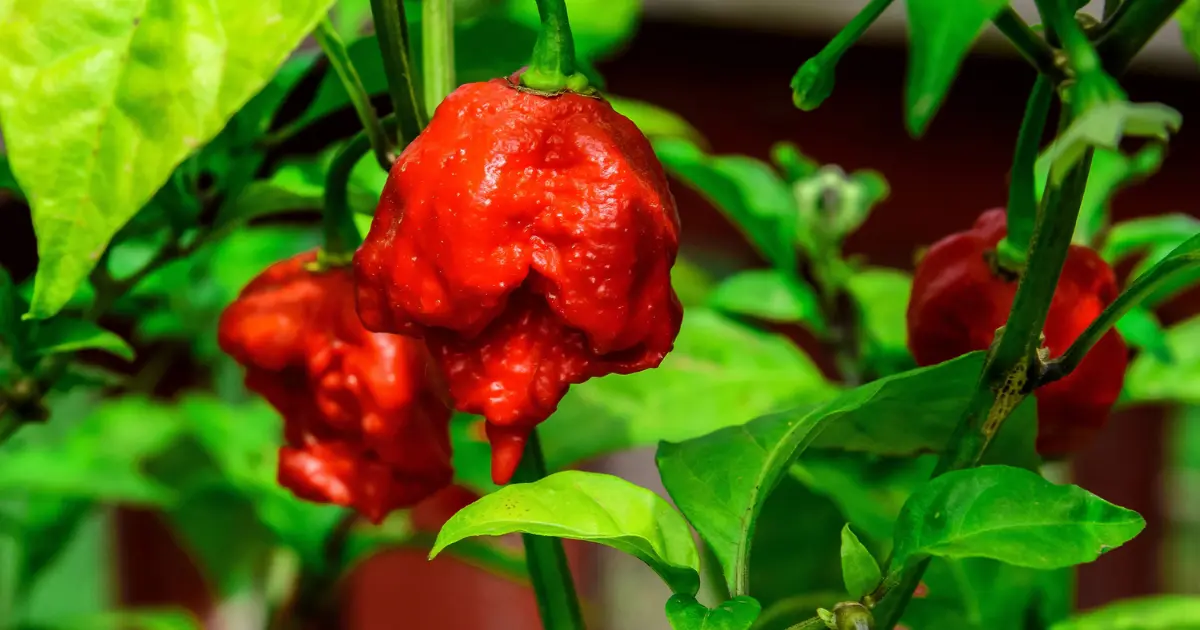
Growing Carolina Reaper Peppers in Pots: A Complete Guide for Beginners
If you’ve ever wanted to add some serious, record-breaking heat to your home cooking, you’ve [...]
May
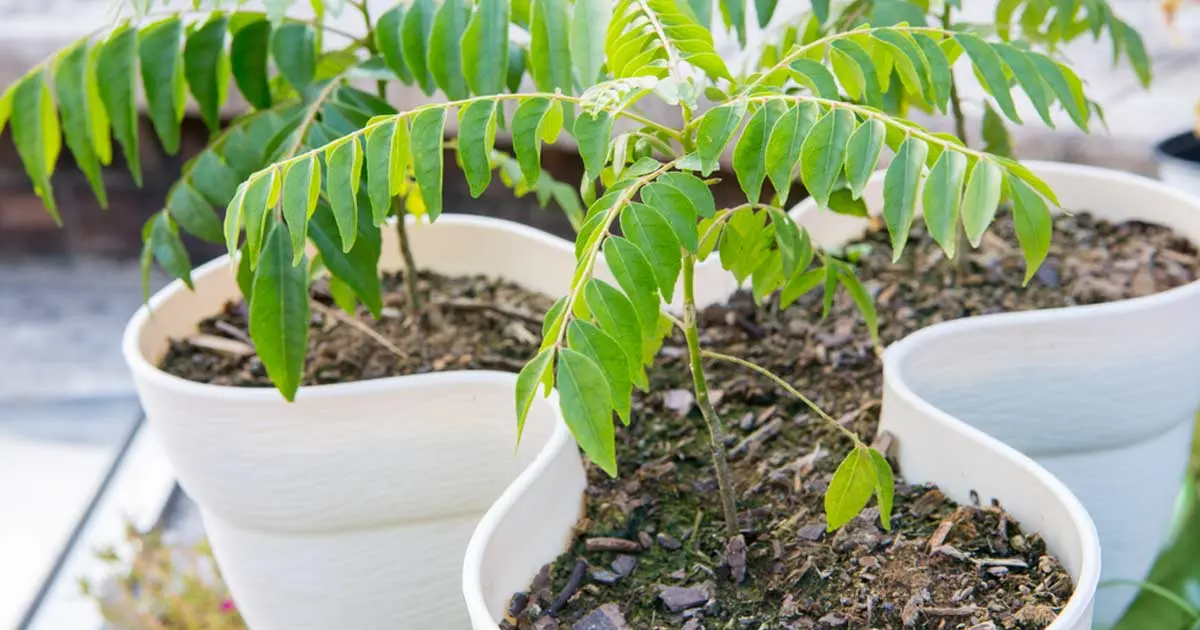
Growing Curry Leaf Plant in Pots: A Complete Guide for Beginners
If you’re a fan of authentic South Asian cuisine, you already know that nothing compares [...]
May
Reviews
There are no reviews yet.