
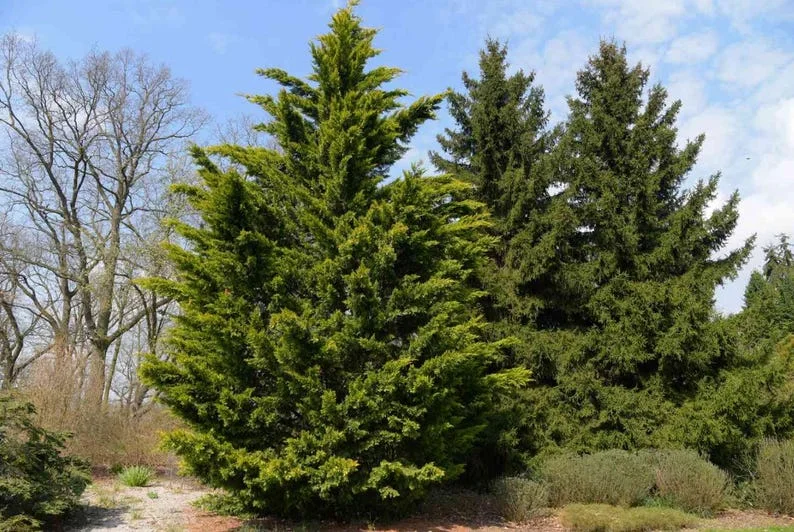
Leyland Cypress Tree – Live Plant – Fast Growing Privacy Evergreen
Original price was: $33.98.$16.99Current price is: $16.99.
Cultivate a beautiful and effective privacy screen with the leyland cypress tree. This fast-growing evergreen is renowned for its dense foliage, making it perfect for creating natural boundaries and windbreaks. Enjoy a low-maintenance, deer resistant tree that adds year-round greenery to your garden.
Estimated arrival
Sep 17
Sep 22 - Sep 24
Sep 27 - Oct 01

Reasonable Price
We offer reasonable price

Support 24/7
Contact us 24 hrs a day

100% Money Back
You've 30 days to Return

Payment Secure
100% secure payment
Overview
Transform your outdoor space with the majestic leyland cypress tree. This popular evergreen hybrid, scientifically known as x Cupressocyparis leylandii, is celebrated for its rapid growth rate and dense, feathery foliage. Originating from a cross between Monterey cypress and Nootka cypress, the Leyland Cypress has become a go-to choice for homeowners and landscapers seeking an effective and attractive privacy solution. Its columnar to pyramidal shape provides excellent screening, quickly establishing a lush green barrier against noise, wind, and prying eyes. Whether you’re looking to define property lines, create a serene backdrop, or enhance your garden’s aesthetic, the leyland cypress tree offers a reliable and beautiful option. It’s a robust and adaptable plant, known for its resilience in various growing conditions.
This particular offering is for a live plant, ready to be transplanted into your garden. The leyland cypress tree is not just about privacy; its elegant form and vibrant green needles add significant ornamental value to any landscape. It’s a versatile plant that can be used as a magnificent specimen tree, in formal hedges, or as part of a mixed border. Its ability to tolerate a range of soils and climates further solidifies its reputation as a landscape staple. Invest in the beauty and functionality of this remarkable evergreen, and watch your outdoor space flourish into a private sanctuary.
Key Benefits
The leyland cypress tree offers numerous advantages for landscape enhancement and practical purposes, making it an excellent choice for a wide variety of garden designs and needs. Its robust nature and aesthetic appeal contribute significantly to its popularity.
- Rapid Growth for Instant Privacy: One of the most significant benefits of the Leyland Cypress is its impressive growth rate. It can grow several feet per year, quickly forming a dense screen that offers immediate privacy and acts as an effective windbreak, establishing a privacy hedge plant faster than many other options.
- Exceptional Deer Resistance: For gardeners in areas with deer populations, the Leyland Cypress is a highly valued choice. Its foliage is generally unappealing to deer, making it a reliable deer resistant tree that won’t suffer from browsing damage.
- Year-Round Evergreen Foliage: Enjoy vibrant green foliage throughout all seasons. The evergreen nature of the leyland cypress tree ensures your landscape remains lush and attractive, even during the colder months, providing continuous visual interest and screening.
- Adaptable to Various Soils: This resilient tree can tolerate a wide range of soil types, from sandy to clay, as long as there is good drainage. This adaptability makes it suitable for many different garden environments and reduces the need for highly specialized soil preparation.
- Low Maintenance Requirements: Once established, the Leyland Cypress is relatively low maintenance. It requires minimal pruning to maintain its shape and density, and it is generally resistant to many common pests and diseases, simplifying garden care.
- Versatile Landscaping Use: Beyond privacy hedges, the cupressocyparis leylandii can be used as a striking specimen tree, in windbreaks, or as a backdrop for other plantings. Its elegant, conical form adds a touch of sophistication to any garden design.
- Noise Reduction: The dense foliage of a mature Leyland Cypress hedge can help to absorb sound, contributing to a quieter and more peaceful outdoor environment, especially beneficial for properties near busy roads.
Plant Care & Growing Tips
Caring for your leyland cypress tree is straightforward, especially once it’s established. Proper initial planting and consistent care in its early years will ensure a healthy, vigorous tree that provides years of beauty and privacy. Leyland Cypress thrives in full sun, meaning it needs at least 6 hours of direct sunlight per day to achieve its best growth and densest foliage. While it can tolerate partial shade, its growth may be slower and less compact. When planting, ensure the site has good air circulation to prevent fungal issues.
Watering is crucial, especially during the first year after planting. Young trees need consistent moisture; aim for deep watering 2-3 times a week, or more often during hot, dry periods, until the root system is established. The soil should be kept consistently moist but never waterlogged. Once mature, cupressocyparis leylandii becomes more drought-tolerant, but supplemental watering during prolonged dry spells will benefit its health. The ideal soil for Leyland Cypress is well-draining loam, but it adapts to sandier or clay-heavy soils as long as drainage is adequate. Poor drainage can lead to root rot, so amending heavy clay soils with organic matter like compost can improve soil structure.
Leyland Cypress is hardy in USDA Zones 6-10. It can tolerate temperatures down to about -10°F (-23°C). In colder zones, it may experience winter burn. Fertilize in early spring with a balanced slow-release granular fertilizer formulated for evergreens. Follow package directions for application rates. Pruning is essential for maintaining the desired shape and density, especially when used as a privacy hedge plant. Prune in late winter or early spring before new growth emerges, or lightly in late summer. Avoid heavy pruning into old wood, as it may not regenerate. Watch for common problems like bagworms or canker, and address them promptly with appropriate treatments. Ensuring good air circulation and avoiding overwatering can prevent many fungal diseases.
Size & Details
The leyland cypress tree is known for its impressive size and rapid growth. When mature, it typically reaches heights of 40-60 feet with a spread of 15-25 feet, though some specimens can grow even taller under ideal conditions. Its growth rate is often 2-3 feet per year, making it one of the fastest-growing evergreens available for landscape use. This fast growth allows for the quick establishment of a dense fast growing evergreen screen. The plants are typically shipped as live, healthy specimens, ready for immediate planting upon arrival. They are provided in a nursery container, ensuring the root ball is intact and protected during transit, facilitating a smooth transition to your garden. Expected time to reach a substantial privacy height can be as little as 3-5 years with optimal care, making it an excellent investment for long-term landscape planning.
Frequently Asked Questions
- Q: How big does a Leyland Cypress Tree get? A: A mature leyland cypress tree typically reaches heights of 40-60 feet and spreads 15-25 feet wide. Its rapid growth makes it ideal for quickly establishing a substantial privacy screen.
- Q: Is this an indoor or outdoor plant? A: The Leyland Cypress is primarily an outdoor plant, best suited for planting in gardens, as a privacy hedge plant, or as a specimen tree in landscapes where it has ample space to grow.
- Q: How much sunlight does a Leyland Cypress need? A: For optimal growth and health, a leyland cypress tree requires full sun exposure, meaning at least 6 hours of direct sunlight per day. It can tolerate partial shade but may exhibit slower growth and less dense foliage.
- Q: Is this tree easy to care for? A: Yes, once established, the Leyland Cypress is considered relatively low maintenance. It’s a robust plant that tolerates various conditions, making it a good choice for gardeners seeking a resilient and fast growing evergreen.
- Q: What condition will the Leyland Cypress arrive in? A: Your Leyland Cypress will arrive as a live, healthy plant in a nursery container, with its root ball protected. It will be carefully packaged to ensure it reaches you in excellent condition, ready for planting.
- Q: When is the best time to plant a Leyland Cypress? A: The best times to plant a Leyland Cypress are in the spring or fall. These seasons offer moderate temperatures and adequate rainfall, which help the tree establish its root system before extreme summer heat or winter cold sets in.
- Q: Is the Leyland Cypress deer resistant? A: Yes, the leyland cypress tree is well-known for its deer resistance. Its foliage is generally not preferred by deer, making it an excellent choice for landscapes where deer browsing is a concern.
- Q: What is the USDA Hardiness Zone for Leyland Cypress? A: The Leyland Cypress is hardy in USDA Zones 6 through 10, meaning it can withstand winter temperatures down to about -10°F (-23°C). In colder zones, it may require winter protection.
- Q: Can I prune a Leyland Cypress to keep it smaller? A: Yes, Leyland Cypress can be pruned to maintain a desired size and shape, especially when grown as a hedge. Regular pruning, ideally in late winter or early spring, helps keep it dense and compact.
- Q: What kind of soil does a Leyland Cypress prefer? A: The cupressocyparis leylandii prefers well-draining soil, but it is adaptable to a wide range of soil types, including sandy, loamy, and clay soils, as long as they are not waterlogged.
Be the first to review “Leyland Cypress Tree – Live Plant – Fast Growing Privacy Evergreen”
-
USDA Hardiness Zone
USDA Zones 6-10 -
Soil Type
Well-draining soil -
Sunlight Exposure
Full sun -
Expected Planting Period
Spring to Fall
People Also Viewd
Sold 134 products
Original price was: $3,536.00.$23.99Current price is: $23.99.
Sold 131 products
Original price was: $89.99.$64.99Current price is: $64.99.
Sold 131 products
Original price was: $27.00.$24.00Current price is: $24.00.

Sold 125 products
Original price was: $86.99.$66.99Current price is: $66.99.
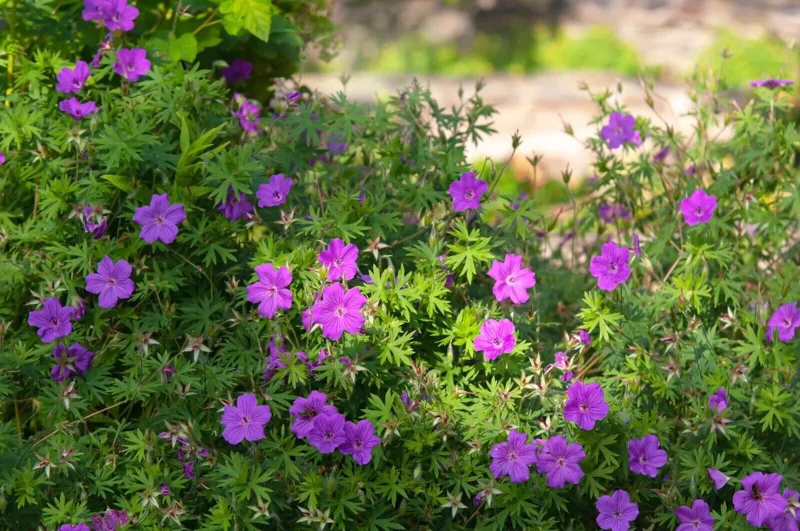
Flower Bulbs
3 Cranesbill Wild Geranium Organic Maculatums Bare Roots | Wildflower for Outdoor Garden
Sold 116 products
Original price was: $21.99.$9.99Current price is: $9.99.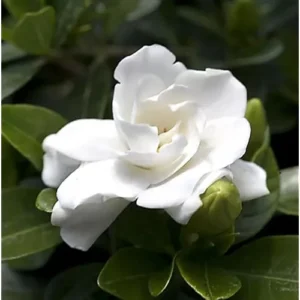
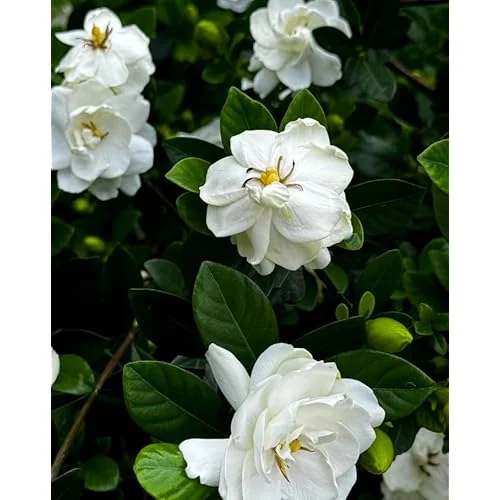
Sold 114 products
Original price was: $28.99.$17.99Current price is: $17.99.

Sold 110 products
Original price was: $63.99.$28.99Current price is: $28.99.
Sold 108 products
Original price was: $28.99.$17.99Current price is: $17.99.RELATED posts
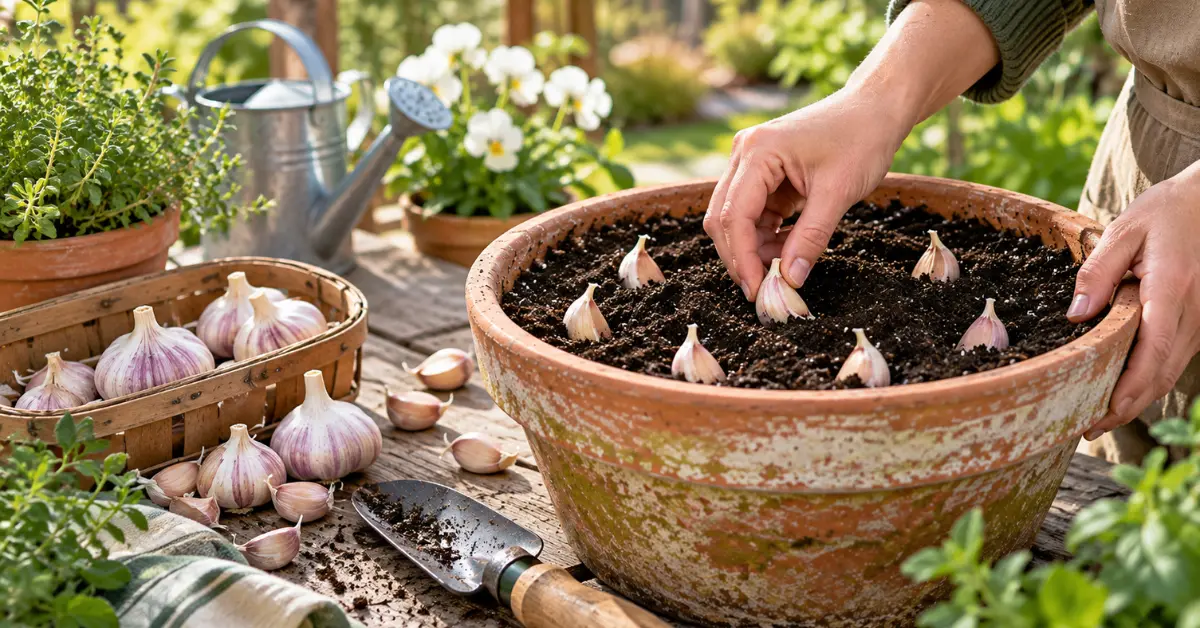
Growing Garlic in Containers This Fall: A Complete Guide for Beginners
If you’ve ever wanted to pop fresh, aromatic garlic cloves straight from your own patio [...]
Sep
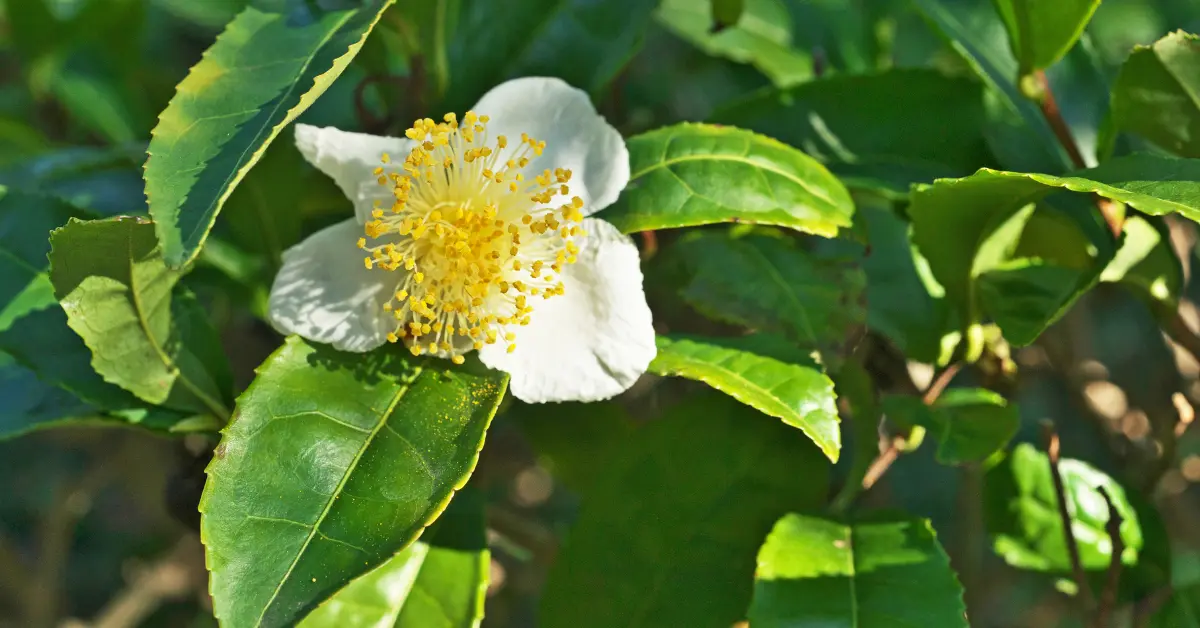
Growing Camellia Sinensis (Tea Plants) in Containers: A Complete Guide for Beginners
If you’ve ever wanted to sip a steaming, homegrown cup of fresh green, black, or [...]
Aug
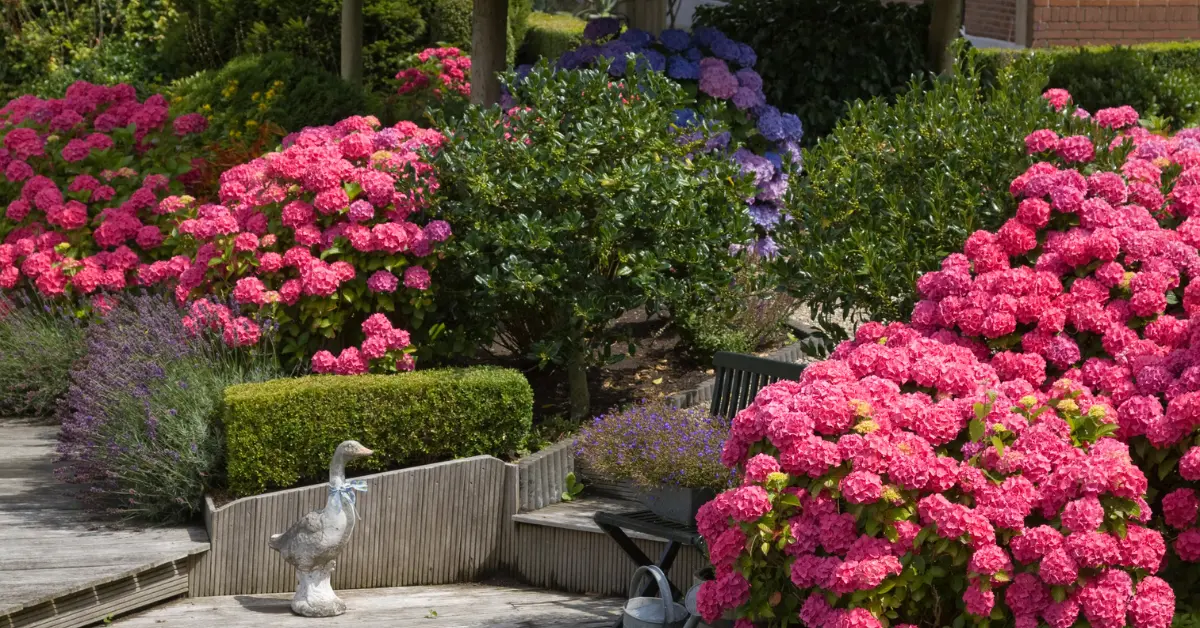
6 Best Shrubs to Plant in August You Must Try
Have you ever walked through a nursery late in the summer, admired the vibrant shrubs [...]
Aug

Growing Everbearing Strawberries in Containers: A Complete Guide for Beginners
Want to grow sweet, fresh strawberries but do not have a large garden? Everbearing strawberries [...]
Aug
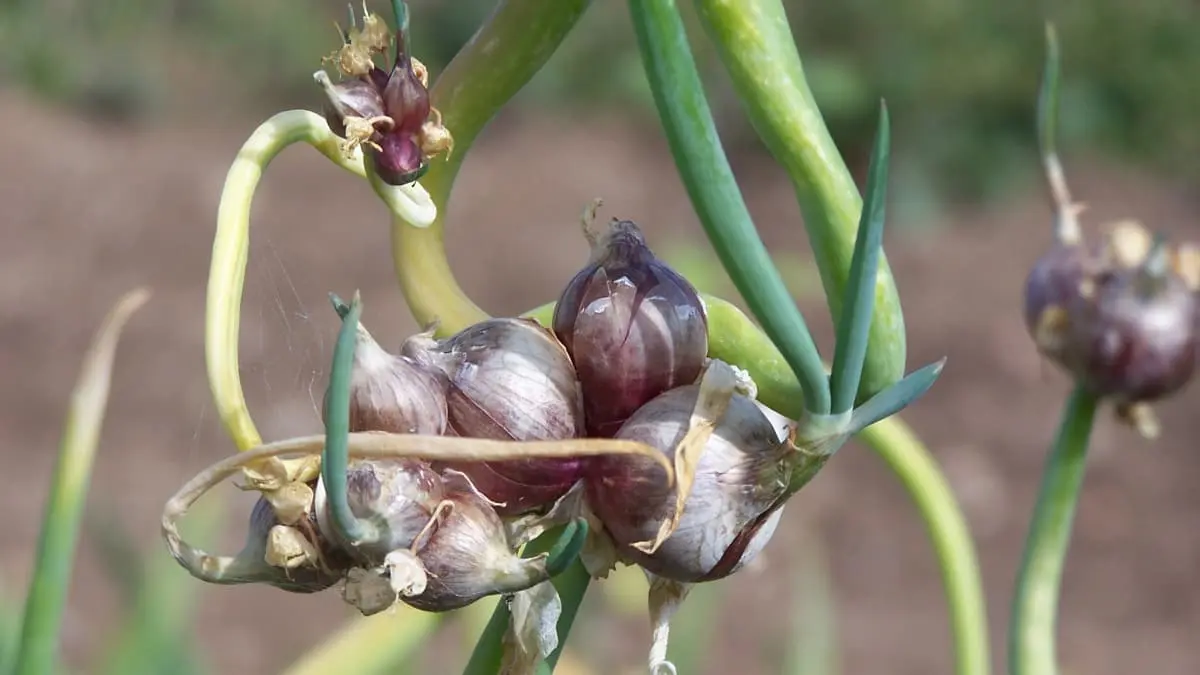
Growing Egyptian Walking Onions in Containers: A Complete Guide for Beginners
If you’re looking for a hardy, no-fuss perennial onion that keeps on giving year after [...]
Jul
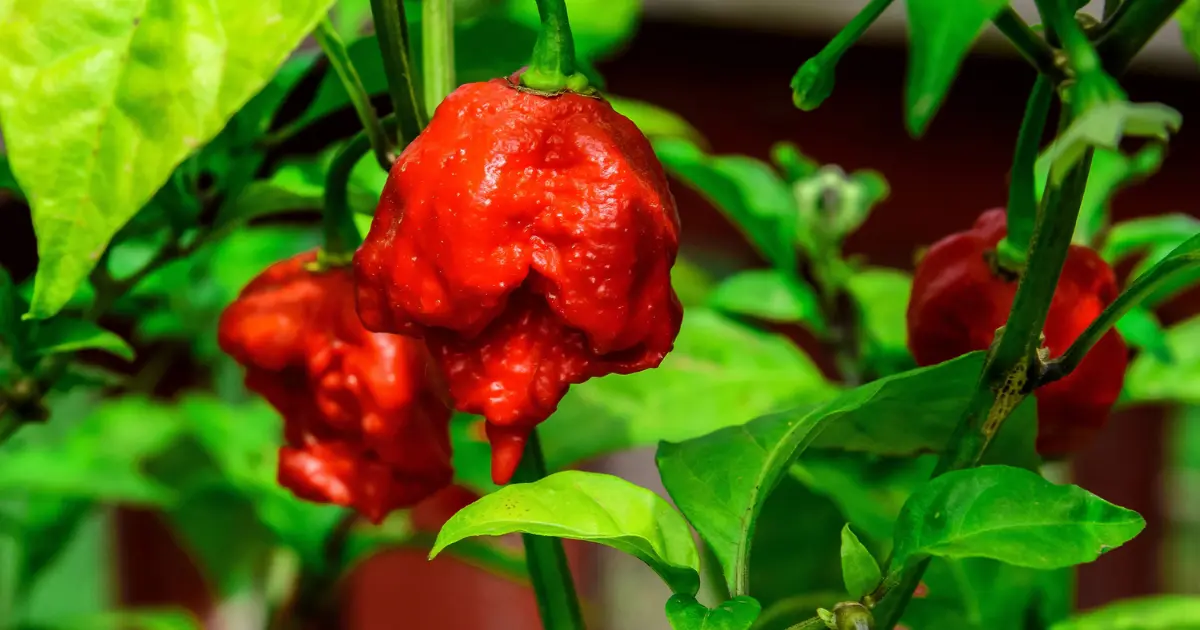
Growing Carolina Reaper Peppers in Pots: A Complete Guide for Beginners
If you’ve ever wanted to add some serious, record-breaking heat to your home cooking, you’ve [...]
May
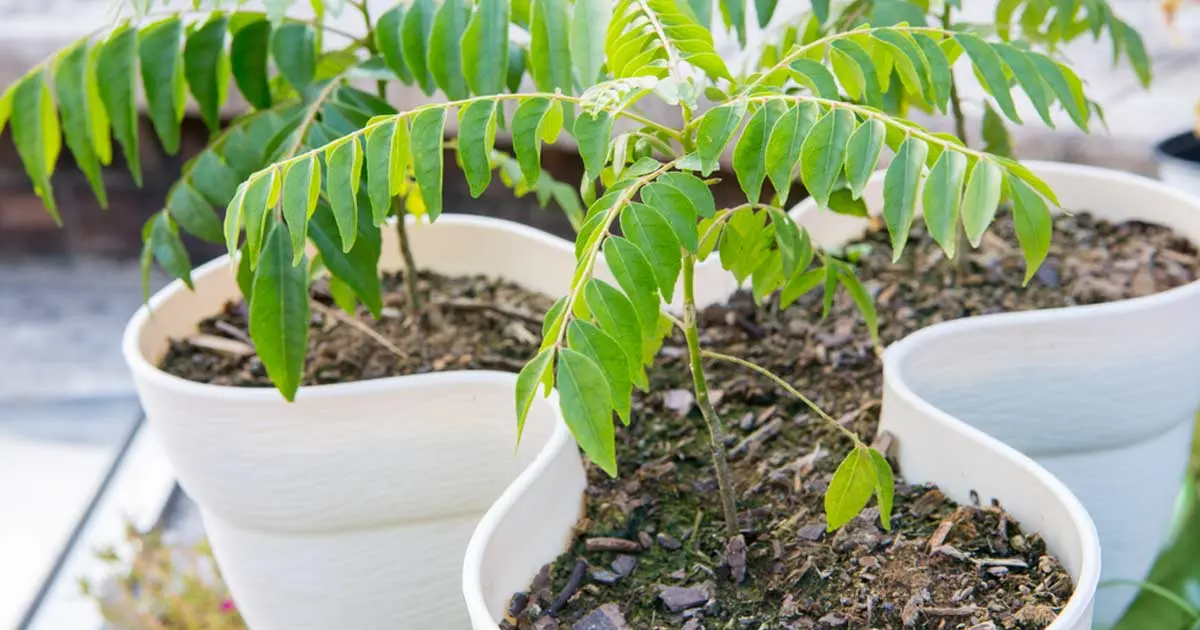
Growing Curry Leaf Plant in Pots: A Complete Guide for Beginners
If you’re a fan of authentic South Asian cuisine, you already know that nothing compares [...]
May

5 Tips for Growing Carolina Reaper Peppers to Get the Spiciest Harvest Ever
Holding the record for one of the world’s hottest peppers, the Reaper isn’t just a [...]
May

Reviews
There are no reviews yet.