
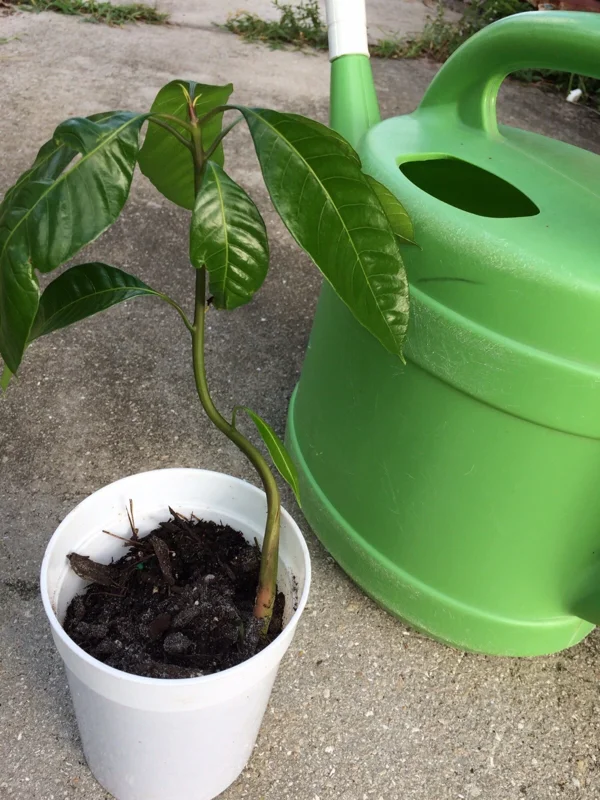
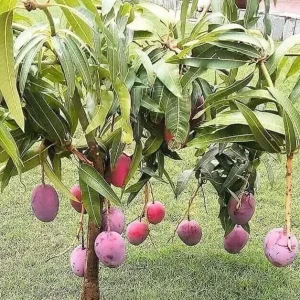
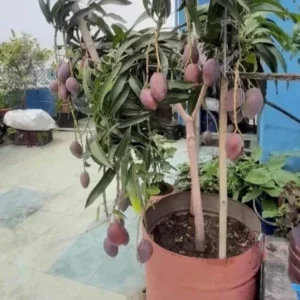
Mango Tree Live Plant – Mangifera Indica Seedling 6-9 Inches Tall
Original price was: $76.00.$36.99Current price is: $36.99.
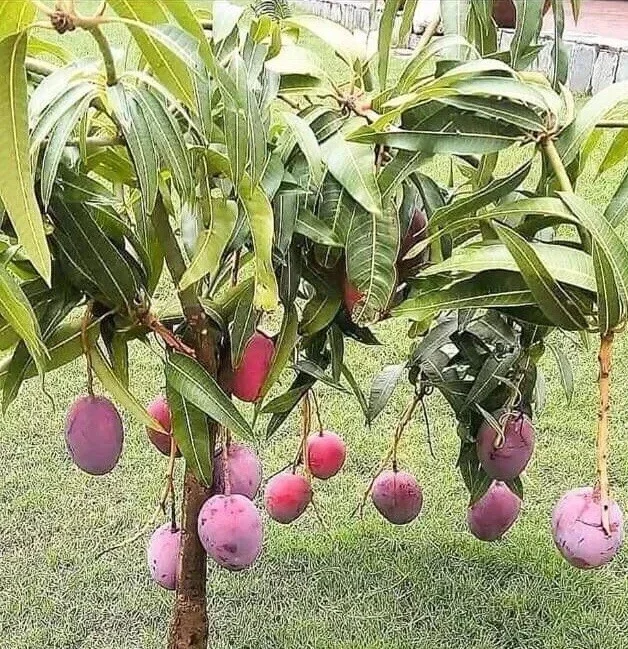
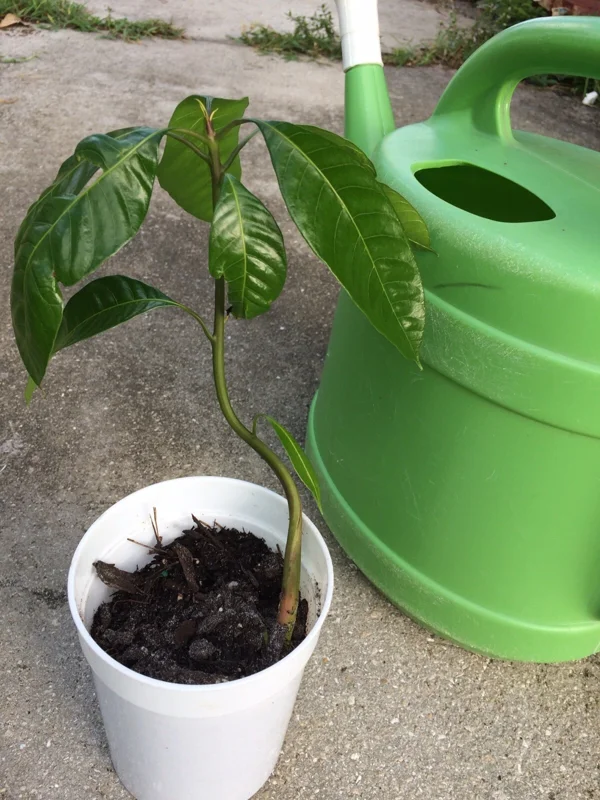
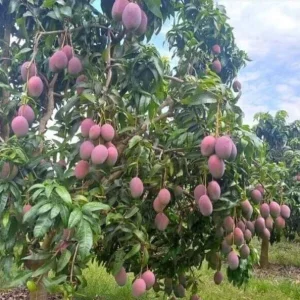
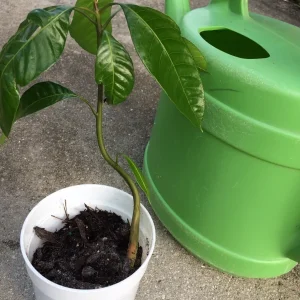
Bring the tropics home with this mango tree live plant, a 6-9 inch mangifera indica plant seedling. Cultivate your own delicious mangoes, adding an exotic touch to your garden or indoor space. This robust tropical mango plant offers both ornamental beauty and the promise of homegrown fruit, making it a rewarding addition for any gardener.
Estimated arrival
Oct 16
Oct 21 - Oct 23
Oct 26 - Oct 30

Reasonable Price
We offer reasonable price

Support 24/7
Contact us 24 hrs a day

100% Money Back
You've 30 days to Return

Payment Secure
100% secure payment
Overview
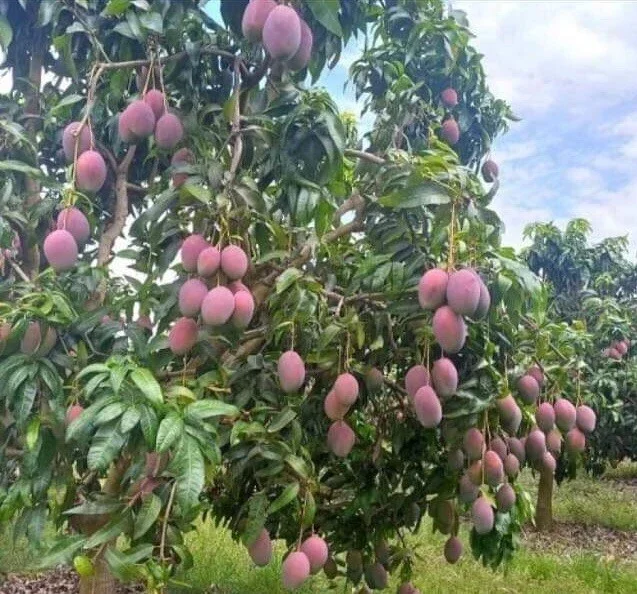
Bring the taste of the tropics to your home with this beautiful mango tree live plant. This young mangifera indica plant specimen, approximately 6-9 inches tall, offers the exciting opportunity to grow your own delicious mangoes. Known for its sweet, juicy fruit and lush evergreen foliage, the mango tree is a beloved addition to any garden or indoor plant collection in suitable climates. Whether you’re an experienced gardener or just starting out, cultivating a tropical mango plant can be a rewarding experience, providing both ornamental beauty and a bountiful harvest. This live plant is carefully nurtured to ensure it arrives healthy and ready to establish itself in your chosen environment. The mango (Mangifera indica) is native to South Asia and is one of the most widely cultivated fruits in the tropical world. Its vibrant green leaves and potential for producing colorful, aromatic fruit make it a stunning focal point. This particular offering is a robust seedling, ready to be potted up or planted in the ground, promising years of growth and enjoyment. Imagine plucking your own ripe mangoes straight from your very own tree – a true taste of paradise, cultivated right in your backyard or sunniest room.
Key Benefits
Growing a mango tree live plant offers numerous advantages beyond just its delicious fruit. Here are some of the key benefits you can expect from nurturing this tropical gem:
-
Fresh, Homegrown Fruit: Experience the unparalleled flavor of fresh, ripe mangoes picked directly from your own tree. Homegrown fruit often tastes superior to store-bought varieties, and you control the growing conditions. Enjoy the satisfaction of harvesting your own produce from this edible fruit tree.
-
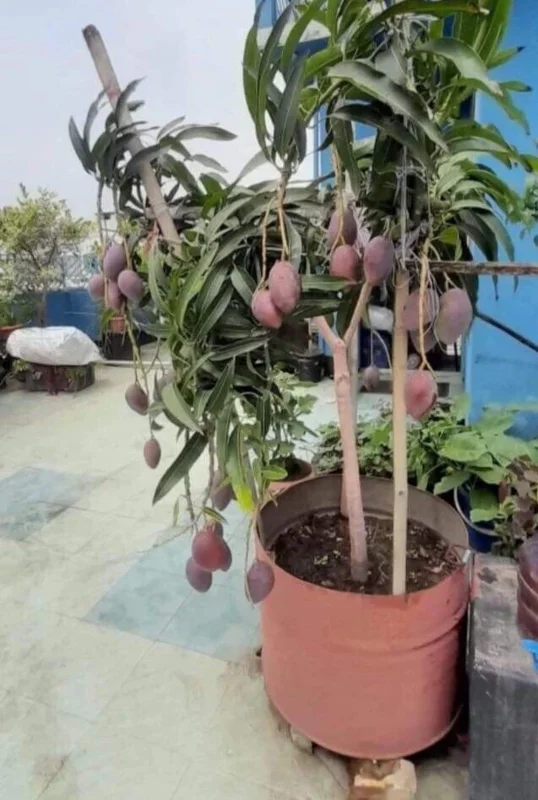
Exotic Landscaping Accent: With its dense, evergreen foliage and eventual robust size, a tropical mango plant makes an excellent focal point in a warm-climate garden or a striking container plant for patios and indoor spaces. Its vibrant green leaves provide year-round beauty.
-
Air Purification: Like many plants, the mango tree contributes to a healthier environment by absorbing carbon dioxide and releasing oxygen, improving air quality around your home. This natural air purifier enhances your living space.
-
Educational Experience: Learning how to grow mango tree from a young plant can be a fantastic educational experience for all ages, teaching about horticulture, plant biology, and the cycles of nature. It’s a hands-on way to connect with the natural world.
-
Year-Round Greenery: As an evergreen, the mango tree provides lush green foliage throughout the year, adding continuous beauty to your indoor or outdoor setting, even when not fruiting. This ensures your space always has a touch of living vibrancy.
-
Potential for Culinary Use: Beyond the fruit, mango leaves are sometimes used in traditional medicine or as ceremonial decorations in some cultures, adding to the plant’s versatility and cultural significance.
Plant Care & Growing Tips
To successfully grow mango tree, especially a young mango tree live plant, attention to its specific needs is crucial. Mango trees thrive in warm, humid climates, making them suitable for USDA Hardiness Zone 10 and above for outdoor planting. In cooler regions, they can be grown in containers and brought indoors during colder months, where they will still require ample light. This adaptability makes the mangifera indica plant a versatile choice for many gardeners. For sunlight, mango trees prefer full sun, meaning at least 6-8 hours of direct sunlight per day. If growing indoors, place your plant near a south-facing window or supplement with a grow light to ensure it receives adequate energy.
The soil should be well-draining, slightly acidic (pH 6.0-7.0), and rich in organic matter. A good quality potting mix designed for tropical plants or fruit trees will work well for container growing. When planting directly in the ground, ensure the area drains well to prevent root rot, which is critical for the health of your tropical mango plant. Watering is key, especially for a young plant. Water thoroughly when the top two inches of soil feel dry, allowing excess water to drain away. Avoid overwatering, which can lead to fungal issues. During the colder months or when the plant is dormant, reduce watering frequency. Fertilize your plant with a balanced, slow-release fertilizer designed for fruit trees, typically starting a few months after planting and following package instructions. Watch out for common pests like aphids and scale, treating them with neem oil or insecticidal soap as needed. Proper air circulation is also important to prevent fungal diseases, ensuring your tree remains vigorous and healthy.
Size & Details
This offering is for one mango tree live plant, which typically measures between 6 to 9 inches in height at the time of shipment, measured from the soil line. It is provided in a nursery pot, ready for you to transplant into a larger container or directly into your garden. The young plant is a seedling, meaning it has been grown from a mango seed. While some mango trees grown from seed can take longer to fruit (typically 5-8 years), they generally produce robust and resilient trees. The foliage is evergreen, providing continuous color and lushness. The growth rate of a tropical mango plant can be moderate to fast depending on growing conditions, eventually reaching significant heights if planted in the ground in suitable climates. When kept in a pot, its size can be managed through regular pruning, allowing it to adapt to various spaces. This is an excellent opportunity to cultivate your own edible fruit tree from its early stages, providing a long-term gardening project and a future source of delicious fruit.
Frequently Asked Questions
-
Q: How big does this mango tree get? A: This is a young mango tree live plant, typically 6-9 inches tall upon arrival. When planted in the ground in ideal tropical conditions, mango trees can grow very large, up to 30-60 feet tall. In containers, their size is limited by the pot and can be maintained with pruning, making it suitable for smaller spaces.
-
Q: What size pot does it come in? A: The mango tree live plant is shipped in a small nursery pot, typically a 2-4 inch container, suitable for its current size. You will need to transplant it into a larger pot (e.g., 5-gallon) or directly into the ground upon arrival for continued growth.
-
Q: Is this an indoor or outdoor plant? A: This tropical mango plant can be grown both indoors and outdoors. It thrives outdoors in USDA Hardiness Zones 10 and above. In cooler climates, it should be grown in a container and brought indoors during fall and winter to protect it from frost, ensuring its survival.
-
Q: How much sunlight does it need? A: Mango trees require a significant amount of sunlight to thrive and produce fruit. They prefer full sun, meaning at least 6-8 hours of direct sunlight per day. If growing indoors, place it in your brightest window or under a grow light to provide optimal conditions.
-
Q: Is this plant easy to care for? A: While not extremely difficult, learning how to grow mango tree requires consistent care, especially regarding light, water, and temperature. It’s considered moderately easy for gardeners with some experience or those willing to learn about tropical plant care, making it a rewarding challenge.
-
Q: What condition will it arrive in? A: Your mangifera indica plant will arrive as a healthy, live seedling, carefully packaged to minimize stress during transit. Some minor leaf yellowing might occur due to shipping, but the plant should recover quickly with proper care and acclimatization.
-
Q: Can I use mango fruit in cooking? A: Absolutely! The primary purpose of an edible fruit tree like the mango is its delicious fruit, which can be enjoyed fresh, in smoothies, desserts, salsas, and numerous other culinary applications. Homegrown mangoes offer superior taste and freshness.
-
Q: How long until it blooms and fruits? A: Mango trees grown from seed, like this one, typically start to bloom and produce fruit within 5 to 8 years, though this can vary based on growing conditions and specific variety. Grafted trees usually fruit sooner, but seedlings offer robust growth.
-
Q: When is the best time to plant? A: The best time to plant your mango tree live plant is in spring or early summer, after all danger of frost has passed, allowing it ample time to establish before cooler weather. This gives the young plant the best chance to thrive.
-
Q: What’s the minimum temperature this plant can tolerate? A: Mango trees are sensitive to cold. They prefer temperatures above 40°F (4°C). Prolonged exposure to temperatures below freezing can severely damage or kill the plant. Bring indoor plants inside when temperatures drop to protect them.
Be the first to review “Mango Tree Live Plant – Mangifera Indica Seedling 6-9 Inches Tall”
-
USDA Hardiness Zone
USDA zones 10-11 for outdoor, can be grown indoors in cooler zones -
Soil Type
Well-draining, slightly acidic soil (pH 6.0-7.0) -
Sunlight Exposure
Full sun (6-8 hours direct sunlight daily) -
Expected Planting Period
Spring to early summer
People Also Viewd
Sold 134 products
Original price was: $3,536.00.$23.99Current price is: $23.99.
Sold 132 products
Original price was: $27.00.$24.00Current price is: $24.00.
Sold 132 products
Original price was: $89.99.$64.99Current price is: $64.99.

Sold 125 products
Original price was: $86.99.$66.99Current price is: $66.99.
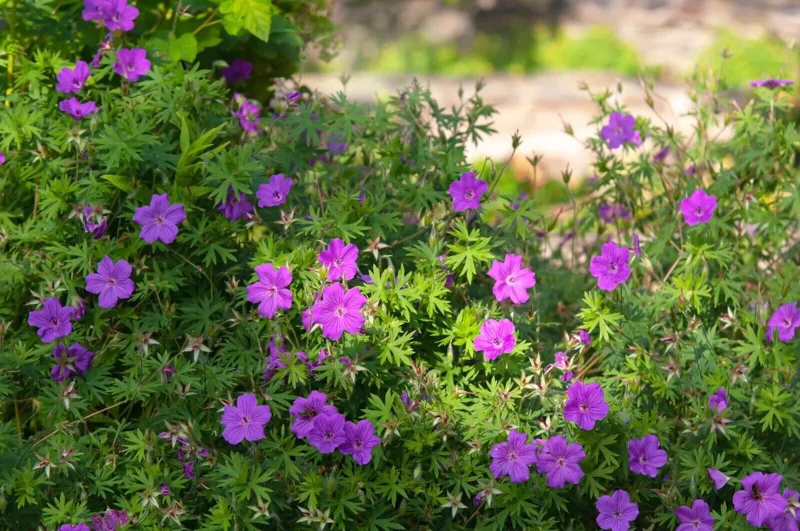
Flower Bulbs
3 Cranesbill Wild Geranium Organic Maculatums Bare Roots | Wildflower for Outdoor Garden
Sold 116 products
Original price was: $21.99.$9.99Current price is: $9.99.
Sold 114 products
Original price was: $28.99.$17.99Current price is: $17.99.
Sold 110 products
Original price was: $63.99.$28.99Current price is: $28.99.
Sold 108 products
Original price was: $28.99.$17.99Current price is: $17.99.RELATED posts
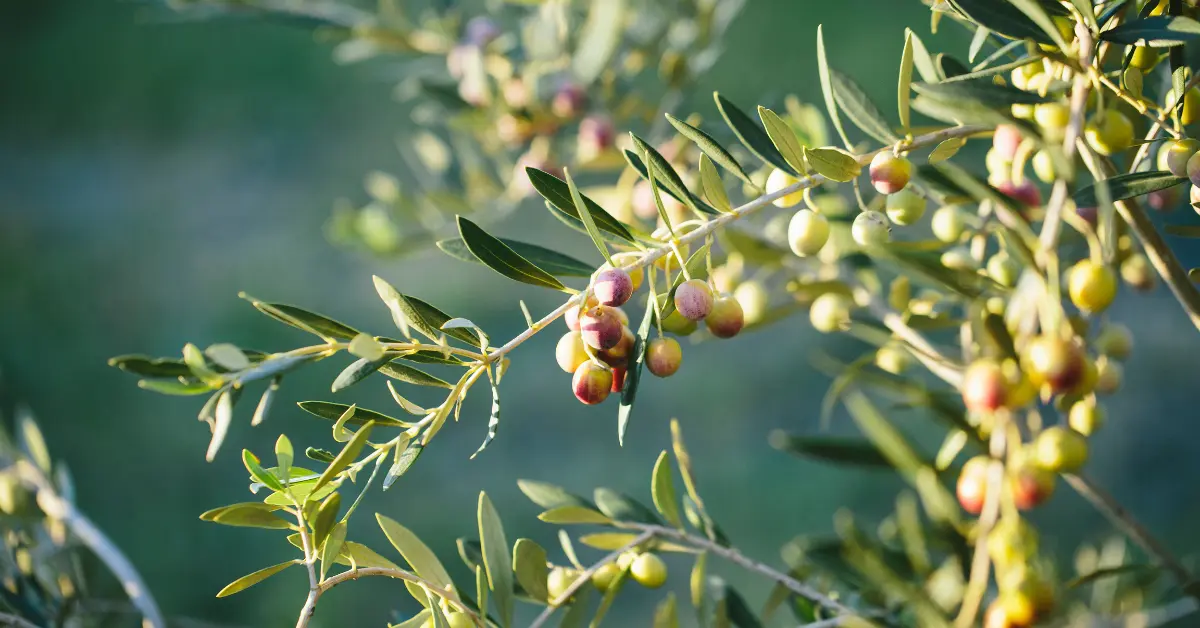
How to Grow Arbequina Olive Trees: The Ultimate Guide to Your Own Olive Grove
Arbequina Olive Tree (Olea europaea ‘Arbequina’) – the ultimate Mediterranean plant that brings a touch [...]
Oct
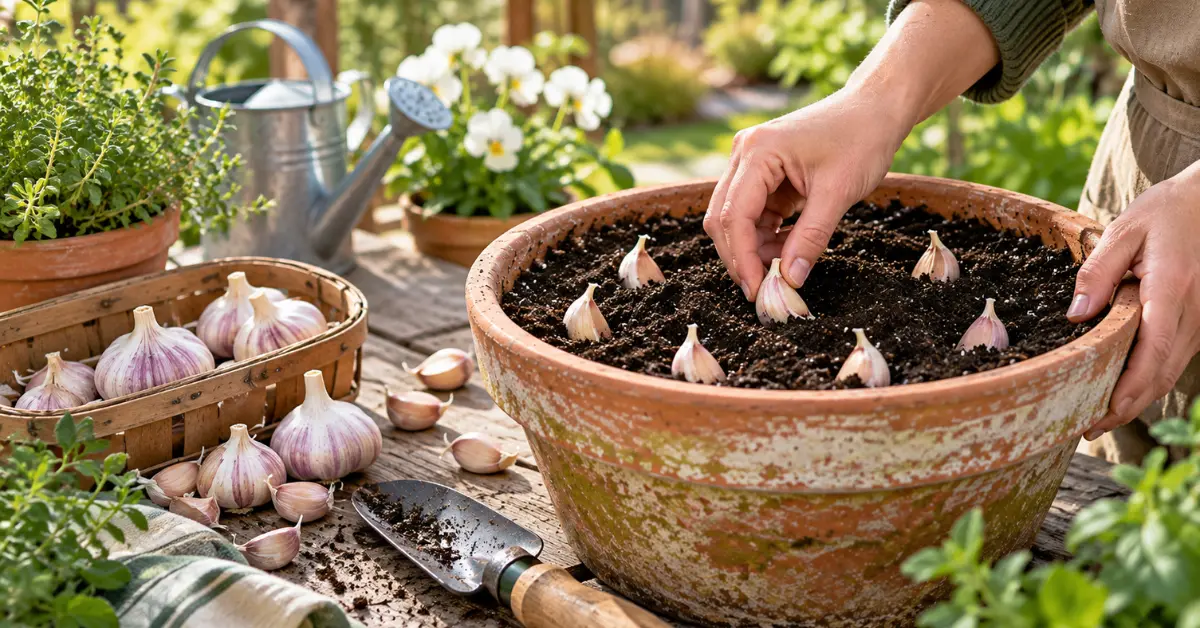
Growing Garlic in Containers This Fall: A Complete Guide for Beginners
If you’ve ever wanted to pop fresh, aromatic garlic cloves straight from your own patio [...]
Sep
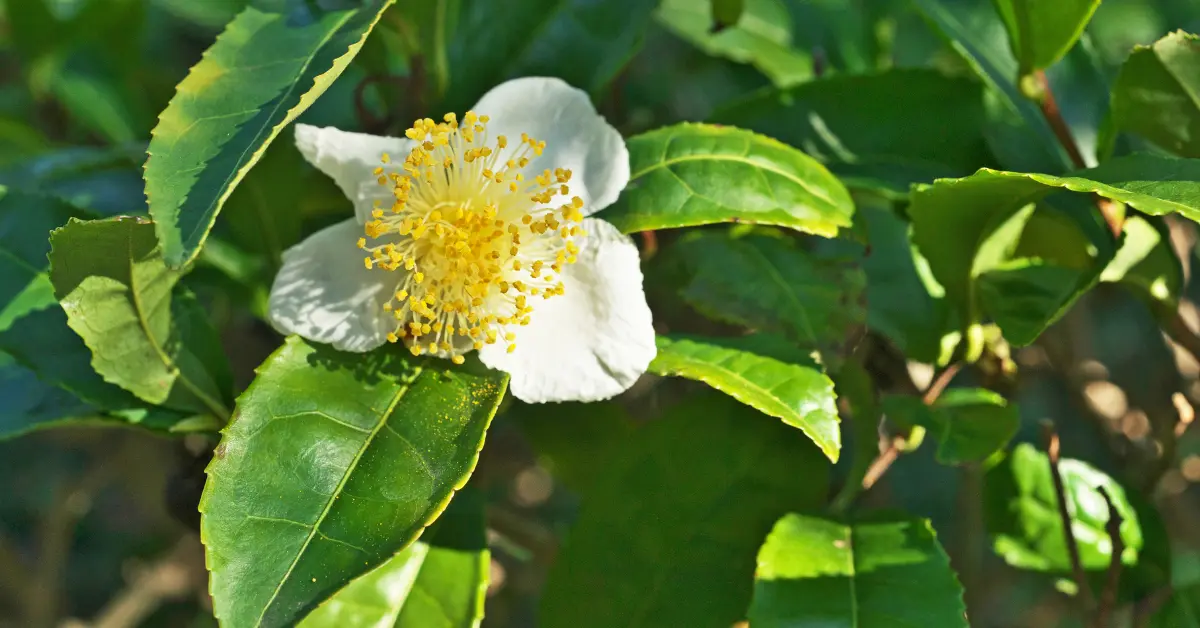
Growing Camellia Sinensis (Tea Plants) in Containers: A Complete Guide for Beginners
If you’ve ever wanted to sip a steaming, homegrown cup of fresh green, black, or [...]
Aug
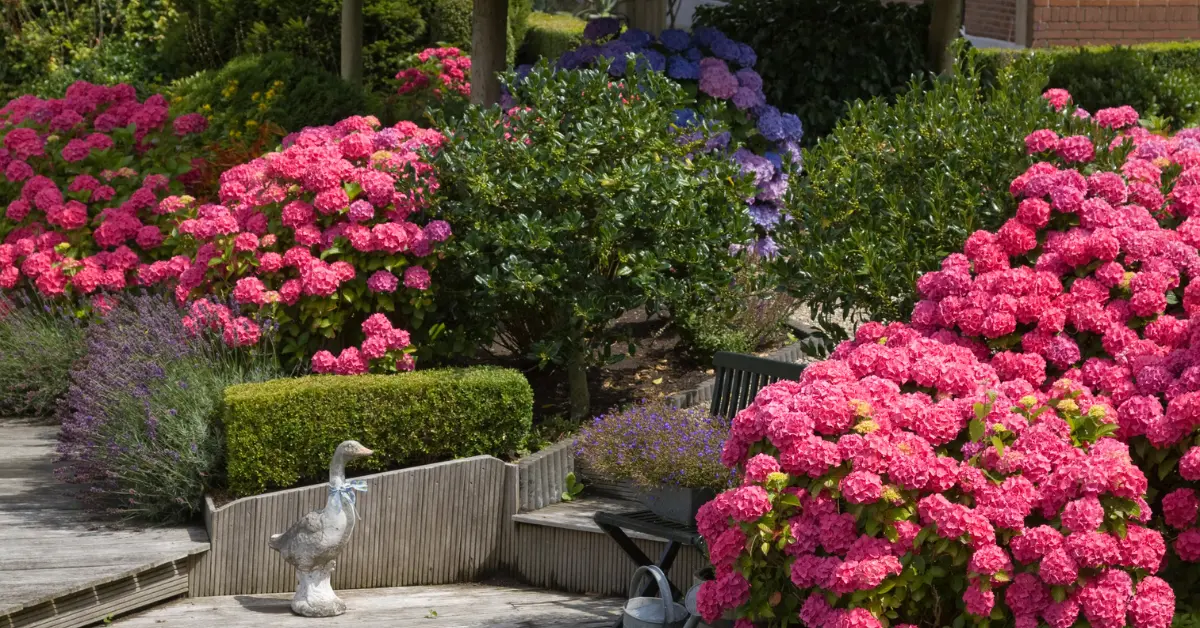
6 Best Shrubs to Plant in August You Must Try
Have you ever walked through a nursery late in the summer, admired the vibrant shrubs [...]
Aug
Growing Everbearing Strawberries in Containers: A Complete Guide for Beginners
Want to grow sweet, fresh strawberries but do not have a large garden? Everbearing strawberries [...]
Aug
Growing Egyptian Walking Onions in Containers: A Complete Guide for Beginners
If you’re looking for a hardy, no-fuss perennial onion that keeps on giving year after [...]
Jul
Growing Carolina Reaper Peppers in Pots: A Complete Guide for Beginners
If you’ve ever wanted to add some serious, record-breaking heat to your home cooking, you’ve [...]
May
Growing Curry Leaf Plant in Pots: A Complete Guide for Beginners
If you’re a fan of authentic South Asian cuisine, you already know that nothing compares [...]
May
Reviews
There are no reviews yet.