
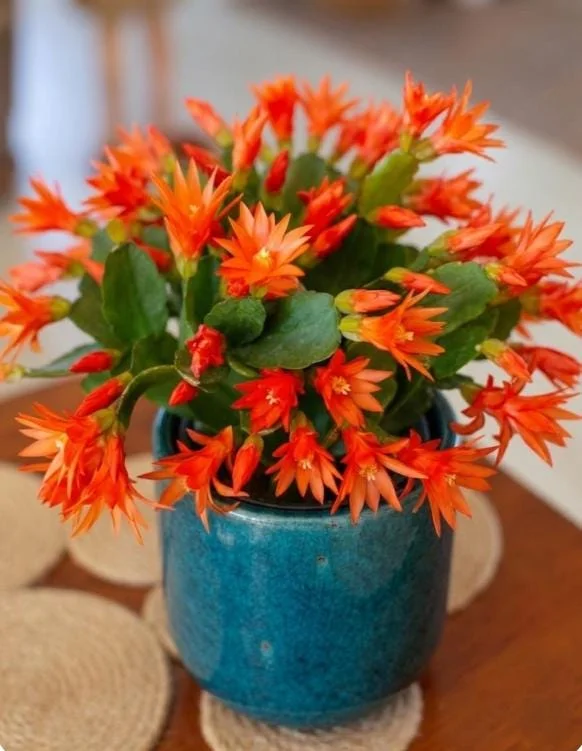
Orange Easter Cactus Live Plant – Spring Blooming Succulent – 4-6 Inch Tall – Indoor/Outdoor
Original price was: $45.99.$29.69Current price is: $29.69.
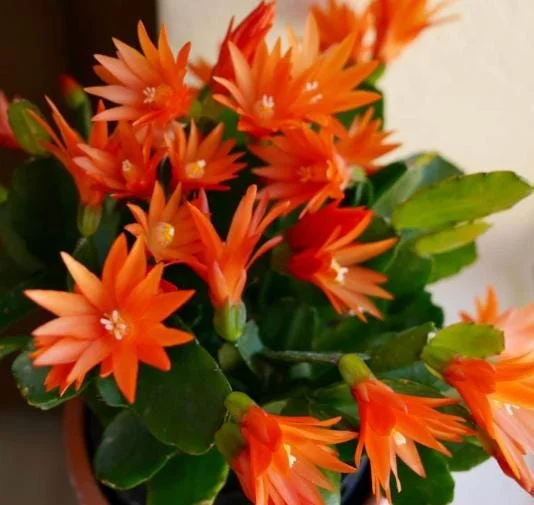
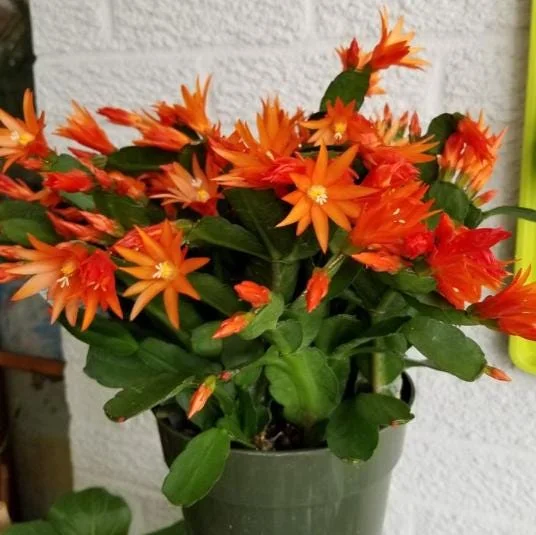
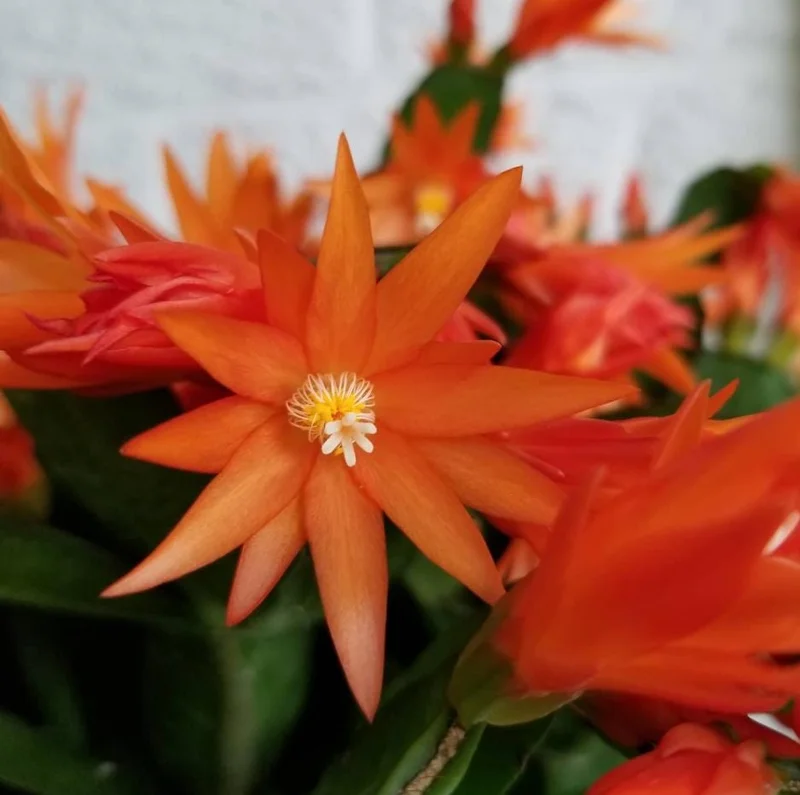
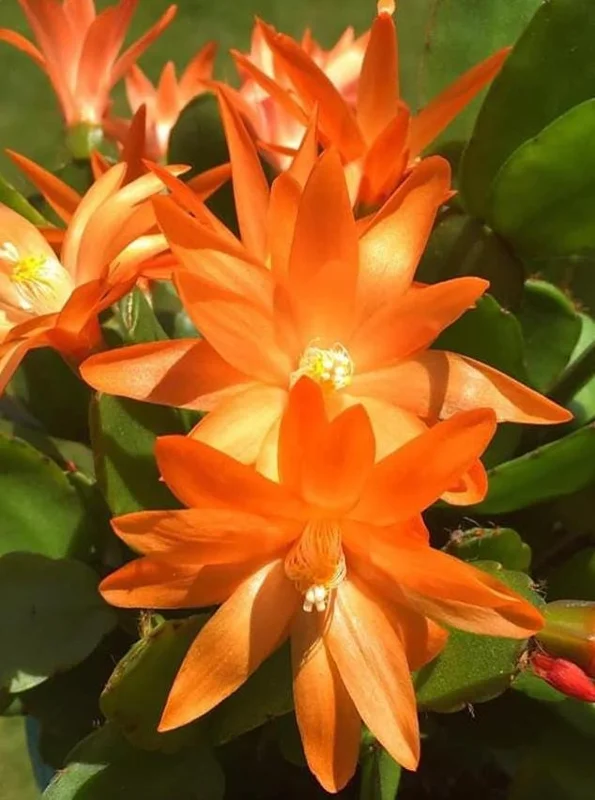
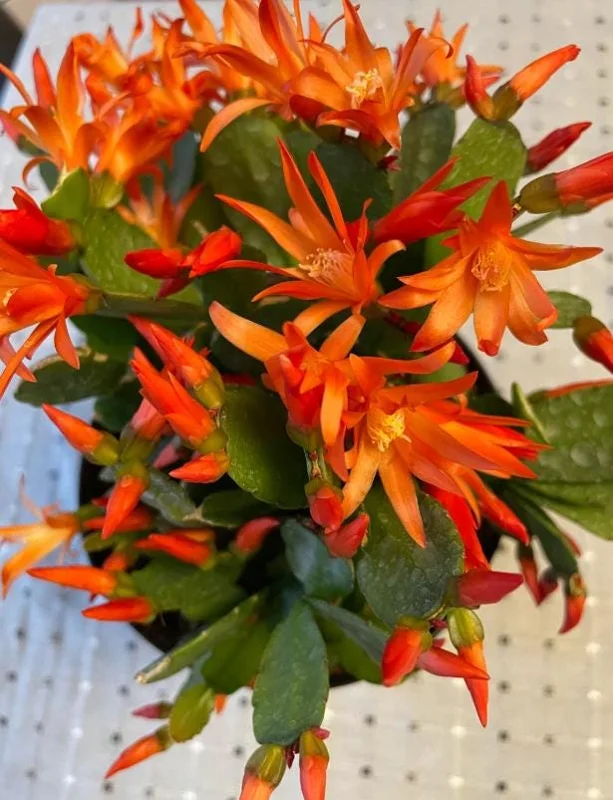
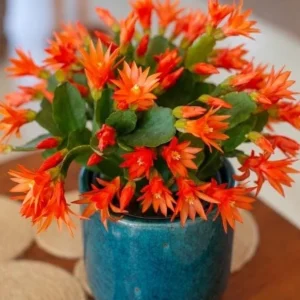
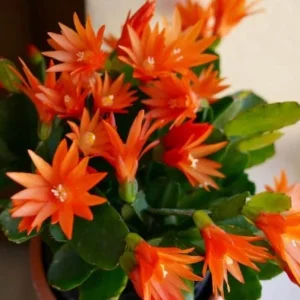
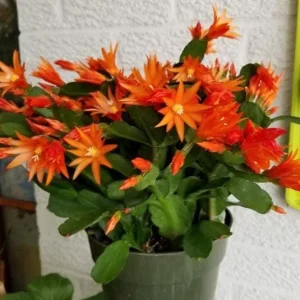
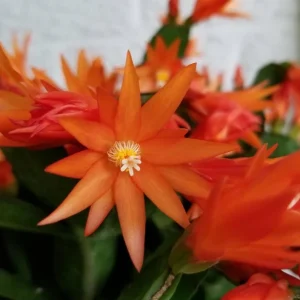
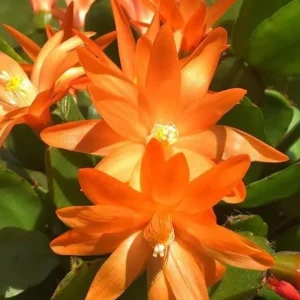
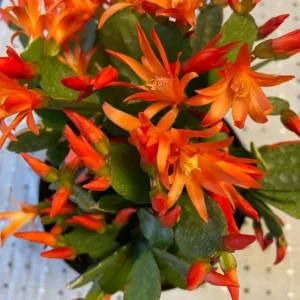
Bring vibrant color to your home with the orange easter cactus live plant. This beautiful, easy-care succulent boasts bright orange, star-shaped flowers in spring, making it a perfect ornamental houseplant for any setting.
Estimated arrival
Oct 16
Oct 21 - Oct 23
Oct 26 - Oct 30

Reasonable Price
We offer reasonable price

Support 24/7
Contact us 24 hrs a day

100% Money Back
You've 30 days to Return

Payment Secure
100% secure payment
Overview
Introduce a burst of springtime joy into your living space with the stunning orange easter cactus live plant. This captivating succulent, scientifically known as Rhipsalidopsis gaertneri, is celebrated for its spectacular display of bright orange, star-shaped blooms that typically appear from spring into fall. Unlike its winter-blooming cousin, the Christmas cactus, the Easter cactus offers its vibrant show when many other plants are just beginning to stir. Its distinctive flat, segmented green stems with gently rounded edges contribute to an attractive, slightly upright to trailing growth habit. Whether you’re a seasoned plant enthusiast or a beginner, the orange easter cactus live plant is an excellent choice, offering both remarkable beauty and straightforward care, making it a popular ornamental houseplant for bringing natural charm indoors or outdoors in suitable climates.
Originating from the humid forests of Brazil, this epiphytic cactus thrives when given conditions that mimic its native environment. Its resilient nature and striking floral display make it a favored choice for brightening up windowsills, desks, or hanging baskets. The vivid orange hue of its flowers stands out, creating a focal point in any room. Cultivating an orange easter cactus live plant allows you to enjoy a prolonged period of bloom, adding warmth and cheer to your home for months.
Key Benefits
The orange easter cactus live plant offers a multitude of benefits beyond its stunning appearance, making it a truly rewarding addition to your plant collection. Its unique characteristics contribute to its popularity and ease of care.
- Spectacular Spring Blooms: Enjoy a profusion of bright orange, star-shaped flowers that emerge throughout spring, providing a vibrant and long-lasting display of color. These blossoms are a true highlight, transforming any space into a cheerful haven.
- Low Maintenance & Easy Care: This succulent is known for its forgiving nature, making it an ideal choice for both novice and experienced gardeners. It requires minimal attention once its basic needs are met, allowing you to enjoy its beauty without constant fuss.
- Versatile Indoor & Outdoor Appeal: Perfect for indoor decoration as an ornamental houseplant, it can also thrive outdoors in appropriate USDA zones, adding a tropical touch to patios or shaded garden spots. Its adaptable nature allows for flexible placement.
- Unique Growth Habit: Featuring flat, segmented green stems with rounded edges, the plant develops an attractive upright to gently trailing form, making it suitable for various display options, including pots, baskets, and elevated shelves.
- Air Purifying Qualities: Like many houseplants, the orange easter cactus live plant contributes to a healthier indoor environment by helping to filter airborne toxins and improve air quality, promoting a fresher atmosphere.
- Pet-Friendly Option: Generally considered non-toxic to pets, this plant offers peace of mind for households with curious cats and dogs, allowing you to enjoy its beauty without worry.
- Long Lifespan: With proper easter cactus care, these plants can live for many years, becoming cherished heirlooms that provide beauty season after season.
Plant Care & Growing Tips
Proper easter cactus care is crucial for ensuring your orange easter cactus live plant thrives and produces its signature vibrant blooms. Understanding its specific needs will help you cultivate a healthy and flourishing plant.
Light Requirements: This plant prefers bright, indirect light to partial sun. Avoid direct, harsh afternoon sun, especially in warmer climates, as it can scorch the leaves. An east-facing window is often ideal, providing gentle morning sun. If grown outdoors, ensure it’s in a shaded or partially shaded location. Insufficient light may lead to fewer blooms, while too much direct sun can cause the stems to yellow or redden.
Watering Schedule: During its active growth and blooming seasons (spring to fall), keep the soil evenly moist but never waterlogged. Allow the top inch or two of soil to dry out slightly before watering again. Reduce watering significantly during its dormant period in winter to encourage blooming. Overwatering is a common cause of root rot, so ensure good drainage. Always check the soil moisture before watering.
Soil Type and Drainage: The orange easter cactus live plant thrives in a well-draining potting mix. A good succulent or cactus mix blended with some peat moss or coir is ideal. This mimics its epiphytic nature, where it grows on trees rather than in dense soil. Excellent drainage is paramount to prevent water from sitting around the roots, which can lead to fungal issues. A slightly acidic to neutral pH is preferred.
Temperature and Humidity: Ideal temperatures range between 60°F and 75°F (15°C and 24°C). To encourage blooming, a cool period (around 50-55°F or 10-13°C) for 6-8 weeks in late winter is beneficial. It appreciates moderate to high humidity, especially in dry indoor environments. Misting occasionally or placing the pot on a pebble tray with water can help increase humidity. The plant is hardy in USDA Zones 10 to 11 if grown outdoors year-round.
Fertilization: Feed your orange easter cactus live plant with a balanced liquid fertilizer diluted to half strength every 2-4 weeks during its active growing and blooming periods (spring through fall). Cease fertilization during its winter dormancy. An ornamental houseplant like this benefits from consistent but light feeding.
Common Problems: Watch for signs of overwatering such as soft, yellowing stems. Pests like mealybugs or spider mites can occasionally appear; treat with insecticidal soap. Ensure good air circulation to prevent fungal diseases. Providing adequate easter cactus care will help prevent most issues.
Size & Details
This orange easter cactus live plant typically arrives as a well-established specimen, ranging from 4 to 6 inches tall, measured from the base of the soil. It is shipped in a nursery pot, ready for you to place in your desired decorative container or location. The plant exhibits a moderately fast growth rate, developing its flat, segmented stems and eventually reaching a mature size that allows for a graceful, slightly trailing habit. Expect the first vibrant, spring blooming succulent flowers to appear from spring into fall, depending on care and environmental conditions. The plant’s compact size makes it an excellent choice for windowsills, desks, or as part of a larger plant arrangement. With proper care, this ornamental houseplant will continue to grow and flourish, providing years of beauty.
Frequently Asked Questions
- Q: How big does this plant get? A: The orange easter cactus live plant typically reaches a height of 4-6 inches upon arrival and can grow into a mounding or trailing plant, with stems extending up to 12 inches or more over time, making it a perfect ornamental houseplant. Its overall size depends on the pot size and growing conditions.
- Q: Is this an indoor or outdoor plant? A: This plant is primarily cultivated as an indoor ornamental houseplant. However, it can thrive outdoors in USDA Zones 10 to 11, provided it is protected from direct harsh sunlight and extreme temperatures.
- Q: How much sunlight does it need? A: The orange easter cactus live plant prefers bright, indirect light. An east-facing window is ideal, or a spot where it receives filtered light. Avoid direct afternoon sun, which can scorch its delicate stems.
- Q: Is this plant easy to care for? A: Yes, the Easter cactus is considered relatively easy to care for, making it a great choice for beginners. Its straightforward requirements for light, water, and temperature contribute to its low-maintenance reputation, especially once you understand basic easter cactus care.
- Q: What condition will it arrive in? A: Your orange easter cactus live plant will arrive as a healthy, established plant in a nursery pot, carefully packaged to ensure its safe journey. It will be ready to be placed in its new home upon arrival.
- Q: How long until it blooms? A: With proper easter cactus care, this plant typically blooms in the spring, and sometimes intermittently into fall. If cared for well, you should expect blooms in the first blooming season after receiving it.
- Q: What’s the best soil for an Easter cactus? A: A well-draining potting mix is essential. A blend designed for succulents or cacti, often with added perlite or bark, works perfectly to ensure proper drainage and aeration for the roots of your spring blooming succulent.
- Q: Is the Easter cactus pet-safe? A: Yes, the Easter cactus is generally considered non-toxic to pets, making it a safer option for homes with cats and dogs compared to many other houseplants.
- Q: How do I encourage more blooms? A: To encourage abundant blooms, ensure the plant gets a cool, dry resting period in late winter (around 50-55°F) for 6-8 weeks, reduce watering, and then gradually increase light and water as spring approaches. Consistent easter cactus care throughout the year is key.
- Q: Can I propagate my Easter cactus? A: Yes, you can easily propagate the Easter cactus from stem cuttings. Allow the cut segments to callous for a few days before planting them in moist, well-draining soil.
Be the first to review “Orange Easter Cactus Live Plant – Spring Blooming Succulent – 4-6 Inch Tall – Indoor/Outdoor”
-
USDA Hardiness Zone
USDA Zones 10 to 11 -
Soil Type
Well-draining potting mix -
Sunlight Exposure
Bright, indirect light to partial sun -
Expected Planting Period
Year-round indoors, Spring to fall blooming
People Also Viewd


Sold 134 products
Original price was: $3,536.00.$23.99Current price is: $23.99.

Sold 132 products
Original price was: $27.00.$24.00Current price is: $24.00.

Sold 132 products
Original price was: $89.99.$64.99Current price is: $64.99.

Sold 125 products
Original price was: $86.99.$66.99Current price is: $66.99.

Flower Bulbs
3 Cranesbill Wild Geranium Organic Maculatums Bare Roots | Wildflower for Outdoor Garden
Sold 116 products
Original price was: $21.99.$9.99Current price is: $9.99.

Sold 114 products
Original price was: $28.99.$17.99Current price is: $17.99.

Sold 110 products
Original price was: $63.99.$28.99Current price is: $28.99.
Sold 108 products
Original price was: $28.99.$17.99Current price is: $17.99.RELATED posts
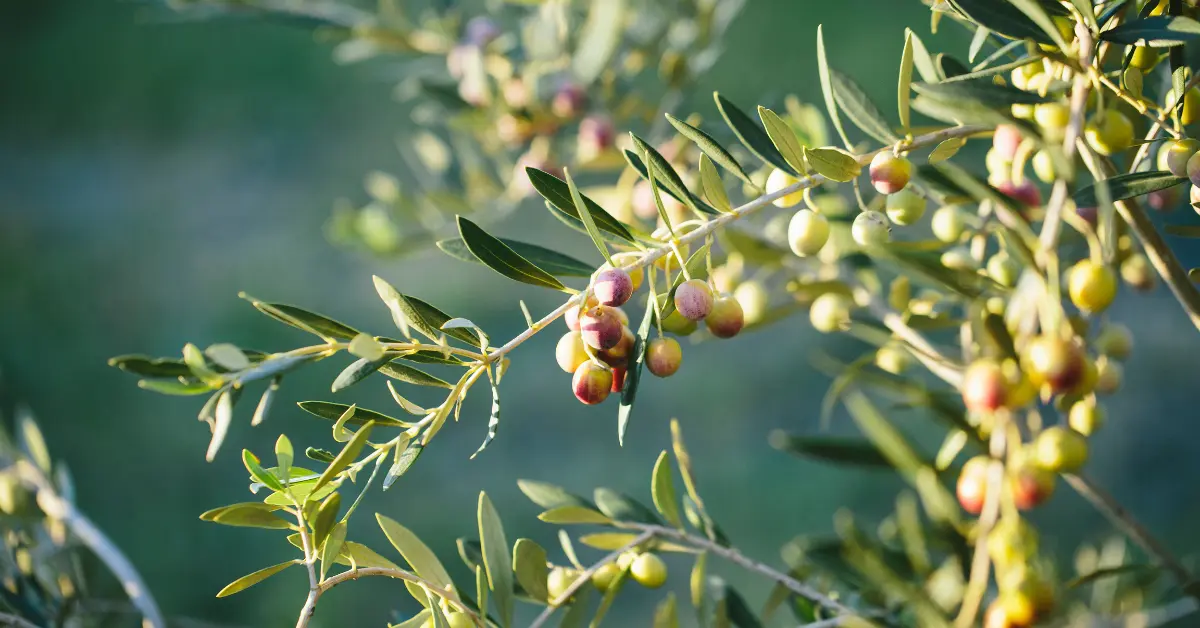
How to Grow Arbequina Olive Trees: The Ultimate Guide to Your Own Olive Grove
Arbequina Olive Tree (Olea europaea ‘Arbequina’) – the ultimate Mediterranean plant that brings a touch [...]
Oct
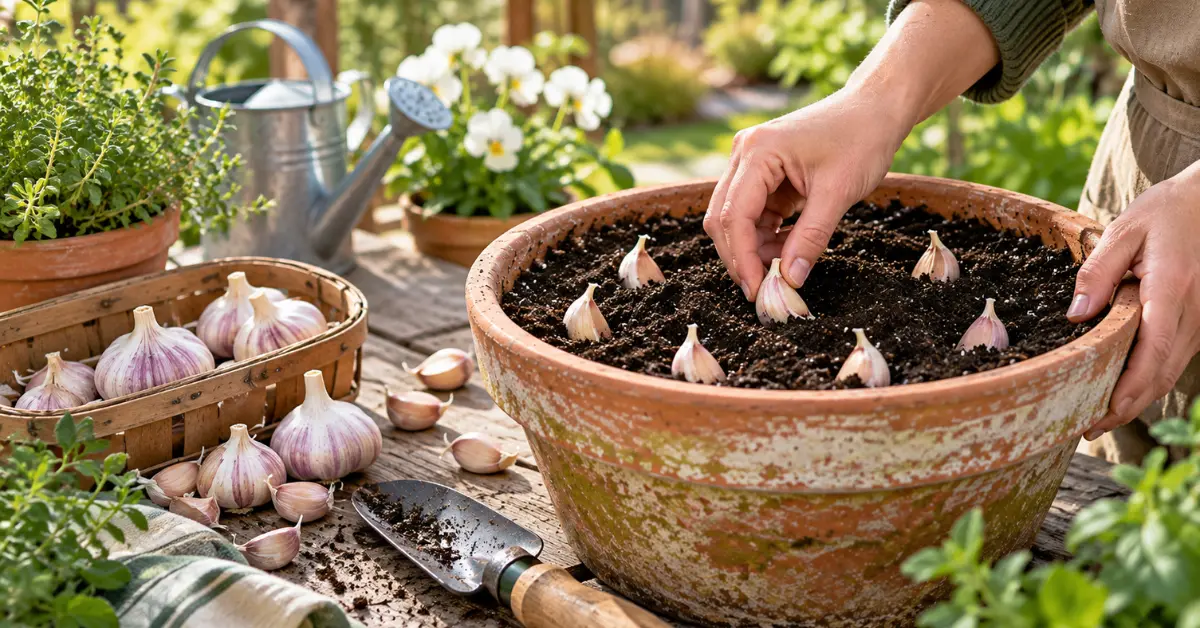
Growing Garlic in Containers This Fall: A Complete Guide for Beginners
If you’ve ever wanted to pop fresh, aromatic garlic cloves straight from your own patio [...]
Sep
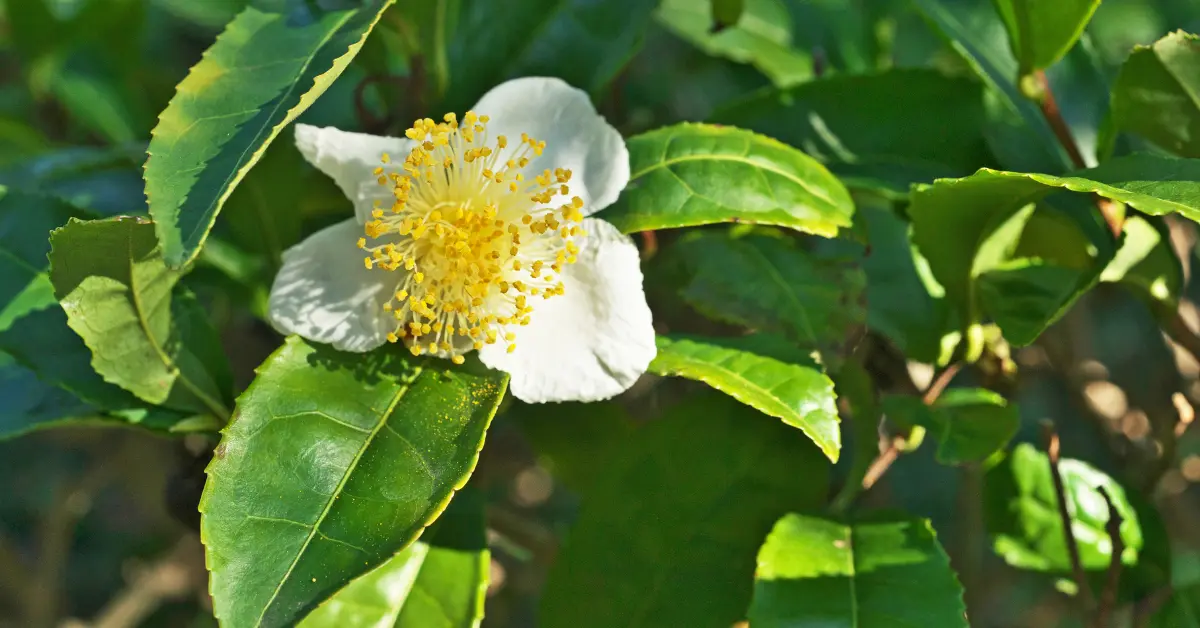
Growing Camellia Sinensis (Tea Plants) in Containers: A Complete Guide for Beginners
If you’ve ever wanted to sip a steaming, homegrown cup of fresh green, black, or [...]
Aug
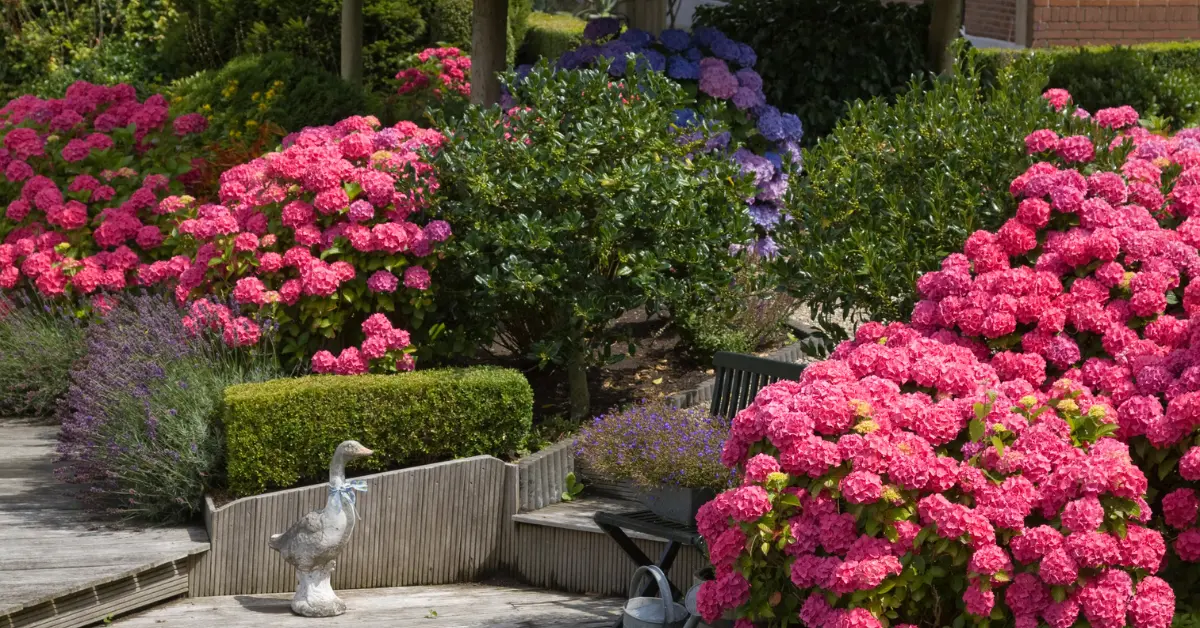
6 Best Shrubs to Plant in August You Must Try
Have you ever walked through a nursery late in the summer, admired the vibrant shrubs [...]
Aug
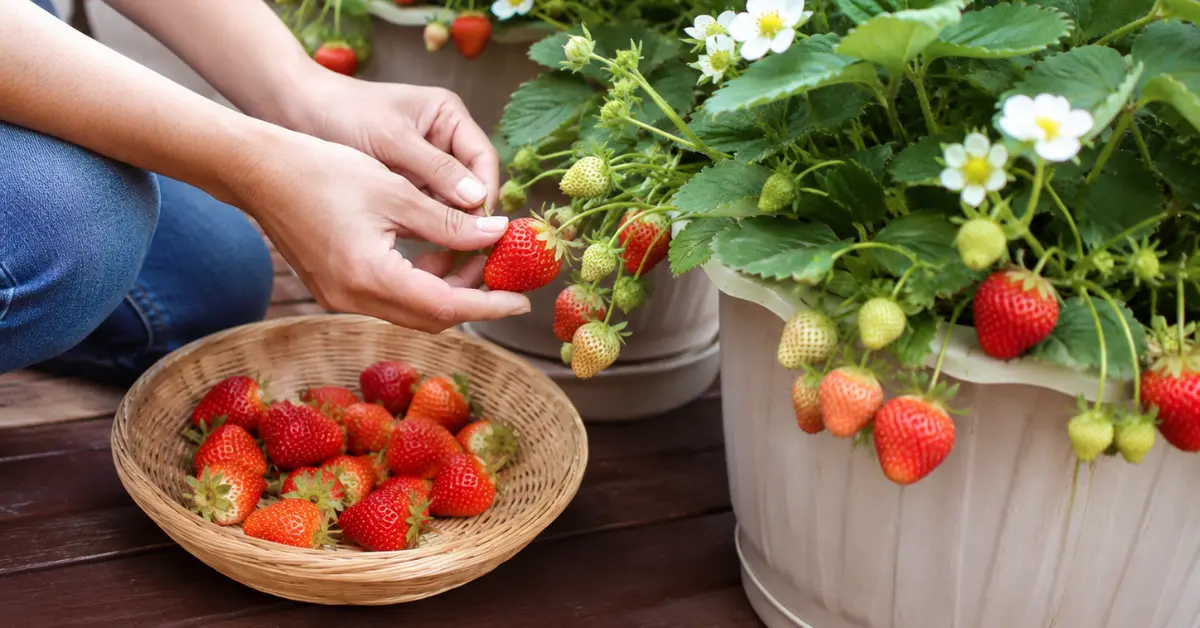
Growing Everbearing Strawberries in Containers: A Complete Guide for Beginners
Want to grow sweet, fresh strawberries but do not have a large garden? Everbearing strawberries [...]
Aug
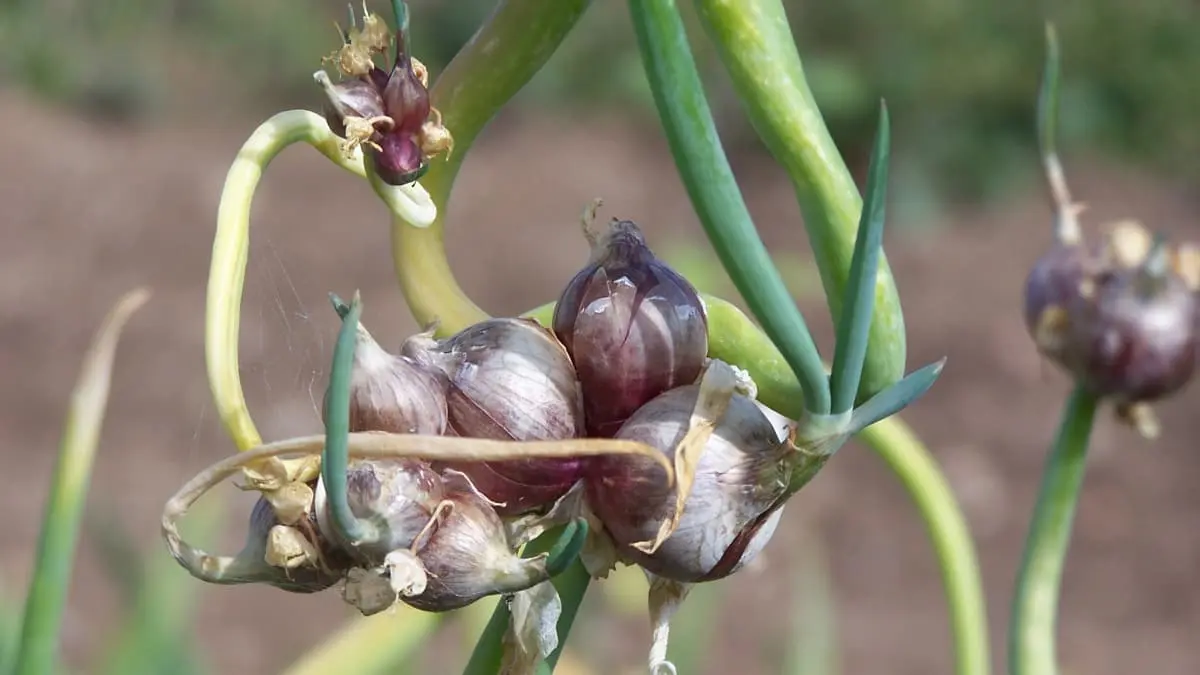
Growing Egyptian Walking Onions in Containers: A Complete Guide for Beginners
If you’re looking for a hardy, no-fuss perennial onion that keeps on giving year after [...]
Jul
Growing Carolina Reaper Peppers in Pots: A Complete Guide for Beginners
If you’ve ever wanted to add some serious, record-breaking heat to your home cooking, you’ve [...]
May
Growing Curry Leaf Plant in Pots: A Complete Guide for Beginners
If you’re a fan of authentic South Asian cuisine, you already know that nothing compares [...]
May



Reviews
There are no reviews yet.