
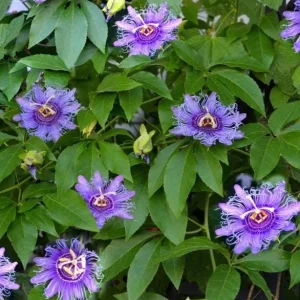
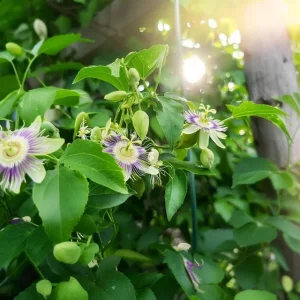
Passiflora Incarnata Maypop Live Plant – Purple Passion Fruit Vine, 4-6 Inch Tall
Original price was: $45.99.$17.09Current price is: $17.09.
Bring the exotic beauty of the maypop passion flower live plant to your garden! This fast-growing vine features stunning purple and white blooms and produces delicious, edible passion fruit. Perfect for trellises, fences, or as a striking ground cover.
Estimated arrival
Oct 22
Oct 27 - Oct 29
Nov 01 - Nov 05

Reasonable Price
We offer reasonable price

Support 24/7
Contact us 24 hrs a day

100% Money Back
You've 30 days to Return

Payment Secure
100% secure payment
Overview
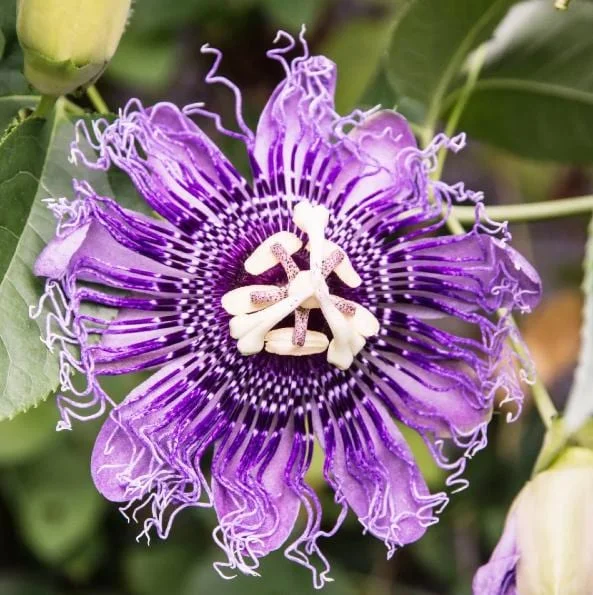
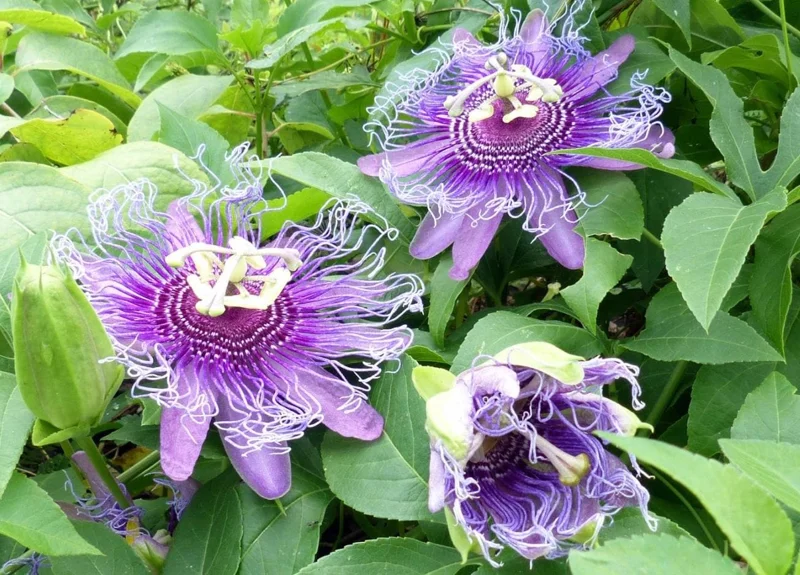
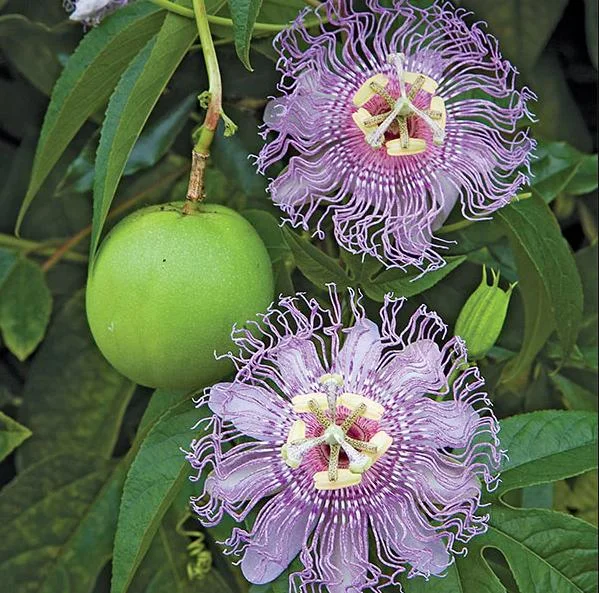
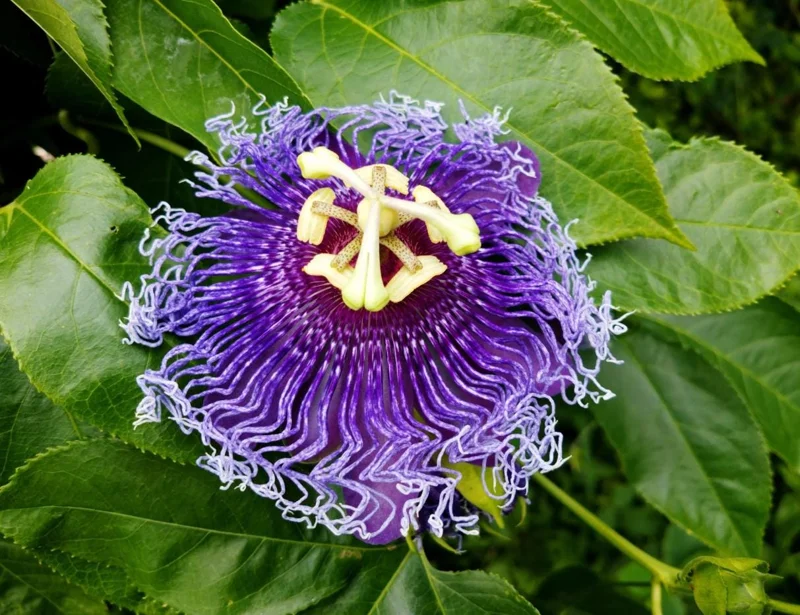
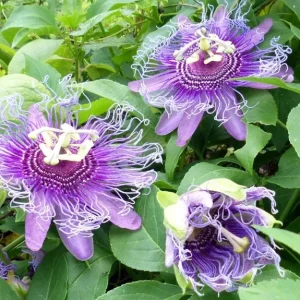
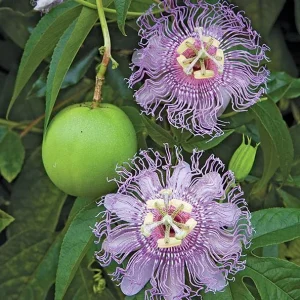
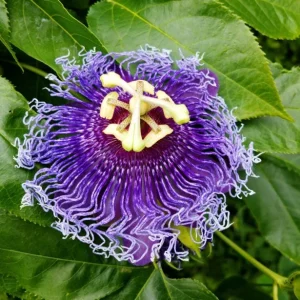
Transform your garden into a tropical oasis with the captivating maypop passion flower live plant. Scientifically known as Passiflora incarnata, this vigorous perennial vine is a true marvel, celebrated for its intricate and exotic purple and white flowers. Each bloom is a masterpiece of nature, featuring delicate frilly filaments and a striking central structure that commands attention. Beyond its visual appeal, the Maypop is also a practical addition to the edible landscape, producing delectable, egg-sized fruits with a unique sweet-tart pulp. Often referred to as the purple passion flower, this plant is a fantastic choice for gardeners seeking both ornamental beauty and a harvest of delicious fruit. Our healthy Passiflora incarnata care specimens are ready to thrive in your garden, offering a blend of aesthetic pleasure and culinary delight.
The maypop passion flower live plant is a resilient and adaptable species, native to the southeastern United States. Its common name, ‘Maypop,’ is thought to derive from the sound the fruit makes when stepped on, or from its tendency to ‘pop up’ from the ground in May. This plant embodies natural elegance and productivity, making it a standout choice for various garden styles, from cottage gardens to more formal designs. Its rapid growth habit ensures quick coverage, allowing you to enjoy its beauty and bounty sooner rather than later.
Key Benefits
Adding a maypop passion flower live plant to your landscape offers a multitude of advantages, enhancing both the beauty and utility of your outdoor space. This versatile vine provides continuous interest throughout the growing season, from its vibrant blossoms to its tasty fruit. Explore the many reasons why this plant is a gardener’s delight:
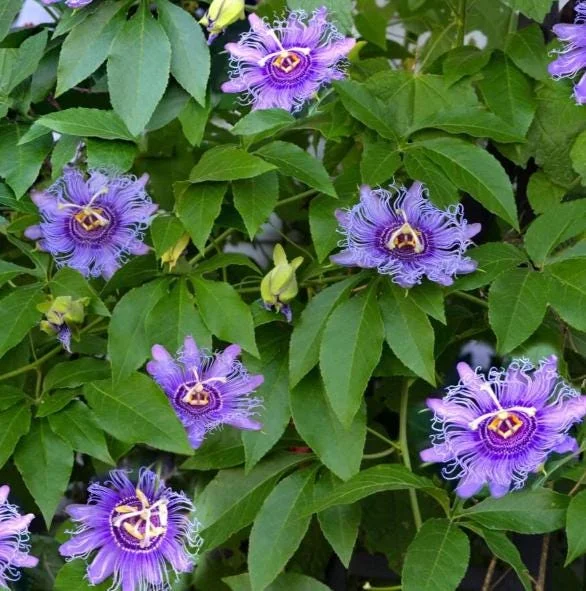
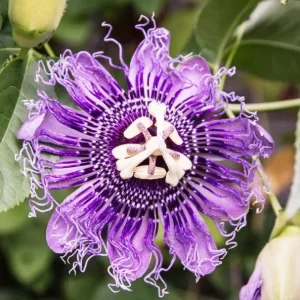
- Exotic Floral Beauty: The intricate purple and white flowers of the maypop passion flower live plant are truly unique, adding a touch of tropical elegance and a conversation starter to any garden. Their complex structure and vibrant colors make them a focal point.
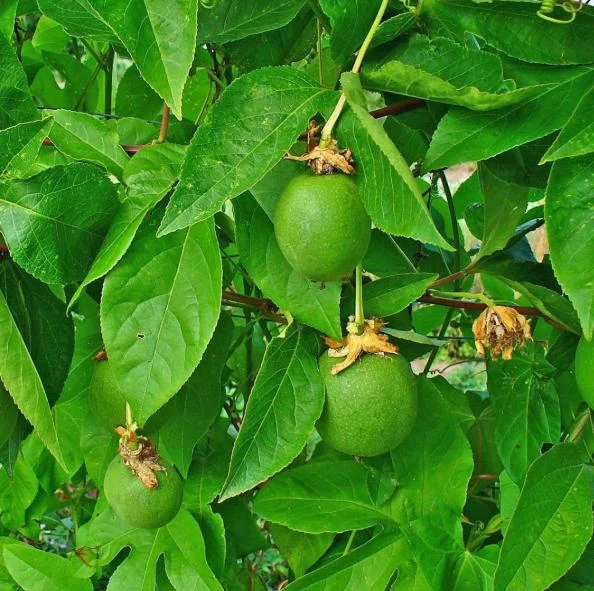
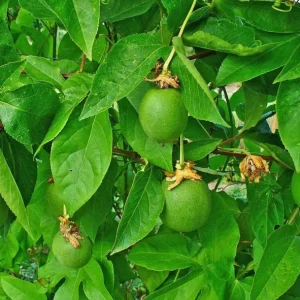
- Edible Fruit Production: Enjoy harvesting your own delicious, egg-sized passion fruits. These fruits have a delightful sweet-tart flavor, perfect for fresh eating, desserts, or beverages, making this an ideal edible passion fruit vine.
- Attracts Pollinators: The showy flowers are a magnet for bees, butterflies, and other beneficial pollinators, contributing to the biodiversity and health of your garden ecosystem. It’s a fantastic plant for supporting local wildlife.
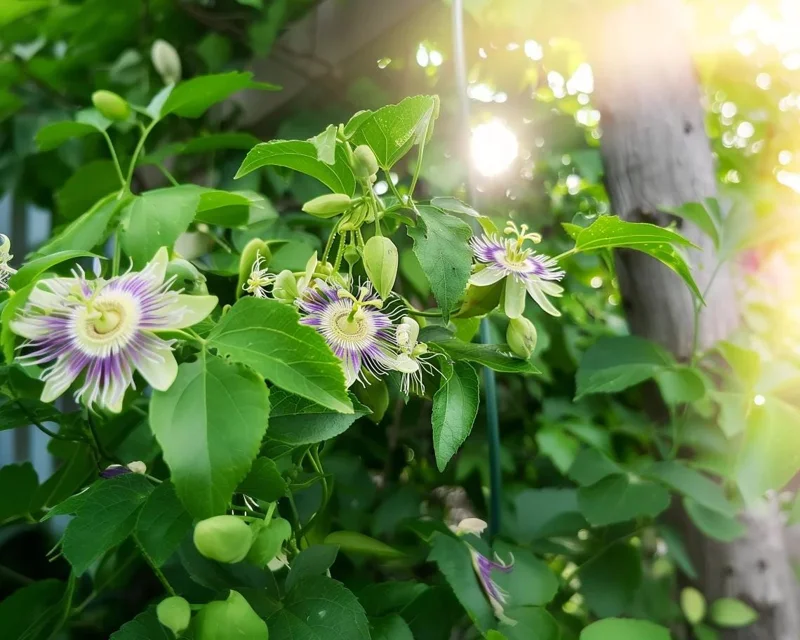
- Fast-Growing Vine: With its vigorous growth habit, the Maypop quickly covers trellises, fences, arbors, or walls, providing beautiful vertical interest and natural shade in a short amount of time.
- Drought Tolerant: Once established, Passiflora incarnata is remarkably resilient and can tolerate periods of drought, making it a low-maintenance option for various climates.
- Adaptable to Various Soils: This plant thrives in a range of soil types, from sandy to loamy, as long as they are well-draining, demonstrating its robust nature.
- Native Plant Benefits: As a native species, it is well-suited to local conditions and requires less intervention, also providing habitat and food for native fauna.
Plant Care & Growing Tips
Successful Passiflora incarnata care is straightforward, making the maypop passion flower live plant an excellent choice for gardeners of all experience levels. This robust vine thrives with minimal fuss when its basic needs are met. For optimal growth and prolific flowering and fruiting, planting in the right location is key. Choose a spot that receives full sun to partial shade; at least 6 hours of direct sunlight per day will encourage the most abundant blooms and fruit production. In hotter climates, some afternoon shade can be beneficial to prevent scorching.
When it comes to soil, Passiflora incarnata is quite adaptable, tolerating sandy, loamy, or average garden soil. The most critical factor is excellent drainage, as passion flowers do not like wet feet. If you have heavy clay soil, amend it generously with compost and other organic matter to improve aeration and drainage. Moderate watering is generally sufficient; water deeply when the top inch or two of soil feels dry to the touch, especially during dry spells or when the plant is actively growing and fruiting. Avoid overwatering, which can lead to root rot. The ideal temperatures for this plant range between 70°F and 90°F, although it can tolerate fluctuations.
The maypop passion flower live plant is hardy in USDA Zones 6 to 10, meaning it can withstand winter temperatures down to around -10°F to 0°F in zone 6, often dying back to the ground and re-emerging in spring. In colder zones, it can be grown as an annual or overwintered indoors. Fertilize sparingly; a balanced, slow-release fertilizer in spring is usually sufficient. Pruning can be done in late winter or early spring to manage its vigorous growth, remove dead or damaged stems, and encourage bushier growth. Watch out for common pests like aphids or spider mites, which can usually be managed with insecticidal soap or neem oil. With proper growing maypop plant techniques, you’ll enjoy a stunning display and a tasty harvest.
Size & Details
Our maypop passion flower live plant typically arrives as a healthy, well-rooted specimen, measuring approximately 4 to 6 inches tall. These young plants are ready for transplanting into your garden or a larger container and are poised for rapid growth. As a fast-growing perennial vine, Passiflora incarnata can quickly reach lengths of 15 to 25 feet in a single growing season once established, especially with adequate support like a trellis, arbor, or fence. It will provide excellent coverage and vertical interest. The plant is shipped in a nursery pot with soil, ensuring it arrives in optimal condition, ready to thrive in its new home.
The edible passion fruit vine will begin blooming from spring to summer, with fruit development following shortly after. While the exact timing can vary based on climate and care, you can typically expect to see flowers and fruit within the first year or two after planting. The mature fruits are egg-sized, turning yellow when ripe, and filled with a sweet-tart, aromatic pulp. This plant’s robust nature and vigorous growth make it a rewarding addition for anyone interested in growing maypop plant for both its ornamental value and its delicious harvest.
Frequently Asked Questions
- Q: How big does this maypop passion flower live plant get? A: This vigorous vine can grow quite long, typically reaching lengths of 15 to 25 feet in a single growing season. It will spread horizontally if not given vertical support.
- Q: What size pot does it come in? A: The plant is shipped as a rooted specimen, approximately 4 to 6 inches tall, usually in a small nursery pot with soil, ready for transplanting.
- Q: Is this an indoor or outdoor plant? A: The maypop passion flower live plant is primarily an outdoor plant, hardy in USDA Zones 6 to 10. In colder zones, it can be grown as an annual or brought indoors for winter.
- Q: How much sunlight does it need? A: This plant thrives in full sun to partial shade, ideally receiving at least 6 hours of direct sunlight daily for the best flowering and fruiting.
- Q: Is this plant easy to care for? A: Yes, Passiflora incarnata care is considered relatively easy. It’s a robust and adaptable plant once established, requiring well-draining soil and moderate watering.
- Q: Is it good for beginners? A: Absolutely! Its resilience and fast growth make it a great choice for beginner gardeners looking to grow an edible passion fruit vine.
- Q: What condition will it arrive in? A: Your maypop passion flower live plant will arrive as a healthy, live plant, well-rooted in a nursery pot, packed carefully to ensure its safe journey.
- Q: When is the best time to plant? A: The best time to plant is in spring after the last frost, allowing the plant ample time to establish before summer heat or winter cold.
- Q: Will it survive winter in my zone? A: It is hardy in USDA Zones 6 to 10. In zone 6, it may die back to the ground but typically regrows from the roots in spring. In colder zones, it needs winter protection or to be grown as an annual.
- Q: Can I eat the fruit of this purple passion flower? A: Yes, the fruits of Passiflora incarnata, also known as Maypops, are edible and have a delicious sweet-tart flavor.
Be the first to review “Passiflora Incarnata Maypop Live Plant – Purple Passion Fruit Vine, 4-6 Inch Tall”
-
USDA Hardiness Zone
USDA Zones 6 to 10 -
Soil Type
Well-draining sandy, loamy, or average garden soil -
Sunlight Exposure
Full sun to partial shade -
Expected Planting Period
Spring to summer
People Also Viewd


Sold 134 products
Original price was: $3,536.00.$23.99Current price is: $23.99.

Sold 132 products
Original price was: $27.00.$24.00Current price is: $24.00.

Sold 132 products
Original price was: $89.99.$64.99Current price is: $64.99.

Sold 125 products
Original price was: $86.99.$66.99Current price is: $66.99.

Flower Bulbs
3 Cranesbill Wild Geranium Organic Maculatums Bare Roots | Wildflower for Outdoor Garden
Sold 116 products
Original price was: $21.99.$9.99Current price is: $9.99.

Sold 114 products
Original price was: $28.99.$17.99Current price is: $17.99.

Sold 110 products
Original price was: $63.99.$28.99Current price is: $28.99.
Sold 108 products
Original price was: $28.99.$17.99Current price is: $17.99.RELATED posts
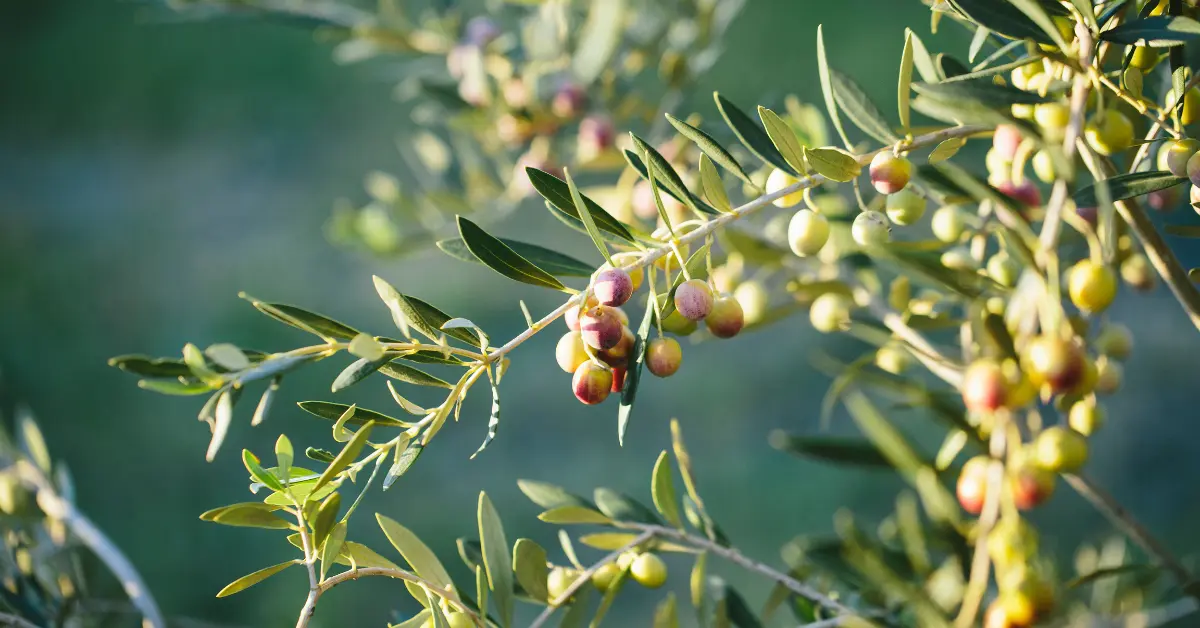
How to Grow Arbequina Olive Trees: The Ultimate Guide to Your Own Olive Grove
Arbequina Olive Tree (Olea europaea ‘Arbequina’) – the ultimate Mediterranean plant that brings a touch [...]
Oct
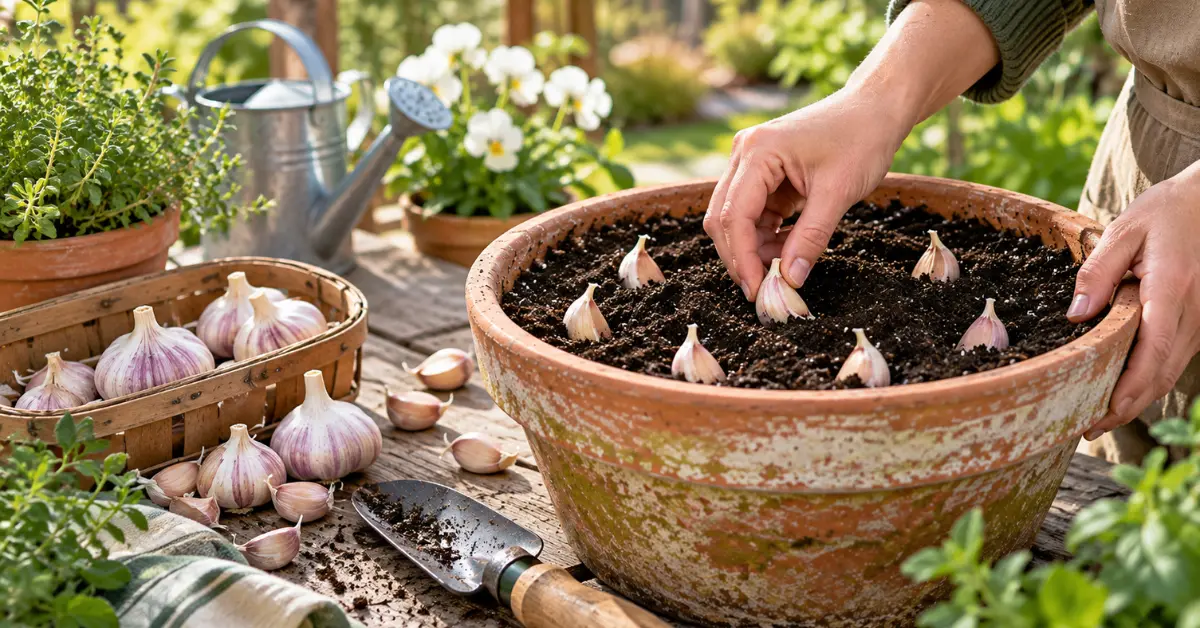
Growing Garlic in Containers This Fall: A Complete Guide for Beginners
If you’ve ever wanted to pop fresh, aromatic garlic cloves straight from your own patio [...]
Sep
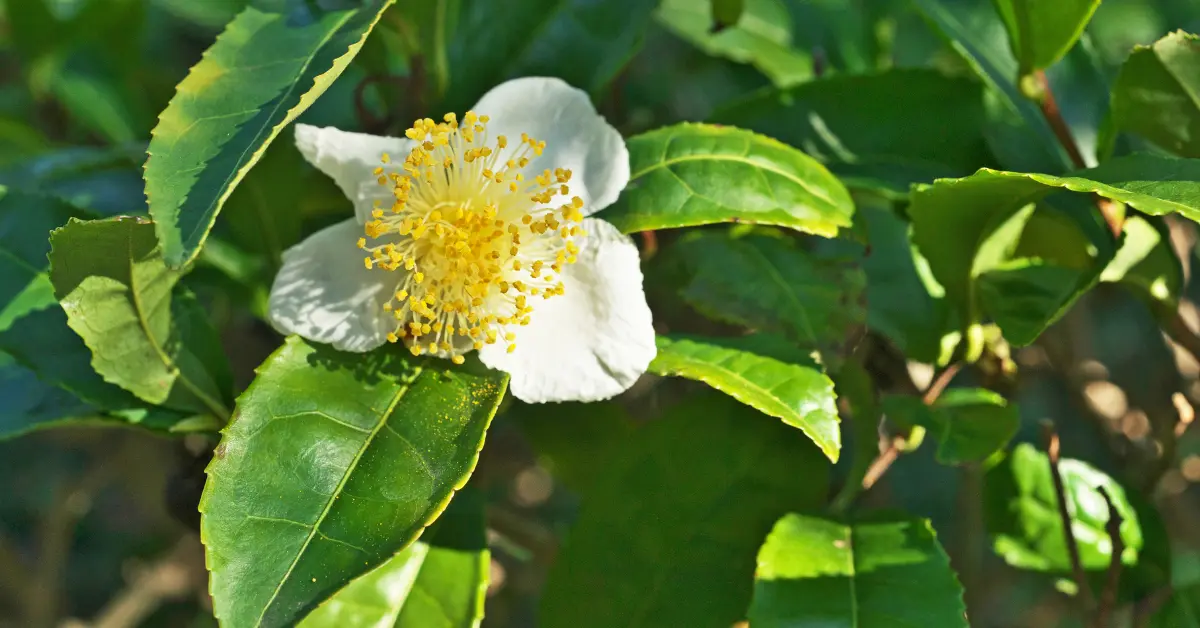
Growing Camellia Sinensis (Tea Plants) in Containers: A Complete Guide for Beginners
If you’ve ever wanted to sip a steaming, homegrown cup of fresh green, black, or [...]
Aug
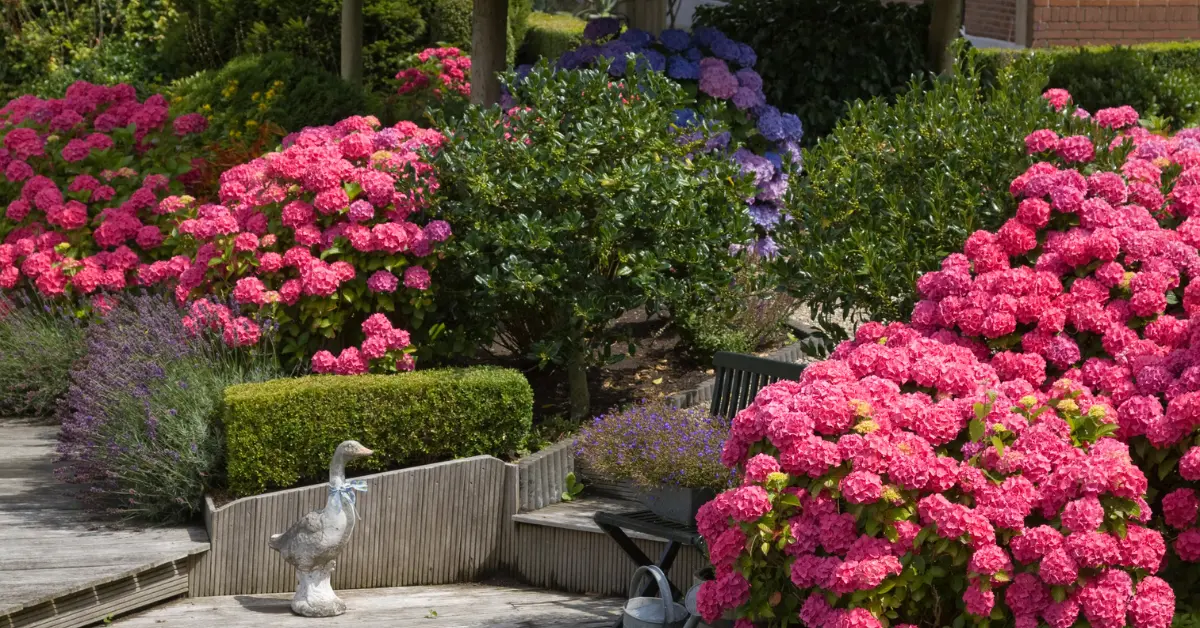
6 Best Shrubs to Plant in August You Must Try
Have you ever walked through a nursery late in the summer, admired the vibrant shrubs [...]
Aug

Growing Everbearing Strawberries in Containers: A Complete Guide for Beginners
Want to grow sweet, fresh strawberries but do not have a large garden? Everbearing strawberries [...]
Aug
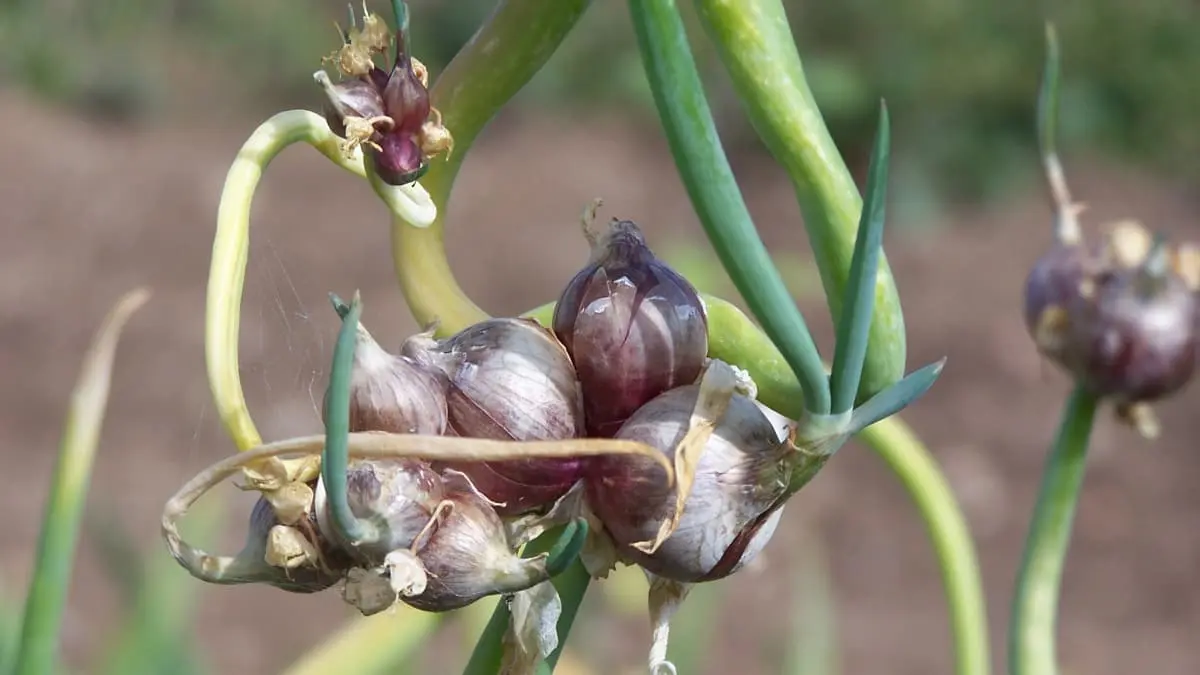
Growing Egyptian Walking Onions in Containers: A Complete Guide for Beginners
If you’re looking for a hardy, no-fuss perennial onion that keeps on giving year after [...]
Jul
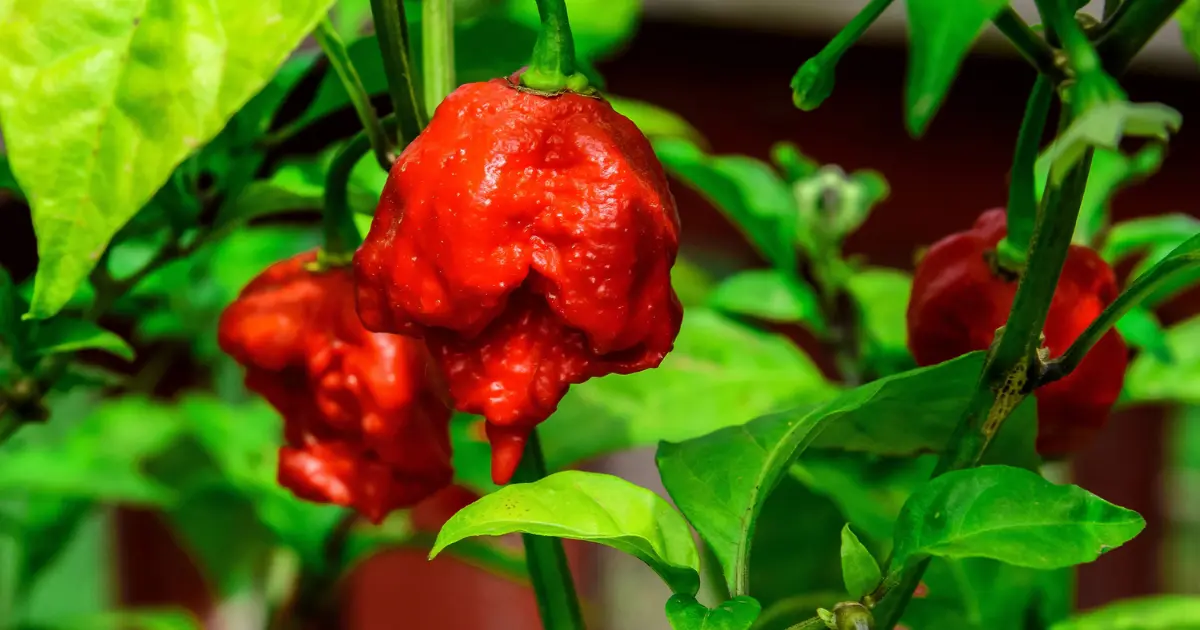
Growing Carolina Reaper Peppers in Pots: A Complete Guide for Beginners
If you’ve ever wanted to add some serious, record-breaking heat to your home cooking, you’ve [...]
May
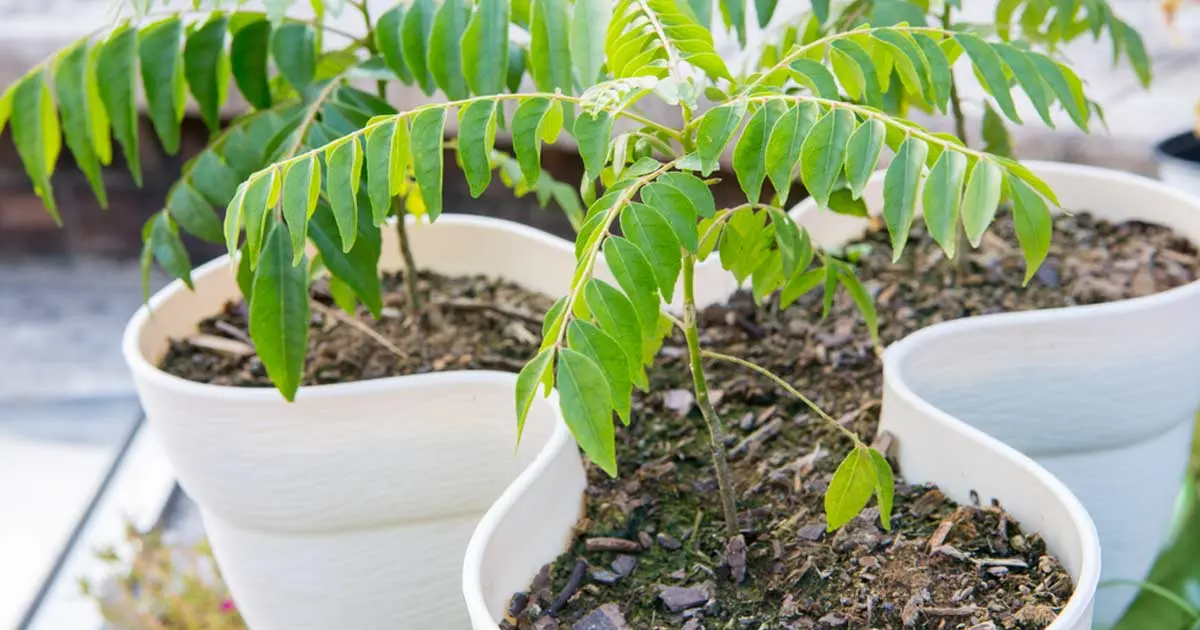
Growing Curry Leaf Plant in Pots: A Complete Guide for Beginners
If you’re a fan of authentic South Asian cuisine, you already know that nothing compares [...]
May


Reviews
There are no reviews yet.