
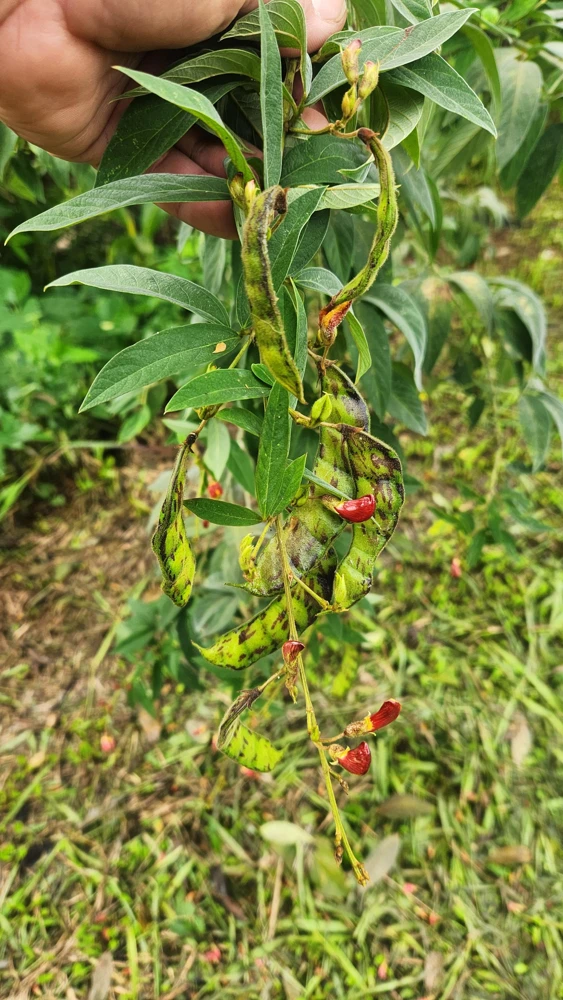
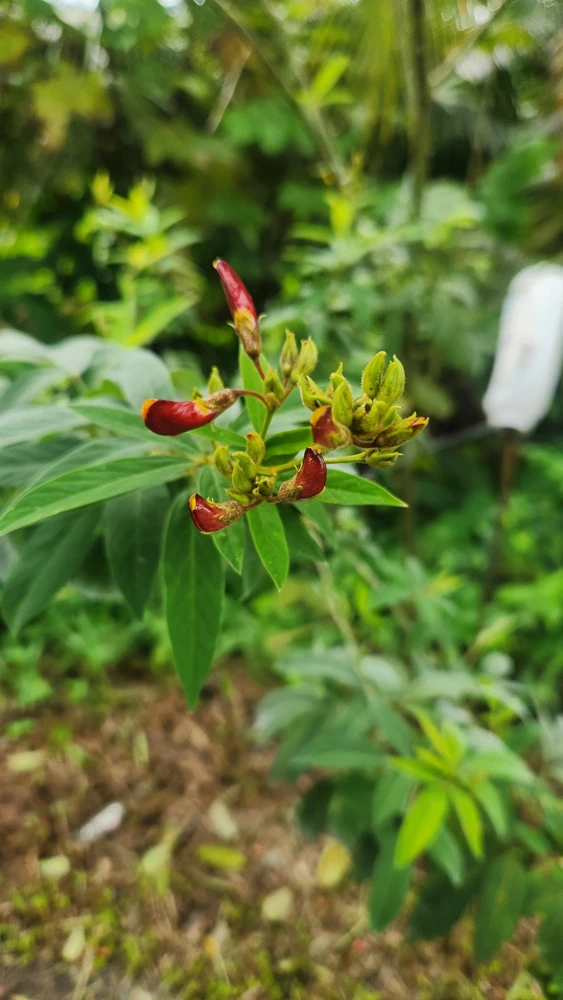
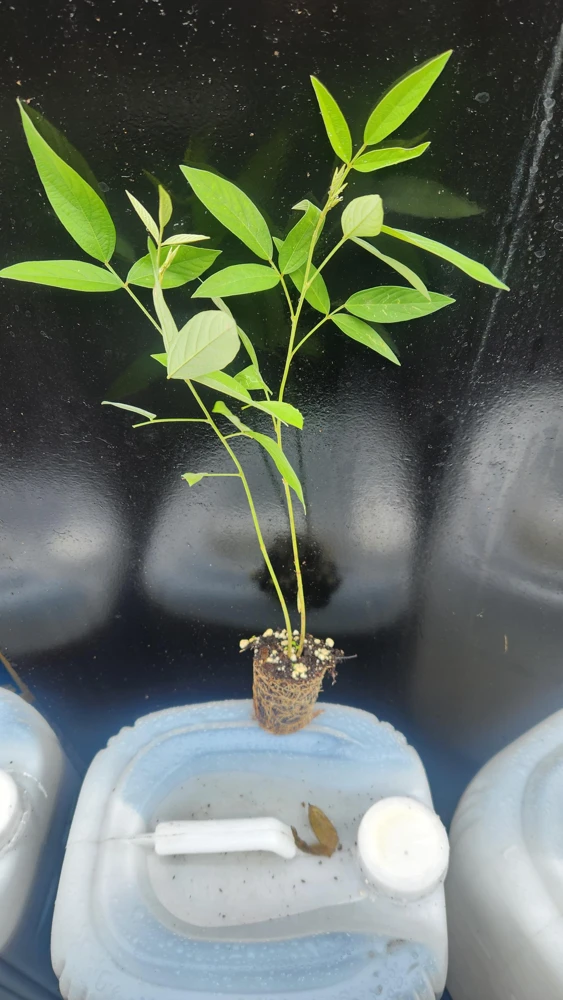
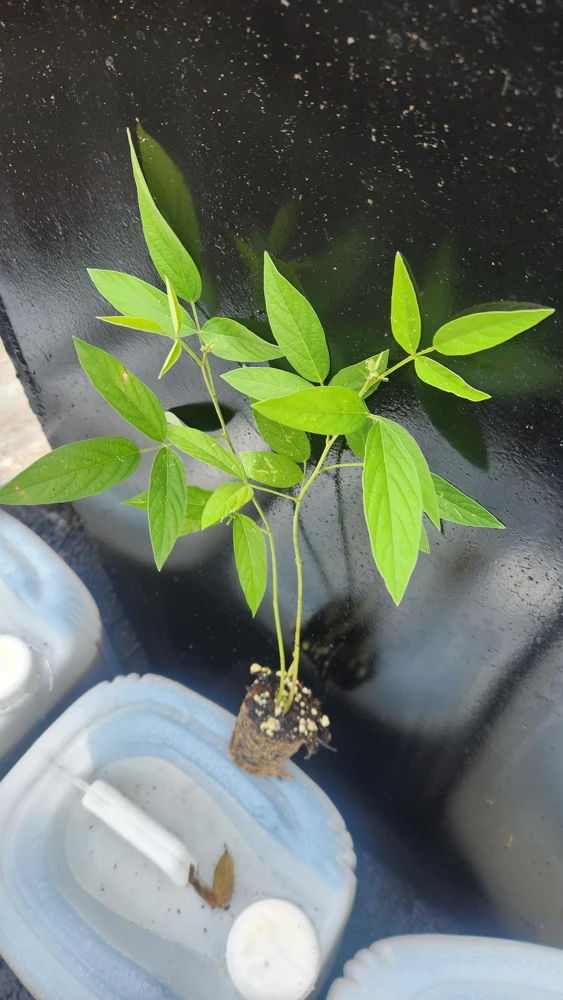
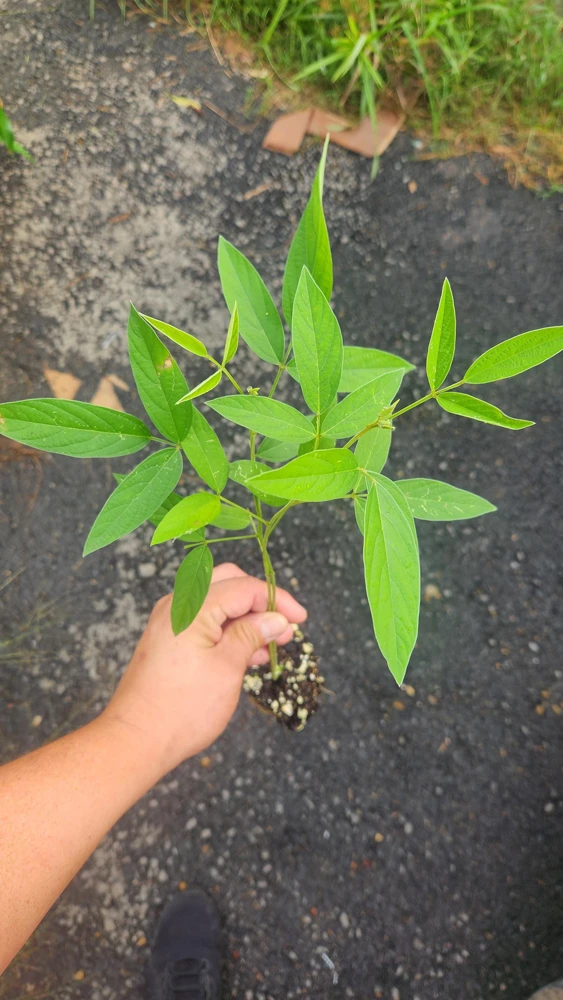
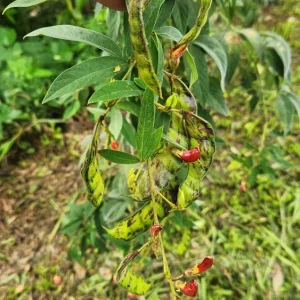
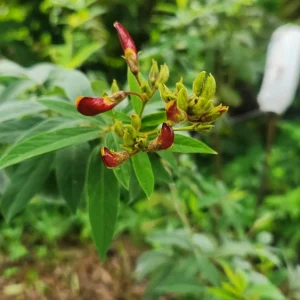
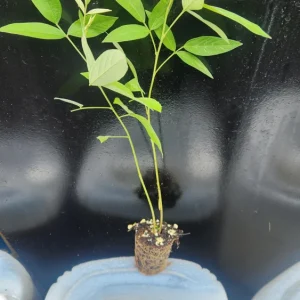
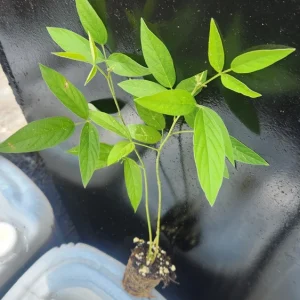
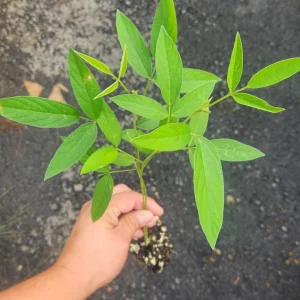
Pigeon Pea Seeds – Cajanus cajan Shrubby Legume – Tropical Edible Crop
Original price was: $116.60.$66.60Current price is: $66.60.
Cultivate your own nutritious pigeon pea seeds, a robust shrubby legume known for its edible and healthy seeds. Ideal for warm climates, this plant offers a sustainable food source and adds beauty to your garden. Easy to grow and a great choice for home gardeners.
Estimated arrival
Sep 17
Sep 22 - Sep 24
Sep 27 - Oct 01

Reasonable Price
We offer reasonable price

Support 24/7
Contact us 24 hrs a day

100% Money Back
You've 30 days to Return

Payment Secure
100% secure payment
Overview
Discover the joy of growing your own pigeon pea seeds, also known by its botanical name Cajanus cajan. This remarkable shrubby legume is a staple in many tropical and subtropical regions, cherished for its highly nutritious and versatile seeds. Often referred to as Gandules, this plant offers a sustainable and healthy food source directly from your garden. With a history of cultivation spanning over three millennia, the pigeon pea has adapted to various environments, making it a resilient and rewarding crop for home gardeners. Whether you’re looking to enhance your culinary repertoire with fresh, healthy legumes or seeking a nitrogen-fixing plant to improve your garden soil, these pigeon pea seeds are an excellent choice. They produce a medium-sized shrub with attractive trifoliolate leaves, adding a touch of lush greenery before yielding abundant pods filled with delicious peas.
The pigeon pea plant care is relatively straightforward, making it suitable for both experienced gardeners and those new to growing legumes. Originating from either Africa or India, its rich history is a testament to its value as a food crop. The seeds are a significant source of protein, dietary fiber, and essential minerals, making them a healthy addition to any diet. They are particularly popular in Latin American cuisines, where they are enjoyed in a variety of dishes. By choosing to grow pigeon pea from these high-quality seeds, you’re not only cultivating a delicious ingredient but also contributing to the biodiversity of your garden and enjoying the benefits of fresh, homegrown produce.
Key Benefits
Growing pigeon pea seeds in your garden offers a multitude of advantages, from nutritional benefits to ecological contributions. This versatile legume is more than just a food source; it’s a valuable asset to any sustainable garden:
- Nutritional Powerhouse: The seeds are packed with protein, fiber, and essential vitamins and minerals, contributing to a healthy and balanced diet. They are an excellent plant-based protein source for various culinary uses.
- Soil Improvement: As a legume, the pigeon pea plant is a natural nitrogen fixer. It enriches the soil by converting atmospheric nitrogen into a usable form, reducing the need for synthetic fertilizers for subsequent crops.
- Drought Tolerance: Once established, these plants are remarkably tolerant of dry conditions, making them a reliable crop in regions with intermittent rainfall or for water-conscious gardeners.
- Versatile Culinary Use: Fresh or dried, the peas can be used in stews, soups, salads, and traditional dishes, offering a unique flavor and texture. Explore diverse recipes from various cultures that celebrate this ingredient.
- Attractive Shrub: Beyond its edible yield, the pigeon pea plant develops into an attractive shrub with vibrant green foliage and often colorful flowers, adding ornamental value to your garden landscape.
- Sustainable Gardening: By growing your own cajanus cajan seeds, you participate in sustainable food practices, reducing your carbon footprint and ensuring a fresh supply of produce.
- Erosion Control: The robust root system of the pigeon pea can help prevent soil erosion, especially on sloped areas, making it a beneficial cover crop.
Plant Care & Growing Tips
To successfully grow pigeon pea from pigeon pea seeds, understanding their basic care requirements is crucial. These plants thrive in warm climates and are relatively low-maintenance once established. For optimal growth, choose a location in your garden that receives full sun, meaning at least 6-8 hours of direct sunlight per day. Adequate sunlight is essential for flowering and pod production. While pigeon peas can tolerate a range of soil types, they prefer well-draining soil with a slightly acidic to neutral pH (6.0-7.0). Amend heavy clay soils with organic matter to improve drainage and aeration, or add sand to lighten them. A good soil structure is key for healthy root development and overall plant vigor.
Watering should be consistent during the initial growth stages, ensuring the soil remains moist but not waterlogged. Once the plants are established and mature, they become quite drought-tolerant, requiring less frequent watering. However, during flowering and pod development, regular watering will contribute to a more abundant harvest. Fertilization is generally minimal due to the pigeon pea’s nitrogen-fixing capabilities. A balanced, slow-release fertilizer can be applied at planting, but avoid excessive nitrogen, which can promote leafy growth at the expense of pea production. Monitor your plants for common pests like aphids or pod borers, and address any issues with organic pest control methods if necessary. The ideal temperature range for pigeon pea plant care is between 68-86°F (20-30°C), making them suitable for USDA zones 9-11 as perennials or as annuals in cooler zones where they may not survive winter frosts.
Sowing tropical legume seeds like pigeon pea should be done after the last frost date when soil temperatures have warmed up. Plant seeds about 1 inch deep and 6-12 inches apart, in rows 3-5 feet apart. Thin seedlings to 2-3 feet apart once they are a few inches tall to allow for proper air circulation and growth. Mulching around the base of the plants can help retain soil moisture, suppress weeds, and regulate soil temperature. With proper care, your pigeon pea seeds will develop into productive shrubs, yielding delicious peas for your culinary adventures. Harvesting typically begins 3-5 months after planting, depending on the variety and growing conditions.
Size & Details
The pigeon pea plant (Cajanus cajan) is a medium-sized, woody perennial shrub that can grow anywhere from 3 to 10 feet tall, depending on the variety and growing conditions. In warmer climates, it can live for several years, producing multiple harvests. When grown as an annual in cooler regions, it will typically reach a height of 3-6 feet. The seeds are typically planted directly into the garden, and plants will begin to flower approximately 2-3 months after germination, with pods developing shortly thereafter. The growth rate is moderate to fast, allowing for a relatively quick harvest of fresh peas. Each seed packet contains high-quality pigeon pea seeds ready for planting. The mature pods are green, turning brown as they dry, containing 2-9 seeds each. The plant’s bushy habit provides good ground cover and can be an attractive addition to edible landscapes. Expect your plants to start producing peas within 90 to 150 days from sowing, with peak production often occurring in the late summer or fall.
Frequently Asked Questions
- Q: How big does the pigeon pea plant get? A: The pigeon pea plant typically grows as a shrub between 3 to 10 feet tall, depending on whether it’s grown as an annual or perennial and the specific variety. It can spread several feet wide, creating a dense bush.
- Q: Is this an indoor or outdoor plant? A: Pigeon pea is primarily an outdoor plant, thriving in full sun and warm temperatures. While it can be started indoors in cooler climates, it needs to be transplanted outside to flourish and produce pods.
- Q: How much sunlight does it need? A: To successfully grow pigeon pea, it requires at least 6-8 hours of direct sunlight per day. Full sun exposure is crucial for robust growth, flowering, and abundant pod production.
- Q: Is this plant easy to care for? A: Yes, pigeon pea plant care is considered relatively easy. Once established, it is quite resilient, drought-tolerant, and requires minimal fertilization, making it a good choice for beginner gardeners.
- Q: What condition will the seeds arrive in? A: The product consists of high-quality, viable pigeon pea seeds, packaged to ensure their integrity and readiness for planting upon arrival. They will be dry and ready for sowing.
- Q: Can I use pigeon pea in cooking? A: Absolutely! Pigeon peas are a highly valued edible legume. They can be used fresh or dried in a wide array of dishes, including stews, soups, curries, and rice dishes, especially in Caribbean and Latin American cuisine.
- Q: How long until it produces peas? A: You can typically expect your pigeon pea plant to start producing pods within 3 to 5 months after planting the cajanus cajan seeds, with the first harvest ready when the pods are plump and green.
- Q: What’s the best time to plant pigeon pea seeds? A: The best time to plant tropical legume seeds like pigeon pea is in the spring or early summer, after all danger of frost has passed and soil temperatures have consistently warmed up.
- Q: Will it survive winter in my zone? A: Pigeon pea is a perennial in USDA Hardiness Zones 9-11 and warmer. In cooler zones, it is typically grown as an annual and will not survive winter frosts, but can be replanted each spring.
- Q: Is pigeon pea a good cover crop? A: Yes, pigeon pea is an excellent cover crop due to its nitrogen-fixing properties and ability to improve soil structure. It also helps in weed suppression and erosion control.
Be the first to review “Pigeon Pea Seeds – Cajanus cajan Shrubby Legume – Tropical Edible Crop”
-
USDA Hardiness Zone
USDA zones 9-11 (as perennial); Grown as annual in cooler zones -
Soil Type
Well-draining soil, slightly acidic to neutral (pH 6.0-7.0) -
Sunlight Exposure
Full sun (6-8+ hours daily) -
Expected Planting Period
Spring to early summer, after last frost
People Also Viewd


Sold 134 products
Original price was: $3,536.00.$23.99Current price is: $23.99.

Sold 131 products
Original price was: $27.00.$24.00Current price is: $24.00.

Sold 131 products
Original price was: $89.99.$64.99Current price is: $64.99.

Sold 125 products
Original price was: $86.99.$66.99Current price is: $66.99.

Flower Bulbs
3 Cranesbill Wild Geranium Organic Maculatums Bare Roots | Wildflower for Outdoor Garden
Sold 116 products
Original price was: $21.99.$9.99Current price is: $9.99.

Sold 114 products
Original price was: $28.99.$17.99Current price is: $17.99.

Sold 110 products
Original price was: $63.99.$28.99Current price is: $28.99.
Sold 108 products
Original price was: $28.99.$17.99Current price is: $17.99.RELATED posts
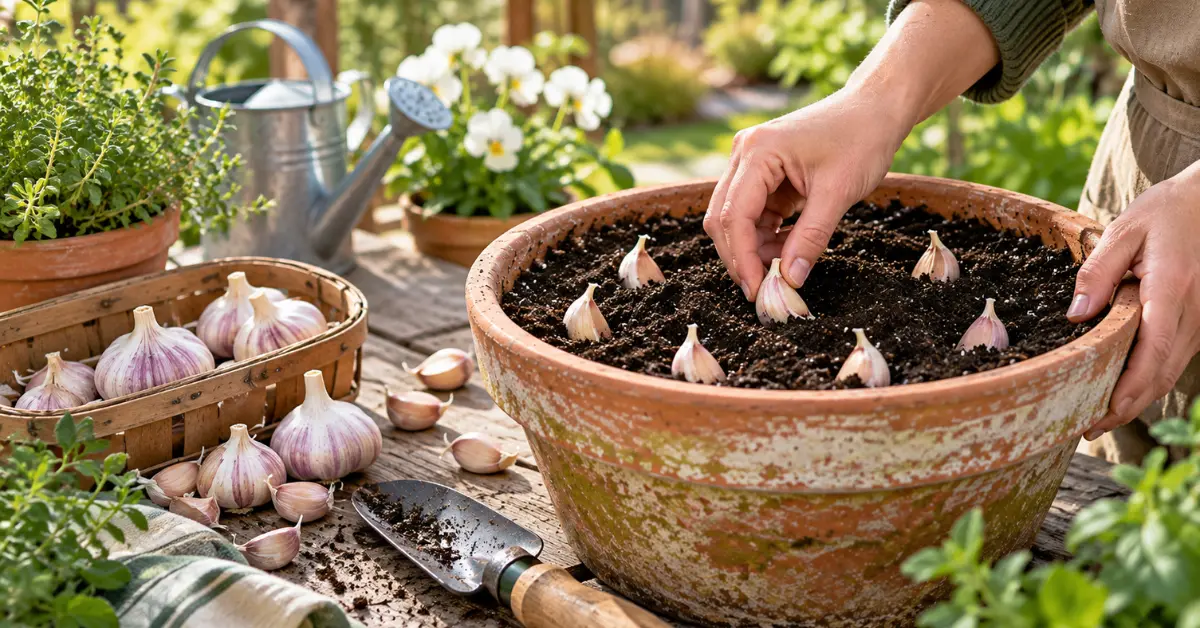
Growing Garlic in Containers This Fall: A Complete Guide for Beginners
If you’ve ever wanted to pop fresh, aromatic garlic cloves straight from your own patio [...]
Sep
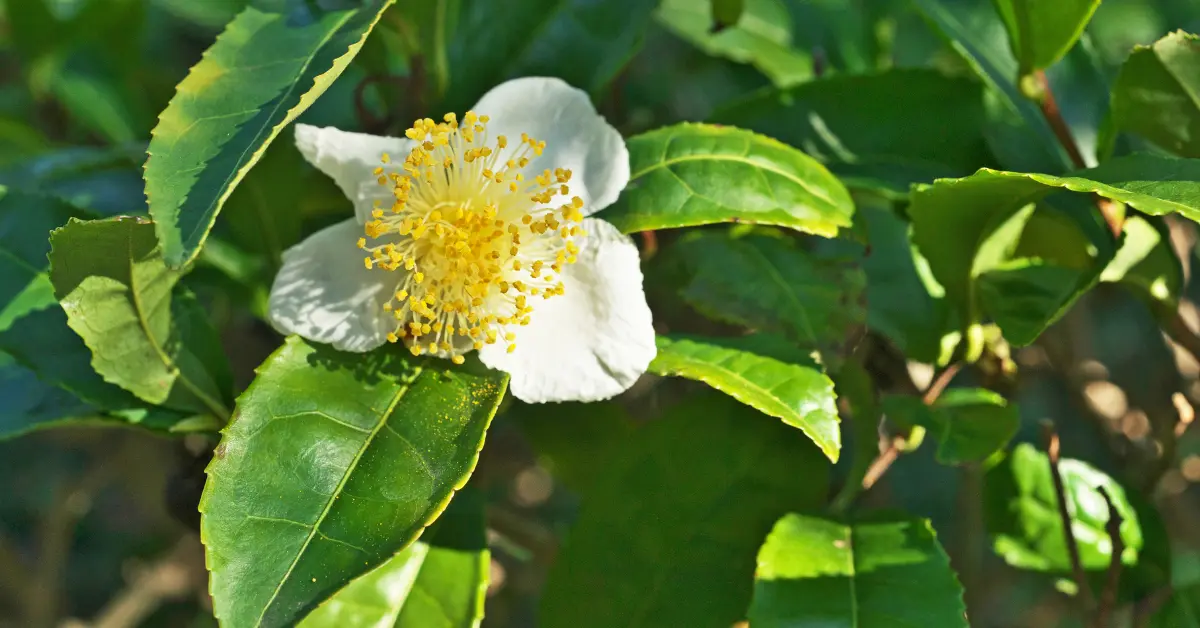
Growing Camellia Sinensis (Tea Plants) in Containers: A Complete Guide for Beginners
If you’ve ever wanted to sip a steaming, homegrown cup of fresh green, black, or [...]
Aug
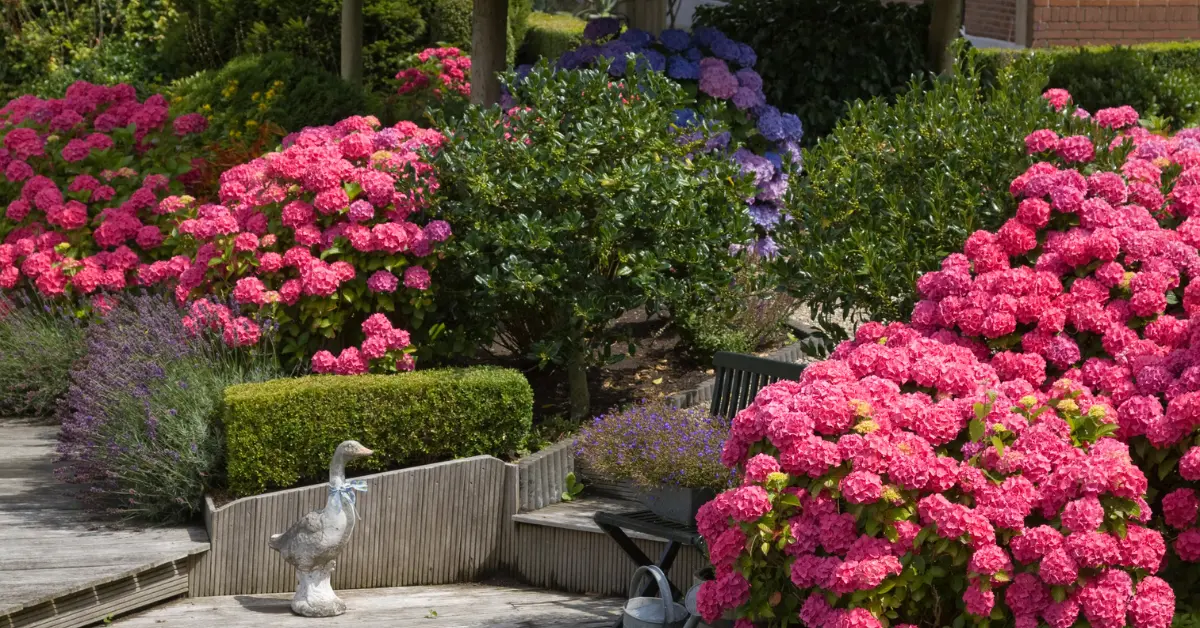
6 Best Shrubs to Plant in August You Must Try
Have you ever walked through a nursery late in the summer, admired the vibrant shrubs [...]
Aug
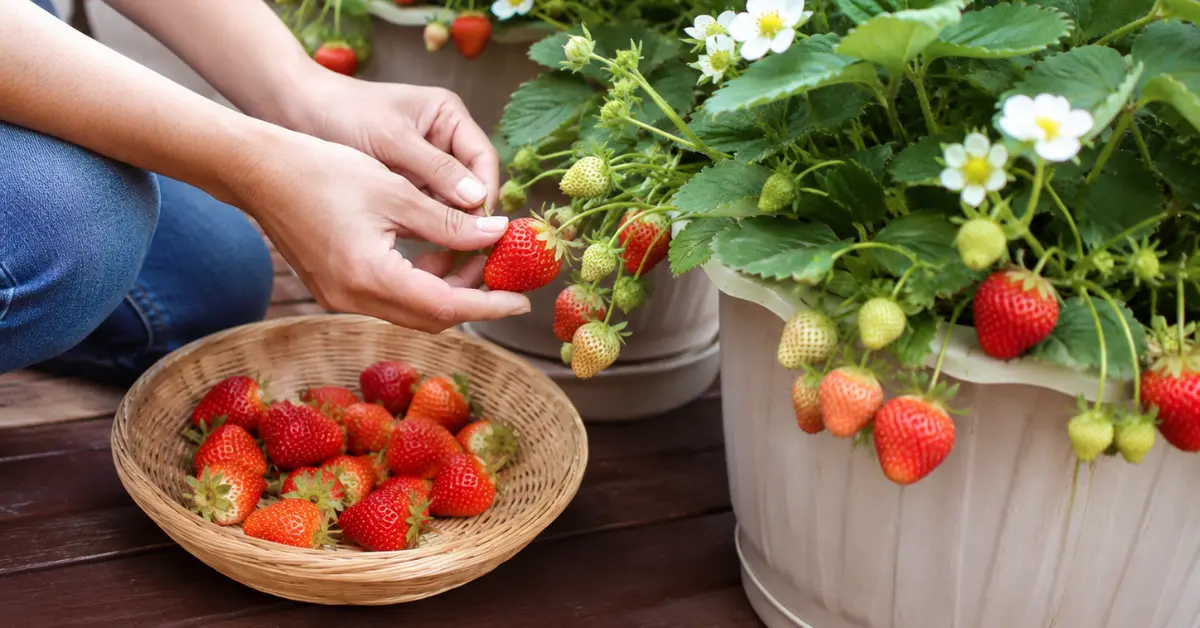
Growing Everbearing Strawberries in Containers: A Complete Guide for Beginners
Want to grow sweet, fresh strawberries but do not have a large garden? Everbearing strawberries [...]
Aug
Growing Egyptian Walking Onions in Containers: A Complete Guide for Beginners
If you’re looking for a hardy, no-fuss perennial onion that keeps on giving year after [...]
Jul
Growing Carolina Reaper Peppers in Pots: A Complete Guide for Beginners
If you’ve ever wanted to add some serious, record-breaking heat to your home cooking, you’ve [...]
May
Growing Curry Leaf Plant in Pots: A Complete Guide for Beginners
If you’re a fan of authentic South Asian cuisine, you already know that nothing compares [...]
May
5 Tips for Growing Carolina Reaper Peppers to Get the Spiciest Harvest Ever
Holding the record for one of the world’s hottest peppers, the Reaper isn’t just a [...]
May
Reviews
There are no reviews yet.