
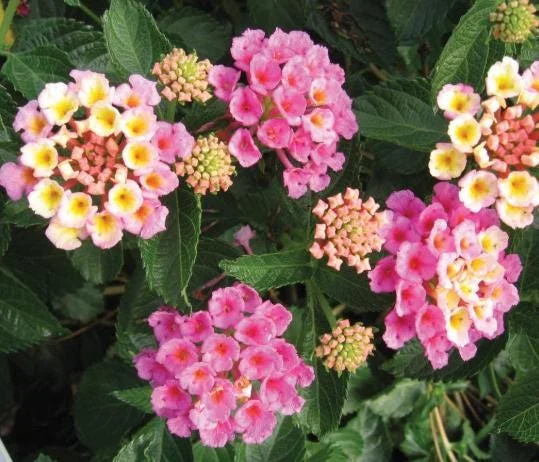
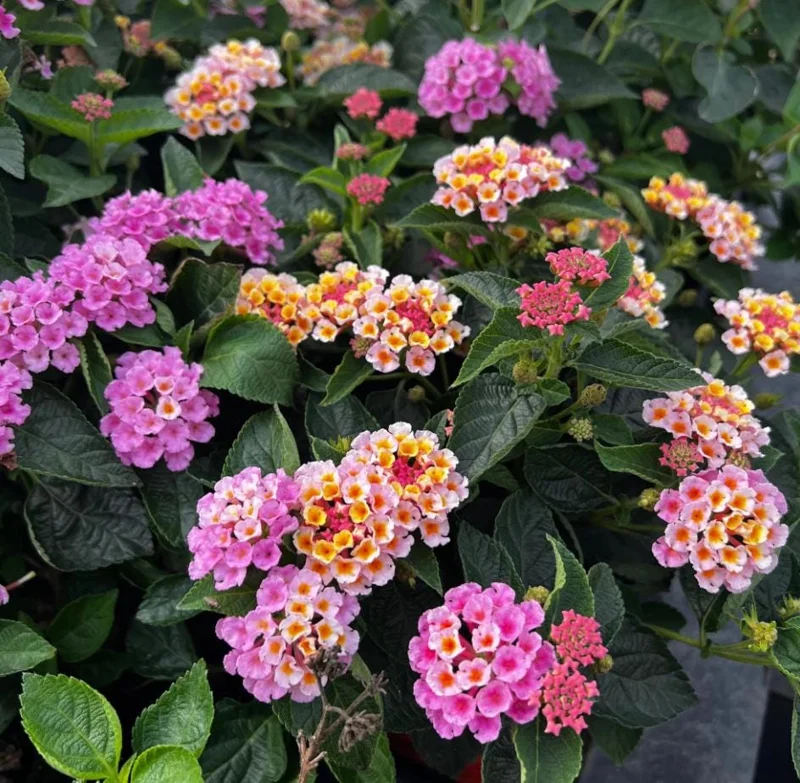
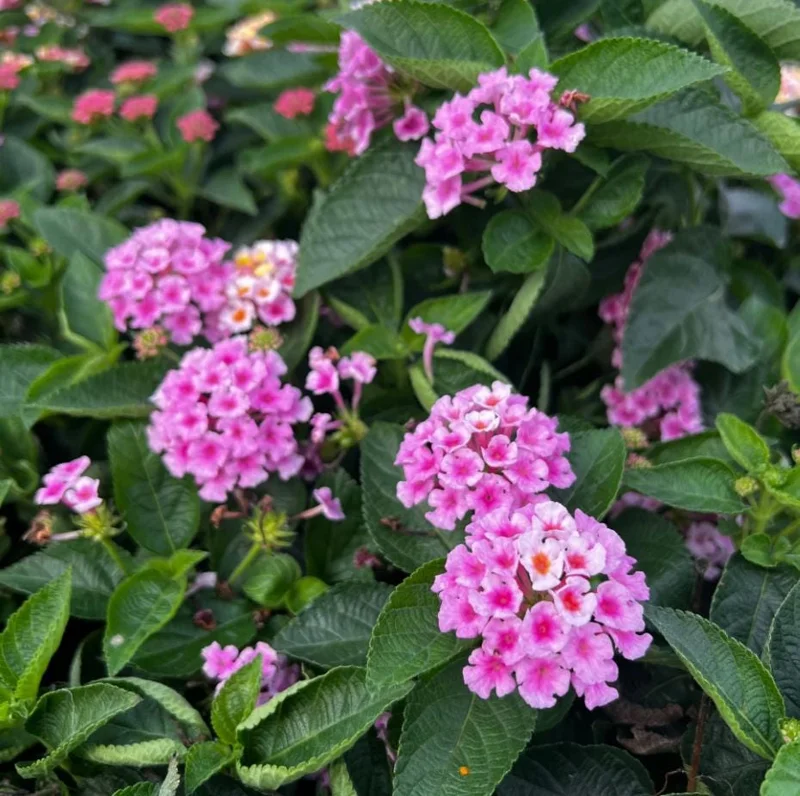
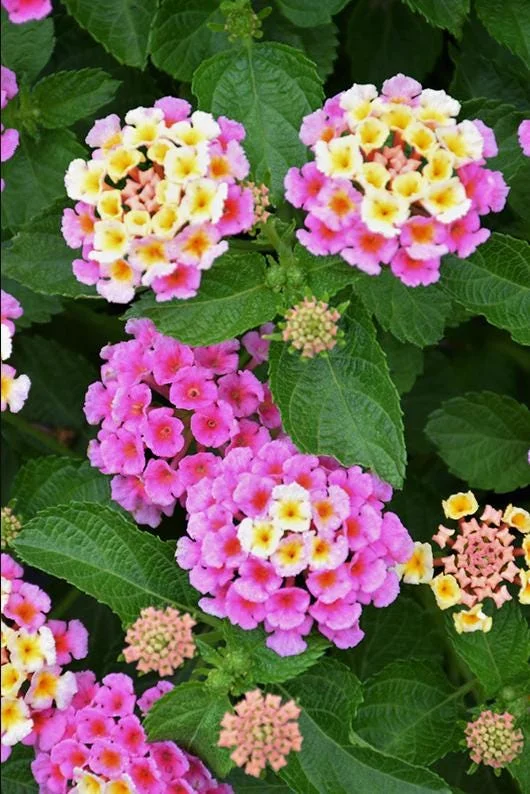
Pink Lantana Live Plant 4-6 Inch Tall – Fragrant Perennial Flowers for Garden
Original price was: $45.99.$13.49Current price is: $13.49.
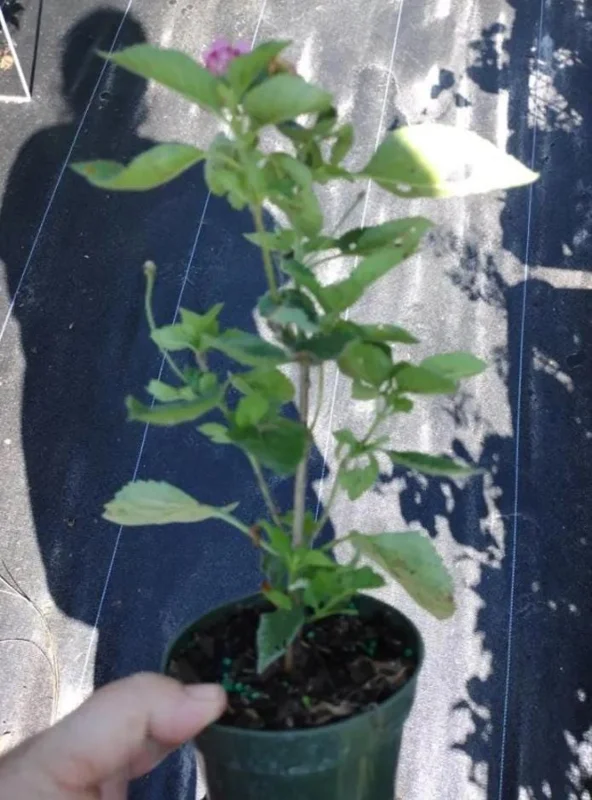
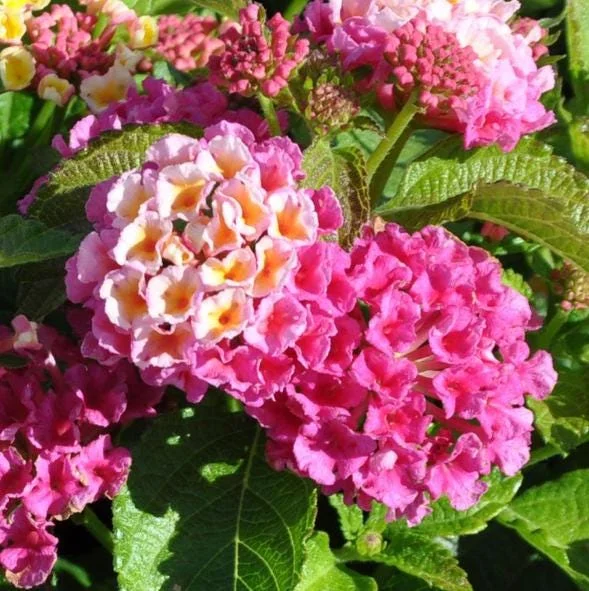
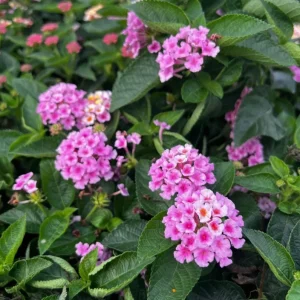
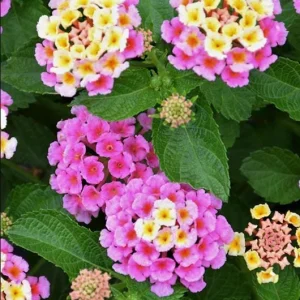
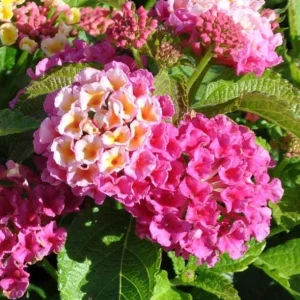
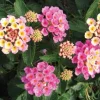
Bring vibrant color and fragrance to your garden with this pink lantana live plant. Known for its heat tolerance and beautiful clusters of fragrant lantana flowers, this perennial plant is perfect for adding long-lasting blooms from spring to fall. Standing 4 to 6 inches tall, it’s an ideal choice for home gardens seeking a low-maintenance, attractive flowering shrub.
Estimated arrival
Oct 22
Oct 27 - Oct 29
Nov 01 - Nov 05

Reasonable Price
We offer reasonable price

Support 24/7
Contact us 24 hrs a day

100% Money Back
You've 30 days to Return

Payment Secure
100% secure payment
Overview
Introduce a splash of vibrant color and delightful fragrance to your outdoor space with the stunning pink lantana live plant. This resilient and beautiful flowering shrub is a must-have for any gardener looking to create a dynamic and long-lasting display. Lantana camara, commonly known as Lantana, is celebrated for its continuous clusters of small, brightly colored blooms that often feature a captivating mix of pinks, yellows, and soft pastels within a single cluster. This particular variety showcases charming pink hues, ensuring a cheerful and inviting atmosphere in your garden. As a heat-loving perennial, it thrives in warm climates and provides consistent beauty from spring all the way through fall, making it an excellent choice for extended seasonal interest. The plant arrives as a young, actively growing specimen, ready to be transplanted into your garden or a decorative container, promising to establish quickly and begin its impressive floral show.
The textured green foliage of the pink lantana live plant provides a lush backdrop to its prolific blooms, and you might even notice a subtle, refreshing citrus scent emanating from its leaves, adding another layer of sensory appeal. This robust plant is not only a visual delight but also a magnet for pollinators like butterflies and hummingbirds, turning your garden into a lively sanctuary. Whether you’re an experienced gardener or just starting, this easy-to-grow plant offers a rewarding experience with minimal fuss, ensuring a spectacular floral show year after year in suitable climates. Its ability to tolerate various conditions makes it a versatile addition to borders, rock gardens, or simply as a standalone feature.
Key Benefits
The pink lantana live plant offers a multitude of benefits, making it a highly desirable addition to any landscape. Its vibrant blooms and hardy nature contribute significantly to garden aesthetics and ecological balance.
- Extended Blooming Season: Enjoy a continuous display of beautiful fragrant lantana flowers from spring through fall. This prolonged blooming period ensures your garden remains colorful and lively for many months, providing consistent visual interest.
- Attracts Pollinators: The nectar-rich flowers are a favorite among butterflies, bees, and hummingbirds, helping to boost biodiversity in your garden and support local ecosystems. Watching these creatures interact with your plants adds a dynamic element to your outdoor space.
- Heat and Drought Tolerant: This perennial lantana is exceptionally resilient, thriving in hot, sunny conditions and tolerating periods of drought once established, making it a low-maintenance choice for arid or warm climates.
- Low Maintenance: Once planted, the pink lantana live plant requires minimal care, making it perfect for busy gardeners. It’s generally pest-resistant and doesn’t demand constant attention, allowing you more time to simply enjoy its beauty.
- Versatile Landscaping Use: Ideal for borders, ground cover, container gardening, or as a vibrant accent plant. Its adaptability allows it to fit into various garden designs and styles, enhancing any outdoor area.
- Deer Resistant: Lantana is generally unappealing to deer, offering a natural deterrent that helps protect your garden from common browsing damage, a significant advantage in areas where deer are prevalent.
- Pleasant Aroma: The plant’s foliage emits a subtle, slightly citrusy fragrance, adding an appealing sensory dimension to your garden, especially when brushed against or after rain.
Plant Care & Growing Tips
Caring for your pink lantana live plant is straightforward, ensuring a bountiful display of fragrant lantana flowers with minimal effort. This resilient plant is known for its hardiness and ability to thrive in challenging conditions, making it an excellent choice for both novice and experienced gardeners. For optimal growth, ensure it receives full sun exposure for at least six hours a day. While it can tolerate partial shade, abundant flowering is best achieved with ample sunlight. In extremely hot climates, some afternoon shade can be beneficial to prevent scorching.
When it comes to watering, the heat loving lantana prefers well-draining soil and is quite drought-tolerant once established. Water moderately when the plant is young, allowing the top inch or two of soil to dry out completely between waterings. Overwatering can lead to root rot, so it’s crucial to avoid soggy conditions. Established plants will require less frequent watering, especially during cooler periods. The ideal soil type is well-draining, and it can tolerate poor or sandy soils, which is a testament to its adaptability. A slightly acidic to neutral pH is generally preferred. Fertilization is not heavily required; a balanced, slow-release fertilizer in early spring can encourage more vigorous growth and blooming, but avoid over-fertilizing as this can promote foliage over flowers. Pruning is beneficial to maintain shape and encourage new blooms; deadhead spent flowers regularly to stimulate continuous flowering. This practice also prevents the plant from producing berries, which, while attractive, are toxic if ingested.
The perennial lantana thrives in USDA Zones 8 to 11, where it will return year after year. In colder zones, it can be grown as an annual or brought indoors during winter. Ideal temperatures range between 60°F and 100°F. Watch out for common pests like whiteflies or spider mites, especially in dry conditions; these can usually be managed with insecticidal soap. Providing good air circulation and appropriate watering practices will help prevent fungal issues. Regular inspection of the foliage will help catch any problems early, ensuring your lantana plant care routine keeps your plant healthy and blooming profusely.
Size & Details
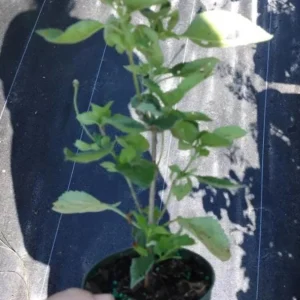
This pink lantana live plant arrives as a young, healthy specimen, typically standing 4 to 6 inches tall at the time of shipment. It is carefully prepared for transit without a pot, ensuring a smooth transition to your garden or chosen container. Lantana is a fast-growing shrub, and with proper care, it can quickly establish itself and begin to fill out, reaching a mature size of 2 to 6 feet in height and spread, depending on the growing conditions and variety. The plant will develop beautiful rounded clusters of flowers, providing a consistent display throughout its blooming season. Upon arrival, it’s recommended to plant it promptly in well-draining soil to encourage robust root development.
Expect vibrant growth and the first flush of characteristic fragrant lantana flowers within the first growing season. The plant’s vigorous nature means it will quickly become a prominent and attractive feature in your garden. Its dense growth habit makes it an excellent choice for creating low hedges, ground cover, or adding structure to mixed beds. Each plant is selected to ensure vitality and readiness for planting, offering a strong foundation for a thriving and beautiful addition to your landscape. The lack of a pot reduces shipping weight and allows for easier planting directly into your desired location, whether that’s a garden bed or a larger decorative planter.
Frequently Asked Questions
- Q: How big does this pink lantana live plant get? A: This pink lantana live plant typically grows to a mature height and spread of 2 to 6 feet, depending on the specific variety, growing conditions, and whether it’s pruned. It arrives 4 to 6 inches tall and will grow rapidly once established.
- Q: Is this an indoor or outdoor plant? A: Lantana is primarily an outdoor plant, thriving in full sun and warm temperatures. In USDA Zones 8-11, it is a perennial. In colder zones, it can be grown as an annual or overwintered indoors as a potted plant.
- Q: How much sunlight does this heat loving lantana need? A: For the best blooming and healthiest growth, the pink lantana live plant requires full sun, meaning at least 6 hours of direct sunlight per day. It can tolerate partial shade, but flowering may be reduced.
- Q: Is this plant easy to care for? A: Yes, lantana is considered a very easy-to-care-for plant. It’s known for its drought tolerance once established and generally requires minimal maintenance, making it suitable for beginners and busy gardeners alike.
- Q: What condition will the perennial lantana arrive in? A: The plant will arrive as a live, actively growing specimen, typically 4 to 6 inches tall, without a pot. It will be carefully packaged to ensure its health during transit, ready for immediate planting.
- Q: How long until it blooms? A: With proper care and adequate sunlight, your pink lantana live plant should begin to produce its beautiful fragrant lantana flowers within its first growing season, often just a few weeks after planting.
- Q: What’s the minimum temperature this lantana can tolerate? A: Lantana thrives in temperatures between 60°F and 100°F. As a perennial, it can tolerate winter temperatures down to about 10-20°F in USDA Zones 8-11. In colder zones, it will not survive outdoor winter conditions.
- Q: Does this plant attract butterflies? A: Absolutely! The vibrant and nectar-rich flowers of the pink lantana live plant are a strong magnet for butterflies, hummingbirds, and other beneficial pollinators, making your garden a lively spot.
- Q: What kind of soil is best for lantana plant care? A: Lantana prefers well-draining soil. It is quite adaptable and can tolerate poor or sandy soil conditions, but it will not thrive in heavy, waterlogged soils.
- Q: Is this plant deer resistant? A: Yes, lantana is generally considered deer resistant. Deer tend to avoid eating lantana due to its slightly rough foliage and distinct scent, making it a good choice for gardens in areas with deer populations.
Be the first to review “Pink Lantana Live Plant 4-6 Inch Tall – Fragrant Perennial Flowers for Garden”
-
USDA Hardiness Zone
USDA Zones 8 to 11 -
Soil Type
Well-draining soil, tolerates poor or sandy soil -
Sunlight Exposure
Full sun to partial shade -
Expected Planting Period
Spring to fall blooming
People Also Viewd


Sold 134 products
Original price was: $3,536.00.$23.99Current price is: $23.99.

Sold 132 products
Original price was: $27.00.$24.00Current price is: $24.00.

Sold 132 products
Original price was: $89.99.$64.99Current price is: $64.99.

Sold 125 products
Original price was: $86.99.$66.99Current price is: $66.99.

Flower Bulbs
3 Cranesbill Wild Geranium Organic Maculatums Bare Roots | Wildflower for Outdoor Garden
Sold 116 products
Original price was: $21.99.$9.99Current price is: $9.99.

Sold 114 products
Original price was: $28.99.$17.99Current price is: $17.99.
Sold 110 products
Original price was: $63.99.$28.99Current price is: $28.99.
Sold 108 products
Original price was: $28.99.$17.99Current price is: $17.99.RELATED posts
How to Grow Arbequina Olive Trees: The Ultimate Guide to Your Own Olive Grove
Arbequina Olive Tree (Olea europaea ‘Arbequina’) – the ultimate Mediterranean plant that brings a touch [...]
Oct
Growing Garlic in Containers This Fall: A Complete Guide for Beginners
If you’ve ever wanted to pop fresh, aromatic garlic cloves straight from your own patio [...]
Sep
Growing Camellia Sinensis (Tea Plants) in Containers: A Complete Guide for Beginners
If you’ve ever wanted to sip a steaming, homegrown cup of fresh green, black, or [...]
Aug
6 Best Shrubs to Plant in August You Must Try
Have you ever walked through a nursery late in the summer, admired the vibrant shrubs [...]
Aug
Growing Everbearing Strawberries in Containers: A Complete Guide for Beginners
Want to grow sweet, fresh strawberries but do not have a large garden? Everbearing strawberries [...]
Aug
Growing Egyptian Walking Onions in Containers: A Complete Guide for Beginners
If you’re looking for a hardy, no-fuss perennial onion that keeps on giving year after [...]
Jul
Growing Carolina Reaper Peppers in Pots: A Complete Guide for Beginners
If you’ve ever wanted to add some serious, record-breaking heat to your home cooking, you’ve [...]
May
Growing Curry Leaf Plant in Pots: A Complete Guide for Beginners
If you’re a fan of authentic South Asian cuisine, you already know that nothing compares [...]
May
Reviews
There are no reviews yet.