
Pomegranate Tree Cuttings – 7 Live 6-inch Fruit Plant Cuttings – Punica Granatum
Original price was: $52.44.$18.99Current price is: $18.99.
Start your own fruit tree orchard with these pomegranate tree cuttings. You receive 7 live 6-inch cuttings of Punica Granatum, ready for rooting and planting. Grow your own delicious pomegranate fruit tree for fresh produce or ornamental beauty.
Estimated arrival
Oct 16
Oct 21 - Oct 23
Oct 26 - Oct 30

Reasonable Price
We offer reasonable price

Support 24/7
Contact us 24 hrs a day

100% Money Back
You've 30 days to Return

Payment Secure
100% secure payment
Overview
Embark on a rewarding gardening journey with these high-quality pomegranate tree cuttings. This offering includes 7 robust live cuttings, each measuring approximately 6 inches in length, derived from the esteemed Punica Granatum species. Perfect for both novice and experienced gardeners, these cuttings provide an excellent opportunity to establish your own fruit-bearing pomegranate trees. Growing pomegranates from cuttings is a cost-effective and efficient method to propagate this ancient and beloved fruit. Our cuttings are carefully selected to ensure viability, setting you up for success in cultivating your very own supply of juicy, antioxidant-rich pomegranates right in your backyard or garden.
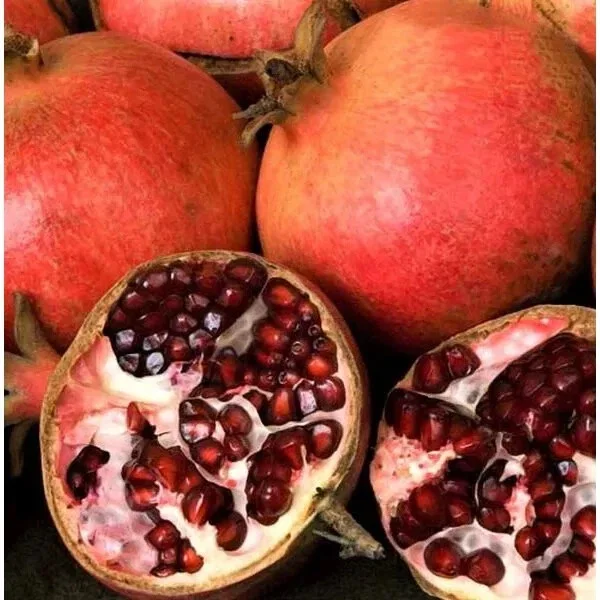
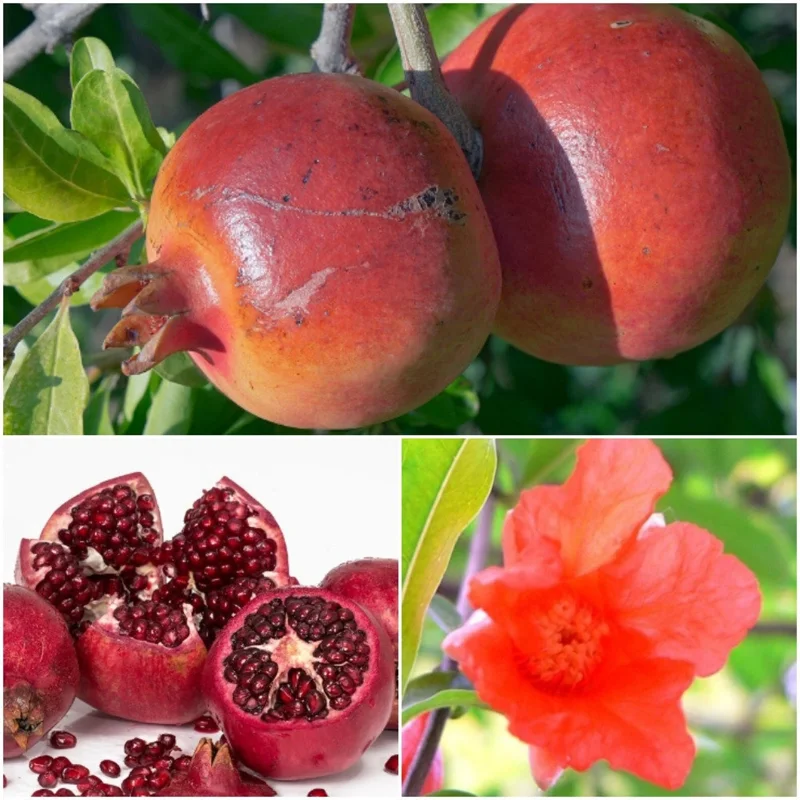
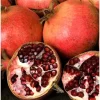
The pomegranate, scientifically known as Punica Granatum, is a deciduous shrub or small tree renowned for its vibrant red fruits, distinctive leathery skin, and jewel-like arils. Originating from the Middle East, it has been cultivated for thousands of years for its culinary, medicinal, and ornamental value. These live pomegranate plants, in their cutting form, offer a direct path to growing these magnificent specimens, allowing you to enjoy fresh fruit, beautiful blossoms, and attractive foliage. Whether you’re looking to expand your edible landscape or add a touch of exotic beauty, these cuttings are an ideal starting point.
Propagating pomegranate tree cuttings allows you to replicate the characteristics of a parent plant, ensuring you grow a variety with desirable fruit quality. This bundle of 7 cuttings provides ample opportunity to experiment with different rooting methods and ensures you have multiple chances for successful establishment. Imagine harvesting your own sweet and tangy pomegranates, knowing you nurtured them from these very cuttings. It’s an experience that connects you directly to nature’s bounty.
Key Benefits
Cultivating your own pomegranate trees from these cuttings offers a multitude of advantages, enriching your garden and lifestyle. These pomegranate tree cuttings are a fantastic way to introduce a resilient and productive fruit tree to your landscape.
- Fresh, Homegrown Fruit: Enjoy the unparalleled taste and nutritional benefits of fresh pomegranates straight from your own garden. Control the growing conditions and avoid pesticides often used in commercial farming.
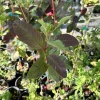
- Ornamental Appeal: Beyond their delicious fruit, pomegranate trees boast attractive glossy green leaves, vibrant orange-red flowers, and a beautiful growth habit, making them a stunning addition to any landscape.
- Cost-Effective Propagation: Starting with Punica Granatum cuttings is a much more economical way to acquire multiple pomegranate trees compared to purchasing mature plants, allowing you to establish a small orchard affordably.
- High Antioxidant Content: Pomegranates are celebrated for their high levels of antioxidants, vitamins, and minerals, contributing to a healthy diet and offering various wellness benefits.
- Drought Tolerance: Once established, pomegranate plants are remarkably drought-tolerant, making them a sustainable choice for many climates and reducing the need for excessive watering.
- Versatile Use: The fruit can be enjoyed fresh, juiced, or used in a variety of culinary applications, from salads to desserts. The beautiful flowers also attract pollinators to your garden.
- Rewarding Gardening Experience: There’s immense satisfaction in nurturing a pomegranate fruit tree from a simple cutting to a mature, fruit-bearing specimen.
Plant Care & Growing Tips
Successfully rooting and growing your pomegranate tree cuttings requires attention to a few key environmental factors. Pomegranates thrive in warm, sunny conditions. For optimal growth and fruit production, your established plants will need at least 6-8 hours of direct sunlight per day. If you’re rooting them indoors, place them in a bright location or under grow lights. Once they are established and planted outdoors, ensure they have an open, sunny spot away from competing shade.
When it comes to watering, consistency is crucial during the rooting and establishment phase. Keep the soil consistently moist but never waterlogged. Overwatering can lead to rot. Once your live pomegranate plants are established in the ground, they become quite drought-tolerant, but regular watering during dry spells will encourage better fruit development. For soil, pomegranates are adaptable but prefer well-draining soil. A sandy loam with a pH between 5.5 and 7.0 is ideal. Incorporating organic matter can improve soil structure and fertility. These Punica Granatum cuttings will benefit from a good start in a suitable medium.
Pomegranates are generally hardy in USDA Zones 7-10, though some varieties can tolerate colder temperatures. Protect young plants from frost. Fertilize young plants sparingly, perhaps once in spring with a balanced slow-release fertilizer. As the plants mature, you can increase fertilization to support fruit production. Pruning is essential for shaping the tree, encouraging new growth, and improving fruit yield. Remove suckers from the base and thin out crowded branches. Watch out for common pests like aphids or whiteflies, which can usually be managed with organic insecticidal soaps. With proper care, your pomegranate fruit tree will flourish.
Size & Details
This offering includes 7 individual pomegranate tree cuttings, each carefully selected and prepared for propagation. Each cutting measures approximately 6 inches in length, providing ample stem for successful rooting. These are unrooted cuttings, meaning they do not yet have established root systems and will require your care to develop them. The cuttings are typically shipped without leaves to minimize transplant shock and encourage root development upon arrival. With proper care, these cuttings can develop into mature live pomegranate plants capable of producing fruit within 2-3 years, depending on growing conditions and climate.
The growth rate of a pomegranate fruit tree from a cutting can vary, but generally, you can expect noticeable growth within the first year after successful rooting. Mature pomegranate trees can reach heights of 10-20 feet and a similar spread, though they can be kept smaller with regular pruning, making them suitable for various garden sizes and even large containers. These Punica Granatum cuttings offer the potential for a long-lived and productive addition to your garden, providing fresh fruit for many seasons to come.
Frequently Asked Questions
- Q: How do I root these pomegranate tree cuttings? A: There are several methods, including rooting in water, moist perlite, or a well-draining potting mix. Using a rooting hormone can significantly increase success rates. Keep the environment warm and humid for best results.
- Q: What size pot should I use for initial rooting? A: For initial rooting, a 4-6 inch pot filled with a sterile, well-draining medium like perlite or a sand-peat mix is suitable. Once rooted, they can be transplanted to larger containers or directly into the ground.
- Q: Is this an indoor or outdoor plant? A: While live pomegranate plants thrive outdoors in suitable climates (USDA Zones 7-10), young cuttings can be rooted indoors. Mature plants can also be grown in large containers and brought indoors during winter in colder regions.
- Q: How much sunlight does a pomegranate tree need? A: Pomegranate trees require full sun, meaning at least 6-8 hours of direct sunlight daily, to produce the best fruit. Ensure your established pomegranate fruit tree has ample light.
- Q: Are these cuttings from a specific pomegranate variety? A: The specific variety of these Punica Granatum cuttings is unknown, but they are selected for their strong growth potential and fruit-bearing characteristics.
- Q: When is the best time to plant these cuttings? A: While cuttings can be rooted year-round indoors, the ideal time to establish them outdoors is in spring after the last frost, allowing them a full growing season to establish.
- Q: How long until these cuttings produce fruit? A: With proper care, a pomegranate fruit tree grown from a cutting can start producing fruit in as little as 2-3 years, with yields increasing as the tree matures.
- Q: Are pomegranates self-pollinating? A: Yes, most pomegranate varieties are self-pollinating, meaning a single tree can produce fruit. However, having multiple trees or attracting pollinators can improve fruit set.
- Q: What condition will the pomegranate tree cuttings arrive in? A: Your pomegranate tree cuttings will arrive fresh and ready for propagation, typically without leaves to encourage root development and minimize stress during transit.
- Q: Can I grow a pomegranate tree in a container? A: Yes, pomegranates are excellent for container growing, especially compact or dwarf varieties. Choose a large pot (at least 15-20 gallons) and ensure good drainage for your live pomegranate plants.
Be the first to review “Pomegranate Tree Cuttings – 7 Live 6-inch Fruit Plant Cuttings – Punica Granatum”
-
USDA Hardiness Zone
USDA zones 7-10 (for established plants) -
Soil Type
Well-draining sandy loam -
Sunlight Exposure
Full sun (6-8 hours direct light) -
Expected Planting Period
Spring to early summer (for outdoor planting)
People Also Viewd


Sold 134 products
Original price was: $3,536.00.$23.99Current price is: $23.99.

Sold 132 products
Original price was: $27.00.$24.00Current price is: $24.00.

Sold 132 products
Original price was: $89.99.$64.99Current price is: $64.99.

Sold 125 products
Original price was: $86.99.$66.99Current price is: $66.99.

Flower Bulbs
3 Cranesbill Wild Geranium Organic Maculatums Bare Roots | Wildflower for Outdoor Garden
Sold 116 products
Original price was: $21.99.$9.99Current price is: $9.99.

Sold 114 products
Original price was: $28.99.$17.99Current price is: $17.99.
Sold 110 products
Original price was: $63.99.$28.99Current price is: $28.99.
Sold 108 products
Original price was: $28.99.$17.99Current price is: $17.99.RELATED posts
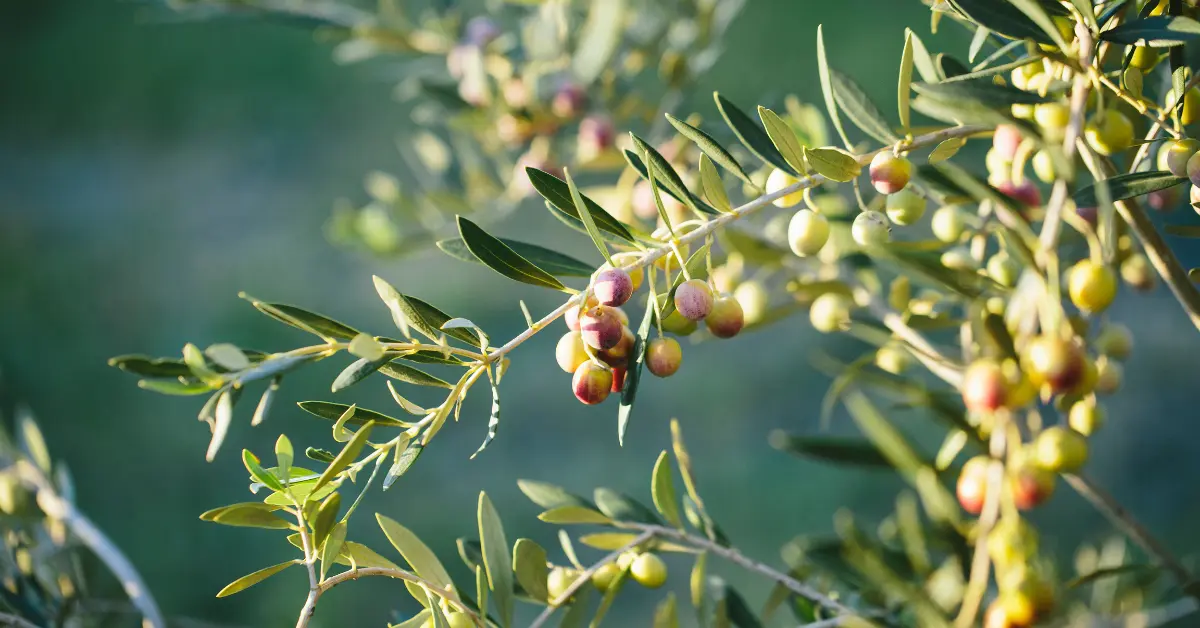
How to Grow Arbequina Olive Trees: The Ultimate Guide to Your Own Olive Grove
Arbequina Olive Tree (Olea europaea ‘Arbequina’) – the ultimate Mediterranean plant that brings a touch [...]
Oct
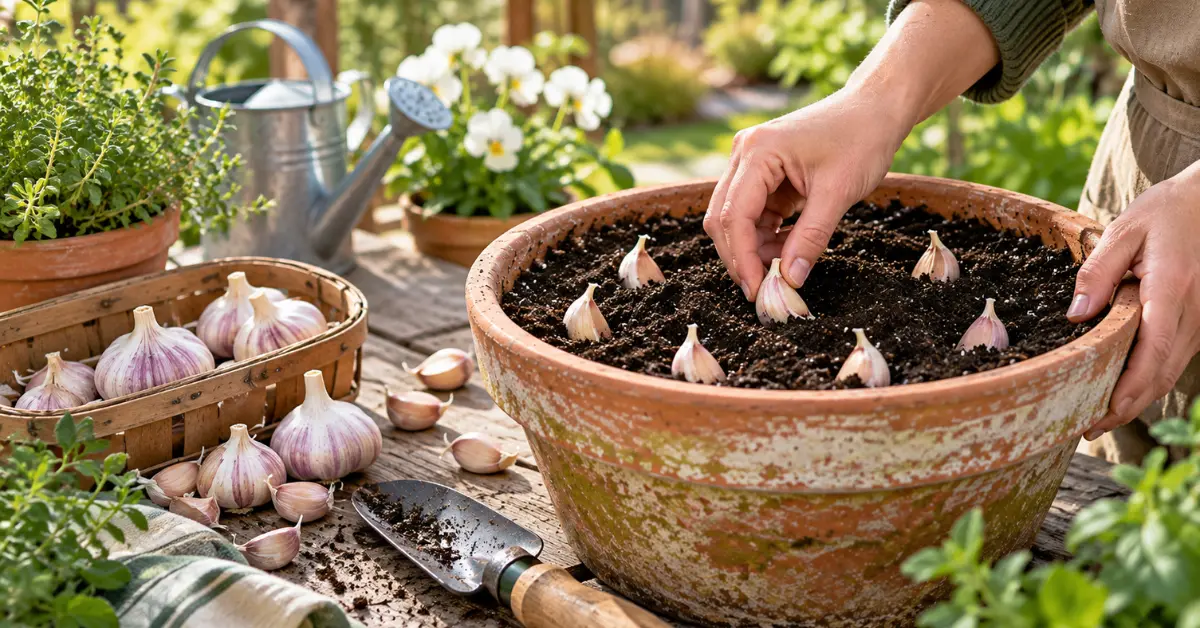
Growing Garlic in Containers This Fall: A Complete Guide for Beginners
If you’ve ever wanted to pop fresh, aromatic garlic cloves straight from your own patio [...]
Sep
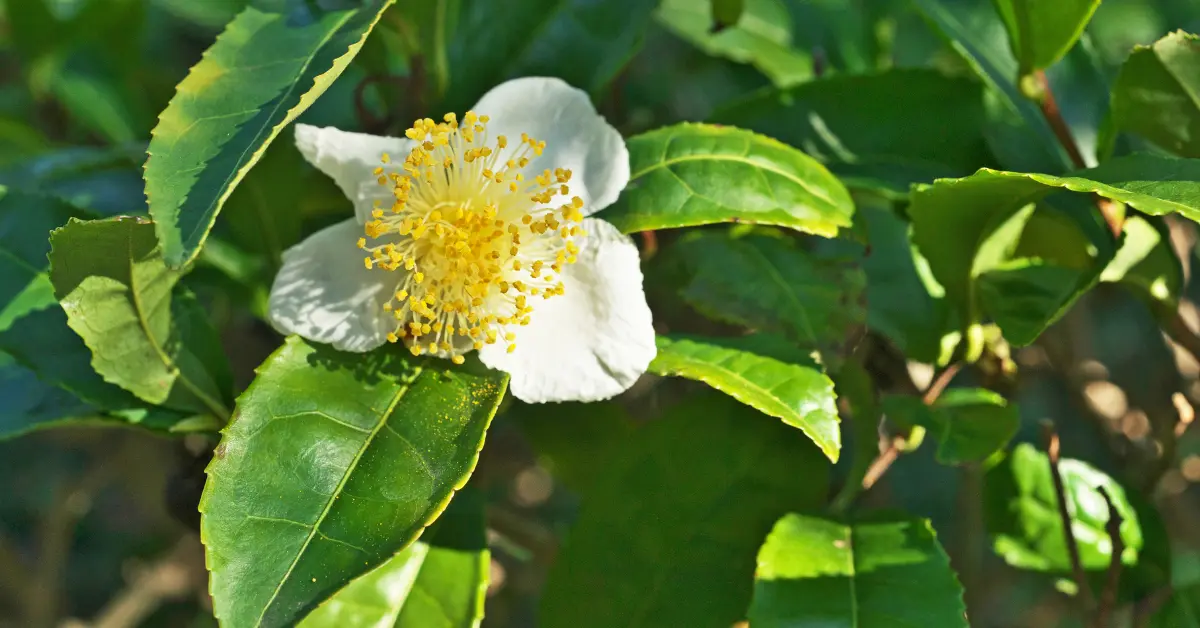
Growing Camellia Sinensis (Tea Plants) in Containers: A Complete Guide for Beginners
If you’ve ever wanted to sip a steaming, homegrown cup of fresh green, black, or [...]
Aug
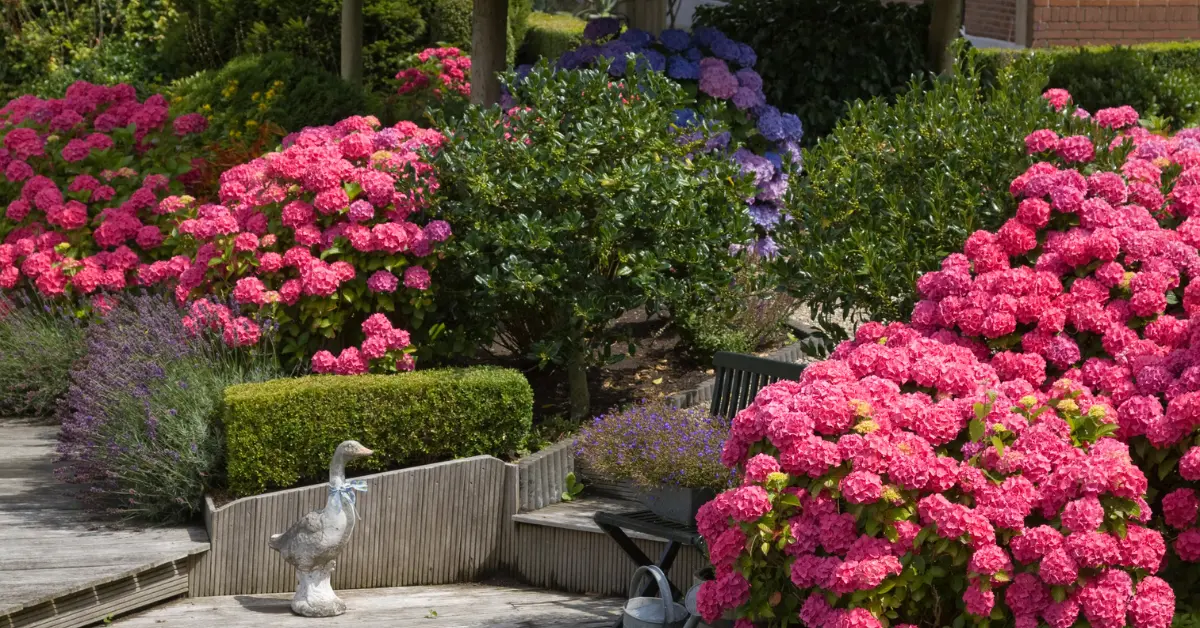
6 Best Shrubs to Plant in August You Must Try
Have you ever walked through a nursery late in the summer, admired the vibrant shrubs [...]
Aug
Growing Everbearing Strawberries in Containers: A Complete Guide for Beginners
Want to grow sweet, fresh strawberries but do not have a large garden? Everbearing strawberries [...]
Aug
Growing Egyptian Walking Onions in Containers: A Complete Guide for Beginners
If you’re looking for a hardy, no-fuss perennial onion that keeps on giving year after [...]
Jul
Growing Carolina Reaper Peppers in Pots: A Complete Guide for Beginners
If you’ve ever wanted to add some serious, record-breaking heat to your home cooking, you’ve [...]
May
Growing Curry Leaf Plant in Pots: A Complete Guide for Beginners
If you’re a fan of authentic South Asian cuisine, you already know that nothing compares [...]
May

Reviews
There are no reviews yet.