
Purple Lilac Live Plant, 5-10 Inches Tall, 1 Gallon Pot, Fragrant Outdoor Shrub
Original price was: $53.99.$33.99Current price is: $33.99.
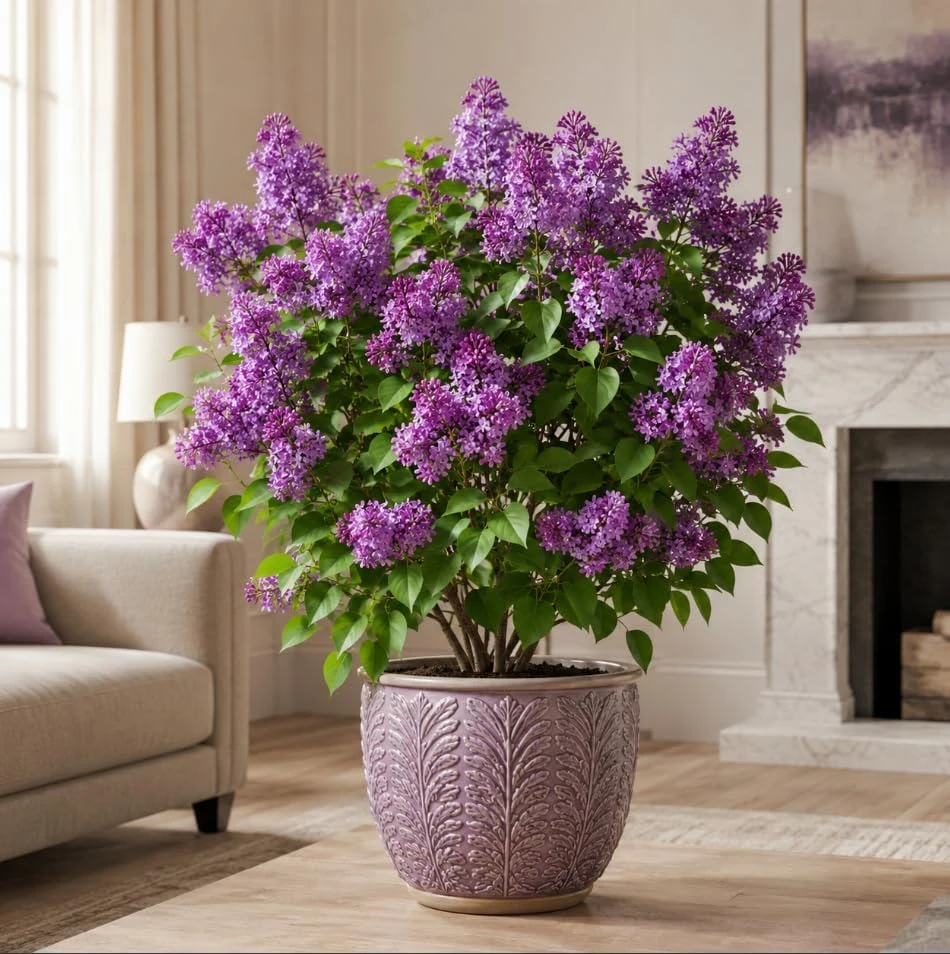
Bring classic fragrance and beauty to your garden with this purple lilac live plant. Arriving 5-10 inches tall in a 1-gallon pot, this hardy shrub is perfect for creating stunning spring displays.
Estimated arrival
Oct 16
Oct 21 - Oct 23
Oct 26 - Oct 30

Reasonable Price
We offer reasonable price

Support 24/7
Contact us 24 hrs a day

100% Money Back
You've 30 days to Return

Payment Secure
100% secure payment
Overview
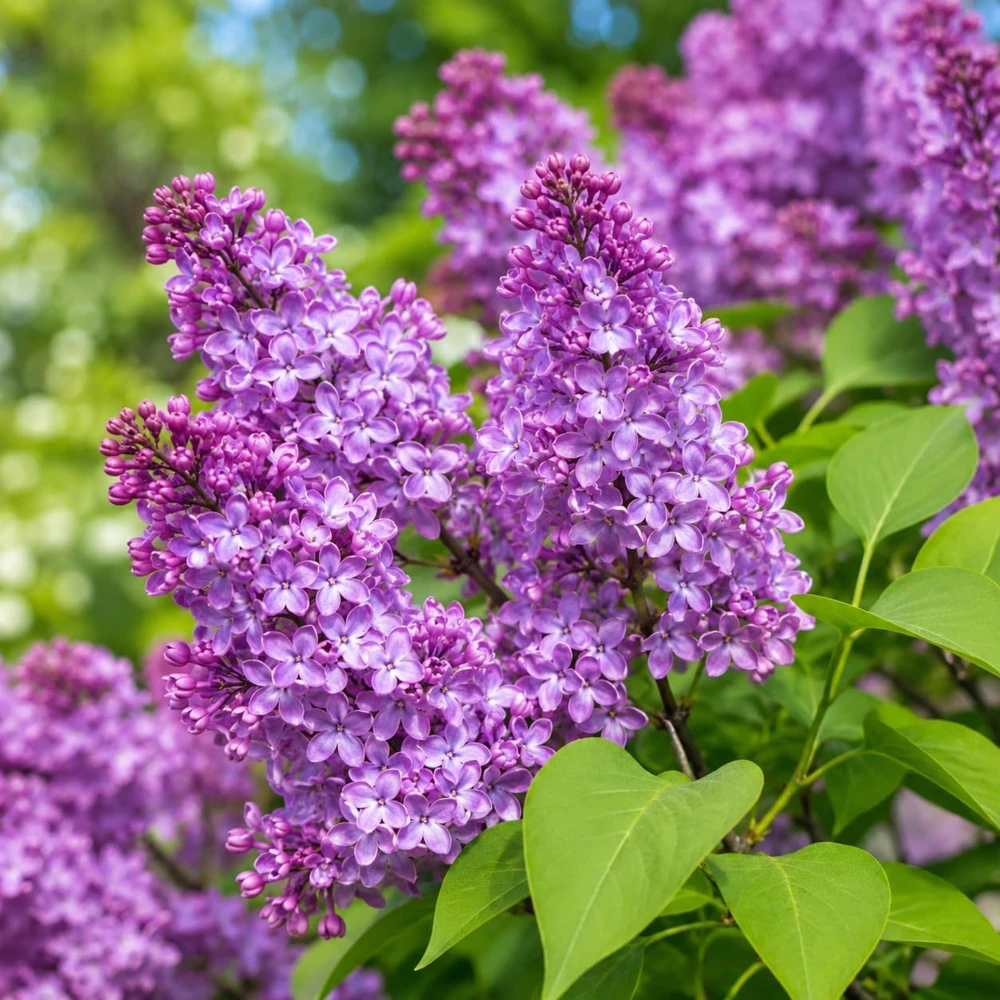
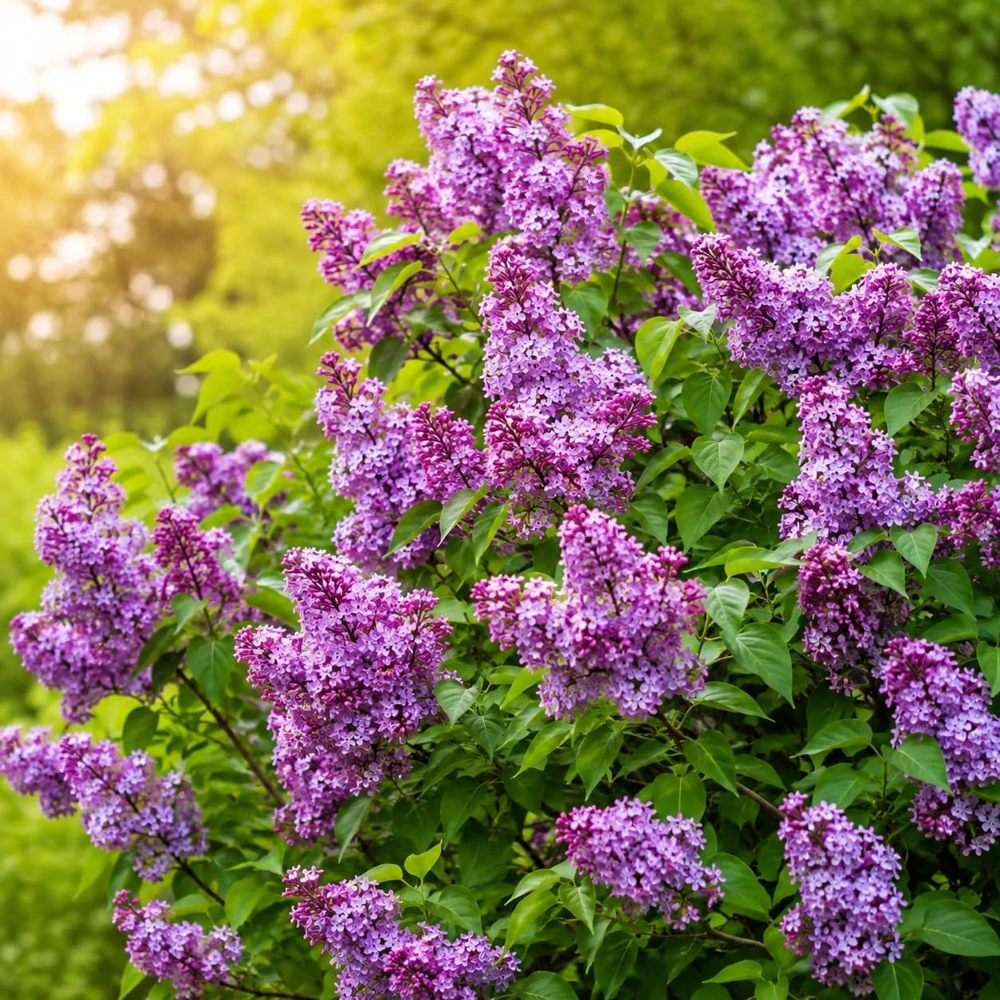
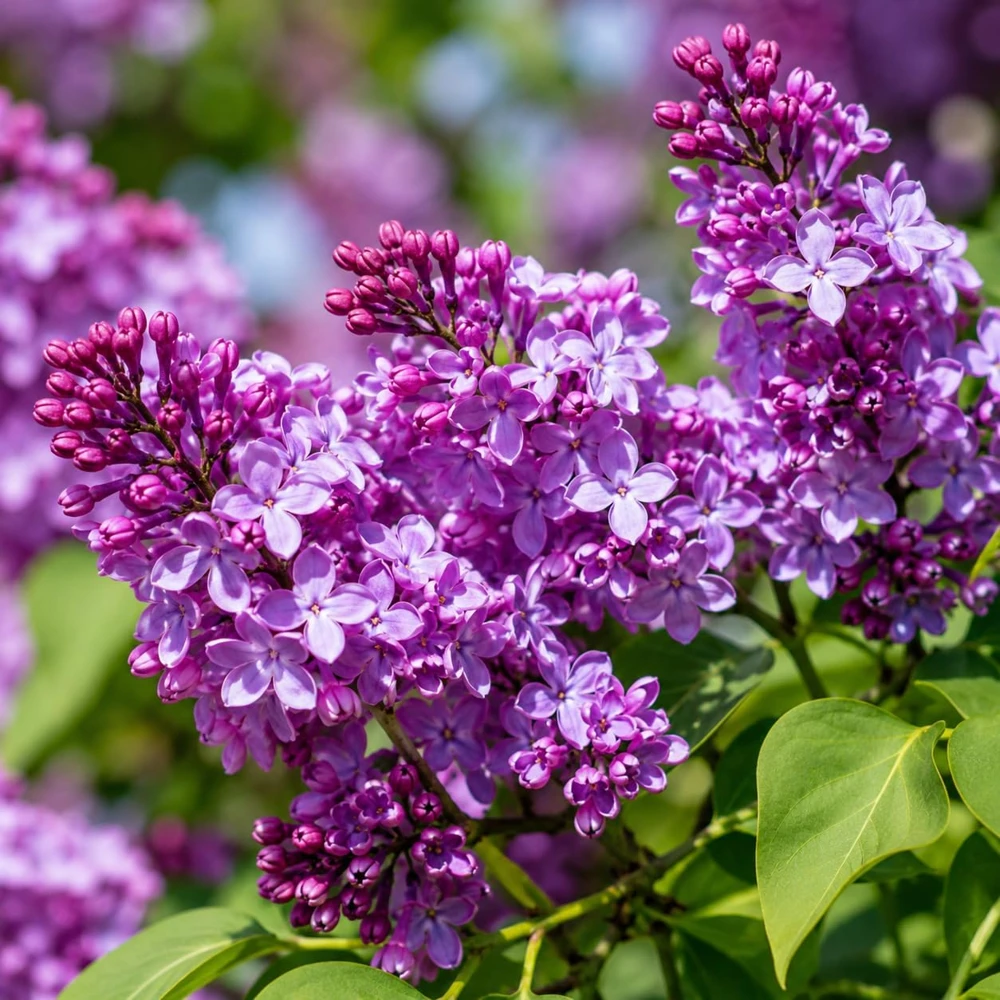
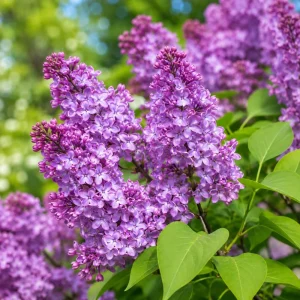
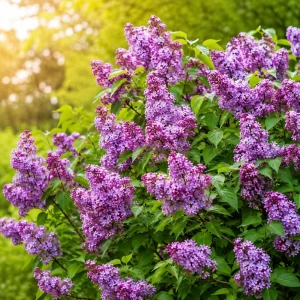
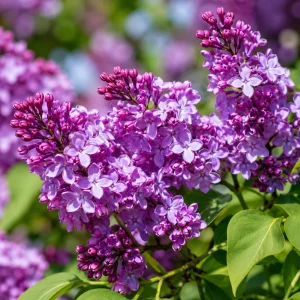
Transform your outdoor space with the timeless charm and intoxicating aroma of a purple lilac live plant. This beautiful shrub, botanically known as Syringa vulgaris, is celebrated for its dense clusters of highly fragrant, purple blooms that herald the arrival of spring. Our healthy, young lilac plant arrives ready for planting, typically measuring 5-10 inches tall and rooted in a convenient 1-gallon nursery pot. Known for its robust nature and ease of care, the common lilac is a beloved addition to cottage gardens, mixed borders, and as a fragrant hedge. Imagine stepping into your garden on a warm spring day, enveloped by the sweet, memorable scent that only a mature fragrant lilac plant can provide. This particular variety offers vibrant purple flowers that create a stunning visual impact, attracting pollinators like butterflies and hummingbirds to your landscape.
Key Benefits
Adding a purple lilac live plant to your garden offers a multitude of benefits, from aesthetic appeal to sensory delight. These shrubs are not just beautiful; they are also relatively low-maintenance once established, providing years of enjoyment.
- Exquisite Fragrance: Lilacs are renowned for their intensely sweet and captivating scent. Planting a fragrant lilac plant near a patio, window, or walkway allows you to fully appreciate its delightful perfume throughout its blooming season, creating a truly immersive garden experience.
- Stunning Spring Blooms: The vibrant purple flower clusters provide an unforgettable spectacle in mid to late spring. These showy blooms are perfect for cutting and bringing indoors, filling your home with their natural beauty and aroma.
- Attracts Pollinators: The nectar-rich flowers are a magnet for beneficial insects like bees and butterflies, contributing to the biodiversity and health of your garden ecosystem. Hummingbirds are also known to visit lilac blossoms.
- Hardy and Resilient: Lilacs are incredibly tough plants, thriving in a wide range of climates (USDA Zones 3-7) and tolerating various soil conditions. This makes them an excellent choice for gardeners seeking a reliable and long-lived shrub.
- Versatile Landscaping Use: Whether you desire a standalone specimen, a fragrant hedge, or a colorful accent in a mixed border, this purple flowering shrub adapts beautifully to different garden designs. Its upright growth habit makes it suitable for various landscape applications.
- Low Maintenance Once Established: After its initial establishment period, the lilac requires minimal care, making it a great option for both experienced and novice gardeners. Regular watering and occasional pruning are typically all that’s needed.
- Historic Charm: Lilacs have a rich history in gardens worldwide, symbolizing love and renewal. Growing a common lilac syringa vulgaris connects you to a long tradition of horticultural appreciation.
Plant Care & Growing Tips
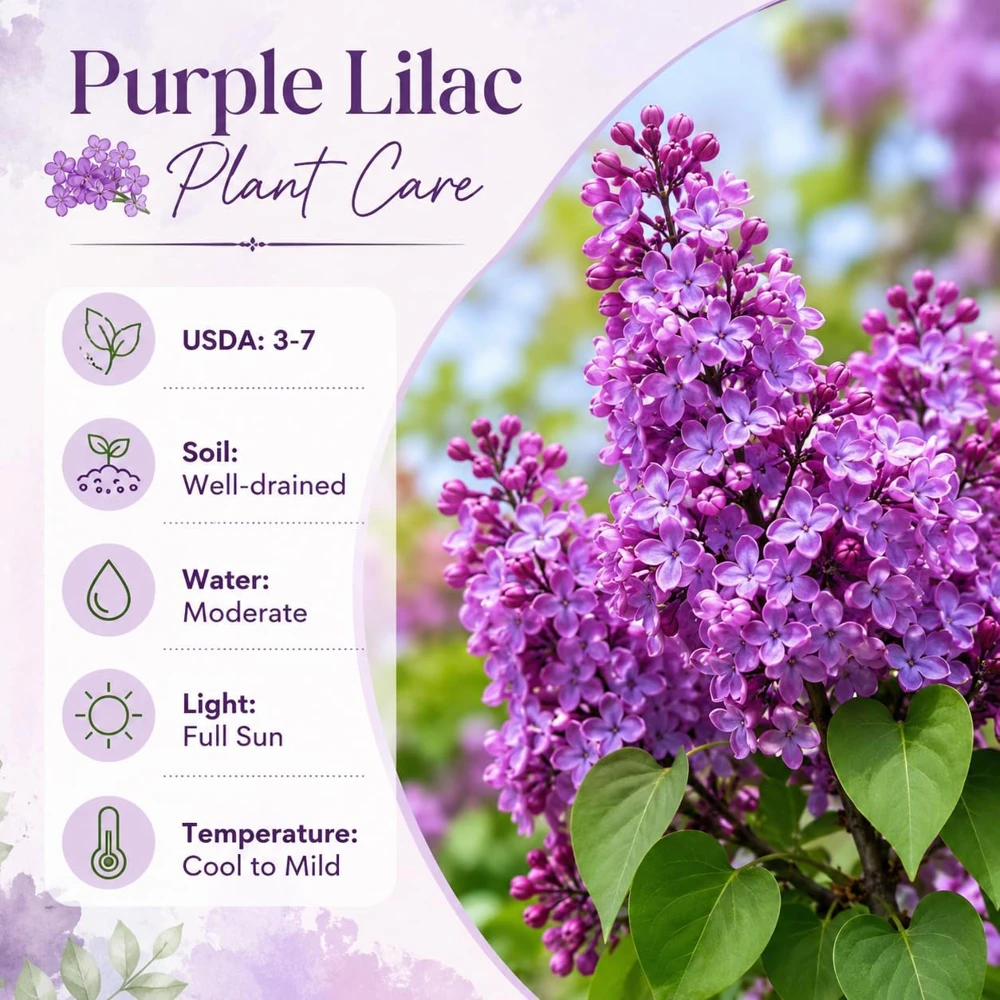
Caring for your purple lilac live plant is straightforward, ensuring years of beautiful blooms. Lilacs are generally robust, but providing optimal conditions will lead to the most vigorous growth and abundant flowering. They thrive in locations that mimic their natural habitat, which includes plenty of sunlight and well-drained soil.
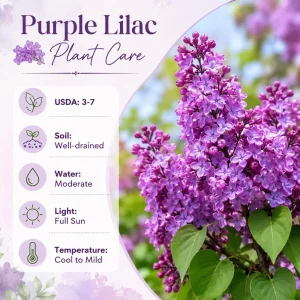
Sunlight Requirements: Lilacs are sun-loving plants and perform best in full sun, meaning at least 6 hours of direct sunlight per day. Insufficient light can lead to sparse flowering and leggy growth. Choose a spot in your garden that receives ample morning sun, which helps dry dew from the leaves and reduces the risk of powdery mildew.
Watering and Soil: This purple flowering shrub prefers well-draining soil. While established plants are somewhat drought-tolerant, consistent moisture is crucial during the first year after planting, especially during dry spells. Water deeply and regularly to encourage strong root development. Once established, water deeply during extended dry periods, but avoid overwatering, which can lead to root rot. A layer of mulch around the base of the plant can help retain soil moisture and regulate soil temperature. The ideal soil pH for lilacs is neutral to slightly alkaline.
Temperature and Hardiness: Lilacs are incredibly cold-hardy, thriving in USDA Zones 3-7. They require a period of cold dormancy to set flower buds effectively. Temperatures between 60°F and 75°F are ideal for active growth, but they can withstand much colder winter temperatures. Protect young plants from harsh winter winds in exposed locations.
Fertilization: Generally, lilacs do not require heavy fertilization. An annual application of a balanced, all-purpose fertilizer in early spring, before new growth begins, is usually sufficient. Avoid high-nitrogen fertilizers, which can promote leafy growth at the expense of flowers. A soil test can help determine if your soil has any specific nutrient deficiencies. Proper feeding supports the health of your lilac plant care regimen.
Pruning: Regular pruning is essential for maintaining the shape, size, and vigor of your purple lilac live plant, and for encouraging abundant blooms. The best time to prune is immediately after flowering. Remove spent flower clusters to prevent seed formation and direct energy into next year’s blooms. Remove any dead, damaged, or diseased branches. You can also thin out older, less productive stems from the base to encourage new growth. For overgrown plants, a rejuvenation prune over 2-3 years can be beneficial.
Size & Details
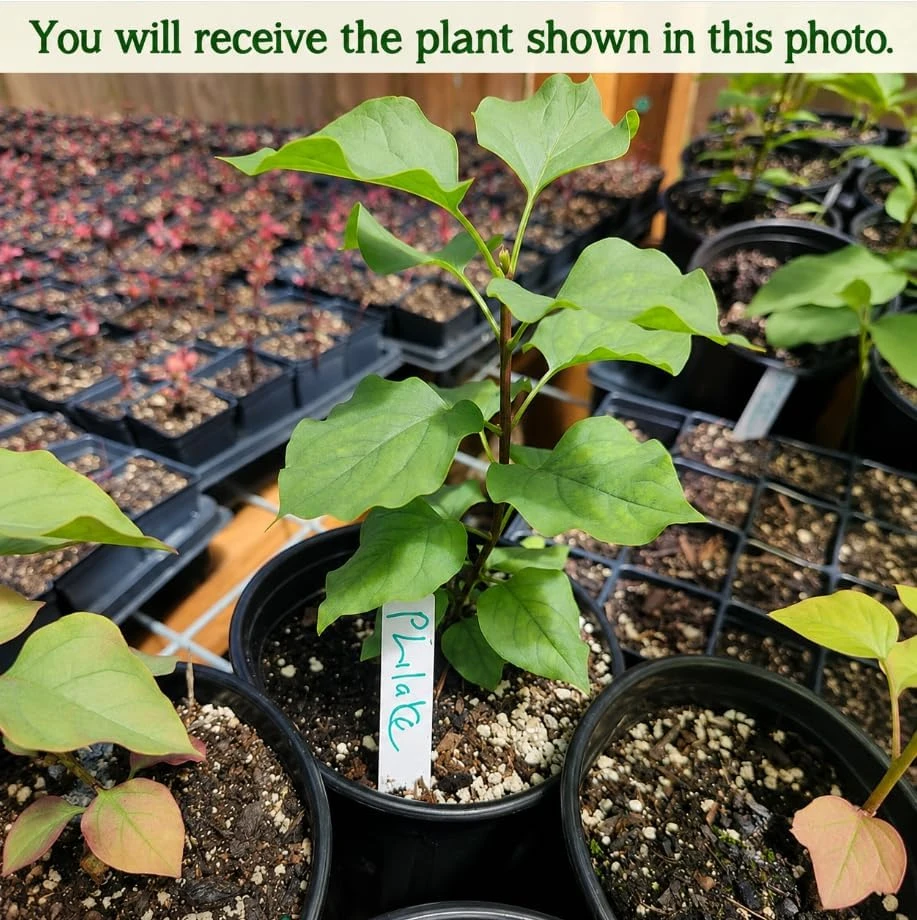
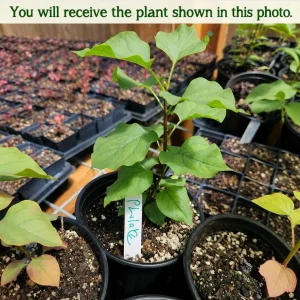
This purple lilac live plant arrives as a young, actively growing specimen, typically ranging from 5 to 10 inches in height from the top of the soil. It is well-rooted in a standard 1-gallon nursery pot, providing a robust start for transplanting into your garden. When mature, a fragrant lilac plant can reach an average height of 8-15 feet and spread 6-12 feet wide, depending on the variety and growing conditions. It has a moderate growth rate, establishing itself well in the first few years. Expect the first significant flush of fragrant purple blooms in mid to late spring, usually within a year or two of planting, with increasing abundance as the plant matures. This offering is for one potted live plant, ready to be transplanted into its permanent home in your garden.
Frequently Asked Questions
- Q: How big does this plant get? A: This particular purple lilac live plant typically grows to a mature height of 8-15 feet and spreads 6-12 feet wide. Its final size can vary based on growing conditions and pruning.
- Q: What size pot does it come in? A: The plant you receive will be rooted in a 1-gallon nursery pot, ensuring it has a healthy root system for successful transplanting.
- Q: Is this an indoor or outdoor plant? A: Lilacs are classic outdoor shrubs. They require a period of cold dormancy to flower properly and thrive in garden settings, making this a perfect purple flowering shrub for your landscape.
- Q: How much sunlight does it need? A: For the best blooms and healthiest growth, your fragrant lilac plant needs at least 6 hours of direct sunlight per day. Full sun is highly recommended.
- Q: Is this plant easy to care for? A: Yes, once established, lilacs are considered relatively easy to care for. They are very hardy and drought-tolerant, making lilac plant care manageable for most gardeners.
- Q: What condition will it arrive in? A: Your purple lilac live plant will arrive as a healthy, actively growing specimen in its nursery pot, carefully packaged to ensure its safe journey.
- Q: How long until it blooms? A: While some young plants may bloom in their first year, most will produce their first significant flush of flowers in their second or third year after planting, with blooms becoming more abundant as the plant matures.
- Q: When is the best time to plant? A: The best time to plant your purple lilac live plant is in the spring or fall when temperatures are moderate. This allows the plant to establish its root system before extreme heat or cold.
- Q: Will it survive winter in my zone? A: This common lilac syringa vulgaris is very cold-hardy, thriving in USDA Zones 3-7. It requires winter chill to produce flowers and will survive cold temperatures within these zones.
- Q: What’s the minimum temperature it can withstand? A: Lilacs can generally withstand winter temperatures well below freezing, typically down to -30°F (-34°C) or even colder in USDA Zone 3, provided they are established.
Be the first to review “Purple Lilac Live Plant, 5-10 Inches Tall, 1 Gallon Pot, Fragrant Outdoor Shrub”
-
USDA Hardiness Zone
3-7 -
Soil Type
Well-draining soil -
Sunlight Exposure
Full sun -
Expected Planting Period
Mid to late spring
People Also Viewd


Sold 134 products
Original price was: $3,536.00.$23.99Current price is: $23.99.

Sold 132 products
Original price was: $27.00.$24.00Current price is: $24.00.

Sold 132 products
Original price was: $89.99.$64.99Current price is: $64.99.

Sold 125 products
Original price was: $86.99.$66.99Current price is: $66.99.

Flower Bulbs
3 Cranesbill Wild Geranium Organic Maculatums Bare Roots | Wildflower for Outdoor Garden
Sold 116 products
Original price was: $21.99.$9.99Current price is: $9.99.

Sold 114 products
Original price was: $28.99.$17.99Current price is: $17.99.

Sold 110 products
Original price was: $63.99.$28.99Current price is: $28.99.
Sold 108 products
Original price was: $28.99.$17.99Current price is: $17.99.RELATED posts
How to Grow Arbequina Olive Trees: The Ultimate Guide to Your Own Olive Grove
Arbequina Olive Tree (Olea europaea ‘Arbequina’) – the ultimate Mediterranean plant that brings a touch [...]
Oct
Growing Garlic in Containers This Fall: A Complete Guide for Beginners
If you’ve ever wanted to pop fresh, aromatic garlic cloves straight from your own patio [...]
Sep
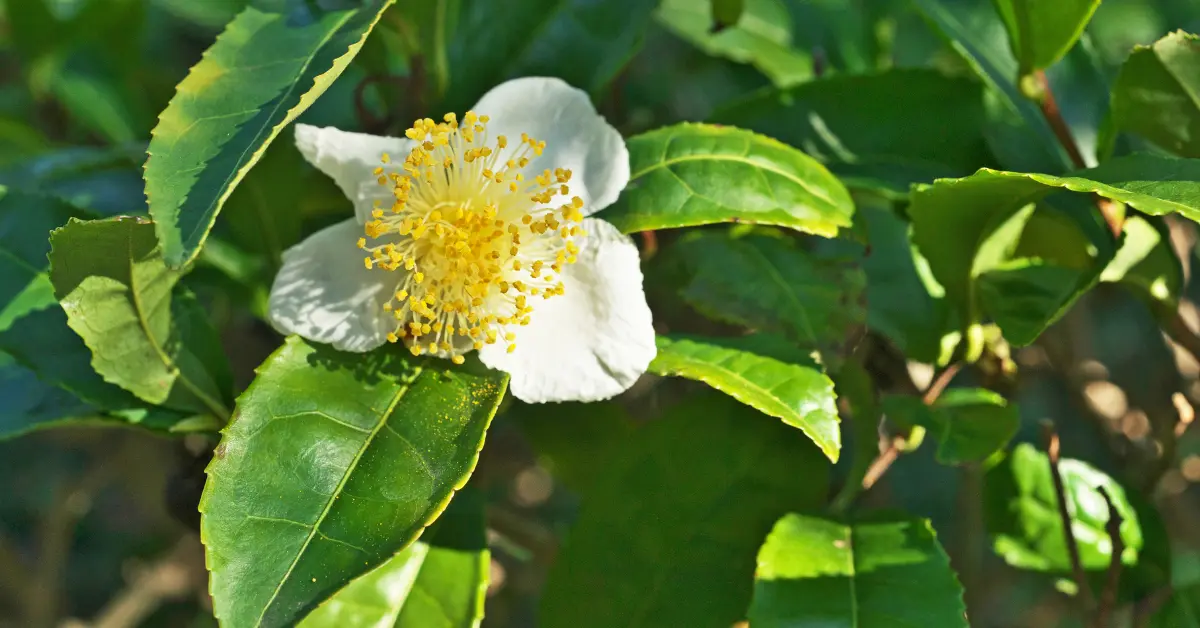
Growing Camellia Sinensis (Tea Plants) in Containers: A Complete Guide for Beginners
If you’ve ever wanted to sip a steaming, homegrown cup of fresh green, black, or [...]
Aug
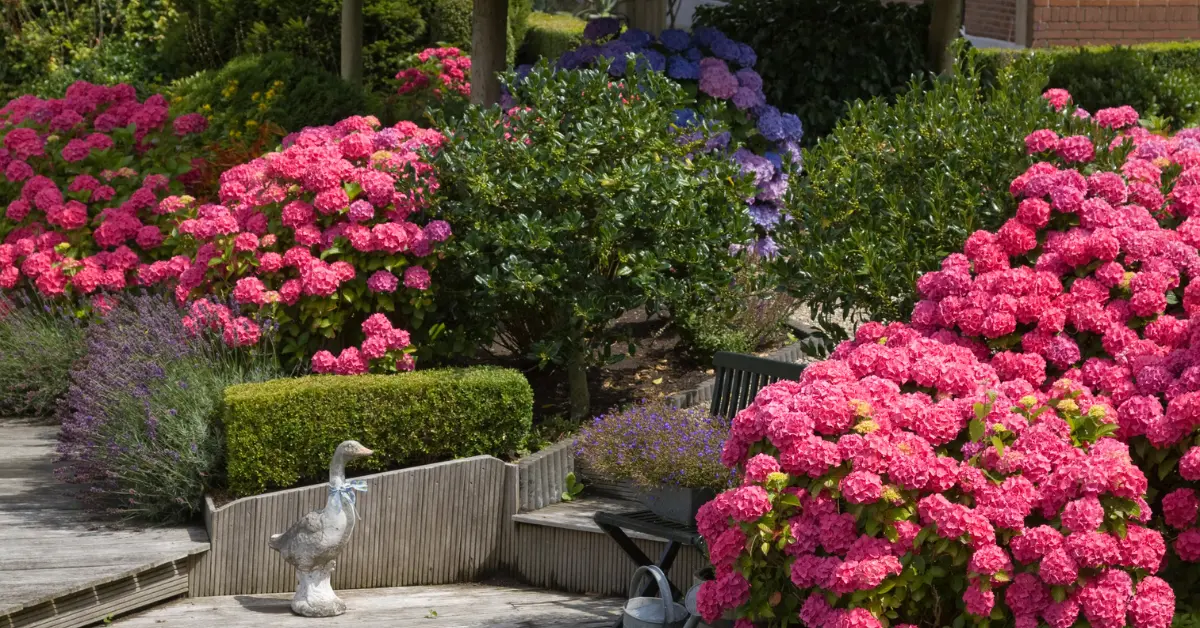
6 Best Shrubs to Plant in August You Must Try
Have you ever walked through a nursery late in the summer, admired the vibrant shrubs [...]
Aug
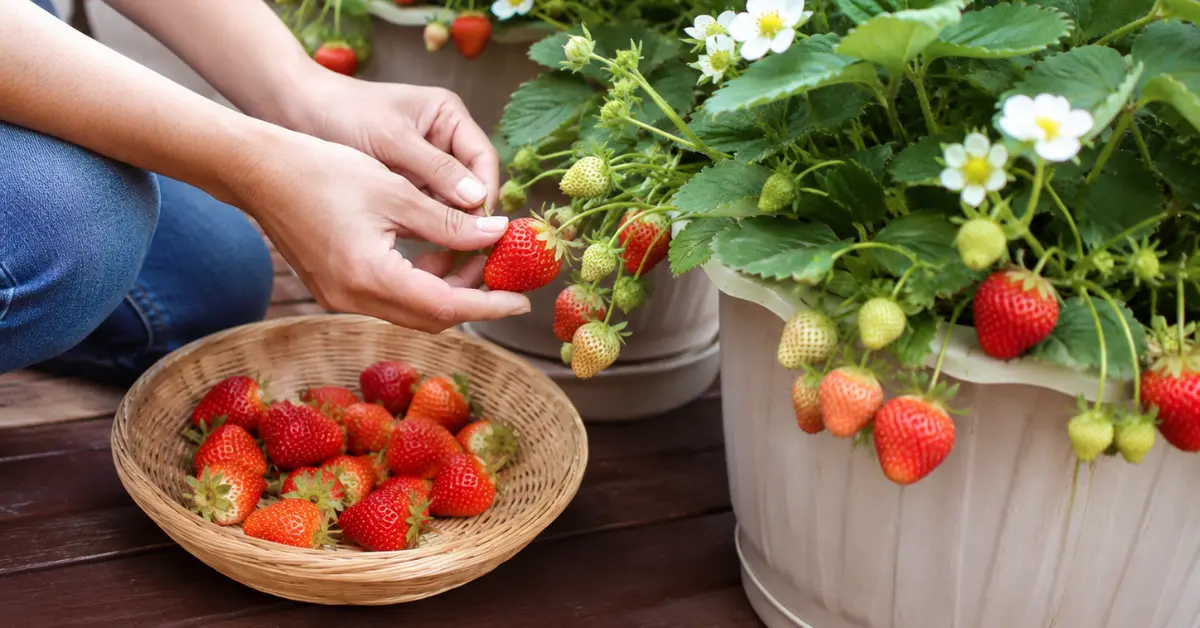
Growing Everbearing Strawberries in Containers: A Complete Guide for Beginners
Want to grow sweet, fresh strawberries but do not have a large garden? Everbearing strawberries [...]
Aug
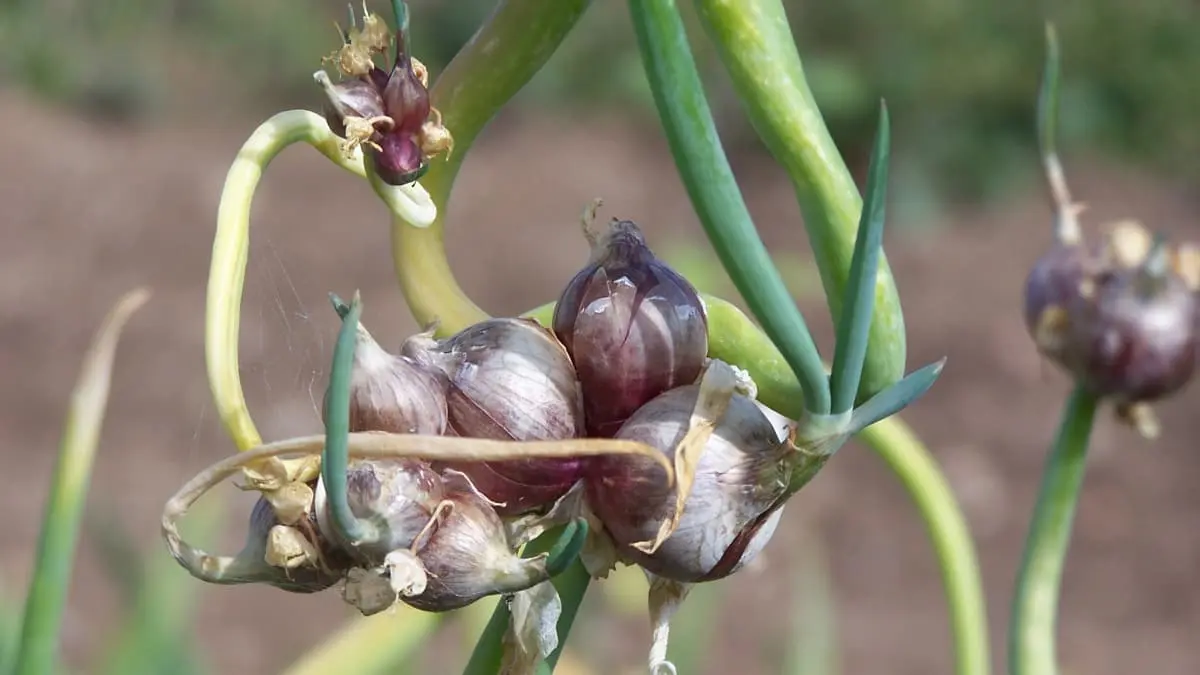
Growing Egyptian Walking Onions in Containers: A Complete Guide for Beginners
If you’re looking for a hardy, no-fuss perennial onion that keeps on giving year after [...]
Jul
Growing Carolina Reaper Peppers in Pots: A Complete Guide for Beginners
If you’ve ever wanted to add some serious, record-breaking heat to your home cooking, you’ve [...]
May
Growing Curry Leaf Plant in Pots: A Complete Guide for Beginners
If you’re a fan of authentic South Asian cuisine, you already know that nothing compares [...]
May



Reviews
There are no reviews yet.